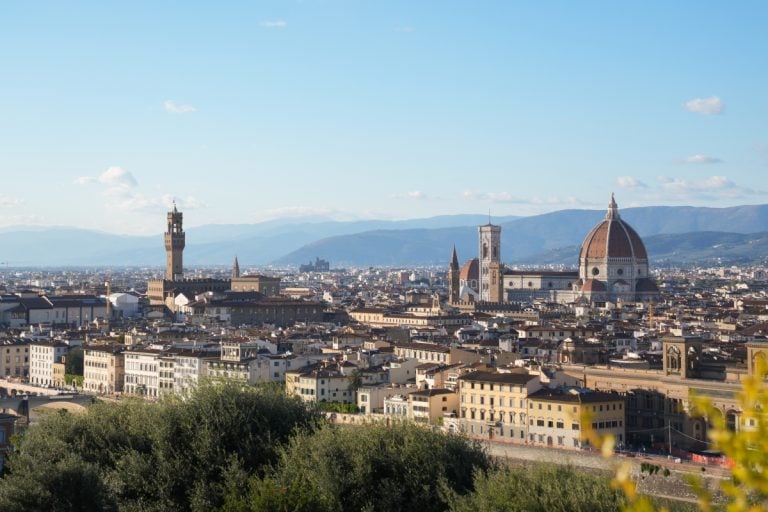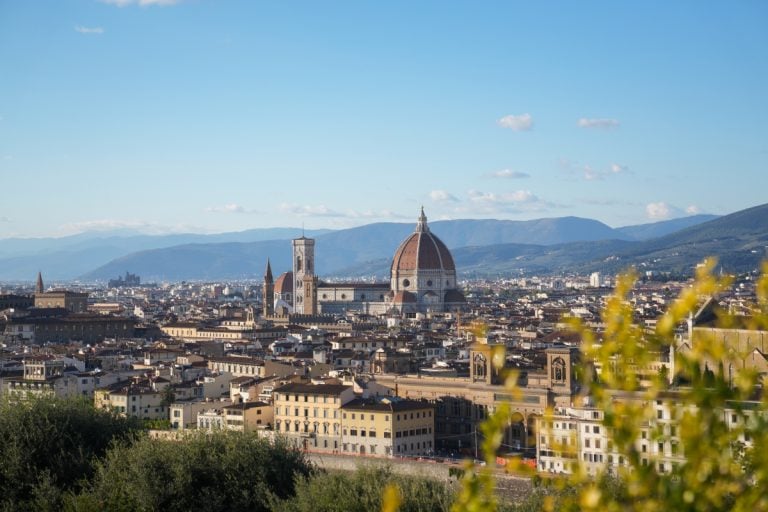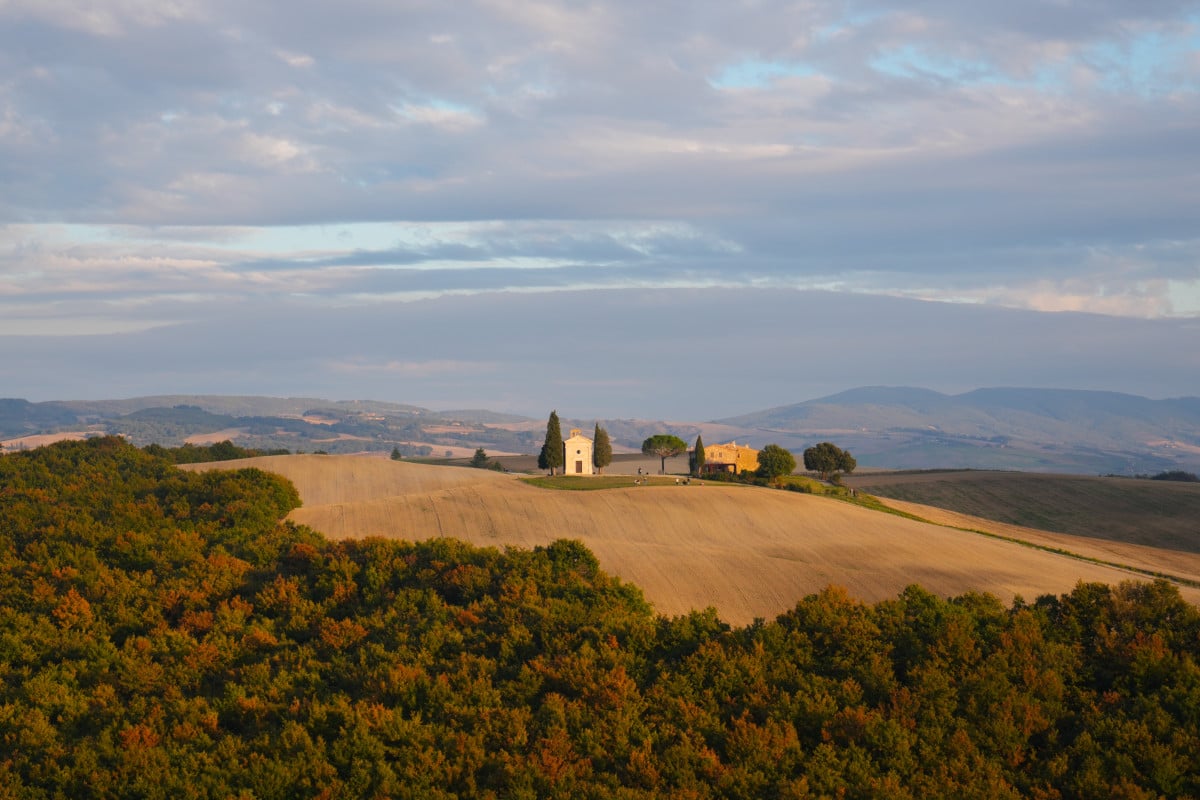
If you’re immersed in planning a trip to Tuscany, you’ll quickly find it’s difficult to decide where to base yourself. I spent over two weeks exploring much of Tuscany over two separate trips, so I’m putting together my guide on which are the best towns to stay in Tuscany.
It’s one of my favorite regions of Italy to explore. The Tuscan countryside, in addition to the city of Florence. This fall, I spent over two weeks exploring Tuscany for a second time, narrowing in on the iconic countryside towns and wineries that make it so special.
For this guide, I’m focusing on the countryside of Tuscany and the areas to stay within the rolling hills and hilltop villages. With an extensive guide available on where to stay in Florence, this guide is where to go afterward for a road trip through the Tuscan countryside.
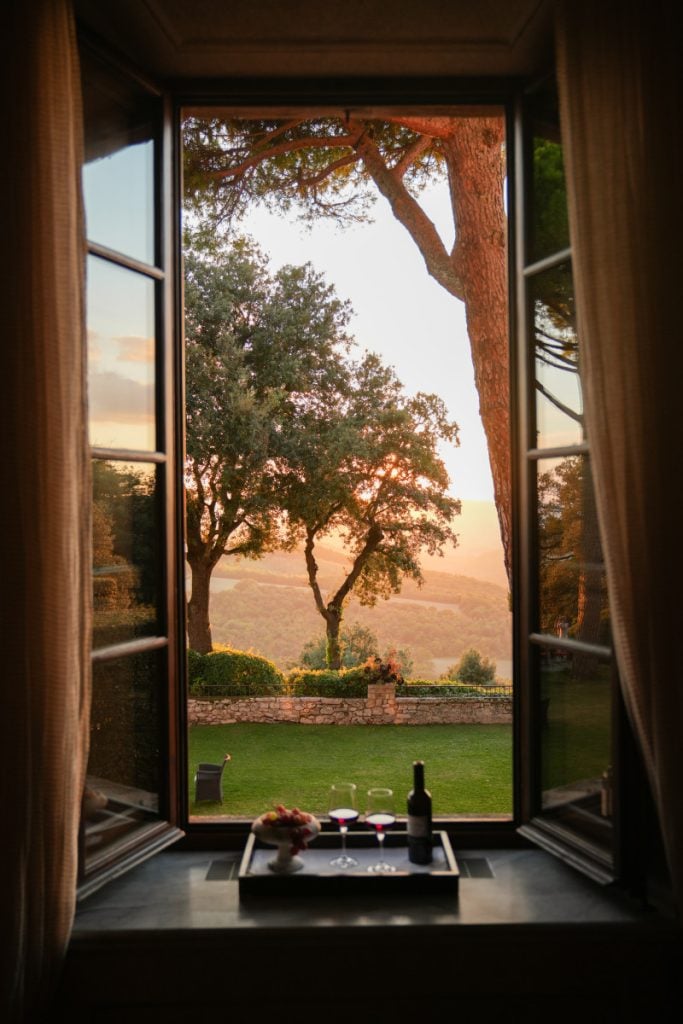
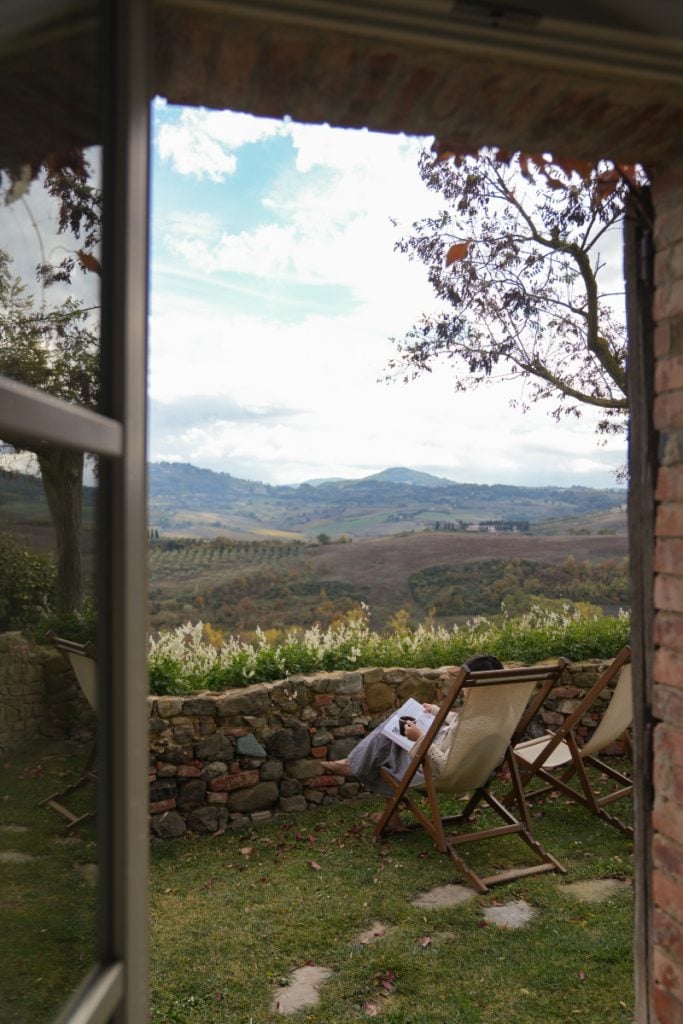
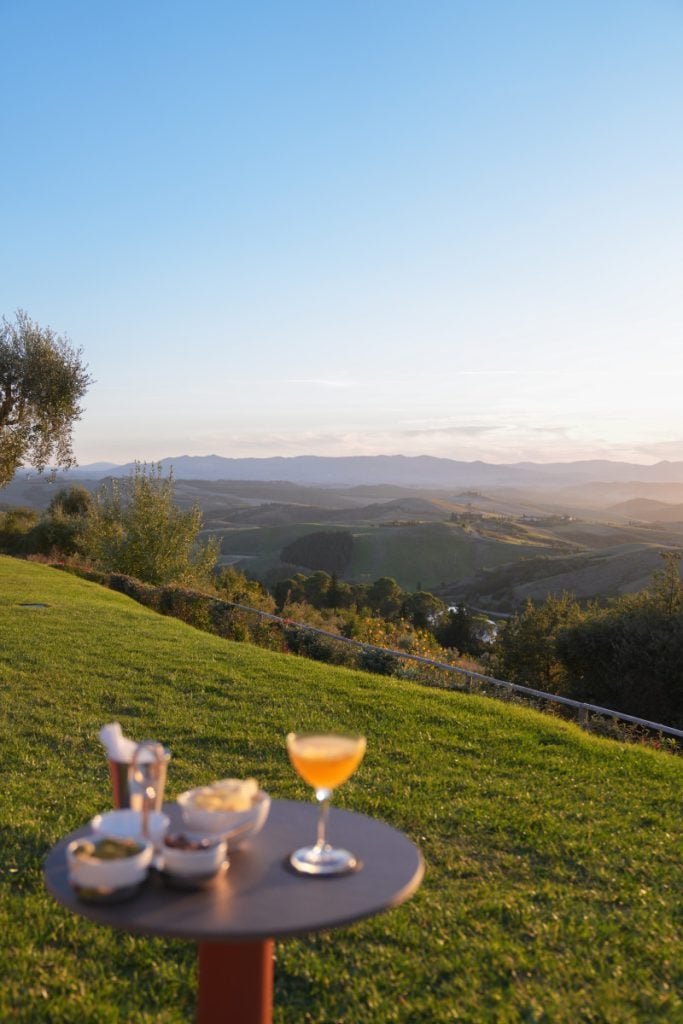
This special region of Tuscany can easily be seen over 1-2 weeks (see my Tuscany itinerary for exactly how’d I’d plan my time). I feel like it’s best done at a leisurely pace so you can really soak it in. Give yourself the time to have a long lunch, enjoy sunset at a countryside hotel, and stroll through villages. There are also some absolute bucket-list hotels to consider, so I’ve included a few of those as well.
When I visited Tuscany, I focused on picking locations that would give us the best access to explore. If you’re not sure where to base yourself in Tuscany, this guide will help give you some insider information on your trip.
Short on Time? Here Are My Top Picks for Where to Stay in Tuscany
- Near San Gimignano & Volterra (staying at Borgo Pignano or Castelfalfi), for the best northern Tuscany base
- Siena (staying at Grand Hotel Continental Siena), for the best central city base
- Between Pienza & Montepulciano (staying at Lupaia), for the best Val d’Orcia countryside stay
Best Airbnbs in Tuscany
- 2 Bedroom Garden Apartment near Pienza (Where I Stayed), for the best Val d’Orcia views
- 2 Bedroom Luxury Medieval Tower Penthouse (San Gimignano), for the best one-of-a-kind stay
- 3 Bedroom Tower Apartment near Piazza del Campo (Siena), for the best panoramic city stay
Helpful Guides to Plan Your Trip
For more Tuscany intel, check out my Tuscany itinerary for a practical, day-by-day plan, my regional guide to Val d’Orcia, and my guides to San Gimignano, Montepulciano, Pienza, and Montalcino. If you’re planning to visit Florence as part of your Tuscany trip, don’t miss my guide to the best things to do in Florence, recommendations on where to stay in Florence, and my curated 3-day Florence itinerary! For more on where to go in Italy, start with my list of the best cities in Italy and 10-day Italy itinerary.
Travel Tip: The best way to explore Tuscany is by driving yourself. We use Discover Cars for our rental cars in Europe, choose full coverage insurance, and opt for trusted companies like Alamo, Hertz, or Sixt. Renting a car and driving in Tuscany is quite easy. Book your car with Discover Cars here.
Where to Stay in Tuscany: Best Towns to Base Yourself
The Best Area to Stay in Tuscany (For a Week+)
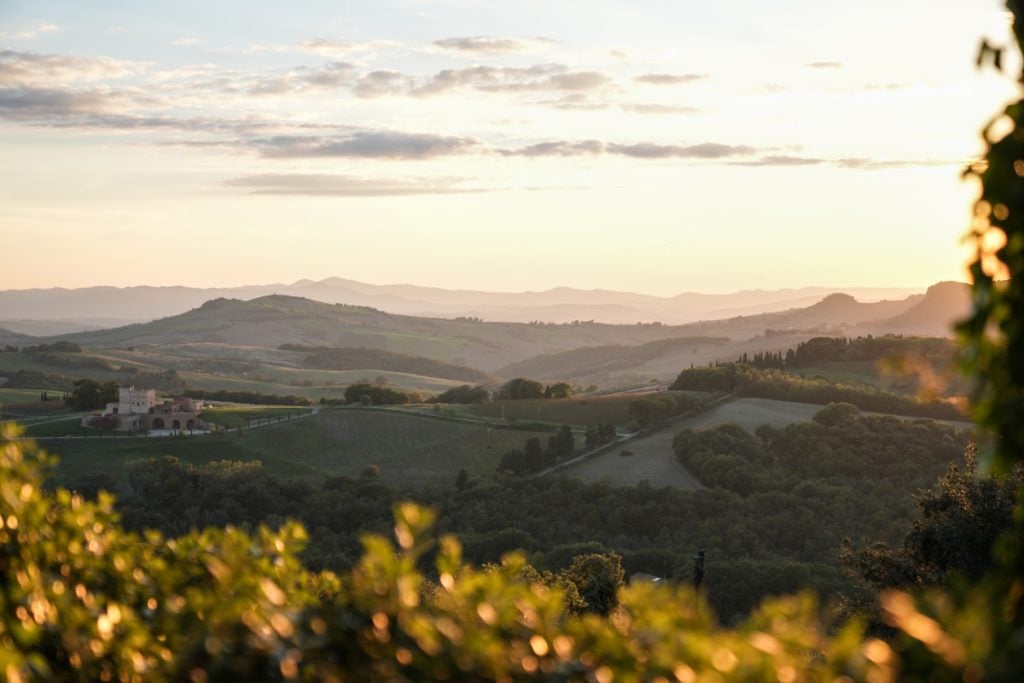
Tuscany is large and can be challenging to decide which area to visit for a trip. The region spans from Florence out to the borders of Umbria, and south past the Val d’Orcia. It has 10 provinces, but for this guide’s sake, I’m narrowing in on the classic Tuscany route that most visitors embark on.
For your first trip, my recommendation for Tuscany is to split your time across 2-3 locations, focusing on San Gimignano, Siena, and down to Val d’Orcia. From each of these locations, you can easily do day trips and have a lot to explore within a 20-45 minutes drive. I’m including the three places I feel are the best locations in Tuscany for a week, with 2-3 nights in each, depending on how your itinerary falls.
Travel Tip: Public transportation can be quite a headache to visiting the best towns in Tuscany. My recommendation is to pick up a rental car either at your arrival airport or train station, and be able to explore on your own. We rented our car with Discover Cars, picking an automatic car with a reputable company, and it was so easy.
Best Northern Tuscany Location: San Gimignano or Nearby
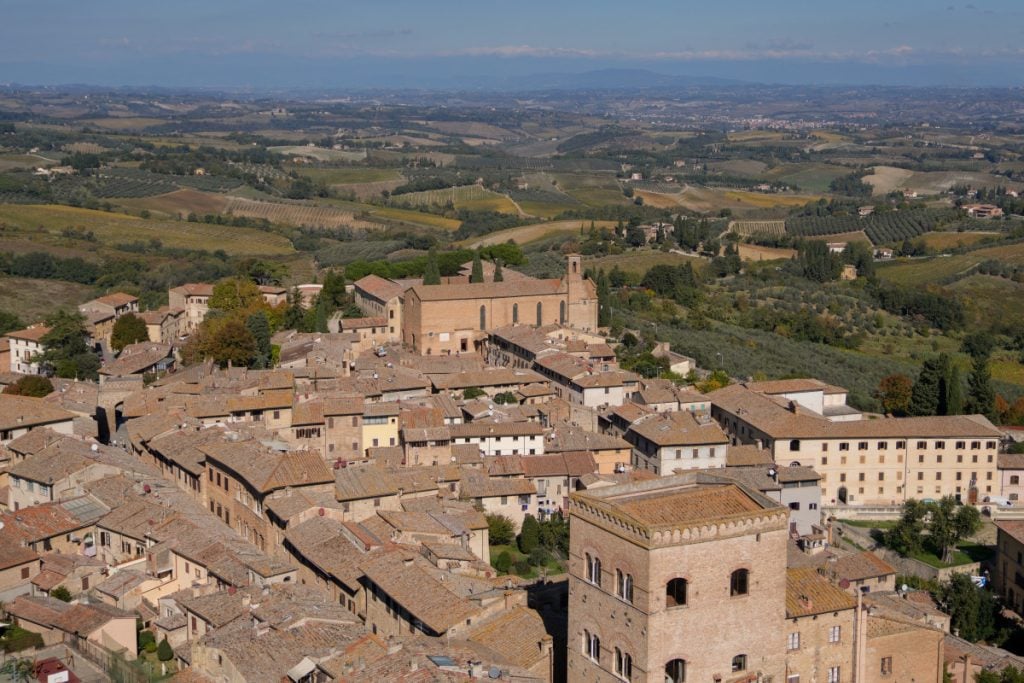
San Gimignano, one of the most iconic Tuscan hilltop towns, is known for its preserved medieval historic center and a skyline of stone towers. For me, San Gimignano and its surrounding region are a wonderful place to start your time in Tuscany after Florence, as it’s close to so much.

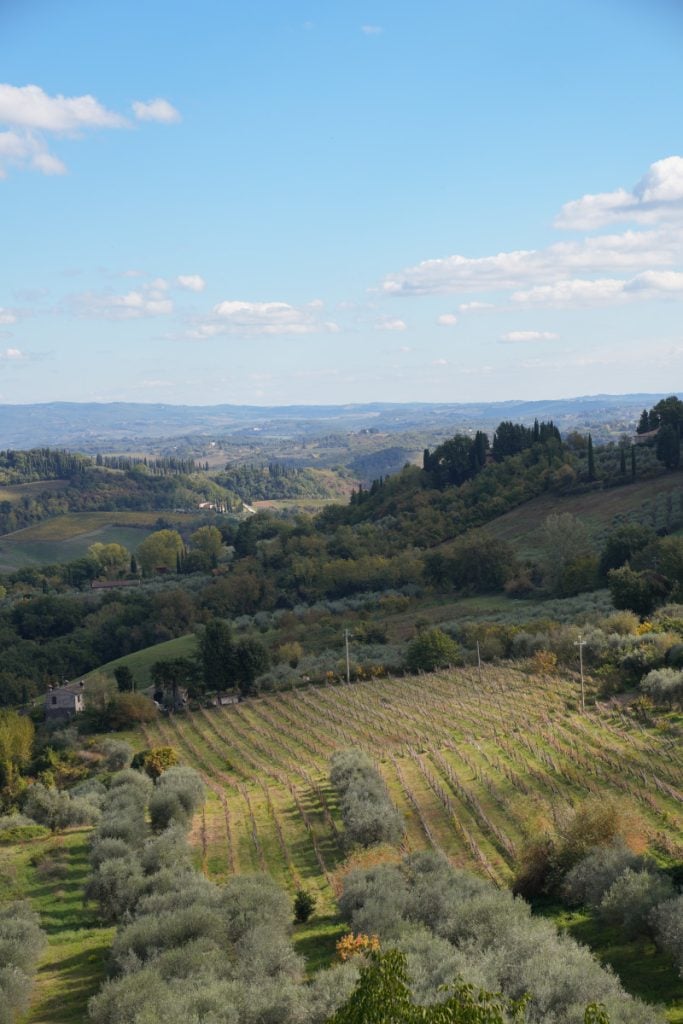
My recommendation is to pick an accommodation near San Gimignano and use it as your base for this part of Tuscany. I wouldn’t stay exactly in the town center, but somewhere in the countryside. From there, you can visit the town of San Gimignano, take a day trip to Chianti for wine tasting, and explore Volterra (30 minutes away) — an absolute must, in my opinion. From a geographical standpoint, staying near San Gimignano sets you up well, which is why I recommend staying there, as I’ve done on the last two trips to Tuscany.
Where to Stay in the San Gimignano Area (Recommended Time: 2-3 Nights)
Hotels
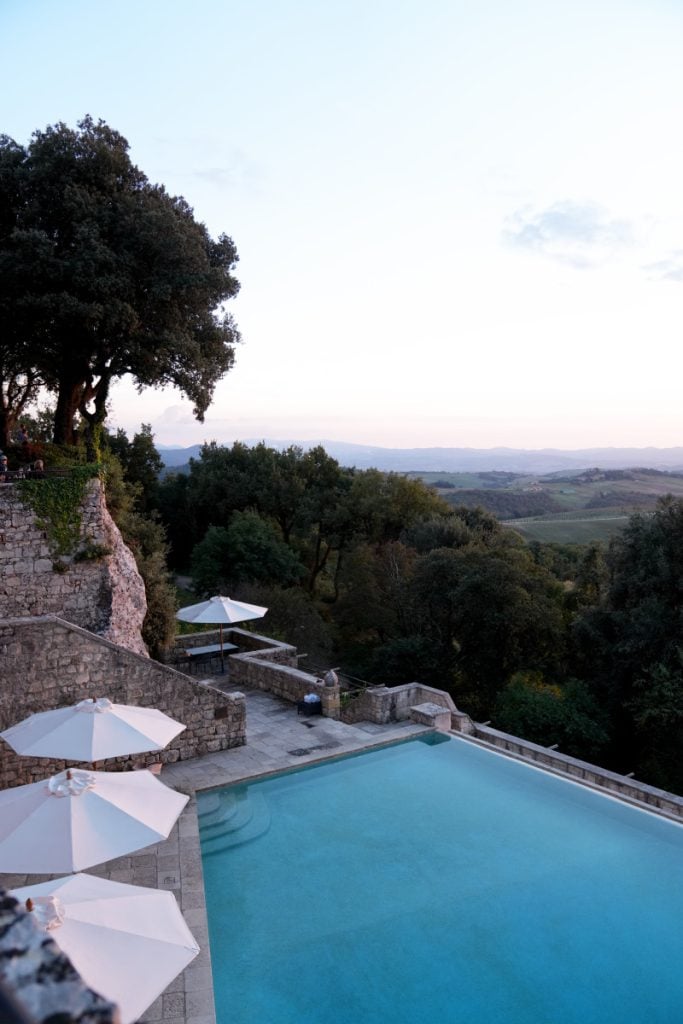
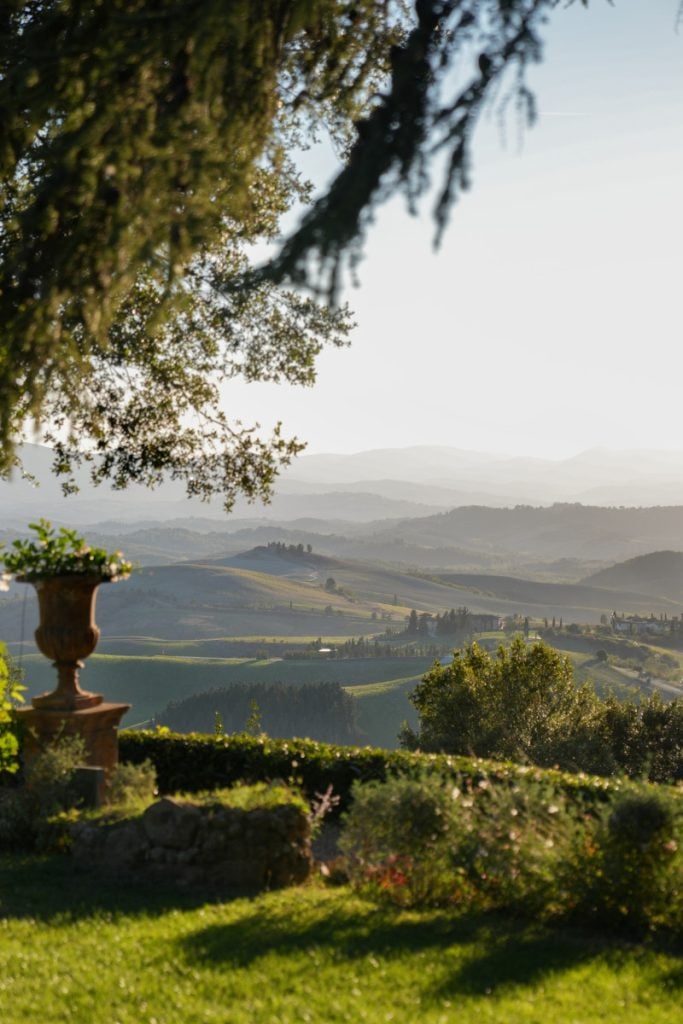
- Borgo Pignano ($$$$ / Where I Stayed), for the best luxury historic hotel
- Castelfalfi ($$$$) / Where I Stayed), for the best luxury resort
- Mormoraia ($$$), for the best luxury agriturismo hotel
- Antica Dimora ($), for the best countryside agriturismo stay
- Villasanpaolo Resort ($$ / Where I Stayed), for the best mid-price resort stay (read my review)
- Locanda dei Logi ($$), for the best farmhouse stay
Airbnbs
- 2 Bedroom Luxury Medieval Tower Penthouse, for the best one-of-a-kind stay
- 2 Bedroom Apartment with Views, for the best countryside views
- 2 Bedroom Garden Apartment near Piazza della Cisterna, for the best central historic stay
Best Central Location: Siena
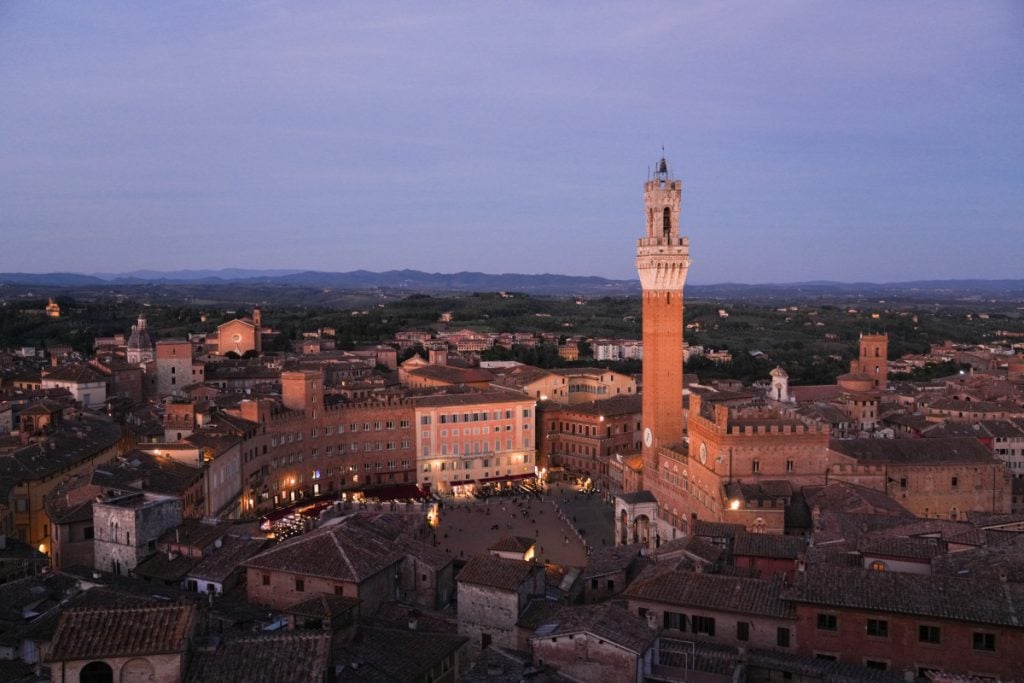
Siena, strategically, is one of those cities that offers a lot if you choose to stay there, located in the heart of Tuscany. The beauty of Siena is that, by staying in the city center, you can leisurely see all the sights and access excellent restaurants on foot. The other beauty of it is you can easily take day trips from Siena to villages like Monteriggioni and even out to Chianti.
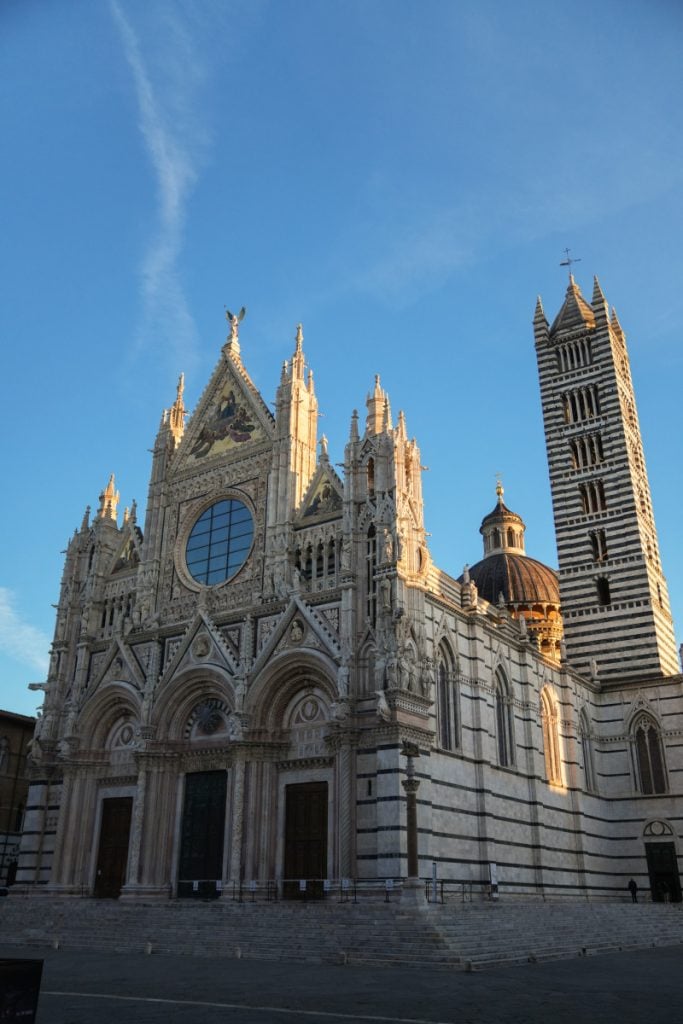
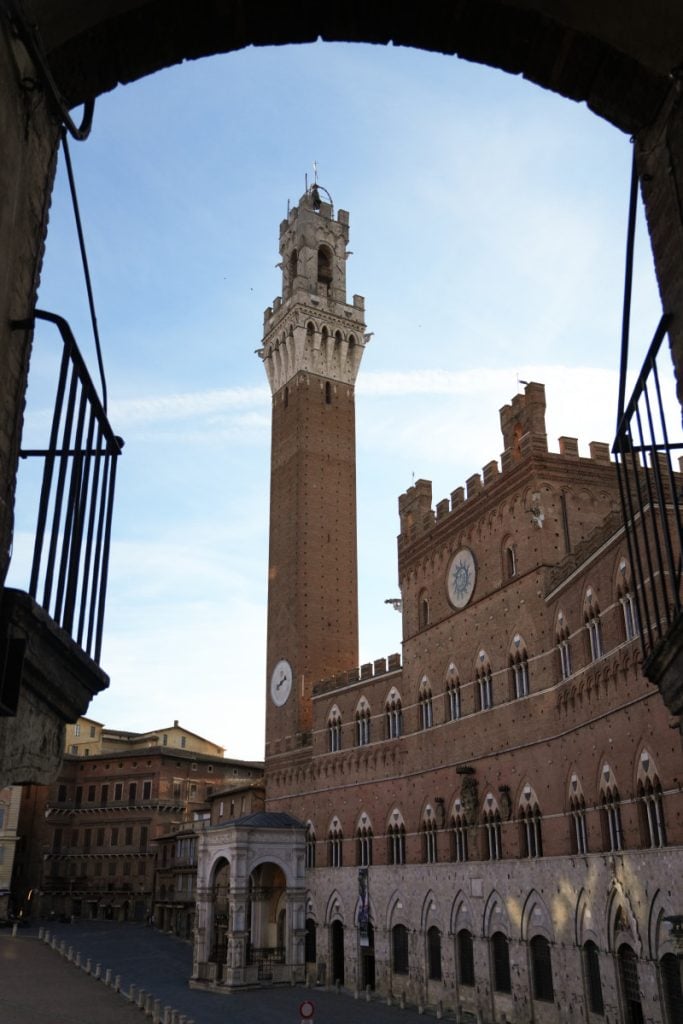
On my first trip to Tuscany, I completely skipped Siena, and on my last trip, I did 3 nights. I adored staying in the city center, getting to explore the city at length, and then embarking on day trips from there. If you want to experience staying in an iconic citadel, Siena is it. Alternatively, you could day trip to Siena from the San Gimignano region as well, should you not want to break your hotel stays (though, I’d vote for at least 2 nights in Siena!).
Where to Stay in Siena (Recommended Time: 2-3 Nights)
Hotels
- Grand Hotel Continental Siena – Starhotels Collezione ($$$), for the best luxury hotel in Siena
- Hotel Athena ($$), for the best mid-priced luxury hotel in Siena
- Hotel Certosa di Maggiano ($$), for the nearest luxury countryside hotel
- Il Battistero Siena ($), for the best design for dollar hotel in town
- Relais degli Angeli ($), for the best boutique hotel
Airbnbs
- 3 Bedroom Tower Apartment near Piazza del Campo, for the best panoramic city stay
- 2 Bedroom Palazzo Bichi Ruspoli Apartment, for the best central historic rental
- 3 Bedroom Piazza del Campo Balcony Apartment, for the best skyline terrace home base
Best Val d’Orcia Location 1: Between Pienza and Montepulciano
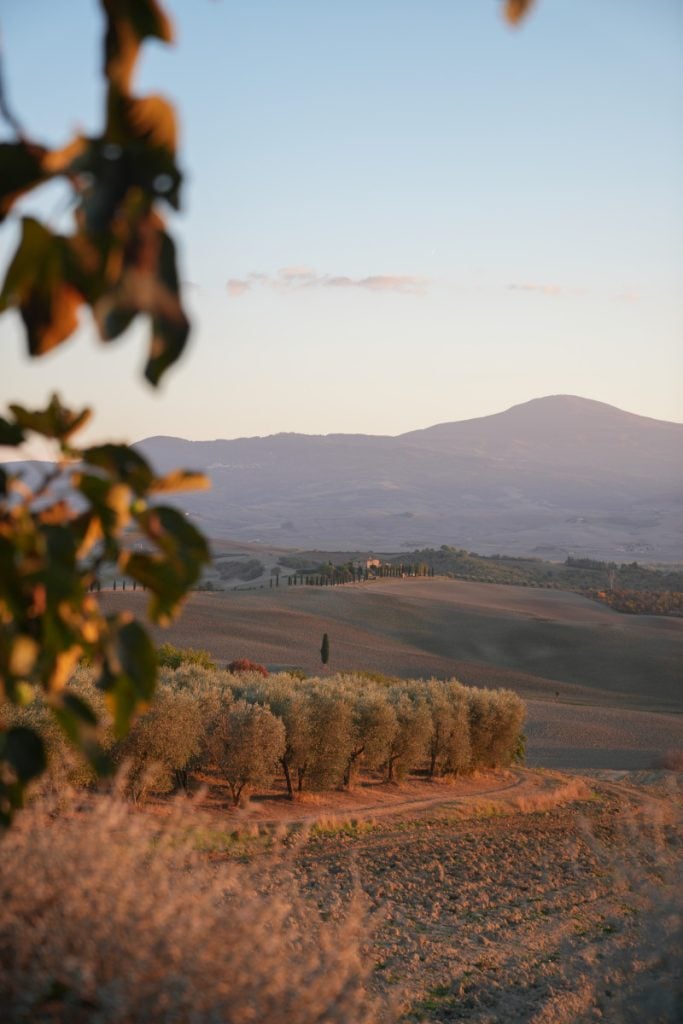
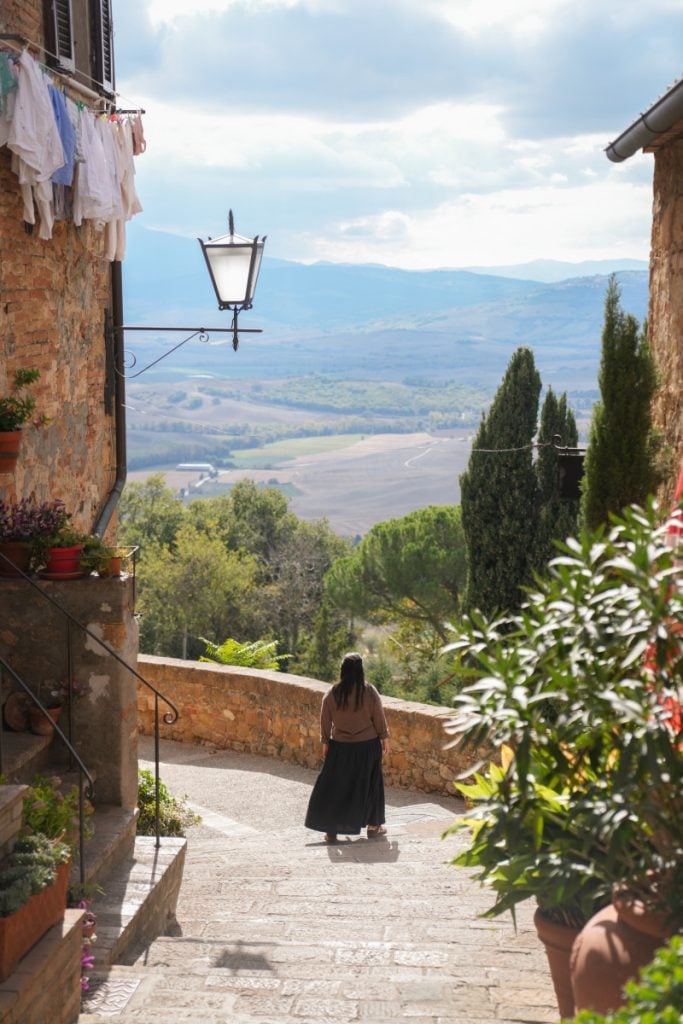
If I had to pick my favorite region of Tuscany, it’s the Val d’Orcia, a very stunning valley full of about a half dozen towns to visit, like Pienza, Montalcino, and Montepulciano. After two visits, I can confirm that the best area to stay at is somewhere between Pienza and Montepulciano, or just near these villages.
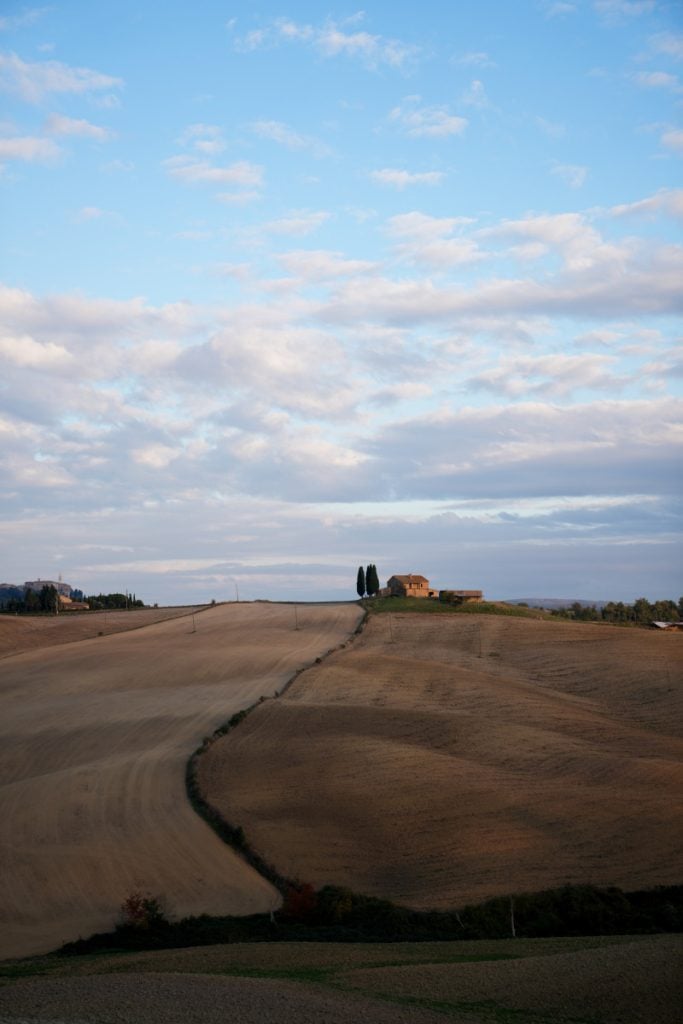
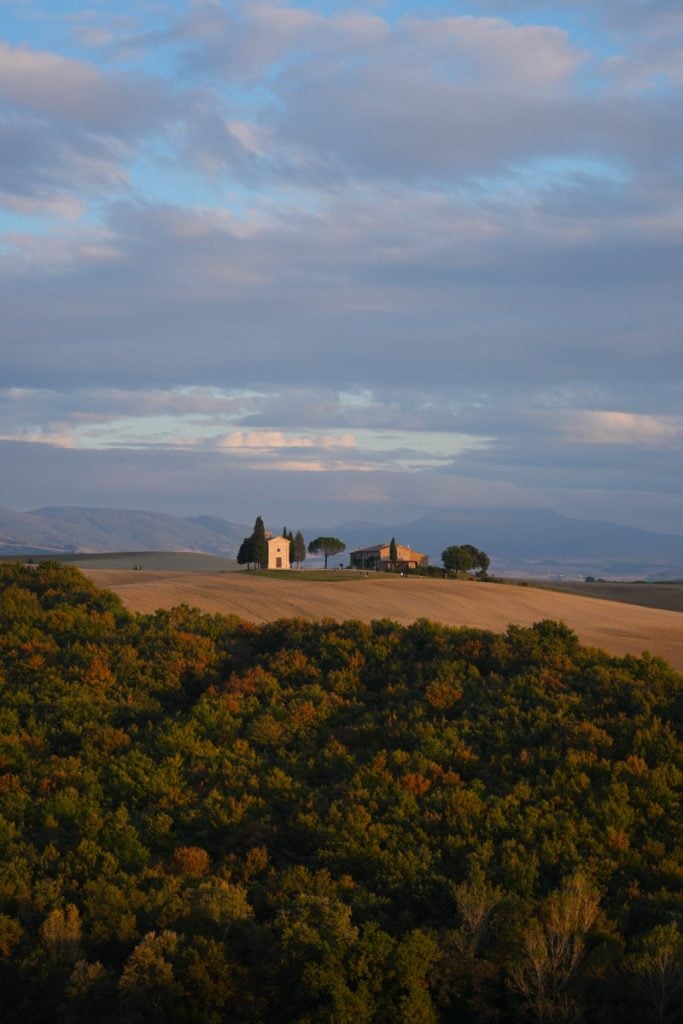
My recommendation for this part of Tuscany is to base yourself somewhere in the countryside where you can easily explore wineries and villages, and do scenic drives between them all. It’s somewhere you could easily spend 3+ nights because there is a lot to do here, and it’s wonderful for a romantic getaway.
Where to Stay Between Pienza and Montepulciano (Recommended Time: 3+ Nights)
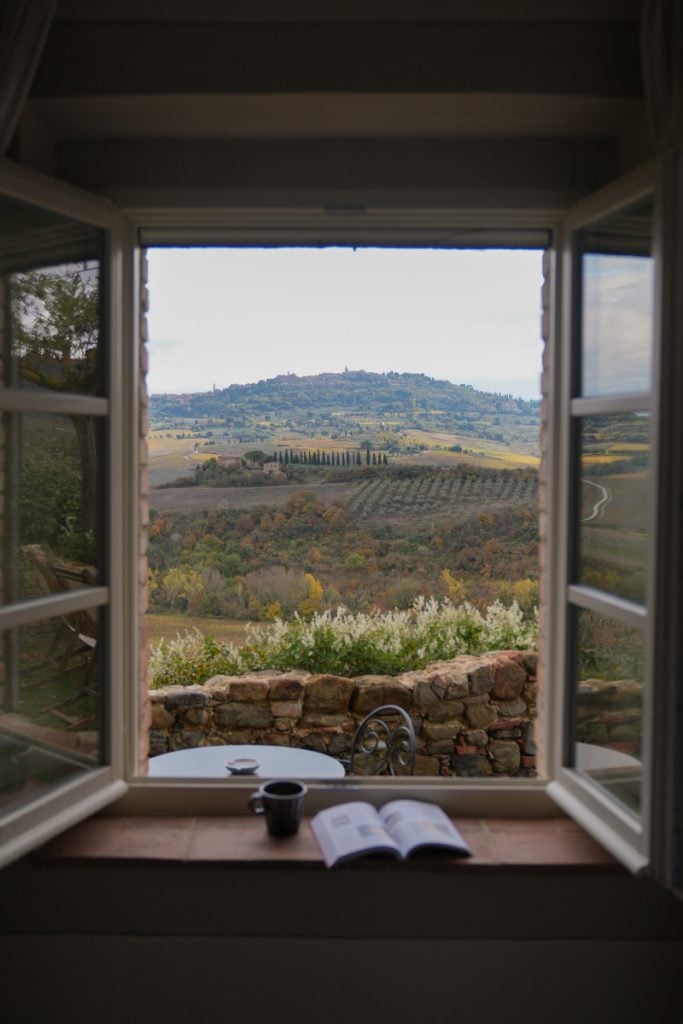
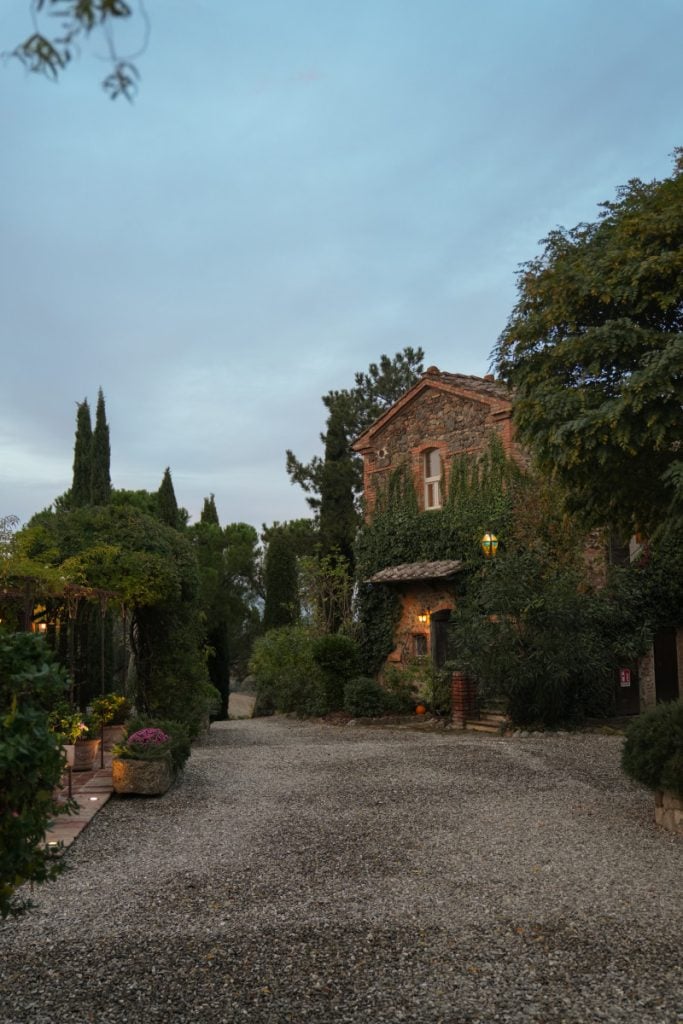
- Lupaia ($$$$ / Where I Stayed), for the best luxury boutique hotel
- Casa Newton ($$$), for the best new design hotel
- La Bandita Townhouse ($$), for the best in-village stay in Pienza
- Stelle di Monte ($$), for the best luxury guesthouse stay
- La Saracina ($$$), for the best boutique hotel with grand rooms
- La Fonte Agriturismo Agriristoro ($), for the best farmhouse stay
Airbnbs
- 2 Bedroom Garden Apartment near Pienza (Where I Stayed), for the best Val d’Orcia views
- 2 Bedroom Historic Apartment in Pienza, for the best Pienza town-center rental
- 2 Bedroom Apartment in Montepulciano, for the best panoramic city stay
- Studio Loft in Montepulciano, for the best walkable historic rental
- 1 Bedroom Tuscan Retreat in Montefollonico, for the best peaceful getaway
Best Val d’Orcia Location 2: Between Montalcino and Bagno Vignoni
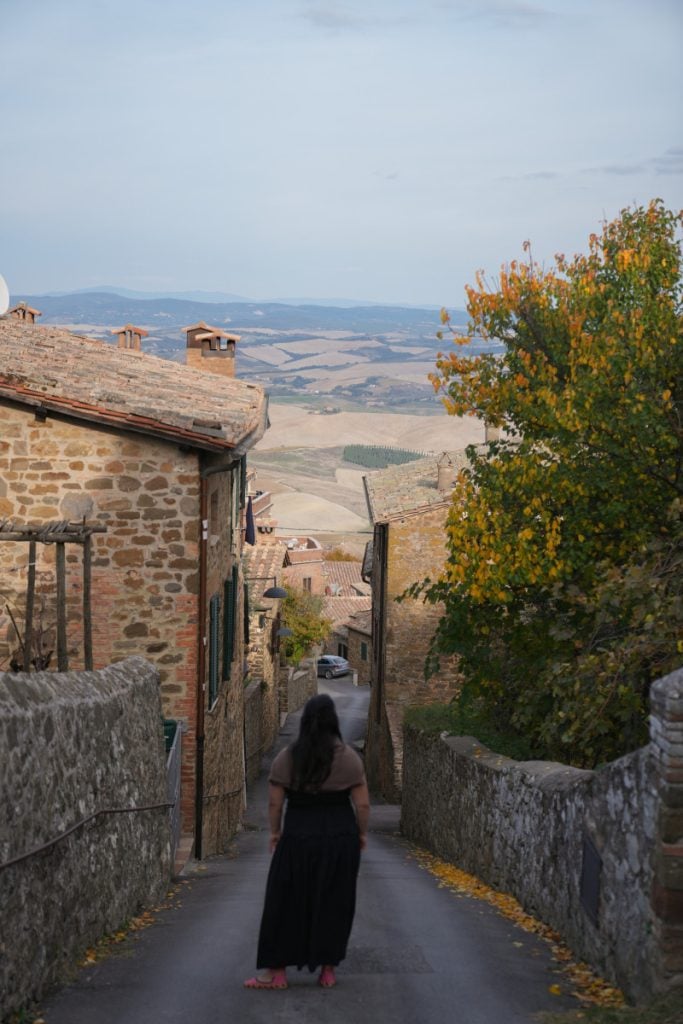
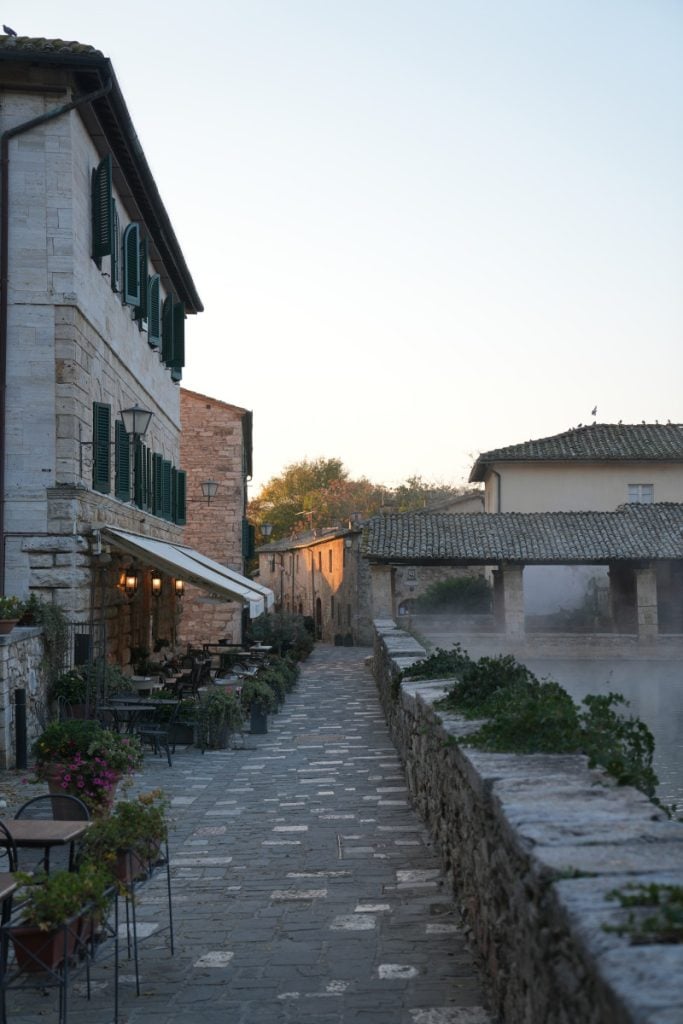
If you’re looking for another part of the Val d’Orcia region to stay in, my second choice is somewhere near Montalcino and out to Bagno Vigoni. You’ll still be within driving distance to Pienza and Montepulciano, and be able to see the villages of Montalcino, San Quirico, and Bagno Vignoni.
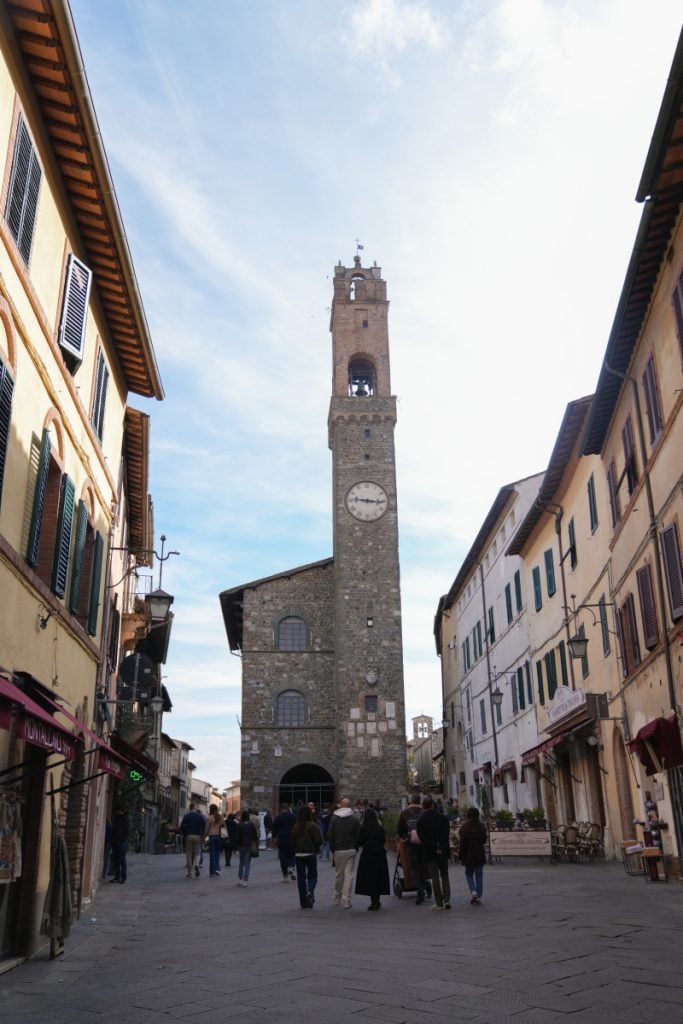
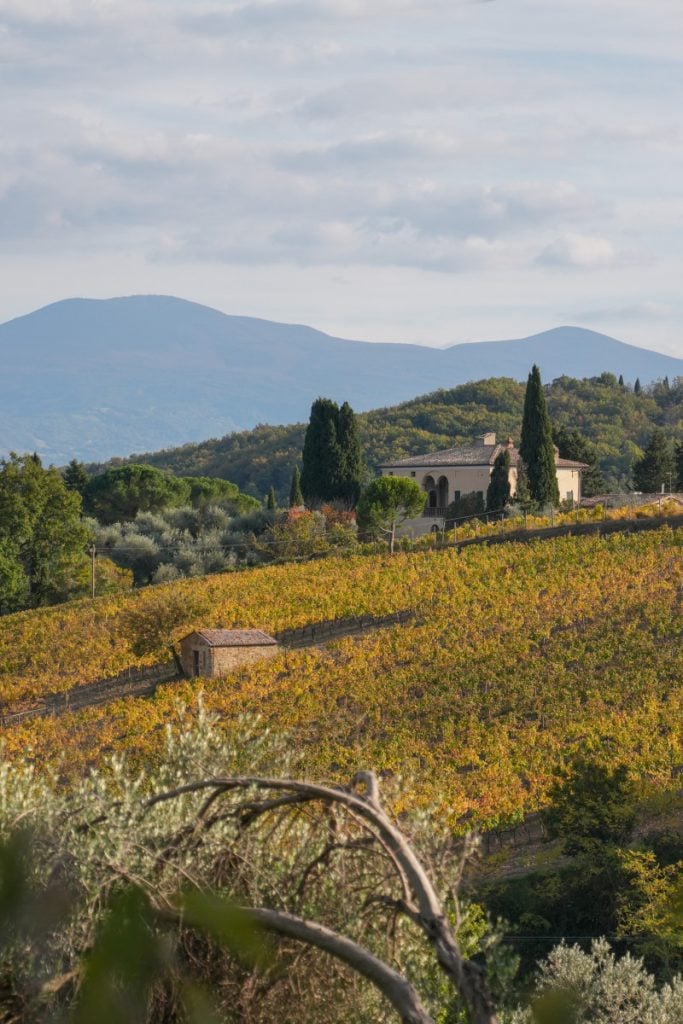
My suggestion is the same here: to stay somewhere in the countryside for an authentic Tuscan experience. This will make it easy to come and go and be able to explore the region on a road trip. You can do cooking classes in the countryside, visit small towns, and have views of the Tuscan countryside here.
Where to Stay Between Montalcino and Bagno Vignoni
Hotels
- Rosewood Castiglion del Bosco ($$$$), for the best luxury resort in the Val d’Orcia region
- Castello Banfi – Il Borgo – Relais et Chateaux ($$$$), for the best historic luxury hotel
- Cappanna Suites ($$$), for the best luxury agriturismo with a view
- Borgo Canalicchio Di Sopra Relais ($$), for the best romantic boutique hotel close to Montalcino
- Villa le Prata ($$), for the best winery hotel stay
Airbnbs
- 2 Bedroom Panoramic Country Suite in Montalcino, for the best scenic Val d’Orcia base
- 2 Bedroom House in Montalcino, for the best central Tuscan stay
- 2 Bedroom Wine Loft in the San Quirico d’Orcia Vineyards, for the best countryside rental
- 4 Bedroom Villa in Castiglione d’Orcia, for the best luxury villa stay
- 5 Bedroom Modern Tuscan Villa in San Quirico d’Orcia, for the best large group farm retreat
Other Best Places to Stay in Tuscany
Florence

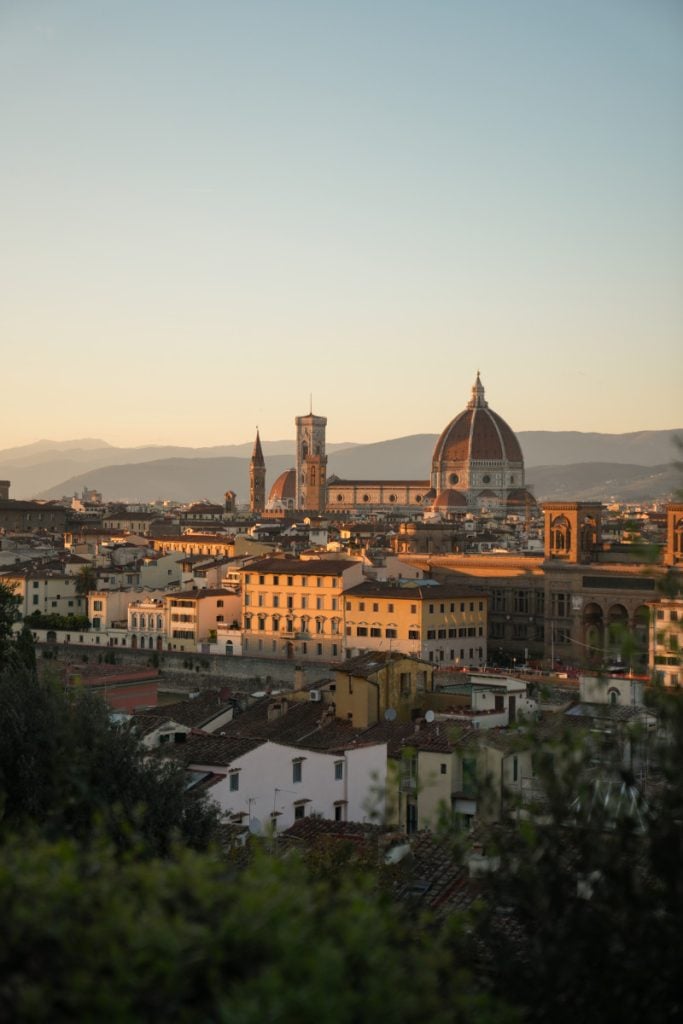
As this article is focused more on the countryside of Tuscany, you’ll likely visit Florence as part of your time in Tuscany. As the capital of the region, Florence has so much to do, from museums, restaurants, to guided tours (see this ultimate guide to Florence for more). It’s a city I would spend 2-3 nights minimum to explore (see my curated 3-day Florence itinerary for exactly how I’d plan my time there). I have an entire guide on where to stay in Florence, but I will include a few recommendations here for quick reference.
Where to Stay in Florence (Recommended Time: 3 Nights)
- Hotel Number Nine ($$$), for the best boutique hotel in the Centro Storico
- The Artists’ Palace Florence ($$), for the best design for dollar stay in the Centro Storico
- Plaza Hotel Lucchesi ($$$), for the best luxury hotel in Santa Croce
- La Maison du Sage ($$), for the best Santa Croce boutique hotel
- Hotel Lungarno ($$$), for the best luxury hotel in Oltrarno
- AdAstra Suites ($$), for the best boutique hotel in Oltrarno
Chianti
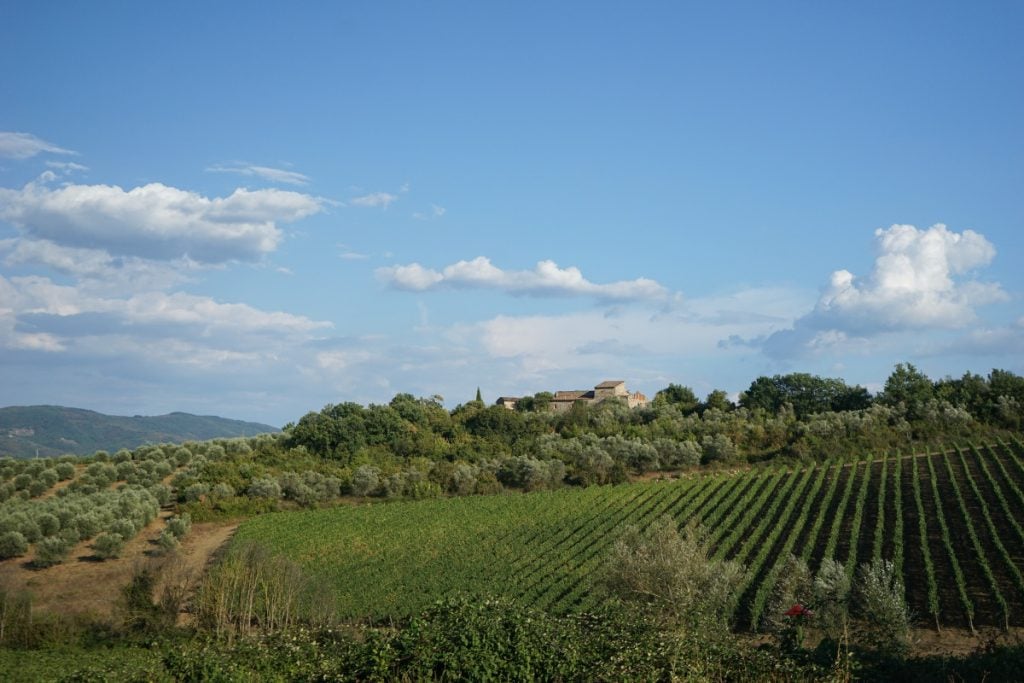
Another region to consider basing yourself in, and especially if you love wine, is Chianti. I’ve spent a few day trips in Chianti before, and the rolling hills here with vineyards and olive groves are so idyllic. There are a handful of villages to visit, such as Greve in Chianti, Radda in Chianti, and the stone hamlet of Volpaia.
Where to Stay in Chianti (Recommended Time: 3 Nights)
- COMO Castello Del Nero ($$$$), for the best luxury hotel stay
- Hotel Le Fontanelle ($$$$), for the best luxury boutique hotel
- Relais Borgo Scopeto ($$), for the best boutique winery stay
- Pieve Aldina ($$), for a charming boutique hotel stay
- Villa Bordoni ($$), for a chic historic property
Lucca and Pisa
Another popular region northwest of Florence is Lucca and Pisa. I suggest staying in or near Lucca and then taking a day trip down to Pisa. Lucca is often known as the hidden gem of Tuscany, smaller than Florence but with a compact old town that is easy to visit. You could stay in the village or consider a nearby countryside stay to visit both Lucca and Pisa, as well as the Tuscan coast.
Where to Stay In/Near Lucca (Recommended Time: 2-3 Nights)
- Palazzo Dipinto ($$), for the best in-town boutique luxury hotel
- Hotel Villa Casanova Lucca ($$), for the best luxury hotel stay nearby
- Tenuta San Pietro ($$), for the best boutique countryside stay
- Albergo Villa Marta ($), for the best guesthouse stay
Where to Stay in Tuscany for Wine Tasting
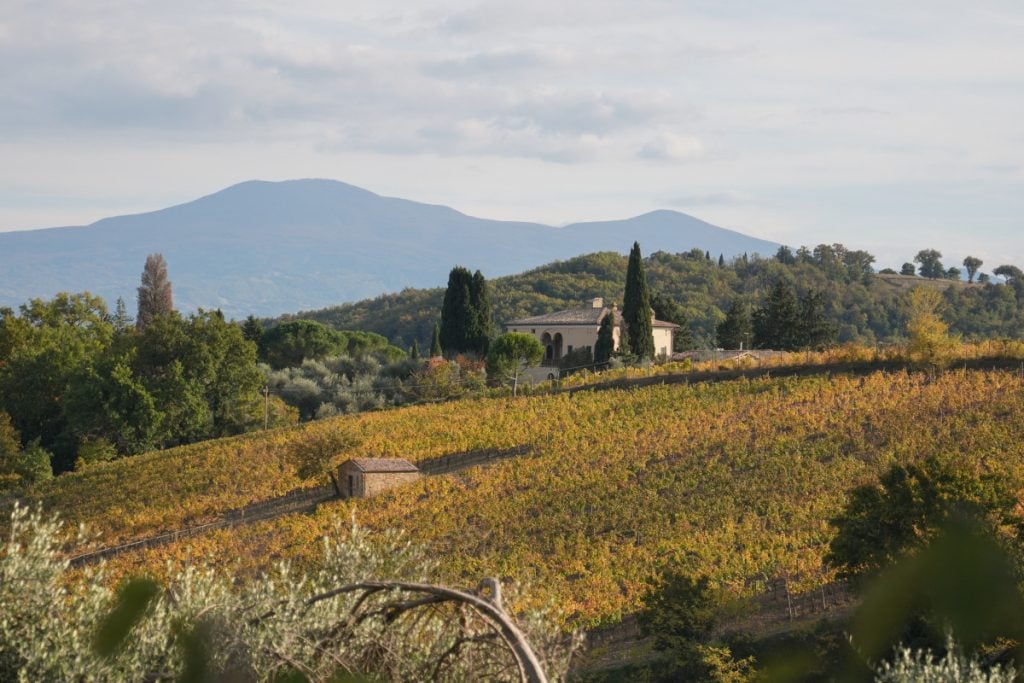
If you’re specifically looking to taste wine or stay at a winery, there are a few select hotels that would work perfectly. If not staying at a working winery, my top suggestion is to stay near Montalcino, as Brunello wines are among the best in Tuscany, or near Montepulciano for those wines. A few options to consider:
- Rosewood Castiglion del Bosco ($$$$) — try the wine on the property and be within 15 minutes of the Montalcino wineries.
- Castello Banfi – Il Borgo ($$$) — the best historic castle and estate in Montalcino, offers wine-tasting sessions right on the property.
- Lupaia ($$$$) — This hotel sits in the “wine triangle” of Tuscany, you’re close to Vino Nobile di Montepulciano, Chianti Classico, and Brunello di Montalcino.
- Altesino Suites ($$) — A lovely boutique hotel with only 3 suites set on the working Altesino Winery. It’s one of the best-priced stays in the region to be on a working vineyard.
- Casanova di Neri Relais ($$) — A good option to be near Montalcino and on a working winery. It’s a boutique farmstay that offers tastings at their Podere Fiesole farmhouse.
Best Hotels in Tuscany: Top-Tier Destination Hotels
There are a few standout “destination” style hotels in Tuscany. They’re about an extra 20-30 minutes from the main villages mentioned in this guide, but are worth it for the experience. These are the ones I would consider staying at.
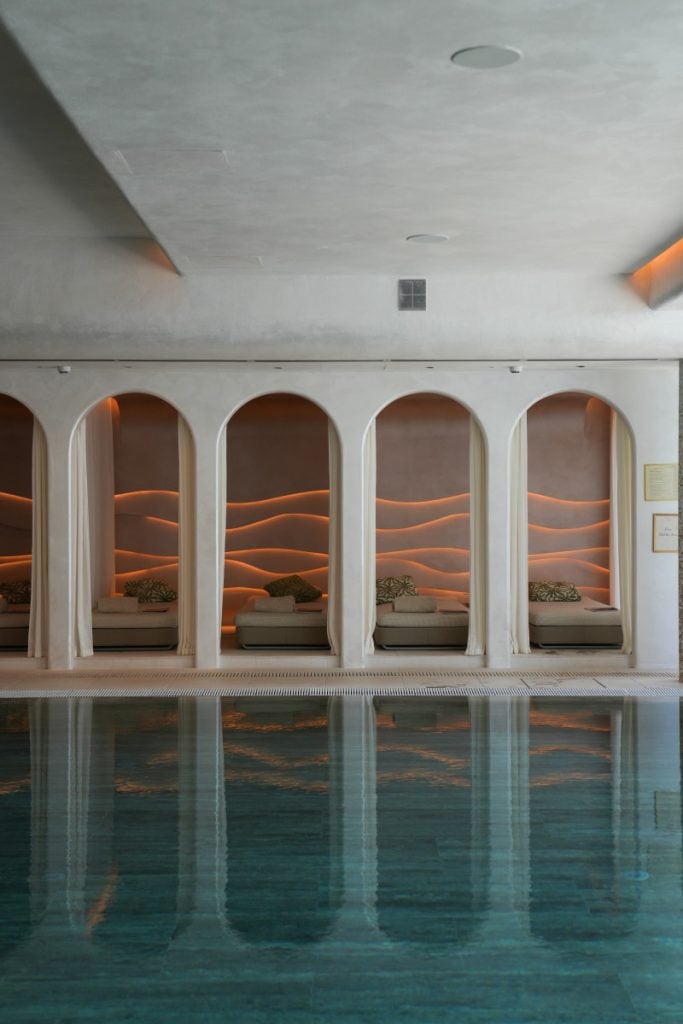
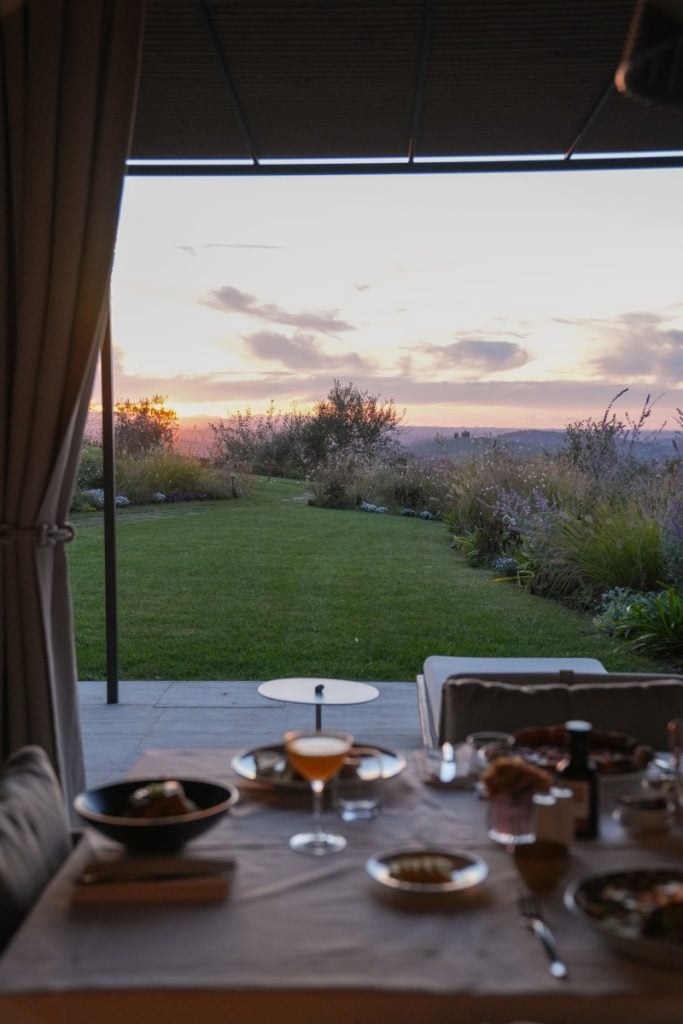
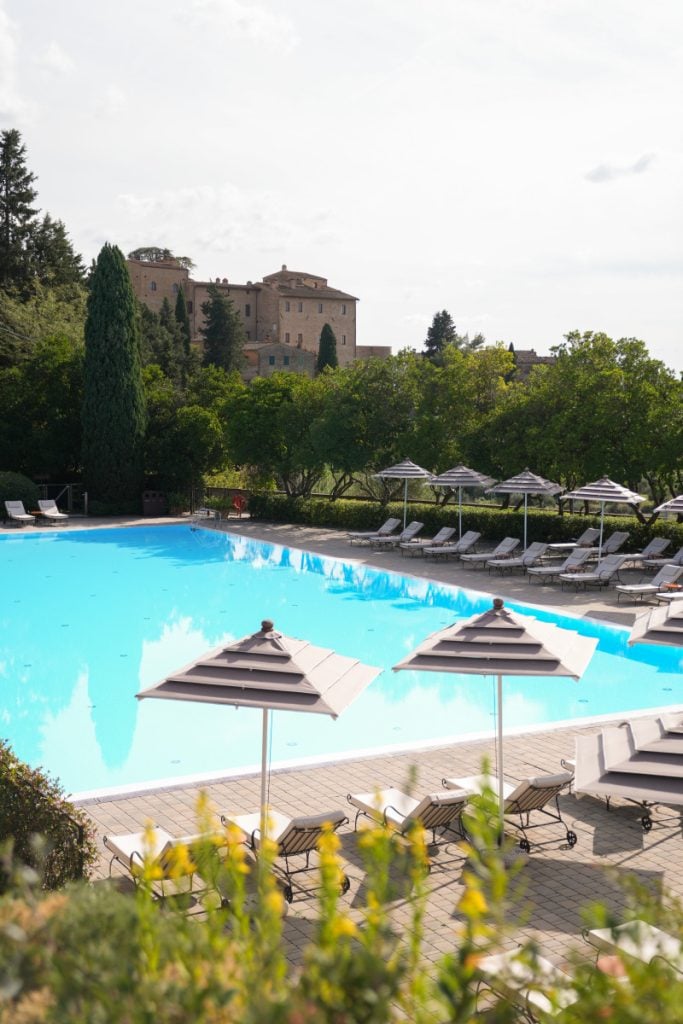
- Castelfalfi ($$$$ / Where I Stayed) — This last trip, we spent 3 nights at the stunning Castelfalfi Resort. Taking over a historic borgo, Castelfalfi is one of those “you don’t want to leave” hotels. Set with an onsite spa, a real living village, and multiple restaurants, it has everything you could want on property. The service is really well done, and the attention to detail in the hotel is all you could hope for in a luxury resort stay.
- Castello di Casole, A Belmond Hotel ($$$$) — Belmond hotels always do properties phenomenally in Italy; it’s one of those bucketlist hotels. The Castello di Casole property is no exception, set on a 4,200-acre estate with vineyards and woodlands. It’s incredibly private, and their spacious suites are beautifully designed.
- Monteverdi Tuscany ($$$) — A touch further south, Monteverdi is a very high-end hotel set in the medieval village of Castiglioncello del Trinoro, perched at about 786 m above sea level in the Val d’Orcia region of Southern Tuscany. The setting is dramatic and known for its spacious suites in the restored village.
- Borgo Santo Pietro ($$$) — Top of my bucketlist for my next Tuscany trip, Borgo Santo Pietro is a whimsical luxury boutique hotel set in the countryside of Valle Serena. It’s a working farm producing its own olive oil and sits on an organic estate; the grounds are absolutely stunning.
Save This Post for Later on Pinterest
PS — Are You Booking a Trip Soon? Use My Booking Checklist!
These are the sites I use most to book my own trips. Using the links below is a great way to support Bon Traveler’s travel journalism at no extra cost to you. If you need help organizing your itinerary, get my free travel itinerary template here.
1. Book Your Accommodations
I use Booking.com for hotels and Airbnb for vacation rentals. They have the biggest inventory and consistently offer the best rates.
2. Book Your Rental Car
Self-driving is the best way to explore most destinations. I use Discover Cars for our rental cars, select full coverage insurance, and opt for a reputable company like Alamo, Hertz, or Sixt.
3. Book Your Tours & Experiences
I use Viator, Airbnb, and Get Your Guide to find the best tours and experiences. They are my favorite tour search engines. I always check all three as their inventory varies depending on the destination.
4. Book Your Private Transfers
For easy, reliable private transfers, I use Welcome Pickups. It’s my go-to for arranging a driver in advance — whether it’s an airport pickup, a hotel-to-hotel transfer, or a day trip. The experience is seamless, with English-speaking drivers and upfront pricing, so you can travel stress-free at every stage of your trip.
5. Get Cell Data for Your Trip
I use Holafly for international cell data. Their unlimited data eSIMs are easy to install, activate instantly on arrival, and let you skip local SIM cards and expensive roaming fees.
6. Don’t Forget Travel Insurance
I never leave the country without travel insurance. It provides comprehensive protection in case anything goes wrong (ie. illness, injury, theft, or cancellations).
My favorite companies that offer the best coverage and rates are:
- World Nomads (best for all-around)
- Safety Wing (best for frequent travelers)
Xx,
Jessica