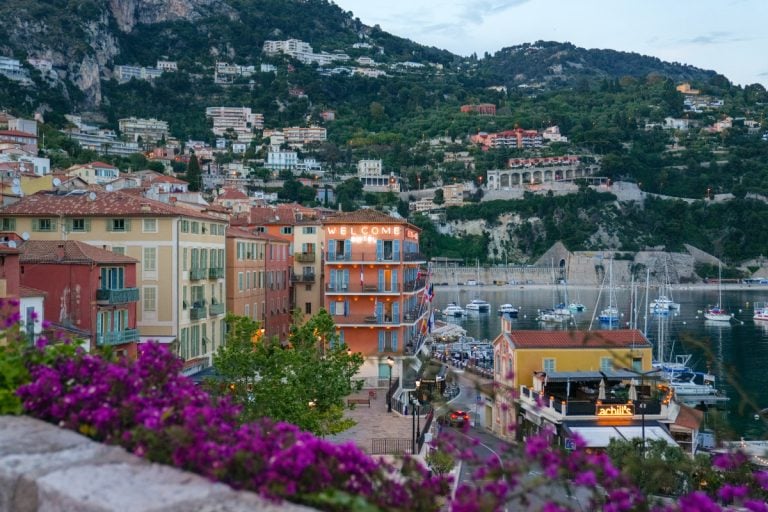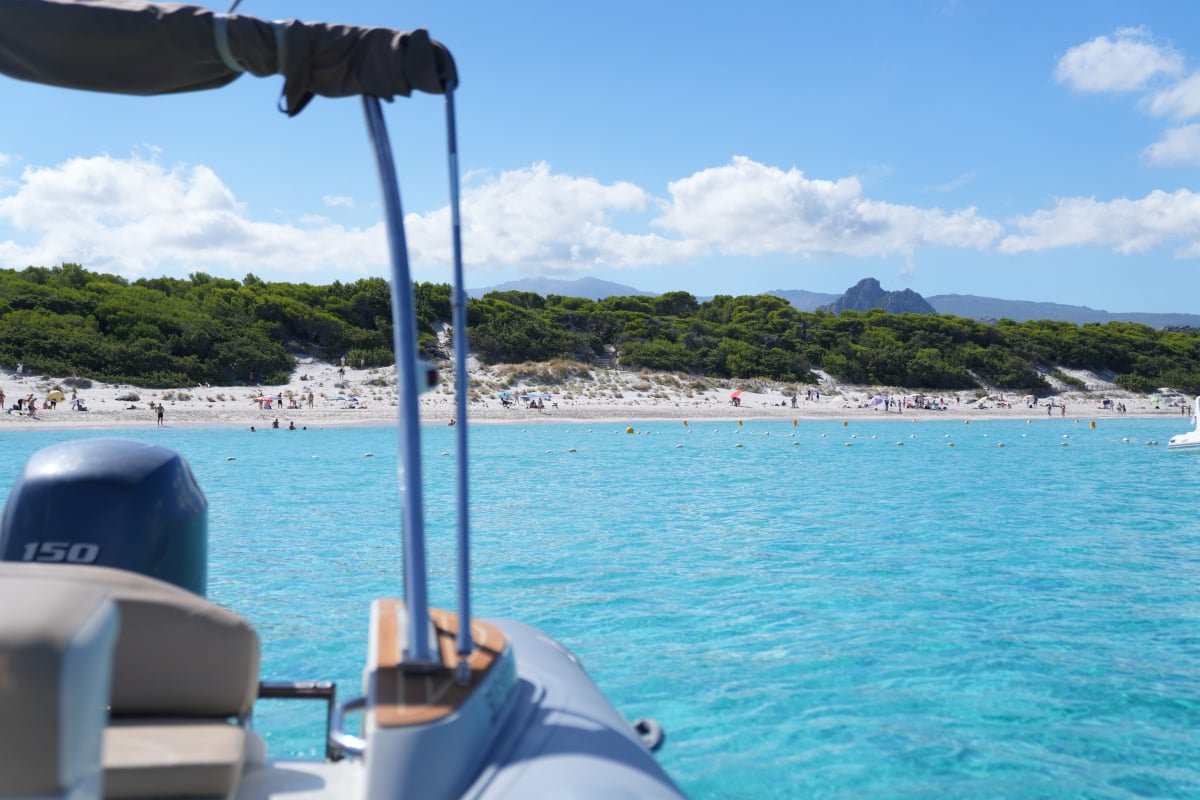
After spending a month in Corsica, I’ve put together a curated 10-day itinerary for first-timers that covers the island’s standout experiences without rushing or trying to do everything. Corsica feels like a breath of fresh air. The island has the ease of a Mediterranean escape, but with wilder edges and stunning natural beauty. Quiet beaches you reach by boat, villages perched in the hills, and ports wrapped in centuries of history.
I found myself drawn to how much Corsica contains on one island: mountains that feel alpine, coastlines that feel untouched, UNESCO World Heritage Sites, and citadel towns that tie Corsica to France’s story. Napoleon Bonaparte was born in Ajaccio, on the west coast. One of those details that gives the island an extra layer.
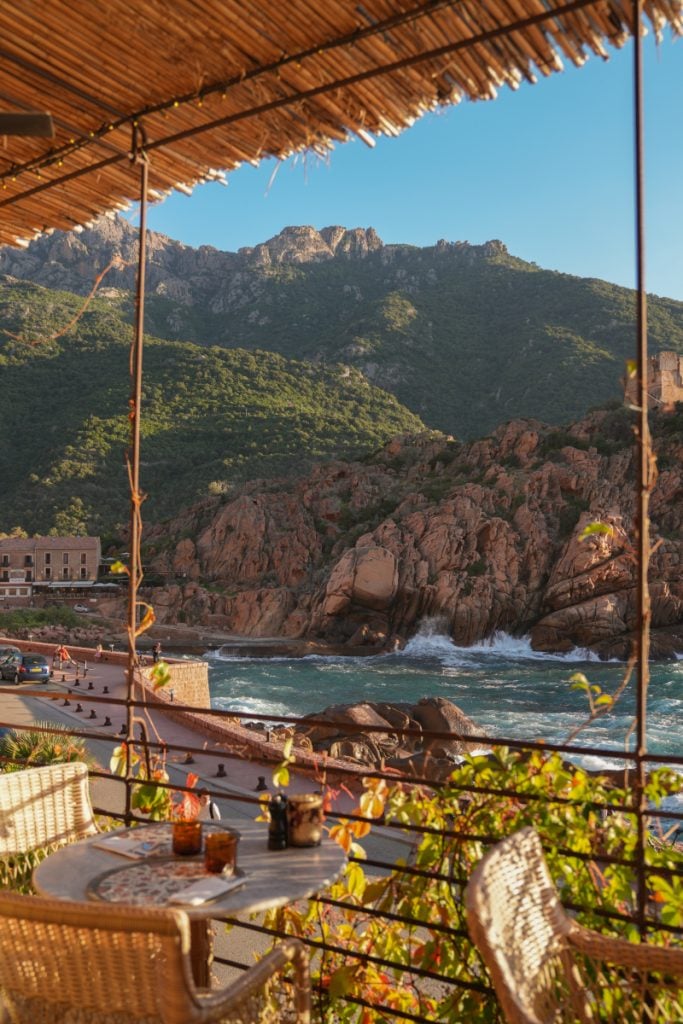

I’ve taken the very best of our time in Corsica and shaped it into an itinerary that makes sense for a first visit. Realistic drives, and enough time in each stop. Moving from north to south, you’ll start along the wild coastlines near Saint-Florent, then drift across to the Balagne’s idyllic, slower-going villages. From there, it’s the jaw-dropping west coast around Porto, with its red cliffs and rugged mountains. And you’ll finish in the south between Bonifacio and Porto-Vecchio, where elevated resorts meet some of the island’s best beaches.


Corsica feels bigger on the ground than it looks on a map, so having a plan here makes all the difference. Below, you’ll find clear recommendations on where to stay, how to spend your time, and the experiences that made our trip memorable.
Short on Time? Here’s the Ultimate Corsica Itinerary (10 Days):
This itinerary is organized around a few well-chosen bases, minimizing backtracking and long driving days while still covering the most compelling parts of the island. If you want more detail on choosing the right base and hotel for each region, see my complete guide to where to stay in Corsica, which breaks down the best towns and hotels by travel style.
Stop 1: Saint-Florent — 3 to 4 nights
Start your trip in Saint-Florent, easing into Corsica from this small northern port town and using it as a base for nearby coastal and inland day trips. Spend time settling into the village itself, then plan one full day by boat out to the Désert des Agriates to reach Plage de Saleccia and Plage du Lotu. Use another day for a coastal drive up Cap Corse, stopping in Nonza for sunset at La Sassa Bar, and round out your stay with a half-day exploring Bastia’s citadel and Vieux Port.
- Basgi Basgi Boutique Hotel ($$ / Where I Stayed), for the best all-around boutique hotel with a central pool, eco-forward design, and an excellent on-site restaurant
- Hotel Aethos U Palazzu Serenu ($$$), for the best design-forward countryside stay
- Hotel de la Roya ($$), for the best resort-style hotel
- La Dimora Hôtel & SPA ($$), for the best elevated countryside escape
Stop 2: L’Île-Rousse — 2 to 4 nights
Continue across the north to L’Île-Rousse, where the pace slows and days naturally split between hill towns and the coast. Use mornings to explore inland villages like Sant’Antonino, Pigna, Corbara, Speloncato, and Montegrosso, then spend afternoons at beaches such as Plage d’Aregno, Plage de Bodri, Plage de Ghjunchitu, Plage de Lozari, Plage de Manghja Saccu. With extra time, add a relaxed side trip to Calvi to wander the citadel and port before returning to L’Île-Rousse in the evening.
- Hotel A Piattatella ($$$), for the best mountainside stay
- Casa Paradisu ($$$), for the best luxury chic hotel
- Hôtel Villa Joséphine ($$), for the best-designed boutique hotel
- Résidence Dary ($$), for a no-frills, yet elevated beachfront hotel
- Hôtel Perla Rossa ($$), for a budget hotel stay
Stop 3: Porto — 2 to 3 nights
From the north, shift west to Porto for Corsica’s most dramatic stretch of coastline and a more adventure-focused stop. Dedicate one day to a boat excursion into the Scandola Nature Reserve, then use the remaining time to drive the D81 through the Calanques de Piana, wander the village of Piana, and build in coastal breaks at Plage de Ficaghjola and sunset at Plage de Bussaghlia.
- L’AIGLON ($ / Where I Stayed), for the best-designed base with apartment-style suites (and kitchens) plus a stunning pool for slow afternoons
- Hotel Scandola ($), for the best luxury hotel
- Domaine Codaleone ($), for the best elevated countryside stay
- Hôtel Les Flots Bleus ($), for the best in-port hotel
Stop 4: Bonifacio or Porto-Vecchio — 3+ nights
Finish your trip in the south, splitting time between Bonifacio’s dramatic clifftop citadel and the relaxed beach areas around Porto-Vecchio. Plan at least one full day to explore Bonifacio’s Old Town, wandering the citadel streets and visiting highlights like the Escalier du Roy d’Aragon, then balance sightseeing days with slower beach time at Palombaggia, Piantarella, Saint-Antoine, or Rondinara. With a few extra nights, this stop becomes the most flexible part of the itinerary, letting you alternate between coastal exploring, long lunches, and unhurried beach afternoons before departure.
Porto-Vecchio
- Casadelmar ($$$$), for the best luxury resort hotel
- Les Bergeries de Palombaggia ($$$), for the best boutique luxury hotel
- Domaine Les Oliviers de Palombaggia ($$), for the best-designed hotel
- Riva Beach ($$), for the best design-for-dollar hotel
- Hotel Moderne ($), for the best in-village hotel
Bonifacio
- Version Maquis Citadelle ($$$), for the best luxury modern hotel
- U Capu Biancu ($$$), for the best luxury and intimate hotel stay
- Lodge de Charme A Cheda ($$), for the best design-for-dollar stay
- A Speranza ($), for the best boutique countryside stay
Helpful Guides to Plan Your Trip
If you’re planning a bigger trip through Corsica, don’t miss my guides to the best things to do in Corsica, where to stay in Corsica, and the best beaches in Corsica. I also have detailed guides to visiting the towns of Bonifacio, Saint-Florent, and Porto Vecchio.
Travel Tip: The best way to explore Corsica is by driving yourself. We use Booking.com for our rental cars in Corsica, choose full coverage insurance, and recommend renting only with Enterprise/National/Alamo, as it is by far the highest-rated agency in Corsica (the others have very poor ratings). Renting a car and driving in Corsica is quite easy. Book your car with Booking.com here.
The 10-Day Corsica Itinerary
What to Know Before Choosing Your Itinerary

How Much Time in Corsica?
With being such a large island, the truth is you could spend a full month here winding in and out of the coastal ports and hilltop villages. But I know not everyone can or wants to spend that much time in a single location, so I’ve put together a concise 10-day itinerary. 10 days on Corsica will give you a faster-paced experience, and you’ll be able to see a ton while there. If you have more time to stay, I’d recommend doing so, as there’s so much to experience on the island.
What is the Best Way to See Corsica?
The best way to see Corsica is by car. The island was made for a road trip, and having a car is essential for seeing anything beyond the main towns. Public transport here is very limited outside of a few train lines and buses, and many of the island’s best beaches, villages, and viewpoints are only accessible by car.
Renting a Car in Corsica: What to Know Before You Book
I go into rental cars in Corsica in much more detail in my Corsica travel guide, but here are a few key things to know up front before you book:
- Expect to receive an electric vehicle — Even if you reserve (and pay more for) a gas car, it’s common to be given an EV on arrival, often without a refund for the price difference. Plan charging ahead of time and consider booking an electric car to avoid overpaying.
- Rent with Enterprise/National/Alamo — This group consistently has the highest ratings on the island, while most other rental companies receive very poor reviews.
- If you end up with an EV, charging takes planning — Charging is generally doable but not effortless, especially in rural or mountain areas. Fast chargers exist (E-Motum and Tesla Superchargers are the fastest), but you’ll want to be intentional about when and where you charge.
- Book ahead and choose full coverage — Rental inventory is limited in peak season, and insurance is worth it for peace of mind on narrow roads and village parking.
- Don’t wait to fuel or charge — Petrol stations and chargers can be sparse in remote areas, and some stations close midday—top up earlier than you think you need to.
See my Corsica travel guide for a full breakdown on renting a car in Corsica. I cover everything we learned after a month of driving around the island. Including where to book, which agencies are most reliable, what to expect with electric cars, and practical tips for charging and fueling.
Rental Car Tip: We use Booking.com for our rental cars in Corsica, choose full coverage insurance, and recommend renting only with Enterprise/National/Alamo, as it is by far the highest-rated agency in Corsica (the others have very poor ratings).

Is 10 Days Enough for Corsica?
Yes, 10 days gives you a real feel for the island if you base yourself in a few well-chosen spots rather than trying to cover everything. That’s exactly how I built this itinerary: efficient routing, realistic drives, and enough nights in each stop that you’re not just passing through.
What is the Best Airport to Fly into for Corsica?
My recommendation for this itinerary is to fly into Bastia Airport in the northeast and depart from Figari Airport in the southern region near Bonifacio. Corsica does have four main airports:
- Southeast: Figari – Sud-Corse (FSC)
- Southwest: Ajaccio – Napoléon Bonaparte (AJA)
- North: Bastia – Poretta (BIA)
- Northwest: Calvi – Sainte-Catherine (CLY)
My finding was that Figari and Bastia have the most flights in and out of the island.
Practical Tips for Visiting Corsica
Seasons Matter
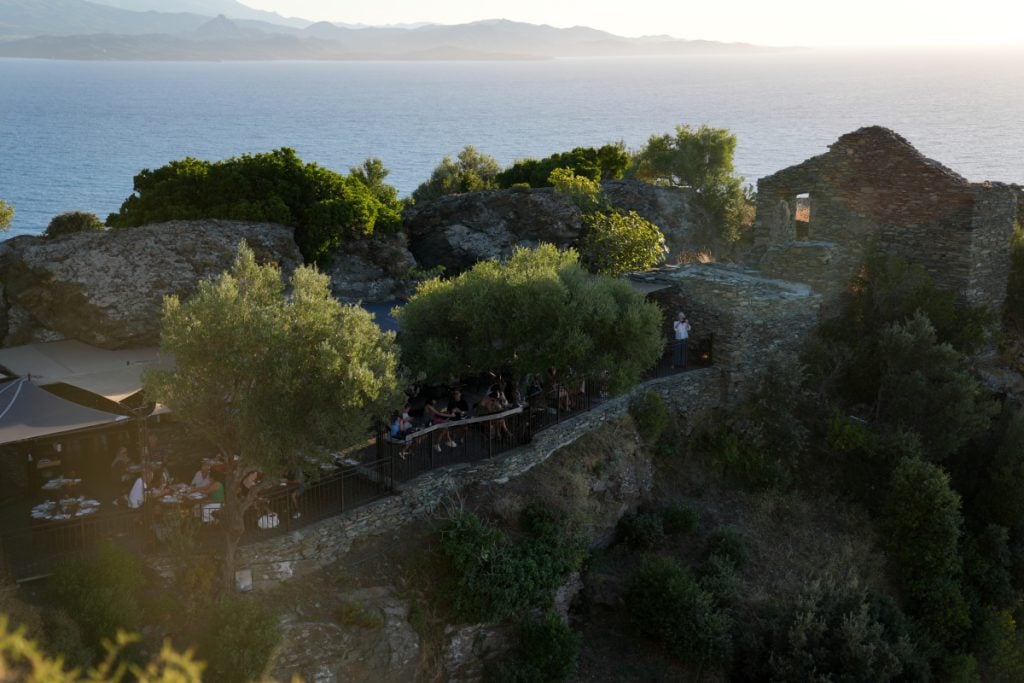
Corsica has very defined seasons — the summer is the peak for beaches and coastal activities. My suggestion is if you want fewer crowds and still can swim in the ocean, visit in September to mid-October. Many of the “resort” hotels do close for the season, so if you come early in spring or late fall, you will experience seasonal closures. The fall and spring, however, are very popular for hiking in the inner corridors of the island, so this is another option to consider.

You’ll Want Cell Data in Corsica
Navigating Corsica is easy, but it’s easiest when you have access to cell data. Holafly’s eSIM worked great for us while we were there. Staying connected made navigating, finding fuel or charging stations, and adjusting plans on the go much easier. I recommend purchasing your data plan and installing your eSIM before arrival.
Cell Data Travel Tip: Read my Holafly eSIM review, which covers why I think it’s the best eSIM for travel in Europe.
Make Reservations in Advance
Like all popular Mediterranean islands, Corsica, while one of the least visited islands in the Med, still sees crowds. With limited hotels and fewer restaurants for how popular the resort areas are, means reservations for in-demand hotels and restaurants, along with day trips, get booked far in advance. I’d recommend locking in your hotels first and then restaurants.
Editor’s Note: Two Ways to Approach This 10-Day Corsica Itinerary

My innate travel style is to go slow, but doing so in Corsica would require weeks — which I recognize isn’t always realistic. After spending a month on the island, I put together this 10-day itinerary to cover the best of the island: a taste of its untouched beaches, hilltop villages, and historic ports, without trying to do everything.
With this in mind, I’ve outlined two ways to approach the itinerary below. The first is a faster-paced version that includes time in L’Île-Rousse, giving you access to the Balagne in addition to Corsica’s other highlights. The second is a slower-paced option that skips L’Île-Rousse altogether.
At the core of both approaches are my top three recommendations: Saint-Florent, Porto, and Bonifacio to Porto-Vecchio. If you prefer to travel slowly, focus on these three and spend more time in each. If you’re comfortable moving a bit faster, add L’Île-Rousse to round out the north.
Corsica Travel Itinerary Overview (10 Days)

Trip Logistics
- Start: Saint-Florent
- Finish: Bonifacio & Porto-Vecchio
- Best way to get around: Rental car
- Trip style: Beaches, hilltop towns, and dramatic coastal scenery
10-Day Itinerary Faster Pace Flow
- Days 1-4: Saint-Florent
- Days 4-6: L’Île-Rousse
- Days 6-8: Porto
- Days 8-10: Bonifacio or Porto-Vecchio
10-Day Itinerary Slower Pace Flow
- Days 1-5: Saint-Florent
- Days 5-7: Porto
- Days 7-10: Bonifacio or Porto-Vecchio
Stop 1: Saint-Florent
Beaches, Ports, and Cap Corse

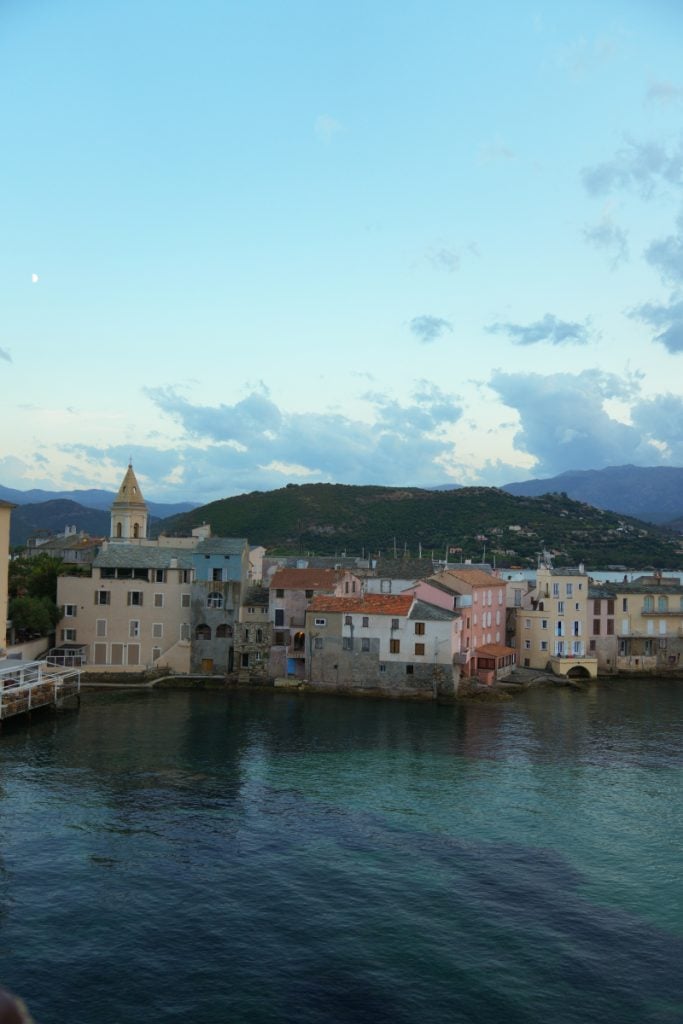
Saint-Florent is the absolute gem of a local port town on Corsica’s northern coast. For me, I don’t think there is a better introduction to the island of Corsica than being in Saint-Florent for a few nights. It’s an idyllic seaside village and arguably one of the best access points to this part of Corsica.


The village itself is colorful and compact, sitting right at the entrance to Cap Corse. Just beyond it lies the Désert des Agriates — a wild, largely untouched stretch of coastline with some of Corsica’s most beautiful beaches, accessible only by boat or 4WD. I spent nearly a full week based in Saint-Florent, using it as a hub for both the village itself and nearby day trips, which is why I recommend it as an ideal first stop on this itinerary.
Recommended Time: 3-4 nights
Three to four nights give you ample time to enjoy the village of Saint-Florent itself and still have time for a few day trips. You’ll need nearly a half-day to get out to Désert des Agriates, you could spend a half-day in Bastia, and then another day exploring Cap Corse.
Getting to Saint-Florent from Bastia Airport
The best way to get to Saint-Florent from Bastia Airport on arrival is to rent a car. It will give you the most flexibility unless you plan to hire a driver.
Rental Car Tip: We use Booking.com for our rental cars in Corsica, choose full coverage insurance, and recommend renting only with Enterprise/National/Alamo, as it is by far the highest-rated agency in Corsica (the others have very poor ratings).
Where to Stay in Saint-Florent


I have an entire guide dedicated to where to stay in Corsica, breaking down the best options in each region. To keep it short, in Saint-Florent I’d recommend staying at a classic hotel, which will give you the amenities you need:
- Basgi Basgi Boutique Hotel ($$ / Where I Stayed), for the best all-around boutique hotel with a central pool, eco-forward design, and an excellent on-site restaurant
- Hotel Aethos U Palazzu Serenu ($$$), for the best design-forward countryside stay
- Hotel de la Roya ($$), for the best resort-style hotel
- La Dimora Hôtel & SPA ($$), for the best elevated countryside escape
My Favorite Things to Do in Saint-Florent


- Take a Day Trip to Désert des Agriates — One of the most popular day trips to do from Saint-Florent is to access by boat to the famous beaches of Plage de Saleccia and Plage du Lotu in Désert des Agriates. It’s easiest to visit by boat, so you can either hop on a group water taxi boat to be dropped off, join a group tour like this, or hire your own boat with or without a skipper. I opted to hire a boat with a skipper with Corsica Nautic so that I could go at my own pace and visit more of the coastline. I’d also look at joining this catamaran tour for a smaller group experience.
- Stroll through Saint-Florent — Saint-Florent itself has a few charming streets full of restaurants and about a dozen stores. It sits right on the water, so it’s a lovely spot to go for the afternoon and have a drink and dinner. One store not to miss is Epicerie Scotto Sarl, for local Corsican gourmet items to bring home.
- Visit the Nearby Beaches — If you’re looking to go to the beach locally, the best ones we loved during our time were Plage de la Roya and Plage d’Olzo.
- Visit Cap Corse and Nonza — One of the best coastal drives we did during our time in Corsica was heading up the Cap Corse. Our direction was Nonza, where you have to get sunset drinks at La Sassa Bar overlooking the coast. Further north, Plage d’Albo is a lovely stop as well.
- Pop over to Bastia — You’re very close to Bastia, which is well-deserving of a day trip while here. I’d head over in the morning, stroll the citadel, and soak in views from the Vieux Port. The famous Église Saint Jean-Baptiste, adjacent to Place du Marché, is a wonderful church to stop at, and don’t forget to try the canistrelli biscuits at A Biscutteria.
- Go wine tasting in Patrimonio — If you’re looking to sample Corsican wine, you’re about 15 minutes from Patrimonio, one of the most famous wine regions. I’d recommend popping into Orenga de Gaffory for a tasting.
The Best Restaurants in Saint-Florent


- La Ferme de Campo di Monte — If I had to pick a single meal to repeat in Corsica, it would be La Ferme. Set up on the mountainside inside a rural, reformed stone home, the proprietors (mother and son) present a multi-course, multi-hour meal in a family-style experience yet very elevated. It’s cash-only, must reserve weeks in advance, but hands down a meal of a lifetime.
- La Table du Basgi Basgi — For elevated cuisine near Saint-Florent, the main restaurant at Basgi Basgi Hotel is a standout. It must be booked in advance, but the prix fixe course meal is one of the best representations of Corsican food we had on the island.
- La Tablée de Mamo — A good local spot that has a range of easy-going dishes from gnocchi to fish.
- Pizza Costa — If you’re in the mood for pizza, this is where I’d go.
- A Stretta Saint-Florent — A lovely bar-style restaurant, you can get everything from charcuterie and wine to a burger.
Sample Itinerary for Saint-Florent
- Day 1 — Arrive at Bastia Airport and drive to Saint-Florent to check into the hotel. Spend the late morning at the beach like Plage de la Roya. For the late afternoon, head into Saint-Florent for a stroll and a meal in town or at La Table du Basgi Basgi.
- Day 2 — Book a half-day tour out to Désert des Agriates to see the beaches. For the late afternoon, consider going wine tasting in Patrimonio, then book in for dinner at La Ferme de Campo di Monte.
- Day 3 — Wake up early and drive out to Bastia to spend the morning and lunch in Bastia. For the afternoon, consider driving out to Cap Corse for sunset drinks at La Sassa in Nonza.
- Day 4 — Depart for L’Île-Rousse
Stop 2: L’Île-Rousse
La Balagne and its Coast

L’Île-Rousse sits at the heart of La Balagne, a region defined by hillside villages that cascade down toward the coast between L’Île-Rousse and Calvi. This part of the coast is where Corsica begins to slow its pace. Less rugged than Cap Corse, but still rooted in village life and local rhythm.


While the beaches and beach clubs along the coast draw summer crowds, La Balagne quickly quiets down once you head inland. Drive just 20 to 30 minutes into the hills and the energy shifts to stone villages, small farms, and a more everyday version of Corsica. I loved this region because it felt like a natural extension of time spent in Saint-Florent, deepening the northern experience, while also offering a glimpse into a side of the island that feels distinctly local and less polished.
Recommended Time: 2-4 nights
Getting to L’Île-Rousse from Saint-Florent
It’s about a leisurely 1-hour drive up and over the mountains from Saint-Florent to L’Île-Rousse. Take your time, as the views along the drive are fantastic.
Where to Stay in L’Île-Rousse
- Hotel A Piattatella ($$$), for the best mountainside stay
- Casa Paradisu ($$$), for the best luxury chic hotel
- Hôtel Villa Joséphine ($$), for the best-designed boutique hotel
- Résidence Dary ($$), for a no-thrills, yet elevated beachfront hotel
- Hôtel Perla Rossa ($$), for a budget hotel stay
My Favorite Things to Do in L’Île-Rousse


- Spend Time in L’Île Rousse — the village itself is a wonderful little spot to spend the morning and lunch. Stroll through the few streets, head to the covered market for local produce, and eat lunch here.
- Go to the Balagne Villages — inland, about 15-30 minutes away, are about a half-dozen historic villages to visit. My favorite villages were Sant’Antonino, Pigna, Corbara, Speloncato, and Montegrosso.
- Enjoy the Beaches and Beach Clubs — the coastline is dotted with lovely beaches, one after the next. Along the way, there are a few beach clubs to enjoy if you want a meal by the beach, and you can rent a chair with shades. My favorite beaches from the time here were Plage d’Aregno, Plage de Bodri, Plage de Ghjunchitu, Plage de Lozari, and the locals’ favorite of Plage de Manghja Saccu.
- Visit Calvi — One of the more established seaside towns in Corsica, Calvi is a historic port and citadel. You can spend a few hours here walking through the citadel, visiting churches, and then down into the port. Don’t miss the main roads of Rue Georges Clemenceau and Boulevard Wilson, where most of the shops are, and the Église Sainte Marie Majeure.
The Best Restaurants in L’Île-Rousse


- L’Osteria — A sweet little Corsican restaurant in the village that spills out into the street. Great meats here and a selection of seafood, which made it easy for the whole family.
- Restaurant U Spuntinu — One of the more authentic local restaurants we found during our time in the Balagne, right in L’Île-Rousse.
- Restaurant Chez Léon (Cateri) — For a more upscale experience inland, book in at Ferme Auberge Chez Edgard. Think refined French food, akin to what you’d find in Paris.
- Le Pain de Sucre (Beach Club) — Our favorite beach club meal that we had on the trip. The terrace here is right on the beach, and the food we had was delicious.
- A Moresca (Pigna) — Set high on the hill of Pigna, A Moresca was a laidback spot with stunning views. I had local Corsican charcuterie and a delicious daily soup.
Sample Itinerary for L’Île-Rousse
- Day 1 — Arrive in L’Île-Rousse, spend the late morning in the town itself, and have lunch. Afterward, go to one of the local beaches like Plage de Bodri and then have dinner at a beach club like Le Pain de Sucre.
- Day 2 — Wake up early and drive through the Balagne countryside, stopping in Speloncato, Sant’Antonino, and then ending in Pigna for lunch. For the late afternoon, either spend time at another local beach or head to Calvi for the afternoon and dinner.
- Day 3 — Head out for Porto and the Scandola Nature Reserve.
Stop 3: Porto
Scandola Nature Reserve and the Calanques de Piana

Located on the island’s west coast, roughly two hours south of Calvi, the Porto coastline stretches from the UNESCO-listed Scandola Nature Reserve to the striking red rock cliffs of the Calanques de Piana. The scale and drama of the scenery are unlike anything else I’ve experienced in Europe apart from the Dolomites. It’s an area to come for adventure, both by land and sea.
Recommended Time: 2-3 nights
Two to three nights will give you an abbreviated experience here in Porto, but enough time to see the main highlights, which are Scandola Nature Reserve, the Port de Porto, Piana, and the Calanques.
Getting to Porto from L’Île-Rousse
It takes about 2 hours to get up and over the mountains of the Scandola Reserve to reach Porto. I’d recommend an early start to get there, as there is not really anywhere to stop for food along the way. Make sure your car is full of gas (or fully charged if you have an electric rental car), as there are few to no gas and charging stations along the way. Alternatively, I’d stop into a local boulangerie near L’Île-Rousse, like Acqua è Farina, to grab sandwiches for a roadside picnic.
Where to Stay in Porto


- L’AIGLON ($ / Where I Stayed), for the best-designed base with apartment-style suites (and kitchens) plus a stunning pool for slow afternoons
- Hotel Scandola ($), for the best luxury hotel
- Domaine Codaleone ($), for the best elevated countryside stay
- Hôtel Les Flots Bleus ($), for the best in-port hotel
My Favorite Things to Do in Porto


- Explore the Scandola Nature Reserve by Boat — Scandola is the star attraction of this coastline and can only be accessed from the water. Boat excursions leave from the harbor in Porto and cruise along the rugged shoreline. Weather can be unpredictable (our trip was canceled due to strong winds), but when conditions allow, this 4-hour half-day boat tour is the best way to experience the reserve’s dramatic scenery.
- Wander Through the Hilltop Village of Piana — Perched above the coast, Piana clings to striking red granite cliffs within the calanques. It’s a charming, compact village with just a handful of cafés, restaurants, and boutiques — perfect for a relaxed stroll and a meal with a view.
- Admire the Calanques de Piana — These sculpted rock formations are among Corsica’s most recognizable landscapes. Stretching between Piana and Porto, the Calanques rise dramatically above the sea. Driving the D81 offers stunning views, though the road is narrow and steep in places, so take your time. Hiking options range from short viewpoints like the Sentier des Muletiers to longer trails branching from it. Les Roches Bleues is a great place to pause for a drink or light meal.
- Relax at Plage de Ficaghjola — This hidden beach quickly became a favorite thanks to its secluded setting. Reaching it involves a winding drive, paid parking, and a short but steep downhill walk; sturdy shoes are a must. While the beach itself is stunning, the waves can be strong and the rocky shoreline tough on bare feet (bring water shoes), making it better suited to confident swimmers than families with young children.
- Catch Sunset at Plage de Bussaghlia — While swimming isn’t ideal due to powerful surf, Plage de Bussaghlia is an excellent spot for dramatic sunset views. The pebble beach can be tough on bare feet, so footwear helps. For a drink or meal with a view, Restaurant Mare Chiare sits right by the shore.
The Best Restaurants in Porto


- Villa Rina — One of the standout dining experiences in Corsica, Villa Rina pairs excellent food with sweeping views over Porto’s harbor. Reservations are essential, and it’s worth requesting a table near the edge.
- Épicerie Castellani – A very sweet, local restaurant in the heart of Piana. It’s open for most meals, so come here for either lunch or an early dinner.
- Les Roches Bleues — If you can snag a reservation here for sunset, do. It’s one of the best views on the coast; the restaurant is elevated for dinner, but more casual for lunch.
Sample Itinerary for Porto
- Day 1 — Arrive in Porto, then stop by Plage de Bussaghlia for a late-morning stroll. Spend the afternoon exploring the village of Piana and driving through the Calanques de Piana. I’d book a dinner at Villa Rina this night if you can.
- Day 2 — Spend the morning at Scandola Nature Reserve, which will be your best odds for calmer seas. When you return, I’d head out to Plage de Ficaghjola, and then do dinner on your way back in either Piana or at Les Roches Bleues.
- Day 3 — Depart for the southern coast.
Stop 4: Bonifacio or Porto-Vecchio
Citadel of Bonifacio and Nearby Beaches

After spending more than a week based in Porto-Vecchio near Santa Giulia Beach, I completely fell in love with this part of Corsica. The nearby beaches are some of the best in the south, with wide, sandy, calm, and turquoise waters that give the area a true vacation feel.


If I had to choose a single historic citadel and town to visit in Corsica, Bonifacio would be my top pick. Sitting dramatically atop white limestone cliffs at the island’s southern tip, it’s the kind of place that looks straight out of a postcard. I loved Bonifacio so much that I made the trip there twice from Porto-Vecchio.
Recommended Time: 3+ nights
With 3+ nights in the southern region of Corsica, you’ll have time to visit both Bonifacio and Porto-Vecchio, the two gems of this area. Between the two, there are standout beaches to enjoy as well, which makes it a wonderful balance between exploring and relaxing.
Getting to Bonifacio / Porto-Vecchio from Porto
The stretch from north to south will be your longest drive of the trip. Plan on 4 hours of driving to get across the island. Yes, it’s long, but it is also quite scenic, and you’ll get to see the incredible landscapes along the way. If you need stopping points, I’d look at stopping in Ajaccio for time to explore if taking the western coastal route, or Corte if passing through the middle of the island (we drove the mountain route through Corte).
Where to Stay in Porto-Vecchio and Bonifacio

When it comes to deciding whether to base in Porto-Vecchio or Bonifacio, the truth is you can’t go wrong. Both areas have great beaches, so there will be plenty of those either way. I find Bonifacio, as a town, more interesting to visit than Porto-Vecchio. However, the beaches closer to Bonifacio are more of an effort to visit than the beaches of Porto-Vecchio. With kids, I’d stay near Porto-Vecchio and day trip to Bonifacio. If I were with only adults, I’d stay closer to Bonifacio and take a day trip to the Porto-Vecchio area.
Where to Stay in Porto-Vecchio
- Casadelmar ($$$$), for the best luxury resort hotel
- Les Bergeries de Palombaggia ($$$), for the best boutique luxury hotel
- Domaine Les Oliviers de Palombaggia ($$), for the best-designed hotel
- Riva Beach ($$), for the best design for dollar hotel
- Hotel Moderne ($), for the best in-village hotel
Where to Stay in Bonifacio
- Version Maquis Citadelle ($$$), for the best luxury modern hotel
- U Capu Biancu ($$$), for the best luxury and intimate hotel stay
- Lodge de Charme A Cheda ($$), for the best design for dollar stay
- A Speranza ($), for the best boutique countryside stay
My Favorite Things to Do in Bonifacio and Porto-Vecchio


- See the Porto-Vecchio Old Town — Set aside a morning and a meal to explore the historic town of Porto-Vecchio. The town offers beautiful sea views, and its charming streets are lined with plenty of shops and restaurants to browse and enjoy. If your visit coincides with the weekly Sunday morning farmers’ market, don’t miss it; it’s a fantastic local experience.
- Spend Time at Palombaggia Beach — My favorite beach in southern Corsica was hands down Palombaggia. The pristine white sand beach stretches in a U, and it’s the spot to be. There are a handful of beach restaurants and clubs here as well, so you get wonderful amenities and coastline.
- Visit the Sandy Beaches Near Bonifacio — If you’re looking for beaches closer to Bonifacio, I’d head to Plage de Saint Antoine, Plage du Petit Sperone, and Plage de Piantarella.
- Spend the Day in Bonifacio — Perched high above the sea, Bonifacio’s Old Town is the main attraction of the area. This fortified historic quarter features charming streets filled with notable landmarks, local shops, and inviting restaurants. Enter through the Porte de Gênes, then visit the Église Sainte-Marie-Majeure and the small Chiesa di San Giovanni Battista.
- Climb the Escalier du Roy d’Aragon — This dramatic staircase is carved into the cliffside and is one of the best things to do in Bonifacio. For a small fee, you’ll put on a helmet and descend the steep, narrow steps that hug the limestone cliffs, leading all the way down to the water’s edge with unforgettable views along the way.
- Visit Plage de Rondinara — Located between Porto-Vecchio and Bonifacio, this almost perfectly crescent-shaped beach is absolutely stunning and well worth the effort it takes to reach it.
The Best Restaurants in Porto-Vecchio and Bonifacio


- Tamaricciu (Palombaggia Beach) — My favorite splurge meal in this area was at the beach club of Tamaricciu. Make a reservation here, and request a table on the beach, where you can dine with your feet in the sand. The food here is upscale and mostly grilled.
- La Table de Mina (Palombaggia) — For Michelin-star dining. La Table de Mina is my top choice for this style of dining.
- U Spuntinu (Porto-Vecchio) — A sweet local spot in the old town for all things classic Corsican. Come here to try their charcuterie and cheese.
- U Castillé (Bonifacio) — Loved our meal here while in Bonifacio; the food was very classic Corsican and had a wonderful pizza selection.
- L’Archivolto (Bonifacio) – A great choice for local Corsican food, make sure to reserve in advance.
- Bar Plage (Santa Giulia Beach) — If you’re looking for food near Santa Giulia, we had a few meals here, and the food was good. Very casual, and the menu has everything from burgers to pasta
- The Hut at U Capu Biancu (near Bonifacio) — Set on the shorelines of the uber private U Capu Biancu hotel, you’ll need a reservation to get on the property. I’d book in for lunch at the Hut, which is an elevated lunch set on the terrace overlooking the water.
Sample Itinerary for Porto-Vecchio and Bonifacio
- Day 1 — Arrive in Porto-Vecchio, spend the early afternoon at Palombaggia Beach, and eat lunch at Tamaricciu. For the evening, book a dinner at Porto-Vecchio’s Old Town at U Spuntinu.
- Day 2 — Wake up early and head out to Bonifacio to spend a full morning exploring the citadel and then eating lunch at U Castillé. For the afternoon, choose one of the many beaches along the way back, like Plage de Piantarella or Plage de Rondinara (my choice), to enjoy the coast. For dinner, if you want upscale, book at La Table de Mina.
- Day 3 — On your final day, enjoy time at the coast. Relax at Plage d’Acciaghju or Plage de Santa Giulia, consider making a trip down to U Capu Biancu for lunch, and visiting a beach nearby.
- Day 4 — Depart.
Save This Post for Later on Pinterest


PS — Are You Booking a Trip Soon? Use My Booking Checklist!
These are the sites I use most to book my own trips. Using the links below is a great way to support Bon Traveler’s travel journalism at no extra cost to you. If you need help organizing your itinerary, get my free travel itinerary template here.
1. Book Your Accommodations
I use Booking.com for hotels and Airbnb for vacation rentals. They have the biggest inventory and consistently offer the best rates.
2. Book Your Rental Car
Self-driving is the best way to explore most destinations. I use Discover Cars for our rental cars, select full coverage insurance, and opt for a reputable company like Alamo, Hertz, or Sixt.
3. Book Your Tours & Experiences
I use Viator, Airbnb, and Get Your Guide to find the best tours and experiences. They are my favorite tour search engines. I always check all three as their inventory varies depending on the destination.
4. Book Your Private Transfers
For easy, reliable private transfers, I use Welcome Pickups. It’s my go-to for arranging a driver in advance — whether it’s an airport pickup, a hotel-to-hotel transfer, or a day trip. The experience is seamless, with English-speaking drivers and upfront pricing, so you can travel stress-free at every stage of your trip.
5. Get Cell Data for Your Trip
I use Holafly for international cell data. Their unlimited data eSIMs are easy to install, activate instantly on arrival, and let you skip local SIM cards and expensive roaming fees.
6. Don’t Forget Travel Insurance
I never leave the country without travel insurance. It provides comprehensive protection in case anything goes wrong (ie. illness, injury, theft, or cancellations).
My favorite companies that offer the best coverage and rates are:
- World Nomads (best for all-around)
- Safety Wing (best for frequent travelers)
Xx,
Jessica