

After spending a full week in South Korea’s capital, I’ve put together a guide for the best things to do in Seoul. A city that has it all, from unique cafes, bustling neighborhoods, and endless markets, there is a lot to uncover in this city.
During my time in Seoul, some of my favorite things to do in the city were cafe hopping in Insadong, visiting the historic royal palaces, diving into Seoul’s art museums, and cooking my own food at a shabu shabu restaurant. It’s these kinds of diverse experiences that, for me, made Seoul such a unique travel destination.
I shared in my 5-Day Seoul itinerary just how much I felt there was to do in the city. It’s an expansive place, with over 230 square miles and about a dozen or so predominant neighborhoods. From places like Bukchon Hanok Villages to the royal palaces, Myeongdong and Namsan Park, and then Gangnam and Seongsu, it’s all you can hope to explore for a city escape.
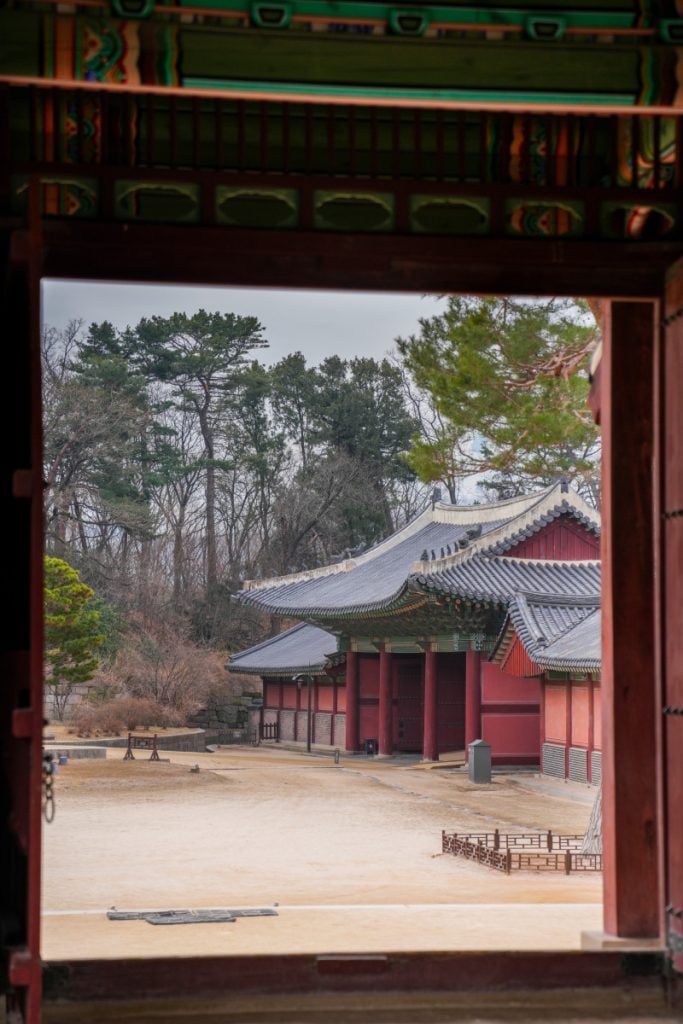
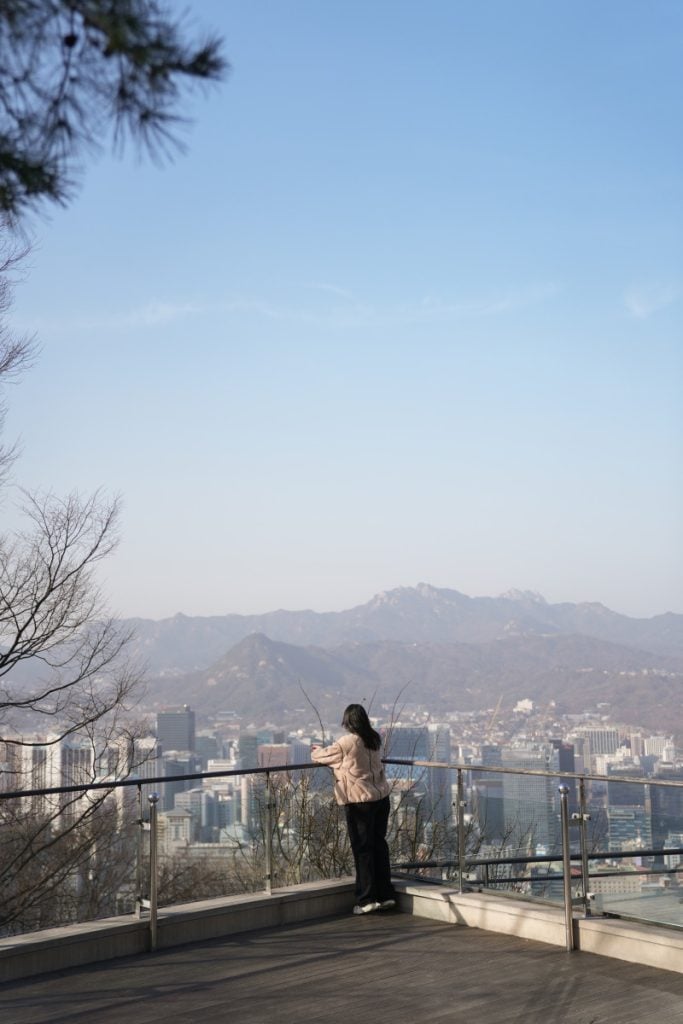
After diving deep into all that Seoul offers, I wanted to narrow down what exactly I would do with a visit. This list of the best things to do in Seoul represents my favorite finds in the city from hours of research turned into my very own experience. From the night food market tour that I think everyone should book to the neighborhood I loved most for shopping, this is your Seoul city guide.

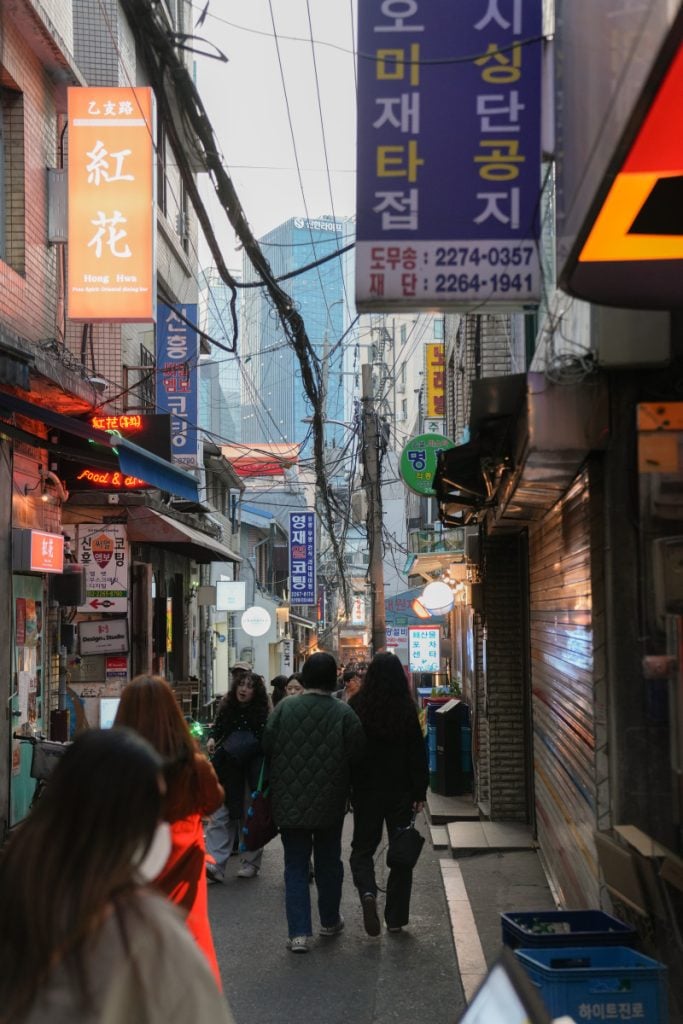
Read on to find details, travel tips, and more to plan your visit to the ever-so exciting city of Seoul. I share everything you need to do to plan a trip for first-timers.
Short on Time? Here Are My Top Picks for Seoul:
Things to Do
- Gwangjang Market Night Market Food Tour
- Namdaemun Market Street Food Tour
- Korean Cooking Class with Full-Course Meal & Local Market Tour
- Half-Day Secret Food Tour
Where to Stay
- Myeongdong, best for a first-time trip
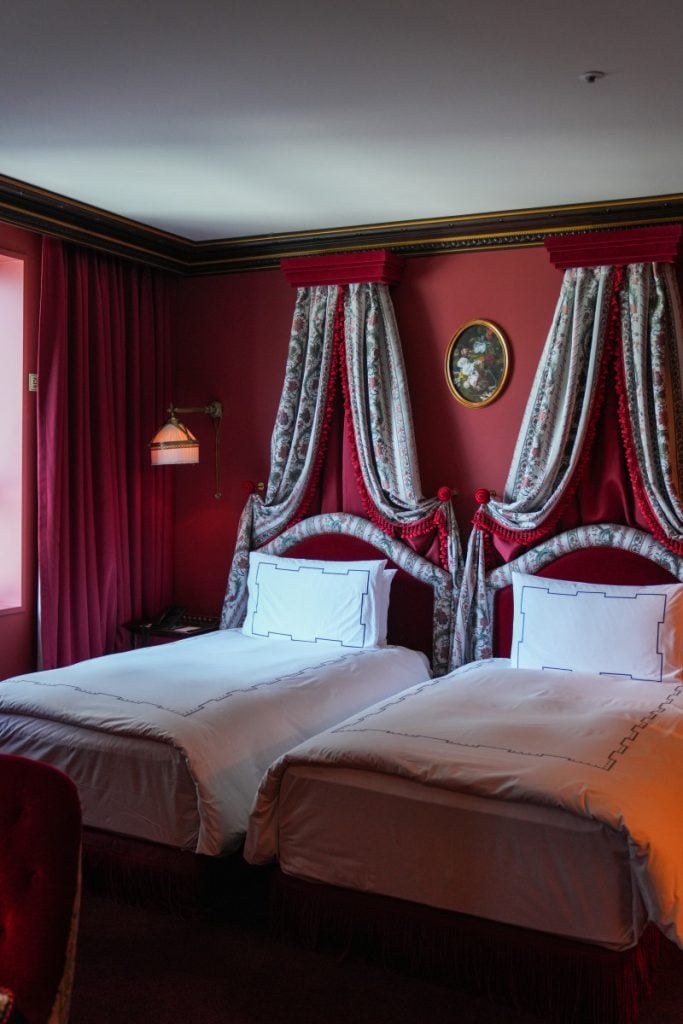
L’Escape Hotel ($$ / Where I Stayed), LOTTE Hotel Seoul ($$$), Hotel 28 Myeongdong ($$), L7 Myeongdong ($$), Nine Tree Hotel Myeongdong ($), or a design-forward apartment - Bukchon Hanok Village, best for a traditional stay
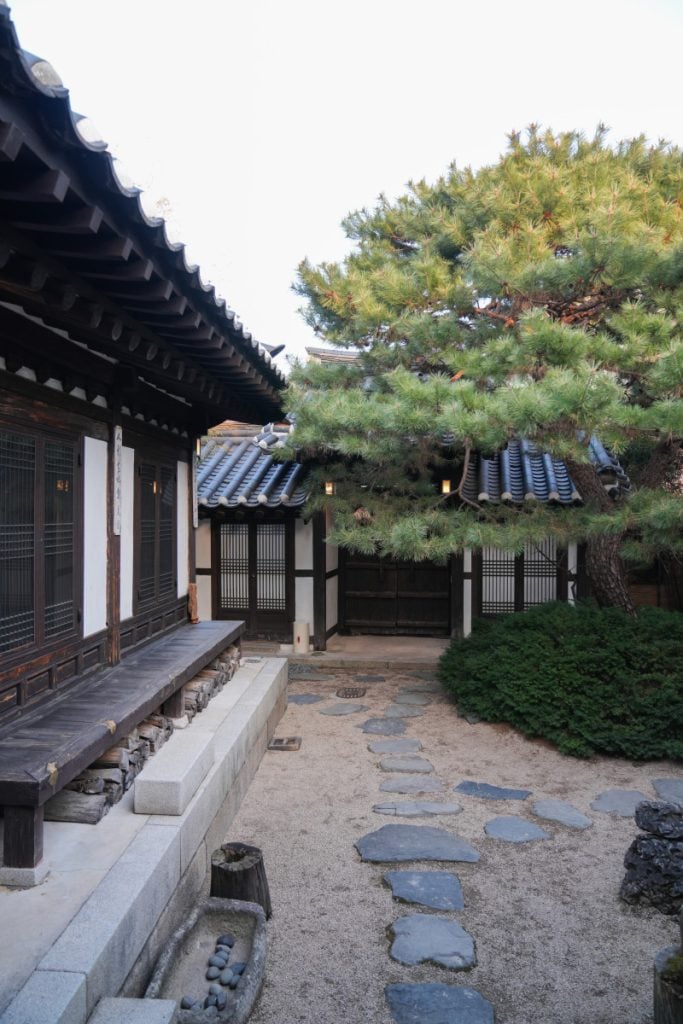
Rakkojae Seoul Main Hanok ($$ / Where I Stayed), Stay Onyou ($$), Bukchon Hanok – ‘Yul Jae’ ($$), or a private hanok villa with hot tub
Helpful Guides to Plan Your Trip
Planning a trip to Seoul? Don’t miss my Seoul itinerary and guide to where to stay in Seoul! If you’re planning to explore more of South Korea, be sure to check out my Busan itinerary for a gem of a city on the southern coast.
Travel Tip: Having mobile data is a must when traveling to Seoul. We use Holafly unlimited data eSIMs (5% off!) for all international travel.
The Best Things to Do in Seoul, South Korea Guide
What Exactly to Do in Seoul
Stroll the Historic Bukchon Hanok Village
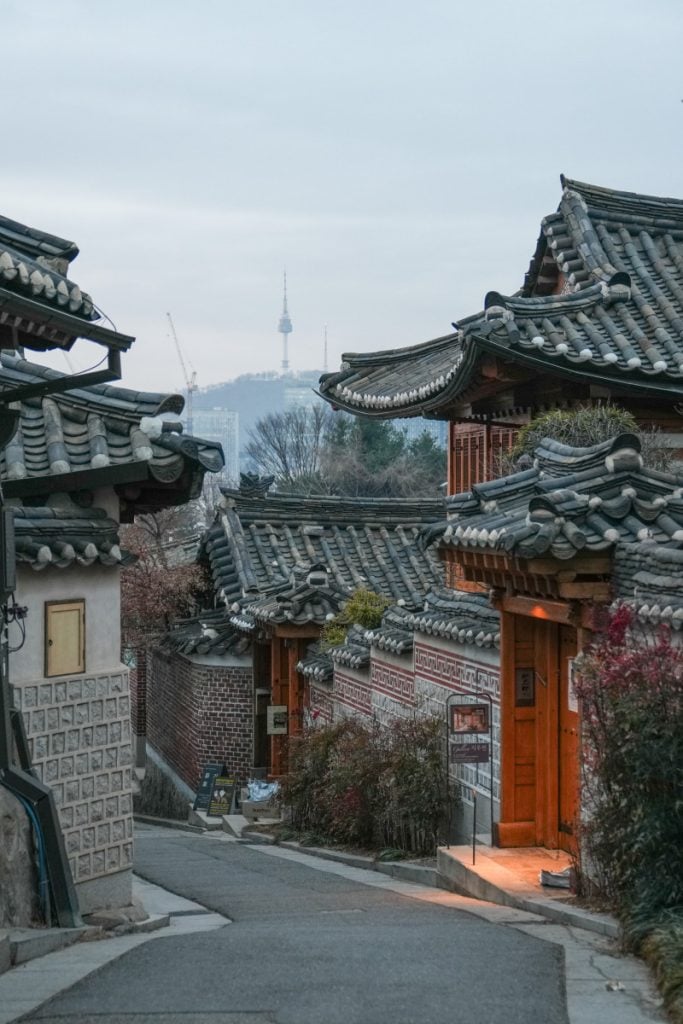
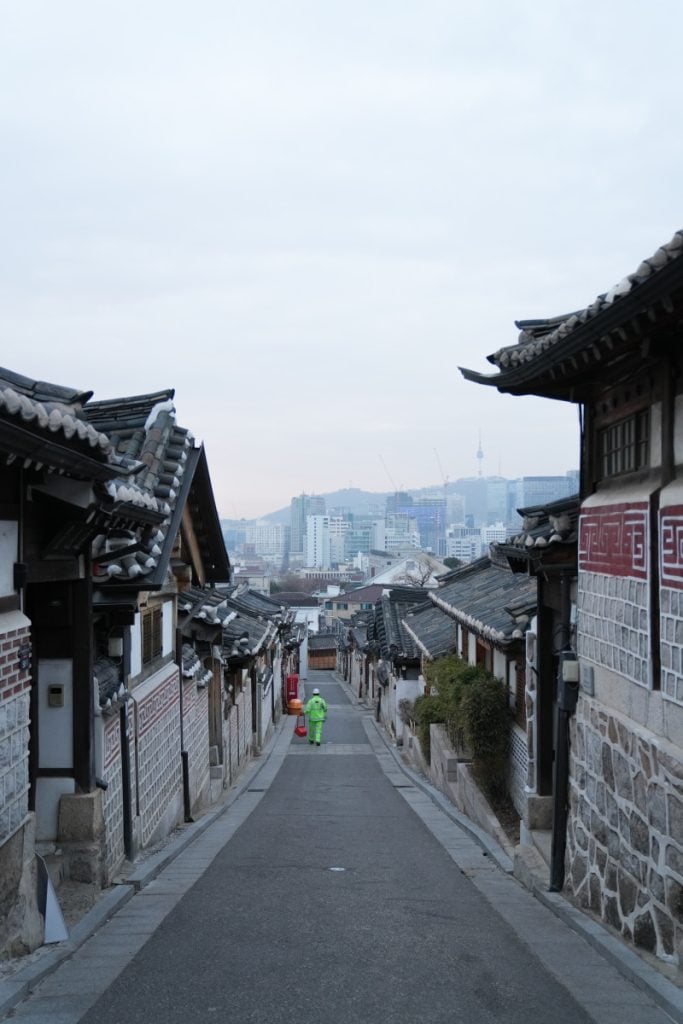
Set on the hills of Seoul, Bukchon Hanok Village is one of the oldest hanok villages in town. Carefully preserved, its dozen or so small streets and alleyways with stone-roofed hanoks are a step back in time. Visitors can only visit from 10:00 am to 5:00 pm to keep it quiet for residents unless you’re staying in a hanok there, so keep this in mind when visiting.
If you look on Google Maps, there are a handful of “Photo Spots” marked which you can use as pin points to find scenic locations. My favorite view was from Bukchon Yukgyeong (Photo Spot #6).
Plan Your Visit
- Visiting Hours: 10:00 am to 5:00 pm
- Nearest Station: Anguk Station
- Time Needed: 1-2 hours
Take a Night Market Food Tour in Gwangjang Market
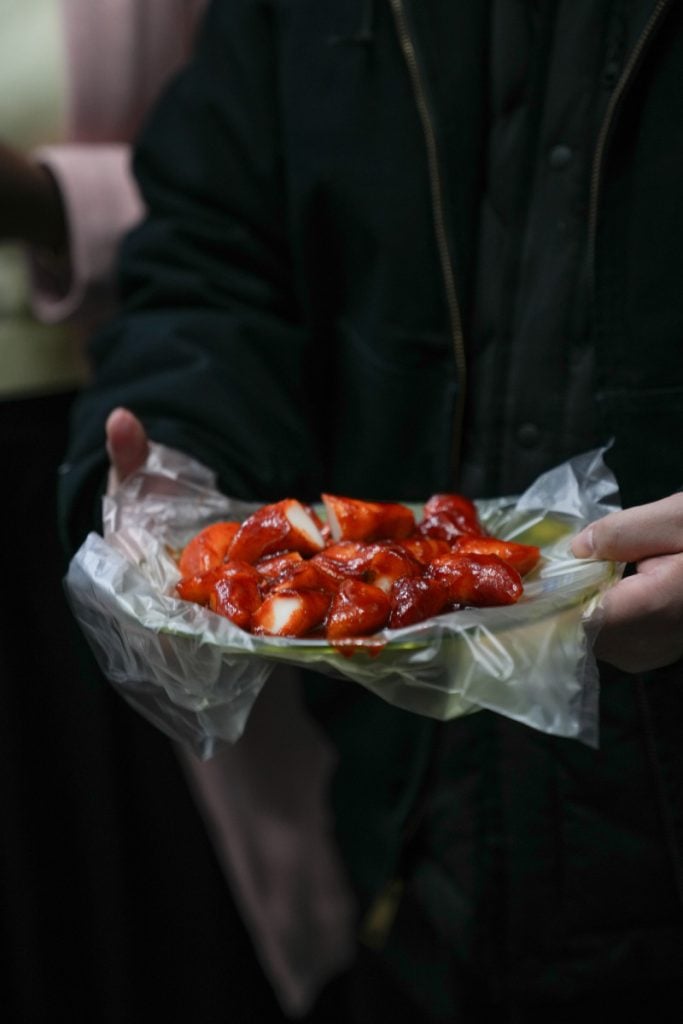
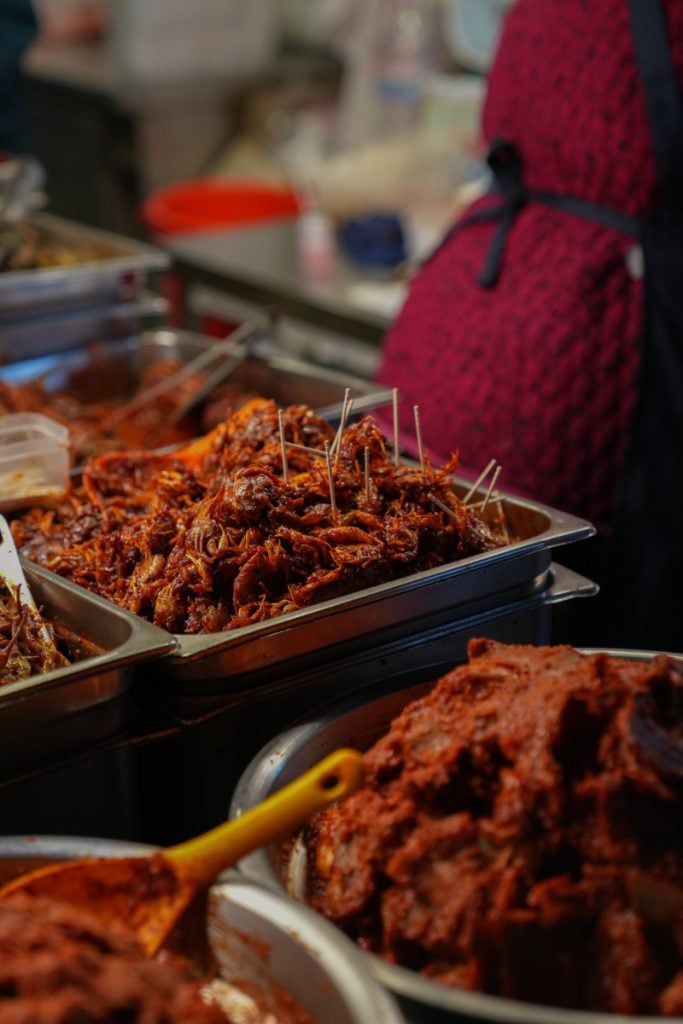
My favorite experience in Seoul was this guided night market food tour that took us through the oldest market in Seoul, called Gwangjang Market. I cannot rave more about this experience with a knowledgeable local guide, and it’s a wonderful thing to do first when you arrive in Seoul.
During the tour, you’ll get an understanding of local market life, unique foods to enjoy in South Korea, and be taken to the best spots in the market. With thousands of stalls to choose from, it was really nice to be in a small group as well, which I appreciated, and throughout the tour our guide gave us insight into culture and food, all while getting to taste over a dozen things like Tteokbokki to kimbap, to even more unique dishes like the raw octopus.
Plan Your Visit
- Market Shops: 9 am to 6 pm (many close on Sundays)
- Food Alley: 9 am to 11 pm (many stalls are open daily, including Sundays)
- Nearest Station: Jongno 5-ga Station or Euljiro 4-ga Station
- Time Needed: 1-2 hours
- Food Tour: Book at least two weeks ahead
See the Royal Palaces of Seoul
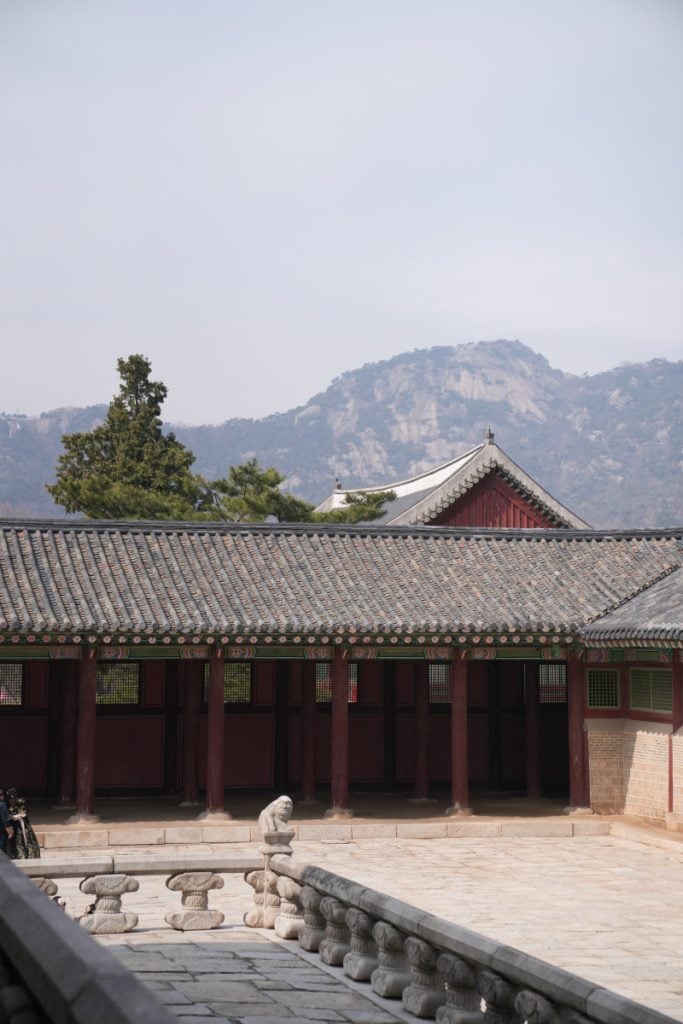
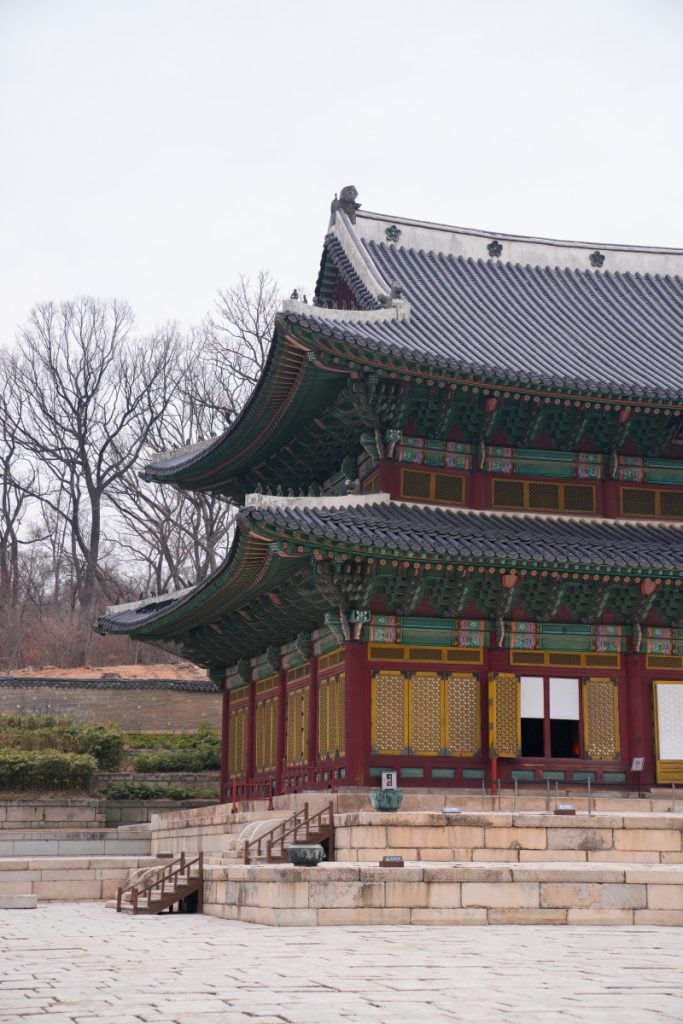
Five royal palaces date back to the Joseon era in Seoul, all of which are available to visit, each uniquely constructed and beautiful. You might find it a touch redundant to visit all of them as they do have similar architecture, so I personally would pick only a handful to visit.
Which Palace Should You Prioritize to Visit in Seoul?
- For first-timers, the Gyeongbokgung Palace is a must.
- For hidden gardens and a quieter visit, Changdeokgung Palace is magical.
Gyeongbokgung Palace
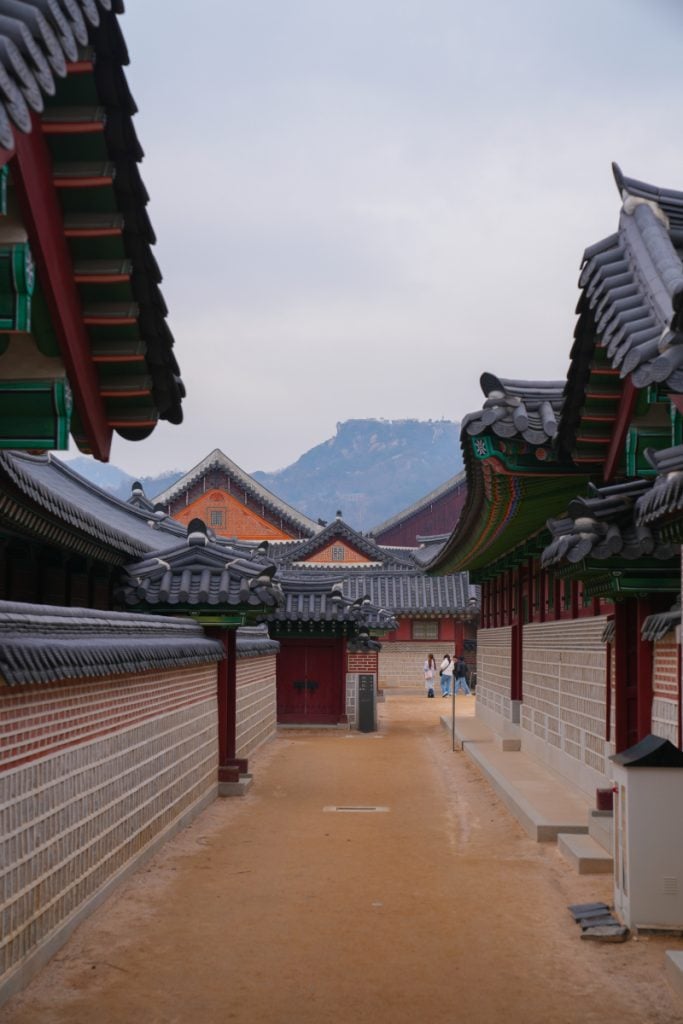
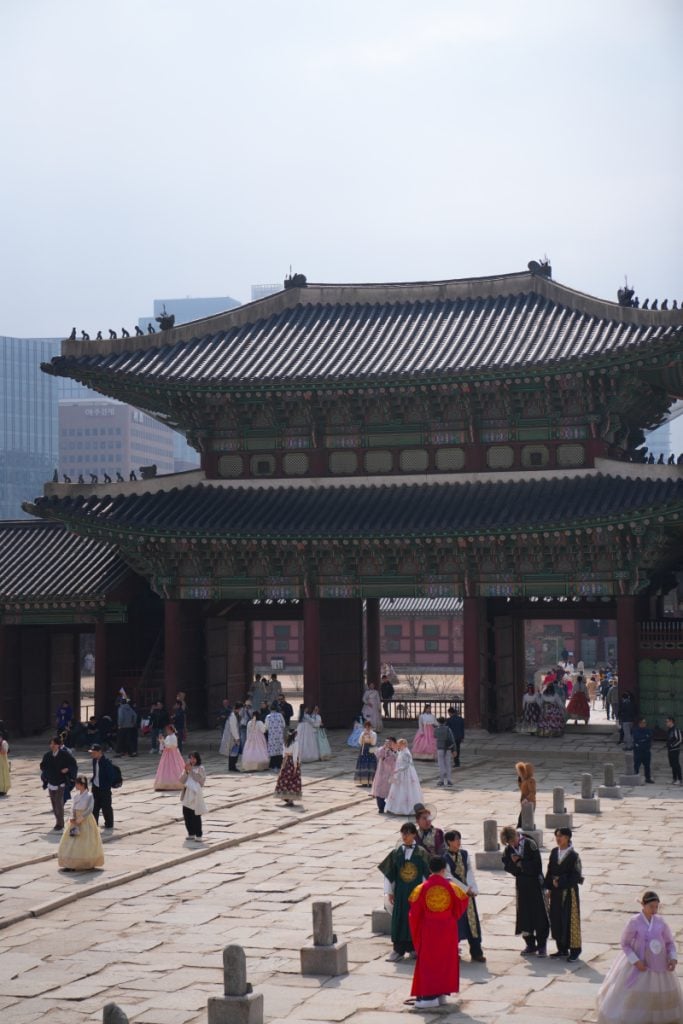
Gyeongbokgung Palace, built in 1395 as the heart of the Joseon Dynasty, was the primary royal residence and seat of power, embodying Korea’s cultural and political spirit. Designed with geometric shapes, it flourished until invasions, notably the Japanese occupation (1592-1598), led to its destruction, followed by a grand reconstruction in the 19th century under King Gojong. Be sure to stop by The National Folk Museum of Korea while you’re here, too.
I found the Gyeongbokgung Palace to be the most interesting to visit as it’s quite large, with several pathways leading in and out of squares with courtyards and temples. And since it’s most popular, it has a very lively energy to it here. I’d recommend coming here early, as it is busy, and taking your time to visit it, alongside the National Folk Museum, which is attached to it.
Plan Your Visit
- Hours: Closed Tuesdays
- Jan–Feb and Nov–Dec: 9 am–5 pm, last admission 4 pm
- Mar–May and Sep–Oct: 9 am–6 pm, last admission 5 pm.
- Jun–Aug: 9 am–6:30 pm, last admission 5:30 pm
- Nearest Station: Gyeongbokgung Station
- Time Needed: 2–3 hours
- Tickets: Available on arrival
- Guided tours: Book at least two weeks ahead
Changdeokgung Palace
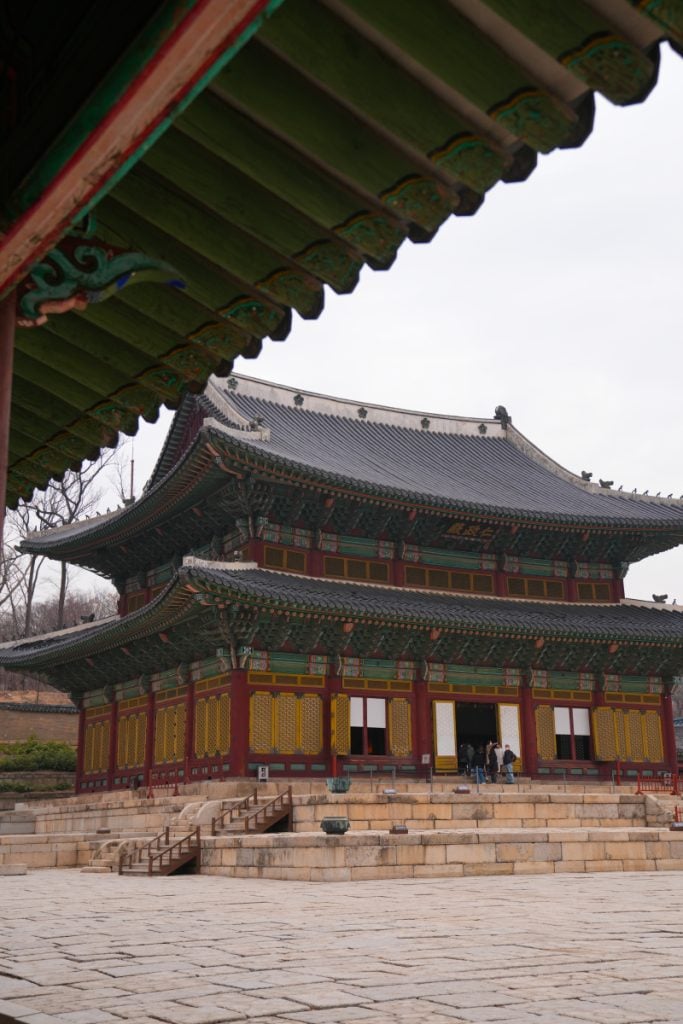
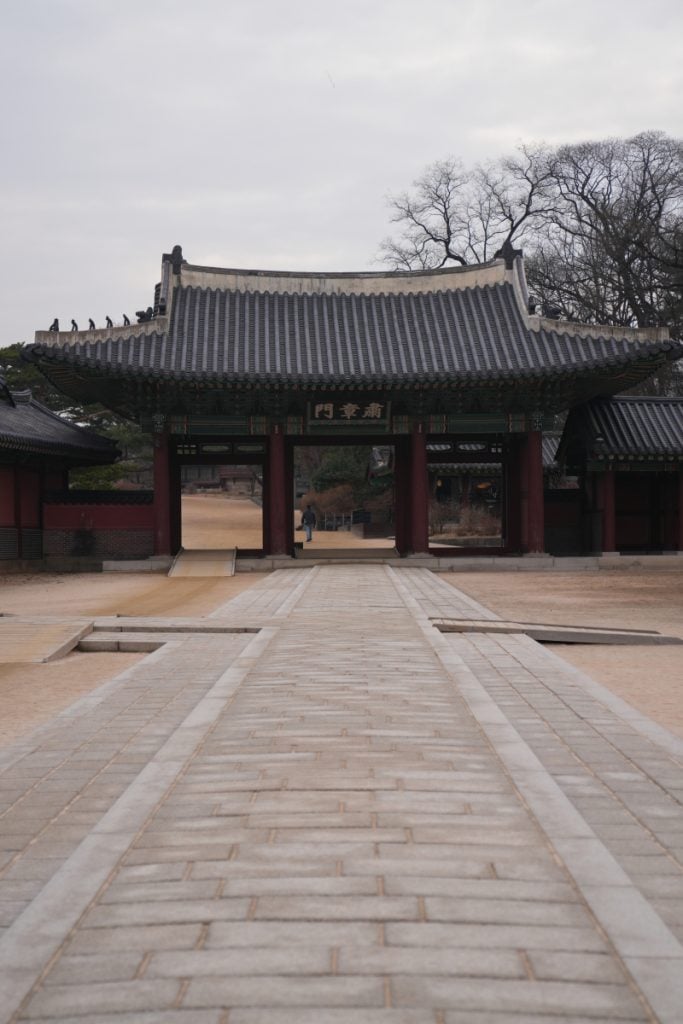
The UNESCO-listed Changdeokgung Palace, constructed in 1405 as a secondary palace of the Joseon Dynasty, became the favored royal residence after Gyeongbokgung Palace’s destruction in the 1592 Japanese invasion. The palace housed kings for centuries until it was further devastated during Japan’s 1910-1945 colonial rule. After being painstakingly restored in the 1990s, Changdeokgung’s serene pavilions and enchanting Secret Garden are among the main draws to this palace. It’s much smaller than Gyeongbokgung, so you won’t need as much time, but it’s equally beautiful. If you can time it with spring blossoms, I’d highly recommend getting tickets for the Secret Garden for a guided tour.
Plan Your Visit
- Hours: Closed Mondays
- Feb–May: 9 am–6 pm, last admission at 5 pm
- Jun–Aug: 9 am–6:30 pm, last admission at 5:30 pm
- Sep–Oct: 9 am–6 pm, last admission at 5 pm
- Nov–Jan: 9 am–5:30 pm, last admission at 4:30 pm
- Nearest Station: Anguk Station
- Time Needed: 2 hours
- Tickets: Available on arrival
- Guided tours: Book at least two weeks ahead
Is Entry to the Palaces Free if You Wear a Hanbok?
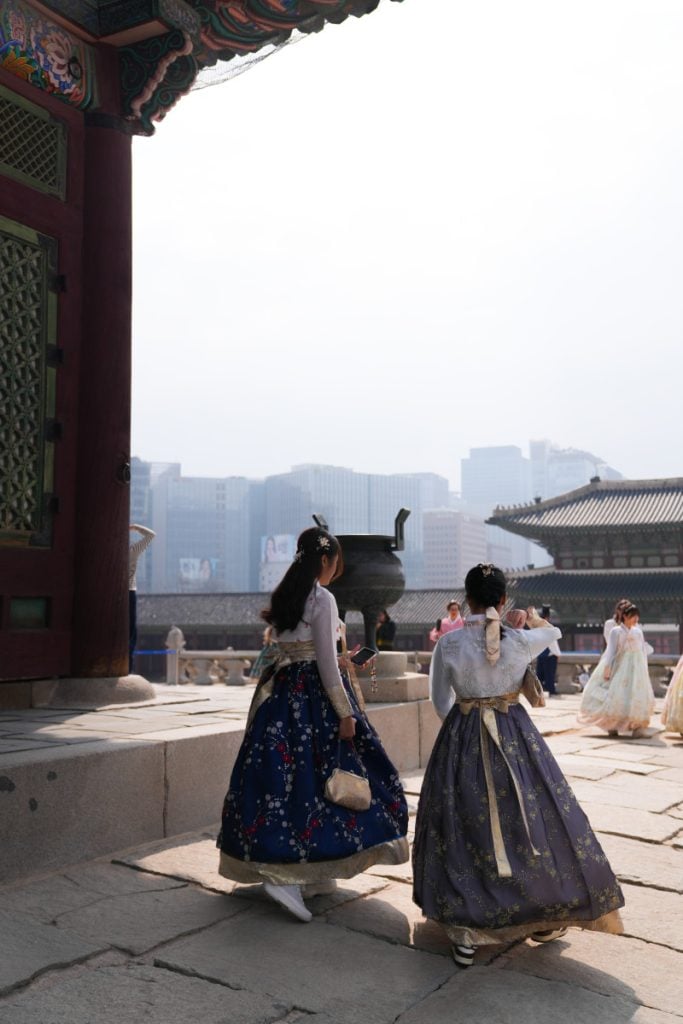
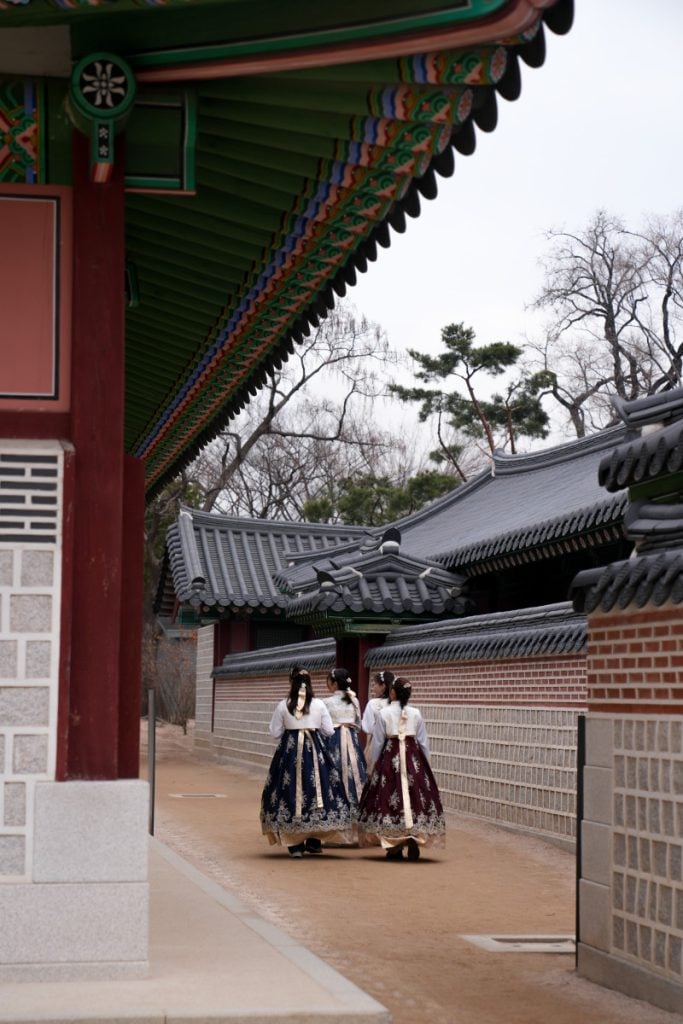
Yes! There is free entry into the palaces if you choose to dress in a traditional hanbok. As you stroll through the palaces, specifically Gyeongbokgung Palace, you’ll see many visitors (local and foreign), dressed in traditional hanbok. These intricate dresses and outfits were originally for important cultural events, and today you can rent and experience them. If you are dressed in one, you get free entry into the palaces. You could consider booking this Gyeongbokgung Palace Hanbok Rental Experience in Seoul if it’s something you’d like to experience, or stop by one of the hanbok rental stores along the outside wall of the palaces.
Explore the Picturesque Ikseon-Dong Neighborhood
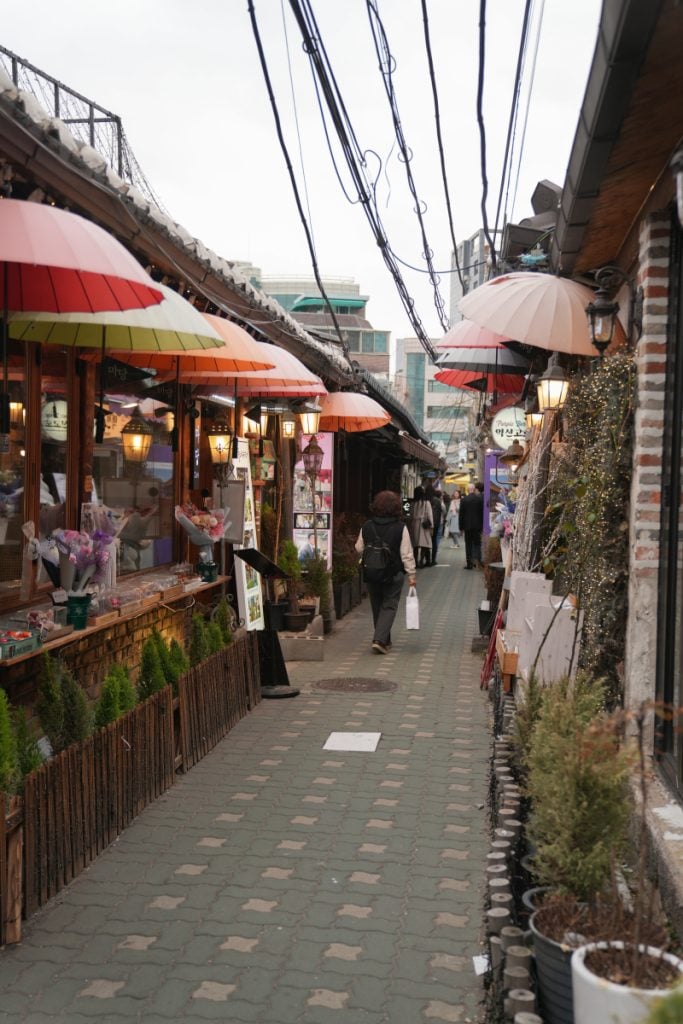
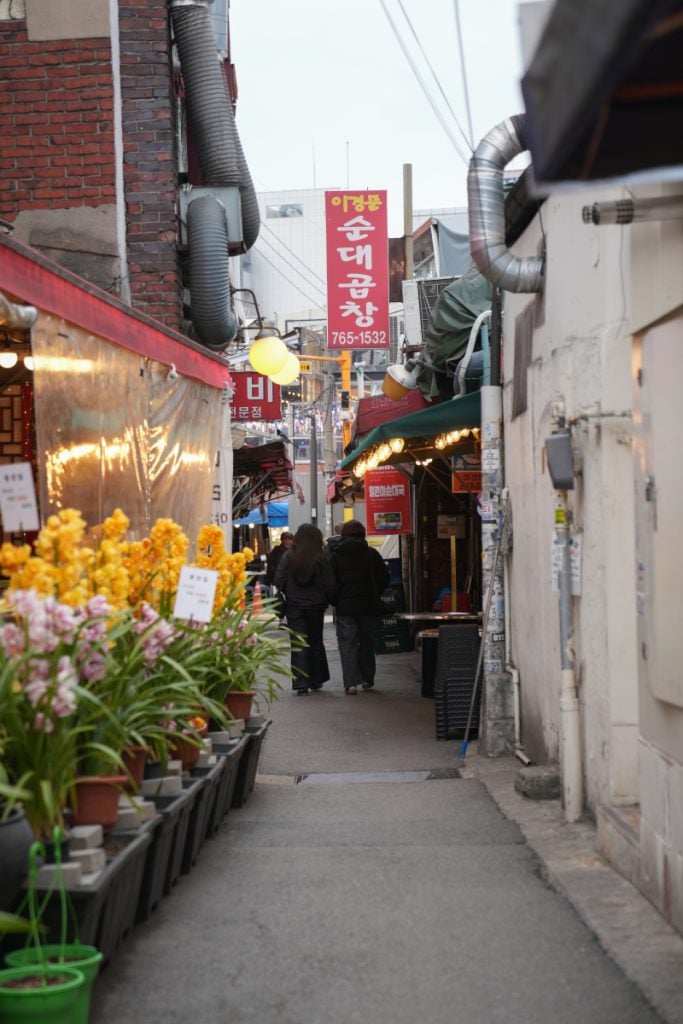
One of the most iconic neighborhoods in Seoul is the area of Ikseon-dong. One of the most historic parts of the city, it’s the spot to go for a stroll down charming alleys and streets that crisscross back and forth. Ikseon-dong is actually the oldest Hanok village, and has been carefully preserved. Today, it’s full of cafes, shops, and restaurants, which is why it’s well worth visiting.
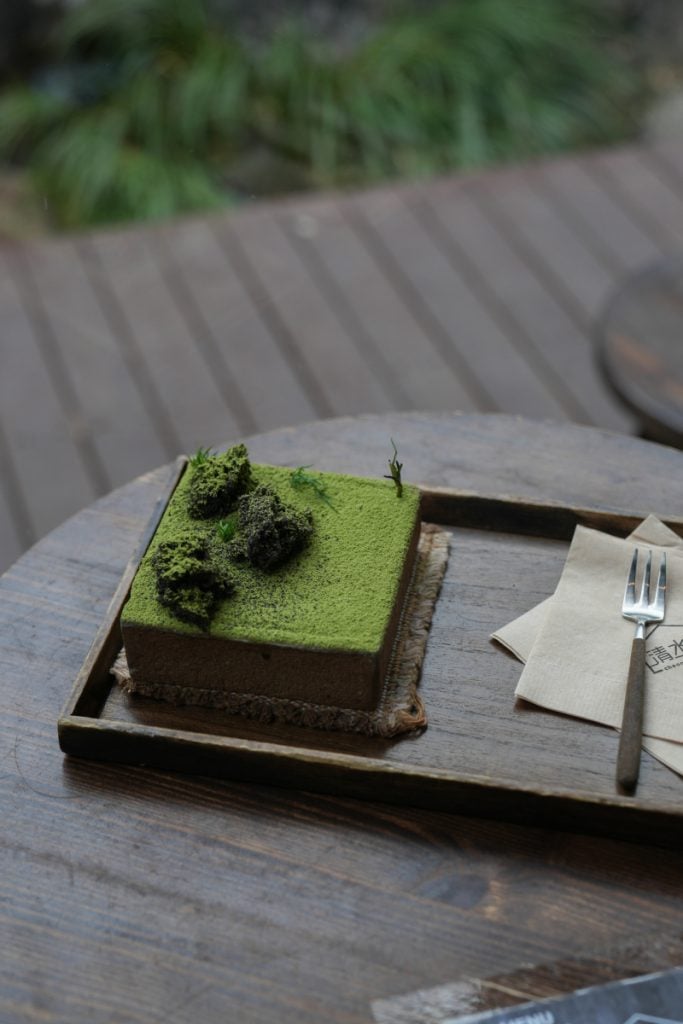
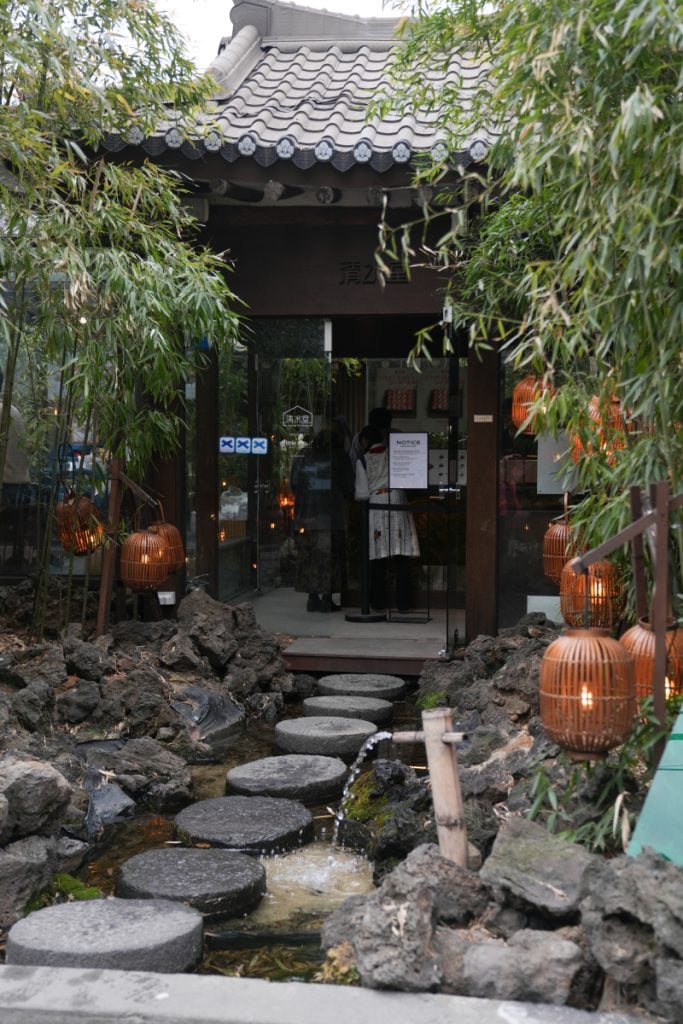
I spent a few hours here, as I adored how much there was to discover — just walk in and out of the dense alleyways, as there’s a lot to see. While here, I’d try to go to one of the creative dessert cafes like Cheongsudang Bakery, known for its matcha desserts, and get salt bread at either Soha Salt Pond Ikseon-dong or Jayeondo Sogeumppang (Salt Bread) & Jayeondoga.
Travel Tip: Visit Nearby Insadong with Ikseon-Dong: Just around the corner from Ikseon-dong is the historic neighborhood of Insadong. It’s most famous for the pedestrian-only street called Insadong-gil, all lined with everything from tea houses to stationery stores. It feels more commercial, but at the same time has a more local feel to it. You could easily spend an hour or two going from store to store here, and stop into Ssamziegil, a multi-level outdoor mall. I’d pair it with your time in Ikseon-dong.
Plan Your Visit
- Hours: Most cafes 9 am–evening
- Nearest Station: Jongno 3-ga
- Time Needed: 2–3 hours
Try Ramen at a Self-Service 24-Hour Ramen Convenience Store

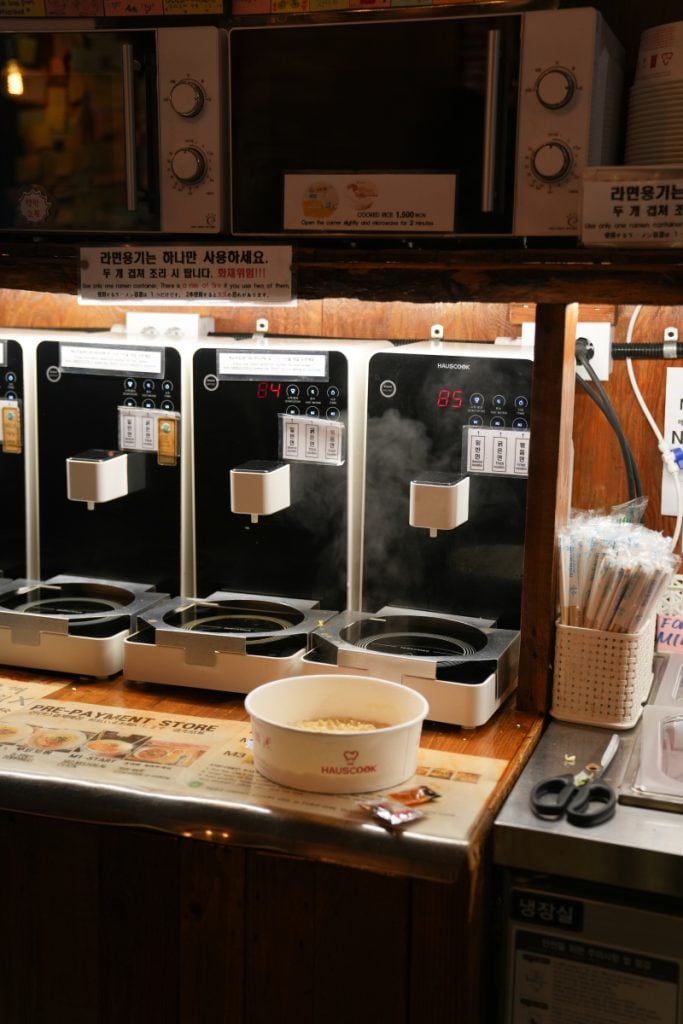
One of my favorite late-night, no-fuss meals in Seoul, which felt very Seoul, was the Jongno 24 Hours Ramen Convenience Store. Open literally 24 hours, and as a ramen-only restaurant with no staff working, you can go in, purchase, and make your own ramen.
Operated completely with self-checkouts on a computer screen, with a large wall of ramen, you can choose from over a hundred ramen types. Once you do, check out and head to the machine, which dispenses hot water to make the ramen. They have all of the instructions written in English and Korean, so it’s easy to use. It’s a cheap meal to do, and was one of my favorite dining experiences in Seoul.
Plan Your Visit
- Hours: 24/7
- Nearest Station: Jongno 3-ga
- Time Needed: 30 minutes
- Reservations: Walk-in only
Discover Seoul’s Incredible Creative World: Museums and Art Galleries

One of the most memorable parts of Seoul was the sheer concentration of museums, galleries, and art exhibits there were to visit. In just a single day, I went from one museum to the next, and even found smaller galleries along the way. It’s really all you can see when it comes to art in Seoul. There are a few spots that I would look to get to while there: standout museums and unique galleries that do rotating exhibits.
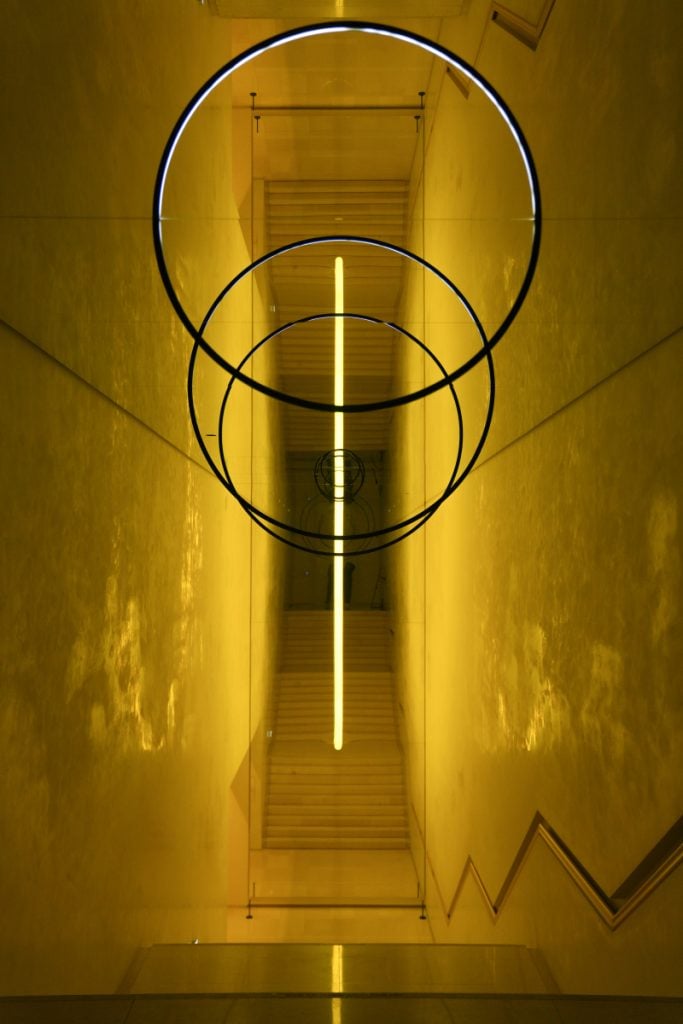
My absolute favorite art museum in Seoul, and one I’d prioritize, is the Leeum Museum of Art. Set on the backside of Namsan Park, it’s one of the best contemporary art museums in the city, with an array of exhibits. One of my favorite parts here was the Gravity Stairs by Olafur Eliasson, a permanent mirror-lined installation in the museum that reflects an array of colors from the light.
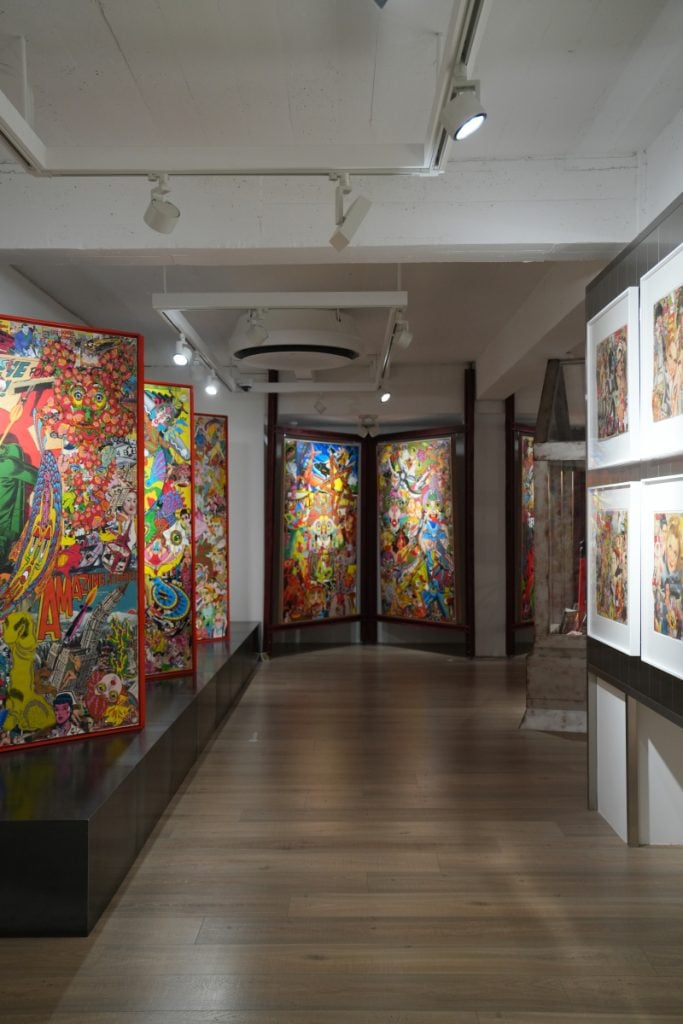
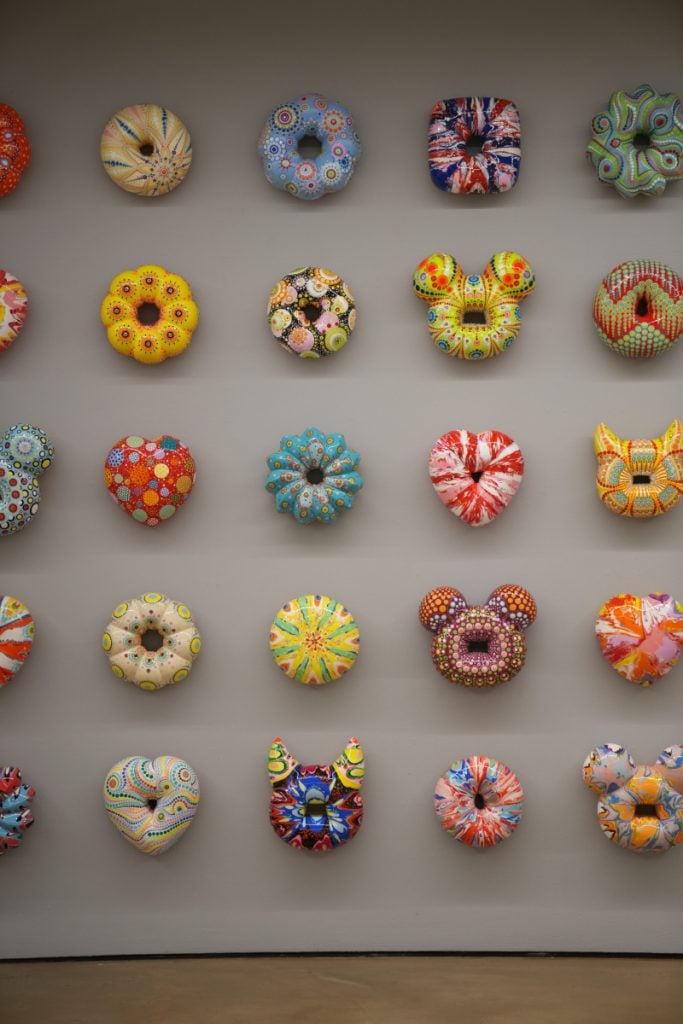
Two other smaller museums that were great to visit as well were the Daelim Museum and the D Museum. The Daelim Museum houses a rotating exhibit, bringing in different artists each season. When I was there, it was Keiichi Tanaami, a famous Japanese artist. The D Museum was a fantastic find in Seongsu-dong, which houses an “art in life” exhibit, exploring homes and modern design.
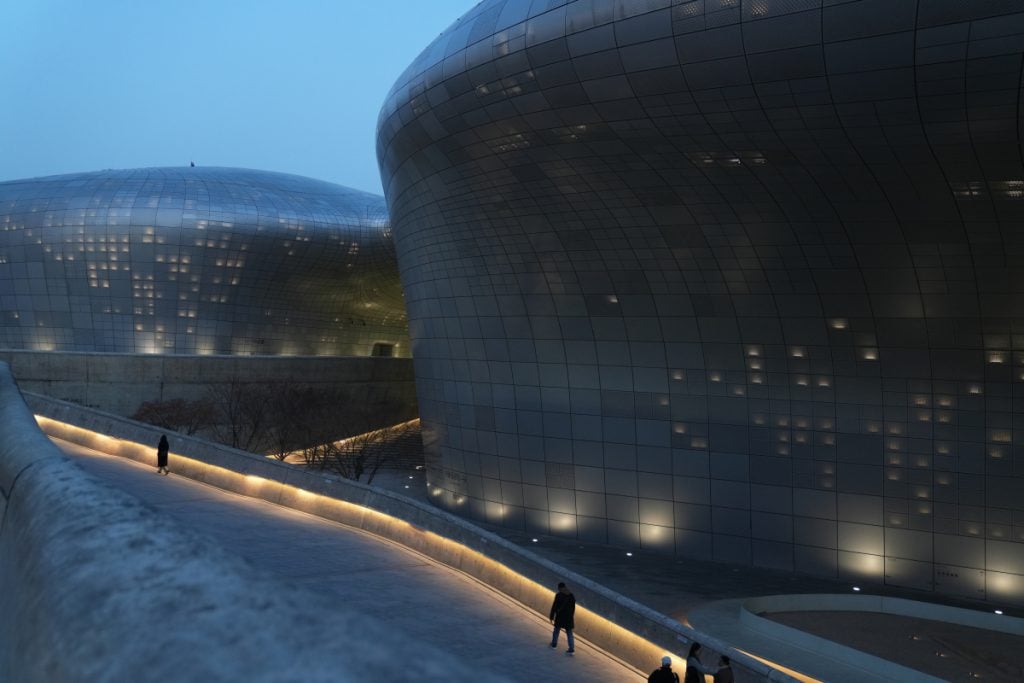
For a few other finds for art in the city, I’d look at going by the Dongdaemun Design Plaza, somewhere my husband, who loves architecture, recommended me to stop by. Often referred to as the DDP, it’s a hyperrealist architectural site designed as a cultural complex. It houses exhibits and a handful of shops — it looks incredible at night when all of the lights are on. Another smaller gallery I found nearby as well was Hakgojae, a longstanding independent gallery open since the 80’s for contemporary art.
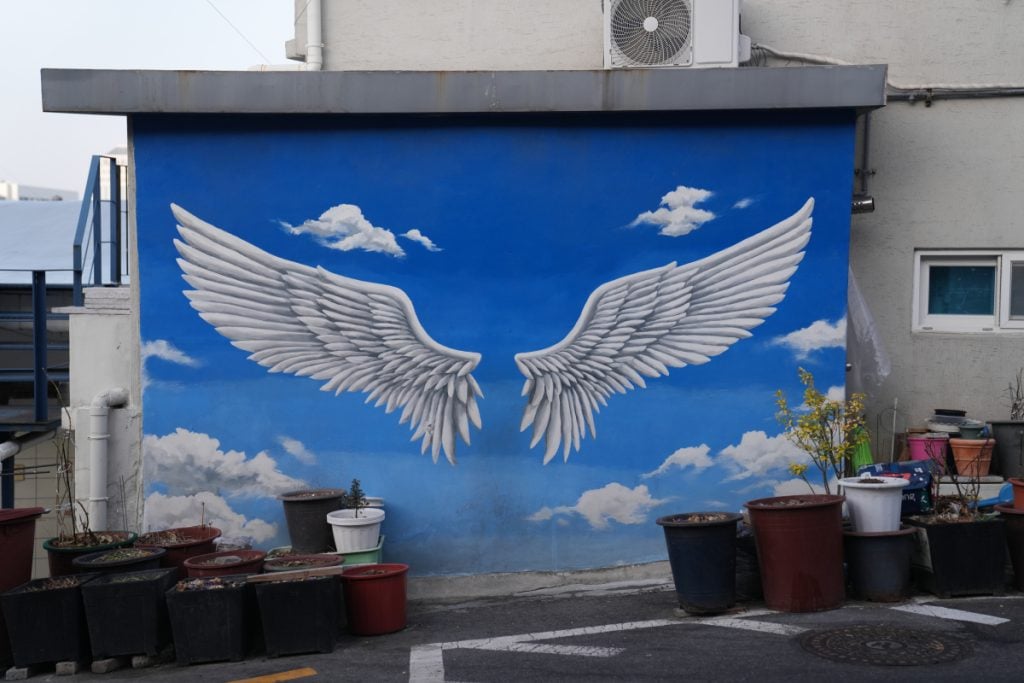
When it comes to street art, the mecca for this is the Ihwa-dong Mural Village. A famous neighborhood off the Naksan Park. The murals here are spread out throughout the area, but you can follow the mural map that is posted throughout to find each piece.
Plan Your Visit
- Tickets: All available on arrival
- Leeum Museum of Art — Tue–Sun 10 am–6 pm, last admission 5:30 pm, closed Mondays. Nearest Station: Hangangjin Station
- Daelim Museum — Closed for exhibition preparations. Nearest Station: Gyeongbokgung Station
- D Museum — Tue–Thu & Sun 11 am–6 pm; Fri–Sat 11 am–7 pm, closed Mondays. Nearest Station: Seoul Forest Station
- Dongdaemun Design Plaza (DDP) — 10 am–9 pm daily, closed Lunar New Year’s Day. Nearest Station: Dongdaemun History & Culture Park Station
- Hakgojae Gallery — 10 am–6 pm daily, closed Mondays. Nearest Station: Anguk Station
- Ihwa-dong Mural Village — Open 24 hours, best in daylight. Nearest Station: Hyehwa Station
Get Pastries and Coffee at Seoul’s Best Cafes
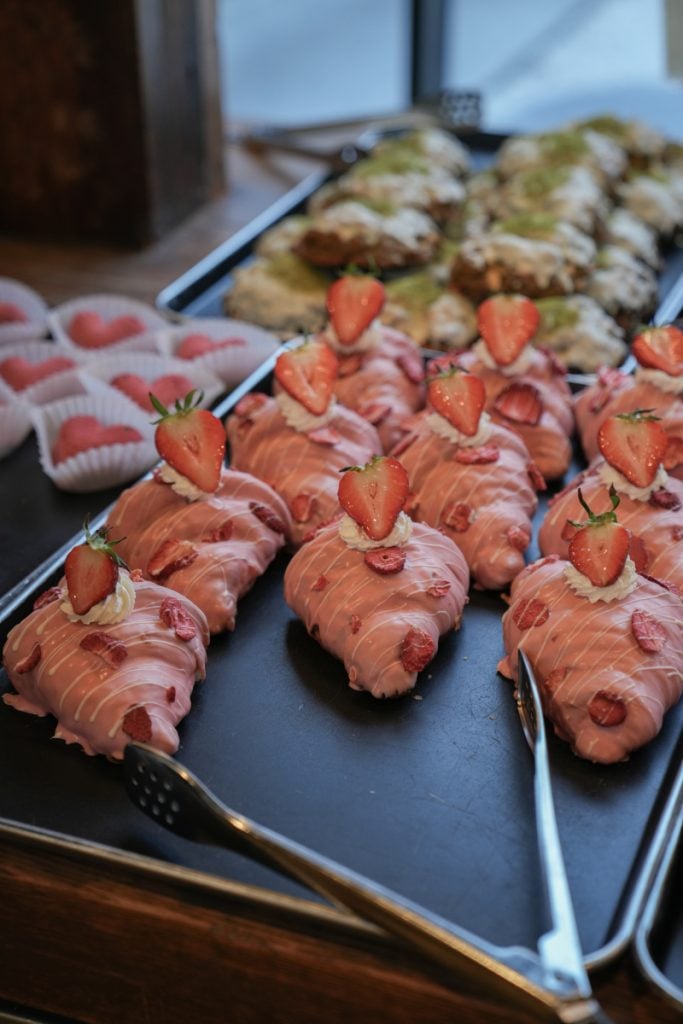
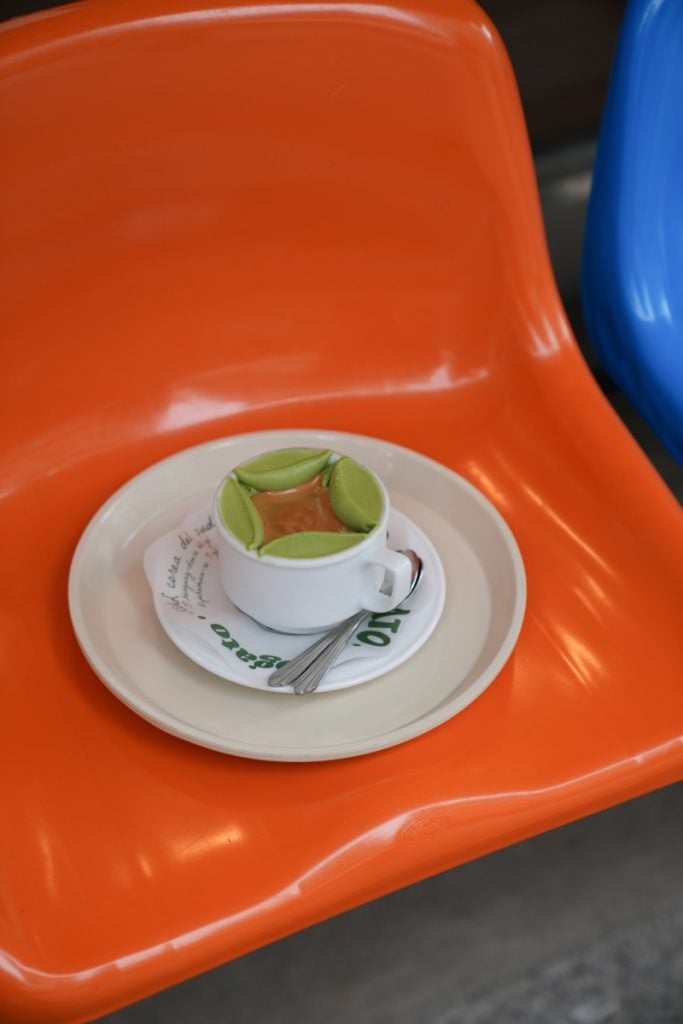
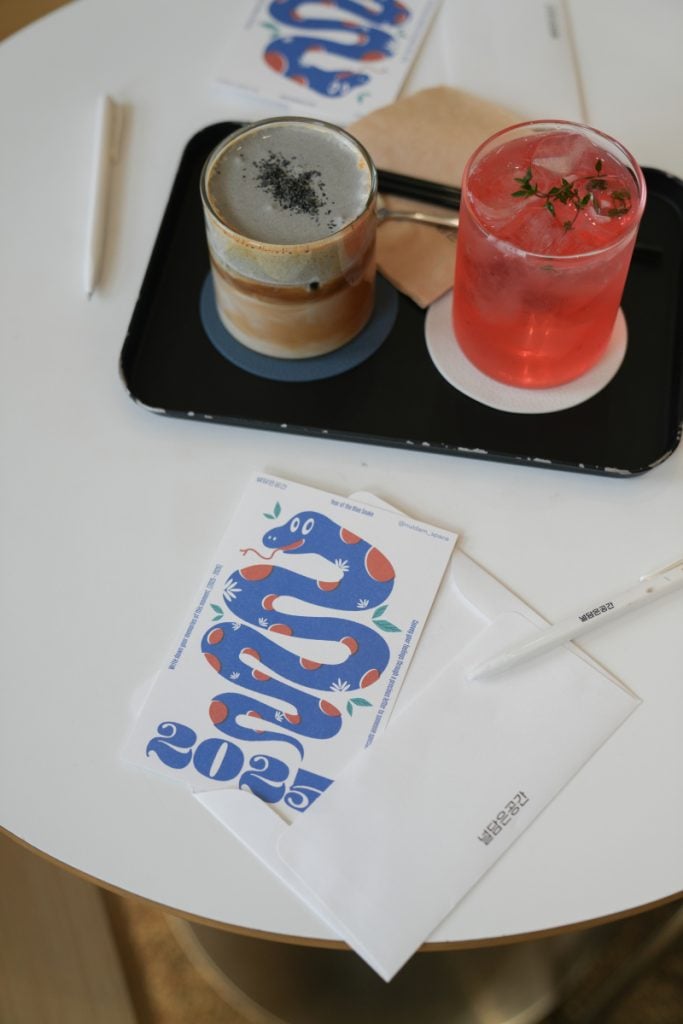
I have never seen such a concentrated cafe scene in my travels. Seoul’s never-ending list of cafes and coffee shops meant some serious coffee excursions. During my time in Seoul, I went to over a dozen cafes. I’ll say that the good cafes in Seoul are very busy, each one often having lines by mid-morning, so if you’re in a rush, arrive earlier rather than later if you can.
My Favorite Seoul Cafes
- Cafe Onion (Anguk) — Come here near the Changdeokgung Palace for some of the best pastries in town. They have an entire area you can walk through and self-serve, and then this beautiful inner courtyard to eat around.
- Cafe Dotori Garden (Anguk) — For a Studio Ghibli-inspired cafe, Dotori Garden is a favorite in town for a kitschy cafe experience themed around the movies. I personally found it so cute and charming, plus the yoghurt bar was amazing.
- Scooper Gelato (Nuha-Dong) — Come here for the gelato served with espresso; it was seriously one of the best coffee treats of the week. I’d try the matcha and the vanilla.
- Foreplan (Seongsu) — Very beautiful coffee shop that feels like a library, and has great drinks.
- Coffee Hanyakbang (Euljiro) — For specialty coffee tucked away in an alley, this is the spot to go. I have a whole section below on this spot.
- Nudake (Gangnam) — Nudake is at the forefront of creative desserts and pastries in Seoul, and it’s a spot to get out to at least once. Everything from its viral croissants to hyperrealistic desserts — try a few things here!
- Nuldam Space (Anguk) — A very sweet cafe with a few locations, where you can come here and write a card to your future self. It’s a very charming experience; you’ll have to get a drink and pay for the card (a few dollars), and at the end, you seal it with a wax seal, and they’ll send it a year later.
- %Arabica Seoul Starfield Library (Gangnam) — A great Japanese spot, inside the Starfield Library mall, good to combine if visiting.
Make Your Own Shabu Shabu
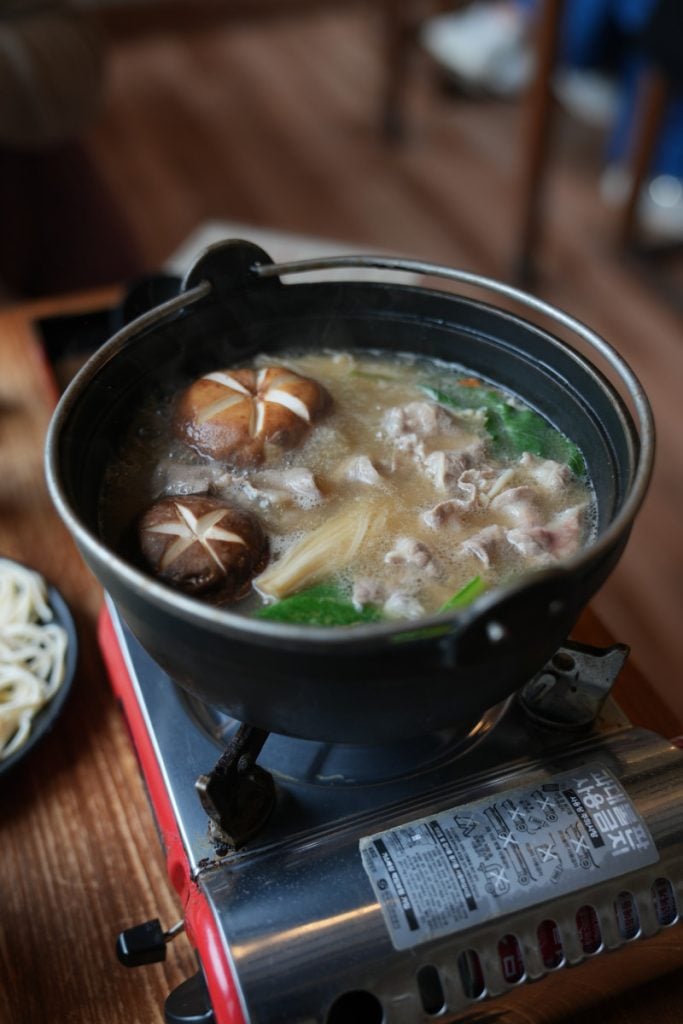
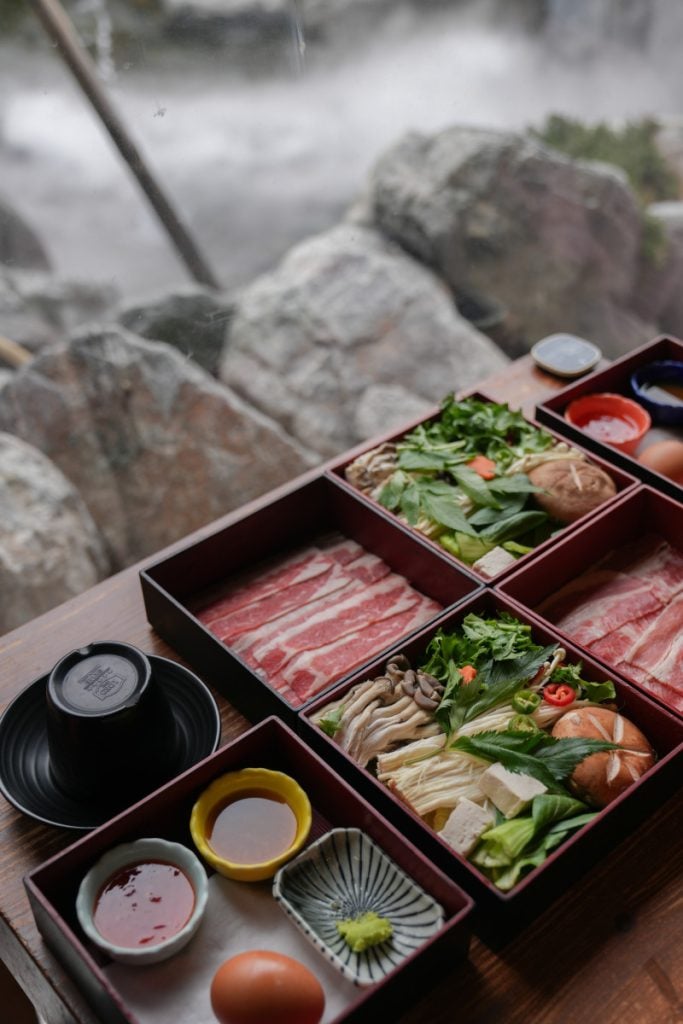
In the hip Ikseon-dong Hanok Village, some of the best cafes and restaurants are here, one of which is Oncheonjip. This shabu shabu restaurant (reservation needed) is one I would go out of my way for. You’ll get seated around the stunning courtyard and get to cook your shabu shabu.
This hot pot meal is a staple of Korean cuisine, and I’d order the base menu to get to try a few of the different things. If you need help, the staff is also there to guide you when it comes to cooking the meal.
Plan Your Visit
- Hours: 11:30 am–3 pm, 5 pm–9:30 pm daily
- Nearest Station: Jongno 3-ga Station
- Time Needed: 1.5 hours+
- Reservations: Required
Cook Your Own Korean BBQ: South Korea’s Unique Dining Experience
No trip to South Korea is complete without experiencing the iconic Korean BBQ cuisine. I had my fair share in Busan when I went, and if you’re just in Seoul, then definitely seek it out to try once. You’ll sit around a grill, and after ordering, the restaurant gives you plates of meats and vegetables to cook on your own. You’ll definitely smell like the food you cook, so wear clothes wisely for here. For a first Korean BBQ meal, I’d recommend trying a charcoal-grilled pork spot.
In Seoul, my recommendation is to use CATCHTABLE to get your reservation, which increasingly restaurants in Seoul are using. Korean BBQ is a very popular meal on weekends, so the weekends can be the busiest.
What to Order at Korean BBQ
- Samgyeopsal (삼겹살), classic pork belly, the essential Korean BBQ order
- Moksal (목살), pork neck, leaner, meatier, and often very tender
- Galbi (갈비), marinated beef or pork ribs for a sweeter, richer flavor
- Banchan (반찬), side dishes are included and usually refillable
- Finish with fried rice, cold noodles (naengmyeon), or a bowl of kimchi stew
Ordering Basics
- Choose your meat (many restaurants have photos on the menu)
- Order at least the minimum number of servings
- The grill may be cooked by staff or self-cooked depending on the restaurant
- Wrap grilled meat in lettuce with garlic, kimchi, and ssamjang
- Pair it with soju if you’re looking for a classic drink, or draft beer
Researched Places for the Best Korean BBQ in Seoul
Plan Your Meal
- Reservations: Use CATCHTABLE, some restaurants take bookings, others use remote waitlists
- Best Time: Weekday lunch, or before the 5:30 pm dinner rush. Expect waits after 6 pm.
- Cost: ₩25,000–₩50,000+ per person
- Time Needed: 1.5–2 hours
Soak in the Sunset from N Seoul Tower and Ride the Namsan Cable Car
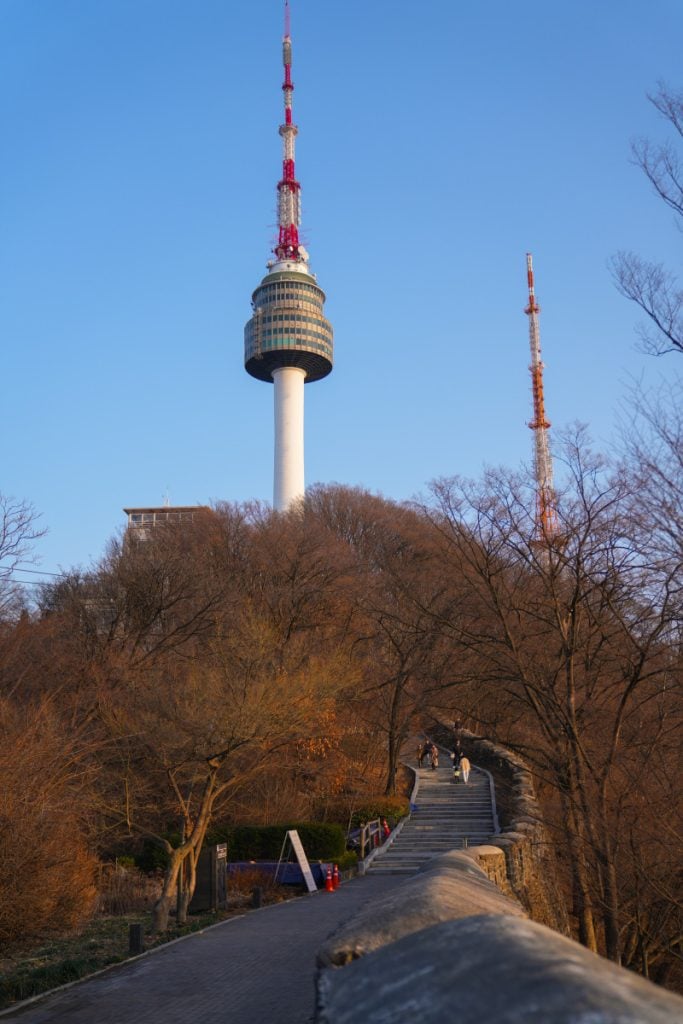
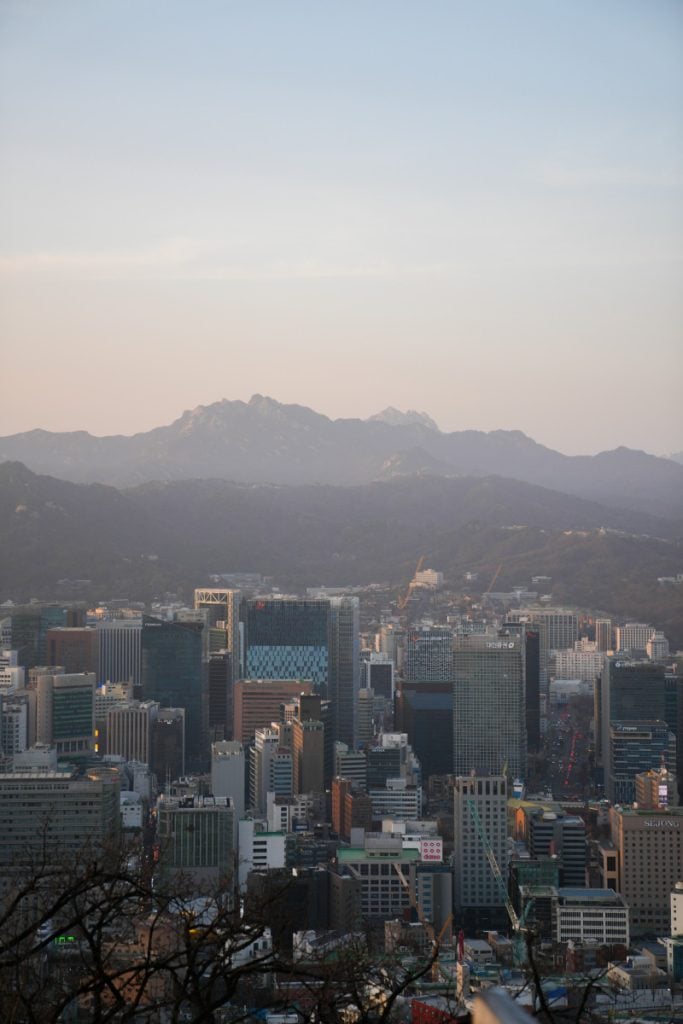
Plan to take the Namsan Cable Car up to the Namsan Tower about an hour or so before sunset. The Seoul City Wall at the top of Namsan Park has some of the best views of Seoul. You can almost go 360 degrees here at the observation deck, where you’ll get an incredible sense of scale for the city.
I thought the cable car would be touristy after reading reviews, but honestly, the views here at sunset were beyond beautiful. It does get busy, so try to get there at least an hour before the scheduled sunset time. At the top, you’ll also find a handful of restaurants and cafes if you need a snack or a quick meal. You will have to pay to ride the cable car, but alternatively, you could walk down the Namsan stair paths for free instead.
Plan Your Visit
- Hours: 10 am–11 pm daily
- Nearest Station: Myeong-dong Station
- Cost: ₩15,000 adult round-trip (₩12,000 one-way), ₩11,500 children/seniors round-trip (₩9,000 one-way)
- Time Needed: 2 hours+
- Tickets: Available on arrival
Enjoy an Evening on the Han River
A quintessential experience in Seoul that I’m bummed to not have had time for was an evening on the Han River. It’s super popular as one of the best free, or rather cheap things to do in Seoul. Many locals head here after grabbing food to go from a convenience store, like ramen, snacks, and drinks, to see the sunset.
Where to Go: Yeouido Hangang Park vs. Ttukseom Hangang Park
- Best for first-time visitors: Yeouido Hangang Park (여의도 한강공원) — The easiest choice is Yeouido Hangang Park as it has plenty of convenience stores right there, and several open grassy areas to sit out. You’ll have incredible Seoul skyline views from here.
- Best local vibe: Ttukseom Hangang Park (뚝섬한강공원) — Another popular area with locals to hang is Ttukseom Hangang Park, a bit more young feeling and closer to Seongsu. You’ll find plenty of convenience stores here to grab food.
Plan Your Visit
- Best Time: Arrive 1 hour before sunset, 6–10 pm for the full atmosphere
- Best Seasons: April–October
- Cost: Free
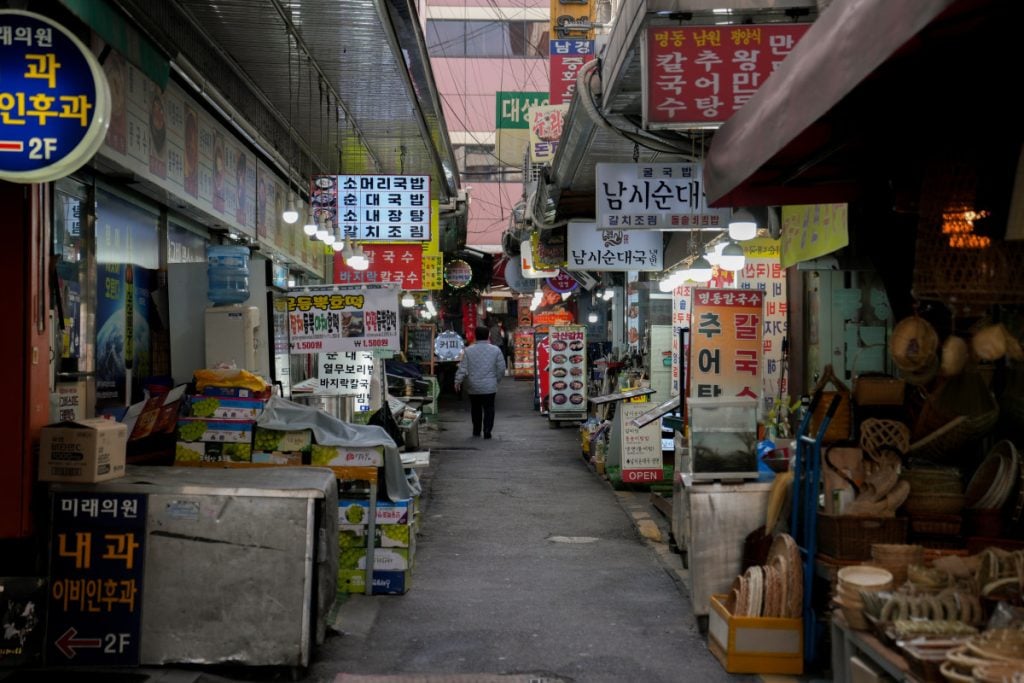
Eat Your Way Through Namdaemun Market
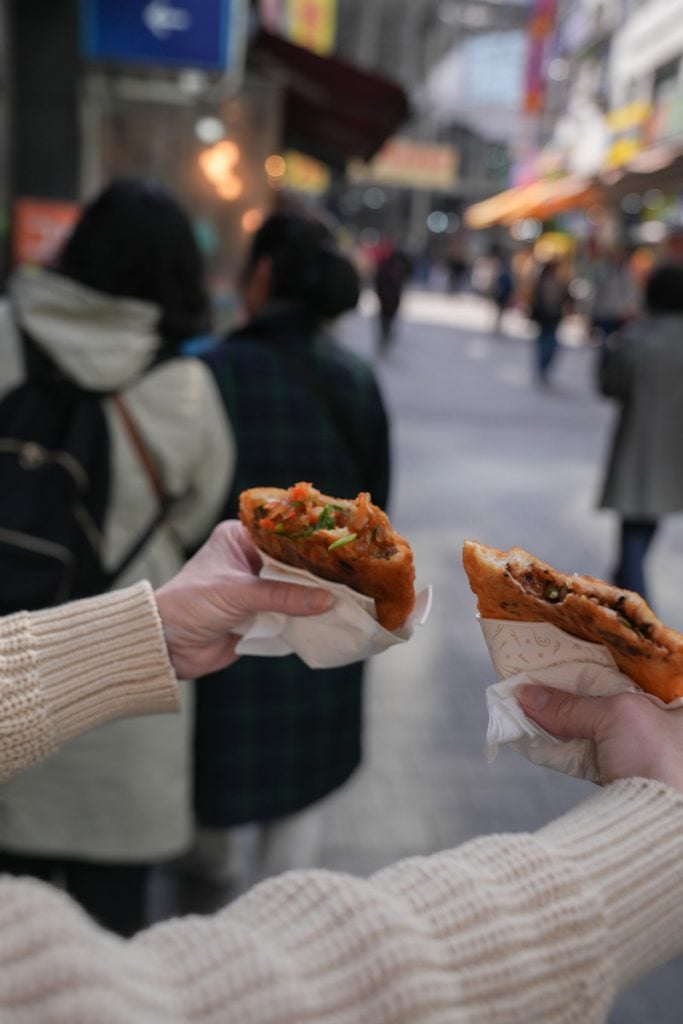

One of my favorite local food markets during the day was Namdaemun Market. It was so packed with people, but felt lively and really local. You have several streets and alleys, all dedicated to either cookware, food, stalls, or even leather goods.
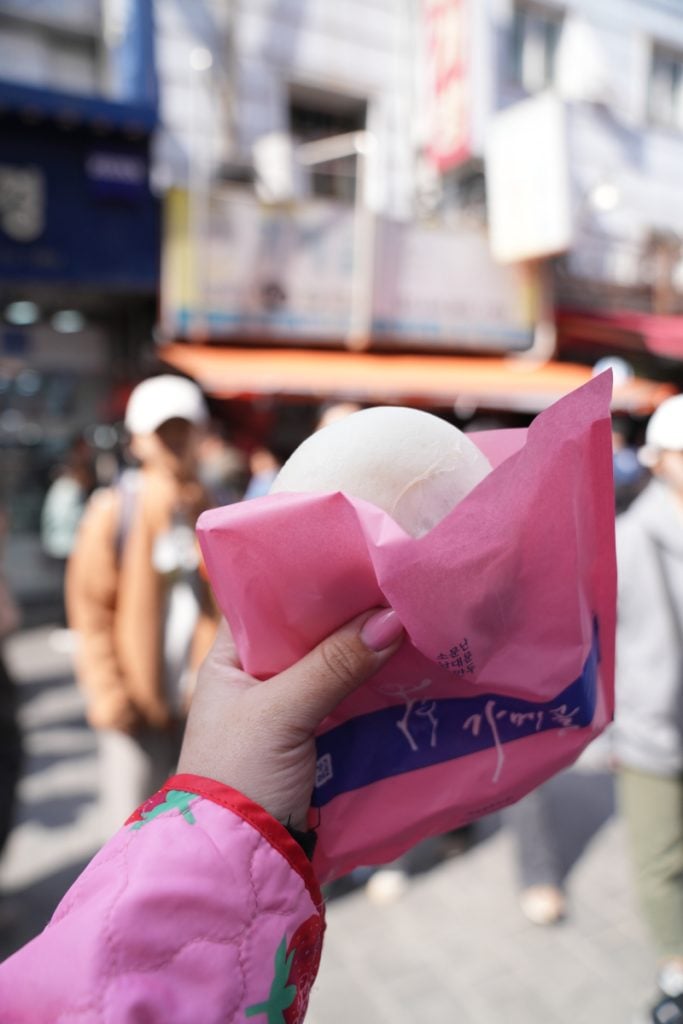
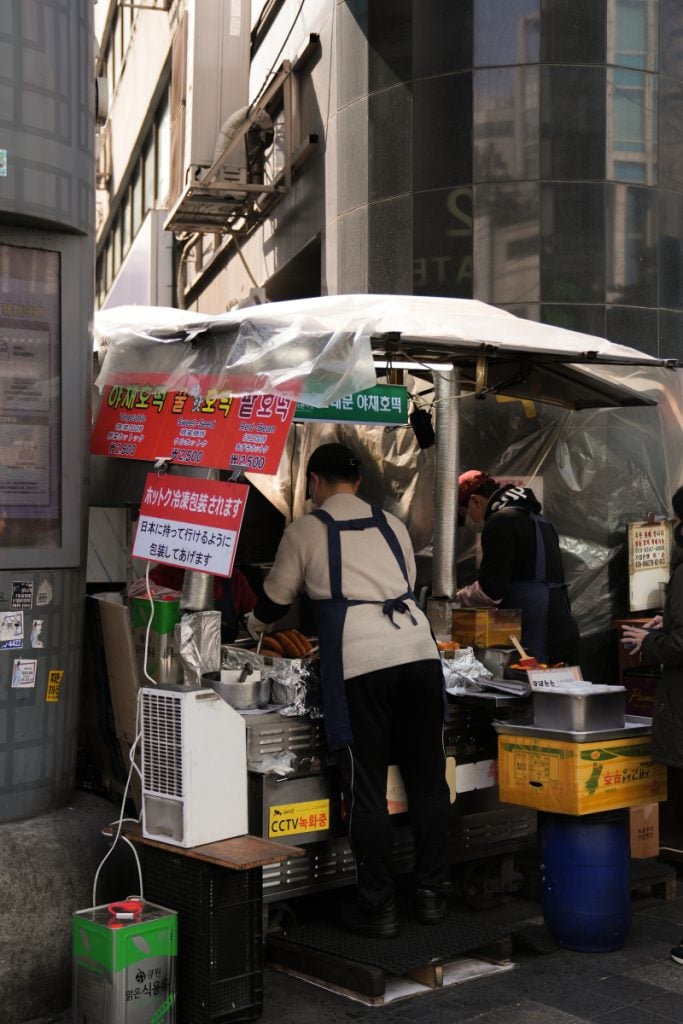
Two food stands for Korean Street food I would seek out here to eat are Hotteok Namdaemun Vegetable and Gamekol Son Wangmandu. Hotteok serves some of the best hotteoks in the city. The fried pancake is filled with different things. I’d try the vegetable one and the sweet nut-filled one when there, and watch out, as they can be hot. Around the corner, head to Gamekol Son Wangmandu, and order any of the dumplings that sound good, too. I promise the line is worth the wait!
Plan Your Visit
- Hours:
- Shops: 10 am–5 pm daily
- Food Stalls: 7 am–8 am into the evening, some wholesale sections closed Sundays
- Nearest Station: Hoehyeon Station (Line 4, Exit 5)
- Time Needed: 1–2 hours
- Cost: Free
Stock Up on Beauty Products at Olive Young
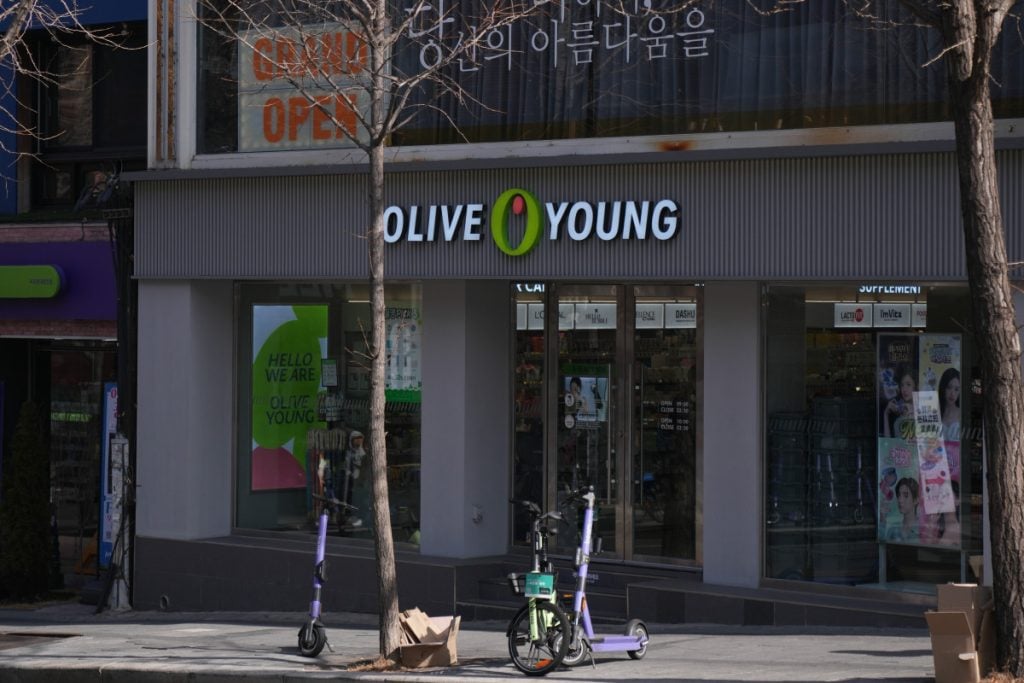
When it comes to Korean beauty products, there is no better place to head to than Olive Young. You’ll find these stores every half-dozen blocks or so in Seoul. It’s a sort of Korean beauty pharmacy, and it has almost all of the local beauty brands plus some international brands.
I found it helpful to look online before visiting, as the number of products they carry is quite overwhelming. The staff was also happy to help me find the right product based on what I was looking for. If you’re looking to stock up on face masks, this is the spot to do it!
Try Korean Salt Bread
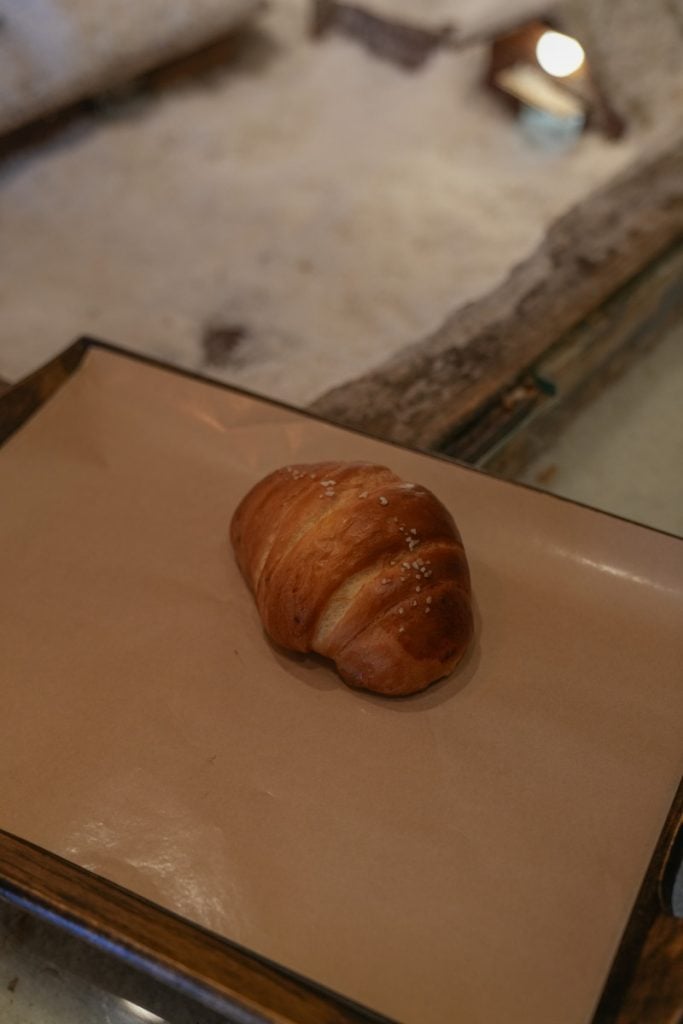
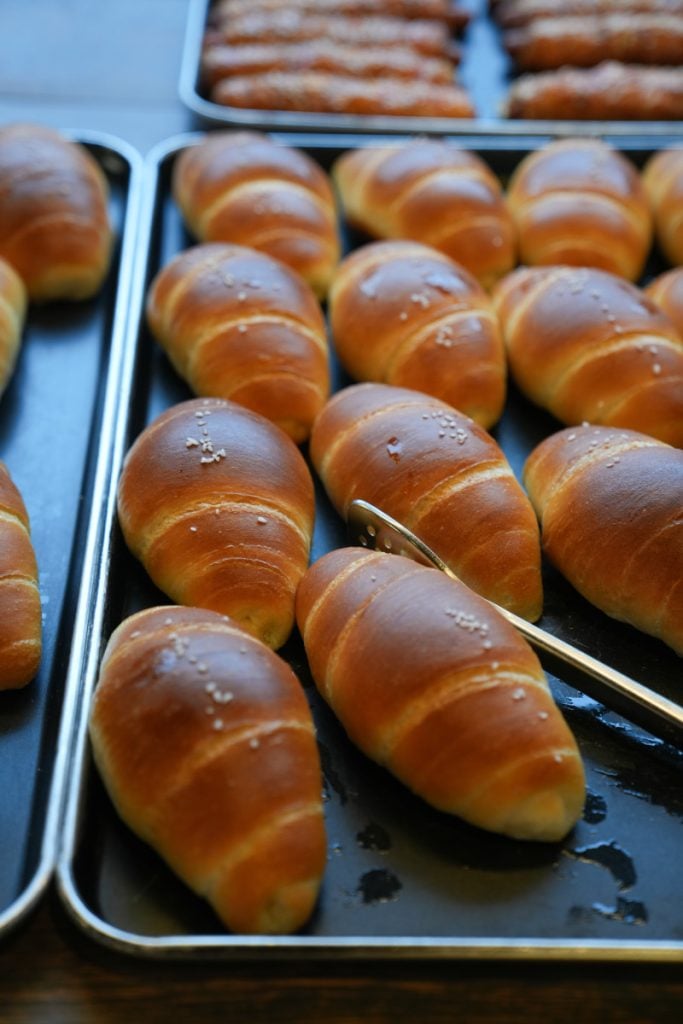
A trip to Seoul isn’t complete without trying Korean salt bread. It’s a soft, fluffy roll, with a sprinkle of salt on the crust. The best bakeries in Seoul to try salt bread are:
- Jayeondo Salt Bread (자연도소금빵) (Seongsu & Ikseon-dong)
- BETON (Seongsu & Gangnam)
- Soha Salt Pond (소하염전) (Ikseon-dong)
- Cafe Onion Anguk (Jongno)
Spend Time in the Chic Itaewon and Hannam Area
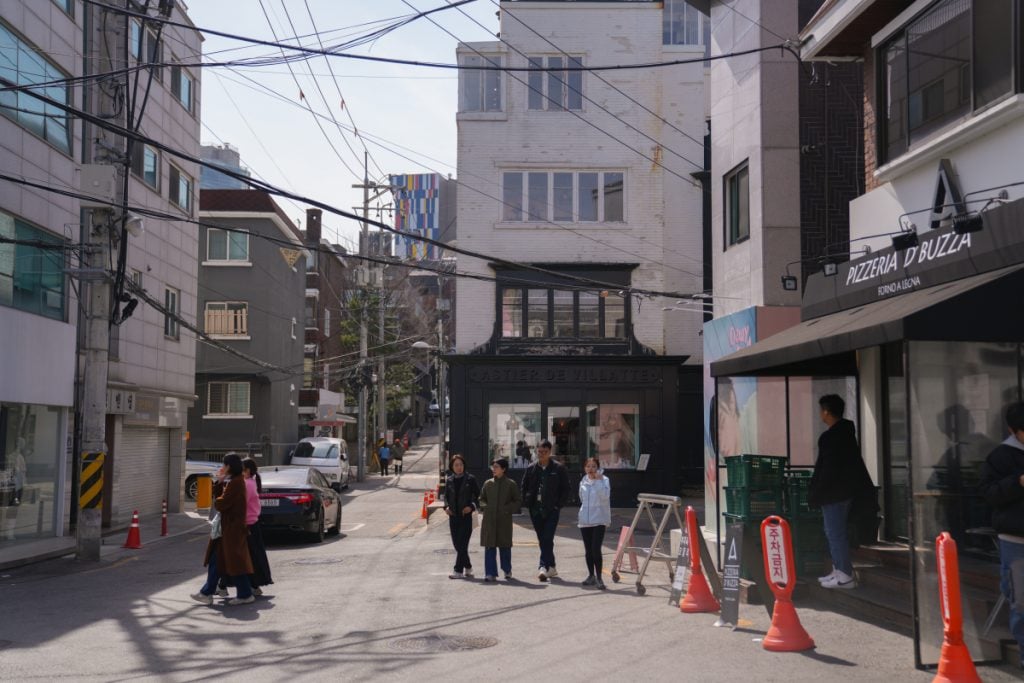
Itaewon and Hannam (two conjoining neighborhoods) have this effortlessly cool feel to it, a trendy neighborhood home to high-end designers, cafes, and a handful of museums. It’s much more polished than some of the other hip neighborhoods and feels very tucked away up against Namsan Park. I loved spending an afternoon here and discovered a handful of wonderful shops and galleries.
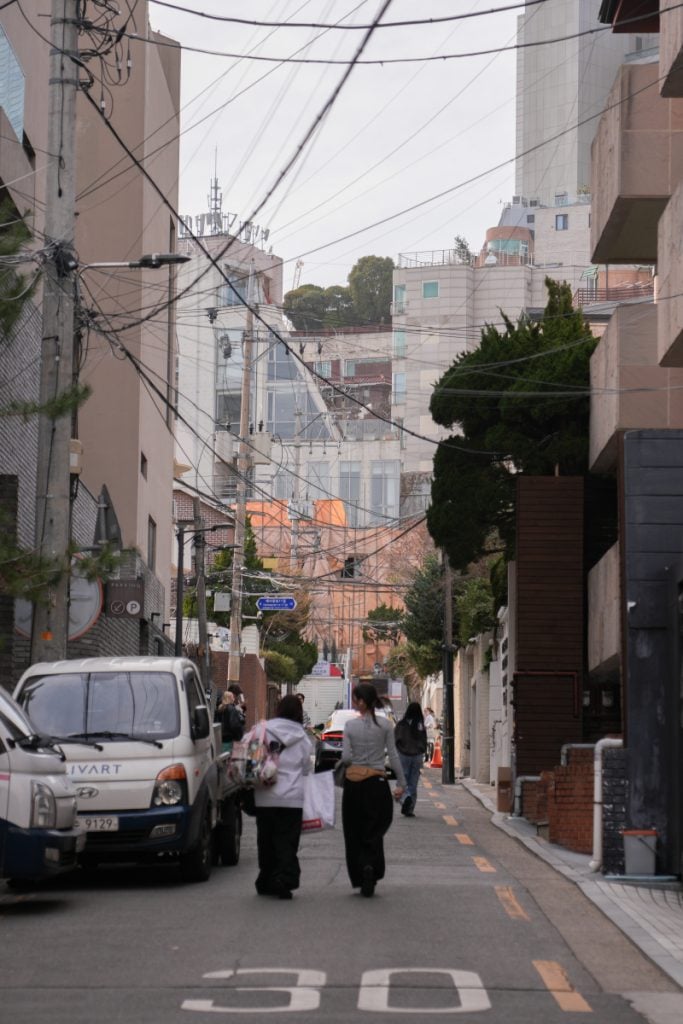
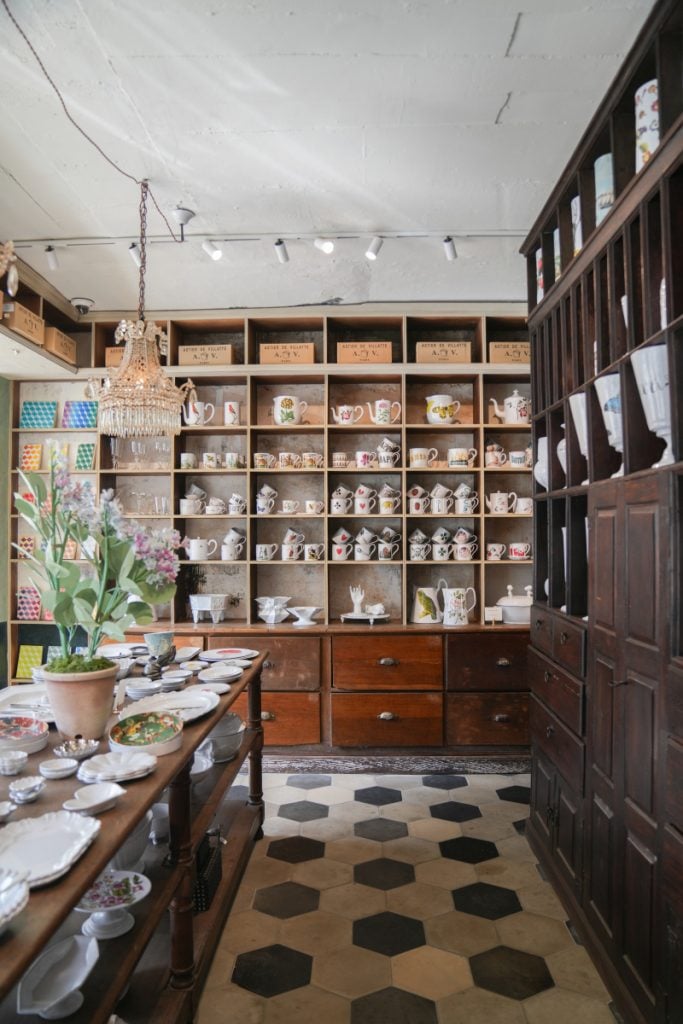
I’d get coffee at YYY or mtl, and from there, go down Itaewon-ro 55ga-il Street, or use the Astier de Villate store as a starting point. This street has all of the incredible designers from Outdoor Voices to Mused, and the Youssoful Hannam perfume store. After you’ve done this street, cross the main intersection to where the Mardi Mercredi store is; this begins the Hannam neighborhood.
Over here, you’ll find another section of stores and cafes, like Atelier Nain, the Maison Margiela Flagship Hannam Café, and Cafe Le Sens. You can also find Aesop here inside the Sounds Hannam mall, a multi-level building with several cafes and shops.
Plan Your Visit
- Hours: Late morning until late evening for shops, restaurants, cafés, and bars, with nightlife continuing past midnight
- Nearest Station: Itaewon Station
- Time Needed: 2–4 hours
- Reservations: Recommended for popular restaurants, rooftop bars, and weekend nightlife spots
See the Stunning Starfield Library
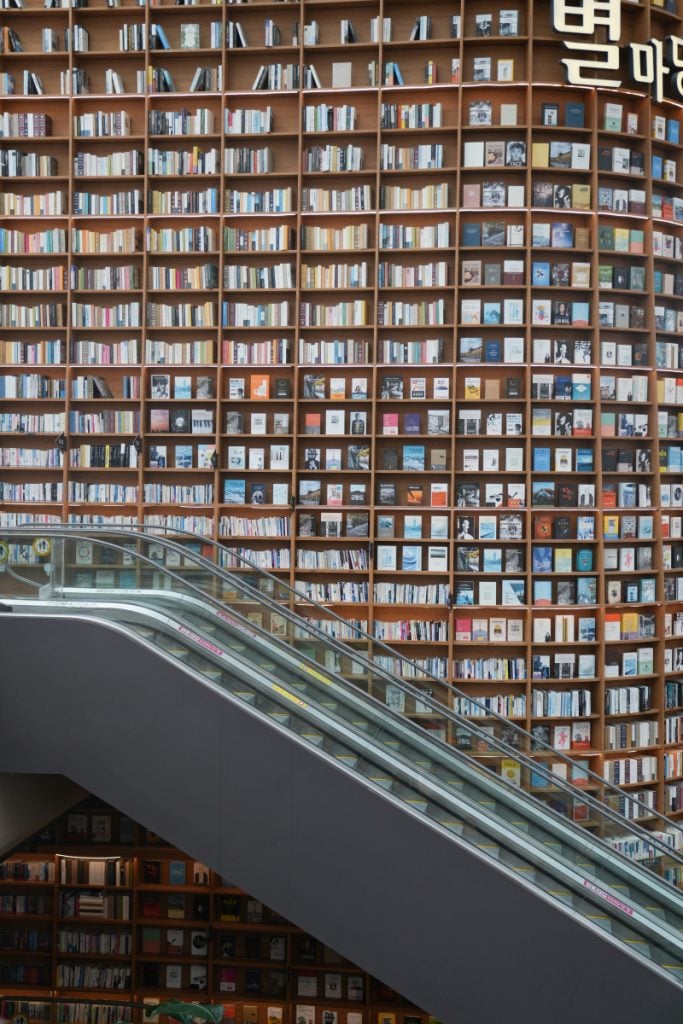

If you make your way down to Gangnam, the Starfield Coex Mall has a fun gem worth stopping for. It’s home to the Starfield Library, one of the most photographed places in Seoul. While it does get packed with visitors, I’d recommend an early visit to enjoy the expansive library. You could also grab a coffee at % Arabica while there and go for a stroll.
Plan Your Visit
- Hours: 10:30 am–10 pm daily
- Nearest Station: Samseong Station (connected to COEX Mall)
- Cost: Free
- Time Needed: 30 minutes–1 hour
Find Coffee Hanyakbang, a Hidden Alley Coffee Shop
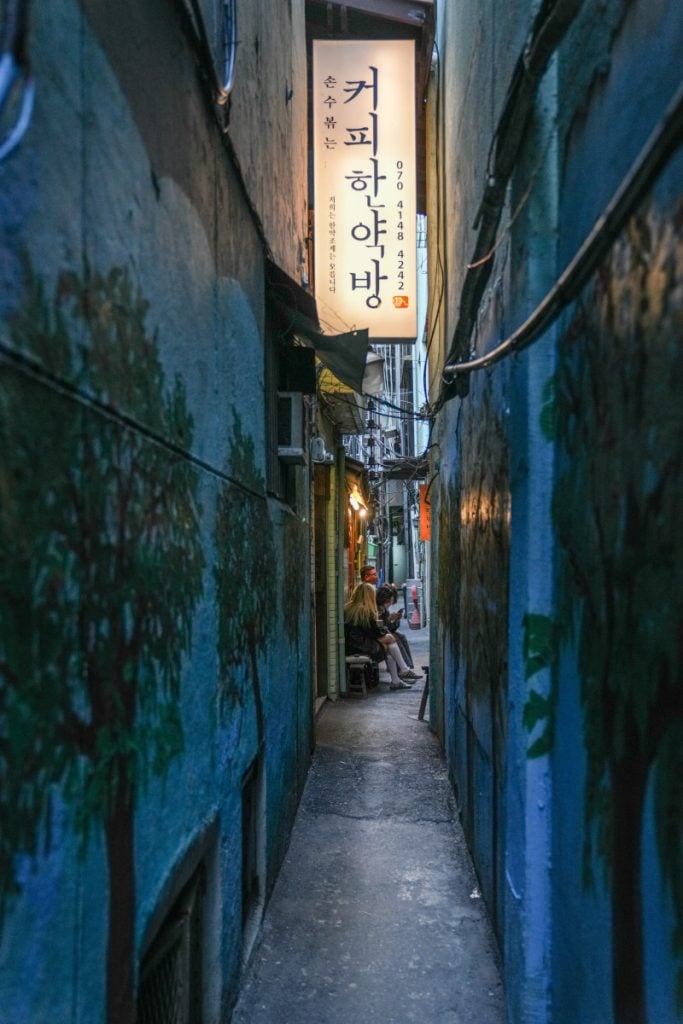
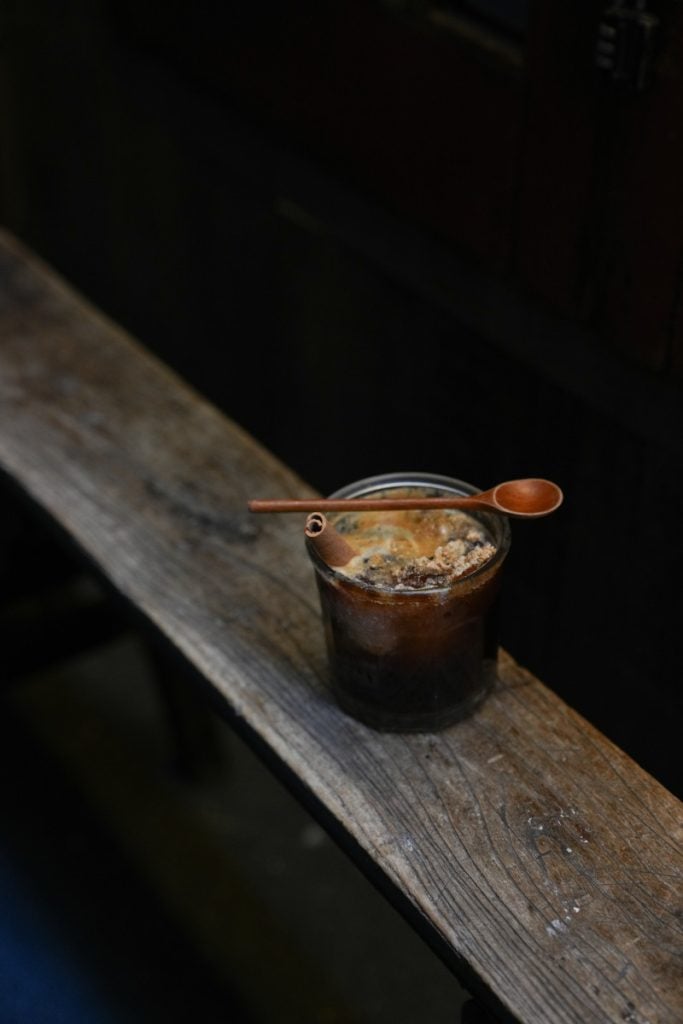
If you’re in Myeongdong and in need of caffeine, there is a small retro-style coffee shop called Coffee Hanyakbang on the edge of the main area. I mentioned it above in my favorite cafes in Seoul, but I want to share more details as it’s quite special. It’s tucked in a very tight alley, so you could walk by and miss it, but Google Maps was quite accurate in finding it.
This coffee shop has several unique drinks and seasonal coffee beverages, and is well known for the range of beans that they roast. Upstairs, there is seating, and across the alley, there is a bakery where you can get desserts, too. While here, consider going for a walk along the Cheonggyecheon Stream, which is just around the corner!
Plan Your Visit
- Hours: Mon–Fri 8 am–10:30 pm, Sat–Sun 11 am–8 pm
- Nearest Station: Euljiro 3-ga Station
- Cost: Coffee ₩5,000–₩8,000
- Time Needed: 45 minutes–1 hour
- Reservations: Walk-ins only
Watch the Changing of the Guards at Deoksugung Palace
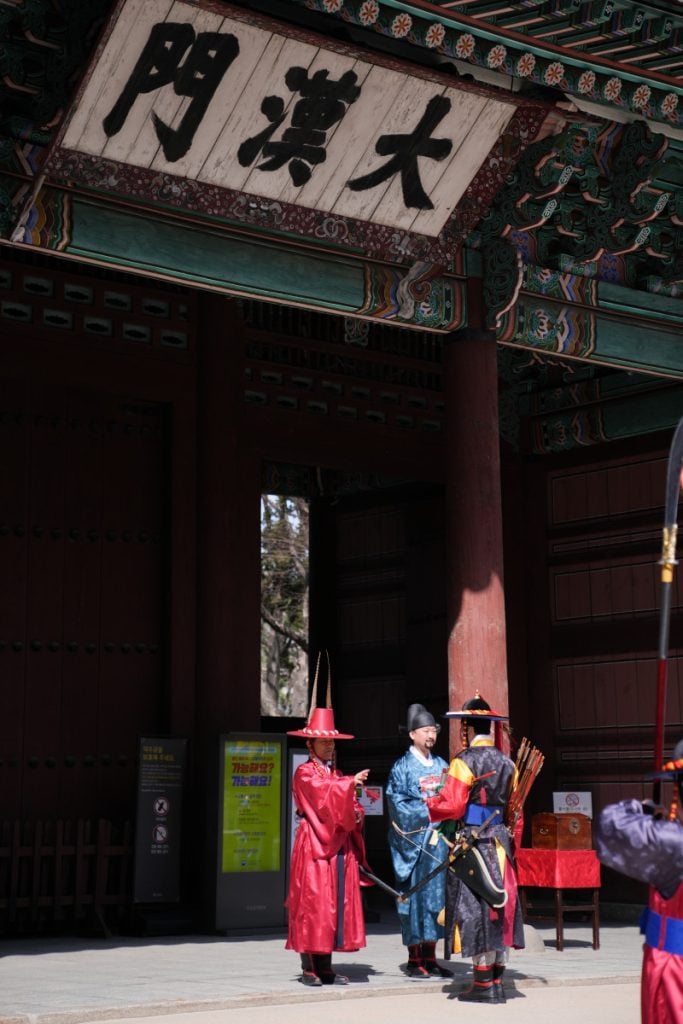
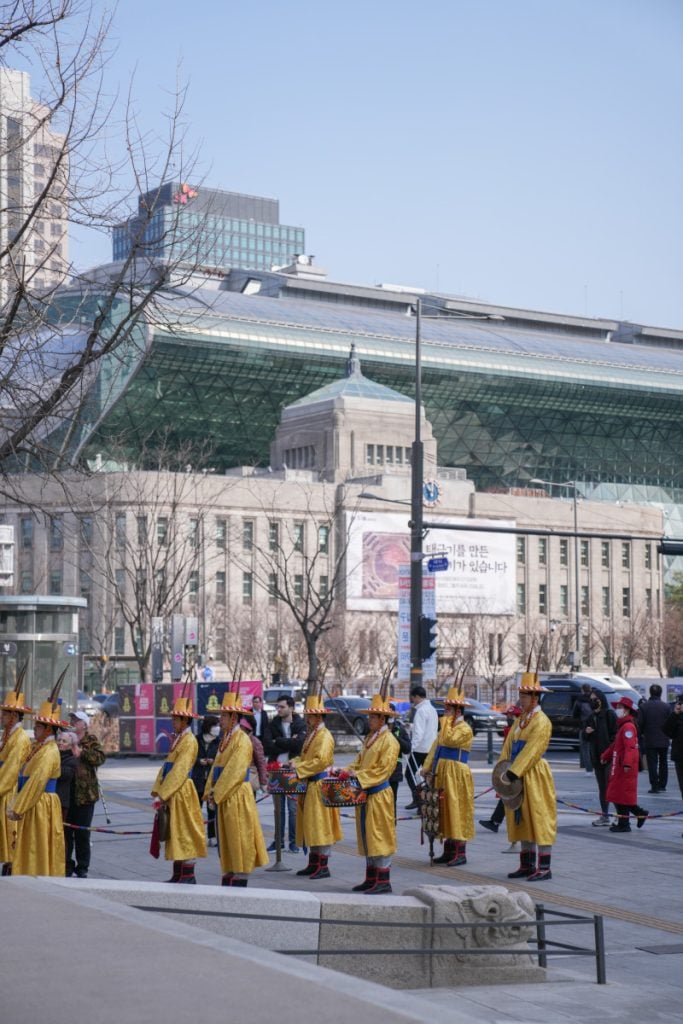
The historic Deoksugung Palace, located in the middle of Myeong-dong, is well known for the Changing of the Royal Guard ceremony. It’s a 15-minute ceremony that takes place three times a day in front of the palace at 11:00 am and 2:00 pm (not on Mondays). It’s free to watch and worth seeing once if you can time it. I will warn that there are loud drums, so if you are sensitive to noise, keep this in mind.
After the ceremony, I’d recommend going into Deoksugung Palace to stroll the gardens and historic buildings. I found this palace unique as it’s right in the heart of the city, surrounded by tall and modern buildings. Try to time the ceremony if you can!
Plan Your Visit
- Hours: Closed Mondays. Tue–Sun 9 am–9 pm, last admission 8 pm.
- Nearest Station: City Hall Station
- Cost: ₩1,000 adults, ₩500 children, free entryif wearing hanbok
- Time Needed: 1–2 hours (allow extra time if watching the Royal Guard Changing Ceremony)
- Tickets: Available on arrival
Eat Korean Fried Chicken at Kyochon Pilbang, A Speakeasy-Inspired Restaurant
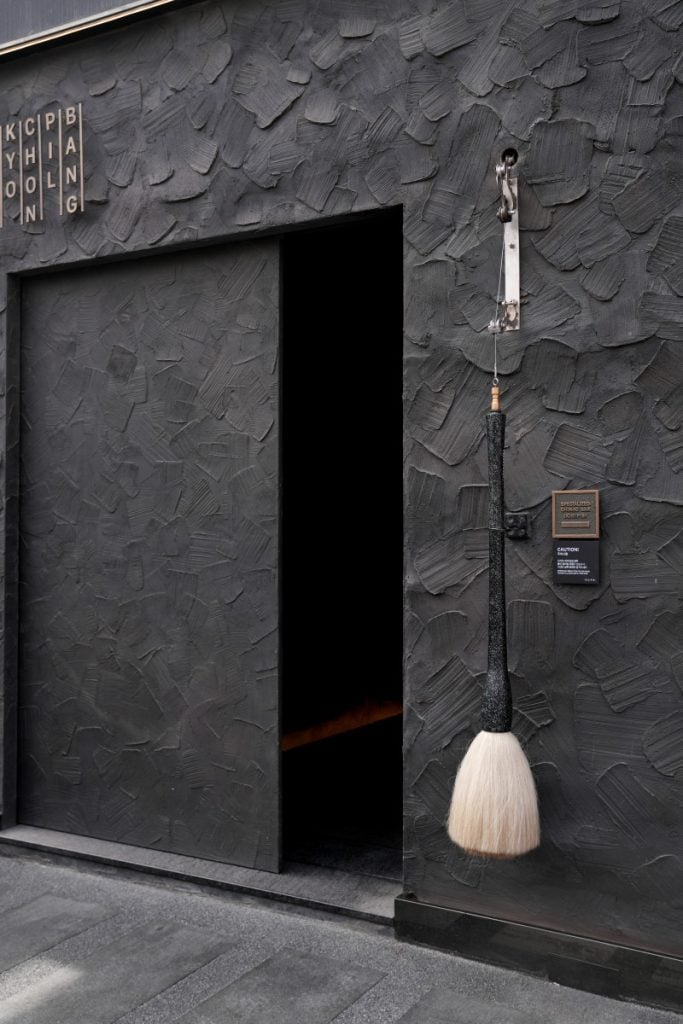

Trying Korean fried chicken is a must when in Seoul, and this elevated take on it was lovely. Kyochon Pilbang in Itaewon opened up as a “speakeasy” style restaurant. You pull the brush on the outside and open up a door to the restaurant, where you’re greeted. You will want to reserve in advance to get a table.
When you order, I’d recommend trying a platter of different fried chicken with all of the sauces. It’s great to share with 2-3 people, and you can try local beer as well with it. It’s a stunning, moody space, and there is even a DJ who is playing music on the back wall.
Plan Your Visit
- Hours: Mon–Fri 11:30 am–3 pm and 4 pm–11:30 pm, Sat–Sun 11:30 am–11:30 pm
- Nearest Station: Itaewon Station
- Cost: ₩20,000–₩30,000 per person
- Time Needed: 1–1.5 hours
- Reservations: Recommended, especially for the chicken omakase
Shop Local and Explore in Trendy Seongsu-Dong
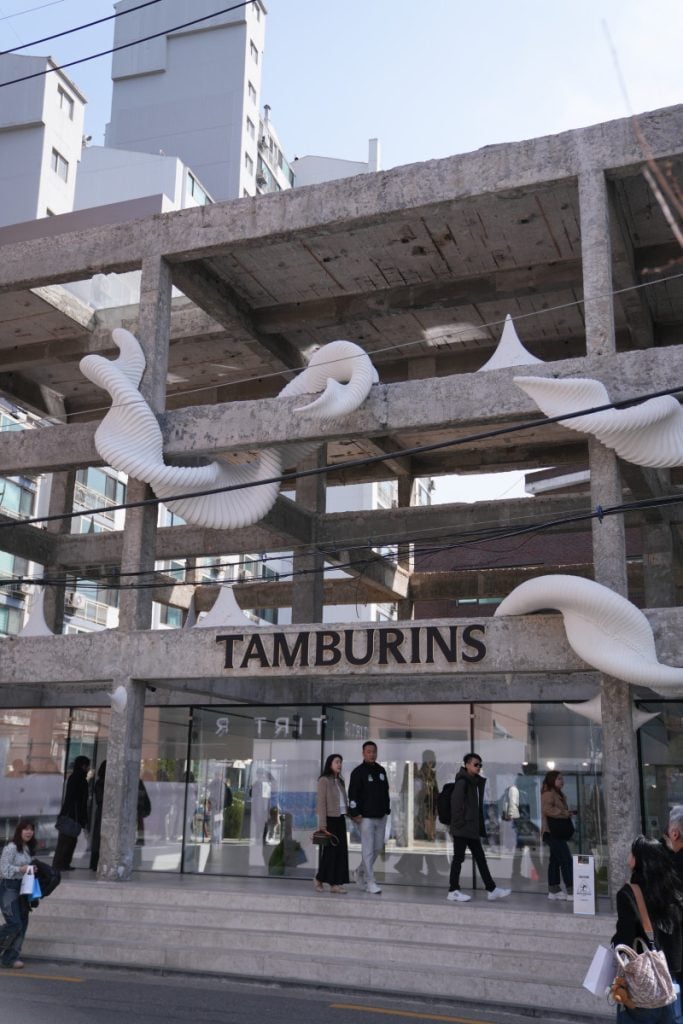
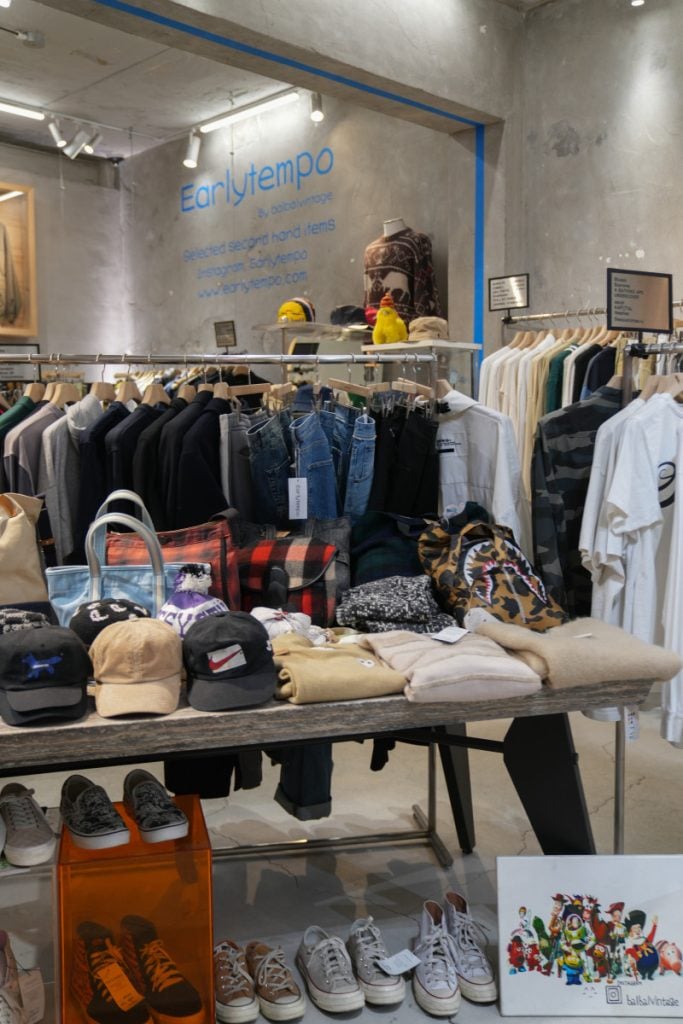
If there is one neighborhood that has it all for shopping, it’s Seongsu. Often dubbed the “Brooklyn of Seoul” for its warehouse structures and long avenue blocks, Seongsu is a shopping mecca. You’ll find on its main street a plethora of local Korean designers, big names like Tamburins, and lovely art galleries.
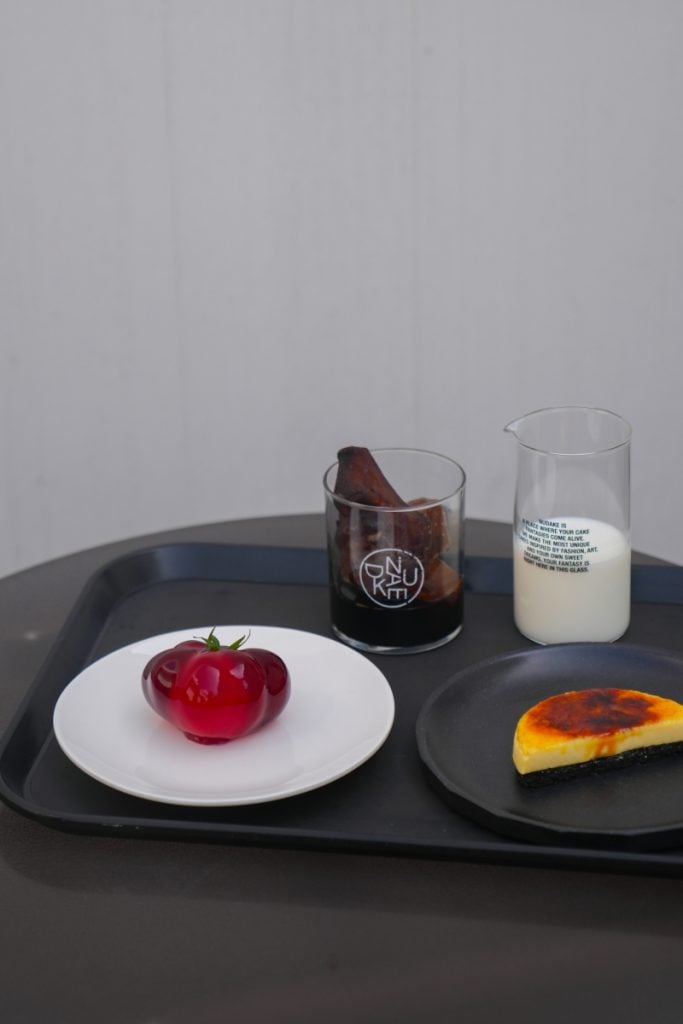
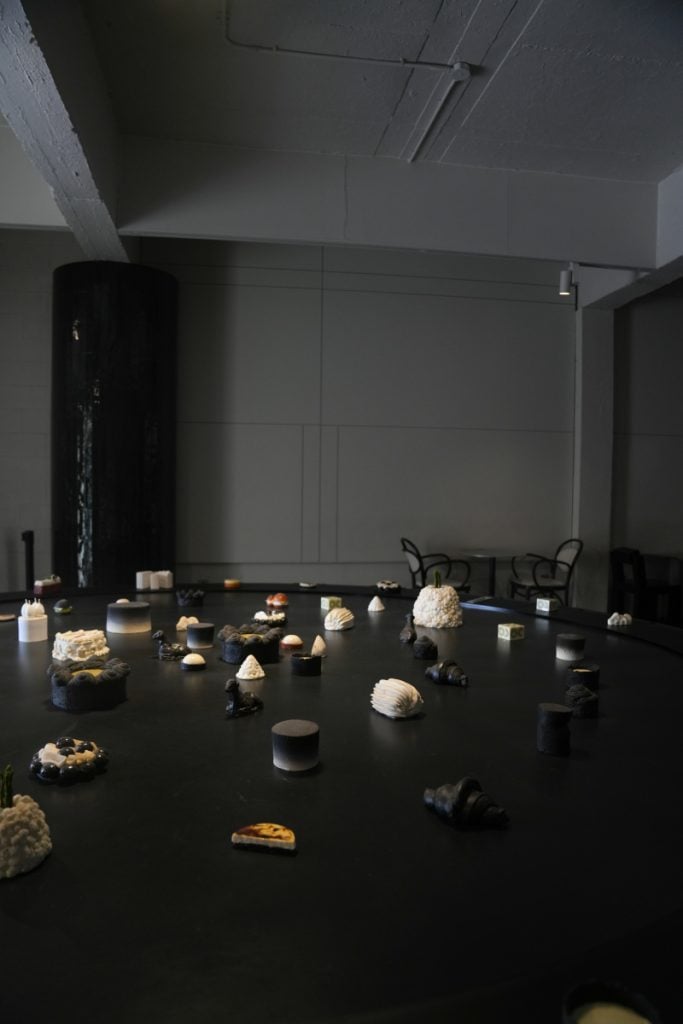
Keep your eye out for vintage stores, Lotte Department Store, and don’t miss a chance to go into Point of View. Point of View is one of the best stationery stores in all of Asia, specializing in paper goods, notebooks, pens, and more. I also loved the high-end AMORE Seongsu, a multi-level, intertwining outdoor mall with a half-dozen shops here, so worth stopping into.
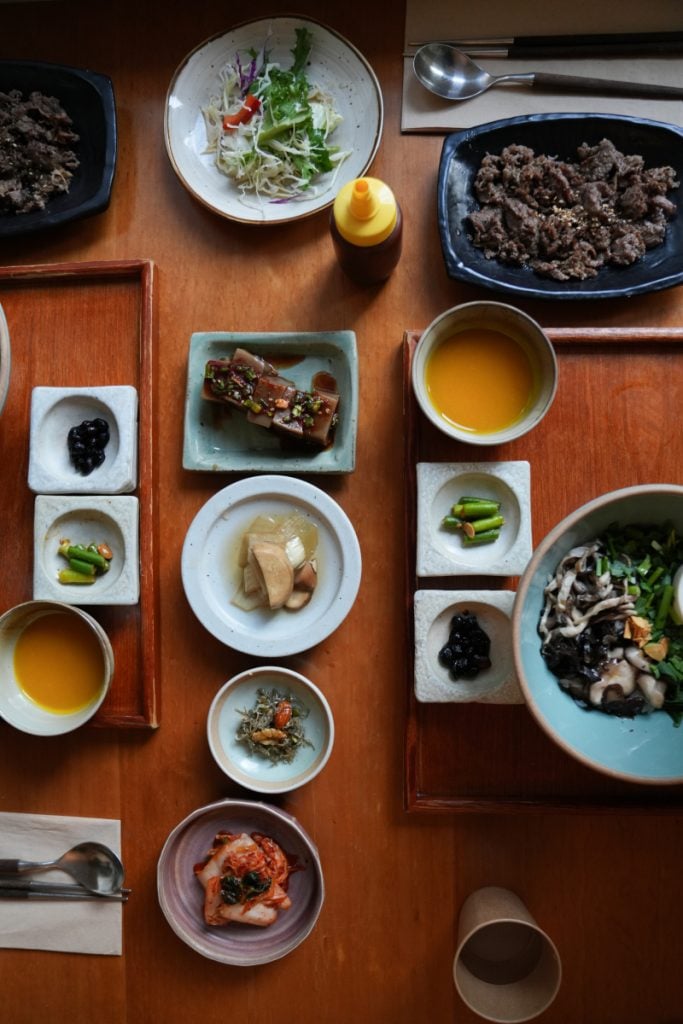

When you’re in this area, I’d combine it with a visit to Seoul Forest Park, which has a small neighborhood next to it that feels very cozy. I had dinner at Grandmother’s Recipe here the night I came to Seongsu.
Plan Your Visit
- Hours: Most cafés and shops 10 am–8 pm, some cafes and restaurants are open later
- Nearest Station: Seongsu Station
- Time Needed: 3–5 hours (longer if café hopping, shopping, or visiting Seoul Forest nearby)
- Reservations: Recommended for popular cafés and weekend pop-ups
Get a Multi-Step Scalp Treatment
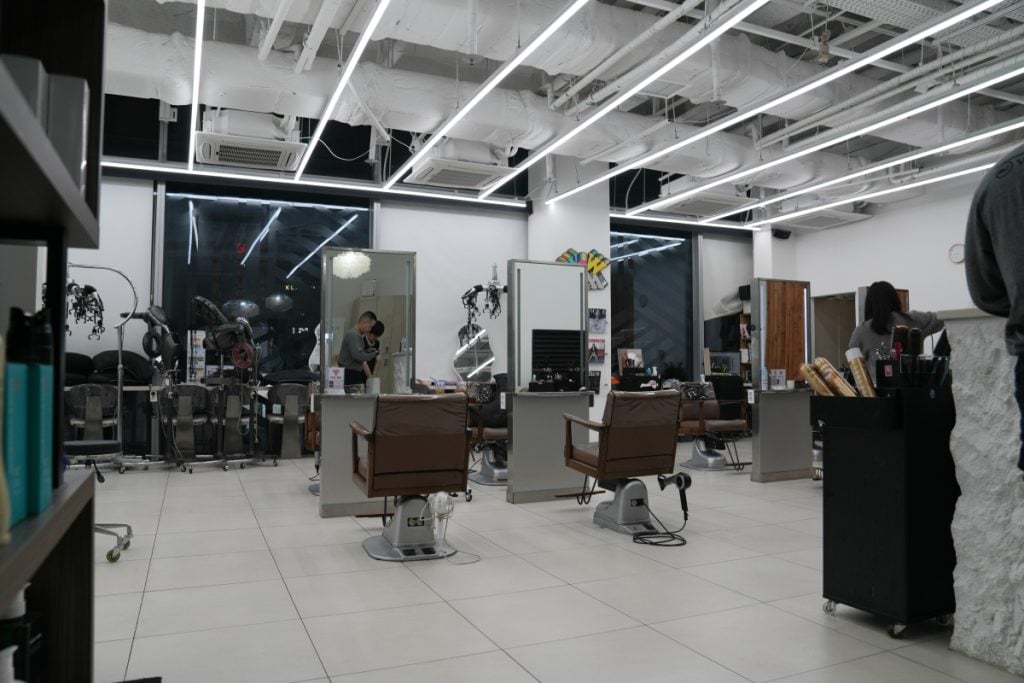
Seoul is the mecca of beauty treatments, quite literally — I have friends who fly to Seoul for beauty treatments alone. One safe one that requires no needles or pokes is the classic scalp treatment. You’ll see them posted all over the city, with most being in Myeongdong. I opted for one of the 15-step treatments (which also included a massage) at the well-rated ParkJun Beauty Lab after two friends said it was a must. The experience was fantastic, and I can’t recommend it more. For timing, know that the appointment does take a few hours. They’ll walk you through each step, then blow-dry your hair at the end. I’d go before or after dinner.
Plan Your Visit
- Hours: Mon–Fri 10 am–10 pm, Sat–Sun 10 am–8 pm
- Nearest Station: Myeongdong Station
- Cost: Varies by service
- Time Needed: 1.5–3 hours
- Reservations: Recommended, especially for an English-speaking stylist. Walk-ins based on availability
Find The Ranch Brewing Company, Hidden Brewery on Euljiro Avenue
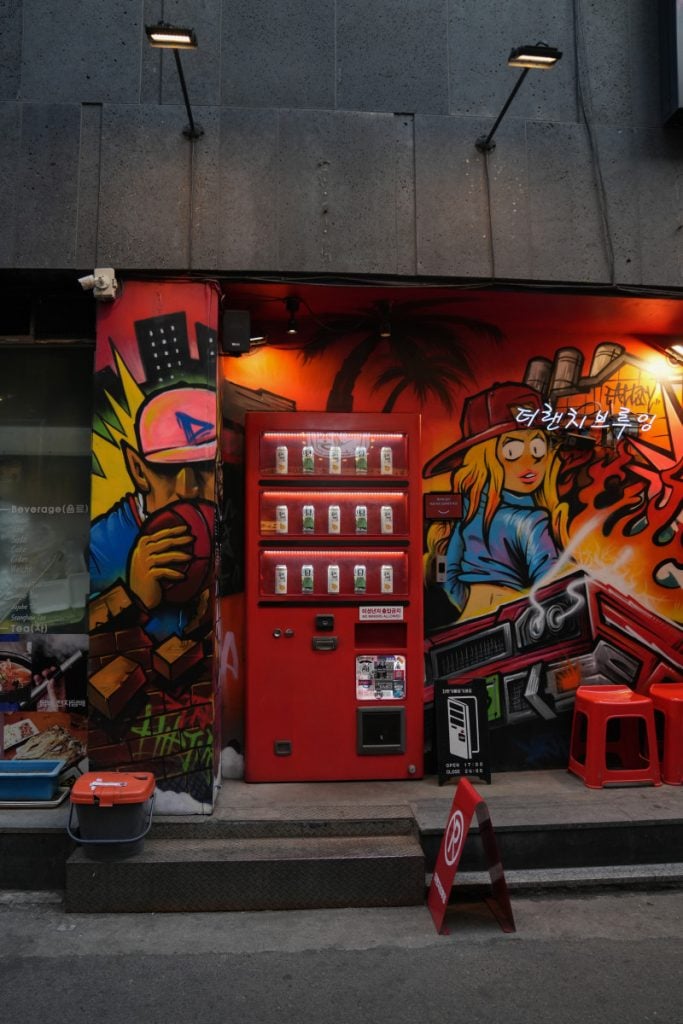
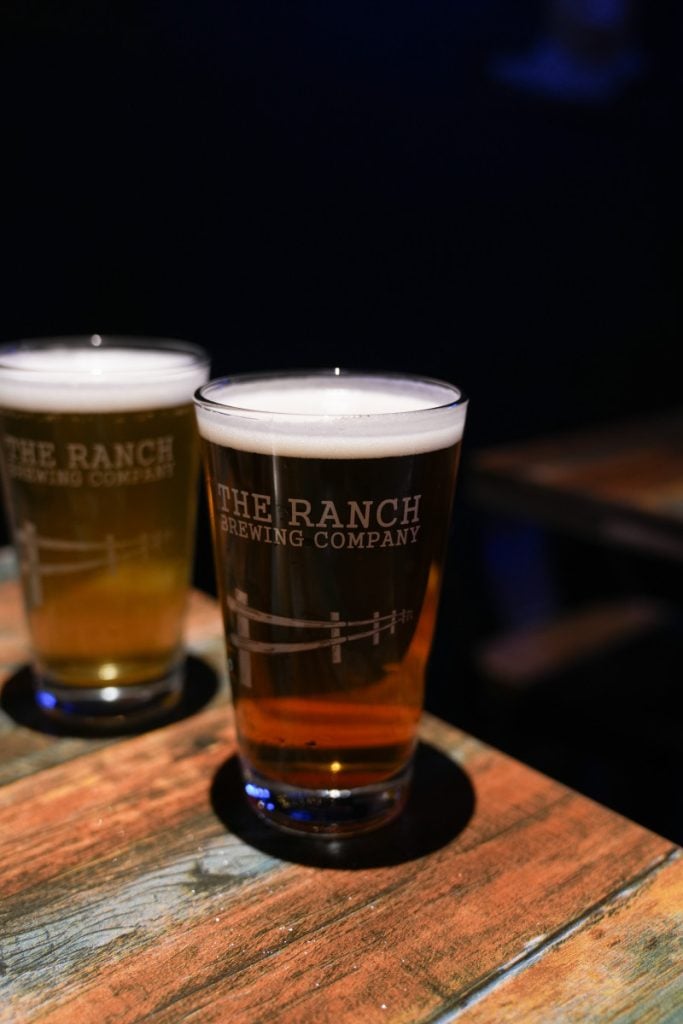
Tucked on the very bustling avenue of Euljiro, popular for bars and late-night hangs, is a hidden brewery. You would probably walk right by the entrance and have no clue that behind it lies a small brewery and restaurant. The outside is disguised with street art and a vending machine, which is the door to The Ranch Brewing Company!
It’s a fun spot to try a range of beers from IPAs to lagers, and there is a small menu. I only stopped in for drinks, but saw several pizzas come out, which looked amazing. It’s within walking distance to Myeongdong as well if you’re in the neighborhood.
Plan Your Visit
- Hours: Mon–Thu 4–11 pm, Fri–Sat 4 pm–12 am, Sun 2–10 pm
- Nearest Station: Euljiro 3-ga Station
- Cost: Pizzas from ₩18,000, craft beers ₩7,000+
- Time Needed: 1–1.5 hours
- Reservations: Walk-ins welcome. Reservations recommended for groups of 4+ or peak evening hours.
Eat Breakfast at Dotori Garden, a Studio Ghibli-Inspired Cafe
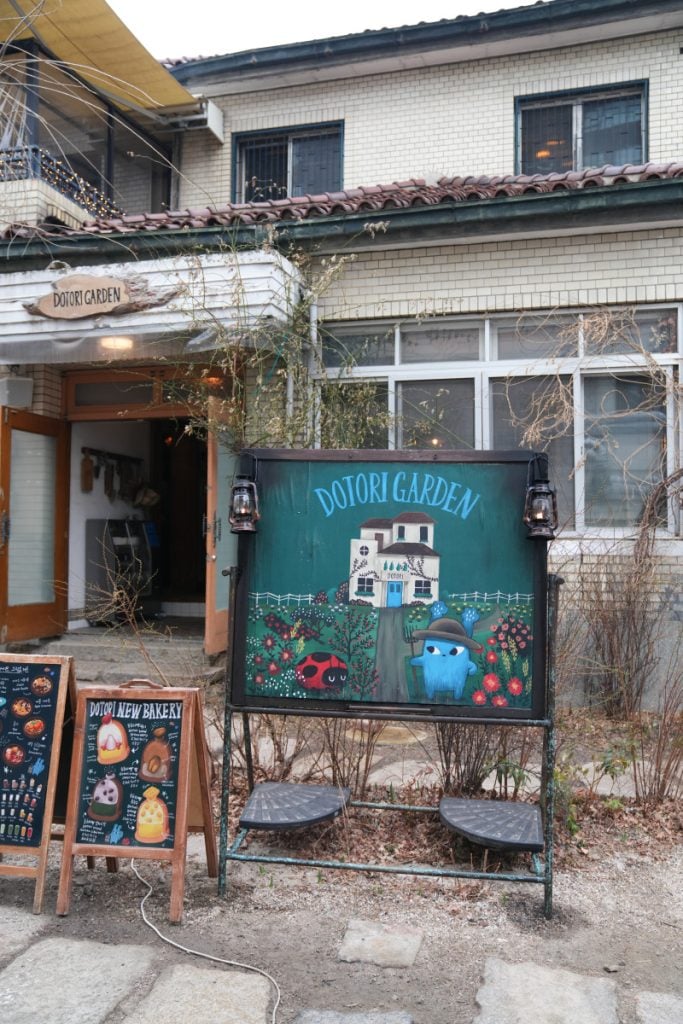

Dotori Garden was such a fun find near the Bukchon Hanok Village. This Studio Ghibli-inspired cafe is decorated like a scene from a movie. As you file in, you’ll pass by a pastry section, which you can self-serve, and then you’ll get to the yogurt bar. You can create your yogurt bowl or choose one of their creations. This was one of my favorite breakfasts in Seoul. I’d try to arrive at opening because the line does get quite long.
Plan Your Visit
- Hours: Daily 8 am–11 pm
- Nearest Station: Anguk Station
- Cost: Most items ₩4,000–₩8,000
- Time Needed: 45 minutes–1.5 hours
- Reservations: Walk-in only. Expect wait times during weekends and peak hours. I would show up 30 minutes before opening to get in line.
But, What About?
You’ve probably seen a few of these on other Seoul travel guides. Here’s my honest take.
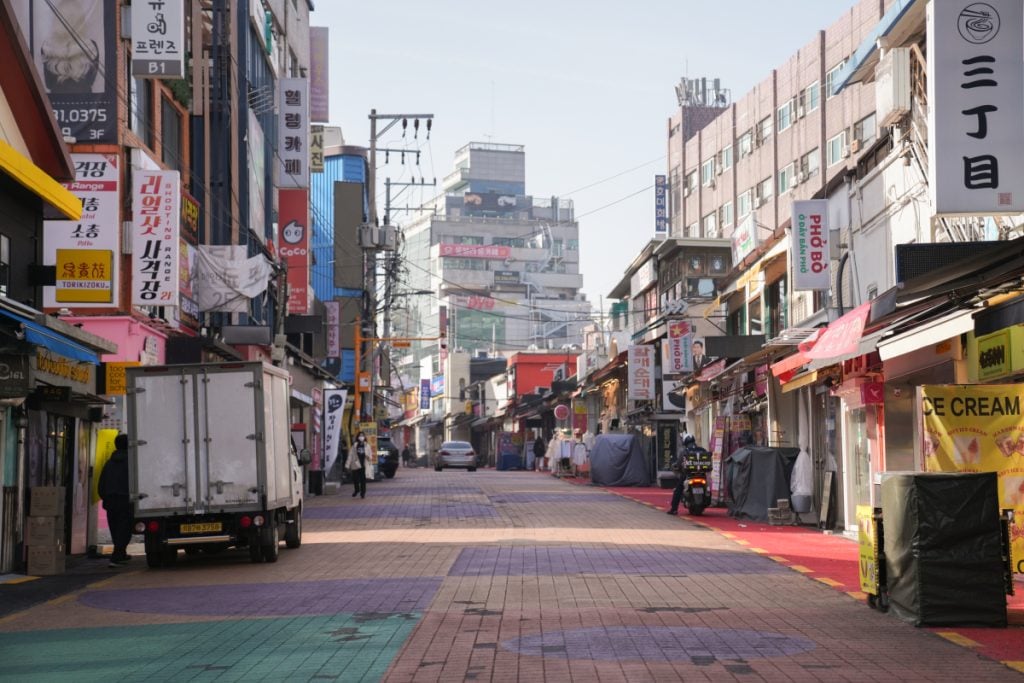
- Hongdae — One of the most talked-about areas of Seoul is Hongdae. It’s popular with college students, with late-night bars that are open until the early hours of the morning. I went to check it out one day, and personally didn’t like the feel of it. It felt very touristy, with kitschy stores selling mass-produced things, and it just wasn’t my personal vibe.
- DMZ Day Trip — Visiting the DMZ is a popular tour that is offered from Seoul, as many people want to say that they’ve been there. I personally didn’t want to take a half-day to go and take a photo at the DMZ. It could be an option if it’s interesting to you, but know it’s a big chunk of time to do.
- War Memorial of Korea — It was one of the places I didn’t get to but saved for next time. The museum is in Yongsan-dong, and opened to showcase the insight into Korea’s military history. It’s worth visiting, and free to enter.
Day Trips to Consider from Seoul
While I didn’t have time to do day trips from Seoul because I opted to visit Busan, there are a few popular ones that are worth calling out that I’ve saved for my next trip. If you have the time or if these are of interest, I’d look at:
Nami Island and the Garden of Morning Calm
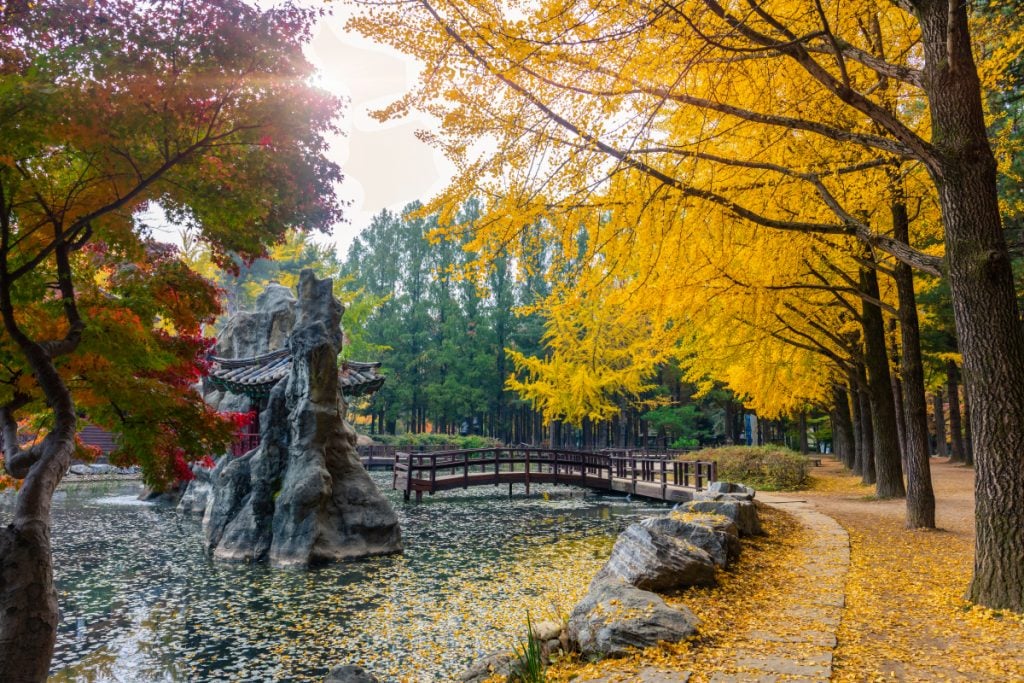
Nami Island and the Garden of Morning Calm are two popular spots about 1.5 hours from Seoul. I’d head here for the island’s beautiful, tree-lined paths and the traditional Korean garden that’s filled with colorful flowers. I’d pair the two together as they’re near each other.
Is Nami Island Worth It?
- Who It’s For: Those who want to get out of the city and be in nature
- Skip If: You have limited time in Seoul, as it’s a full-day trip
Best Nami Island Tours from Seoul
- Nami Island & Garden of Morning Calm & Gangchon Railbike Tour (10 hours)
- Day Trip to Nami Island with Rail bike and The Garden of Morning Calm (11 hours)
- Mt. Seorak+Nami Island+Garden of Morning Calm Day Trip from Seoul (14 hours)
Suwon Hwaseong Fortress
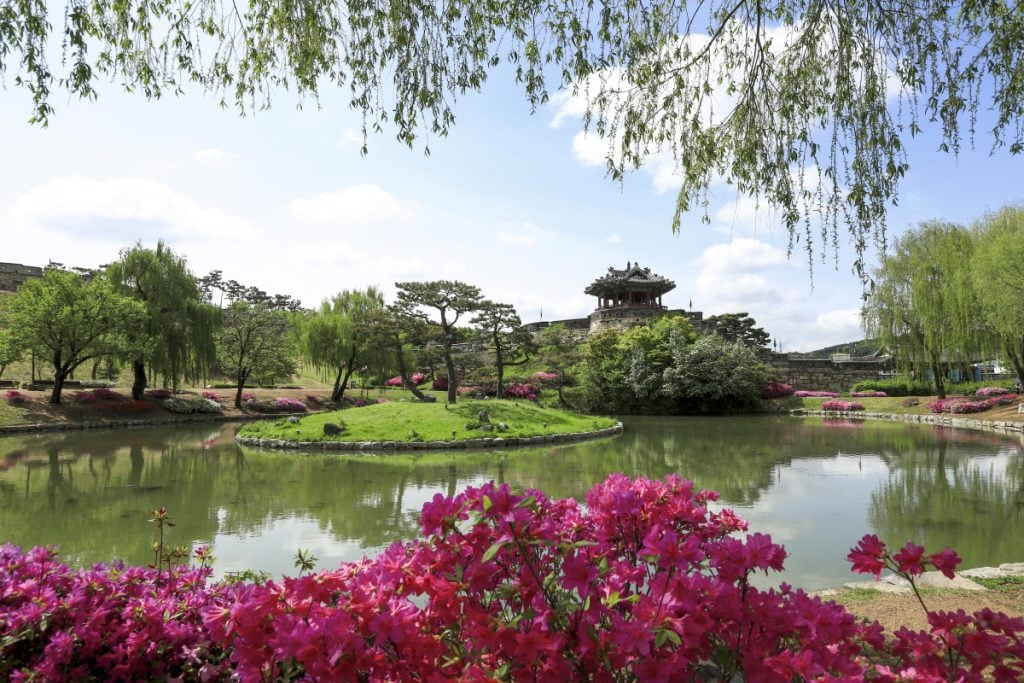
The UNESCO-listed Suwon Hwaseong Fortress is known for its impressive stone walls, gates, and watchtowers that reflect the architecture of Korea’s late Joseon Dynasty. It’s a popular day trip because it’s only 35km from Seoul and takes 45 minutes to 1 hour to get there. Once there, I’d go for a stroll along the walls for the panoramic views of Suwon city. If you do decide to take a tour there, you’ll likely see the Starfield Library as well, since most tours include a stop there, since it’s on the way.
Is Suwon Hwaseong Fortress Worth It?
- Who It’s For: Those who enjoy history-focused tours and Korea’s royal legacy
- Skip If: You have limited time in Seoul, as it’s a full-day trip. Even though the fortress is less than hour away, most tours bundle it into a 9–10 hour day with the Folk Village and Starfield Library.
Best Suwon Hwaseong Fortress Tours from Seoul
- Suwon: Hwaseong Fortress/Folk Village/Starfield Library Tour (9 hours)
- Suwon Hwaseong & Waujeongsa & Starfield Heritage Tour (10 hours)
- Korean Folk Village and Suwon Hwaseong Fortress Day Tour (10 hours)
Visit the DMZ
Visiting the Korean Demilitarized Zone (DMZ) offers a rare glimpse into the tense history between North and South Korea, with guided tours taking visitors to key sites such as observation posts, infiltration tunnels, and the Joint Security Area. Located about 50–60 km from Seoul, it typically takes around 1 to 1.5 hours to reach. It’s worth knowing that JSA Access is politically volatile, and worth confirming access with your tour before booking.
Is the DMZ Worth It?
- Who It’s For: Those who want to see the border between North and South Korea and a unique piece of Korean history, and explore the quieter side of the country outside of Seoul.
- Skip If: You’re short on time, as it’s a half-to-full day with transportation, security checks, and fixed tour schedules
Best DMZ Tours from Seoul
- DMZ Insider Tour: 3rd Tunnel, NK Defector Meet& Suspension Bridge (8 hours)
- Best DMZ Tour Korea from Seoul (Suspension Bridge & JSA Museum) (8 hours)
- DMZ Tour: Defector Meet up, 3rd Tunnel & Suspension Bridge (7 hours)
Do You Need to Book a Tour for the DMZ?
Yes, it’s absolutely mandatory to book a tour to visit the DMZ zone with an official guide
Seoul Travel Tips and FAQs
What is Seoul Famous for?
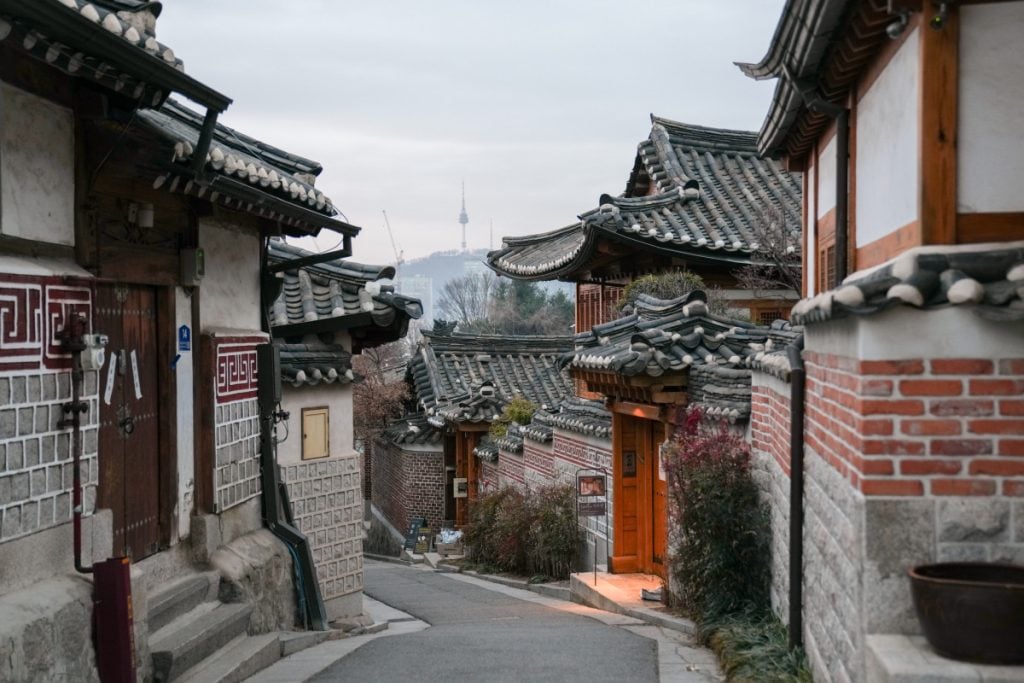
Seoul is one of those cities that is absolutely worth visiting. Seoul’s sprawling city is a hub for all things Korean culture, food, art, and city life. It’s known for some incredible restaurants, a plethora of unique neighborhoods with historic architecture, shopping, and a vibrant cafe scene.
When is the Best Time to Visit Seoul?
The early spring into early summer, followed by late summer into fall, are my preferred seasons to visit. When it comes to seasons in Seoul, know that the city experiences all four seasons in extremes. Winter is very cold, often snowy, and one of the more challenging seasons to travel in. Summer is piping hot and humid, and the months of late June to late July are monsoon season, also known as jangma. You’ll also have wonderful cherry blossoms in spring and fall foliage if you’re after that too. I went in mid-March, and found some days quite cold, even with some light snow, and then other days were full of sun and pleasant for walking around, with early signs of cherry blossoms!
How Many Days Should I Stay in Seoul?
With 4-5 nights, you can easily see the major highlights and also have time for a slower day or a day trip. I stayed for a week and felt that it was just the right amount of time to travel slowly and go through the city at a leisurely pace. I would consider a minimum of four full days, and if you choose to stay longer, you’ll have plenty of things to do. See my Seoul itinerary for exactly how I’d plan my time.
Is Three Days Enough for Seoul?
Yes, it’s enough to see a handful of major sights, try a few markets, and get a good feel for the city.
Getting into Seoul from Incheon International Airport
To get to Seoul, fly into Incheon International Airport. This is your main airport for connecting to South Korea, and it has many international nonstop flights. The trip from the airport into the city is about 30 miles, and you can choose either a taxi, bus, or train to get into the city. I chose to use Uber as it was the most convenient and considerably affordable, but pre-booking a private transfer with Welcome Pickups is also a great option.
- Train — The Airport Railroad Express (AREX) is the fastest and most reliable way to reach central Seoul. The All-Stop Train takes about 60 minutes to Seoul Station and stops at major hubs like Hongik University and Digital Media City. Fares cost around 4,150-4,750 KRW (approximately $3-4 USD). The Express Train is a faster option and runs non-stop to Seoul Station in 43-51 minutes (depending on the terminal) and costs about 9,500 KRW ($7-8 USD). Trains depart every 10-15 minutes from Terminal 1 and Terminal 2 and the ticket machines are easy to spot.
- Bus — Airport limousine buses are another comfortable-but-slower option. The routes cover the major areas like Myeongdong, Gangnam, and Hongdae and take 60-90 minutes, depending on traffic. Fares range from 10,000-18,000 KRW ($7-13 USD) depending on the destination. Buses depart every 10-30 minutes from designated stops outside Terminal 1 (1F) and Terminal 2 (B1). Tickets can be purchased at counters, ticket machines, or directly from drivers (cash or card).
- Taxi/Uber —Taxis are a good option for door-to-door service and late-night arrivals. Rides into the city cost 40,000-60,000 KRW ($30-45 USD). Deluxe taxis (black with a yellow sign), which have more space, cost 80,000-100,000 KRW ($60-75 USD). I called one with an Uber, which cost about $40 door-to-door for an hour-long drive.
- Private Transfer — For the best service, I’d book a private transfer with Welcome Pickups. I’ve used them in Europe many times and always have a great experience. They’ll meet you at arrivals and help you with your luggage.
What Do I Need to Enter South Korea?
You will need a valid passport and potentially a K-ETA. K-ETA (Korea Electronic Travel Authorization) is required for travelers from visa-free countries who are not exempt from the program. If your passport is from a country eligible for visa-free entry but not included in the temporary exemption, you must apply online for K-ETA approval before boarding your flight to South Korea. K-ETA is not a visa — it is an electronic travel authorization that allows eligible travelers to enter Korea without applying for a traditional visa.
U.S. travelers: American passport holders do not need a K-ETA for tourism stays of 90 days or less through December 31, 2026. The K-ETA exemption applies to U.S. citizens traveling for short-term tourism, business visits, or family visits.
How to Get Around Seoul
The best ways to get around Seoul are by foot within the neighborhoods, and then utilizing the subway and Uber for longer distances. The neighborhoods in Seoul are very walkable, and the subway is good for longer distances. I ended up using Uber a lot in Seoul as the prices were quite low and it cut down on my travel time between spots. It’s also good to know most of the subway lines stop running at midnight, so when planning your nights out, keep this in mind.
How to Use the Subway
If you plan to use the subway, you will need a T-money card. It’s a plastic, rechargeable card you can use on subways and even for payments at convenience stores. You will need to buy a card for a price of ~KRW 3,000–5,000 (available at most convenience stores, such as 7-Eleven). To add money to it, you need to use cash at places like 7-Eleven, and then upgraded Subway kiosks allow you to top up with foreign credit or debit cards. I’d plan to have KRW out FIRST, before filling up your T-money card.
Navigation Tip: Naver App is the best app for navigating walking, driving, and public transportation. I tried Kakao App, but found Naver to be better.
Is English Spoken in Seoul?
English is widely spoken in Seoul. I’d recommend learning a few Korean words and key travel phrases like:
- Annyeonghaseyo (안녕하세요) — Hello
- Gamsahamnida (감사합니다) — Thank you
- Eolmayeyo? (이거 얼마예요?) — How much is this?
Download Important Apps for Transportation & Communication
There are a handful of apps that will help make your time easier to navigate and explore the city. Here are the ones I recommend downloading:
- Google Maps — As of now, this will only work for public transportation and doesn’t work consistently for walking or driving instructions due to national security laws that restrict the export of high-precision map data.
- Naver App — The best app for navigating walking, driving, and public transportation. Remember to download the English version when you do. I preferred Naver over the Kakao App (another highly rated transportation app)
- Kakao Talk — Lots of local businesses use this for communication, and you may need it if they use it for reservations.
- Papago & Google Translate — I tried both Google Translate and Papago, and Papago seemed to be more accurate for translation, so I would have both.
- Uber — Uber worked well for getting a taxi; I used it all over South Korea, and the app integrates with TMAP when you open it in South Korea.
Get a Pre-Paid eSIM Card
I recommend pre-downloading an eSIM card for connectivity, which you’ll need for exploring the city. I recommend getting an unlimited data plan from Holafly, which I used while visiting. The connectivity was fast and reliable.
Cash and Tipping in South Korea
I recommend always carrying at least ₩30,000–₩50,000 per day per person (about $20–$35 USD), which is usually enough for small purchases. Tipping is not customary in South Korea.
Where to Stay in Seoul
I have an entire comprehensive guide on where to stay in Seoul if you want to get more into the neighborhoods. But for a quick answer on where to stay in Seoul, my two preferred locations are Myeongdong for the most central, and consider a night or two in a traditional hanok rental in the Bukchon Hanok Village.
Best Hotels and Airbnbs in Myeongdong
Hotels
- L’Escape Hotel ($$ / Where I Stayed), for the best-located design hotel, I loved my stay here
- LOTTE Hotel Seoul ($$$), for the best-priced luxury hotel
- THE PLAZA Seoul ($$), for the best luxury hotel
- LOTTE City Hotel Myeongdong ($$), for the best contemporary hotel
- L7 Myeongdong ($$), for the best elevated hotel
- Moxy Seoul, Myeongdong ($$), for the best modern hotel
Airbnbs
- 2 Bedroom Design-Forward Apartment, for the best modern apartment stay
- 1 Bedroom Serviced Apartment, for the best compact apartment stay
- 3 Bedroom Spacious Apartment, for the best apartment for groups
Best Hotels, Hanoks, and Airbnbs in Bukchon Village
Hotels
- Rakkojae Hanok Hotel ($$ / Where I Stayed), for the best local hanok stay, I loved my stay here
Hanoks
- Pine Residence ($$$), this one is spectacular in design
- Stay Onyou ($$), another incredible property
- Hanok J’Nor ($$$), very lovely hanok
- Stay Nuri ($$$), a more modern hanok
- Cottage Nest ($$$), for a private stay with a jacuzzi
- Bukchon Hanok – ‘Yul Jae’ ($$), for a spacious stay
- Warm Nest Retreat ($$), for a quiet stay with a hot spring bath
Airbnbs
- 2 Bedroom Traditional Hanok Villa with Hot Tub, for the best hanok with a private garden
- 2 Bedroom Modern Hanok House with Hot Tub, for the best quiet hanok stay
- 2 Bedroom Modernized Hanok in Bukchon Hanok Village, for the best design-forward hanok stay
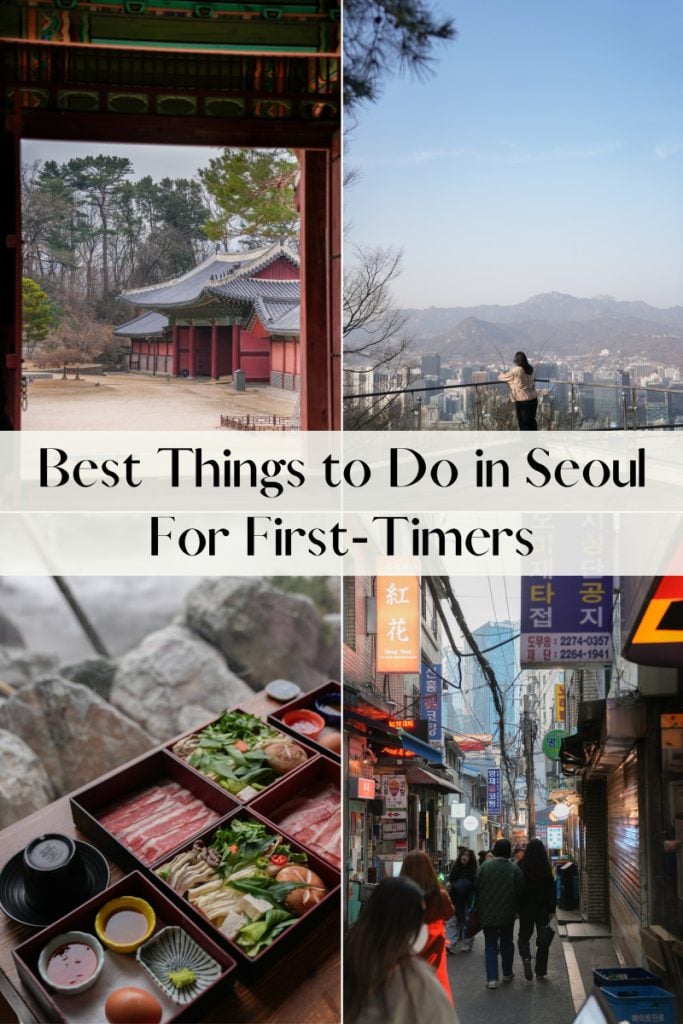
Save This Post for Later on Pinterest

PS — Are You Booking a Trip Soon? Use My Booking Checklist!
These are the sites I use most to book my own trips. Using the links below is a great way to support Bon Traveler’s travel journalism at no extra cost to you. If you need help organizing your itinerary, get my free travel itinerary template here.
1. Book Your Accommodations
I use Booking.com for hotels and Airbnb for vacation rentals. They have the biggest inventory and consistently offer the best rates.
2. Book Your Rental Car
Self-driving is the best way to explore most destinations. I use Discover Cars for our rental cars, select full coverage insurance, and opt for a reputable company like Alamo, Hertz, or Sixt.
3. Book Your Tours & Experiences
I use Viator, Airbnb, and Get Your Guide to find the best tours and experiences. They are my favorite tour search engines. I always check all three as their inventory varies depending on the destination.
4. Book Your Private Transfers
For easy, reliable private transfers, I use Welcome Pickups. It’s my go-to for arranging a driver in advance — whether it’s an airport pickup, a hotel-to-hotel transfer, or a day trip. The experience is seamless, with English-speaking drivers and upfront pricing, so you can travel stress-free at every stage of your trip.
5. Get Cell Data for Your Trip
I use Holafly for international cell data. Their unlimited data eSIMs are easy to install, activate instantly on arrival, and let you skip local SIM cards and expensive roaming fees.
6. Don’t Forget Travel Insurance
I never leave the country without travel insurance. It provides comprehensive protection in case anything goes wrong (ie. illness, injury, theft, or cancellations).
My favorite companies that offer the best coverage and rates are:
- World Nomads (best for all-around)
- Safety Wing (best for frequent travelers)
Xx,
Jessica


