
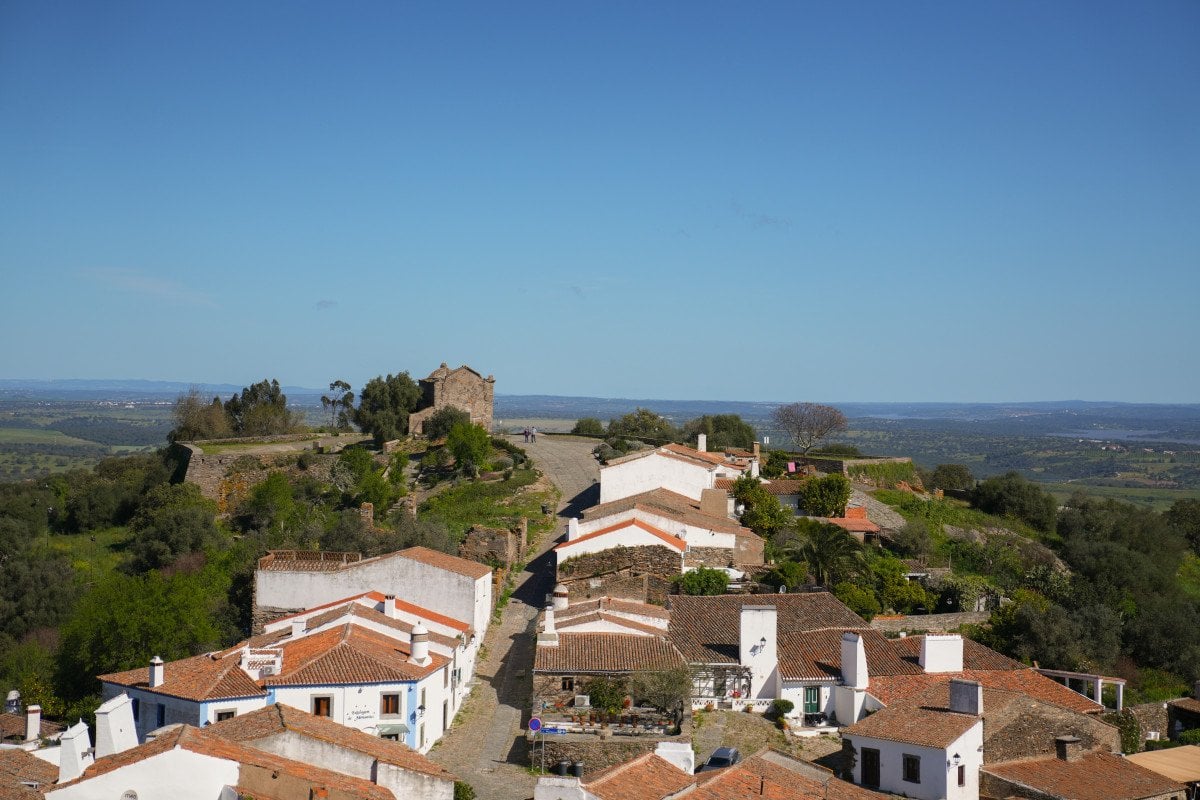
The Alentejo Region of Southern Portugal is one of the best-underrated parts of Portugal to explore. After spending a long week in this untouched landscape that stretches from the rolling hills to the wild coastline, I’m sharing everything you need to know.
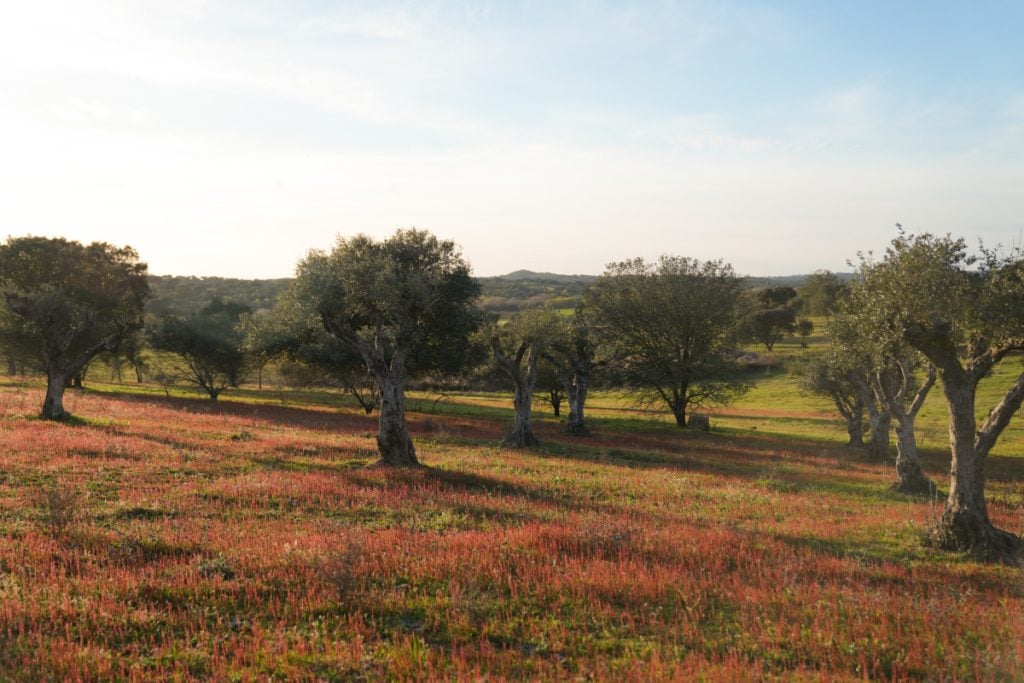
The Alentejo region of Portugal is a vast landscape, often described as the country’s heart. Stretching across southern Portugal, from the rolling plains of the interior to the rugged coastline, Alentejo is a place of tranquil beauty, rich history, and deep traditions. Known for its expansive cork trees (cork oaks), olive groves, and white sand beaches, this region offers a slower pace of life.
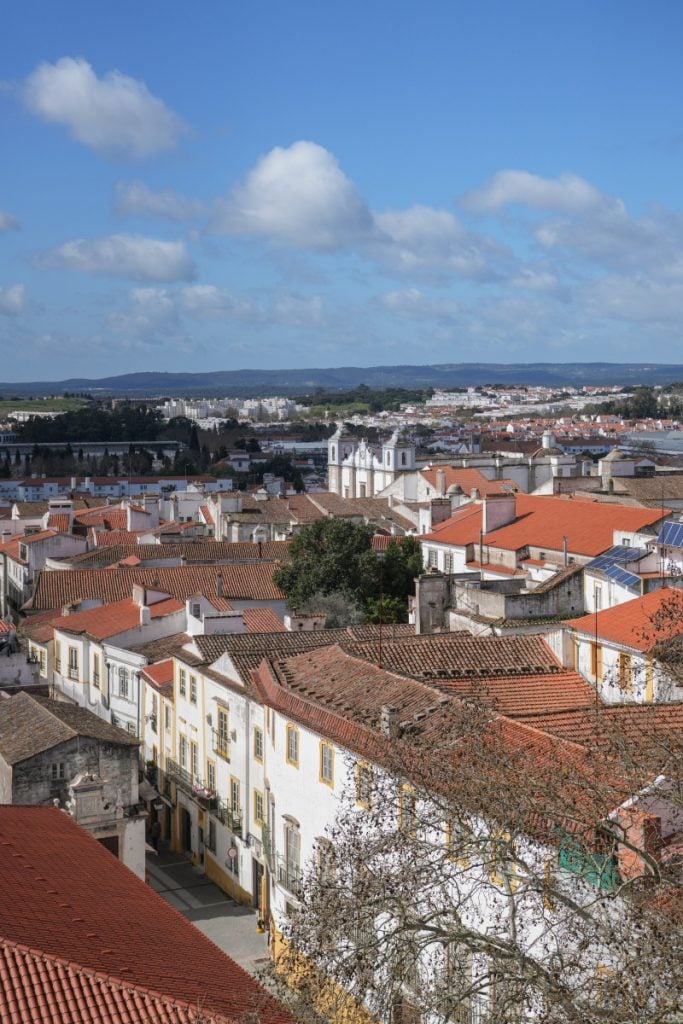
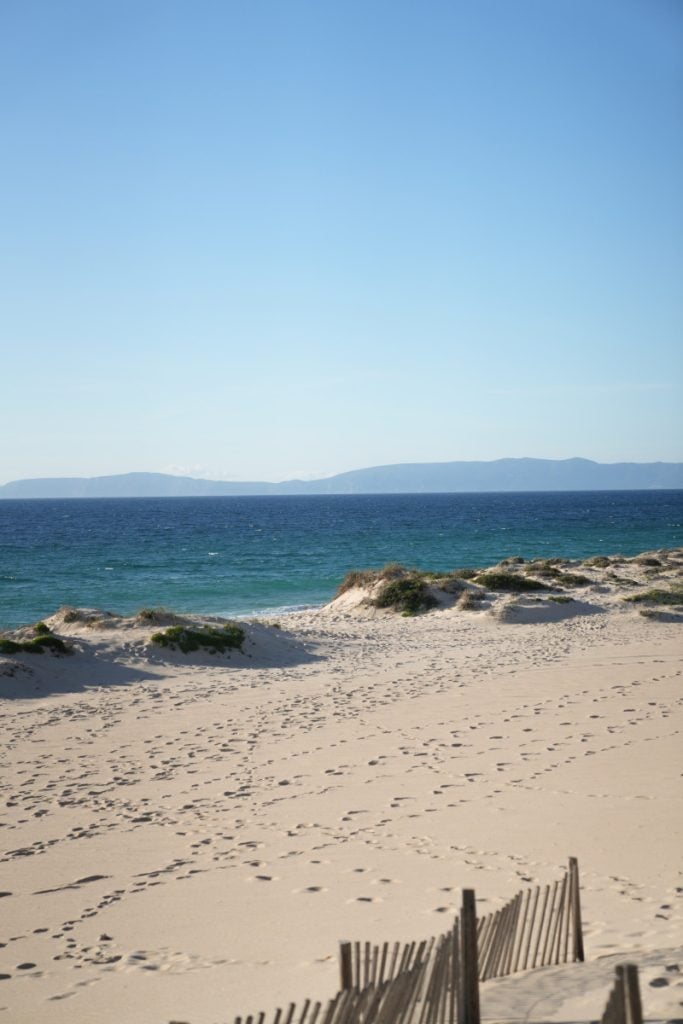
My time in Alentejo was one of my favorite experiences I’ve had in Portugal after countless trips to Lisbon. Time seemed to slow down, spent over long lunches, village strolls, and days at the beach. With strong cultural traditions and local food, I feel like I had a great taste of what makes this region special.
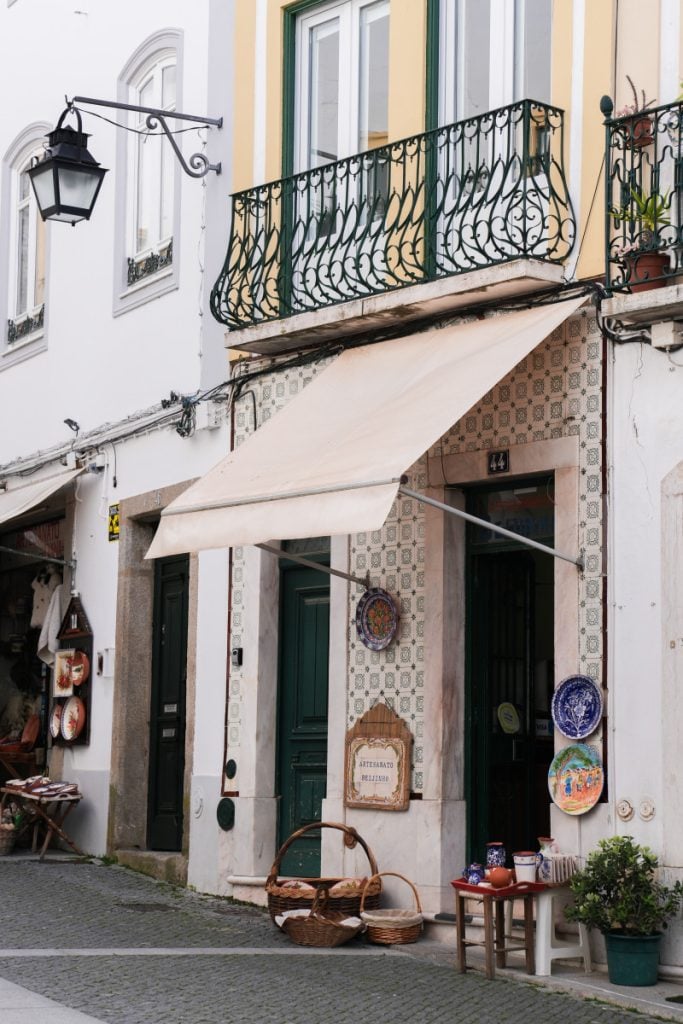
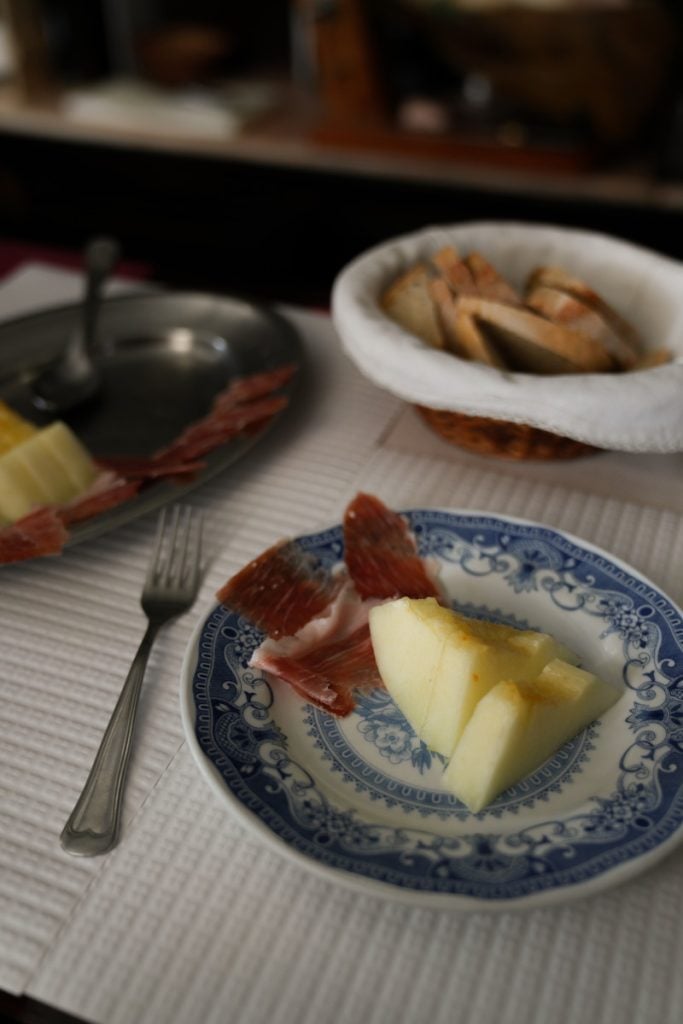
Alentejo for me, feels a world away from the hustle of Lisbon but in reality, it’s only about a 2-hour drive. During my week exploring the region, I was amazed by how quiet it was. In part the time of year I was there, but at large, it didn’t feel overrun with touristic things. Every restaurant, hotel, local winery, and small business felt so true to themselves which you could feel when there.
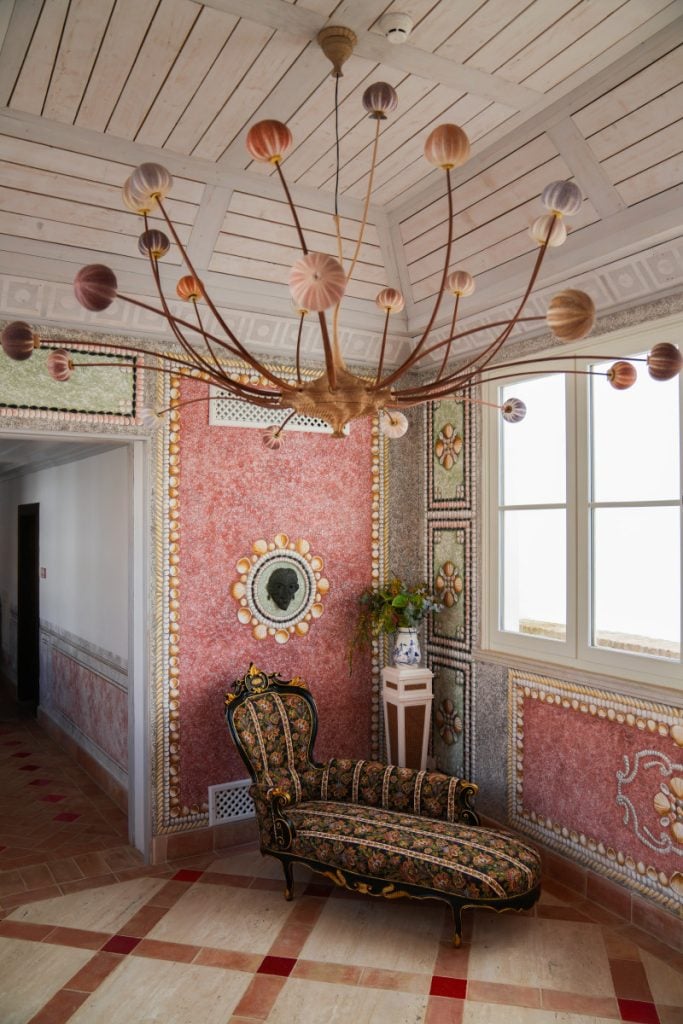
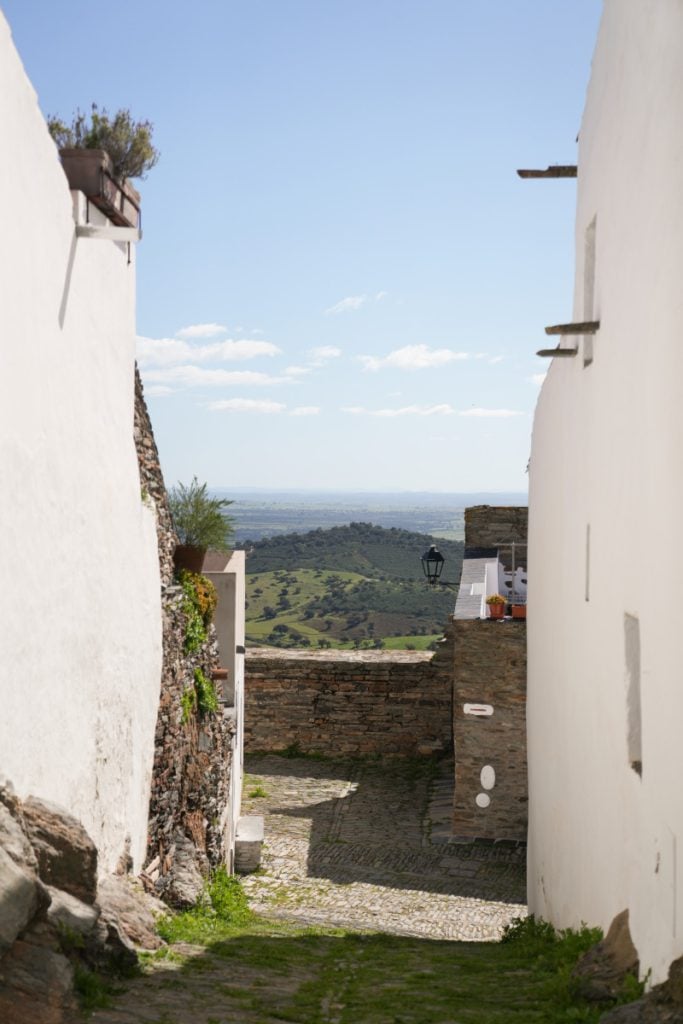
If you’re considering exploring more of Portugal, I highly suggest starting in Alentejo. Easy to get to from Lisbon, it makes for a wonderful experience that combines the countryside and sea. Read on for my guide to Alentejo!
Short on Time? Here Are My Top Picks for Where to Stay and Things to Do when Visiting Alentejo:
I would suggest being in Évora or nearby for your time in the countryside. You’ll be within driving distance of all of the hilltop villages like Monsaraz and Elvas. Then, I’d pick a base near Comporta for your time at the beach — it’s the best access for restaurants and coastal fun.
Best Countryside Hotels Near Évora
- Octant Evora, for an elevated family-friendly stay with activities and hikes
- São Lourenço do Barrocal, for the best luxury stay
- Imani Country House, for the best budget design hotel
- L’AND Vineyards, for an elevated stay on a winery
- Convento do Espinheiro, for an elevated historic property
Best Hotels on the Coast
- Sublime Comporta, for the best luxury resort stay
- Spatia Comporta, for the best elevated family-friendly property
- Vermelho Melides, for the best luxury design stay
- AlmaLusa Comporta, for the best budget design hotel
- Quinta da Comporta, for the best luxury hotel stay
- Pa.te.os Melides, for the best private villas
Things to Do
- Private walking tour through Évora
- Alentejo Wine Tour from Évora
- Go horseback riding on the beach in Comporta
- Ride a boat through the Sado Estuary
Helpful Guides to Plan Your Trip
If you’re planning a trip to Portugal, don’t miss my 10-day Portugal itinerary, 3-day Lisbon itinerary, and guide to the best places to visit in Portugal. If you’re heading to Lisbon, see my Lisbon city guide, 3-day Lisbon itinerary, and recommendations for where to stay in Lisbon and the best Lisbon restaurants. I also have guides to the best Comporta hotels, Évora, and Monsaraz!
Travel Tip: The best way to explore Portugal is by driving yourself. We use Discover Cars for our rental cars in Europe, choose full coverage insurance, and opt for trusted companies like Alamo, Hertz, or Sixt. Renting a car and driving in Portugal is quite easy. Book your car with Discover Cars here.
The Complete Alentejo Portugal Guide
Frequently Asked Questions About Traveling to the Alentejo Region
What is the Nearest Airport to Alentejo?
For the best access to Alentejo, I recommend flying to Lisbon Airport. It has the most direct flights and will take you about 1.5 hours by car to get to the first stop of Évora. Planning time to Alentejo works well for an itinerary that includes Lisbon, as suggested in my 10-Day Portugal Itinerary.
How to Get Around the Alentejo Region?
You will need a car to explore Alentejo, it’s the best and easiest way to do so. Driving in Portugal is quite easygoing and will give you the access you need to explore the region.
Rental Car Tip: We use Discover Cars for our rental cars in Europe, choose full coverage insurance, and opt for trusted companies like Alamo, Hertz, or Sixt.
How Many Nights in Alentejo?
I think a week works out well if spending time in both the countryside and the coast. I’d split the time evenly depending on how much beach time you want.
What is the Best Time of Year to Visit the Alentejo Region?
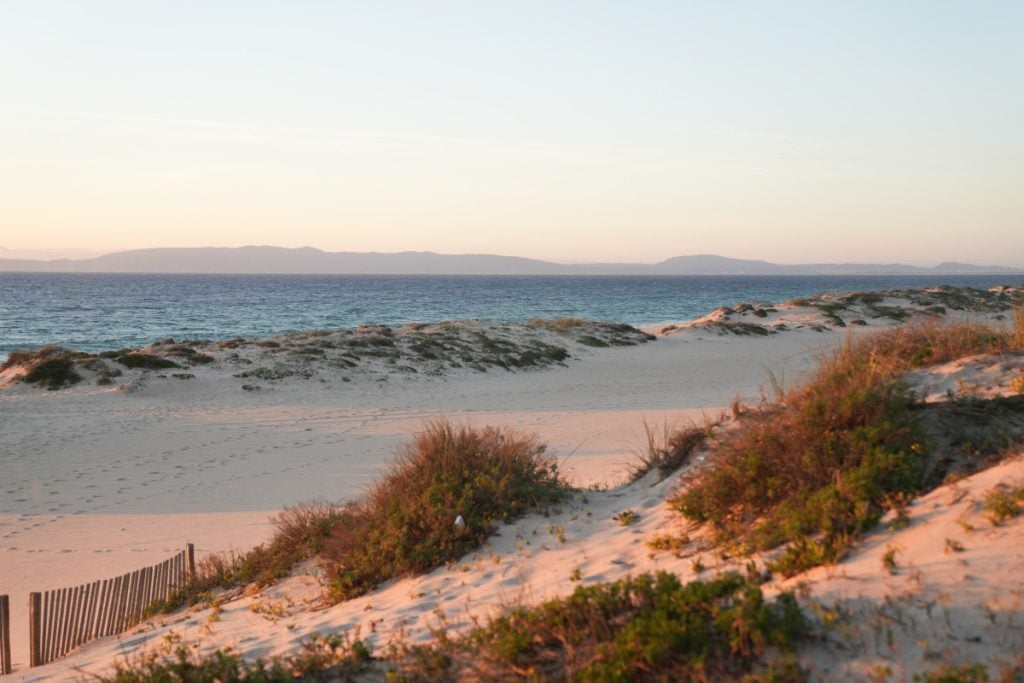
My time in Alentejo was in mid-February and it was honestly lovely. No crowds, and mild winter weather, but the downside was it was not beach weather. I think September to October would be best for summer weather sans the crowds, otherwise peak summer months will have crowds and heat. That said, there is always a spot at the beach no matter what time of year!
Is Alentejo Expensive?
No, in fact most of it in terms of food and experiences was pretty cost-effective in comparison to most of Europe. Where the expansiveness may come would be the luxury hotels, which are a big part of this region. That said, you can always find a lovely accommodation in your budget in Alentejo.
The Best Towns to Visit in The Alentejo Region
Keep in mind that the Alentejo region stretches from inland to the Spanish border to the sprawling coastline. It’s a large region, but the main highlights can be found in about a half dozen towns or so.
Évora
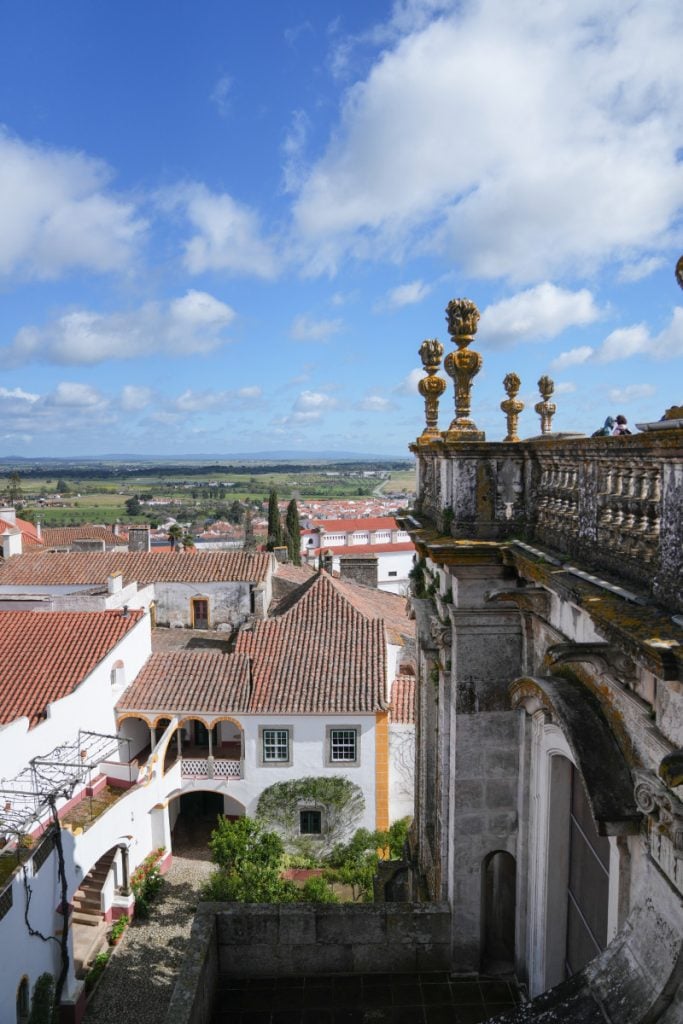
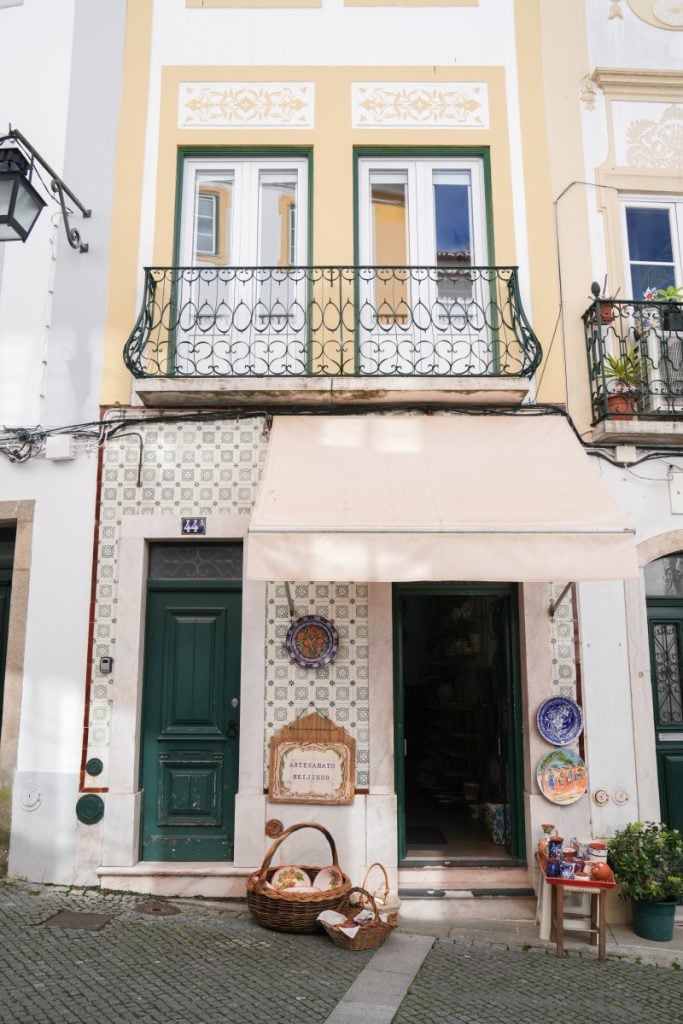
The beginning of Alentejo’s medieval towns, Évora is one of the best places to start a visit. As a UNESCO World Heritage Site, it is home to the famous Roman Temple Évora (Roman ruins), a vibrant old city center, and historic sights, there is a lot to do in this city. Plan to spend at least a full day in Évora and don’t miss a visit to the Chapel of Bones, a haunting 17th-century chapel created by Franciscan Monks.
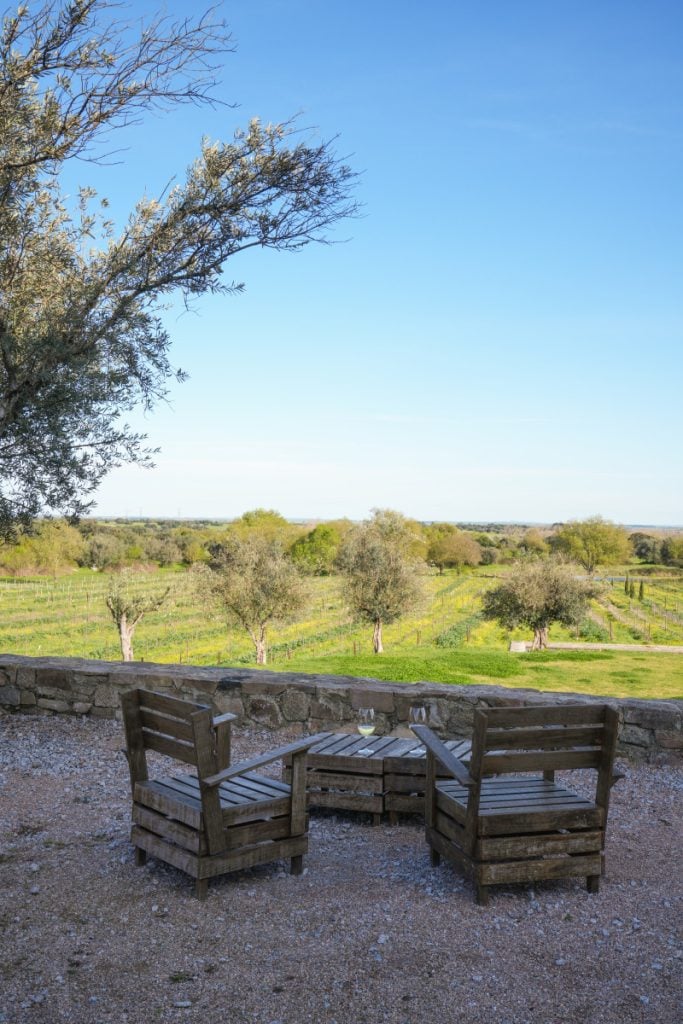
Be sure to make the climb to the top of the Cathedral of Évora, where you can take in the views of the surrounding countryside. Enjoy local dining at traditional restaurants like Fialho, Restaurant Botequim da Mouraria, and Dom Joaquim. And of course, you have to do some wine tastings, my recommendation is Fitapreta Vinhos or L’AND Vineyards.
Travel Tip: Consider booking this highly rated private walking tour through Évora for a more in-depth look at the city.
Monsaraz
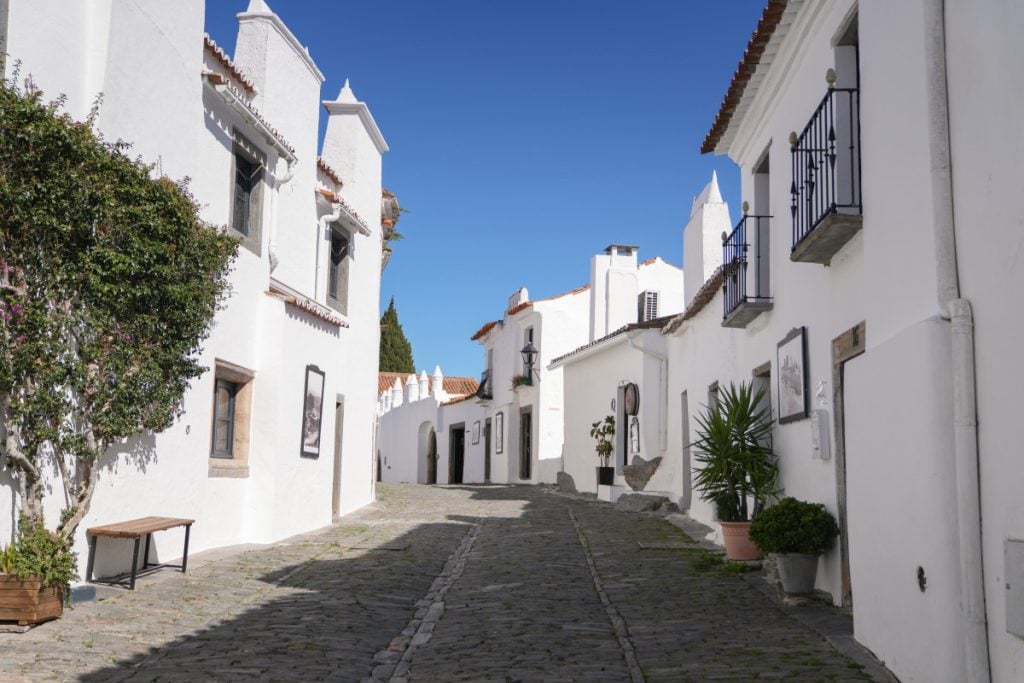
Set in the rolling hills further into the countryside, Monsaraz was hands down one of the favorites from the trip. The hilltop medieval village is surrounded by cork forests, olive groves, and Lake Alqueva, making it a wonderful area to explore the natural landscape.
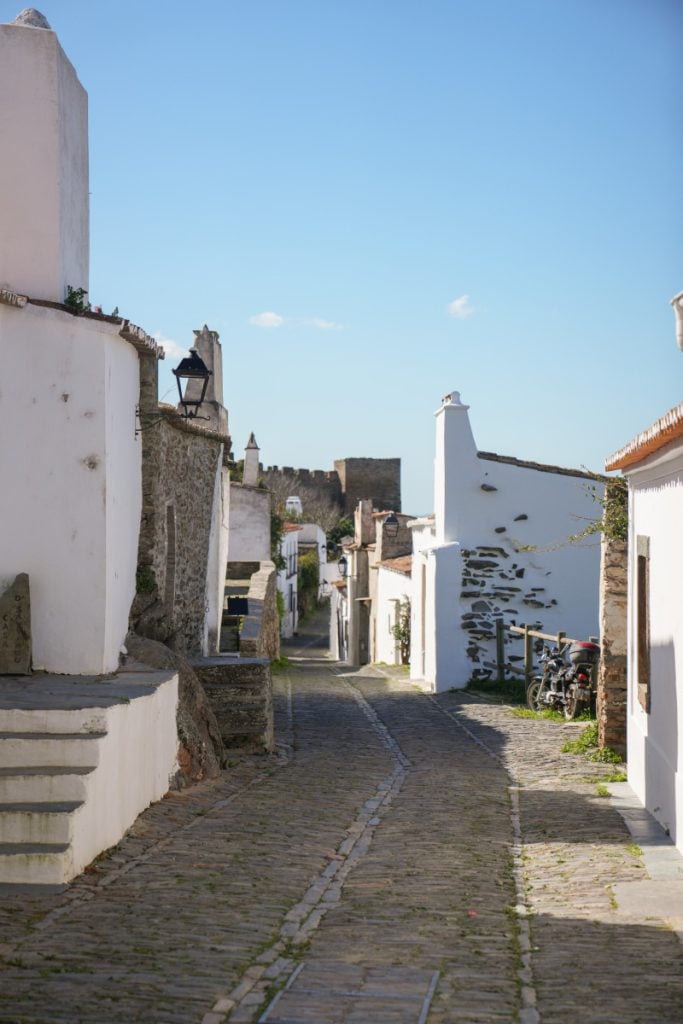
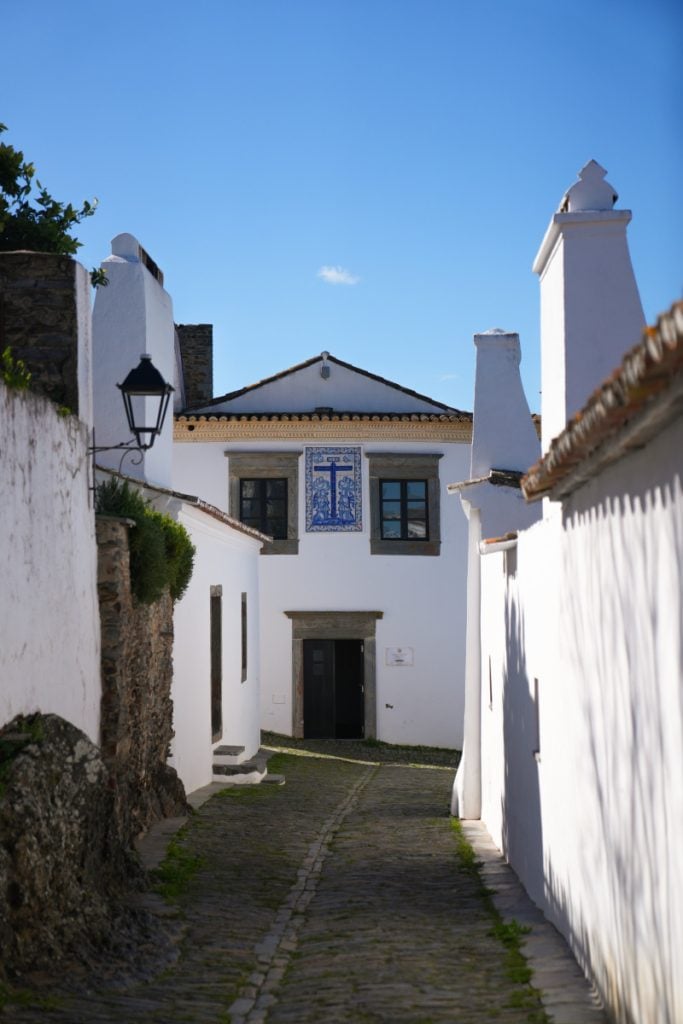
The town itself is bustling with visitors taking in the views, exploring local shops like Casa Tial, and dining locally at restaurants like Taverna Os Templários, Sabores de Monsaraz, and my favorite Barrocal inside the nearby São Lourenço do Barrocal hotel.
Elvas and Estremoz
Nestled in the rolling hills of southern Portugal, the charming town of Elvas is a UNESCO World Heritage site. Its ancient fortress walls, some of the most well-preserved in Europe, are one of the things that make it stand apart from its Fort of Santa Luzia. Just beyond the ramparts, the serene Aqueduct of Amoreira arches across the landscape, its impressive 16th-century structure blending seamlessly into the natural environment.
Wander through Elvas’ narrow, cobbled streets, where you’ll find a blend of Moorish and Renaissance architecture. Stop by the Church of São Domingos, with its striking azulejos (traditional Portuguese ceramic tiles), and the town’s central square, Praça da República.
From there, continue on to the town of Estremoz (you can visit both together). Home to the Castle of Estremoz, which once served as a royal residence, you can visit that and then stroll through the town — try to time it with its Saturday market. One standout experience would be to try to dine at Mercearia Gadanha — a fine food grocer meets incredible restaurant.
Corval
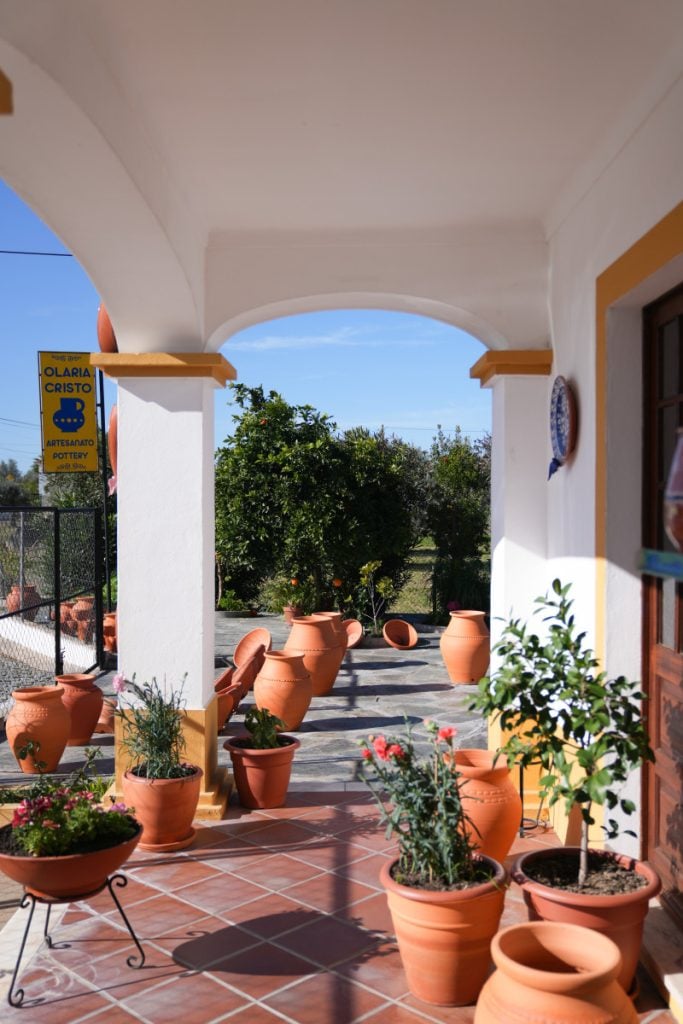
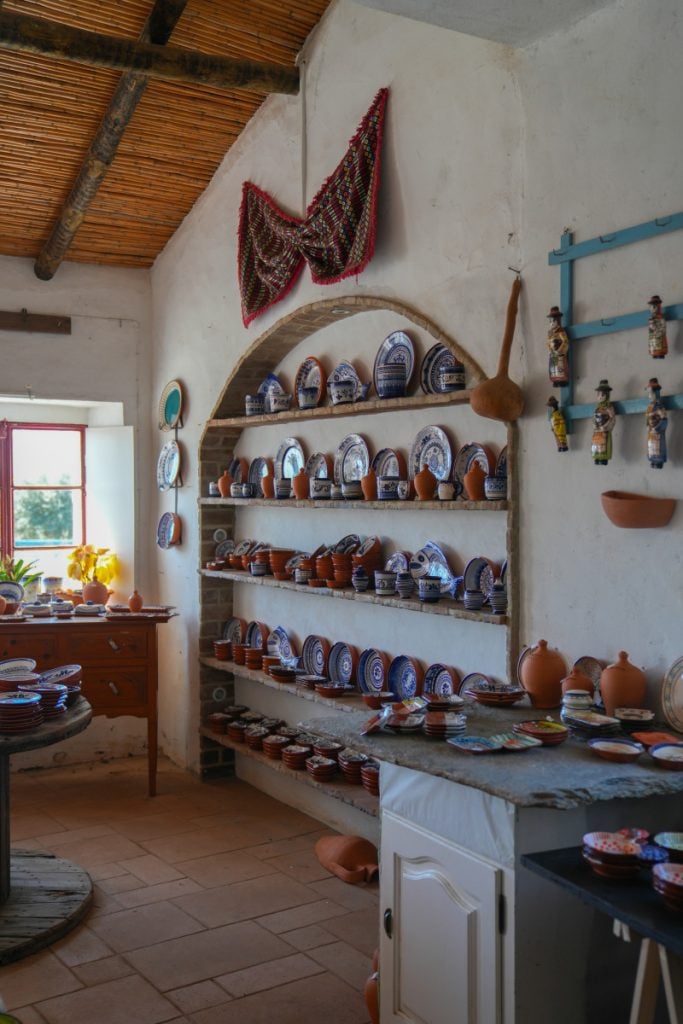
Close to Monsaraz, the traditional pottery town of Corval is another must-visit for me. My favorite pottery store was Olaria Tavares where I grabbed a few pottery dishes to bring home. The town only has pottery stores, not a whole lot more, so plan for an hour or two to peruse the shop-lined main street.
The Alentejo Coast & Its Towns
Comporta
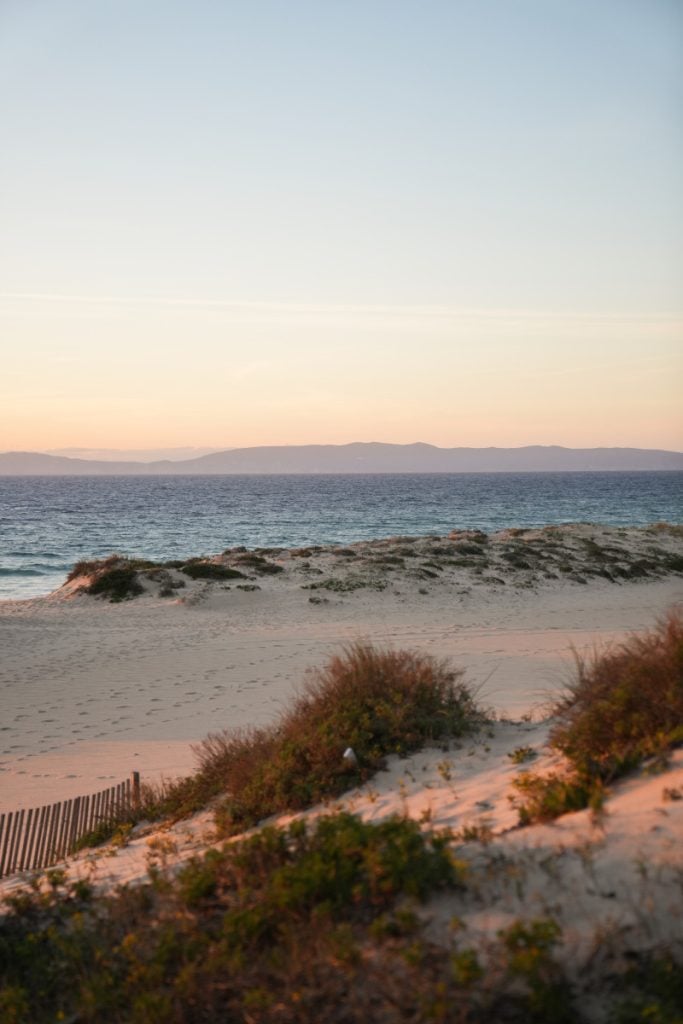
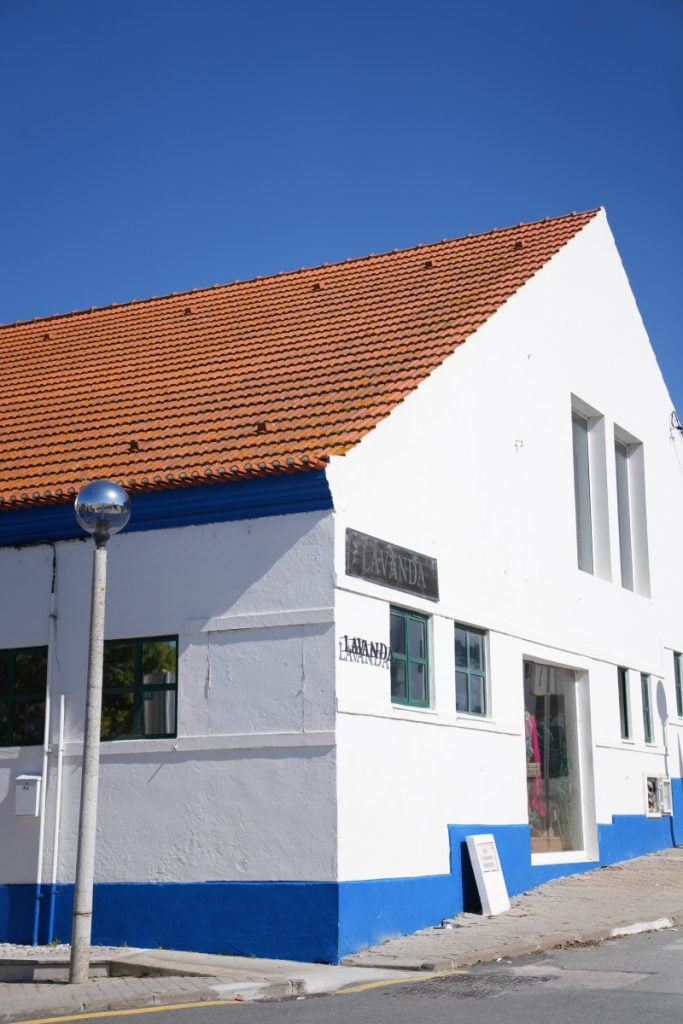
The chicest of beach towns south of Lisbon is most certainly Comporta. Some akin it to the Hamptons of Portugal, though I think that is not the best comparison — though you get the idea. Stay in a beachy villa hotel or boutique property and explore endless miles of untouched beaches.
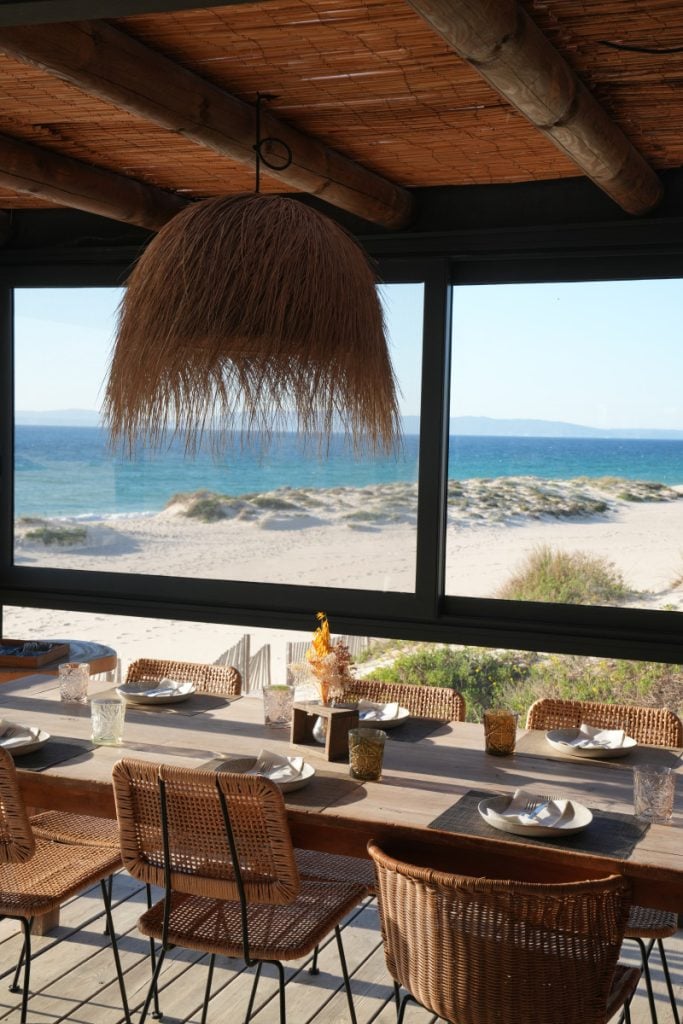
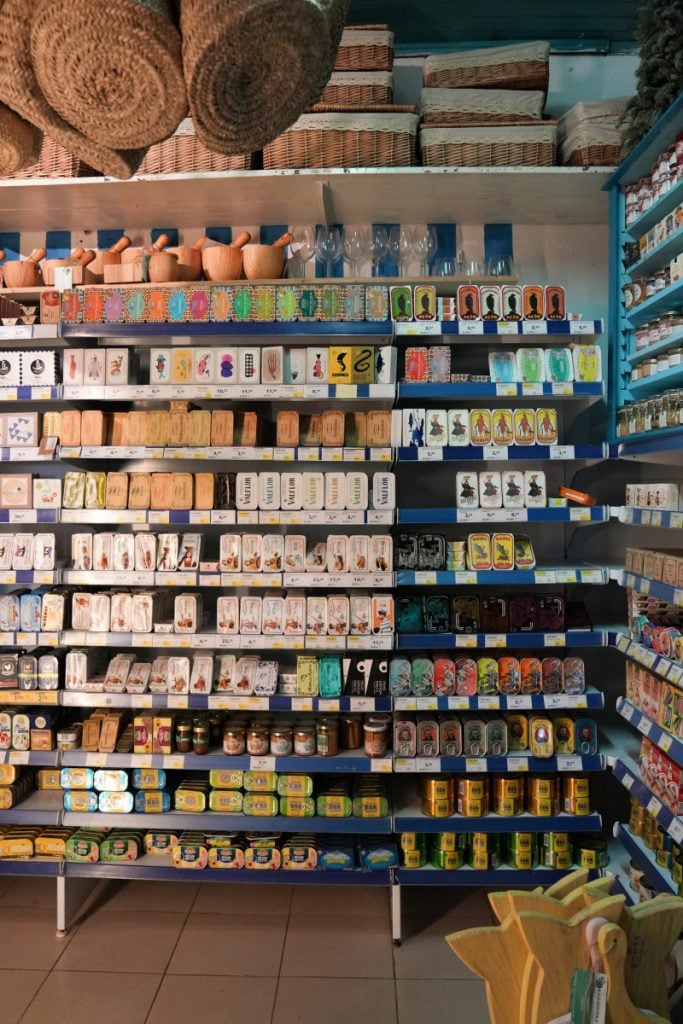
Some highlights include beachside dining at restaurants like Sublime Comporta Beach Club or Sal, or go into the village itself for Almo Cafe or Cavalariça. The village has a small selection of boutiques and upscale grocers like Mercearia Gomes, another personal favorite. You can go horseback Riding with Cavalos na Areia or even ride a boat through the Sado Estuary. But of course, time at beaches like Praia da Comporta, Praia do Pego, Praia da Torre, and Praia do Carvalhal is always a win.
Alcàcer do Sal
You will probably pass Alcáçer do Sal set on the banks of the River Sado on your way from Lisbon. It’s home to the Castle of Alcáçer, a considerable visit if you’re coming through. The town itself is small, but you may want to stop in to visit the castle, dine locally, and try their famous choco frito (fried cuttlefish), a local delicacy at restaurants like Arrisca e Petisca.
Melides
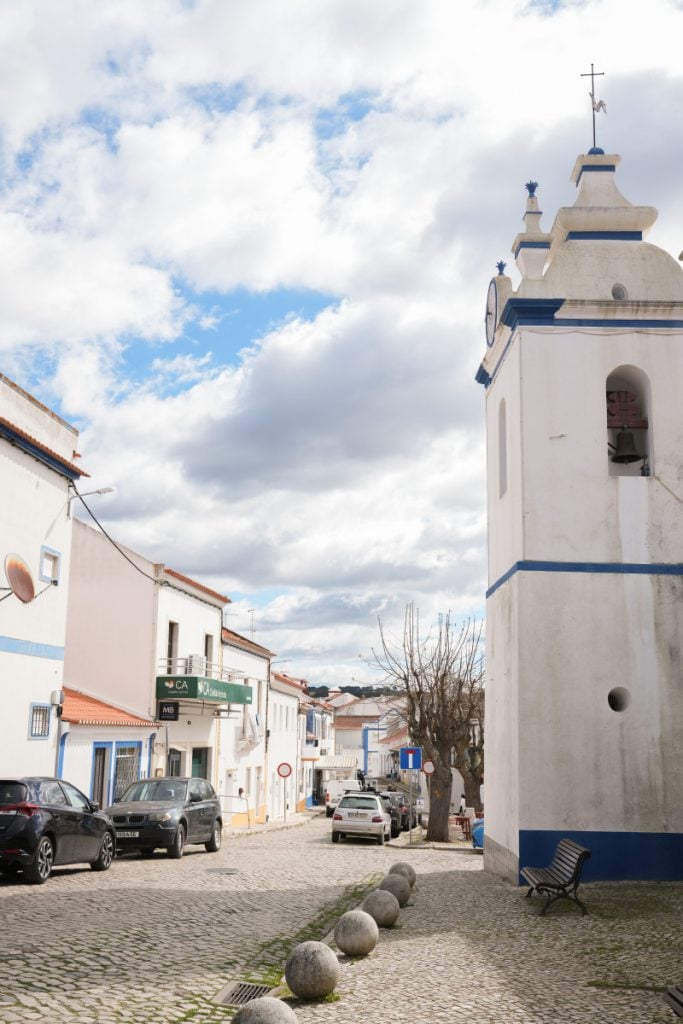
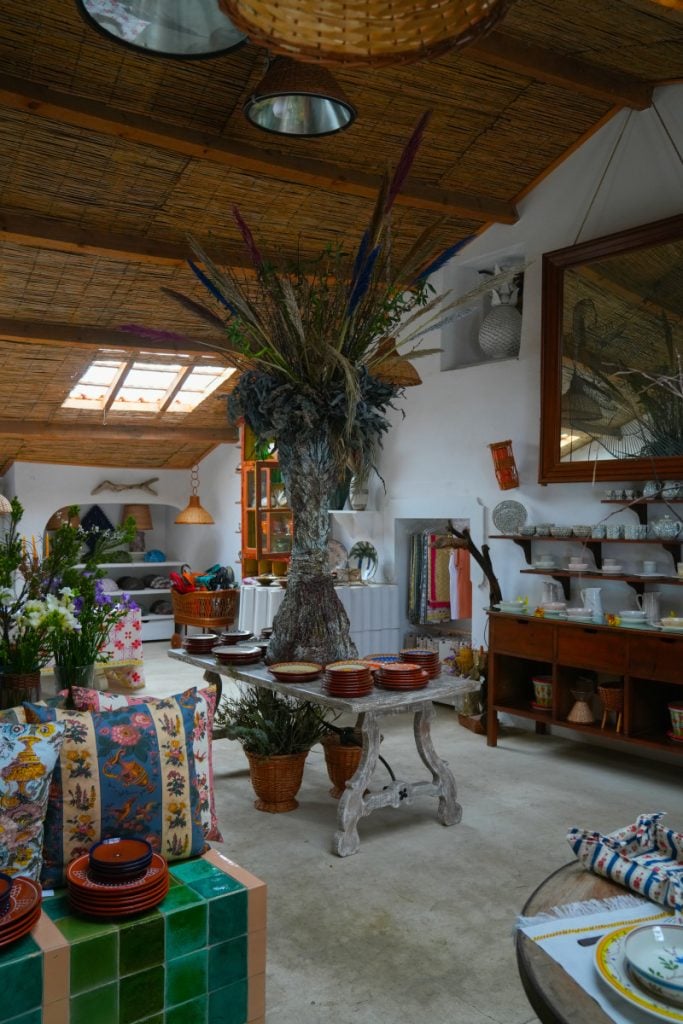
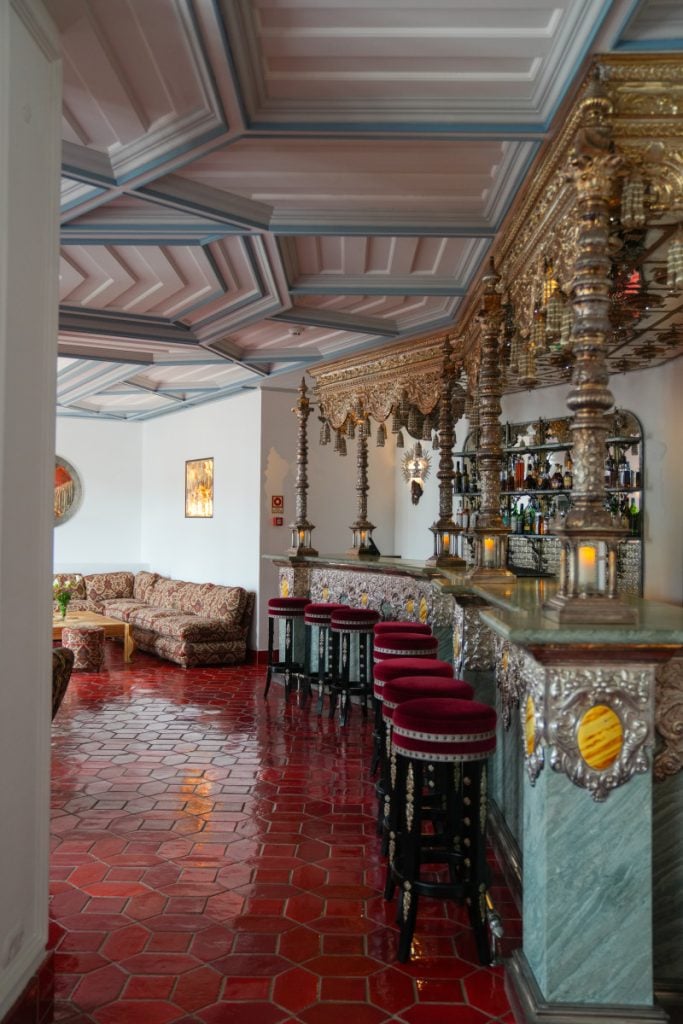
A bit of a hidden gem down the coast of Portugal, Melides is set off just 10 minutes from the beach. Its beach is absolutely lovely, and the town has a few highlights you can’t miss. The first is Hotel Vermelho, Christian Louboutin’s newest design hotel. Pop in for a drink or bite, or even consider a stay. Just up the street, don’t miss Vida Dura for the best design home shopping, and consider lunch at O Melidense for something very unrefined and, well, local (no promises on the food).
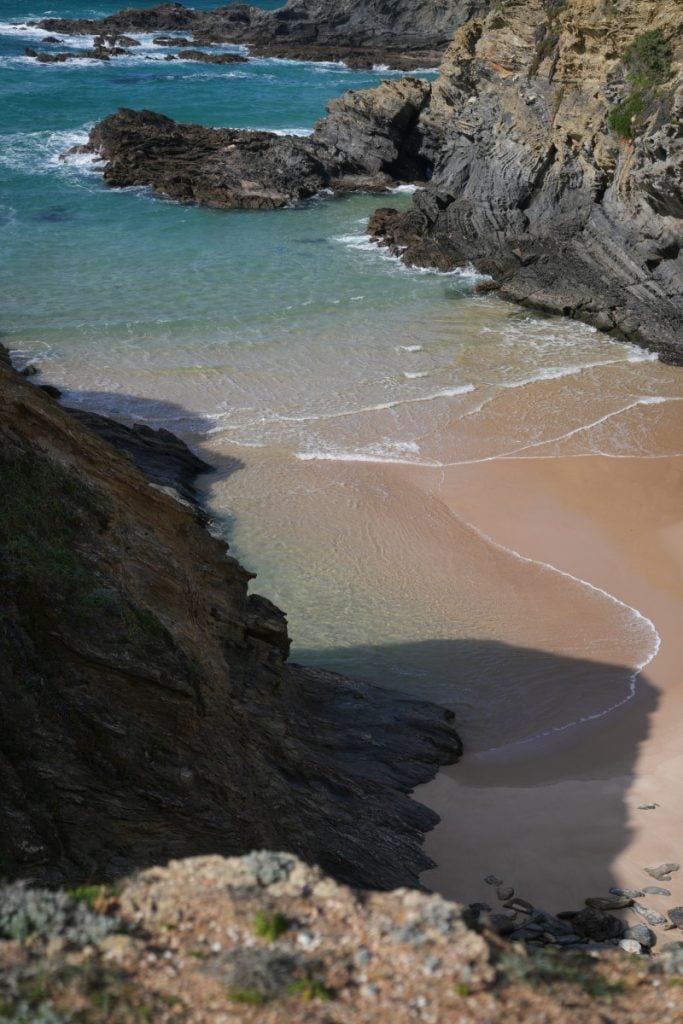
Further afield, you could continue down the coast to places like Sines, Porto Covo, and even all the way to Zambujeira do Mar. There is a lot on this stretch of coastline in Portugal.
The Best Alentejo, Portugal Hotels
Where to Base Yourself in Alentejo
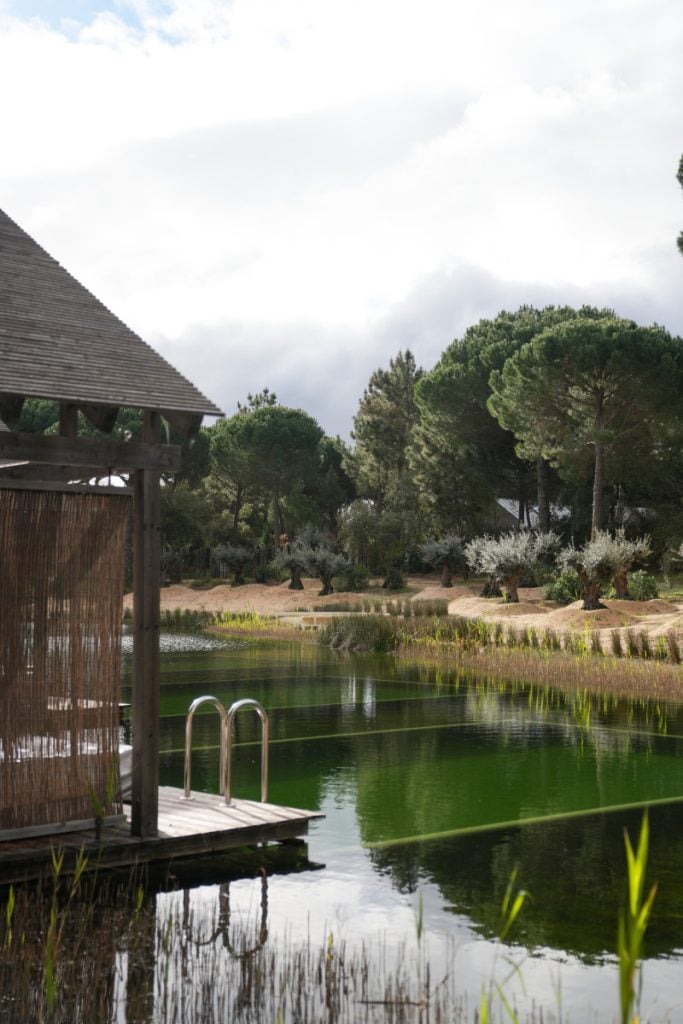
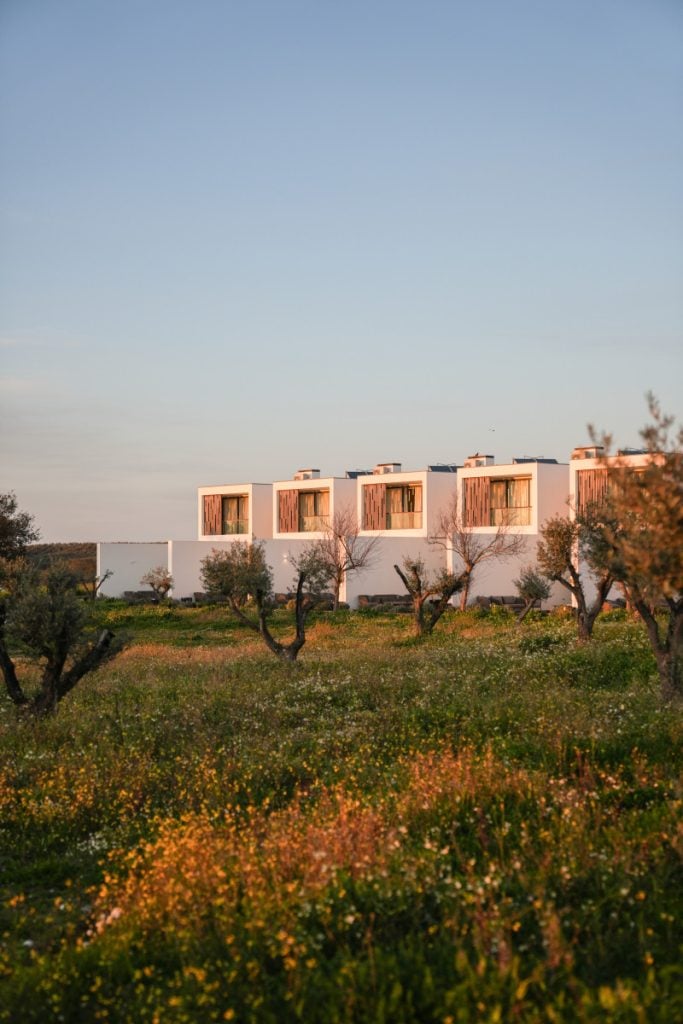
When it comes to picking home bases in Alentejo, I have two suggestions. I would suggest being in Évora or nearby for your time in the countryside. You’ll be within driving distance of all of the hilltop villages like Monsaraz and Elvas. Then, I’d pick a base near Comporta for your time at the beach — it’s the best access for restaurants and coastal fun. Here are my hotel recommendations (* = my top picks):
Best Countryside Hotels Near Évora
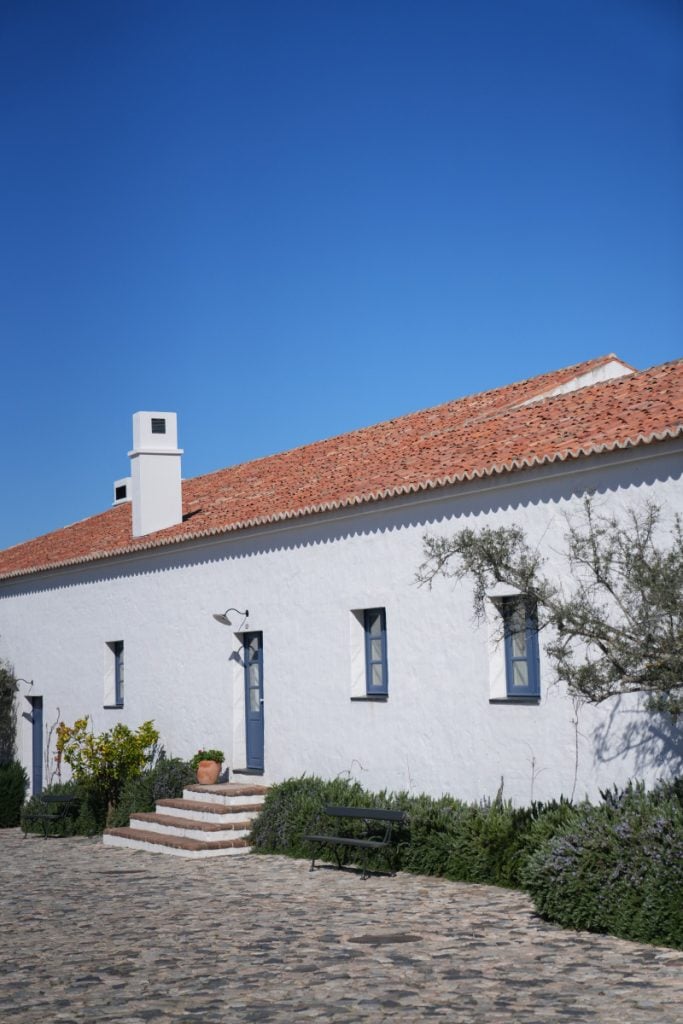
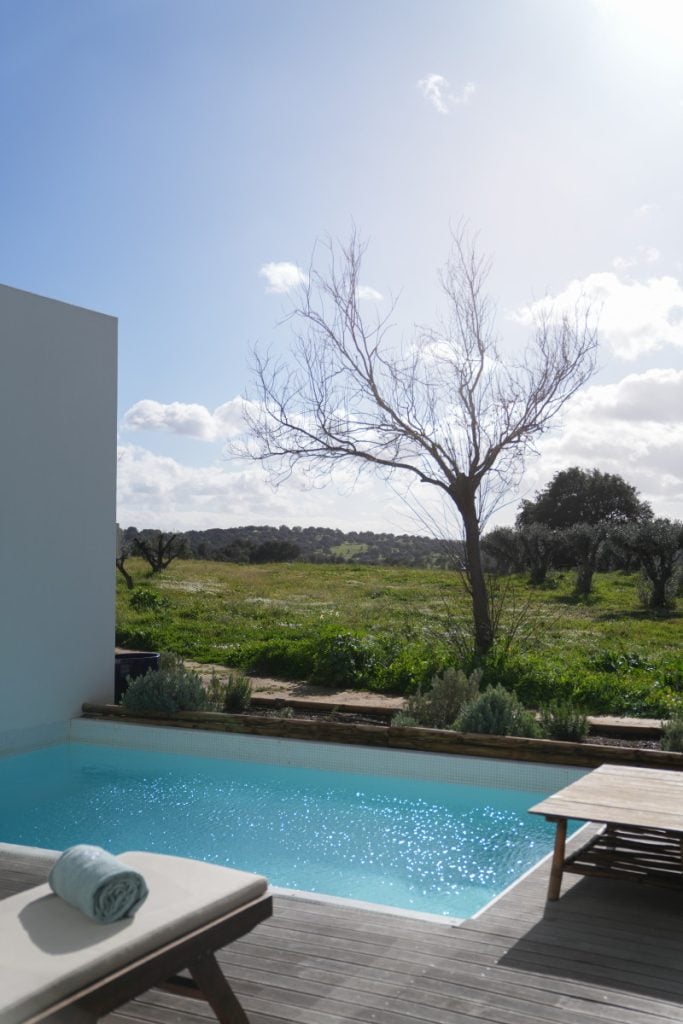
- * Octant Evora, for an elevated family-friendly stay with activities and hikes
- * São Lourenço do Barrocal, for the best luxury stay
- Imani Country House, for the best budget design hotel
- L’AND Vineyards, for an elevated stay on a winery
- Convento do Espinheiro, for an elevated historic property
Best Hotels on the Coast
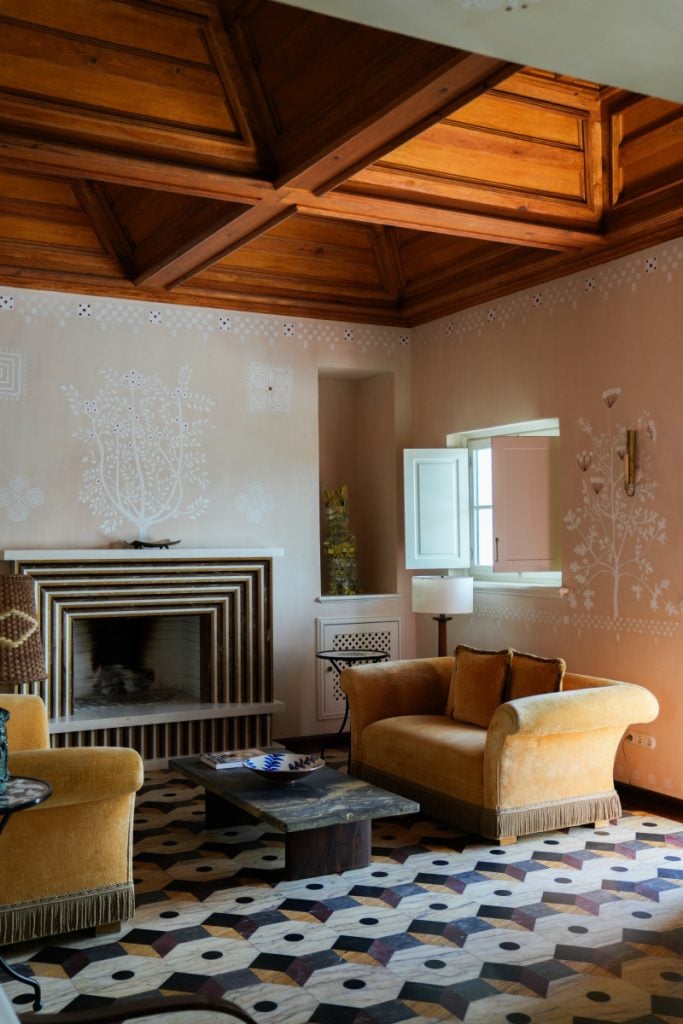
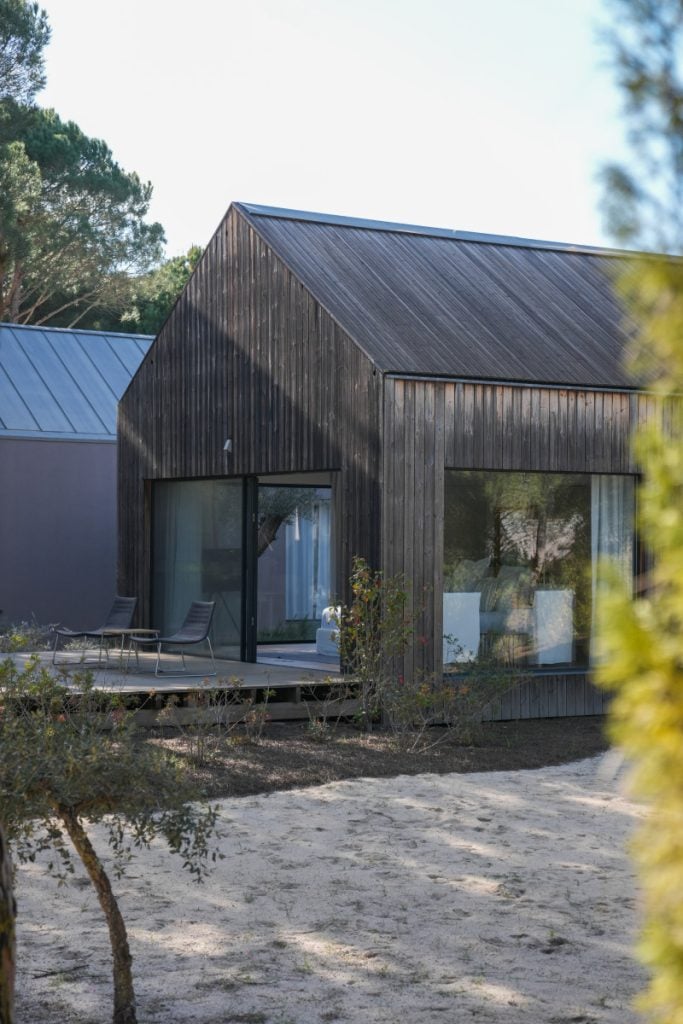
- * Sublime Comporta, for the best luxury resort stay
- Spatia Comporta, for the best elevated family-friendly property
- * Vermelho Melides, for the best luxury design stay
- AlmaLusa Comporta, for the best budget design hotel
- Quinta da Comporta, for the best luxury hotel stay
- Pa.te.os Melides, for the best private villas
Other Notable Hotels in the Region
- Herdade da Malhadinha Nova Country House, for a luxury boutique stay (in Baixo/Alentejo/Albernoa)
- Herdade da Matinha Country House, for a budget-friendly countryside stay (in South West Alentejo)
- Tres Marias, for a chic countryside stay (in Vila Nova de Milfontes)
- Casa do Gadanha, for the best in-village boutique hotel (in Estremoz)
Things to Do in Alentejo, Portugal
Visit the Villages
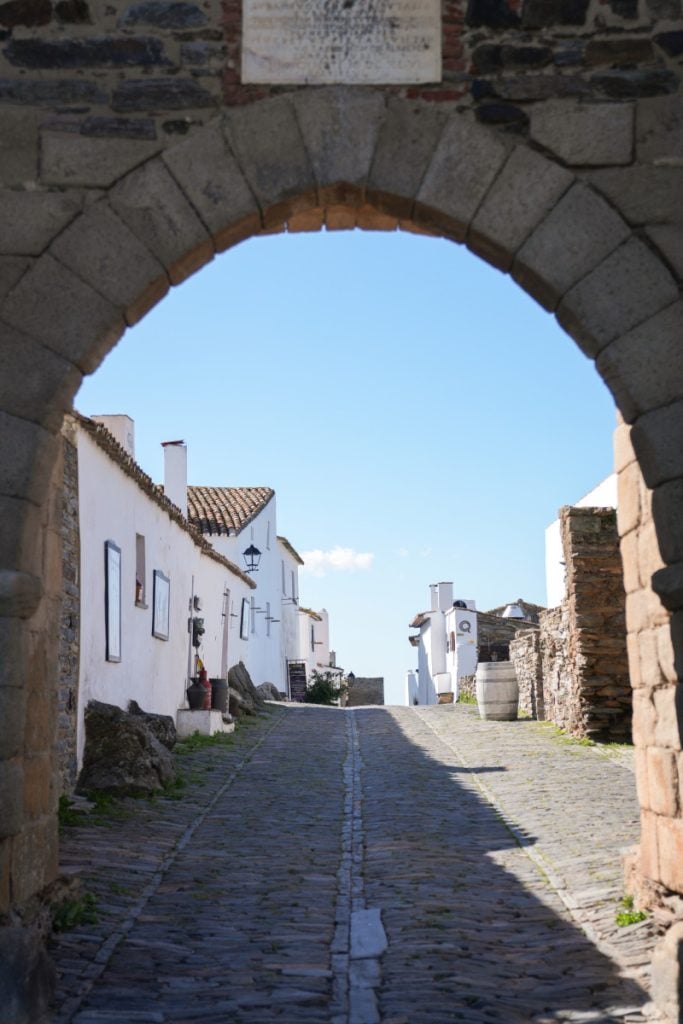
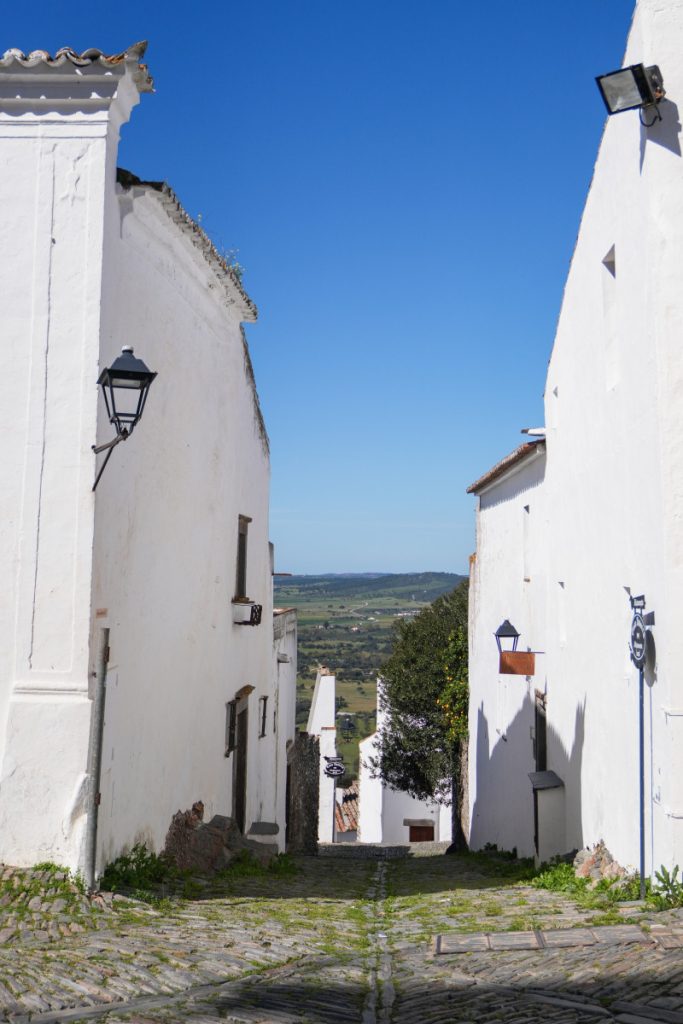
Truly one of the highlights is simply going village hopping, especially in the countryside. With several incredibly intact medieval villages and fortresses, this is a big highlight of time in Alentejo. Consider visiting any of the above, and plan for a few hours in places like Monsaraz or Elvas.
Try Local Cuisine
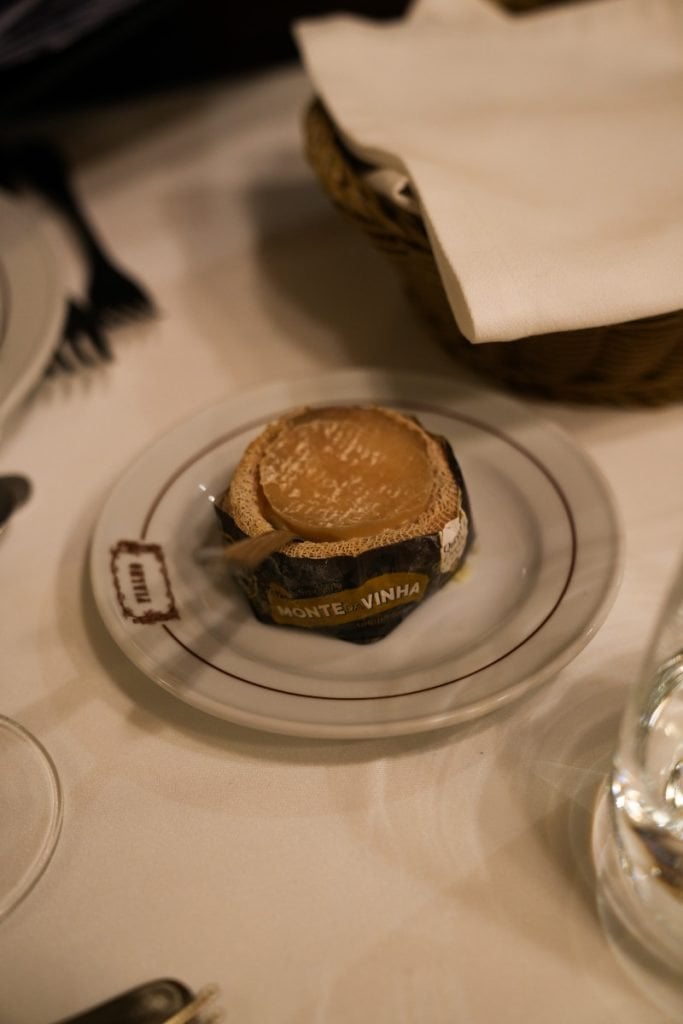

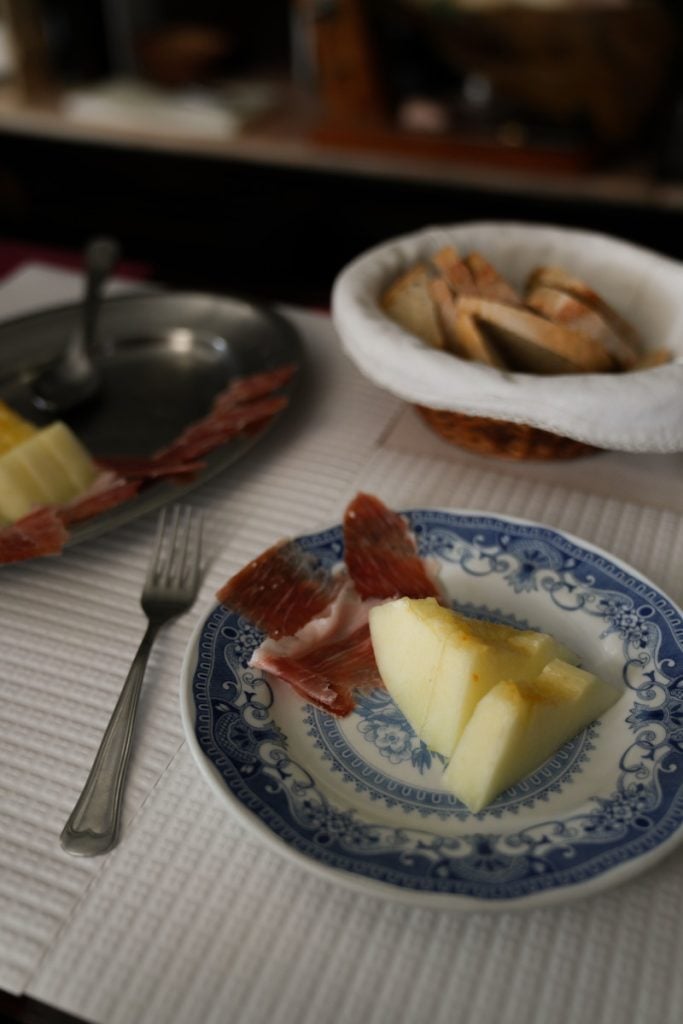
Alentejo’s regional cuisine and dishes are something not to be missed. Some highlights are:
- Açorda Alentejana, a traditional bread soup flavored with garlic, cilantro, olive oil, and poached eggs
- Pão Alentejano, a specialty bread from the region
- Migas, a traditional local dish made from stale bread
- Ensopado de Borrego, a traditional lamb stew
- Porco Preto, a dish made from the region’s prized Iberian black pigs
- Local Cheeses, from Nisa, Serpa, and Évora
- Sericaia, a cake served with plums from Elvas
- Alentejo Wine, try it all from this region, it is amazing!
Visit Wineries
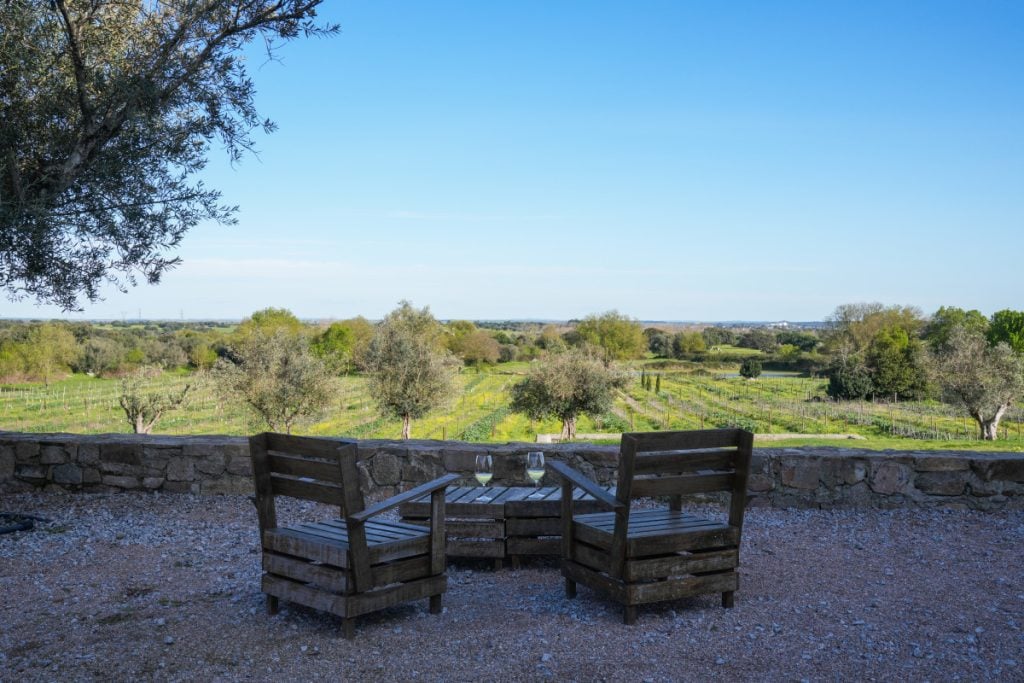
If you are into wine, Alentejo wine tastings are a must while in the region. A big cluster is near Évora like Herdade da Cartuxa, Quinta do Mouro, and Fitepreta. If you don’t want to plan a day of wine tasting on your own, I’d book this Alentejo Wine Tour that departs from Évora.
Go to the Beaches
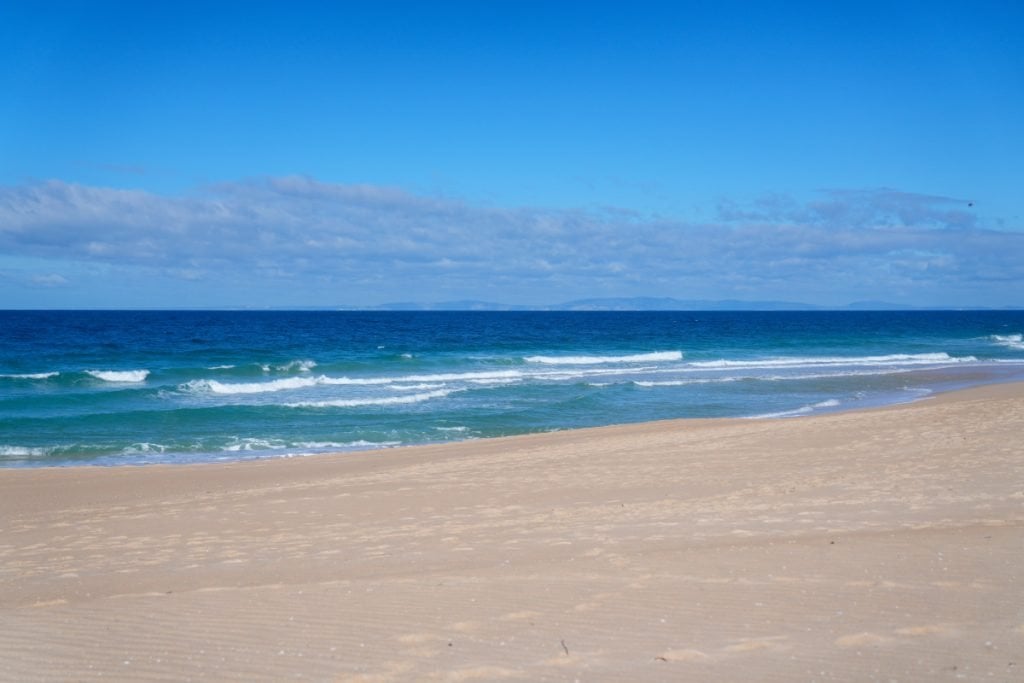
While out on the coast, make the most of your time by beach hopping. There are endless beaches within reach from Comporta. You could even try out water sports like a surf lesson or even go horseback riding on the beach.
Visit Castles and Historic Sights
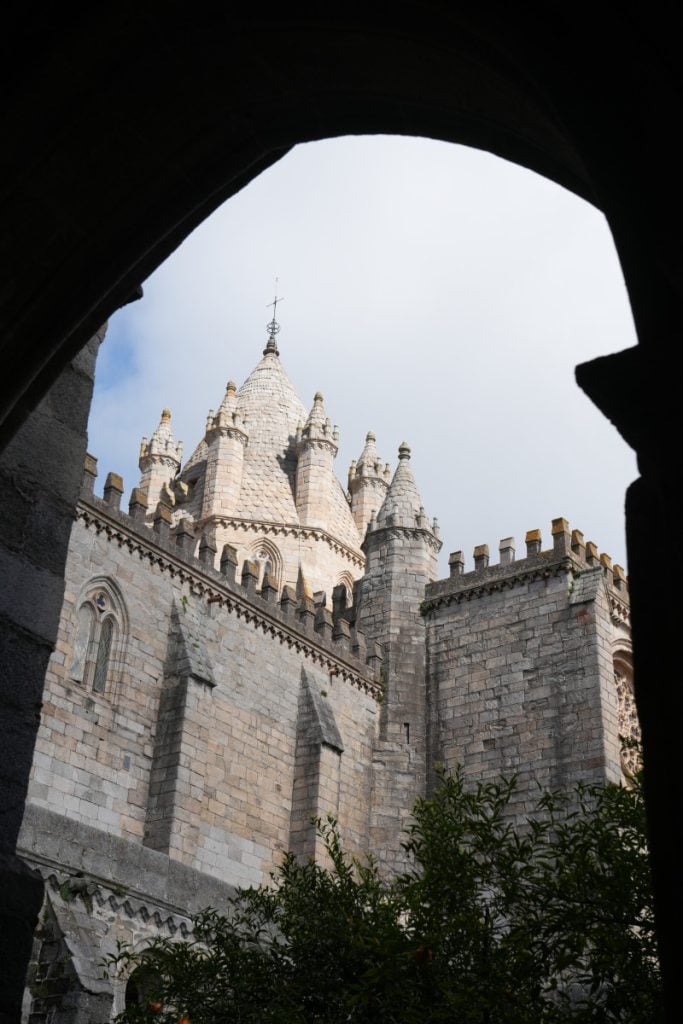
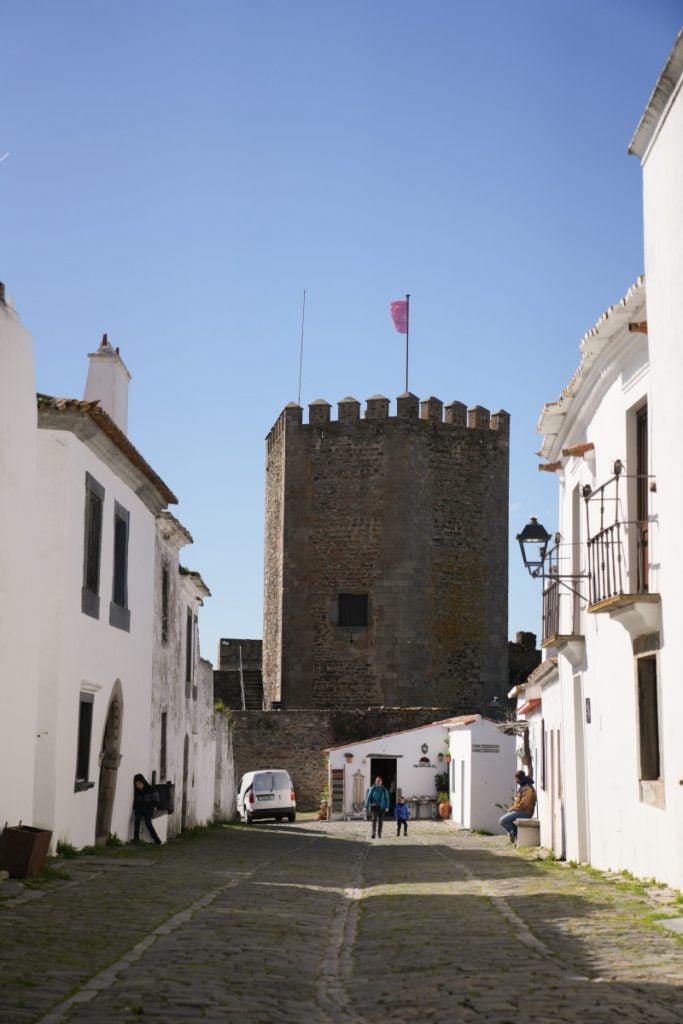
The Alentejo region is a treasure trove of history and stunning landscapes. You can wander through the impressive Castelo de Évora, Castelo de Vide in Serra de São Mamede, or Castelo de Beja and Castelo de Elvas, which offer well-preserved medieval fortifications. Another popular one is Castelo de Marvão, which provides a dramatic vantage point over the surrounding mountains.
The quaint village of Serpa offers a quieter experience, and Castelo de Ouguela is a remote, atmospheric site for those seeking solitude. Beyond castles, Alentejo is rich with ancient towns like Évora, a UNESCO World Heritage site with Roman ruins such as the Temple of Diana, and the well-preserved Aqueduct of Silver Water.
Save This Post for Later on Pinterest
PS — Are You Booking a Trip Soon? Use My Booking Checklist!
These are the sites I use most to book my own trips. Using the links below is a great way to support Bon Traveler’s travel journalism at no extra cost to you. If you need help organizing your itinerary, get my free travel itinerary template here.
1. Book Your Accommodations
I use Booking.com for hotels and Airbnb for vacation rentals. They have the biggest inventory and consistently offer the best rates.
2. Book Your Rental Car
Self-driving is the best way to explore most destinations. I use Discover Cars for our rental cars, select full coverage insurance, and opt for a reputable company like Alamo, Hertz, or Sixt.
3. Book Your Tours & Experiences
I use Viator, Airbnb, and Get Your Guide to find the best tours and experiences. They are my favorite tour search engines. I always check all three as their inventory varies depending on the destination.
4. Book Your Private Transfers
For easy, reliable private transfers, I use Welcome Pickups. It’s my go-to for arranging a driver in advance — whether it’s an airport pickup, a hotel-to-hotel transfer, or a day trip. The experience is seamless, with English-speaking drivers and upfront pricing, so you can travel stress-free at every stage of your trip.
5. Get Cell Data for Your Trip
I use Holafly for international cell data. Their unlimited data eSIMs are easy to install, activate instantly on arrival, and let you skip local SIM cards and expensive roaming fees.
6. Don’t Forget Travel Insurance
I never leave the country without travel insurance. It provides comprehensive protection in case anything goes wrong (ie. illness, injury, theft, or cancellations).
My favorite companies that offer the best coverage and rates are:
- World Nomads (best for all-around)
- Safety Wing (best for frequent travelers)
Xx,
Jessica


