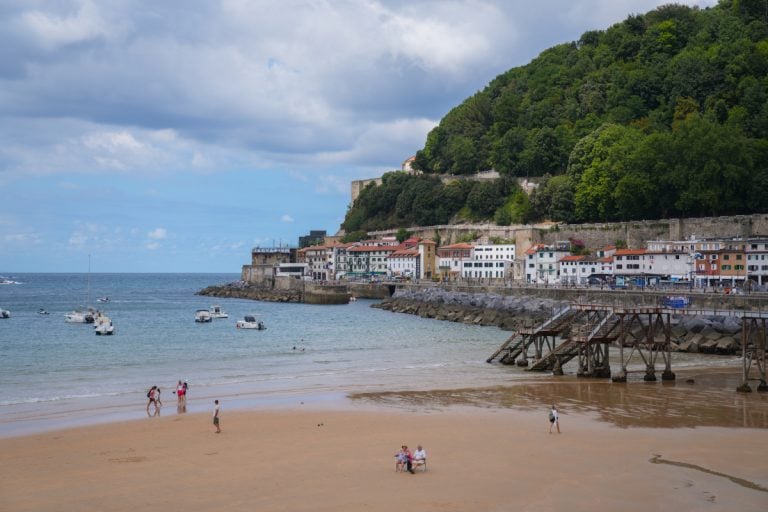
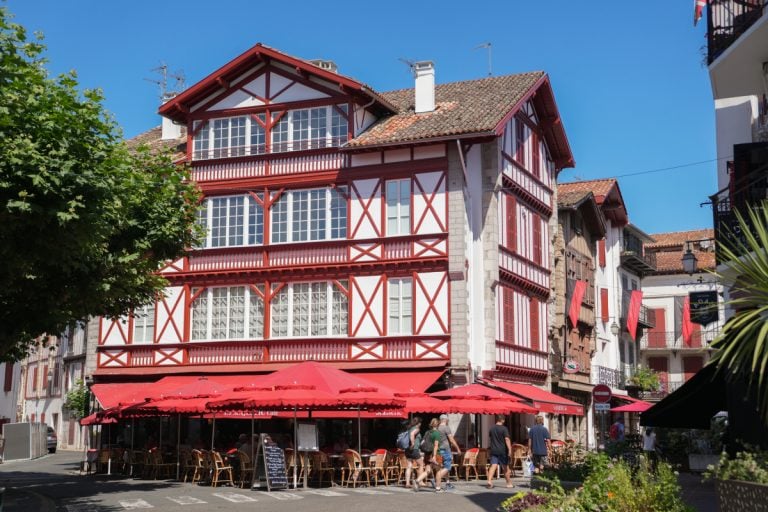
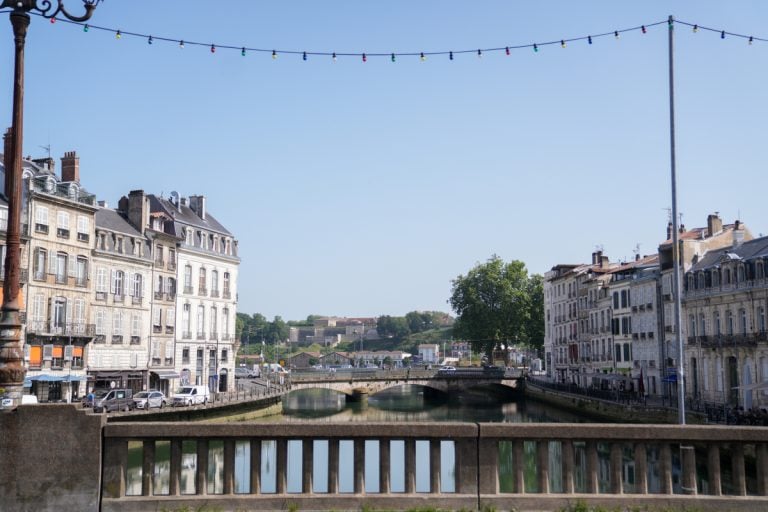
After several trips to Provence, I’m going to share the ultimate Provence itinerary for 7 days. Provence is an incredible region in France to visit, and with a week to spend you can pack in a lot.
The ultimate Provence itinerary will help you plan your time in this iconic destination. It combines major sights, small hilltop villages, and memorable stays. Provence is rather large, so narrowing down where to go leaves many visitors scrambling where to go (and where to stay). So I have a few ideas on the best ways to go about visiting the large region for a sample of Provincial life.
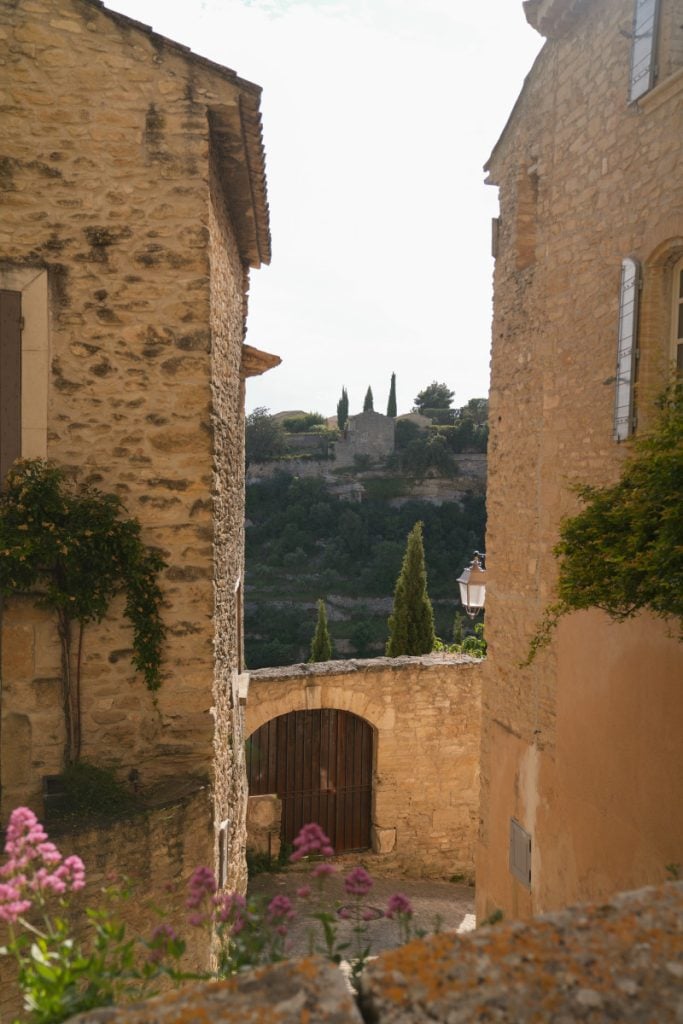
You may find yourself wanting to cram it all in. But to enjoy the “joie de vivre” lifestyle that Provence offers, you’ll find fewer things are better. The itinerary below is designed for a week in Provence, and you’ll see that at the bottom of this post, I have a few ideas on where else to add to your itinerary if you have more time.
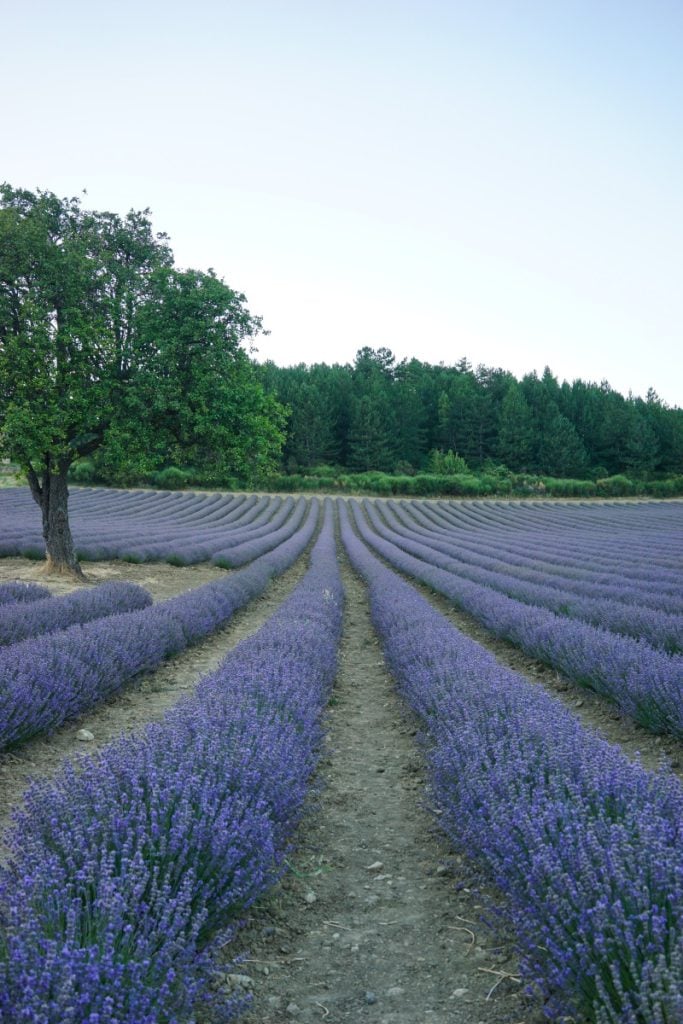
The honey-stone villages lined with olive trees, peering out over endless rolling hills never fall short of magical. Provence is a longtime favorite for travelers, and with good reason. Use this itinerary to help plan your time.
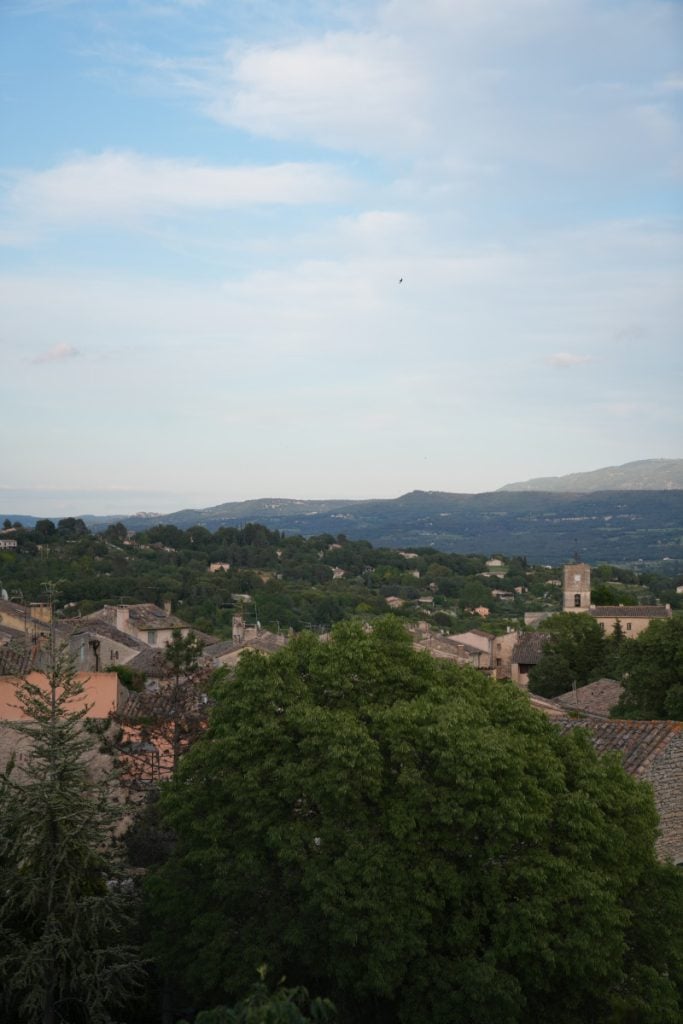
Short on Time? Here is the Ultimate Provence Itinerary for 7 Days:
Stop 1: Luberon — 4 nights
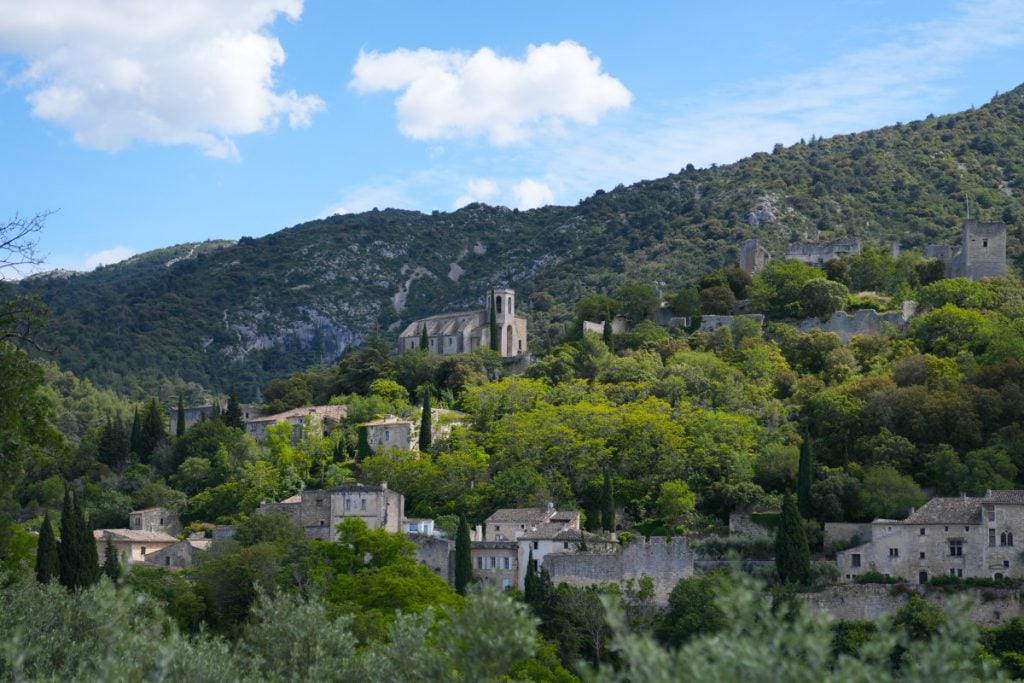
Explore the valley and countryside villages of Saint-Rémy-de-Provence, L’Isle Sur la Sorgue, Rousillon, Gordes, Avignon, Lourmarin, and the Hilltop Thimble Villages (Oppède, Ménerbes, Lacoste, and Bonnieux).
- Le Saint-Rémy, for the best Saint-Rémy hotel
- Airelles Gordes, La Bastide, for the best Gordes hotel
- Le Moulin, for the best Lourmarin hotel
Stop 2: Cassis — 2 nights
Finish the trip down on the coast of the Med and mix in a half-day visit to Aix-en-Provence.
- Hotel Les Roches Blanches, for the best luxury hotel
- Hotel Liautaud, for the best boutique hotel
- Chateau de Cassis, for the best luxury hotel near town
For more on where to stay in Provence, don’t miss my in-depth Provence guide, recommendations for the best villages to stay in Provence and best markets in Provence, and my Luberon travel guide!
Travel Tip: The best way to explore Provence is by driving yourself. We use Discover Cars for our rental cars in Europe, choose full coverage insurance, and opt for trusted companies like Alamo, Hertz, or Sixt. Renting a car and driving in France is quite easy. Book your car with Discover Cars here.
The Ultimate Provence Itinerary in 7 Days
Provence Travel Tips Before You Arrive
The Time of Year Matters
Ah, a warm summer in Provence spent by the pool may sound blissful. But I can tell you the crowds and heat are nothing short of miserable when it comes to traffic and packed villages. If I make one recommendation, it’s to come September to October or April to early June if you can. Well worth bypassing the crowds and heat if you can!
You Will Need to Rent a Car
There’s no way around it truly when it comes to flexibility and access to larger cities. You may be able to piece together the bus routes, but nothing will give you access like having your rental car. Driving in France is quite easy, and you’ll get the hang of it after a day or so.
Rental Car Tip: I use Discover Cars for our rental cars in Europe, choose full coverage insurance, and opt for trusted companies like Alamo, Hertz, or Sixt.
Where Should I Go Before or After Provence?
This itinerary would be the perfect addition to this South of France Itinerary in the French Riviera. A South of France trip pairs nicely with Provence as you can utilize the Nice Airport. In the South, there are several incredible day trips from Nice, villages like Eze, Menton, Villefranche-sur-Mer, and St Paul de Vence which offer a more coastal, Mediterranean experience.
Other add-on ideas include heading to Bordeaux, exploring the Dordogne, trekking up to the mountain lake village of Annecy, or road-tripping across to the Langudeoc-Roussilon region.
Editor’s Note: How I Structured this 7-Day Provence Itinerary
When I plan a trip, my goal is to cut down as many transfer days as possible. I try to pick a single home base for the majority of the time. The reality is Provence is large, so I would do 4 nights in the Luberon and end with 2 nights on the coast. In the Luberon, I love to be right in the heart of it or nearby, my last two trips I loved St. Remy de Provence and Goult. Then there is no sweeter spot to end than Cassis on the Med.
Where to Stay in Provence
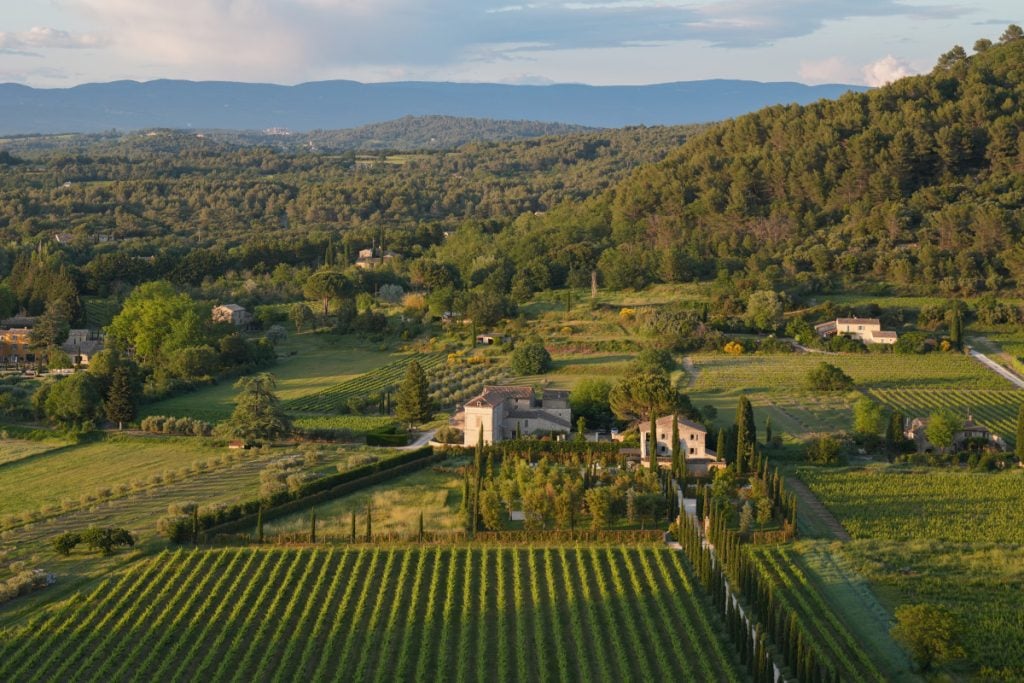
Itinerary: 4 Nights in Luberon & 2 Nights in Cassis
I would suggest starting your trip in the Luberon. I would spend the majority of your time in the valley and countryside, and then end down at the coast in Cassis. Pick one of the central locations for your four nights, any will do depending on your preference!
Best Central Location #1: Saint-Remy-de-Provence
- Le Saint-Rémy, for the best upscale hotel in town
- Le Château des Alpilles, for the best luxury countryside stay
- Hôtel de Tourrel, for the best boutique hotel in town
- Mas Valentine, for the best traditional elevated stay
Best Central Location #2: Gordes, Goult, or Nearby
- Domaine Les Petit Vaines, for the best private boutique hotel (Goult)
- La Bastide du Mourre, for the best nearby countryside affordable stay (Oppède)
- Capelongue, for the best nearby design stay (Bonnieux)
- Airelles Gordes, La Bastide, for the best luxury hotel in town (Gordes)
- Ferme Oleicole Les Callis, for the best farm stay (Gordes)
Best Central Location #3: Lourmarin
Best Coastal Location #1: Cassis
- Hotel Les Roches Blanches, for the best luxury hotel
- Hotel Liautaud, for the best boutique hotel
- Chateau de Cassis, for the best luxury hotel near town
Day 1: First Day in Provence: Saint-Rémy-de-Provence
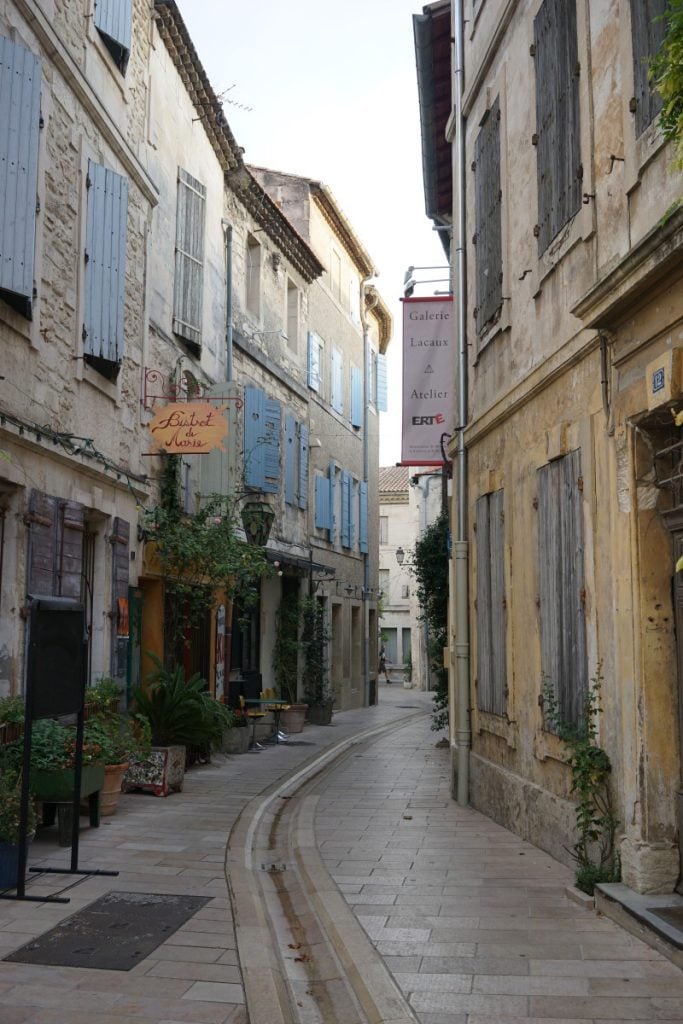
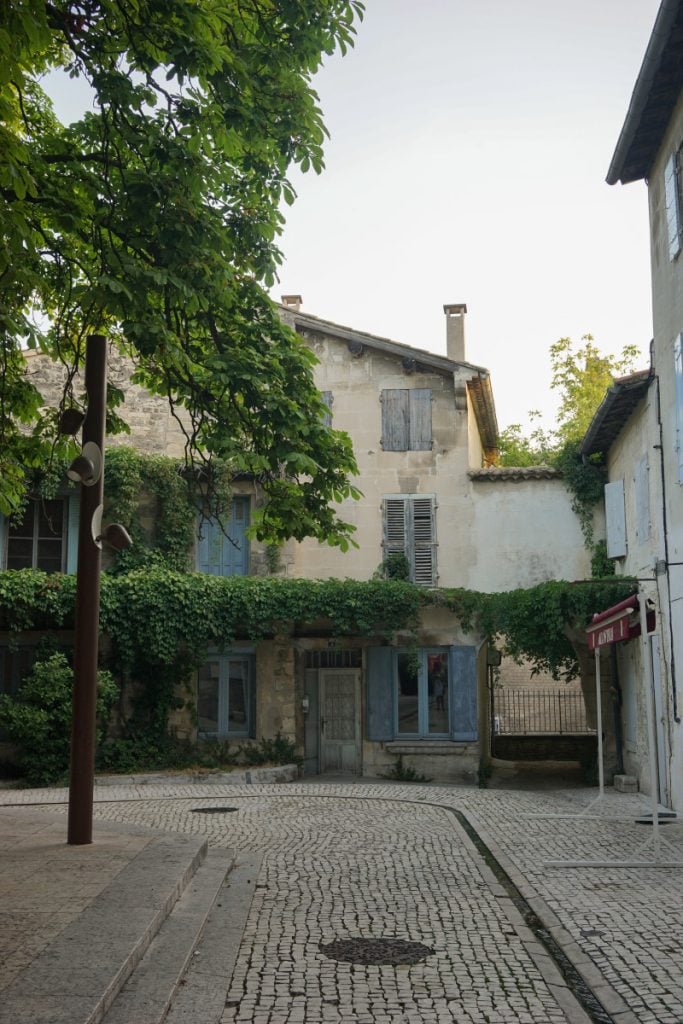
Welcome to Provence, where sunflower and lavender fields are plenty and there are villages tucked away to discover every few miles. It’s paradise, and what better way to begin your trip than a village walk? Get checked into your hotel like the chic Le Saint-Rémy in the heart of Saint-Remy-de-Provence. It’s time to get caffeine.
Make your way into the center and scope out the new cafe called Le Village, which is poorly labeled as an ice cream store on Google Maps as it is so much more. Get an espresso, pastry, and even breakfast here. Afterward, spend a slow-going afternoon exploring the town, popping into galleries and shops. If you need a bigger bite before dinner, Crêperie Lou Planet is a good choice.
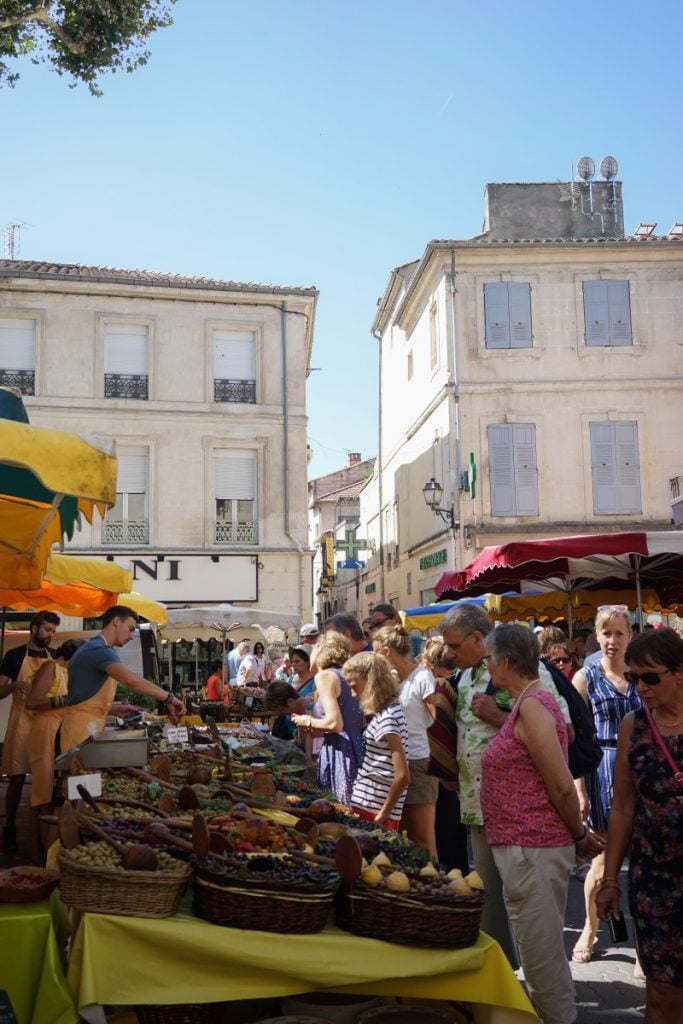
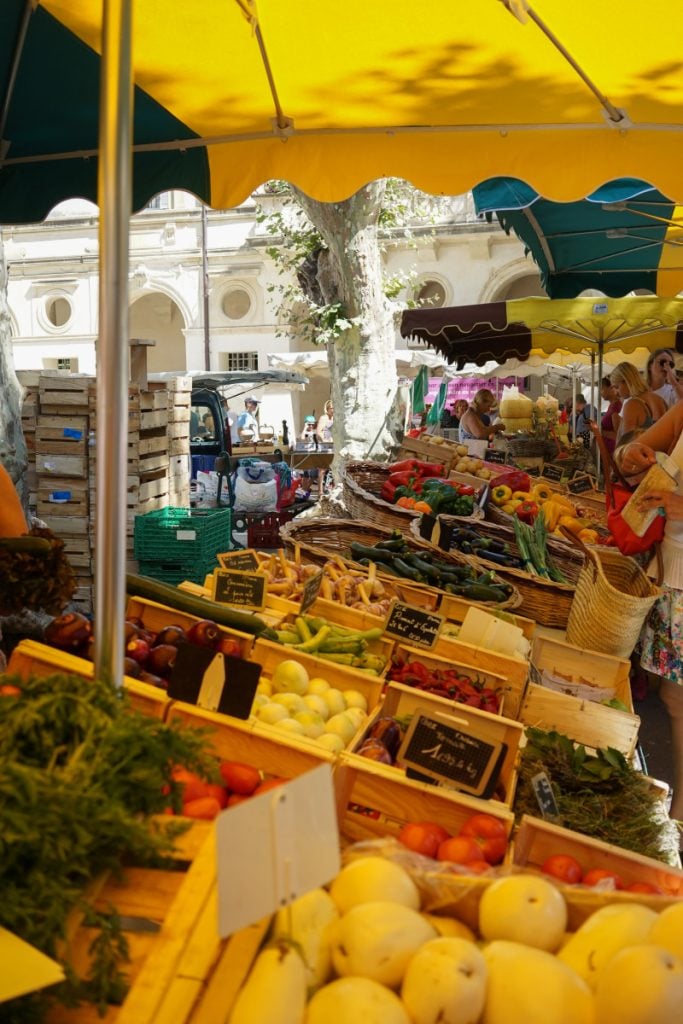
Further afield if you’re ready to venture out of town, there are a few sights within a minute’s drive. The first, and one of the most important is the Glanum archaeological site. In the 3rd century BC, Celto-Ligurian tribes constructed ramparts here. You can now visit the ruins and temple, and there is a tea room.
The second sight is along the Van Gogh Trail, the Saint Paul de Mausole where he spent some time in the 19th century. Today, the manicured gardens and monastery house 143 oil paintings you can see in the space. You can walk the Van Gogh Trail through St. Remy, which takes about an hour to walk through town out to the monastery, where you’ll see guided signs and reproductions of art/inspiration.
For dinner tonight, book in at the always-packed Chapeau de Paille – Bistrot Provençal. You’ll have a lovely taste of regional cuisine in a fun-going space. Of course, end the evening with a walk to Place Favier where there is always a crowd.
Day 2: L’Isle Sur la Sorgue, Rousillon, & Gordes
L’Isle Sur la Sorgue Market Day
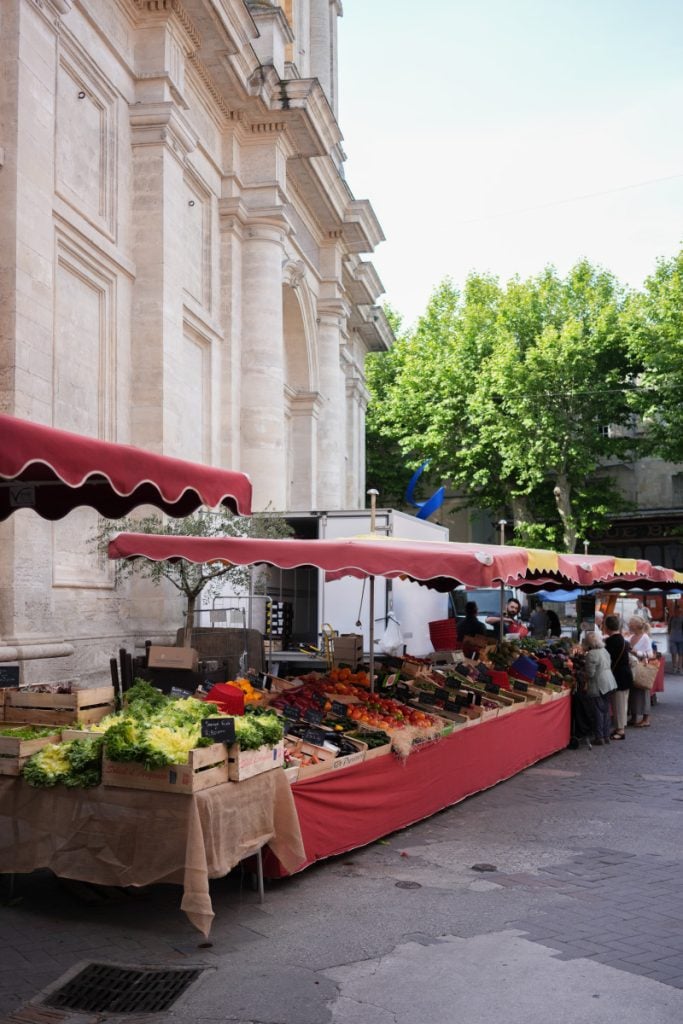
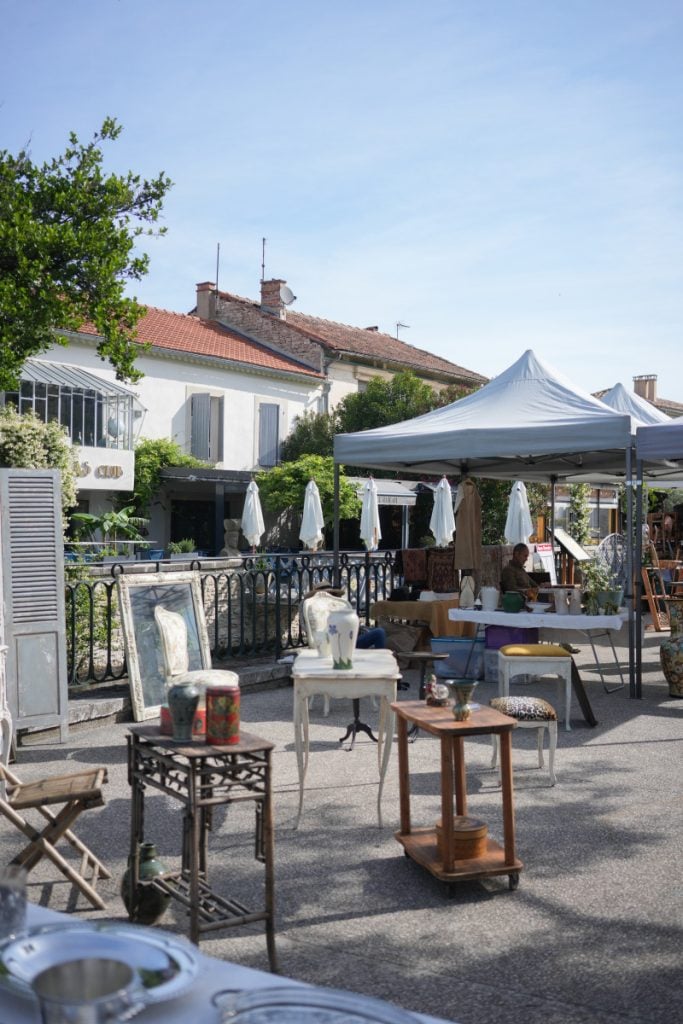
Provence is known for its market days, and there is no better one than the Sunday market in L’Isle Sur La Sorgue. The famous weekend market draws in thousands of visitors for its expansive produce and antique market. Get yourself up early, and try to arrive by 9 am. I like to start at Grand Café de la Sorgue
for an espresso right on the canal.
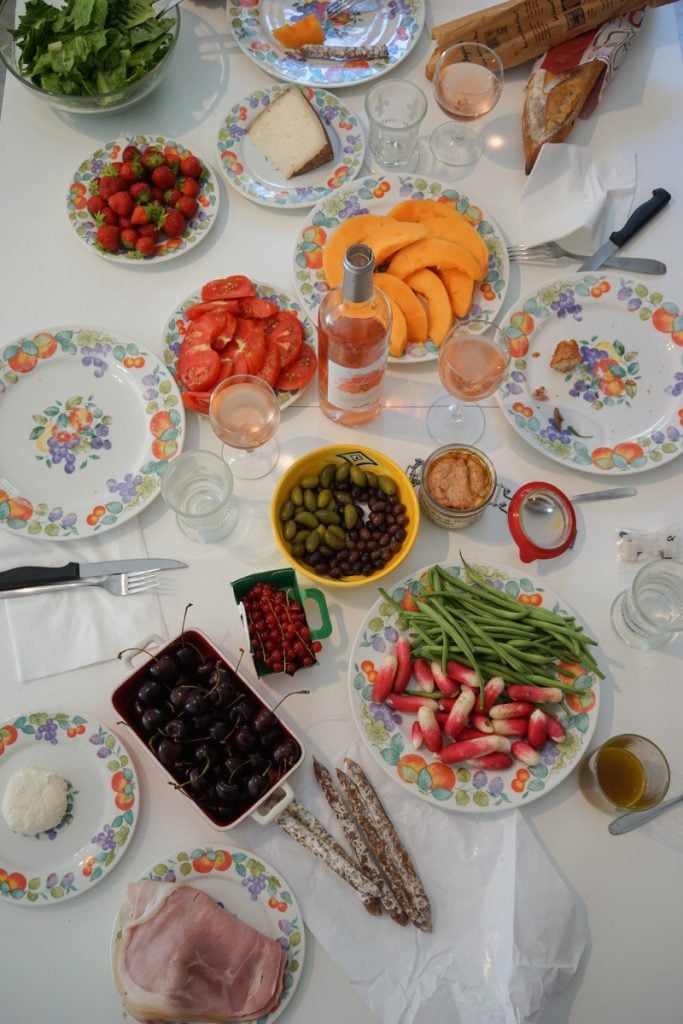
You’ll want at least 2-3 hours to explore the market’s stalls and know that there are two distinct sections. One is the antique part which lines Av. des Quatre Otages on the outside of town. In town, is where you’ll find stalls with regional products, clothes, produce, cheese, and more. Grab a few charcuterie items and make yourself a little picnic.
Rousillon and Shades of Ochre
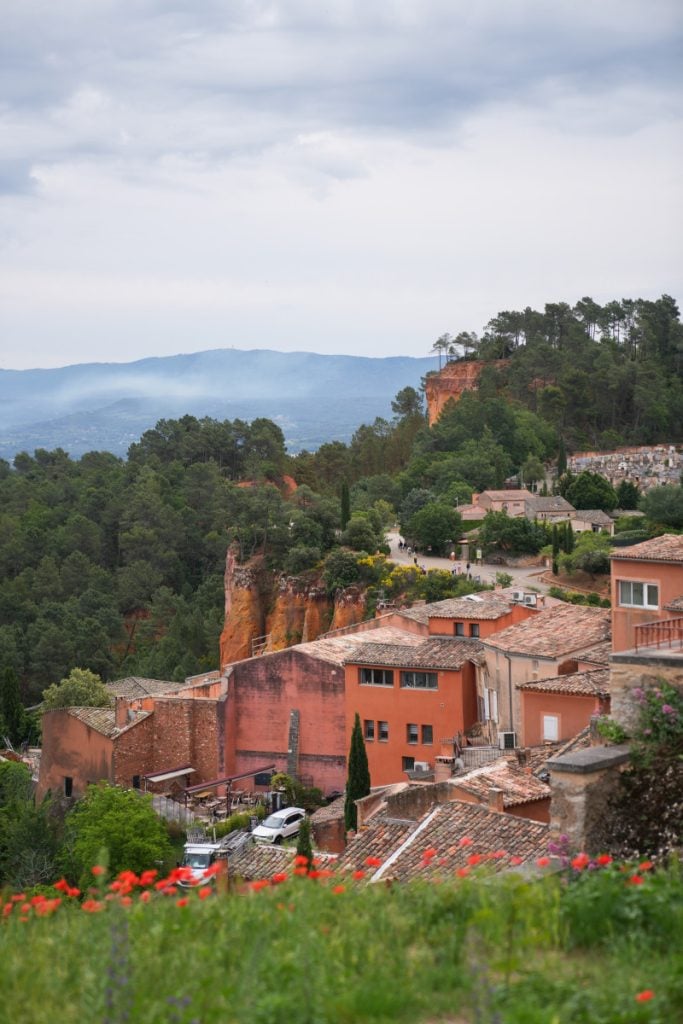
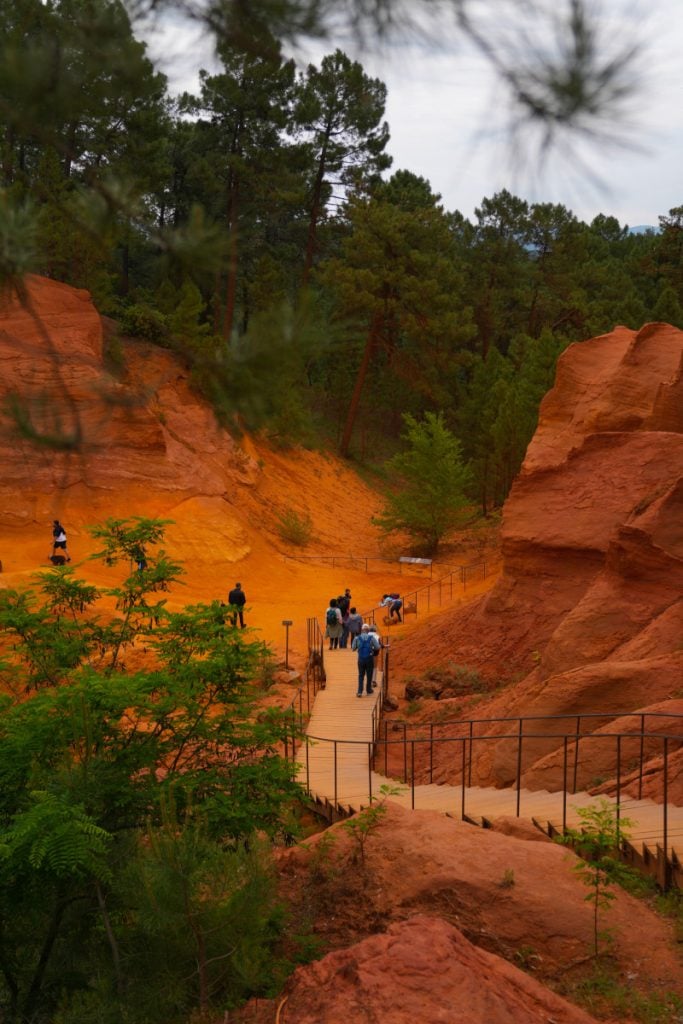
By lunchtime, you’ll be more than done with the crowds, so make the scenic drive into the Luberon. Head to Rousillon, the famous Ochre village that is celebrated for its stunning landscapes and unique geological formations, which have made it a hub for ochre mining since the 18th century. The village itself is quite small, you can see most of it in about 1-2 hours.
If you feel up for it, walk the short Le Sentier des Ocres where two trails take you through the geological formations. Along the way, a favorite find is Ocre Choses, a store that has paint for sale made from the rock and sand in the region.
The Icon of Provence: Gordes
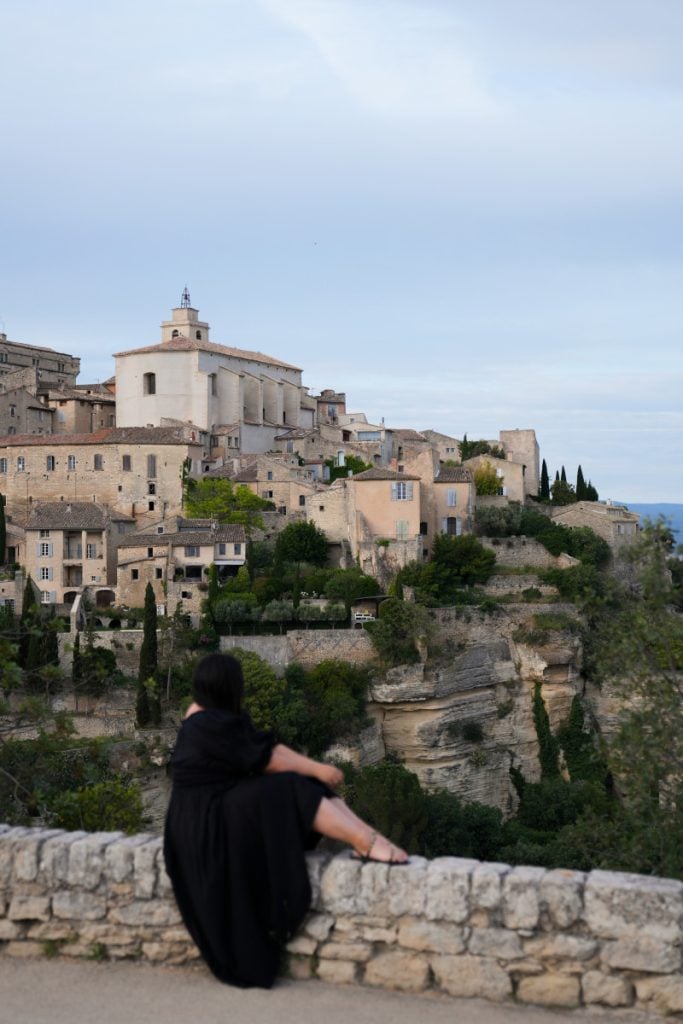
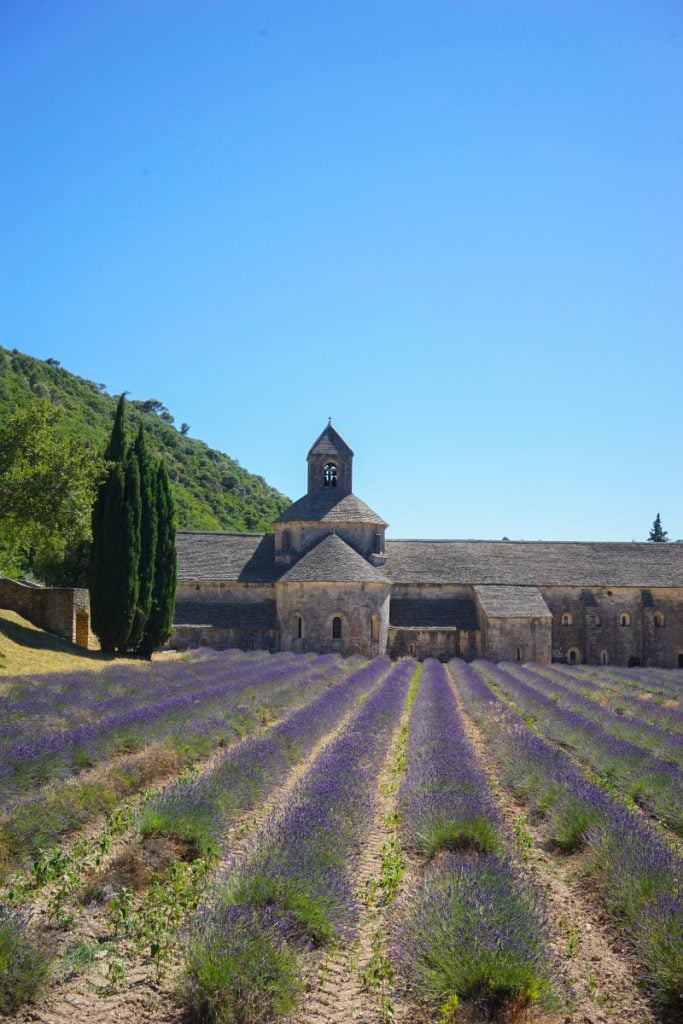
By late afternoon, it’s time to take a short drive over to Gordes. The iconic, jeweled city of Provence. On the way, consider stopping at Abbaye Notre-Dame de Sénanque (closes at 6 pm) for its famed cloisters and lavender fields. You can also stop by the historic Village des Bories, a village made of domed, stone huts in the 18th century.
Now Gordes village, I don’t think there is a better time to arrive than the late afternoon when most tour buses have departed. The village is small, so you’ll see it on foot quite quickly. Stop into shops like Le Miel Peyron, Le GABOUTON Chapellerie, Un weekend a Gordes, Maison Brémond 1830, and Vanille & Lilas.
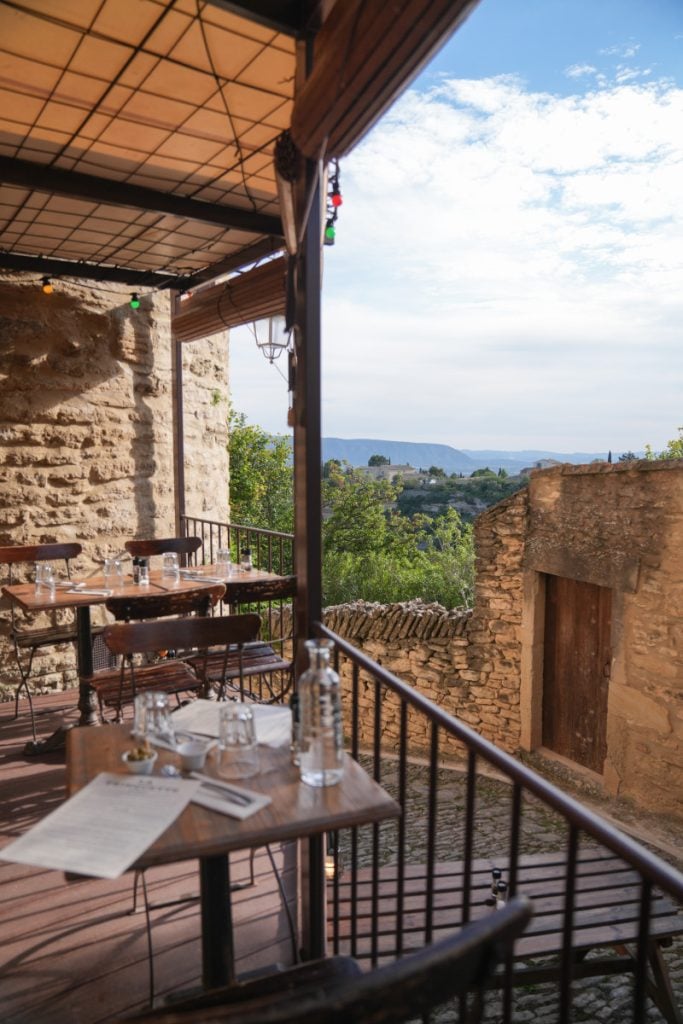
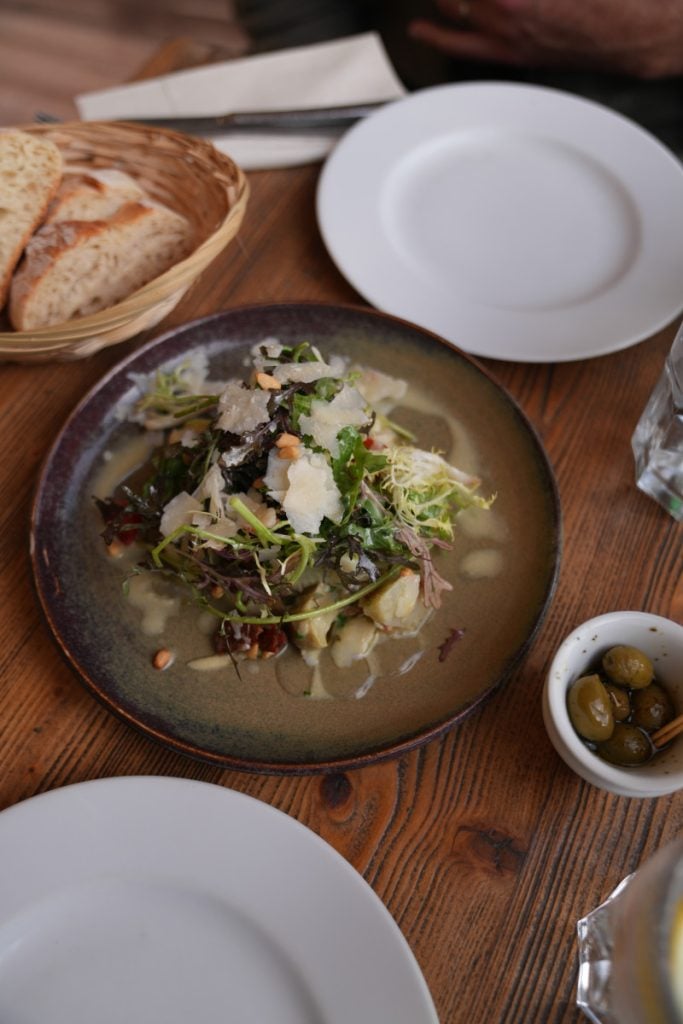
For a great spot with a view, step into the unassuming Le Cercle Républicain which has a terrace overlooking the valley. To end the night, book into La Trinquette, a favorite restaurant in Provence. It’s understated and lovely. And of course, catch the end of daylight at the “Point de vue sur la ville de Gordes.”
Day 3: Avignon & Wine
Pont du Gard Morning
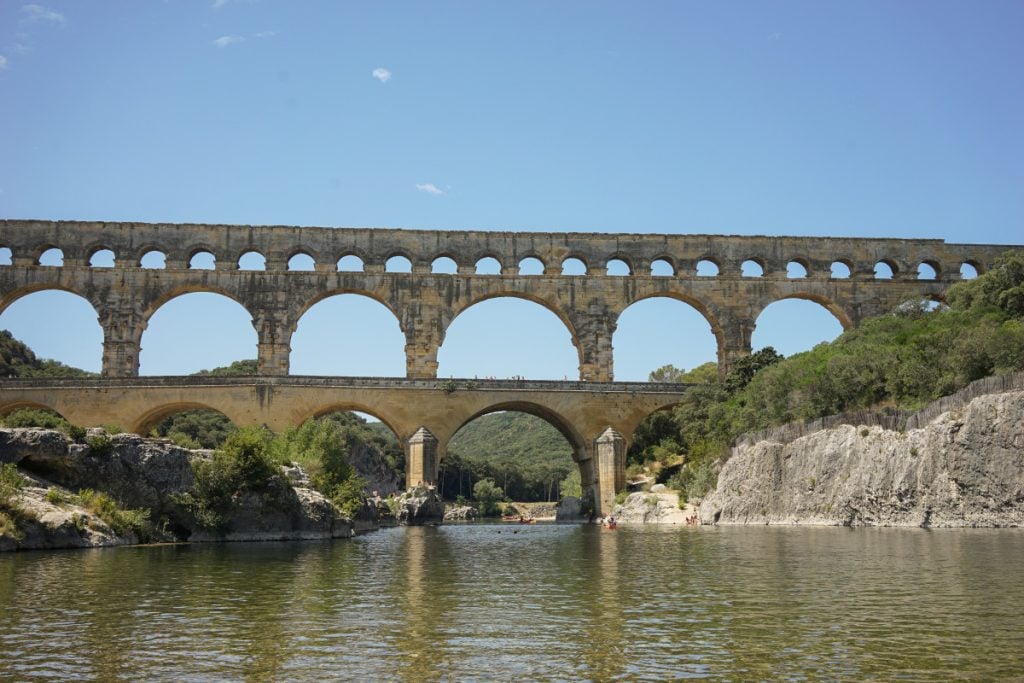
Begin the day in Saint-Remy at the small but tasty Colette coffee shop. You’re embarking further north for another full day out in Provence. Your first stop is the Pont du Gard, an ancient Roman aqueduct, renowned for its impressive architecture. Constructed in the first century AD, it was part of a 50-kilometer (31-mile) aqueduct that supplied water to the city of Nîmes. Today, you can walk to it, jump in the river, and even rent kayaks.
Avignon and its History + Gastronomy
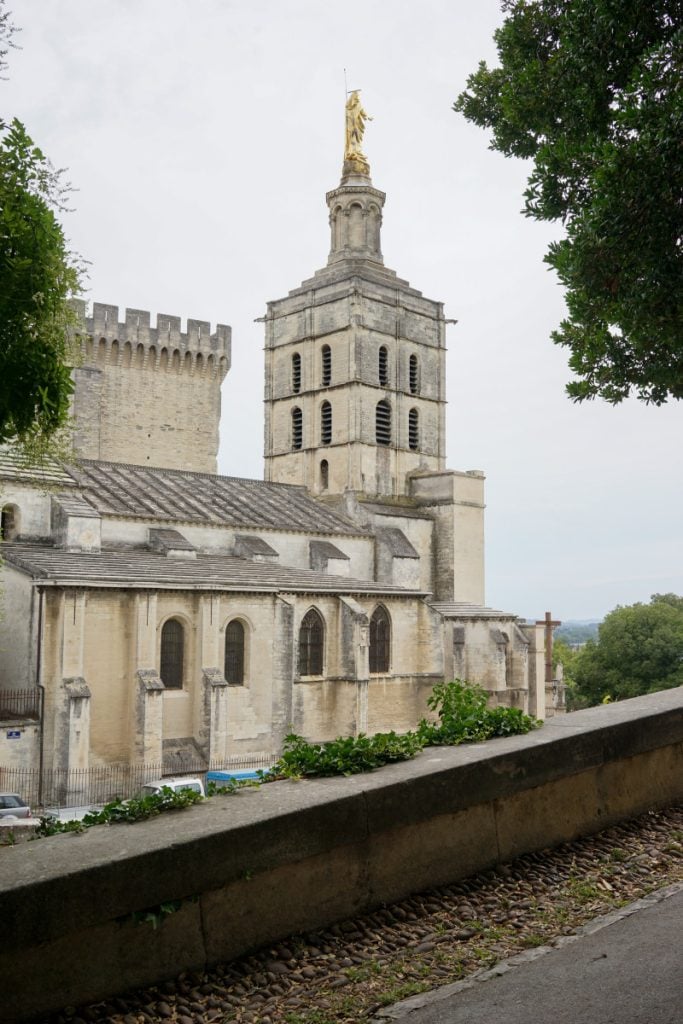
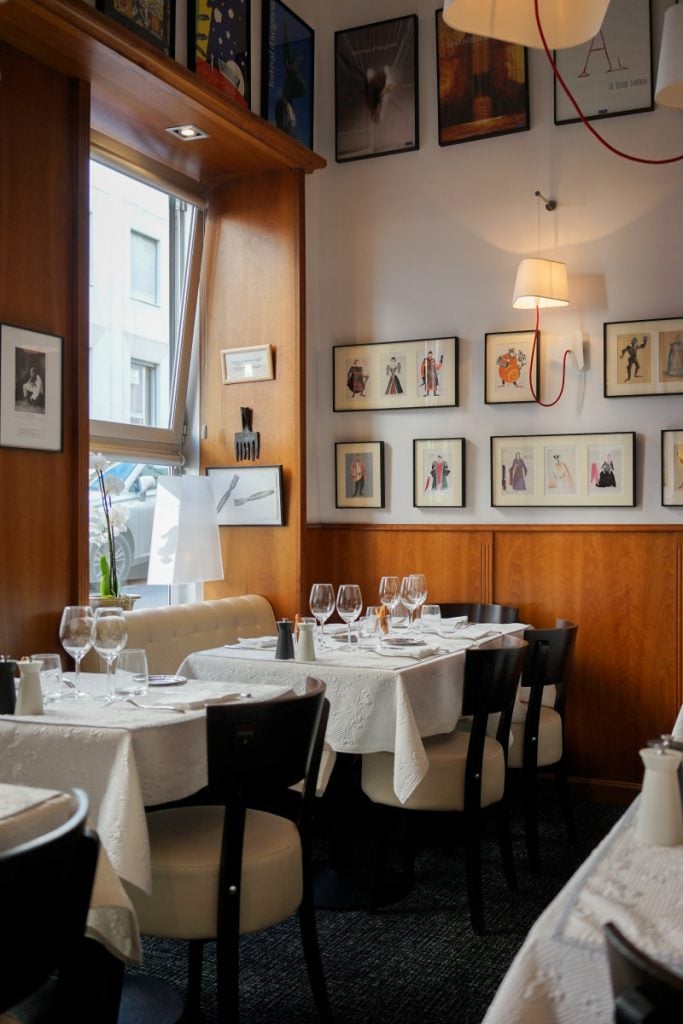
Make your way over to Avignon, one of the top places for two reasons: history and gastronomy. It played a significant role in European history, especially during the 14th century when it served as the seat of the papacy. The centerpiece of Avignon is the Palace of the Popes, one of the largest Gothic palaces in the world and a UNESCO World Heritage Site. It was the residence of several popes during the Avignon Papacy (1309-1377) and features impressive architecture, including grand halls and chapels.
Avignon’s charming old town is filled with narrow streets, lively squares, and beautiful squares. Highlights include the Place de l’Horloge, where locals and visitors gather, and the stunning Avignon Cathedral. Make your way to Les Halles d’Avignon, where you’ll get a glimpse of local life in the bustling food market. This is where your gastronomy adventure begins.
Avignon is home to incredible Michelin-starred restaurants. Two of the more notable are La Mirande and Pollen, both worthy of a slow lunch. If you want something equally incredible but more low-key, book in at Fou de Fafa.
Wine Away
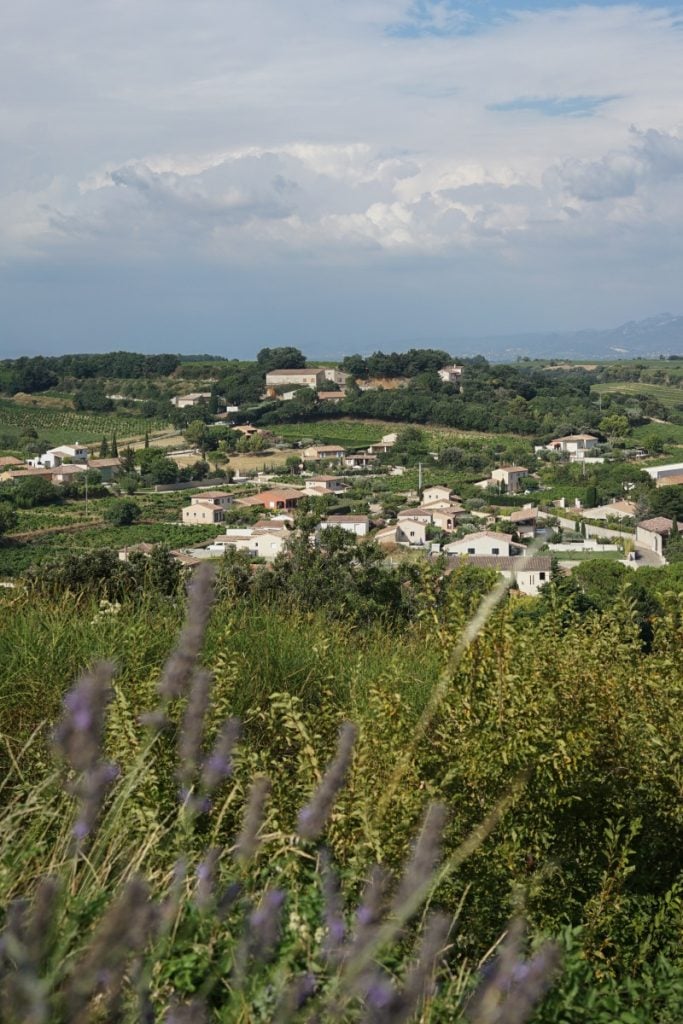
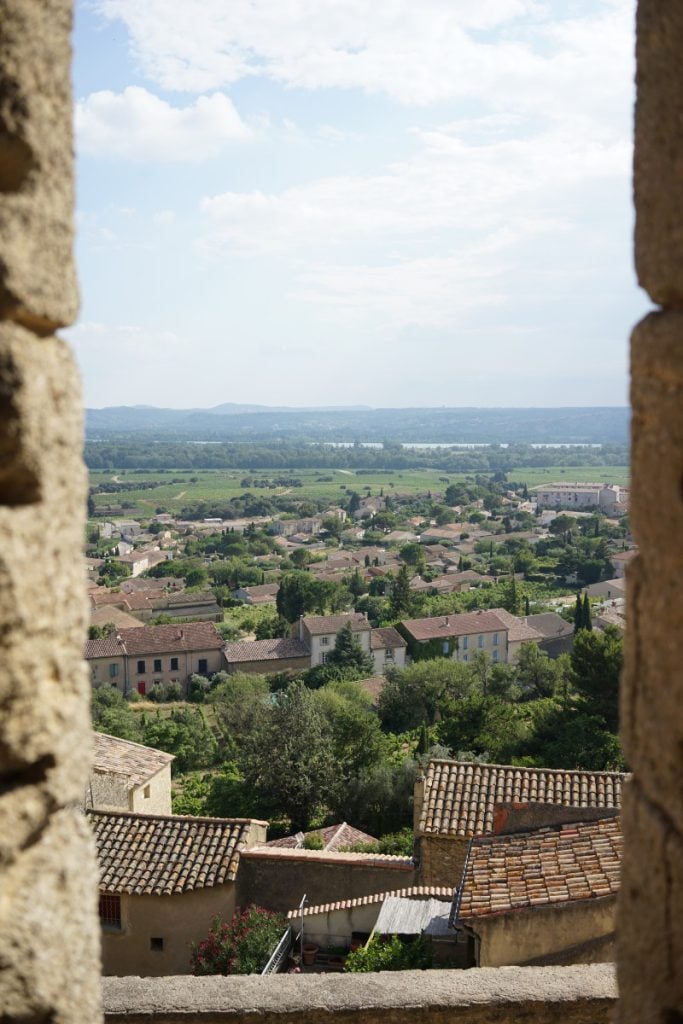
Didn’t think I would exclude wine? Well, you’re within earshot of the famed Chateauneuf-du-Pape region in Provence. Where you go depends on your palate, but I’ll point you to a few spots to consider wine tasting. Clos des Papes, Château du Beaucastel, and La Barroche are a few to consider. On your way back to Saint-Remy, consider another fine gastronomic experience at Le Pré Gourmand in Eyragues, one that keeps getting a lot of press for its experience.
Day 4: Hilltop Thimble Villages to Lourmarin
Hilltop Thimble Villages
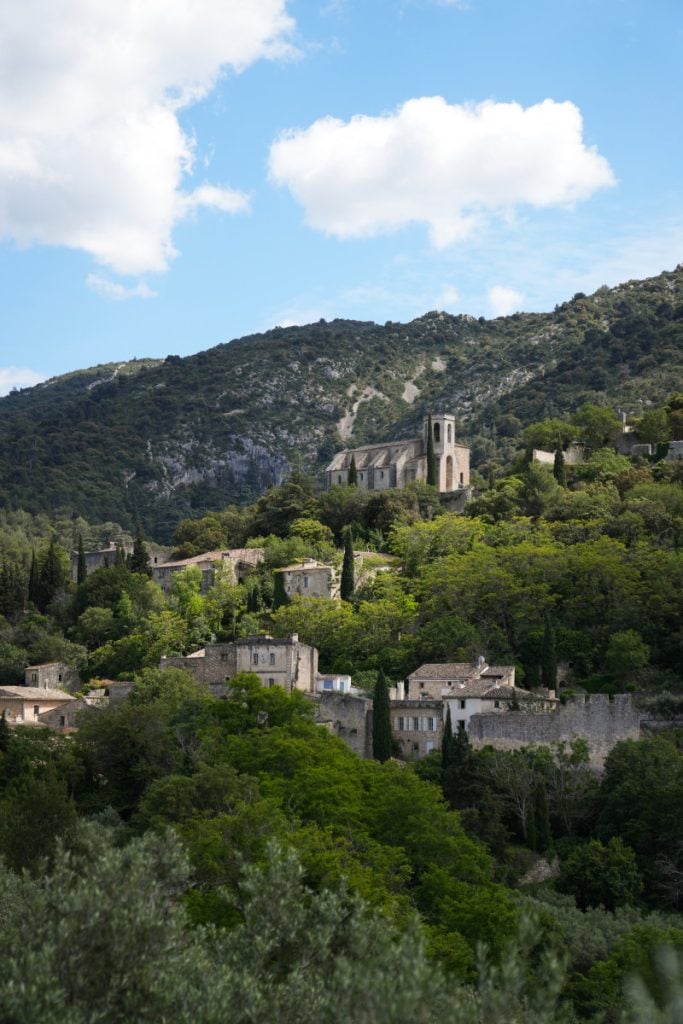
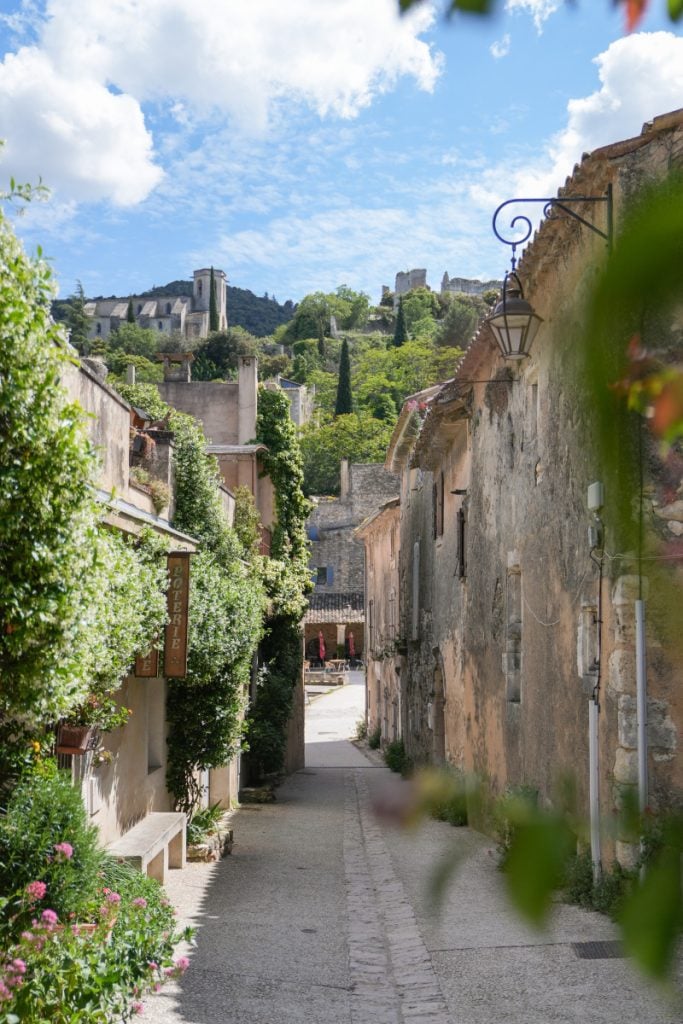
I call these villages the thimble villages as they’re each so small in size. It’s Oppède, Ménerbes, Lacoste, and Bonnieux. Each offers something a bit different, and if I could pick just two to visit during the days touring, it would be Ménerbes and Lacoste.
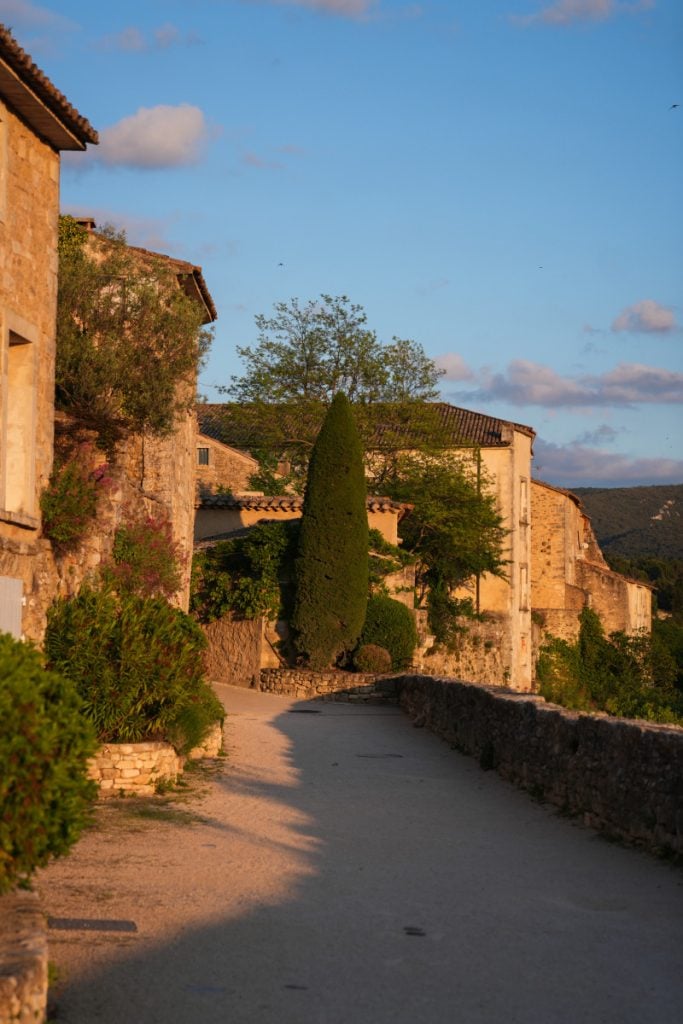
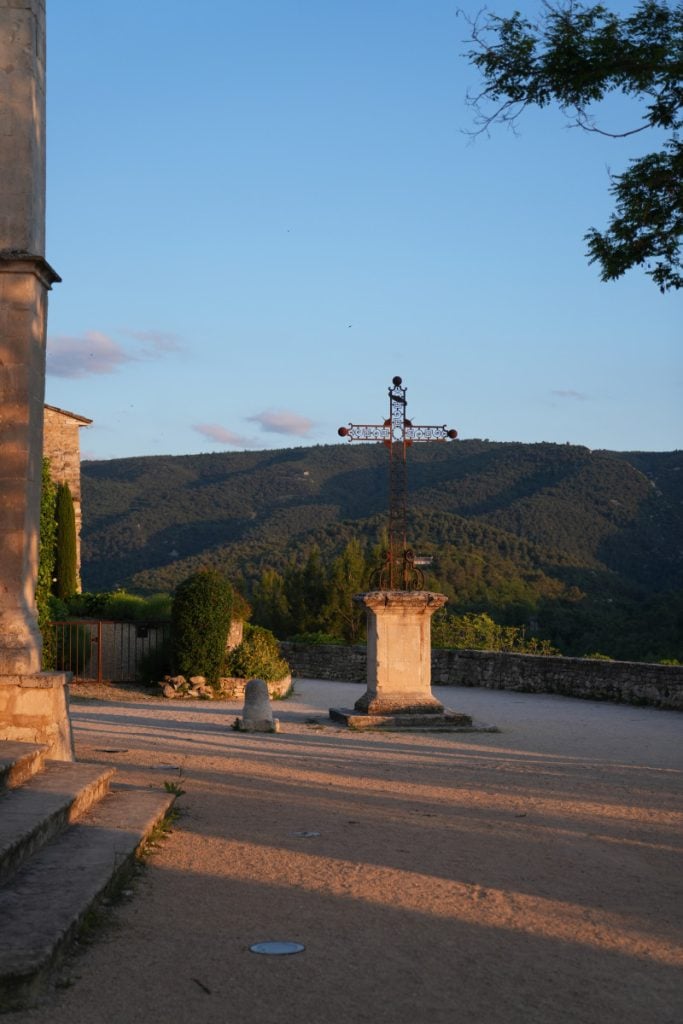
Ménerbes has a surprising amount of things going on given its size. I think it’s a nice spot to start the road trip in Provence with a morning stroll through the village. Café du Progrès or Chez Auzet are good spots for a cup of coffee and a quick bite to eat. After, take the climbing walk up to Eglise Saint Luc for incredible views over the valley.
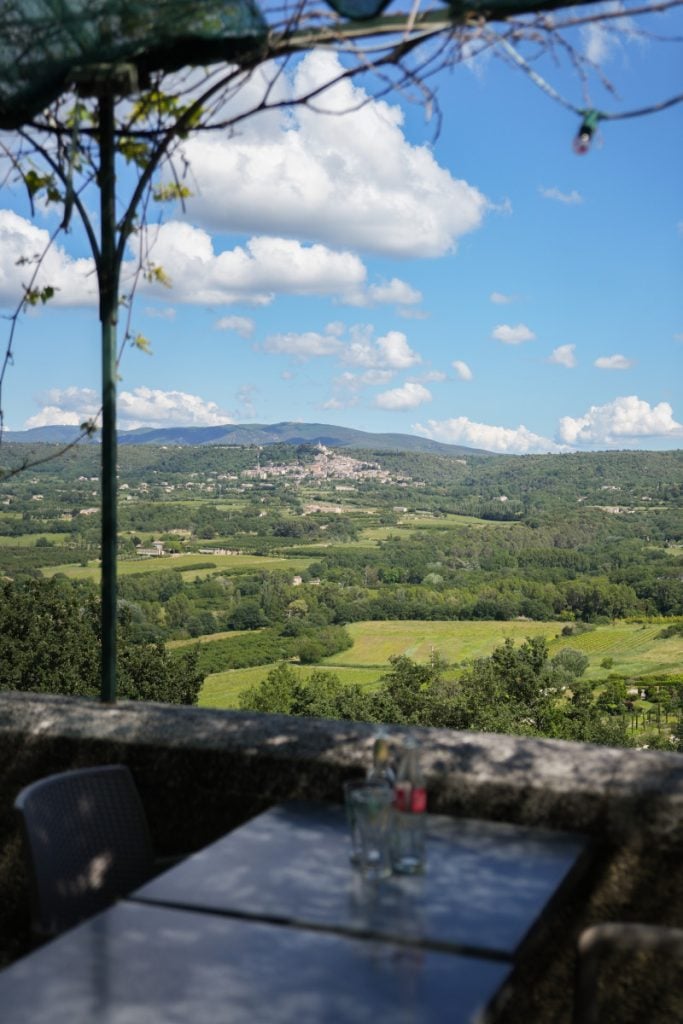
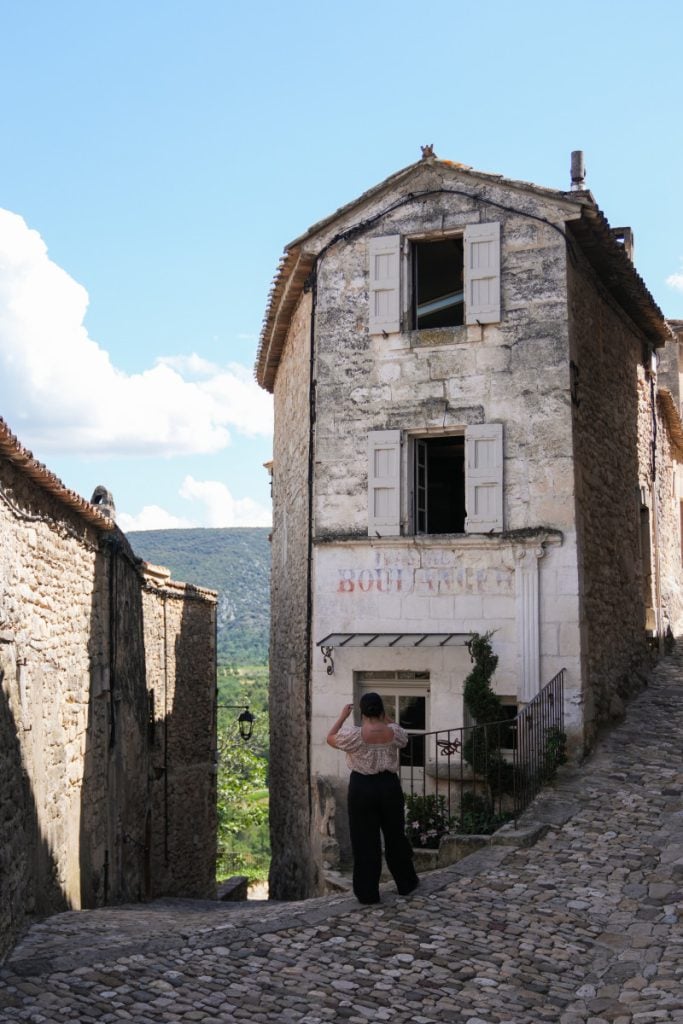
Next, head over to Lacoste, another one of those villages that has a lot more to offer than just what meets the eye. Stroll the steep cobblestone paths that lead up to Château de Lacoste, the ruined castle at the top of the village. After, step into the SCAD FASH Museum, an outpost in Provence of the uber-popular SCAD location for its shop and small space. And end your time in Cafe de France for an incredible view and a simple meal.
Further Afield to Lourmarin
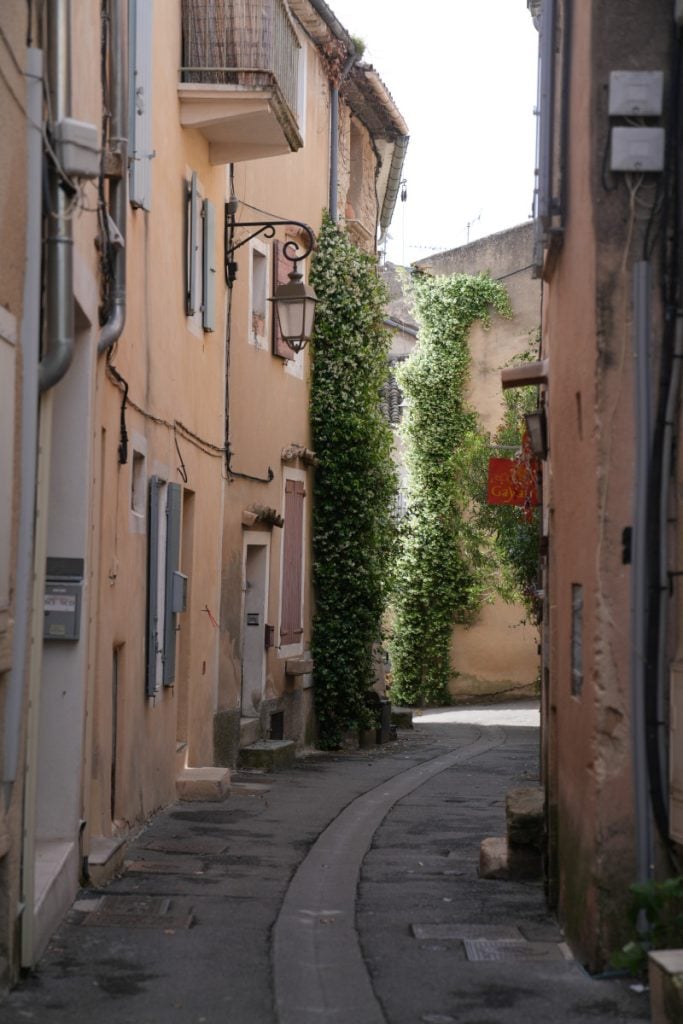
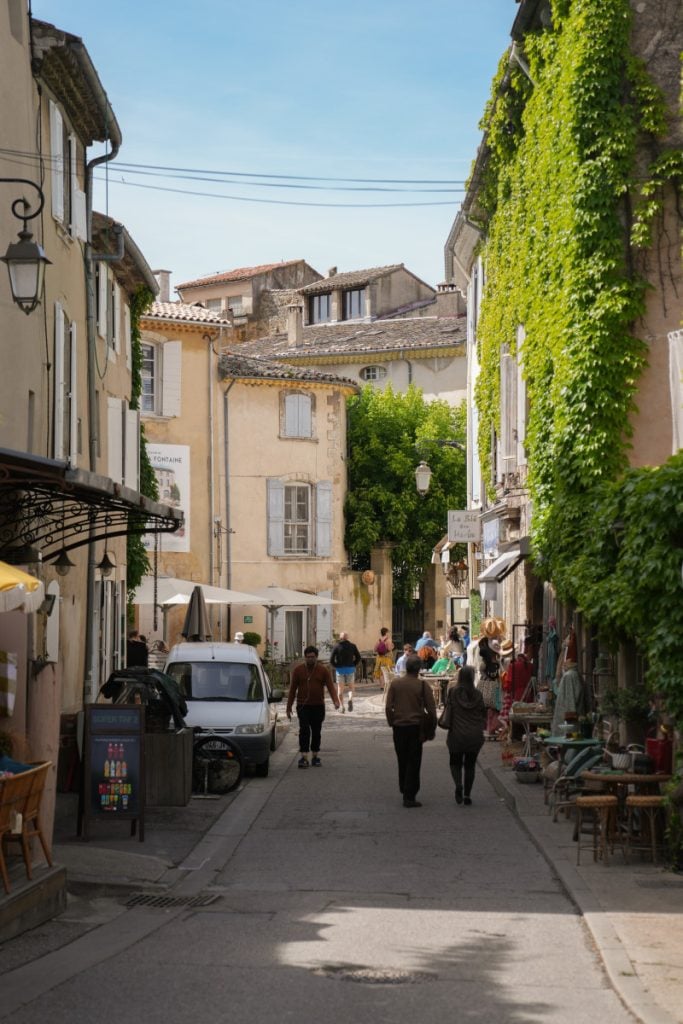
Continue your drive over the Luberon Mountains to one of my favorite villages in Provence: Lourmarin. It’s an idyllic spot, feels very authentic, and packs a hit list of things to do. Start with time strolling the winding streets lined with plane trees that are packed with boutiques and art galleries.
I loved a local ceramicist named Pierre Busson at his shop Atelier Buisson Kessler. A few other standout shops included Le Village de Pierre et Céline, Les Commissions du Moulin, Boutique l’écrin, and Polette Lourmarin. One other sight worth visiting is the Renaissance Château de Lourmarin just a few minutes out of town.
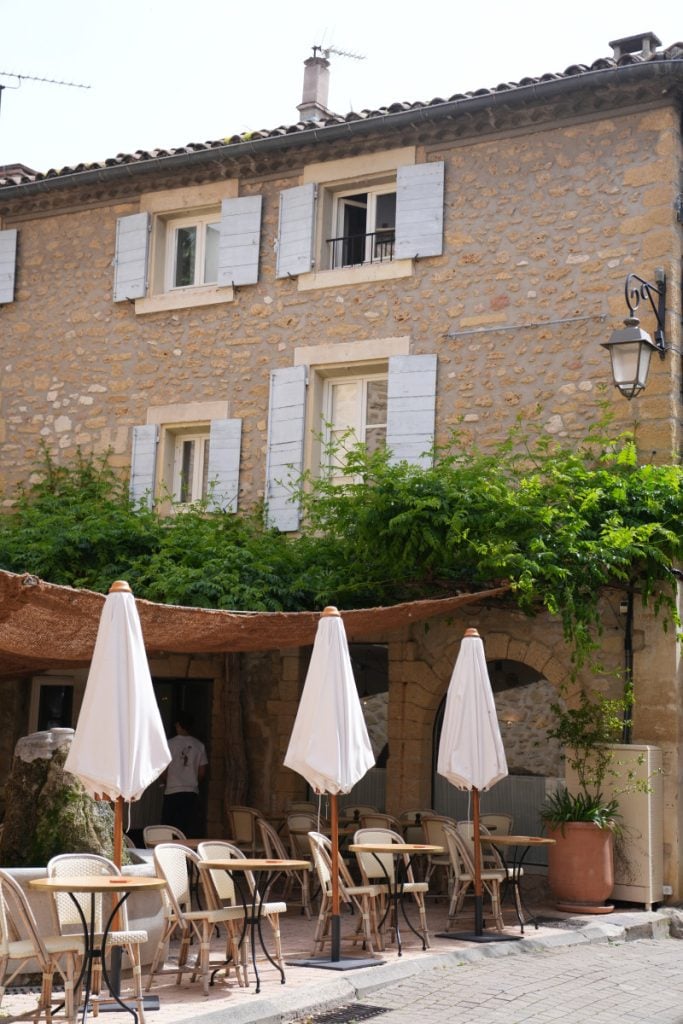
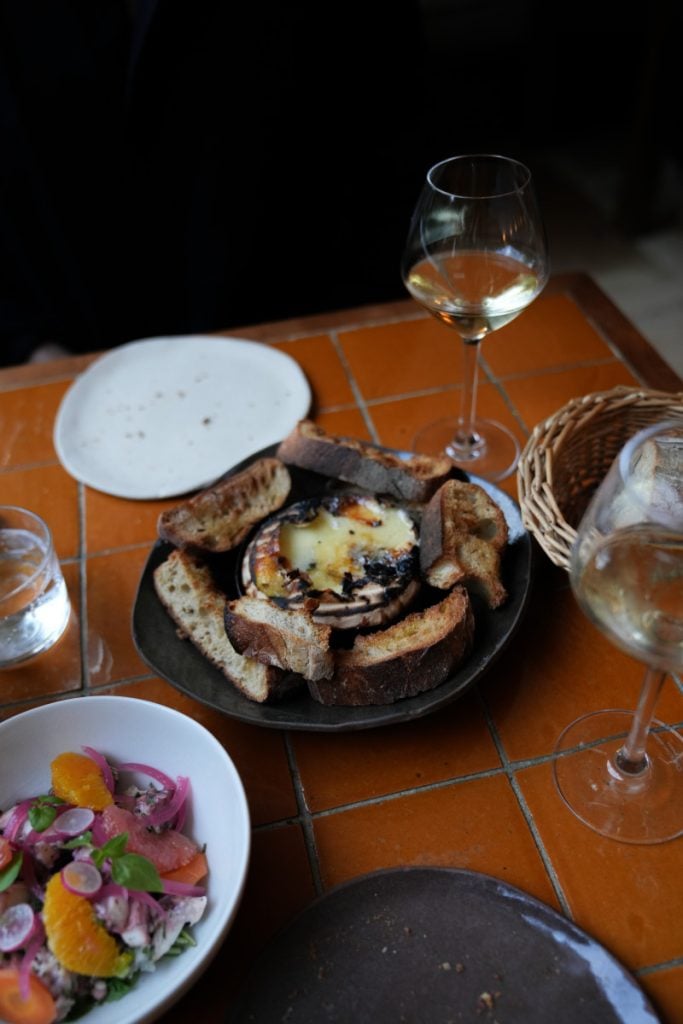
For dinner, snag a reservation at Bacheto inside Le Moulin, a Beaumier Hotel (definitely would consider a few nights here to add on!). It’s a Mediterranean-inspired dinner with a wood-fired oven that serves small plates and proteins from the region. The roasted camembert is something I will dream about for a long time.
Day 5: Head to Cassis
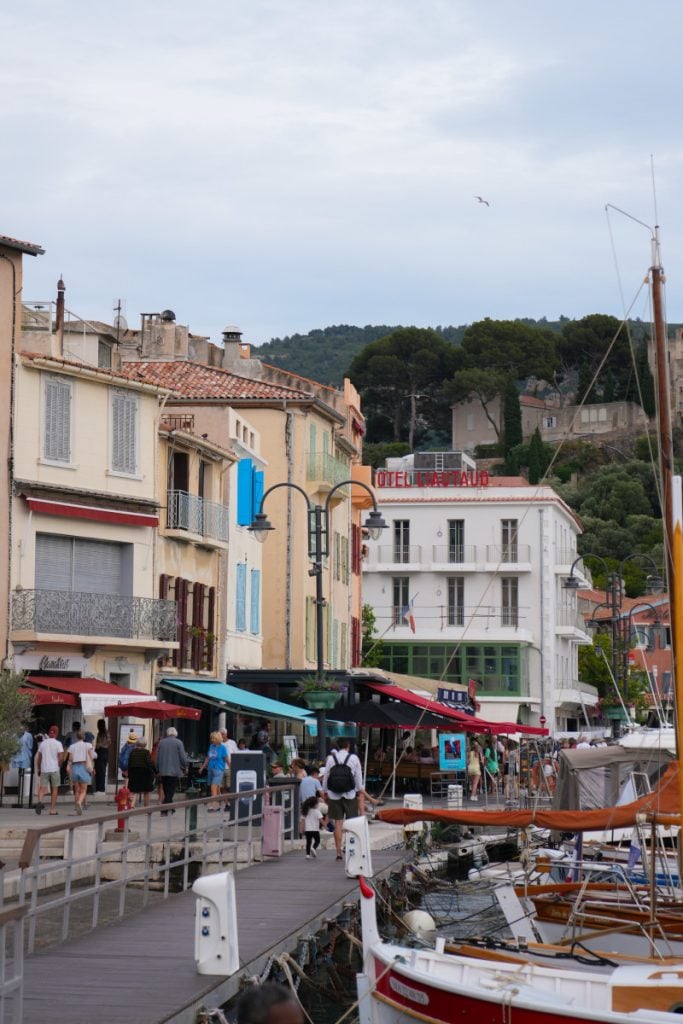
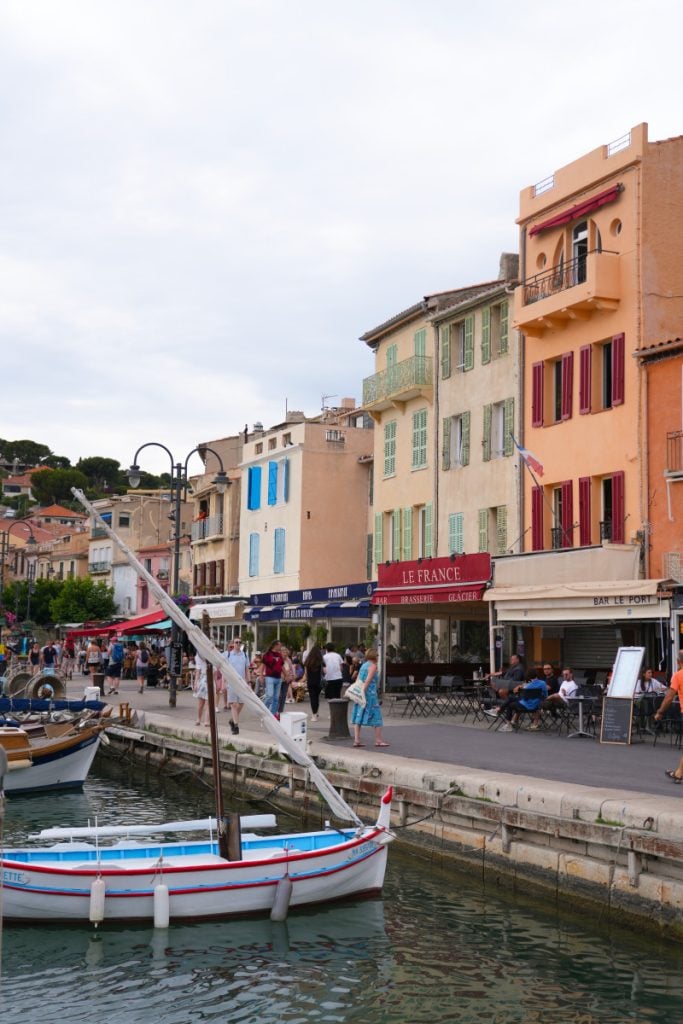
Your Provence road trip continues on to the coast. It wouldn’t be a trip here without a few nights on the Med. One gem I always point visitors to stay in is Cassis — the colorful, seaside port village. It’s bustling with energy, close to hiking trails, and has a few lovely beaches.
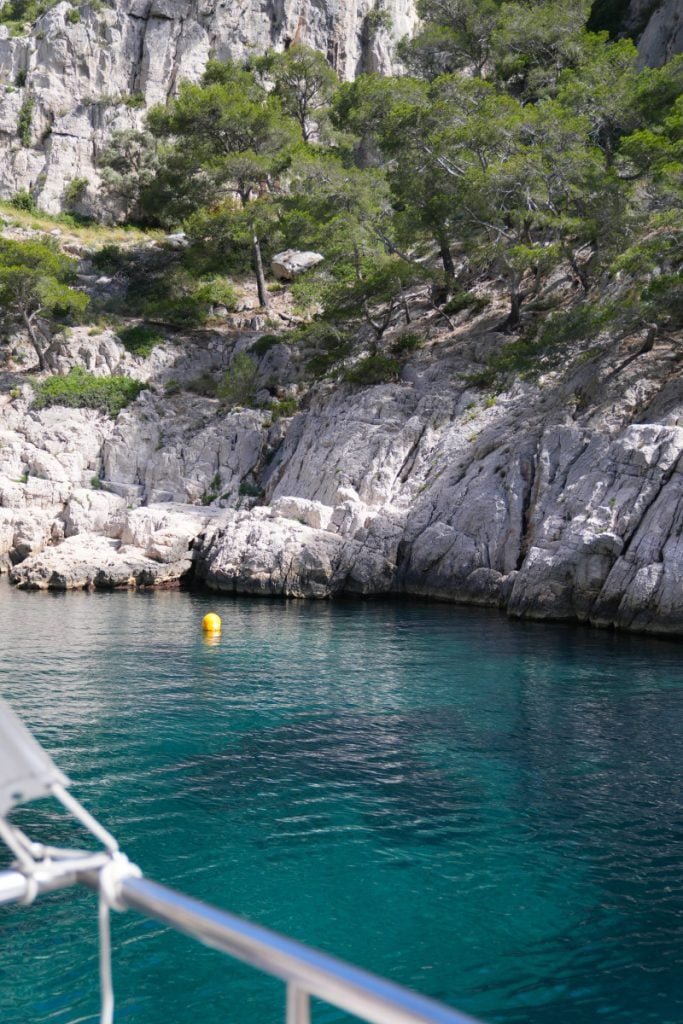
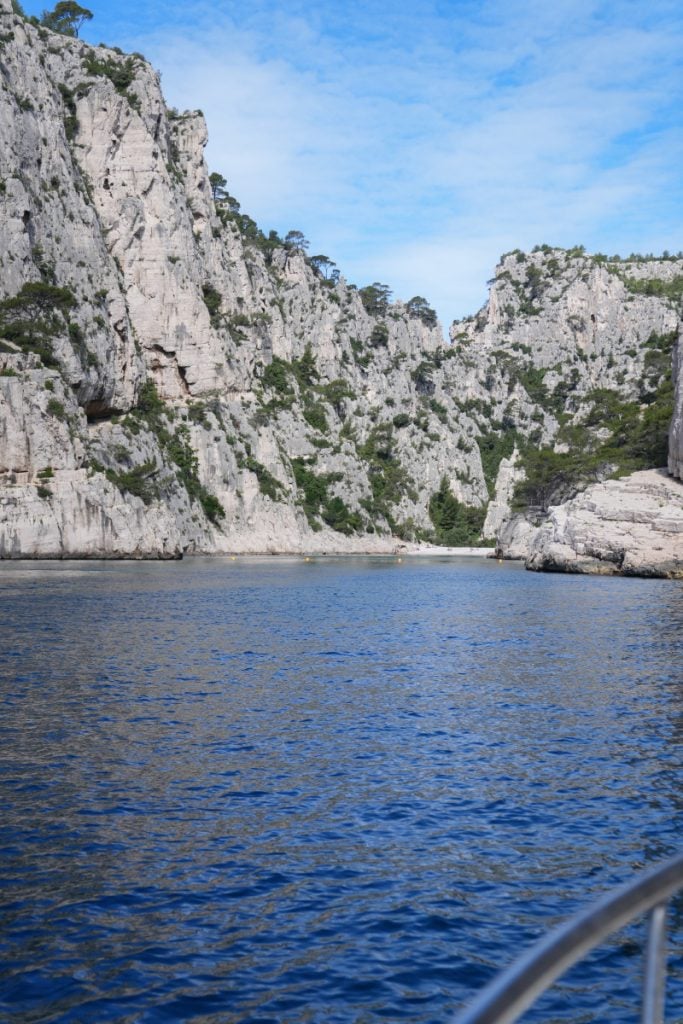
Arrive in town in the early afternoon, get settled in, and head for the ocean. I would start your time with a scenic boat ride along the water to the Calanques. You can book last-minute at La Visite Des Calanques and opt for 3, 5, 8, or 9 calanques. They sell tickets 30 minutes before departure, and you’ll have a scenic view of the coast to Marseille.
When you return, book for dinner at La Nonna D’oro, a French restaurant on the port that serves regional food. Their fresh fish and pasta were some of our favorites during the trip. Afterward, you have to try a “cassis” (black currant) ice cream, you are in Cassis anyway. Snack des Calanques is where we usually get one and go for a stroll.
Day 6: A Day in Aix-en-Provence
A Half-Day in Aix
While many like to stay in Aix-en-Provence, I think it’s nice to stay on the coast and road trip over. It’s about a 40-minute drive in the morning from Cassis, so begin your journey over there to spend the morning to early afternoon. When you arrive, there are a few things to do in town.
Explore Cours Mirabeau, the tree-lined avenue that is perfect for people-watching, shop-hopping, and grabbing a coffee. Step into the Saint-Sauveur Cathedral with Romanesque and Gothic architecture. If you’re into art, Granet Museum is a must — it’s the home to many Cézanne pieces, as well as Picasso and Rembrandt. After wandering the Old Town, see the historic Hôtel de Ville where the beautiful clock tower is. NIRO by Le Gambetta is a fan favorite for lunch.
Return to Cassis
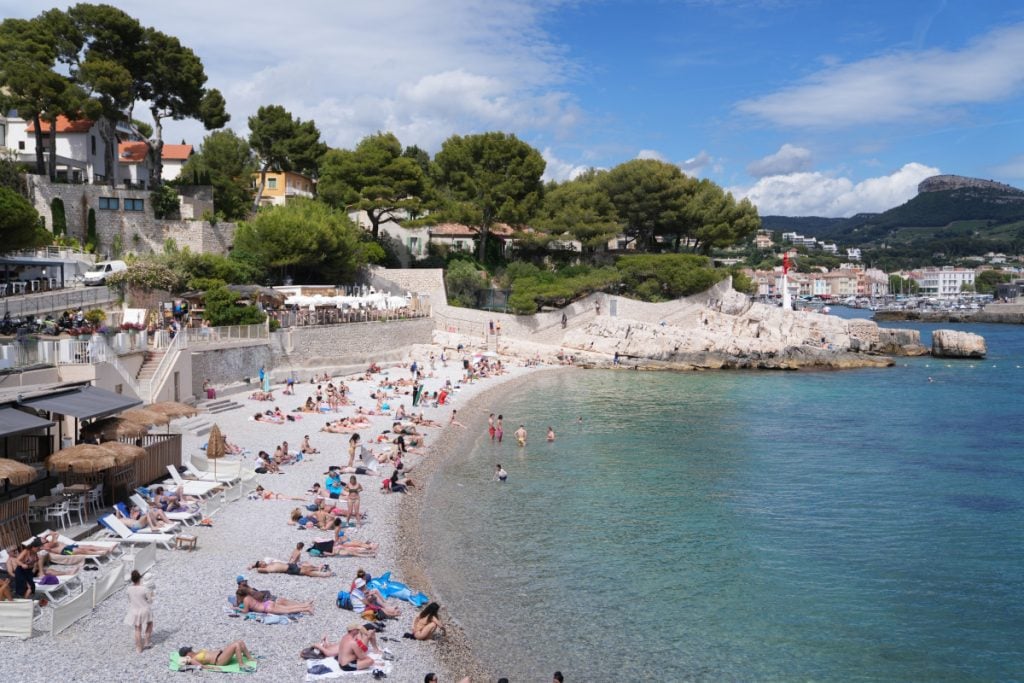
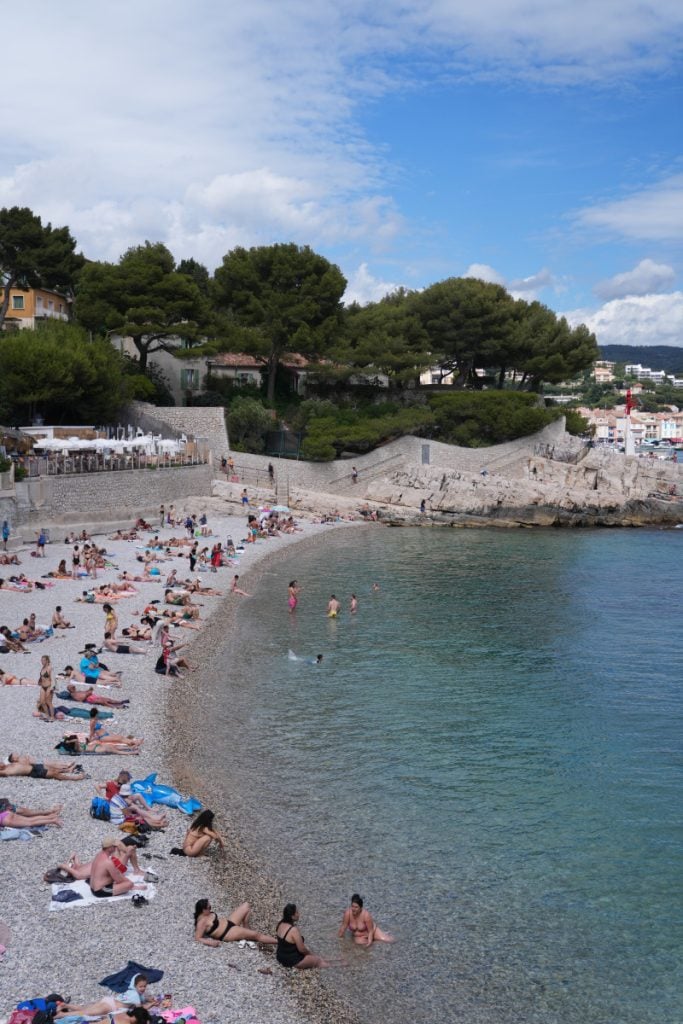
I don’t think there’s a better way to rest the body than a beach day in Cassis. The rocky beach, Plage du Bestouan, is where the locals like to hide out, and for good reason. The same same beach club opened up just above, so you’re never too far from refreshments but also tucked away from the crowds of town.
After your time at the beach, make your way over the top of town to a bit of a hidden treasure. An offshoot of the Michelin-starred restaurant, La Villa Madie, is La Brasserie du Corton. Equally delicious and easier on the wallet, you can’t beat the view from here.
Day 7: Cassis – Departure
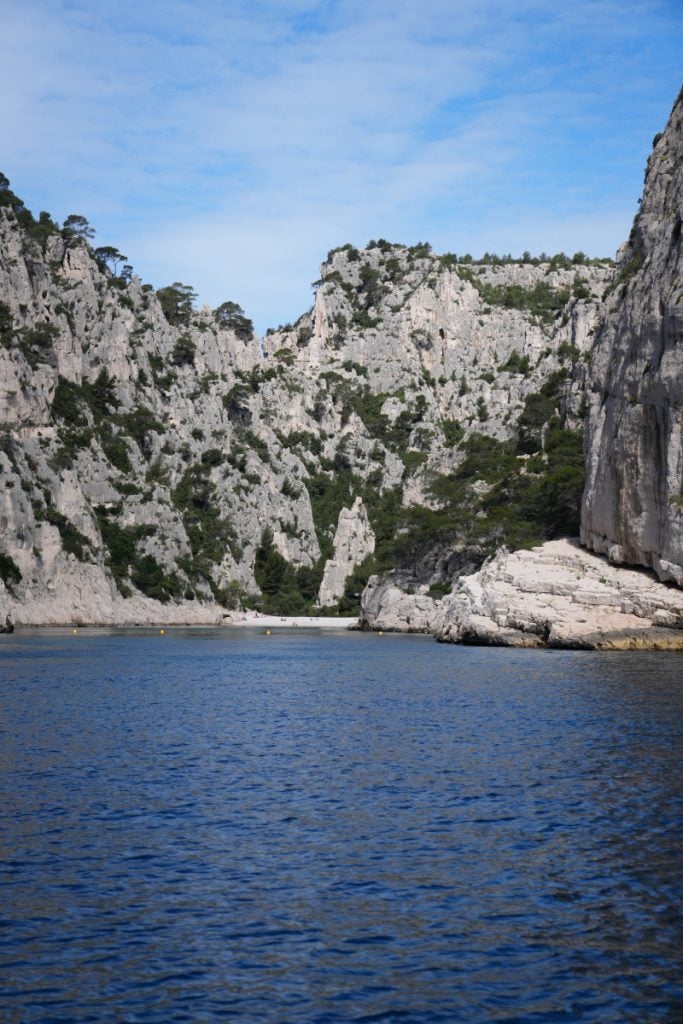
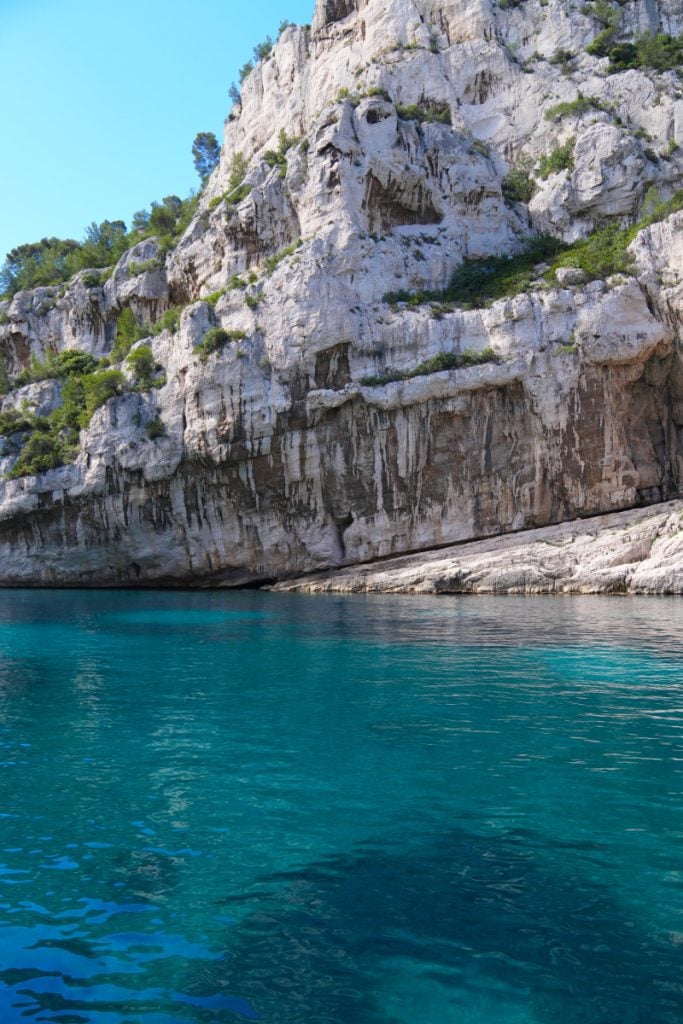
Depending on the time of your departure, you may have time for one more iconic thing to do. The hike to the Calanques of Cassis. It’s necessary to depart early before the high sun as the trails have no shade but in return, the azure waters of the hidden beaches.
Located between Cassis and Marseille, the Calanques are a series of rocky inlets and fjords renowned for their natural beauty. One popular route starts at Calanque de Port-Miou, approximately 3 km (1.9 miles) round trip, which offers relatively easy hiking with beautiful views of the harbor and leads to a peaceful beach perfect for swimming.
For those seeking a bit more adventure, the trail to Calanque d’En-Vau, about 8 km (5 miles) round trip, presents moderate to challenging terrain, rewarding hikers with breathtaking scenery of steep cliffs and a stunning beach ideal for a refreshing dip.
Other Places to Add to Your Visiting List
- Arles enchants with its well-preserved Roman ruins and vibrant artistic heritage, famously inspiring Van Gogh and housing the stunning Arles Amphitheatre, a UNESCO World Heritage site.
- Nîmes boasts its own impressive Roman legacy, featuring the iconic Maison Carrée and the majestic Pont du Gard, a breathtaking aqueduct that stands as a testament to ancient engineering prowess.
- Marseille, France’s bustling second city, pulses with Mediterranean energy, offering a rich tapestry of cultures, a picturesque old port, and culinary delights that showcase the region’s fresh seafood and aromatic herbs.
- Toulon, with its stunning harbor and dramatic coastal scenery, invites visitors to explore its charming streets, historic naval base, and the nearby Calanques National Park, where azure waters meet rugged cliffs.
Save This Post for Later on Pinterest
PS — Are You Booking a Trip Soon? Use My Booking Checklist!
These are the sites I use most to book my own trips. Using the links below is a great way to support Bon Traveler’s travel journalism at no extra cost to you. If you need help organizing your itinerary, get my free travel itinerary template here.
1. Book Your Accommodations
I use Booking.com for hotels and Airbnb for vacation rentals. They have the biggest inventory and consistently offer the best rates.
2. Book Your Rental Car
Self-driving is the best way to explore most destinations. I use Discover Cars for our rental cars, select full coverage insurance, and opt for a reputable company like Alamo, Hertz, or Sixt.
3. Book Your Tours & Experiences
I use Viator, Airbnb, and Get Your Guide to find the best tours and experiences. They are my favorite tour search engines. I always check all three as their inventory varies depending on the destination.
4. Book Your Private Transfers
For easy, reliable private transfers, I use Welcome Pickups. It’s my go-to for arranging a driver in advance — whether it’s an airport pickup, a hotel-to-hotel transfer, or a day trip. The experience is seamless, with English-speaking drivers and upfront pricing, so you can travel stress-free at every stage of your trip.
5. Get Cell Data for Your Trip
I use Holafly for international cell data. Their unlimited data eSIMs are easy to install, activate instantly on arrival, and let you skip local SIM cards and expensive roaming fees.
6. Don’t Forget Travel Insurance
I never leave the country without travel insurance. It provides comprehensive protection in case anything goes wrong (ie. illness, injury, theft, or cancellations).
My favorite companies that offer the best coverage and rates are:
- World Nomads (best for all-around)
- Safety Wing (best for frequent travelers)
Xx,
Jessica