After visiting Rome two times back to back in six months, I’ve put together the ultimate Rome itinerary for 3 to 4 days for first timers. It’s the very best of my trips, condensed into a smart itinerary that maximizes the best hours of the day to visit the sights and enjoy slow afternoons exploring the city. Rome is absolutely a city you’ll want an advance plan for, so I’m sharing all of the tips for a smooth trip.
Rome is one of those places I feel like you could visit a dozen times, as there is just so much history, art, and local culture to soak in. But on a first-time trip, there is definitely a short list of places that are a must-see. Places like the Vatican, Colosseum, and Borghese Gallery are up there, alongside some iconic trattorias and eateries in the city.
As someone who is a serial researcher (I’ve now planned three trips to Rome, my first was canceled in 2020), and spending nine days in the city over two different trips, I’ve taken all of my experiences into this itinerary. I am a practical traveler who loves the whimsical discoveries of a trip — so I plan the parts that need planning, and give space to stroll around and discover a city.
So I hope that as you read this guide, it will help you plan your time in Rome in an efficient way, making the most of your days there. I have tips on the best guided tours for the important sights, how to use the day to your advantage for fewer crowds, and the restaurants you’ll want to book in advance. Read on for my guide on how to spend 3 to 4 days in Rome.
Short on Time? Here is the Ultimate Rome Itinerary (3 Days):
Where to Stay
The best neighborhoods for exploring Rome’s major sights are the Centro Storico, Regola, and Monti.
- Centro Storico (Trevi to Pantheon), for first-timers who want to walk to the iconic sights
Palazzo Talìa ($$$ / Where I Stayed), Orient Express La Minerva ($$$$), Portrait Roma ($$$), G-Rough ($$$), Hotel dei Barbieri ($$), or a 1 Bedroom Apartment Steps from the Pantheon - Regola, for piazzas, shopping, and some of the best restaurants in the city
Hotel De’Ricci ($$$), DOM Hotel ($$$), Nomos Hotel ($$), or a 1 Bedroom Apartment on Campo de’ Fiori - Monti, for a laid-back local neighborhood near the Colosseum
Casa Monti ($$$), The Fifteen Keys Hotel ($$), or a 2 Bedroom Apartment in Monti with Timber Ceilings
Day 1: The Colosseum, Roman Forum, and Monti
- Morning: Start with a guided tour of the Colosseum, Roman Forum, and Palatine Hill with Walks of Italy for Arena Floor access and a skip-the-line entry into the Forum.
- Afternoon: Walk over to Monti for sandwiches at Mizios Street Food or Mercato Rionale, gelato at Fatamorgana, and a stop at Basilica di San Pietro in Vincoli to see Michelangelo’s Moses.
- Evening: Sunset drinks at Gigi Rigolatto on the rooftop of the Orient Express, followed by dinner at Roscioli Salumeria con Cucina near Campo de’ Fiori.
Day 2: Centro Storico, Regola, and the Borghese Gallery
- Morning: Start early at the Trevi Fountain (by 6:30 am for empty crowds), wander to Galleria Sciarra and Chiesa di Sant’Ignazio di Loyola, then take a self-guided audio tour of the Pantheon.
- Afternoon: Stroll through Piazza Navona to Da Francesco for carbonara, then shop the artisan streets of Regola and visit Galleria Spada.
- Early Evening: Pre-book a 4 pm entry to the Borghese Gallery (don’t miss Bernini’s Apollo and Daphne), then walk through Borghese Gardens at golden hour. Dinner at Matricianella or Ristorante Nino near the Spanish Steps.
Day 3: The Vatican and Trastevere
- Morning: Spend the morning on a Pristine Sistine early access tour of the Vatican, Sistine Chapel, and St. Peter’s Basilica with Walks of Italy (avoid Wednesdays so you can use the special passageway).
- Afternoon: Taxi straight to Trastevere for a long lunch at Trattoria Da Teo, then wander to Biscottificio Artigiano Innocenti, F. LLI INNOCENZI, and Basilica di Santa Maria. Aperitivo at Bar San Calisto or Ristorante Sabatini.
- Evening: Dinner at Emma Pizzeria for Roman pizza, Pierluigi for fresh seafood, or Nonna Betta in the Jewish ghetto for Carciofi alla giudia.
Day 4: Markets, Hidden Galleries, and the Spanish Steps
- Morning: Coffee and pastries at Slow Cafe near the Pantheon, followed by a local farmer’s market (Campo de’ Fiori or Testaccio), a Rome food tour, or a visit to Galleria Doria Pamphilj or Palazzo Altemps.
- Afternoon: Shop near the Spanish Steps — Schostal Originals for pajamas, c.u.c.i.n.a. for Italian cookware, and Castroni for olive oils — then browse the print stalls at Piazza Borghese. Cocktails at Bar della Musa inside Palazzo Talìa.
- Evening: Final dinner at Armando al Pantheon, Bar della Pace, or Rocco Ristorante — wherever you haven’t been yet.
Things to Do
- Tour the Colosseum, Roman Forum, and Palatine Hill (2 hours / What I Did)
- Join a Guided Tour of the Vatican, Sistine Chapel, and St. Peter’s Basilica (4 hours / What I Did)
- Take a Self-Guided Audio Tour of the Pantheon, skip-the-line entry with an interactive app-guided tour of the ancient temple (25 minutes / What I Did)
- Rome Twilight Trastevere Food Tour by Eating Europe (I did this one in Florence by the same company)
- Take a Private Golf-Cart Tour of Rome (3 hours / What I Did, so fun with kids!)
Travel Tips
- Get Cell Data Before You Arrive — We use Holafly unlimited data eSIMs (5% off!) for all international travel.
- Book an Airport Transfer in Advance — We use Welcome Pickups for our private transfers to and from the airport.
- Rent a Car for Day Trips — We use Discover Cars for our rental cars in Europe, choose full coverage insurance, and opt for trusted companies like Alamo, Hertz, or Sixt.
Helpful Guides to Plan Your Trip
Planning a trip to Rome? Start with my guides to where to stay in Rome and the best things to do in Rome. Rome is also included in my 10-day Italy itinerary!
If you’re also planning on visiting Tuscany, start with my Tuscany itinerary for a practical, day-by-day plan, then dive deeper with my guide on the best towns to base yourself in Tuscany, my regional guide to Val d’Orcia, and my guides to San Gimignano, Siena, Pienza, Montepulciano, and Montalcino!
The Complete Rome 3 Day Itinerary
Rome Travel Tips Before You Arrive
How Many Days Should You Have in Rome?
For visiting Rome, my recommendation is a minimum of three full days, and four days if you can. The city is vastly bigger than most realize once they are there. And the most important factor is that the main sights, like the Vatican and Colosseum, each require several hours to see, which is why I recommend placing them on individual days.
And then when you layer in the incredible galleries, time for wandering, meals, and more things to do like the markets, having at least three to four full days in Rome is super helpful to see the city. I’ve set up this itinerary to cover three to four days, placing the most important first-time sights like the Colosseum, Vatican, and Borghese Gallery in the first three days, in case that’s the only time you have to visit.
That final fourth day in this itinerary is set up to cover more neighborhoods, things that may not be at the top of a first-time trip, though equally incredible to visit. Things like smaller galleries, local shops, markets, and so on, that are wonderful but maybe not at the top of everyone’s list.
When is the Best Time of Year to Visit Rome?
Rome is one of those cities that seems to be busy no matter what time of year it is. Now there are a few months, or rather weeks, where the city is at its lowest in terms of tourists, so that may be worth considering. Those weeks would be the last two to three weeks of October heading into November before the Christmas season, and then the end of February into March before Easter week. Here’s what to expect:
- Spring (March to May): Temperatures will be 50–72°F with occasional showers, especially early spring. Often considered one of the best times to visit because it’s pleasant without extreme heat.
- Summer (June to August): Temperatures will be 77–90+°F, feeling very hot, sunny, and often dry.
- Fall (September to November): Temperatures will be 59–79°F throughout the season, it will feel warm in the early weeks and gradually get cooler. Another great time to visit, as it’s nice weather with fewer crowds than in summer.
- Winter (December to February): Temperatures will be 37–57°F, feeling cool, sometimes chilly but not freezing, most days with many rainy days. Good for avoiding crowds, but expect damp weather and bring layers.
How to Get Around Rome?
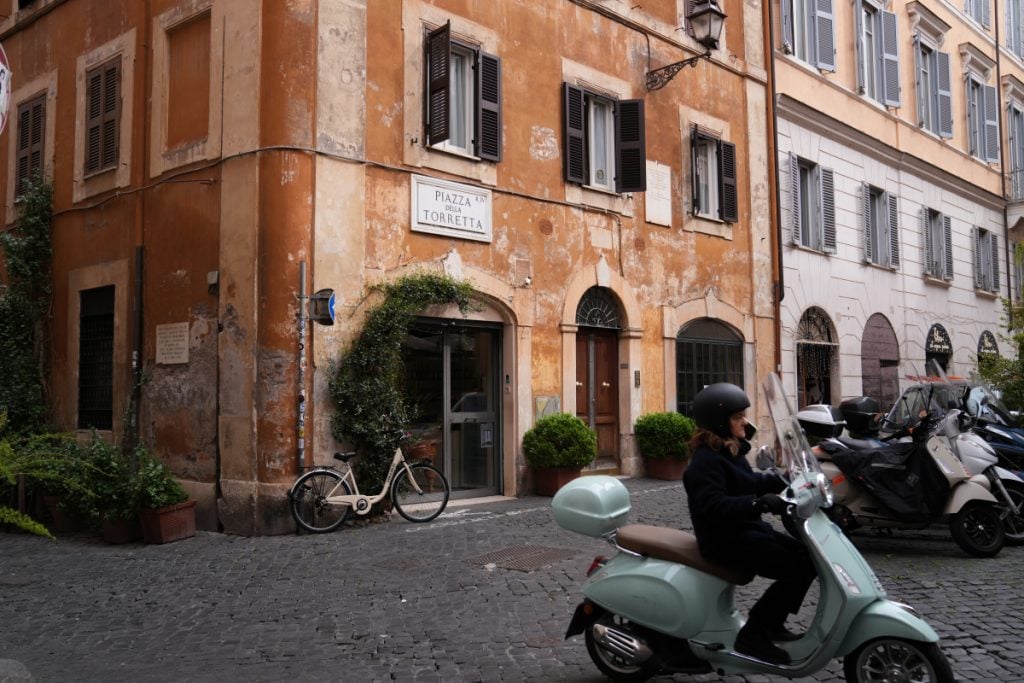
Because Rome is such a big city, the most practical ways to get around are walking, using the subway, or taking a taxi. It’s easy to explore the larger neighborhoods on foot, so you can rely on walking for most of your trip. I personally used Uber and taxis for those longer distances, and enjoyed walking through the neighborhoods when I could. The subway system has three main lines, A, B, and C, and links major attractions like the Colosseum and Vatican City. Still, for longer distances, using Uber or taxis can be a simpler option and isn’t overly expensive.
How to Get to Rome from the airport?
If you are coming from the U.S, there are several nonstop flights from major cities like San Francisco and Newark with airlines like United Airlines to Leonardo da Vinci-Fiumicino (FCO), which is the best-connected airport for visiting. Once you arrive at the airport, you have these options:
Most Convenient: Express Train (Leonardo Express)
- Travel Time: This is the easiest and most popular choice, with a 30 to 35-minute travel time to the city center. The Leonardo Express runs nonstop from the airport to Roma Termini (the main train station in the city center).
- Frequency: Every 15 min in the day
- Cost: €14.00 per person for a one-way ticket.
- Where to Buy: Airport Train Station
Cheapest: Regional Train
- Travel Time: A slower but more affordable train (FL1 line) connects the airport to stations like Roma Trastevere, Roma Tiburtina, and Roma Ostiense in 45 to 50 minutes.
- Frequency: Frequently every 30 minutes
- Cost: €5-10.0+ per person for a one-way ticket.
- Where to Buy: Machines by the station
Most Direct: Taxi / Ride‑Hail / Private Transfer
- Travel Time: 30 min to central Rome (traffic dependent)
- Cost: fixed fare at €50–€55 to arrive at the Aurelian Walls (central Rome)
- Where to Find One: Taxi stands at the airport
Airport Transfer Tip: We use Welcome Pickups for all our private transfers to and from the airport. They meet you at arrivals and handle the ride into the city so you can skip the taxi line.
Where to Stay in Rome
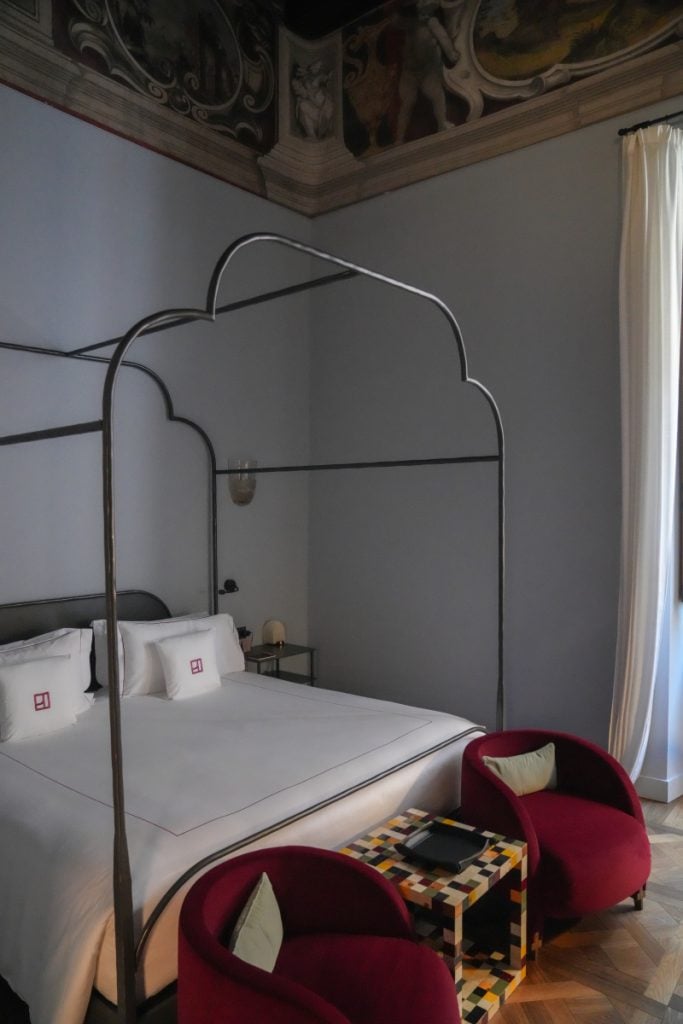
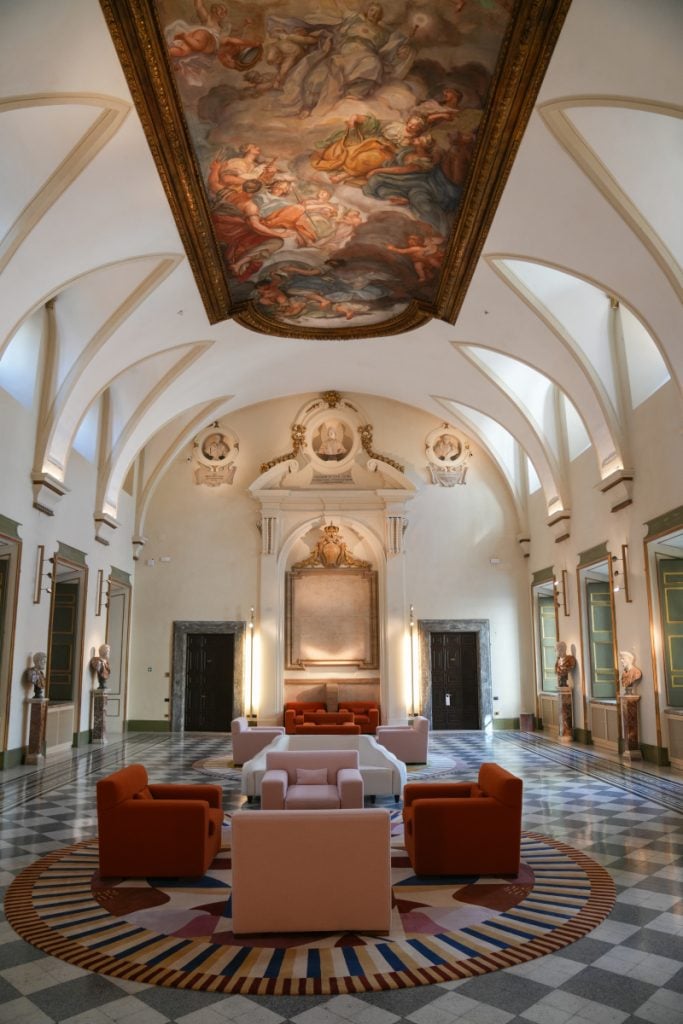
Having visited Rome two times in the last six months, I personally feel the best places to stay for a first-time trip to see the sites are in the Centro Storico near the Trevi Fountain or Pantheon for ease, and then the Regola or Monti neighborhood for a local feel. These are my top picks in the areas:
For my full guide on where to stay, don’t miss my guide to the best neighborhoods and hotels in Rome!
Hotels
- Palazzo Talìa ($$$), for a chic, design-forward hotel
- Portrait Roma ($$$), for the best luxury hotel
- Hotel dei Barbieri ($$), for the best design for the dollar hotel
- Casa Monti ($$$), for the best chic neighborhood hotel
- The Fifteen Keys Hotel ($$), for the best affordable hotel
- Hotel De’Ricci ($$$), for the best luxury hotel
Airbnbs
- 1 Bedroom Apartment Next to the Pantheon (Centro Storico), for a wonderful local stay
- 1 Bedroom Airy and Bright Apartment Across Pantheon (Centro Storico), for the best polished apartment
- 1 Bedroom Apartment on Campo de’ Fiori (Regola), for the best affordable Airbnb
- 1 Bedroom Condo with Stunning Terrace (Regola), for the best rooftop views
- 2 Bedroom Chic Apartment (Monti), for the best old-world stay
- 2 Bedroom Home with Garden and Patio (Monti), for the best family-friendly stay near the Colosseum
Before You Plan: How I Structure Itineraries as a Former Travel Planner
I’m a serial planner, seeing trips from a 360-degree view and looking at how to integrate the best details into days that make geographical sense. When I look at Rome, I see two impactful factors: crowds and opening hours. With crowds being the top concern, I schedule the important sights right at their opening hours, or late afternoon hours when they are often quiet. Then, with restaurants’ late opening hours, I optimize that late window of the day for something special, like sunset drinks or a quiet gallery. Mornings are for early starts and sights, afternoons and evenings are food-focused. I create itineraries as a travel planning expert that maximize the best of the time and cluster areas of the city to cut down on transfers when you’re there.
Day 1: Colosseum + Roman Forum Tour and Monti
Morning: Local Coffee and the Colosseum + Forum Guided Tour
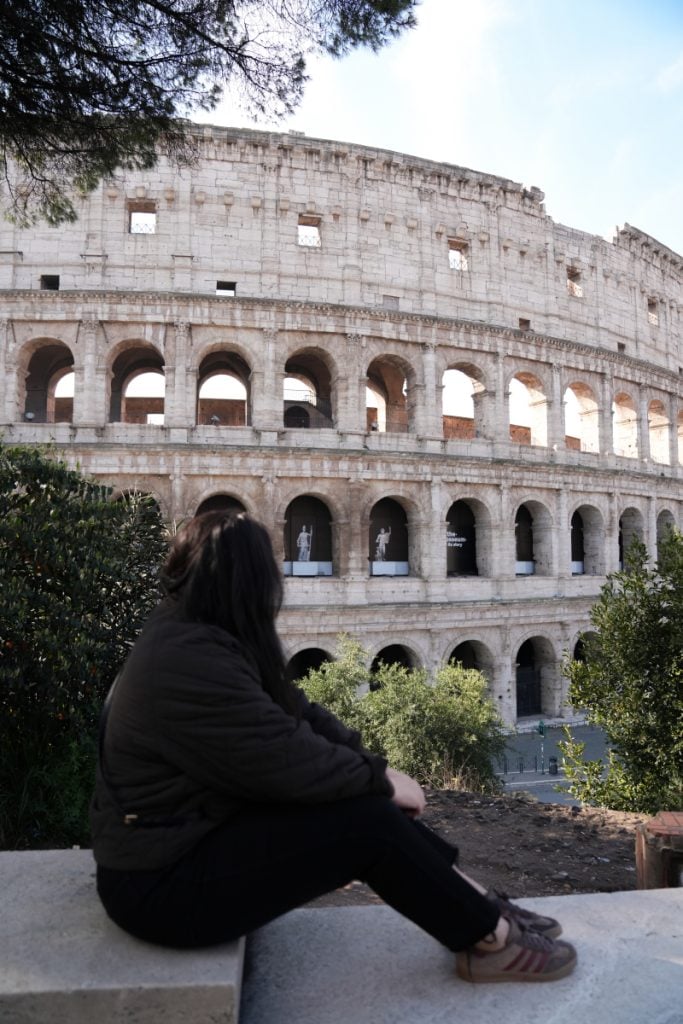
Welcome to Rome, is there any better feeling than waking up with the sun, soaking in the first sunlight? I can’t think of a better feeling, honestly. Today is all about the first major sights: the Roman Colosseum and Roman Forum, along with the Palatine Hill.
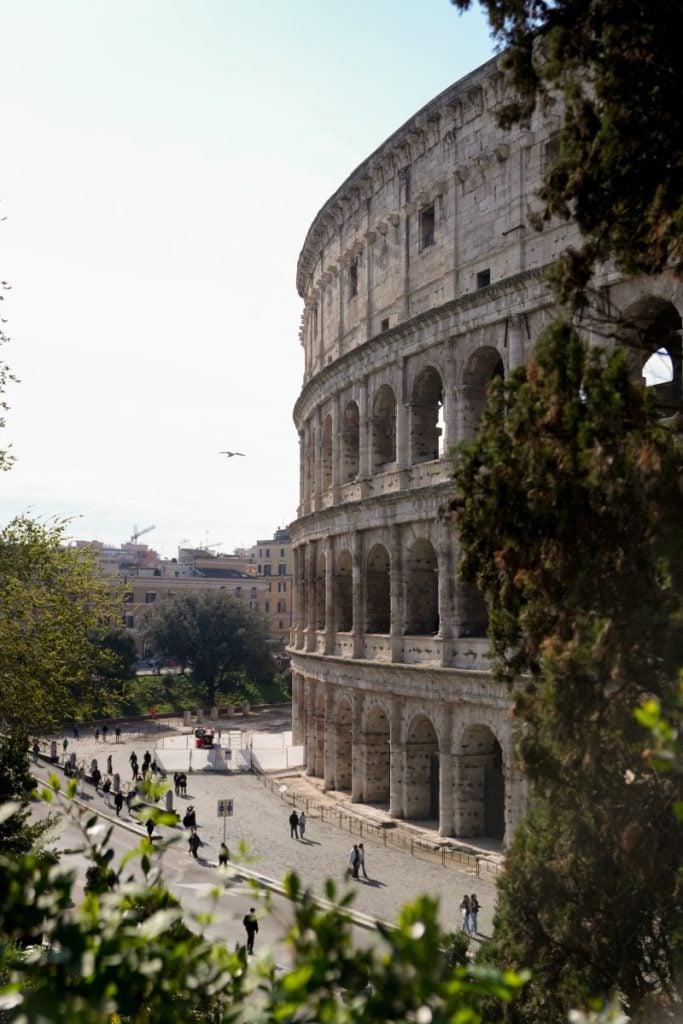
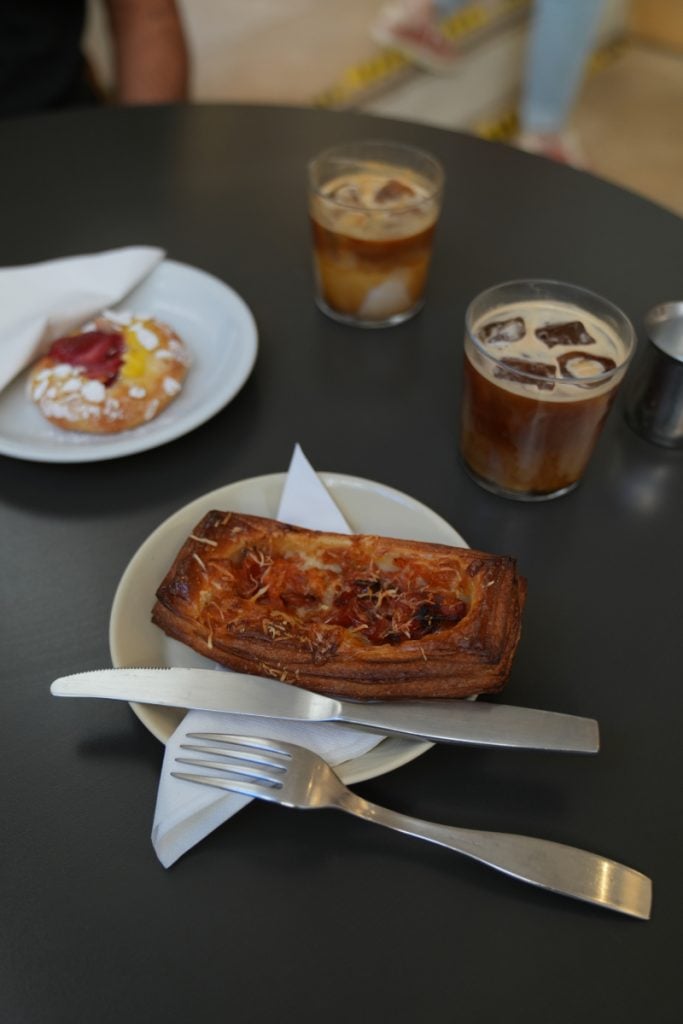
I’m going to give a strong suggestion on why you should take a guided tour below, but first, I’d like to start with a very special local bakery called Forno Conti & Co. It’s about a 10-minute walk from where you’re going to meet your Colosseum guide anyway, and why not start with a wonderful pastry and coffee from a very hip spot in town? As you go to meet your guided tour, I’d recommend stopping just in front of the restaurant, called The Court — it’s an iconic spot to sit with a photo of the Colosseum directly behind you.
Visiting the Colosseum, Roman Forum, and Palatine Hill
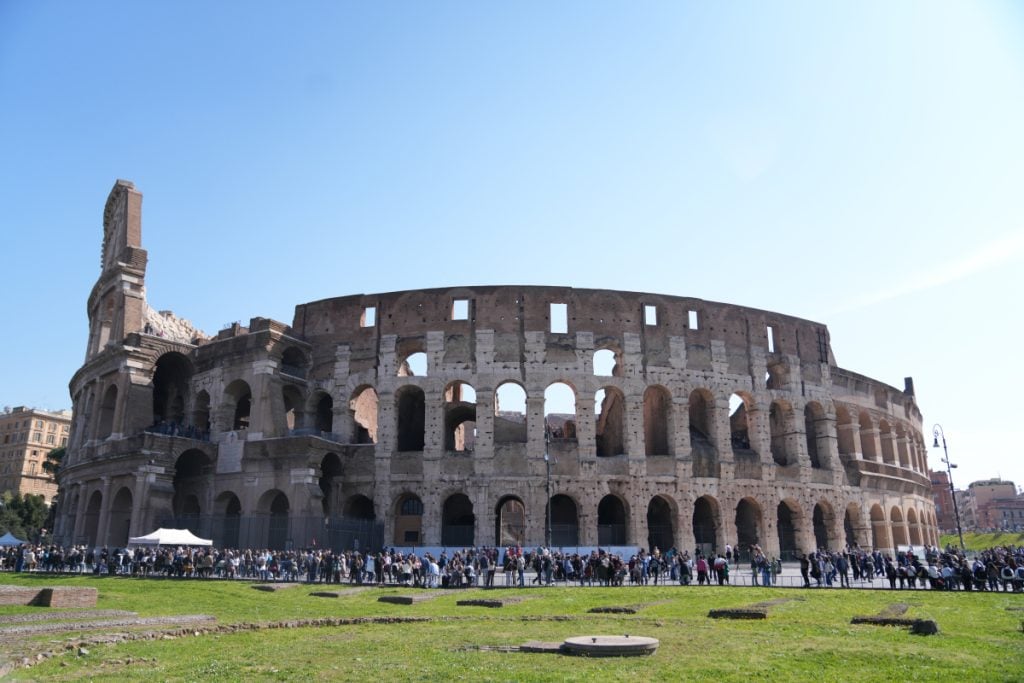
There are two sights that I believe should be done on a guided tour, and one of them is the Colosseum and the Roman Forum. The two famous historical places sit side by side (almost all tours combine them), and you’re going to want to take a tour for a few reasons. The first is ease and special access, and let me repeat ease one more time — the tickets and line for these sights are an absolute headache.
The other main reason is to learn about the history. Both the Colosseum and the Forum sit at the forefront of ancient Roman history. I was utterly surprised by how much there is to learn, and what better way to do so than from an expert. I researched the best tours in Rome heavily, and landed gladly on the Walks of Italy company after several resounding testimonies of their organization and knowledge.
I chose this Colosseum Arena Floor & Roman Forum Express Tour with Walks of Italy as it was one of their shorter options, at 2 hours, which was about the max time my brain could spend listening, and the max I was willing to spend of my time during a few days. The tour was fantastic, well-organized, and got us priority access to the Colosseum Arena Floor, priority line access into the Forum (that was a mile-long line!), and landed us at Palatine Hill for an insane view of Rome.
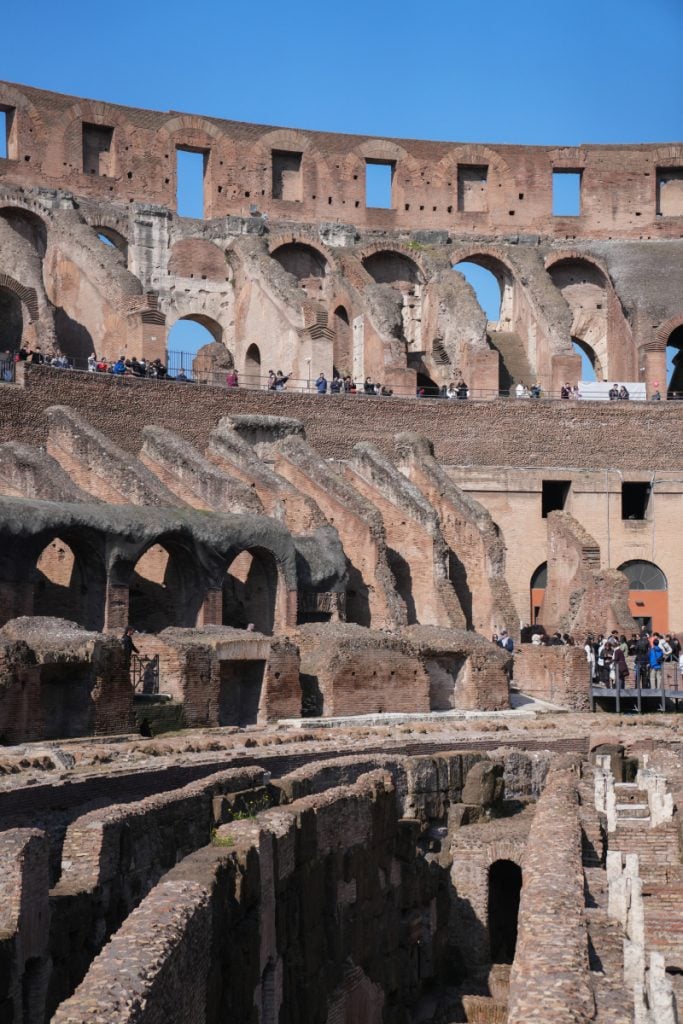
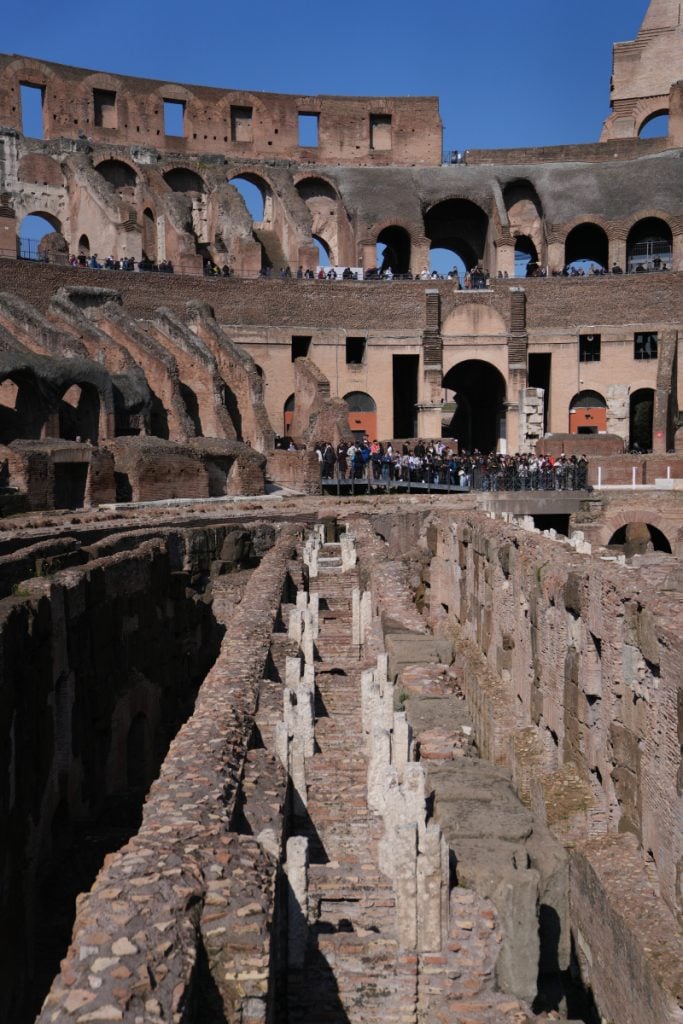
The Colosseum is an impressive amphitheater, sitting as the largest in the world. It was created at the request by Emperor Vespasian in 72 C.E., and it turned into a focal point for Rome. Housing over 50,000 people for the events that took place, just the architectural wonder of it is worth seeing it. You’ll learn about the gladiator battles that took place here, how society worked, and intricate details of the building itself.
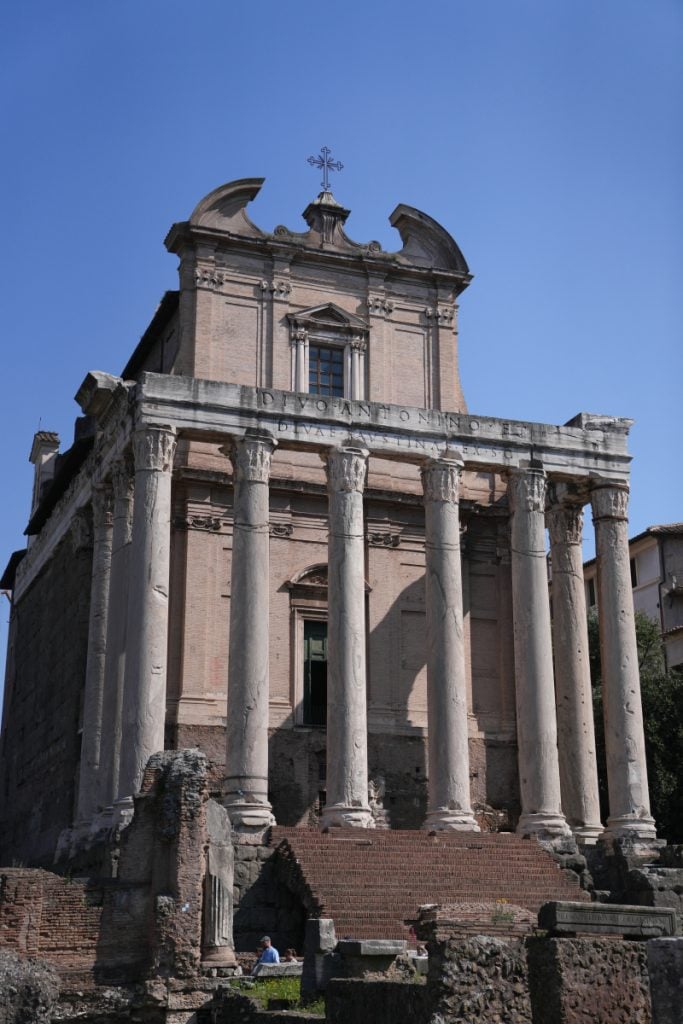
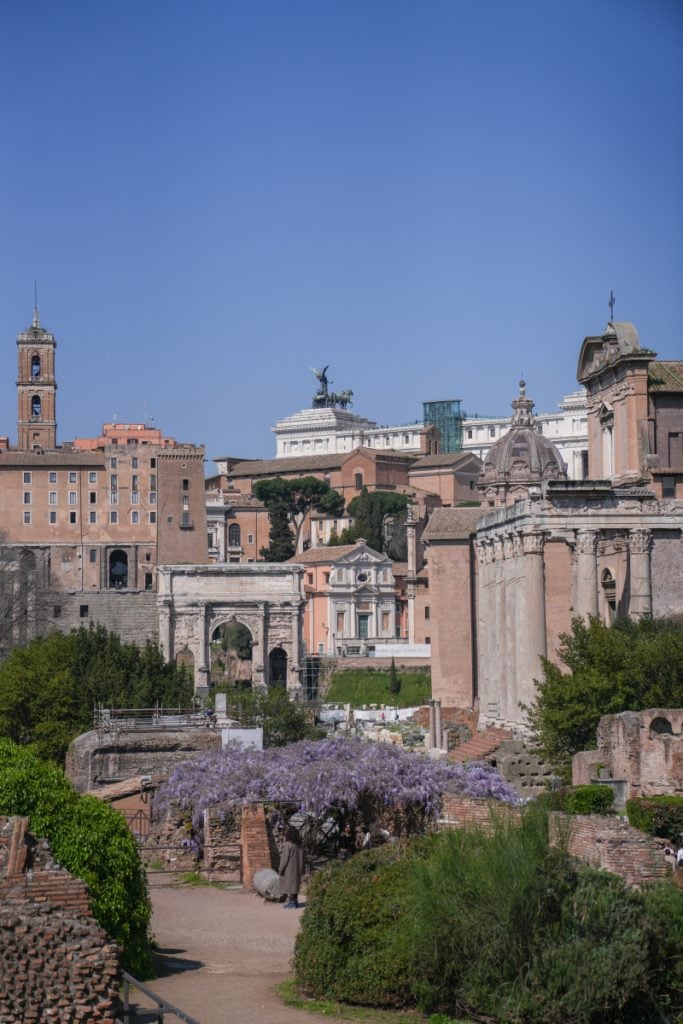
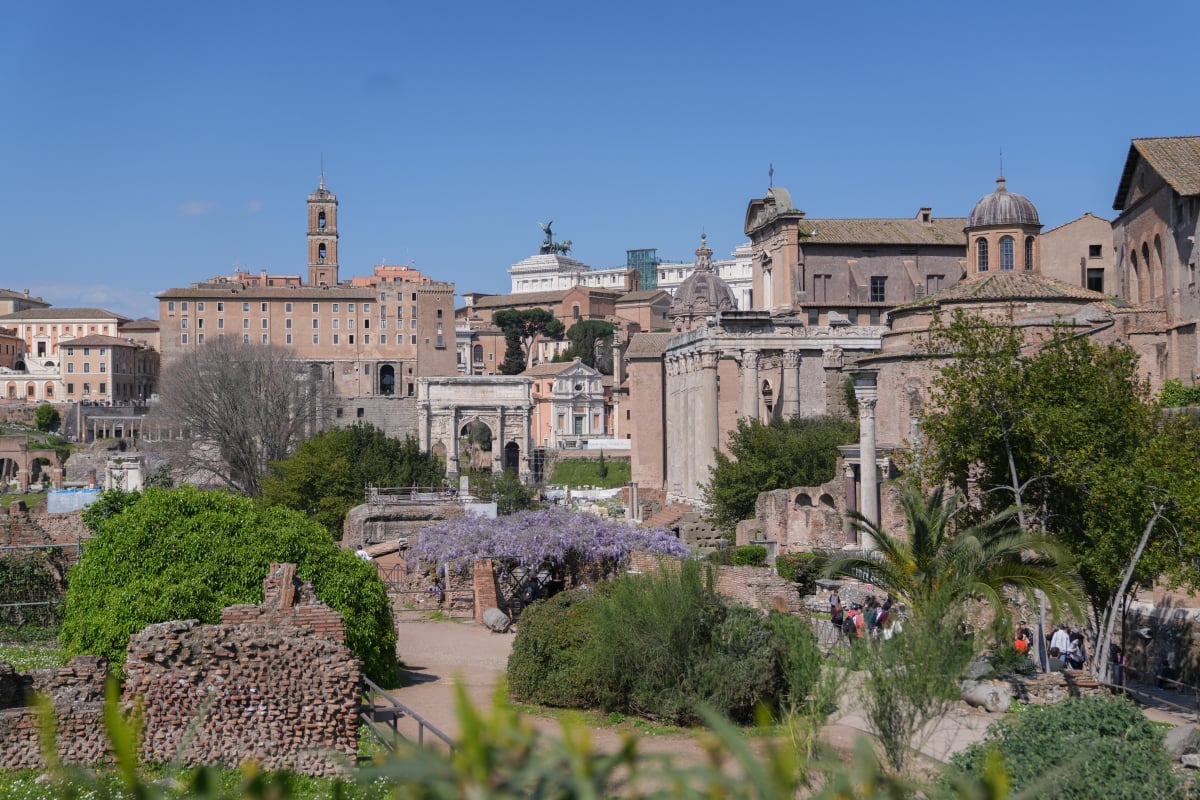
After visiting the Colosseum, you’ll walk over to the Roman Forum, the epicenter of daily life for ancient Rome. Also known as Foro Romano, it is a historical site that is mostly in ruins, with several important buildings from the Temple of the Vestal Virgins to the Senate building, and then Palatine Hill just behind it.
How to See the Colosseum and Roman Forum
- Join a Tour (My Suggestion)
- Colosseum Arena Floor & Roman Forum Express Tour (2 hours / What I Did)
- Premium Colosseum Guided Tour with Roman Forum & Palatine Hill (3 hours, doesn’t go on Arena Floor)
- Colosseum Tour with VIP Caesar’s Palace & Roman Forum Super Sites (3.5 hours, special access)
- Private VIP Colosseum Tour with Roman Forum & Palatine Hill (3 hours, private)
- Get Your Own Tickets: The tickets are highly in demand; I saw some of the longest lines I’ve ever seen for people waiting for tickets. This is the official site for Colosseum Tickets, and the ticket includes entry at a specific time and then entry to the Roman Forum within 24 hours from that secured time. These tickets go on sale 30 days in advance, with most selling out within an hour or two of publishing. You can show up to get tickets the same day, but it’s a very long line in addition to the admission line
Travel Tip: After visiting the Colosseum, you are very close to the Domus Aurea, also known as the Nero Gold Palace. It’s an impressive structure that was built for Nero back in 64 A.D. with over 150 rooms. Tours are only possible on weekends because during the week they are restoring it extensively. You will need advance tickets for a small, guided tour, but worth doing if it lines up with your day.
Afternoon: Monti
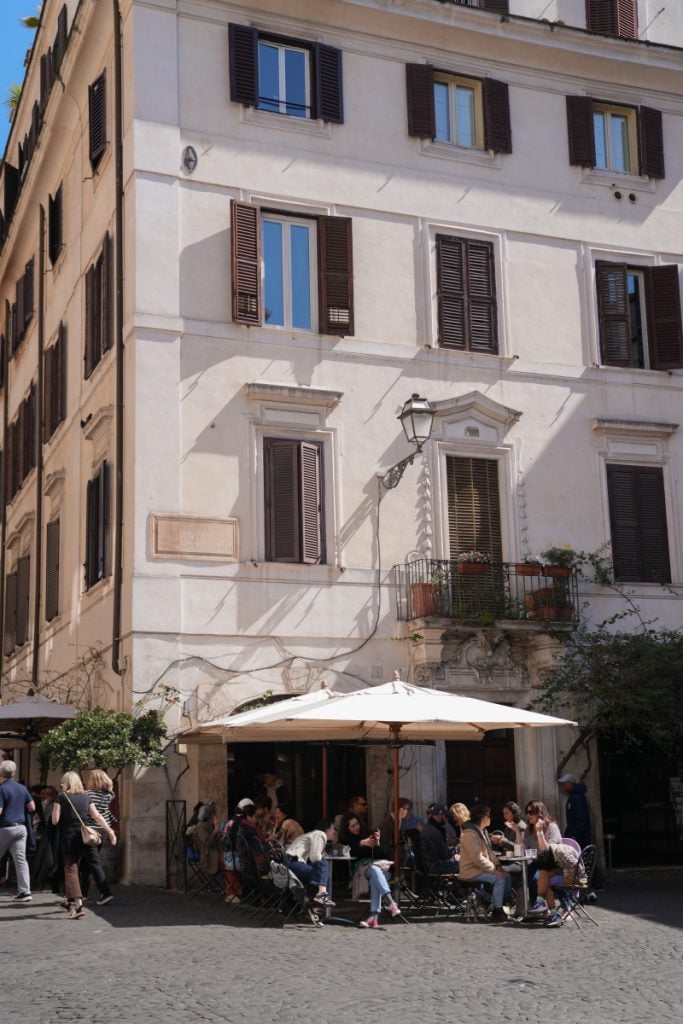
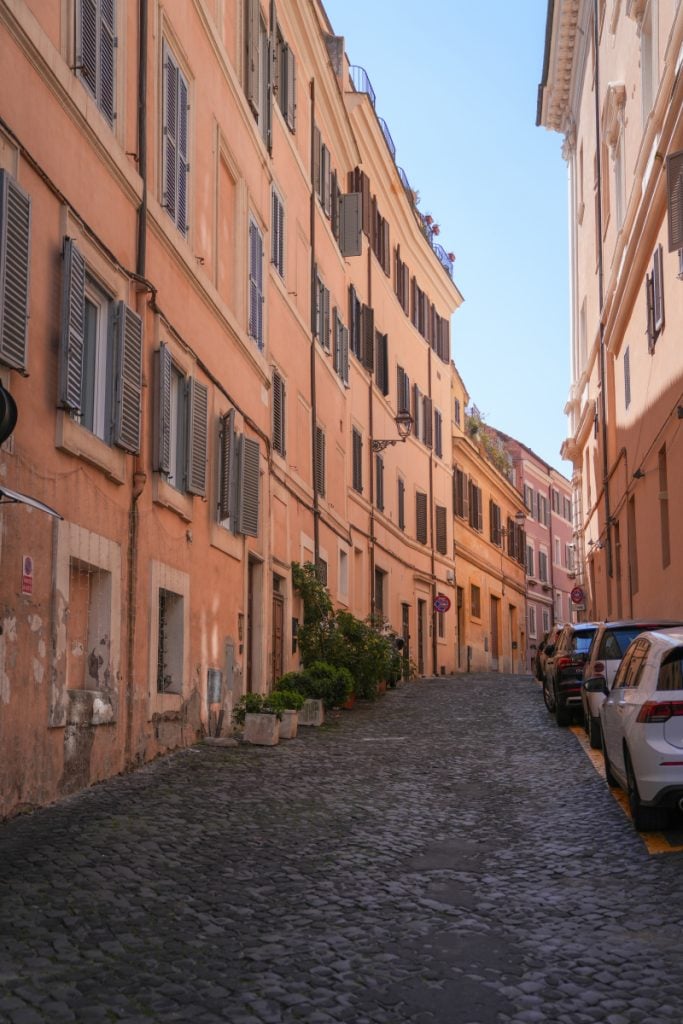
After visiting the Colosseum, you are conveniently located close to the charming local neighborhood of Monti. It’s a wonderful area that has a few streets that intertwine, with pastel colored buildings, and lots of leafy vines hanging between them. You could do something more formal, sit down, but I think one of the better gems here is Mizios Street Food or the local Mercato Rionale for sandwiches at La Ciriola Romana. Mizios Street Food was so good that we ended up coming back twice here to eat another sandwich, get anything with fresh cheese, and definitely add their cured meats.
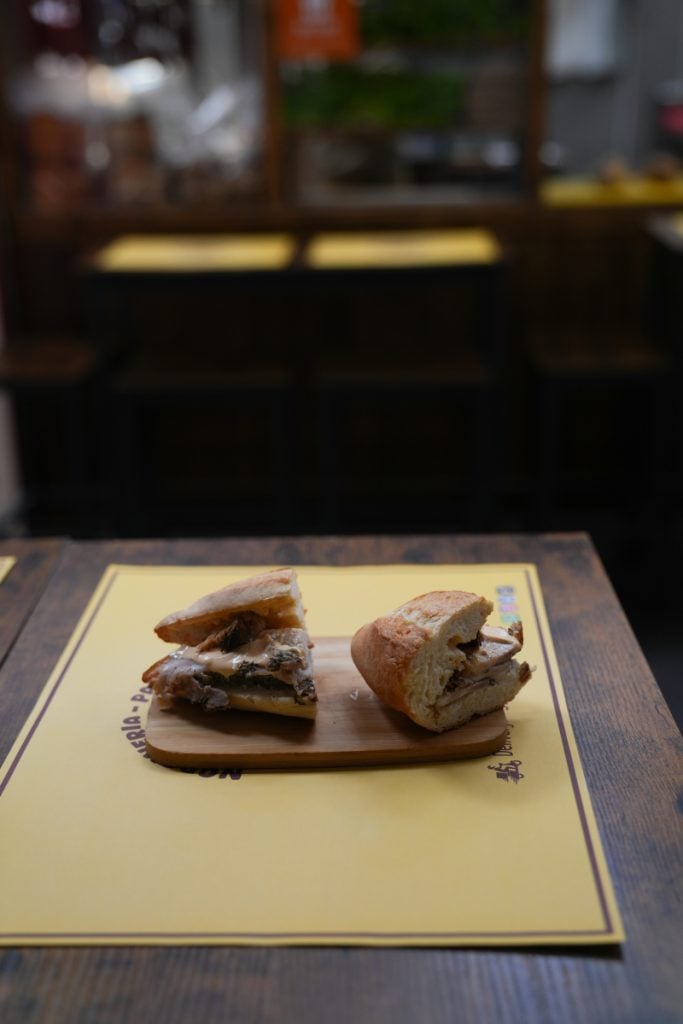
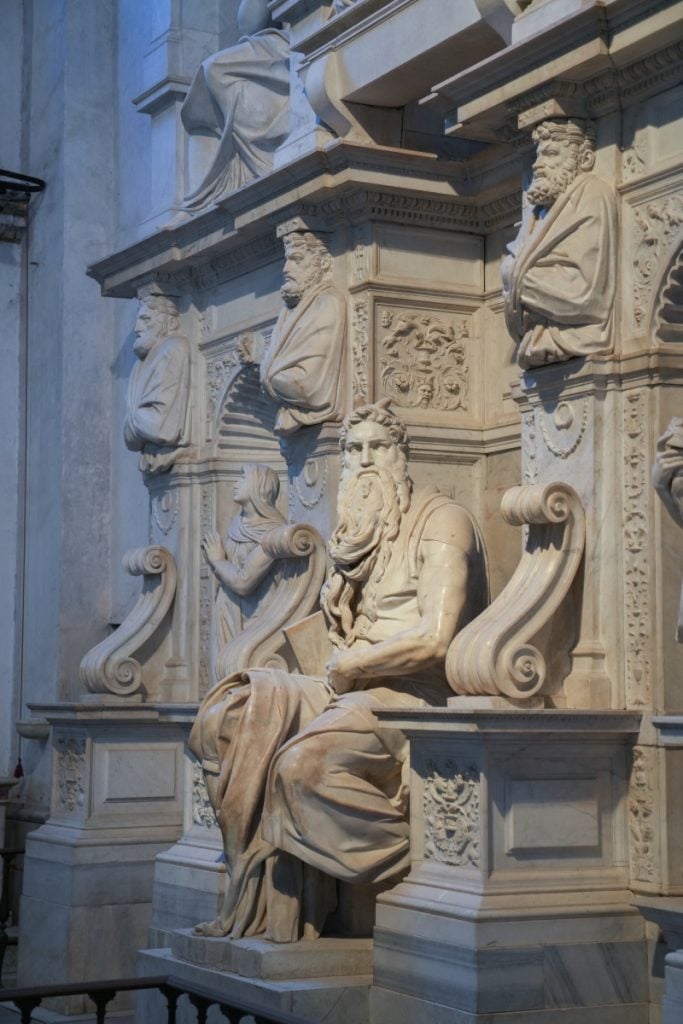
While in Monti, there are a few other germs worth seeking out. If you haven’t had gelato yet, head to Fatamorgana for one of my favorite local gelato companies in Rome. Via Cavour and Via dei Capocci both have several stores and small shops, so stroll through both of these while here. The final spot you can’t miss is Basilica di San Pietro in Vincoli. It’s a very famous Basilica because it houses Michelangelo’s Moses, the colossal statue created in 1513. It’s an incredible piece that you can get up close to.
Evening: Sunset Rooftop Drinks and Dinner
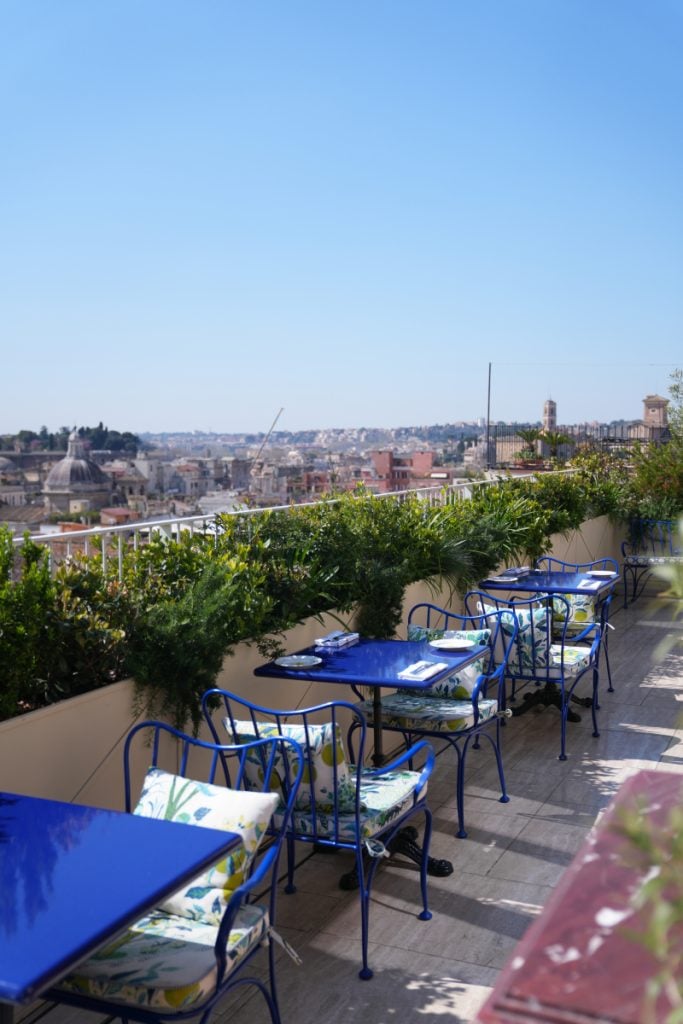
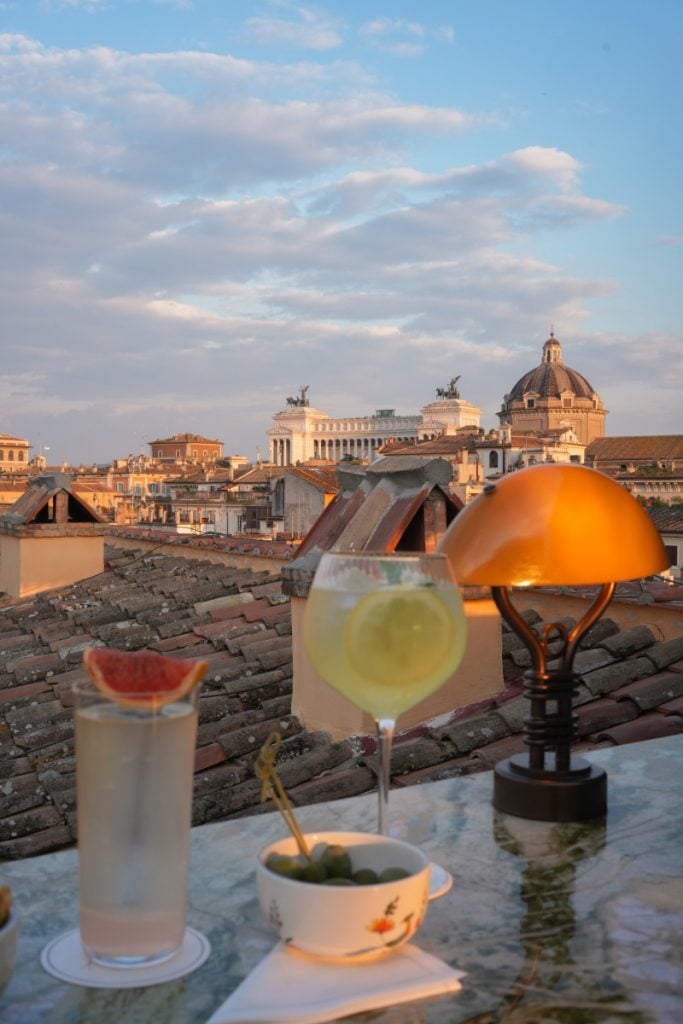
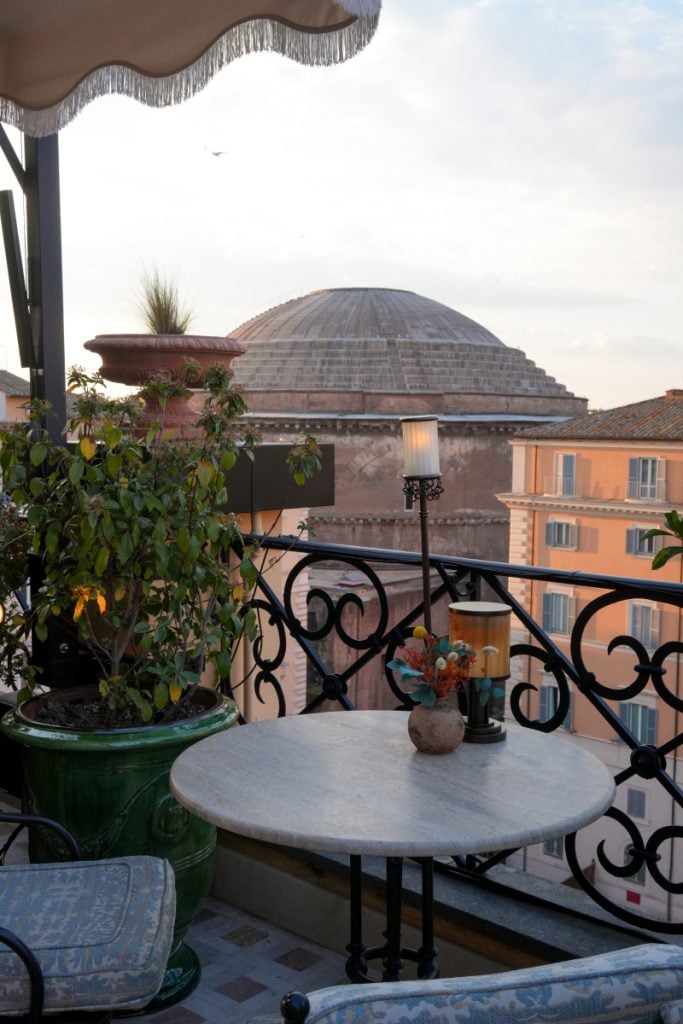
As the day starts to wind down, I recommend beginning the evening with sunset drinks on a rooftop. If you want to stay in Monti, Casa Monti has a wonderful, small rooftop bar with good city views. My personal favorite rooftop bar from our time in Rome was the Gigi Rigolatto at the Orient Express Hotel. It has incredible views of the Pantheon and the Monument to Victor Emmanuel II. For either of these, you will absolutely need reservations.
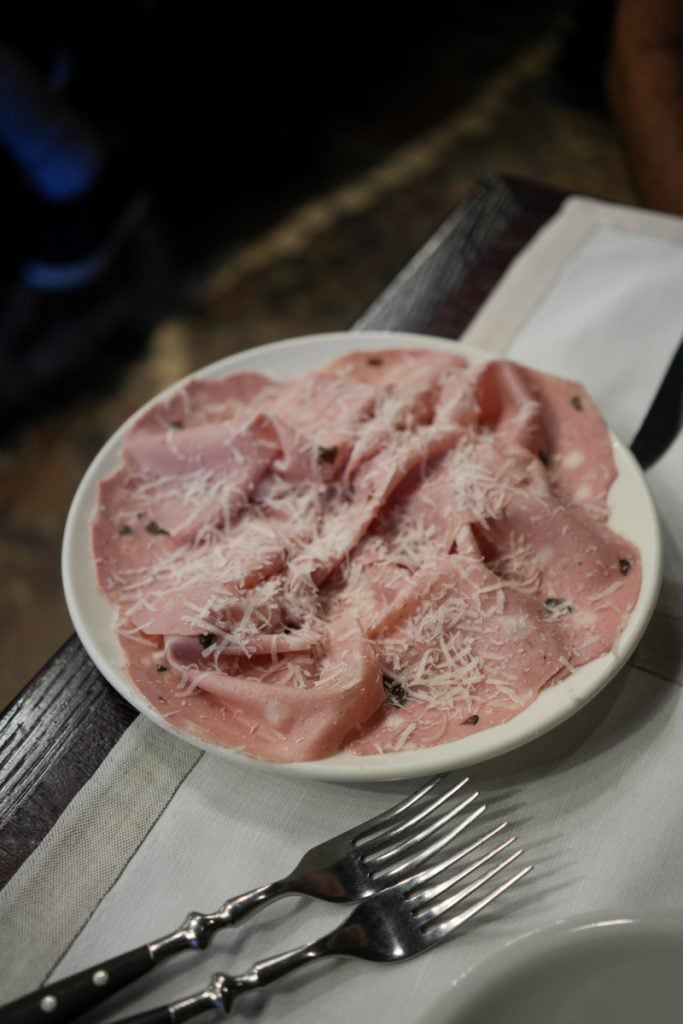
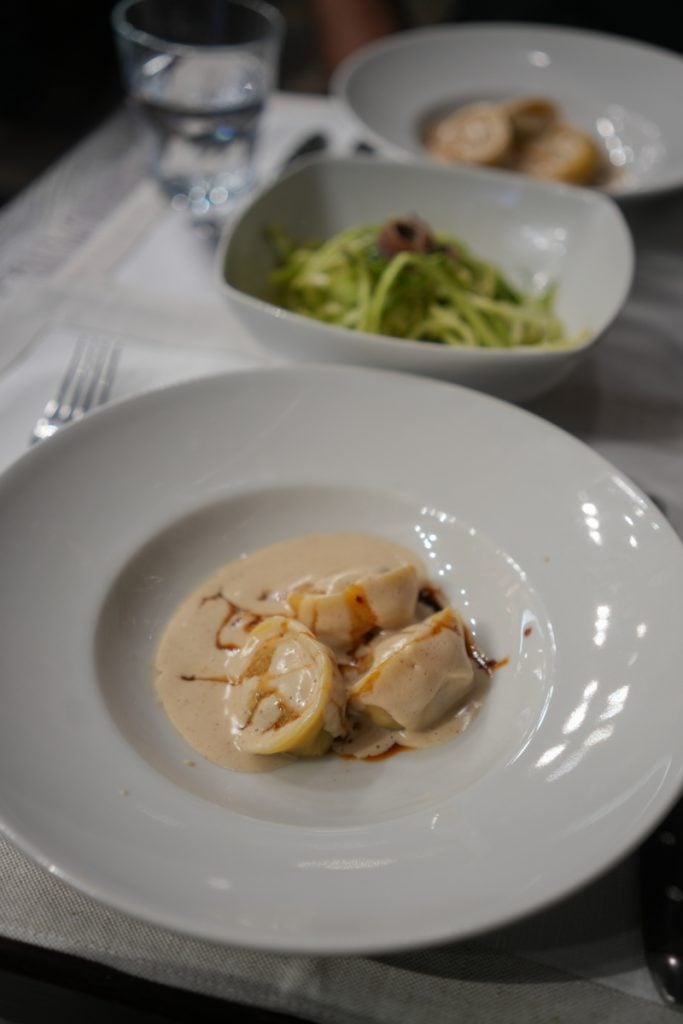
For dinner tonight, make your way over to the Campo de’ Fiori area. There is a very special restaurant called Roscioli Salumeria con Cucina. It was one of my favorite meals we had in Rome, a restaurant that specializes in Roman cuisine, and the entire restaurant is inside a salumeria or deli. The menu changes often, but there are staples like charcuterie, plates, fresh pasta, and more. Afterward, go for a stroll through Campo de Fiori!
Day 2: Self-Guided Centro Storico Tour, Regola, and Galleria Borghese
Morning: Centro Storico Self-Guided Morning
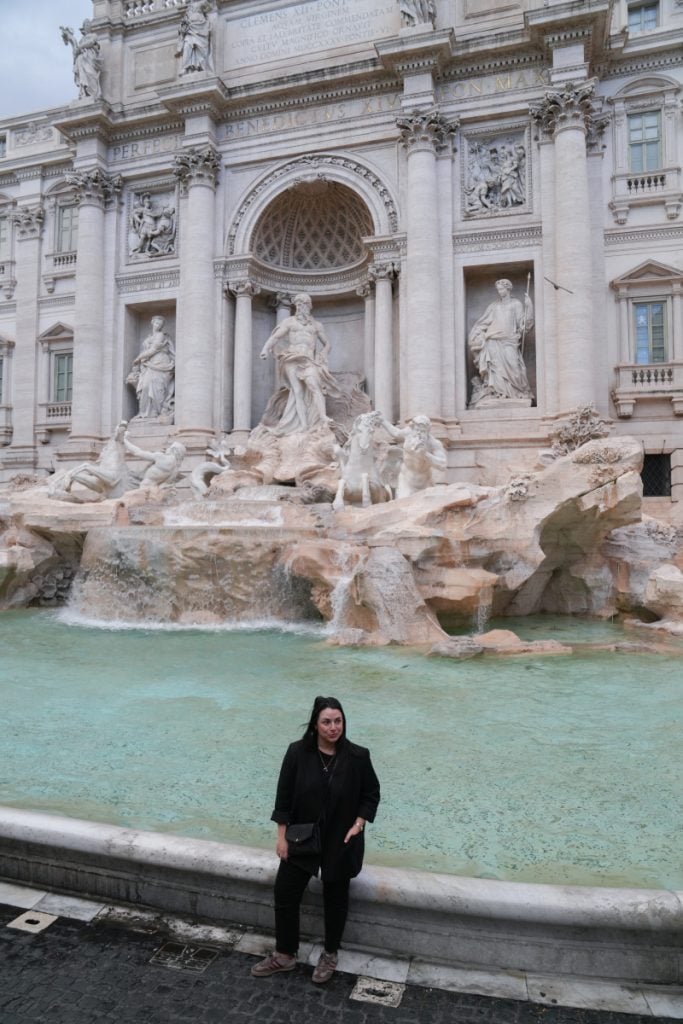
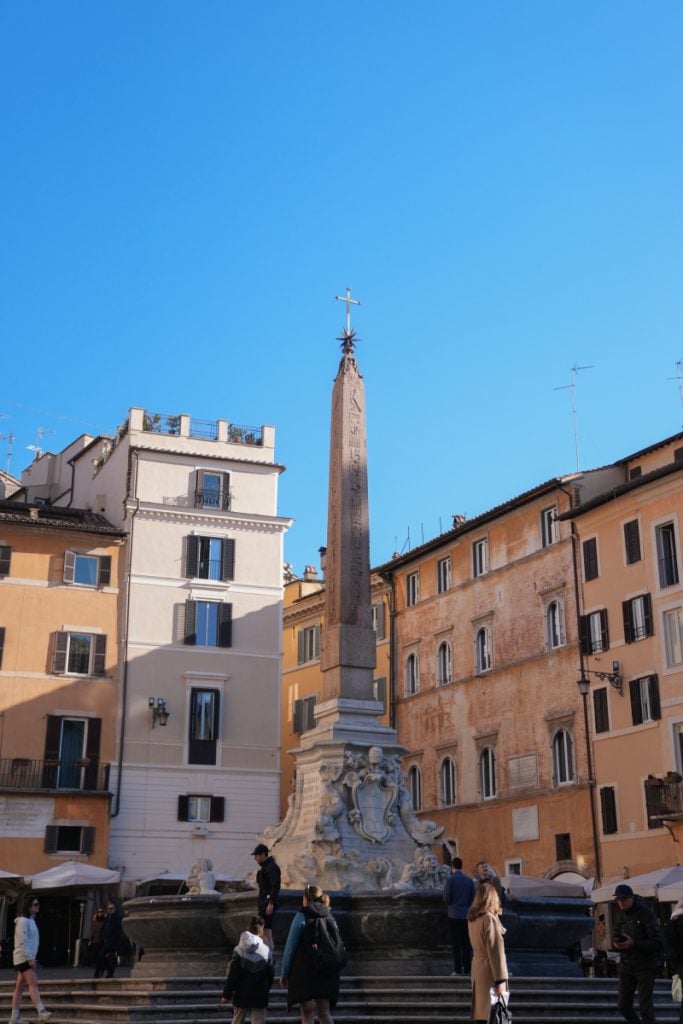
One of the best ways to explore Rome is simply to wake up for an early morning walk and to explore the city on your own. I’ve set up this morning to maximize the fewest crowds possible at some of the most important sites. I’d recommend having coffee or breakfast at your hotel before beginning, and starting early. The first stop is to head to the Trevi Fountain. I would get there by 6:30 am if you truly want a more empty experience, because by 7 am, the crowds do start to come in. It’s also good to know that at the Trevi Fountain, after 9 AM, you will have to pay a few euros to get close to the fountain’s edge. If you arrive before, then you can walk right up to it.
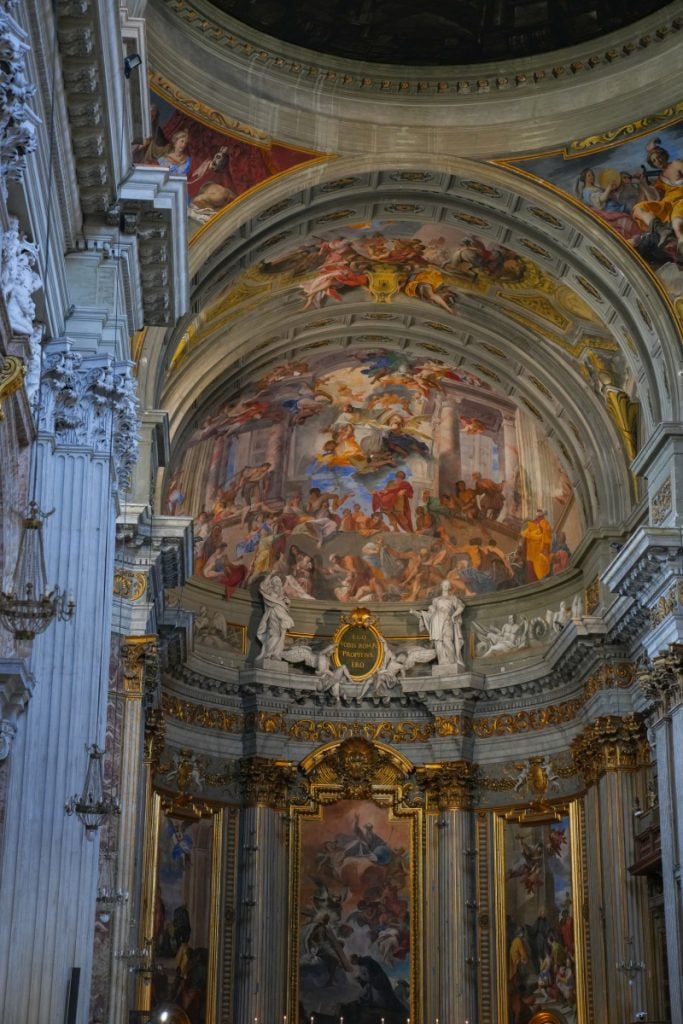
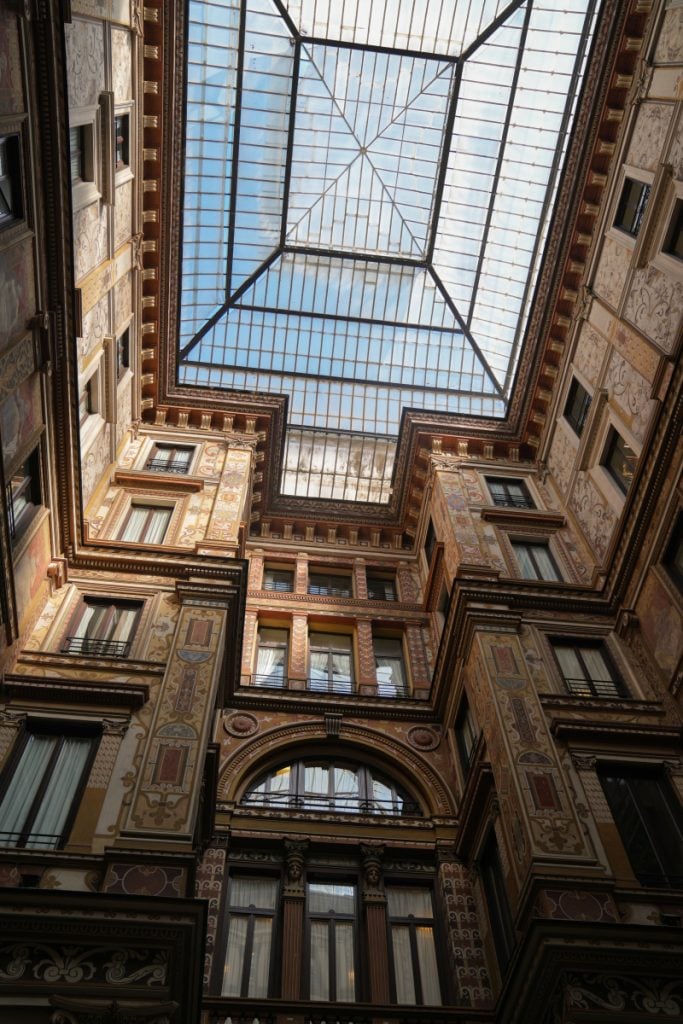
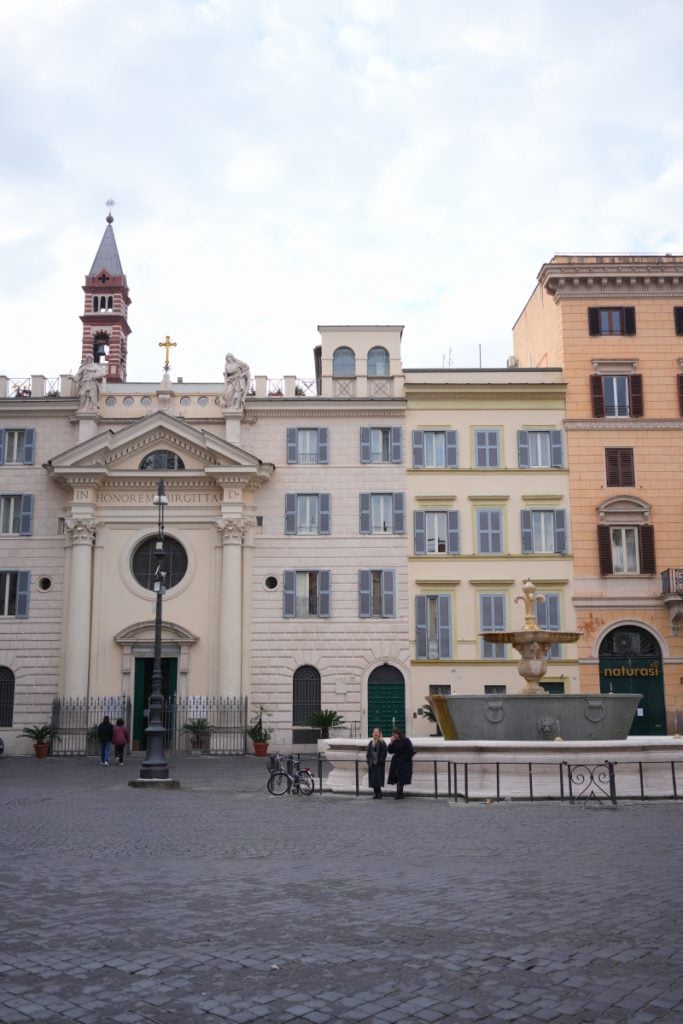
After, I’d head towards the Pantheon, but along the way, there are two stops that you can do that will each only take 10 to 15 minutes. The first is Galleria Sciarra, an incredible building with a glass ceiling that you can simply walk through and admire the frescoes. The second is Chiesa di Sant’Ignazio di Loyola, one of the most beautiful churches I stepped into while there. It’s home to what is called a false dome that was painted by Andrea Pozzo, completed in 1685, but then repainted in 1823 after the fire. The ceilings in here are absolutely fantastic, and I would go in just to admire.
Travel Tip: If you need a coffee or pastry, I’d stop by Giolitti or La Casa del Caffe Tazza d’Oro, which wouldn’t be much of a detour.
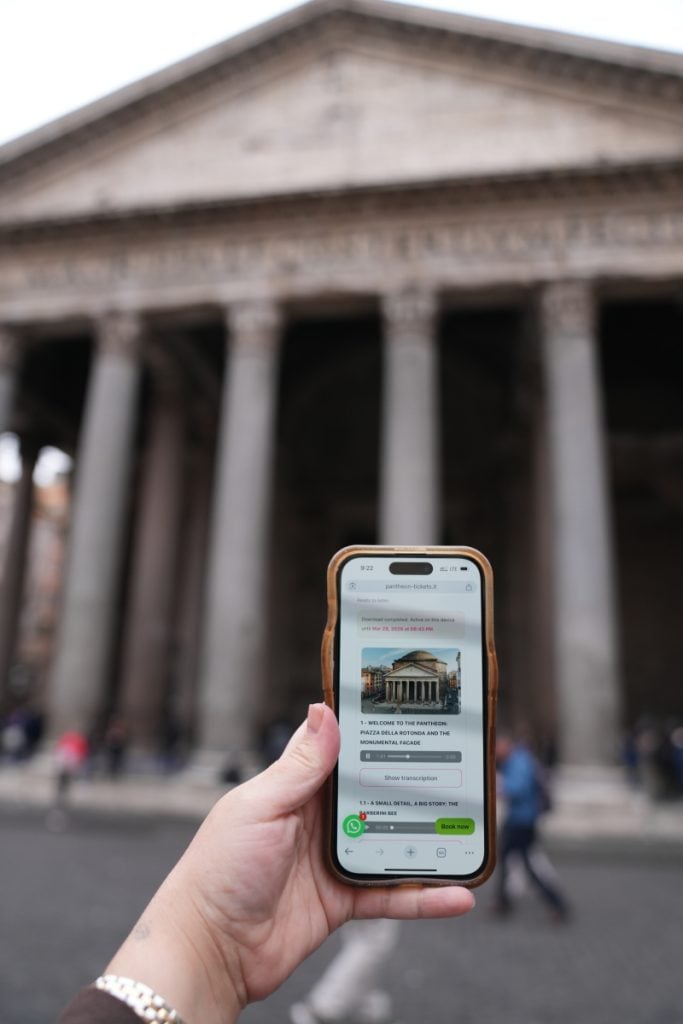
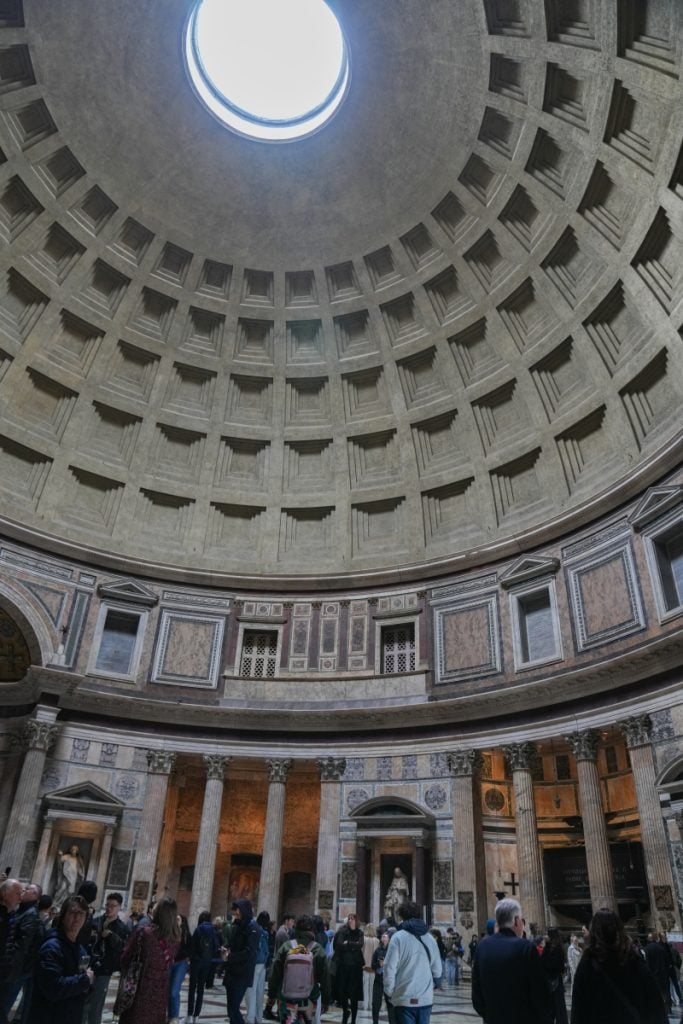
I would arrive at the Pantheon by 9 am if possible. I almost didn’t even go into the Pantheon when I was in Rome, but ended up doing so on a whim, and I am so glad I did. Constructed in 126 A.D. during ancient Rome, it was created as a temple to all gods. But truthfully, the wonder here is the architectural masterpiece that is the largest unreinforced concrete dome in the world. It’s a site that you can see in about 30 minutes, and the best way to do it is with a self-guided audio tour with tickets that you pre-purchase and give you quick access without having to wait in the long ticket lines.
Afternoon: Regola for Local Shops
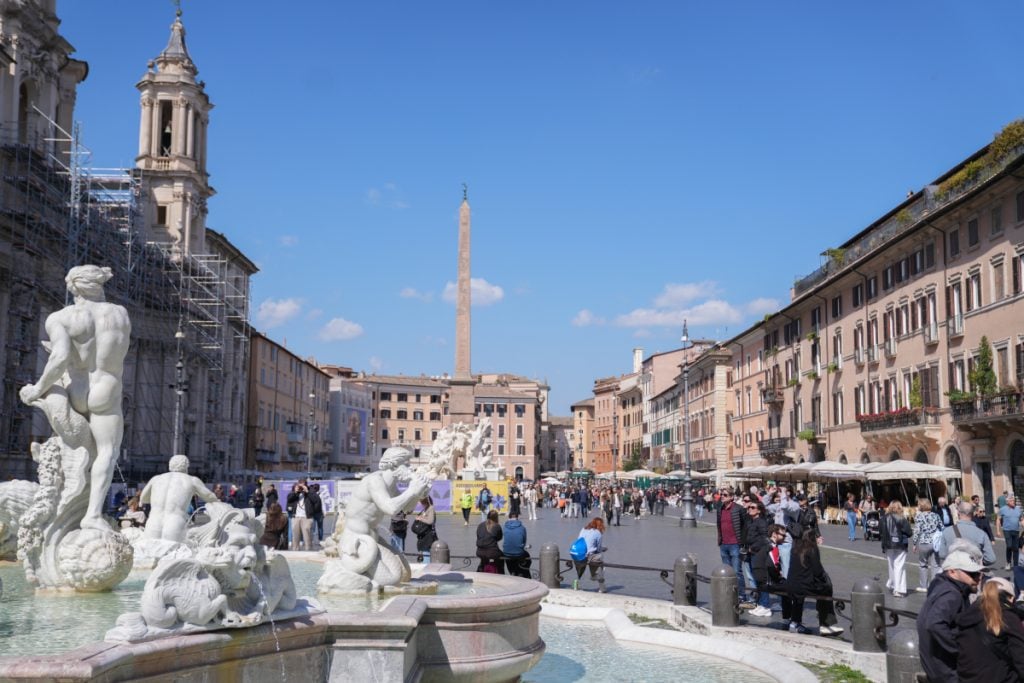
After you visit the Pantheon, I would take the late morning and head over to the Regola neighborhood. Along your way, stroll through the Piazza Navona, home to two incredible fountains with Bernini sculptures. It’s well worth a stroll here, but do not stop at the restaurants here; instead, head through to a back alley for one of the best local restaurants in the neighborhood.
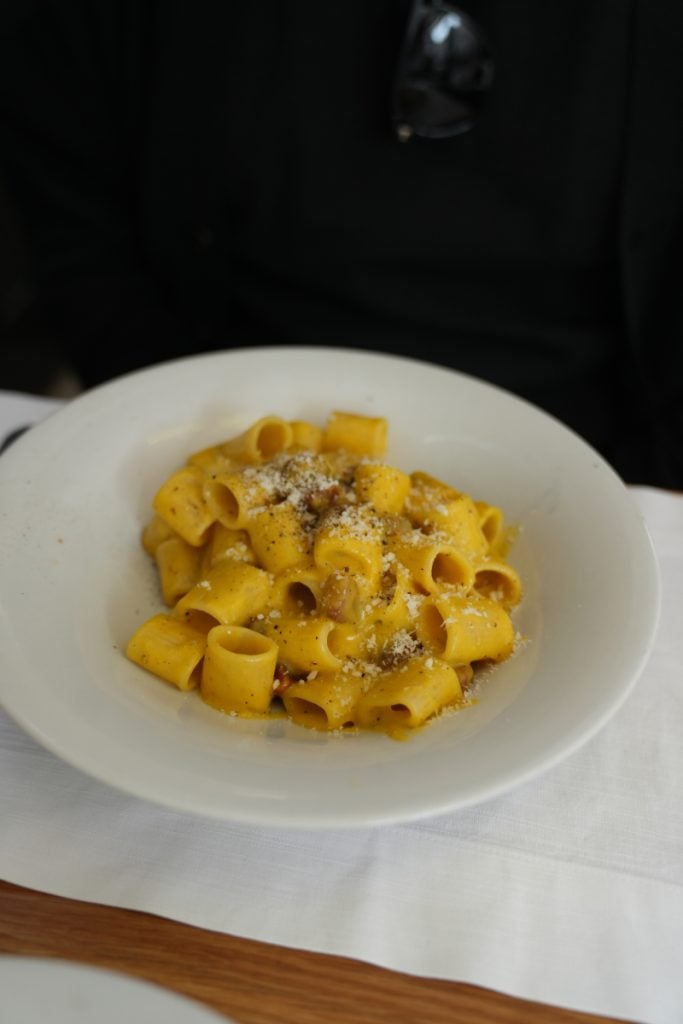
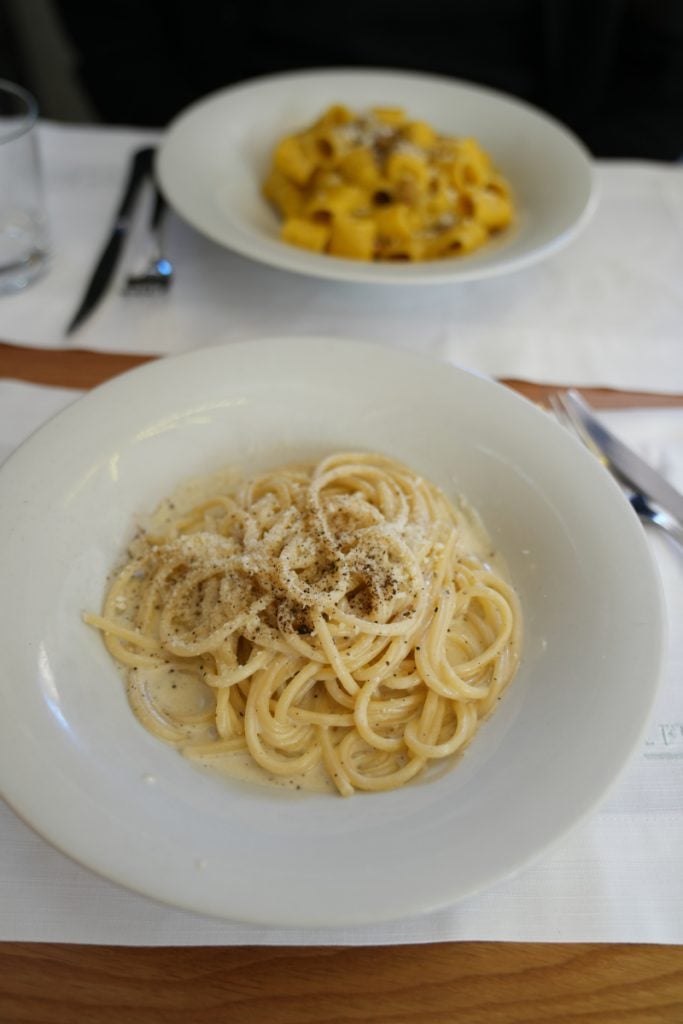
One of my favorite restaurants in Rome was at the local Da Francesco. This was one of the only other restaurants I dined at twice, because the first meal was so good. The fresh carbonara and the Cacio E Pepe, alongside their woodfired pizzas, were the best. Most of the other guests at the restaurant here were locals coming in, and you could tell they were frequent visitors.
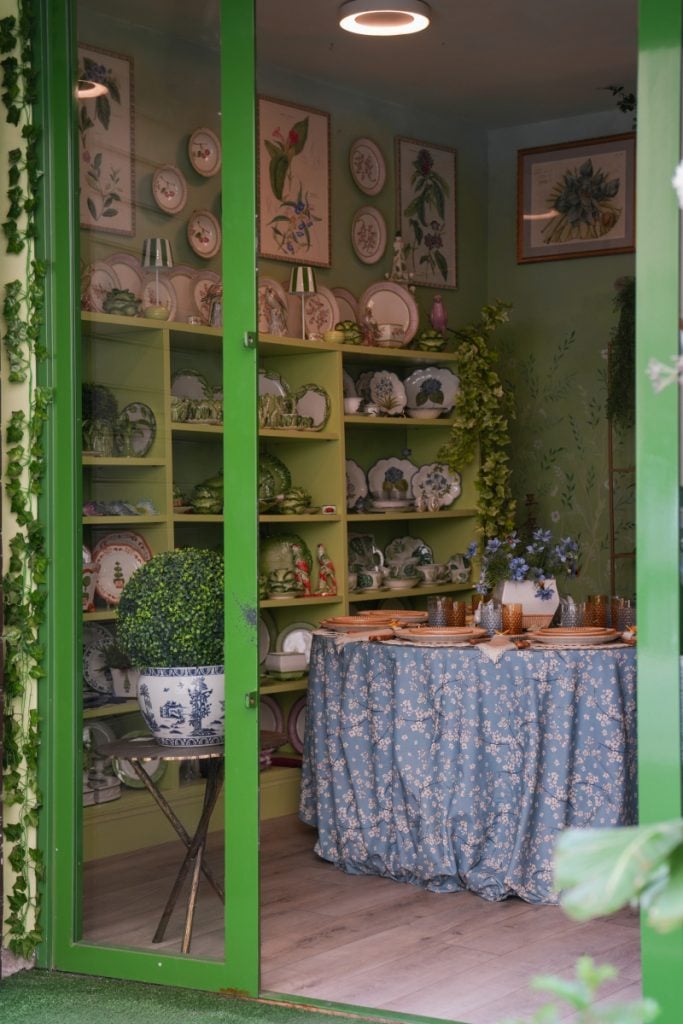
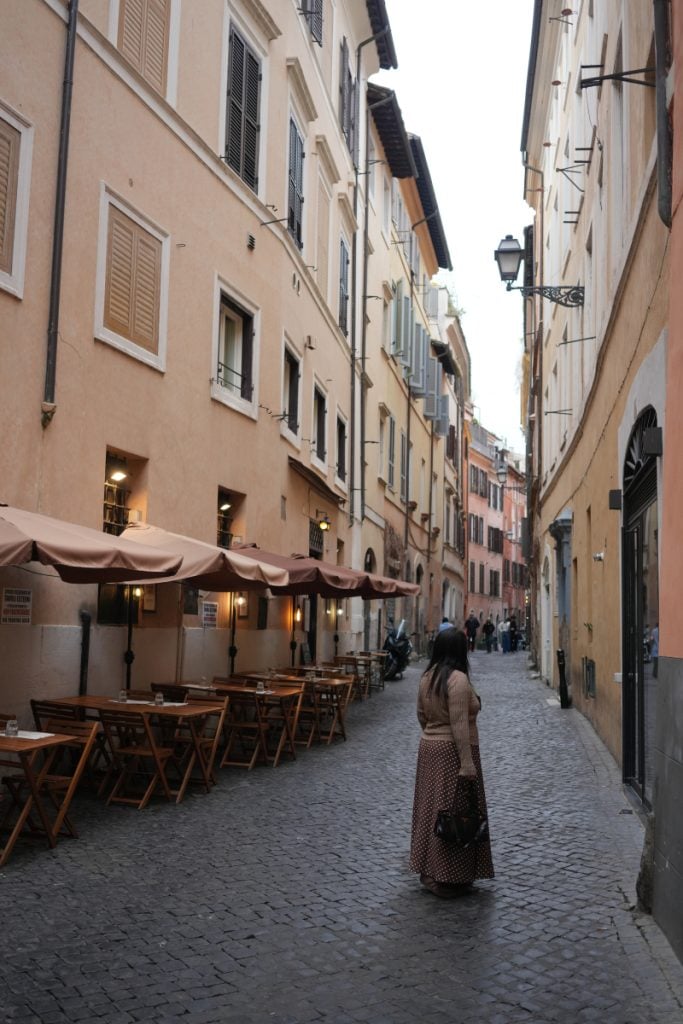
For the rest of the afternoon, you are in an incredible neighborhood that has some of the best shopping streets and local cafés. Around the corner is an artisan area that has several shops like Vio’s Shop for ceramics, and is home to Caffè & Libri for coffee. I would make your way down to Via Giulia and Via di Monserrat, and another area with a cluster of great shops like La Cornice Antica, Chez Dédé Store, and GIUNCART. These places are also close to Caffè Peru, one of my favorite local spots for classic espresso.
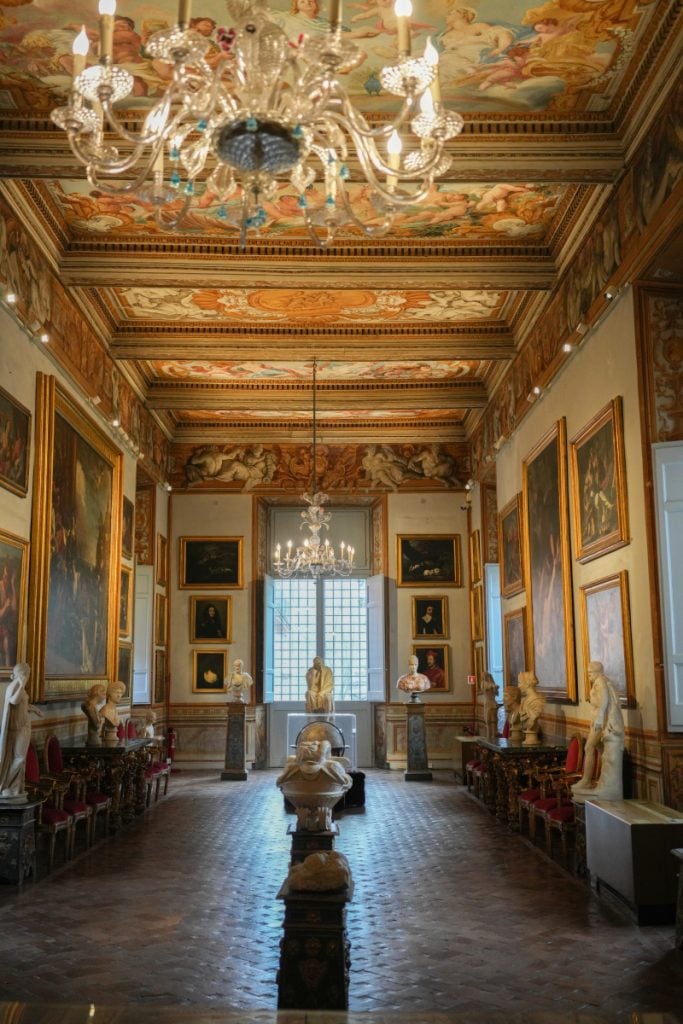
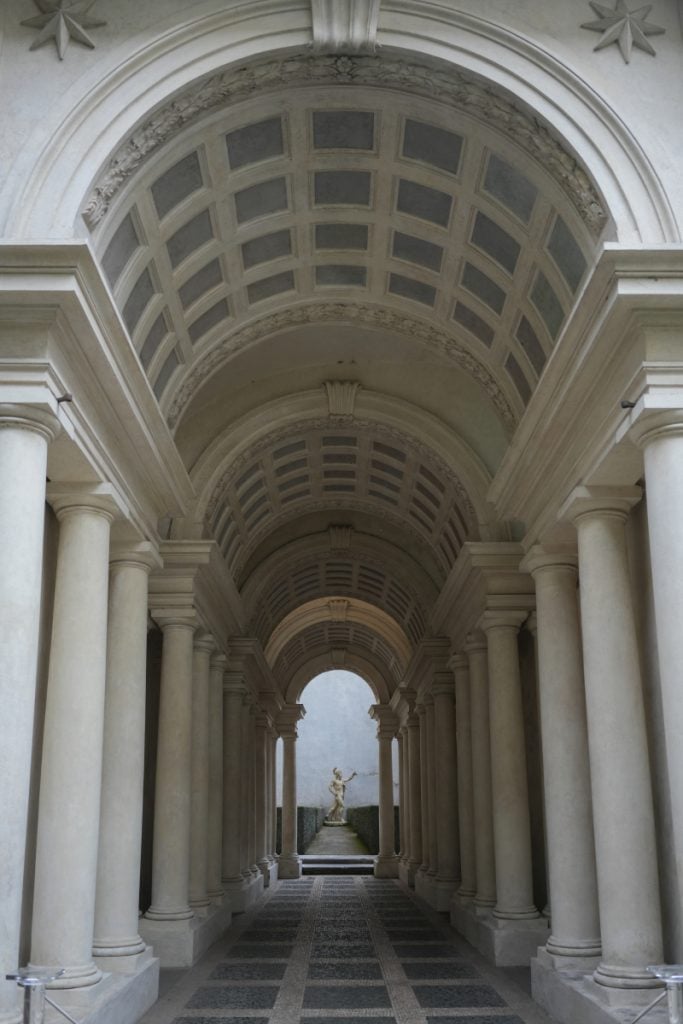
After shopping, or if you don’t want to shop, be sure to stop into Galleria Spada. It’s an off-the-radar gallery that is privately owned, housing several Baroque paintings from the 17th century. It’s also home to an incredible forced-perspective gallery by Francesco Borromini, with this beautiful inner courtyard lined with orange trees. It’s open from 8:30 am to 7:30 pm with no reservations, and when we went, there was virtually no one there.
Early Evening: Galleria Borghese and Dinner
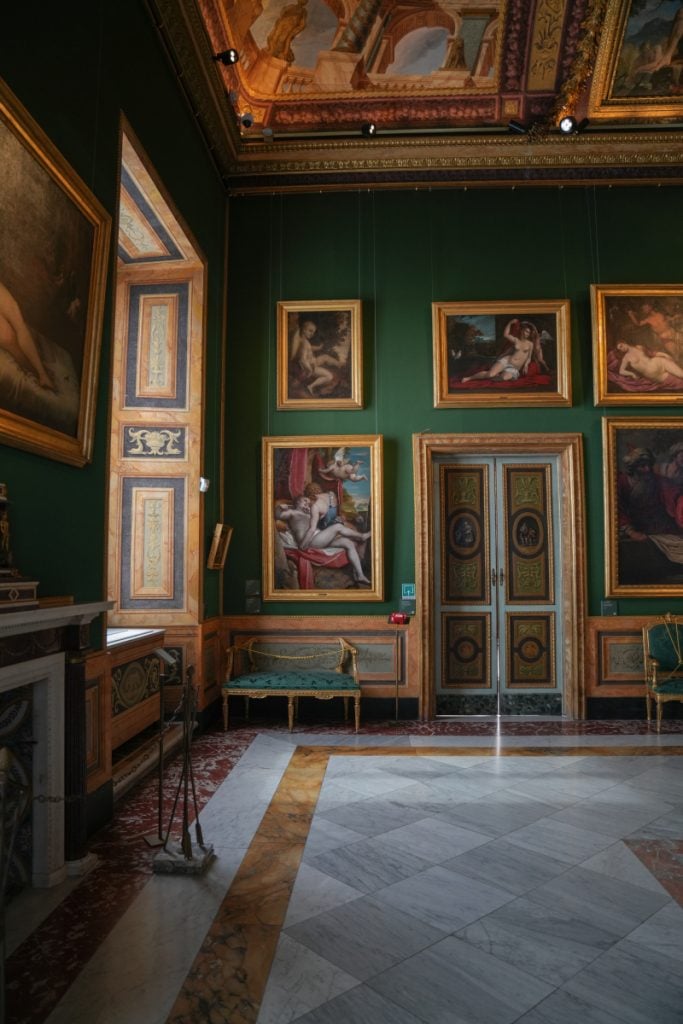
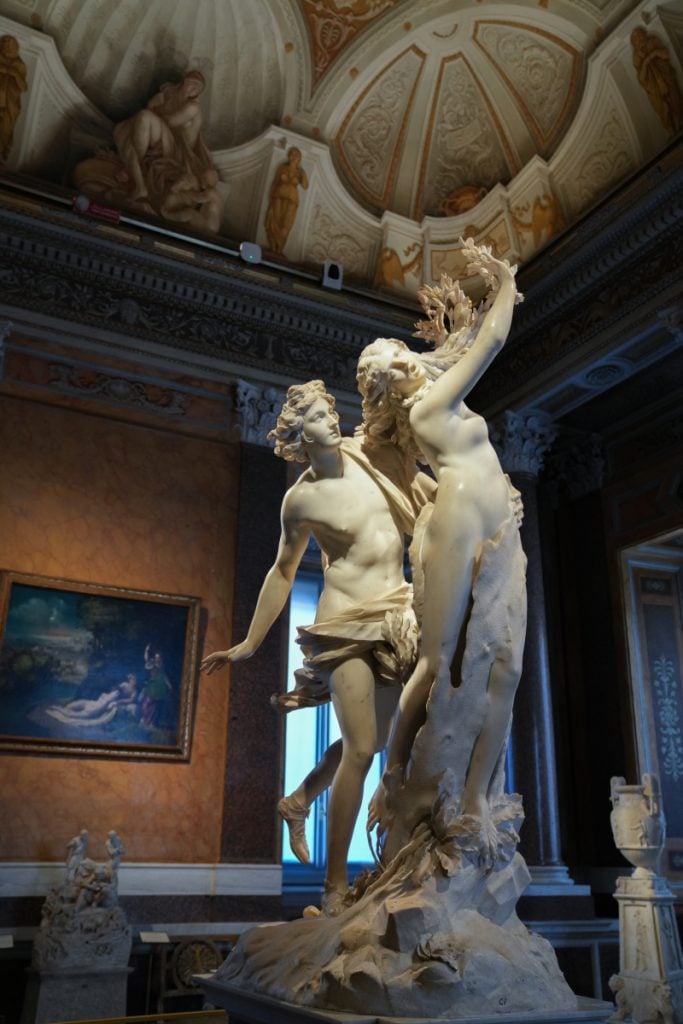
From Regola, I would take a taxi up to Galleria Borghese. You will need to pre-book your tickets for this incredible museum, and my recommendation is to do the later entry around 4 pm. The reason being that at this time, most group tours and school groups have departed from the museum, and you will only need about two hours to see it. If you’re visiting in the summer months, by 6 pm, you will be able to go for a stroll through the Borghese Gardens afterwards, around golden hour.
Inside the Galleria Borghese were some of my favorite art pieces I saw on the trip. The building and its interior, as well, are absolutely stunning, with incredible frescoes and marble details. While the tickets can be a little tricky to secure, I recommend getting through their website to grab them in advance, because it is very unlikely that you can get tickets the day of. My favorite piece here was the Apollo and Daphne statue by Bernini; it was so good that we circled back twice to look at it.
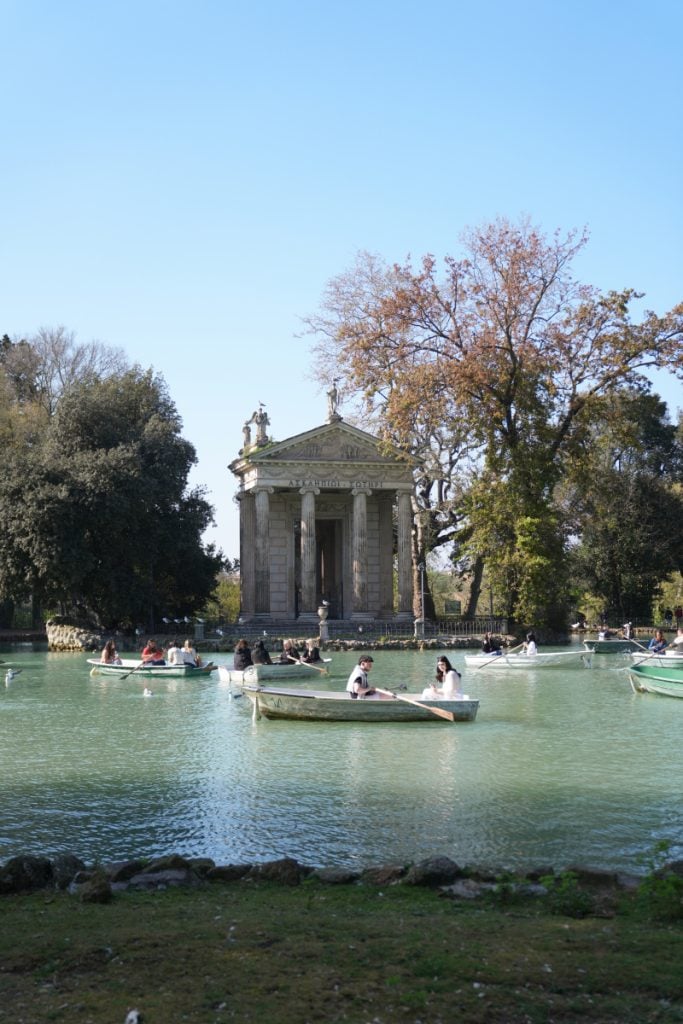
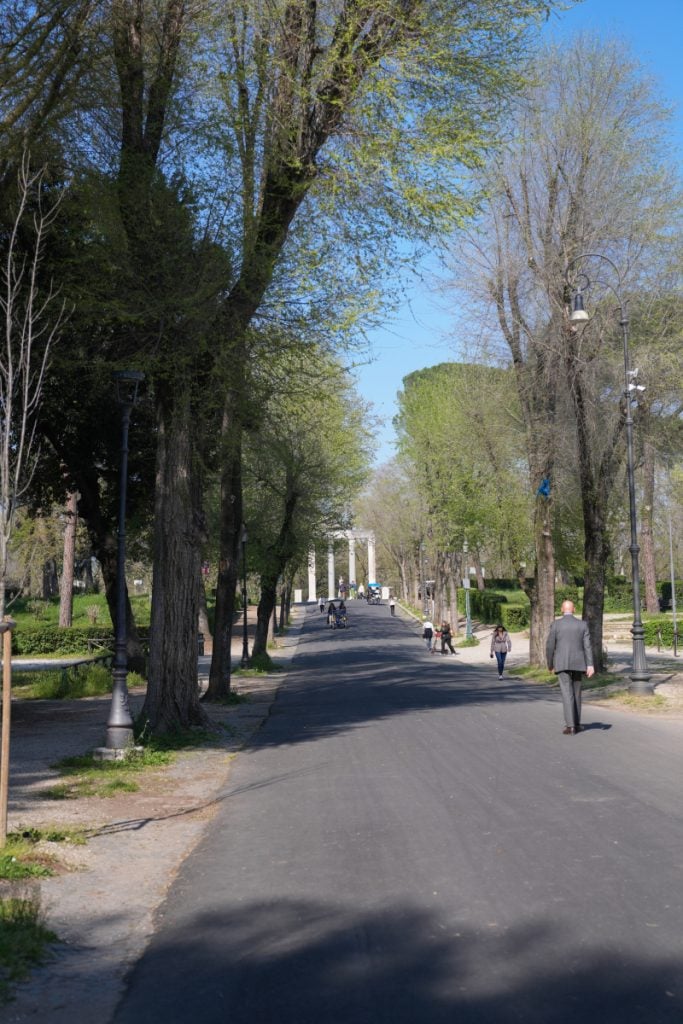
After visiting the gallery, exit out the back and head through the gardens for a stroll at golden hour. From here, you can walk over to the Spanish Steps, which would be a longer walk, or walk till you hit the main road and grab a taxi to your next stop. In the park, I loved strolling by the Temple of Aesculapius to see people in the rental boats rowing around.
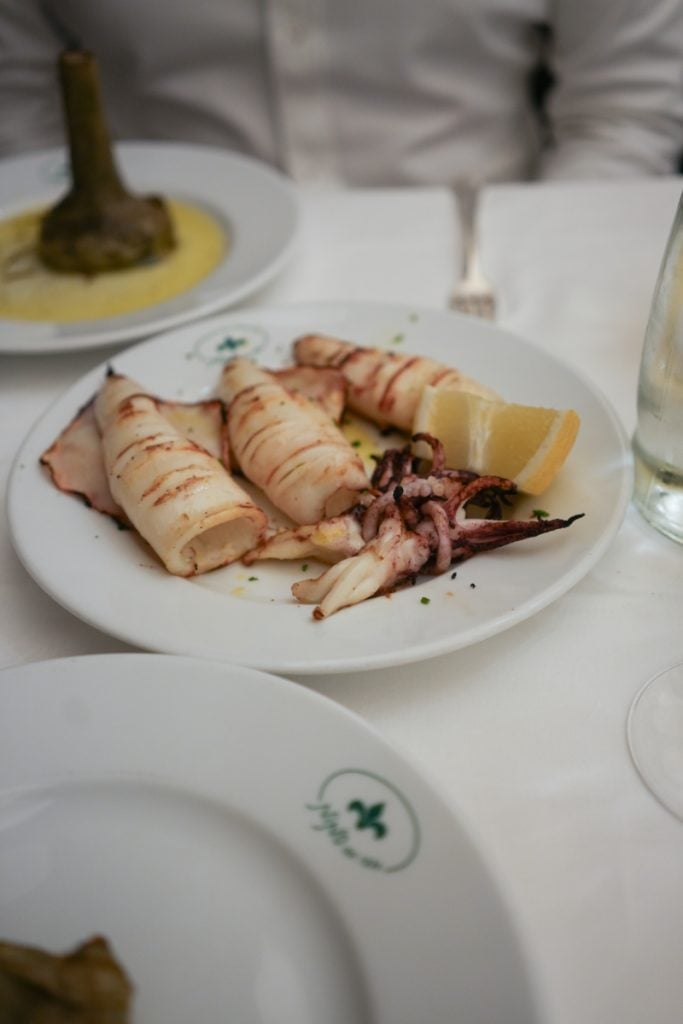
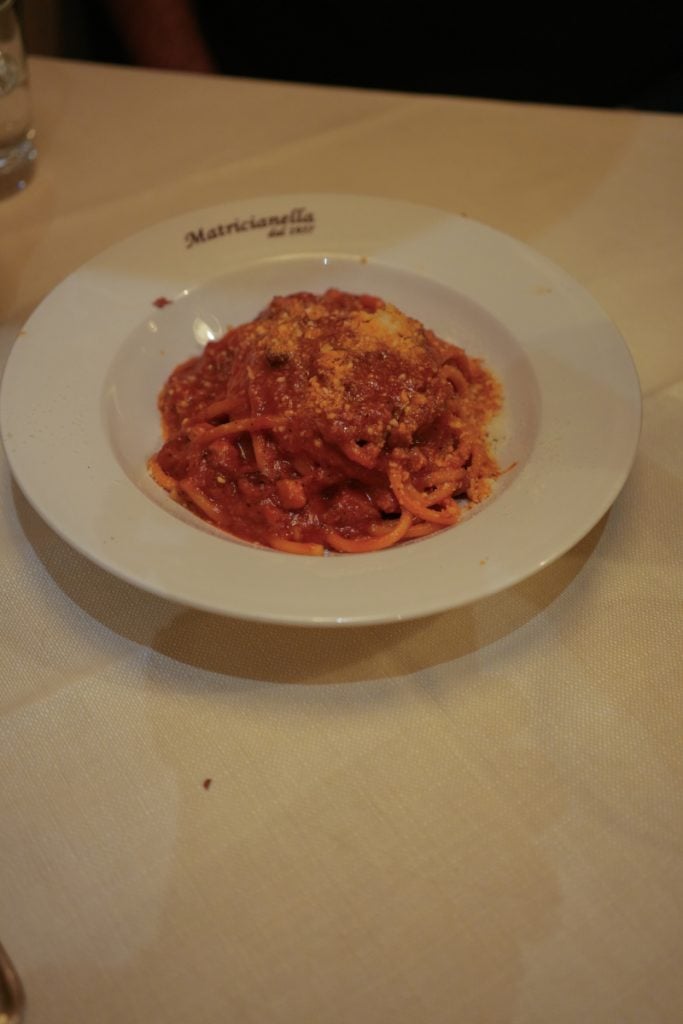
Since you’re right in this area, near the Spanish Steps, there are two fantastic restaurants to pick from. The first is Matricianella, an old school restaurant and institution for amatriciana pasta. The second restaurant is Ristorante Nino, the fantastic Tuscan restaurant that has house-made pasta and seafood.
Day 3: The Vatican and Trastevere
Morning: Tour the Vatican, Sistine Chapel, and St Peter’s Basilica
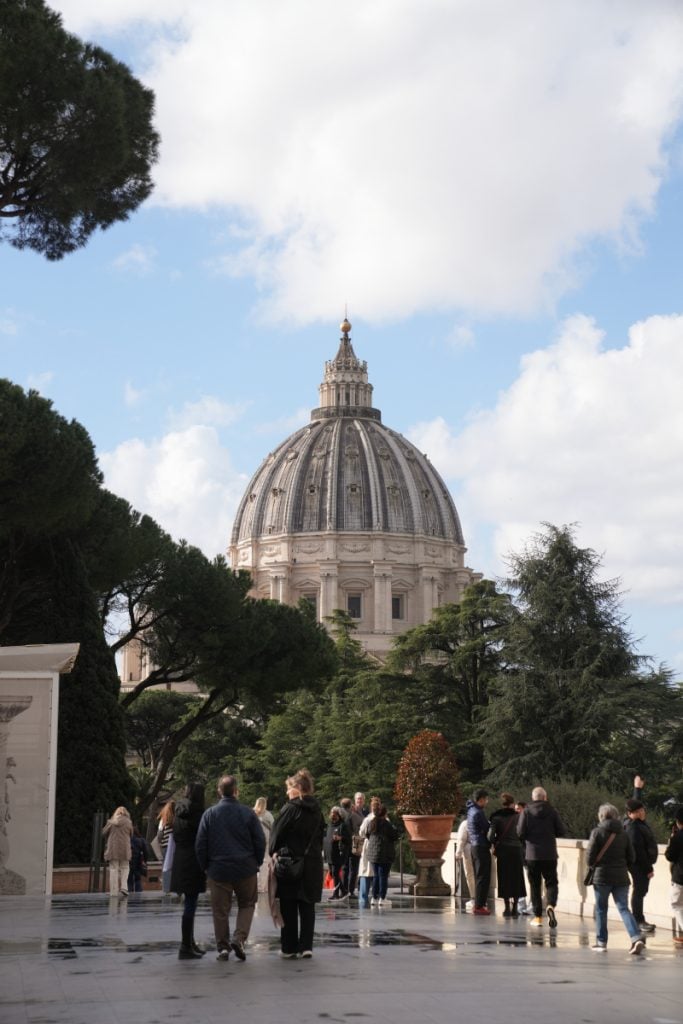
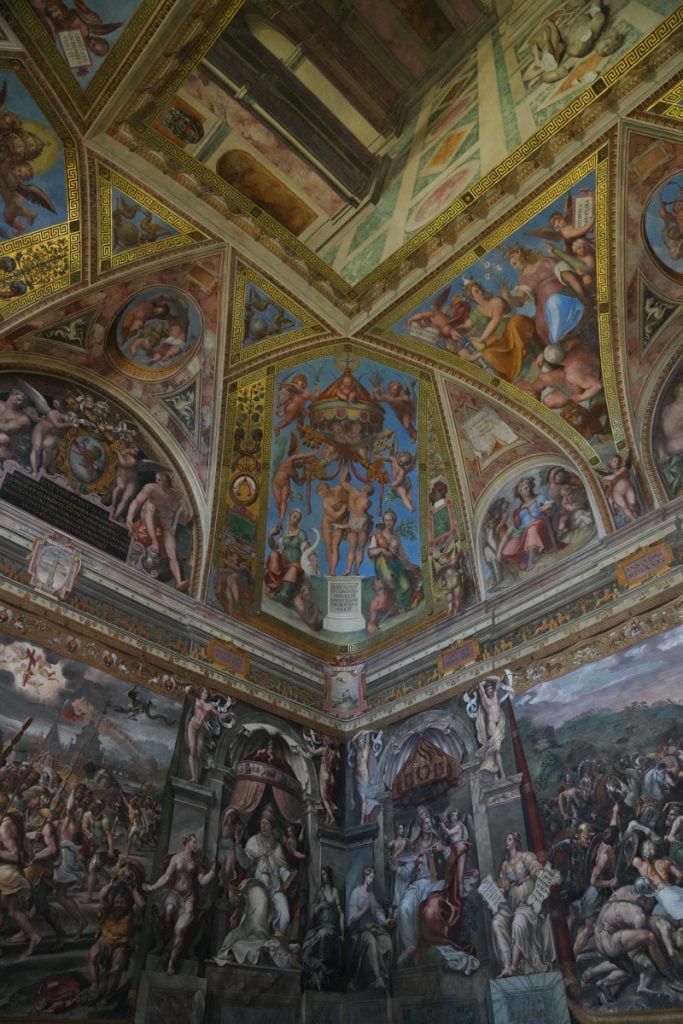
For your third day, I recommend booking an advance, a guided tour to the Vatican, the Sistine Chapel, and Saint Peter’s Basilica. This is the other important historical site that I highly recommend doing a tour of, instead of self-visiting. The same reasons as the Colosseum, a guided tour, will give you early access, ease of entry, and an informative guided tour that will give perspective on this incredible place. After all of my research, the Walks of Italy was the best company, mostly because of their guides who are educated, alongside the special access that they get in the morning. I chose the four-hour Pristine Sistine Small Group Vatican Early Access Tour with Walks of Italy
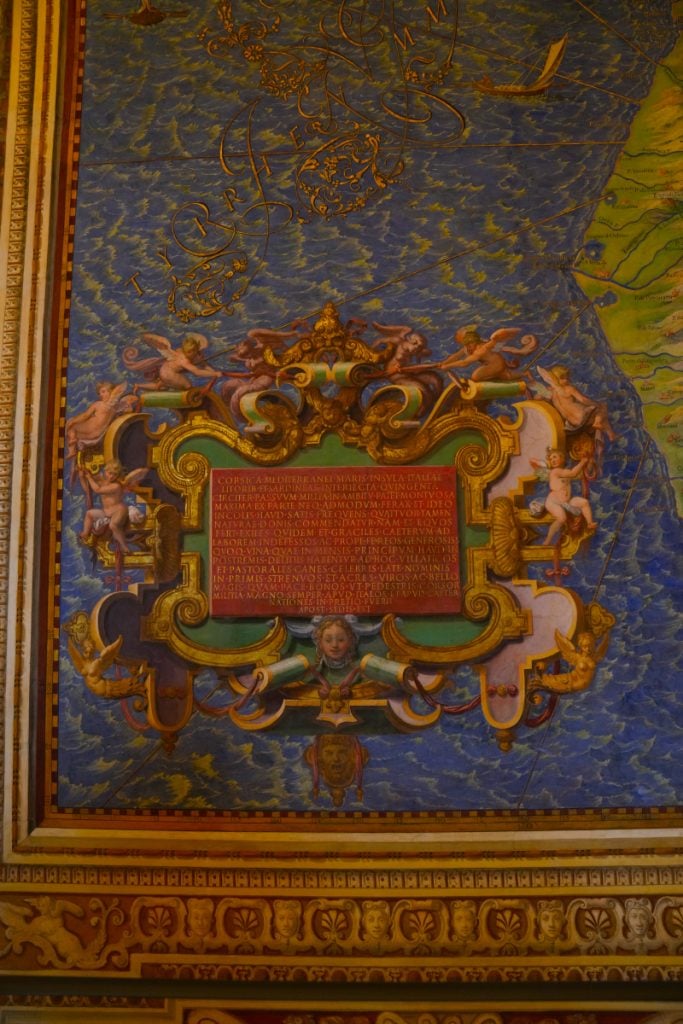
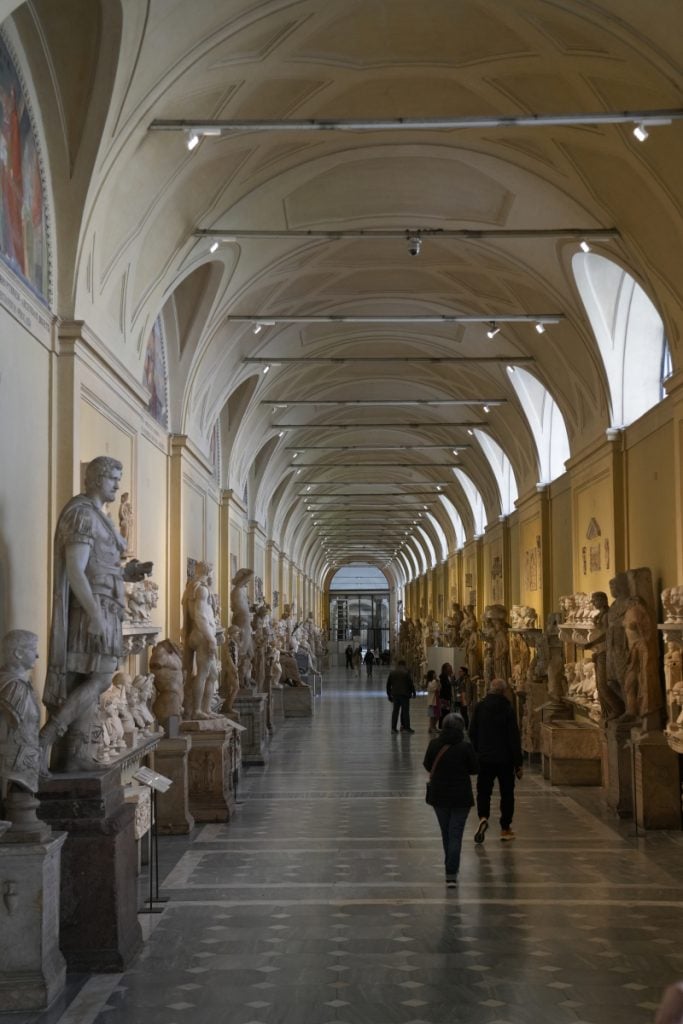
I found the tour to be absolutely fantastic, and our guide had actually worked on the façade of Saint Peter’s Basilica. I learned so much, and far more than I could have done on my own. It was also super helpful to get early access and navigate the chaos of entry into the Vatican. Remember, the Vatican is its own country.
To get an understanding of what you will visit during your tour, it’s important to know that you will enter the Vatican and get to see the first main area with a bird’s eye view of the Dome of St. Peter’s Basilica. From there, you will pass into the Belvidere courtyard and enter the galleries of the Vatican Museum. You would need a full day to see the Vatican Museum, so you will get to see a few select things, like the Gallery of Maps and the Rafael Rooms. These two areas were our favorites from the time, and our guide went into great detail.
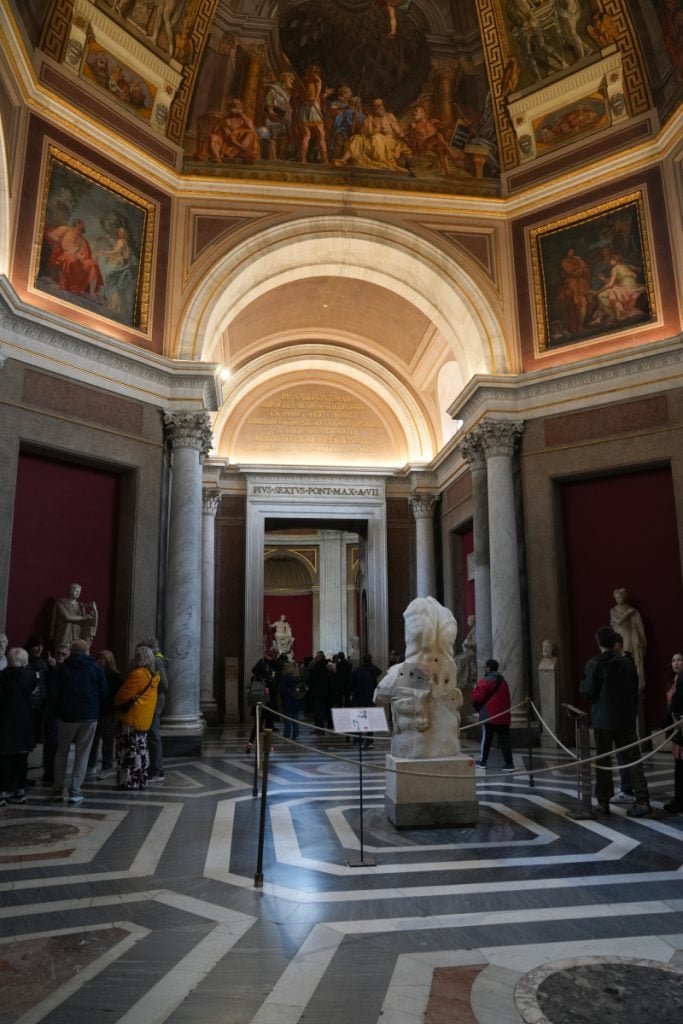
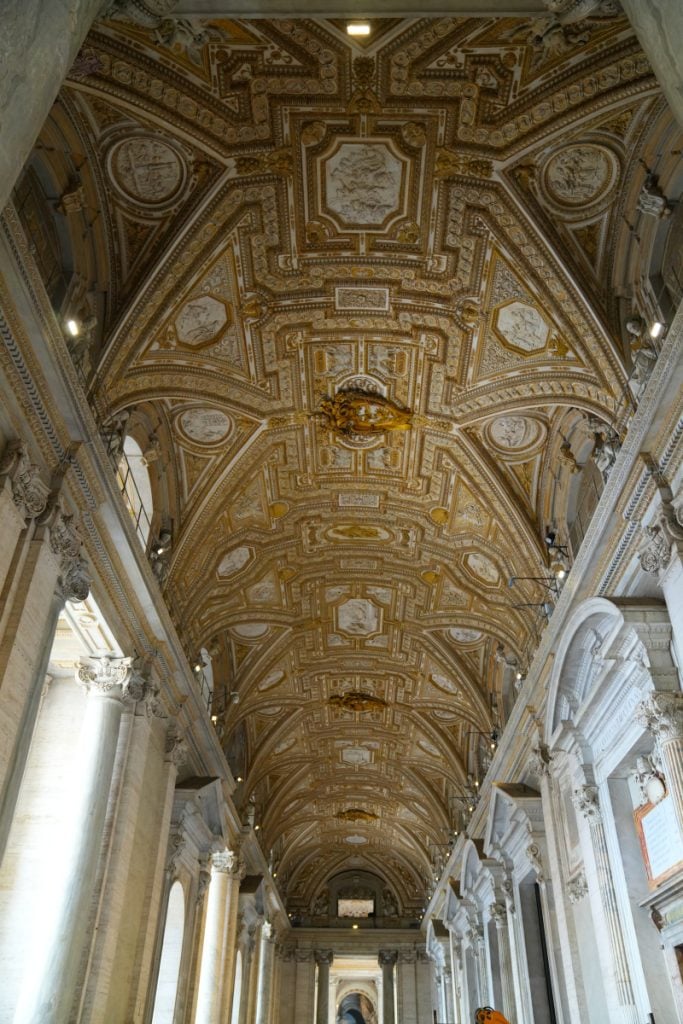
Afterward, you enter the Sistine Chapel, famous for Michelangelo’s masterpiece that depicts the scenes from the Book of Genesis to the Last Judgment. One of the most incredible artworks in the world, and you get to do it early in the morning before it gets completely crowded. From the Sistine Chapel, if you are in a group on a guided tour, you get to use a special passageway, which gets you into Saint Peter’s Basilica and cuts the line. You’ll spend additional time there, and you’re free to visit on your own more of the basilica after the tour ends. This passageway is closed on Wednesdays, so I recommend not doing this tour on a Wednesday.
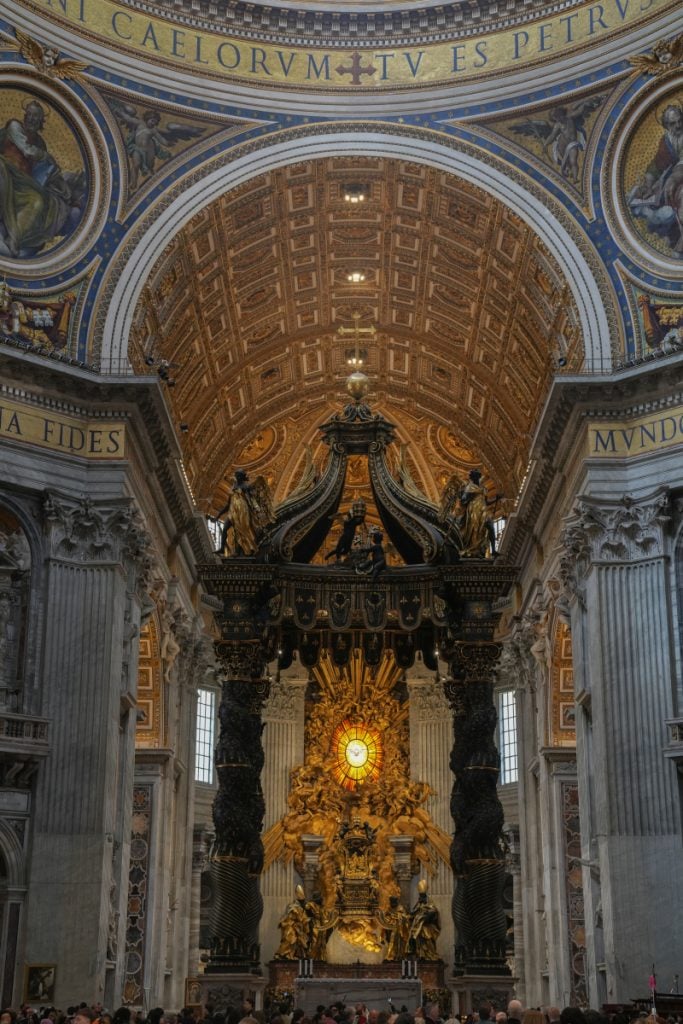
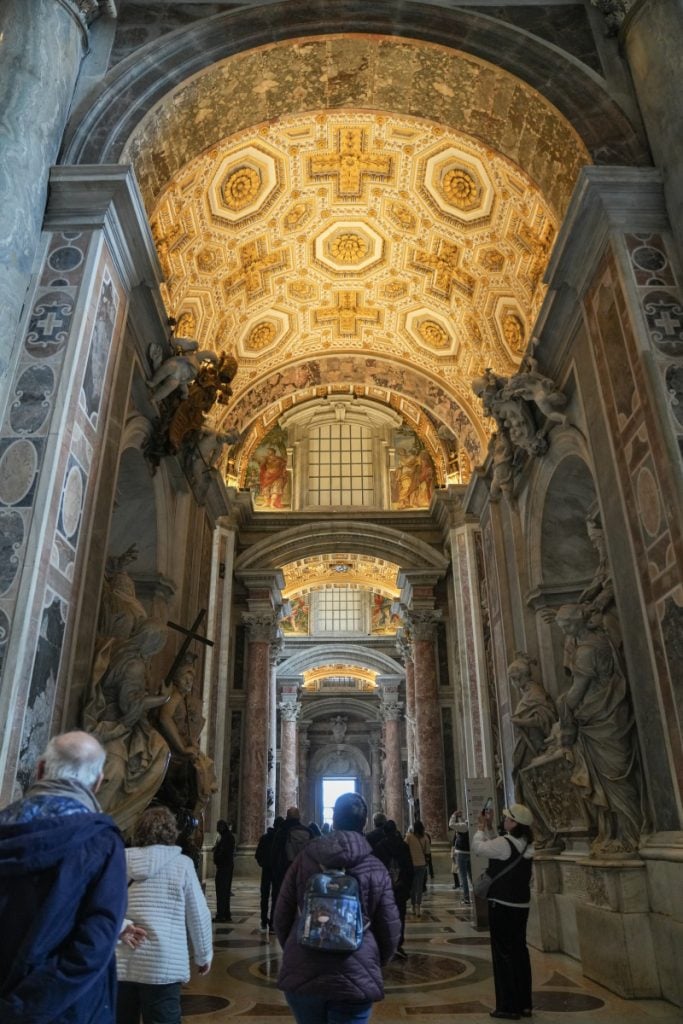
In total, the tour took four hours, so it takes the better chunk of this day, which is why I would not do combined tours on a single day with the Vatican. It’s a lot to soak in, and you are on your feet quite a bit, so wear good walking shoes.
What to Know About Visiting the Vatican
- You will need to cover your knees and shoulders inside the Basilica, they will not let you enter with tank tops and really short shorts.
- No photos are allowed inside the Sistine Chapel, and they keep a very watchful eye and will escort you out if they catch you trying to take a photo.
- You absolutely need to book these tours in advance, because there is only a certain number of groups that get this early access. This is the first thing I would book once you know your dates.
The Vatican Tours to Consider
- Pristine Sistine Small Group Vatican Early Access Tour (4 hours / What I Did)
- Vatican Evening Tour: Alone in the Sistine Chapel Tour (2 hours, wish we could have snagged this, it was sold out)
- Private Vatican Tour (3.5 hours, private for up to 6 people)
- Vatican Express Tour: Highlights of the Museums & Sistine Chapel (3 hours, and at 4:15 pm only)
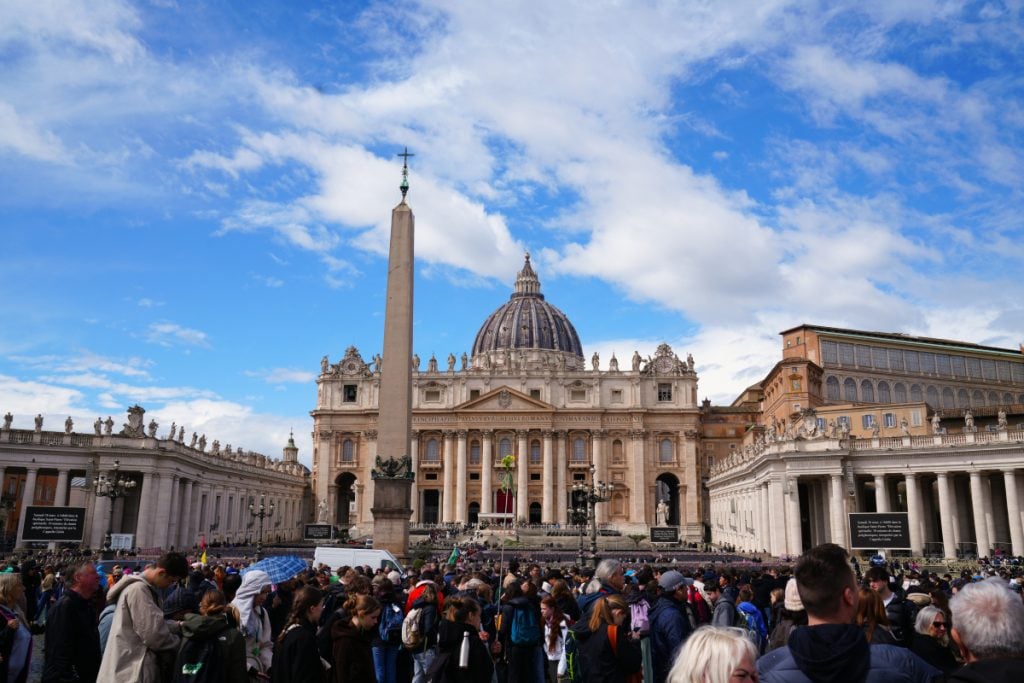
But why not self-visit the Vatican? As a fellow traveler, I could not in good faith recommend to self visit the Vatican, the museum, and Saint Peter’s Basilica. When I saw how long the lines were for same-day entry with a ticket on arrival, I was baffled. People are waiting hours just to gain access. The most notable was Saint Peter’s Basilica, which is why I recommended a tour that includes it, and allows special access without having to wait in that line.
Afternoon: Trastevere Classics
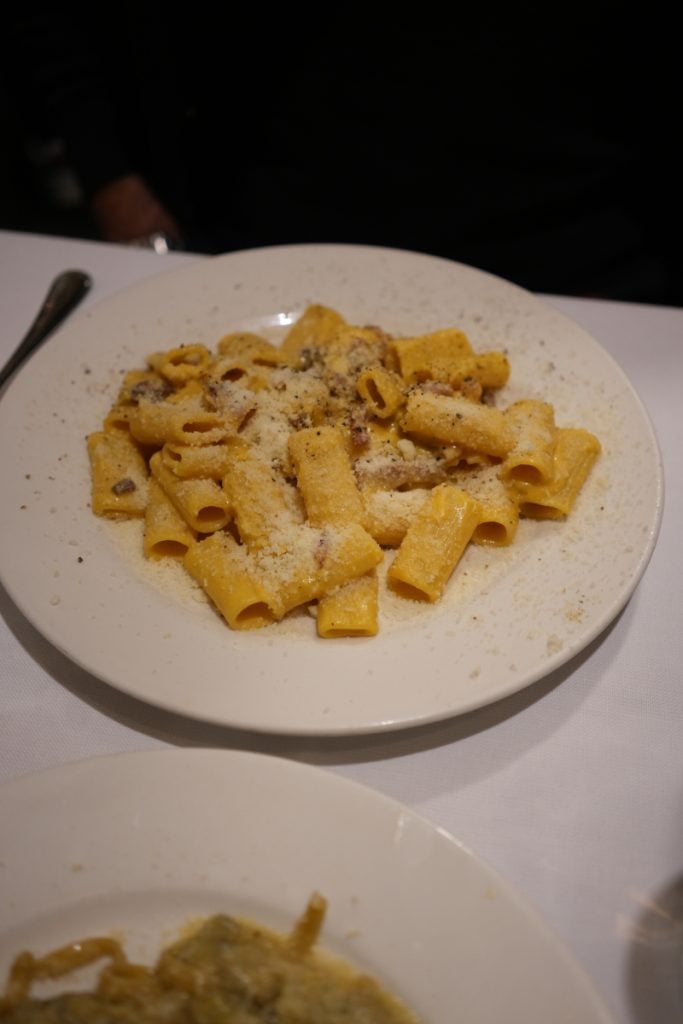
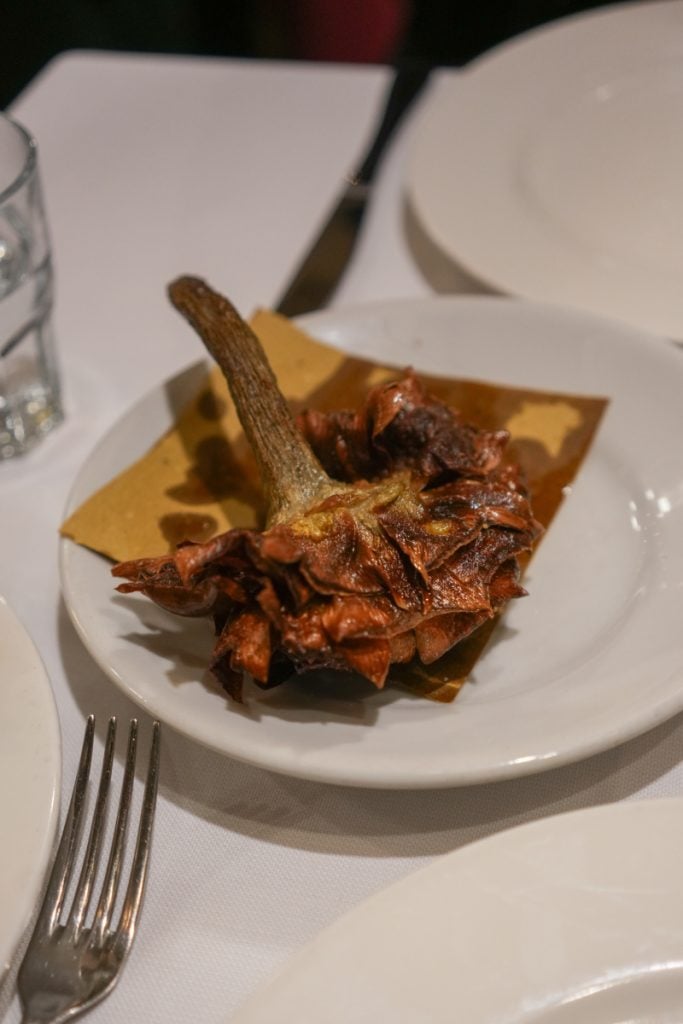
Upon exiting the Vatican, I would get right into a taxi and head over to the neighborhood of Trastevere. My first recommendation is to head for lunch at Trattoria Da Teo, one of the most famous restaurants in this neighborhood. You can book this one in advance, which I highly recommend; this is the spot to get carbonara and a perfect place to sit for a leisurely lunch after being on your feet all morning.
After eating at the restaurant, I would spend the rest of the afternoon exploring the historic neighborhood of Trastevere. It’s a lively neighborhood with loads of restaurants, shops, and little gems. When I visited Rome last year, I spent a few nights here and really enjoyed just how separate this neighborhood feels from the rest of the city.
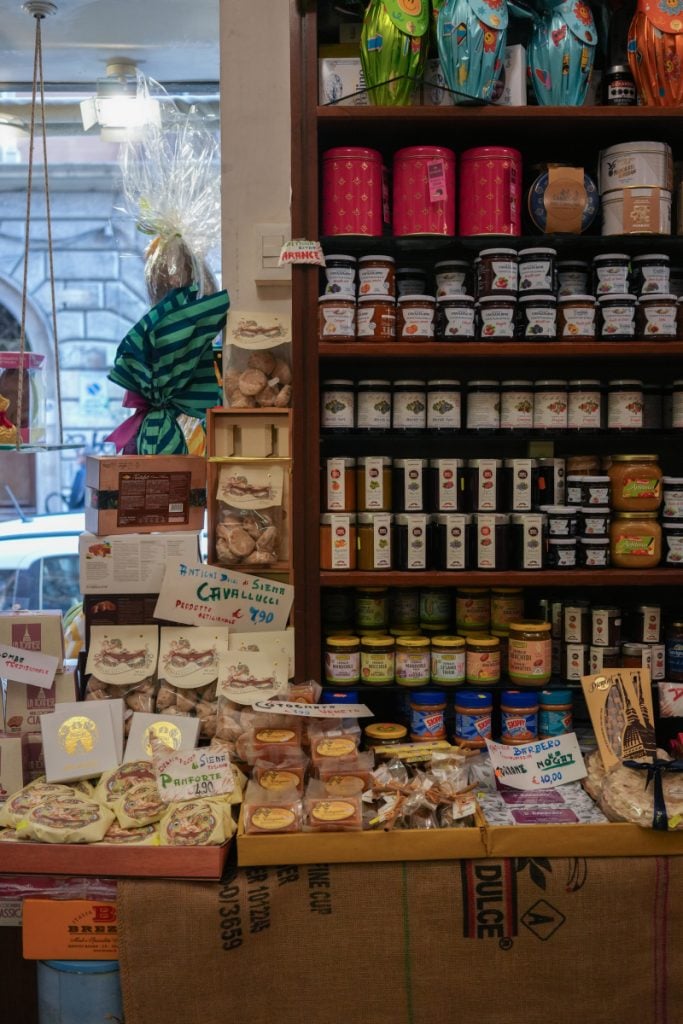
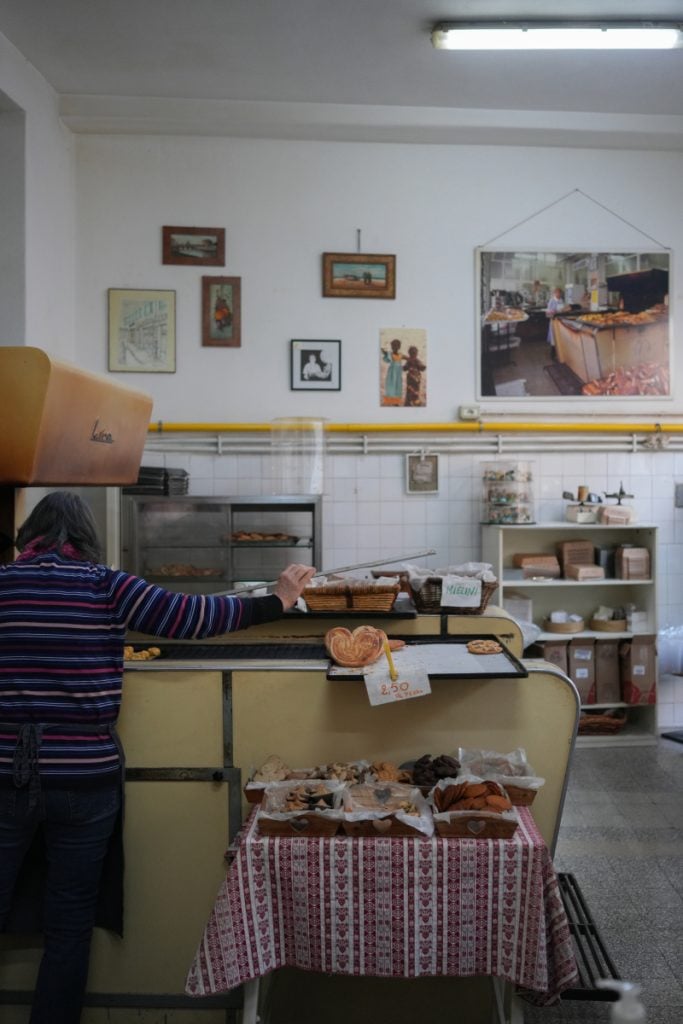
Head to Biscottificio Artigiano Innocenti for an artisan cookie shop that has been in production for generations, one of the last of its kind in Rome. Continue onto F. LLI INNOCENZI SNC to stock up on Italian gourmet items like olive oil and candies. And from there make your way to the Basilica di Santa Maria, the epicenter of Trastevere. All of the streets around the piazza are wonderful for exploring.
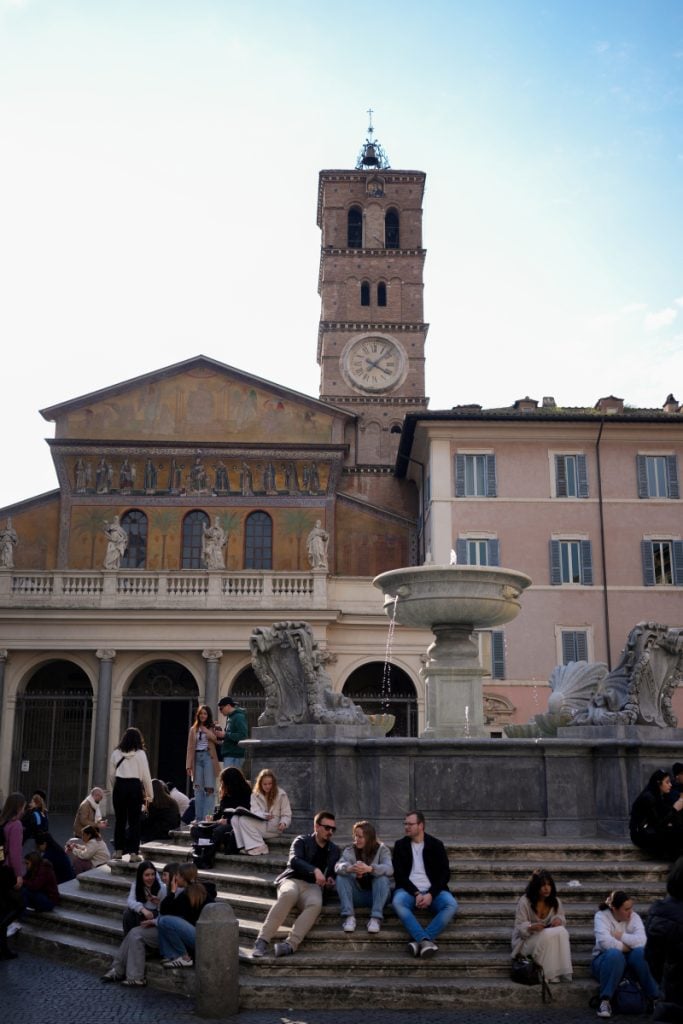
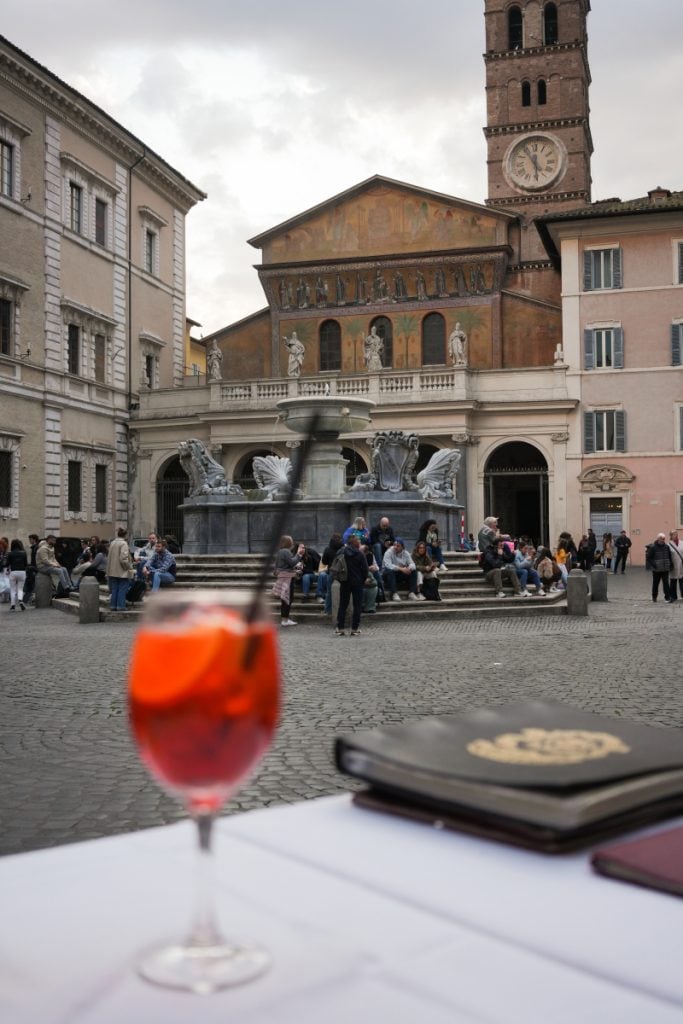
To end your time in Trastevere, I’d get an aperitivo as the locals do. The most famous is Bar San Calisto, a long-standing institution for the neighborhood. If you want one with a view, head to Ristorante Sabatini, which overlooks the Fontana di Santa Maria in Trastevere.
Evening: Dinner
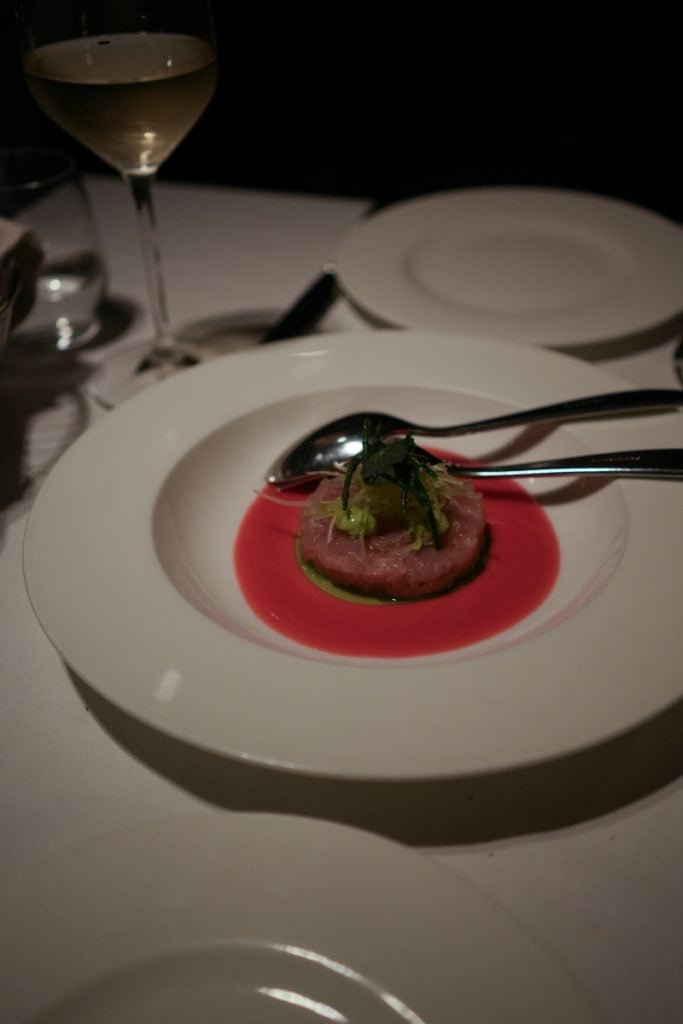
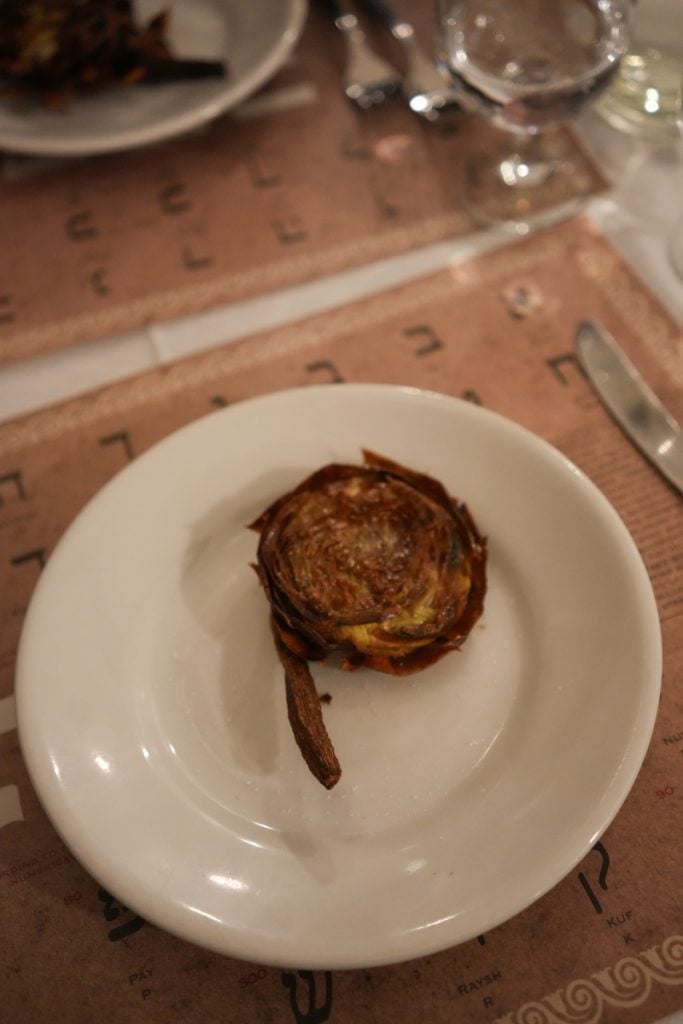
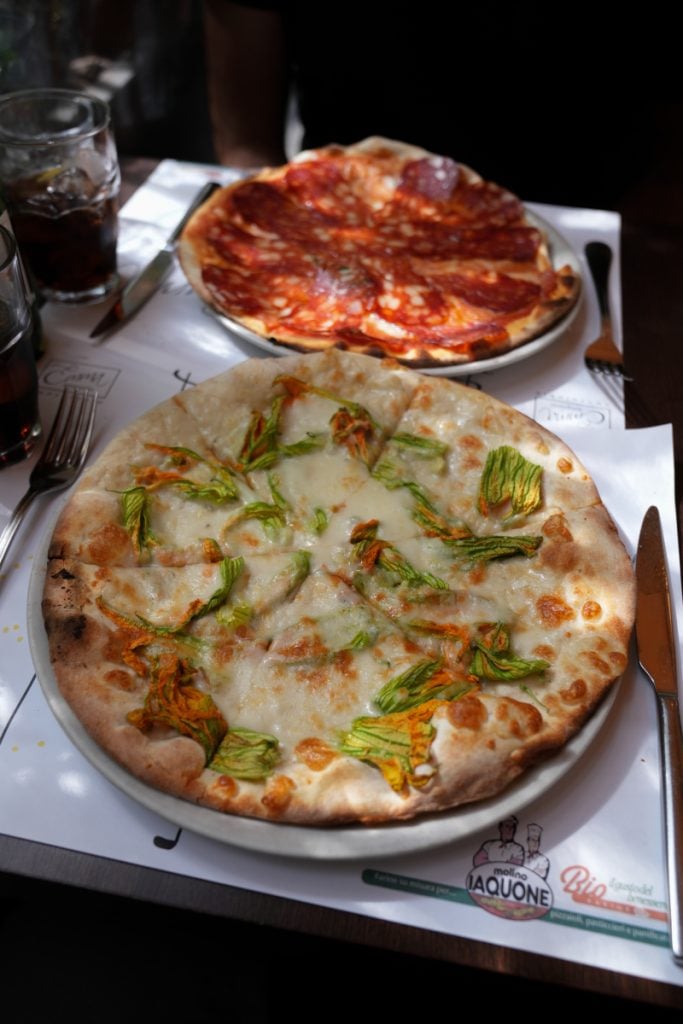
For dinner tonight, I recommend getting in a taxi and heading to one of these three places. The first spot I recommend is Emma Pizzeria for Roman-style pizza. You will have all the classics here, like margherita pizza, and more seasonal favorites, like their white cheese pizza, topped with squash blossoms. The next spot, if you want something more formal and fine dining, is Pierluigi, the restaurant, best known for its seafood selection. When you eat here, you can pick your own fresh fish and seafood, and they prepare it how you want it. It is very formal and probably the most expensive restaurant in this area.
Finally, the Jewish ghetto is home to about a dozen incredible Jewish restaurants, all specializing in Jewish Roman Cuisine. Nonne Betta and Al Pompiere are my two choices here, and these are the spots to try the traditional Carciofi alla giudia (Roman-Jewish fried artichokes), a recipe that comes from the 16th century.
Day 4: Exploring More of Rome, Food Tours, and Gems
Morning: Markets and Galleries
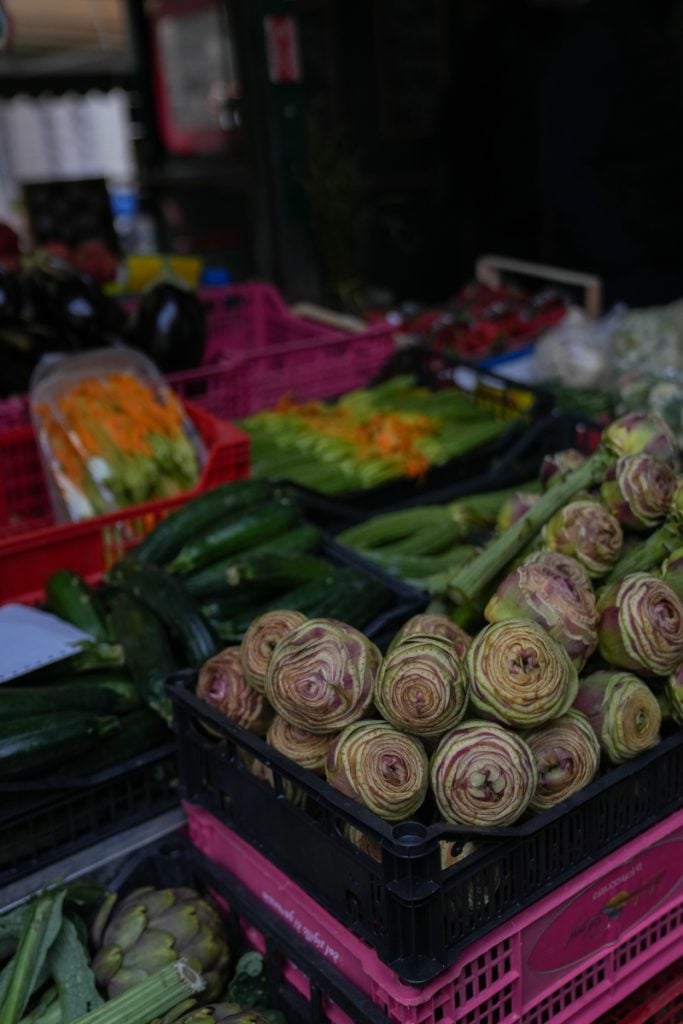
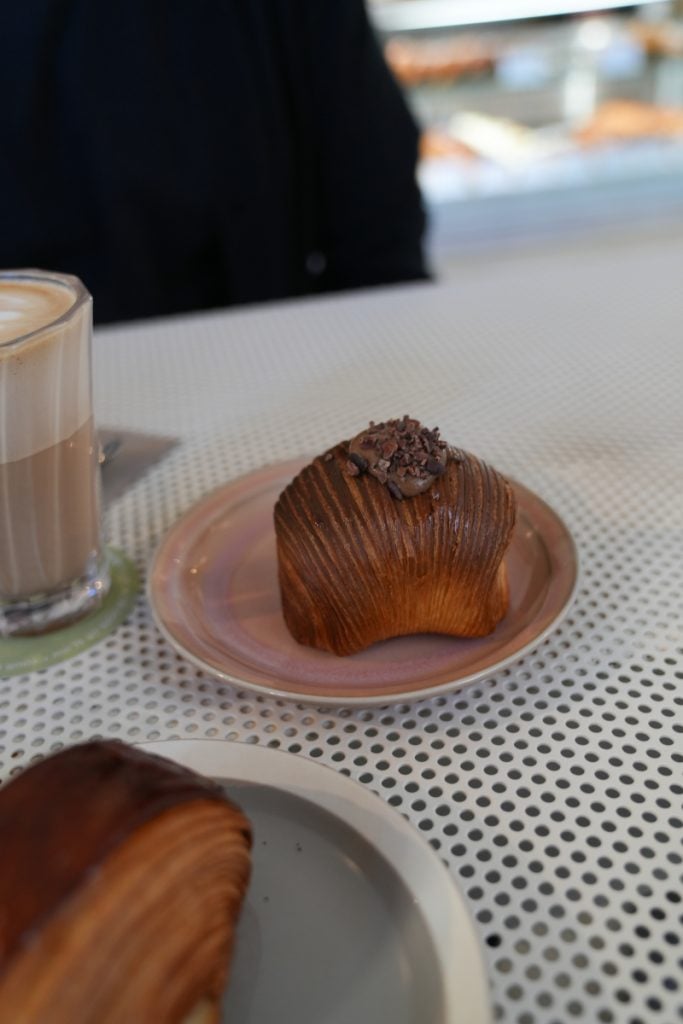
When I think about the final days in a new city, for me it’s all about picking up the extra pieces, the gems that I haven’t had the time for. Rome is one of those places that I keep an ongoing list of things to do, so I want to recommend a few ways to spend a final day in Rome.
The first way to spend a morning in Rome is to head to a local cafe. I loved the more modern Slow Cafe that recently opened around the corner from the Pantheon. It’s chic, and the pastries were some of the best we had while there. After, I’d make my way to a local morning farmer’s market. There are several to choose from in the city. I’d look at:
- Mercati Campagna Amica (Mercato di Circo Massimo), Saturdays and Sundays from 8 am to 3 pm
- Campo de’ Fiori Market, Monday to Saturday from 8 am to 2 pm
- Testaccio Market, Monday to Friday, 7 am-2:30 pm, Saturday: 7 am-3:30 pm
- Mercato Rionale Campo Marzio di Piazza Monte d’oro, Monday to Saturday, 7 am-2 pm
The next best way to spend a morning in Rome would be to do something food-related — there are so many incredible food and market tours to look at. Most of the tours start mid to late morning and will take you to a local market, where you get to try a variety of foods, most of which you may not have tried yet. The Rome food tours I’d consider are:
- Rome City Center Largest Farmers Market and Street Food Tour, a guided walk through Rome’s biggest open-air farmers market with tastings of local street food and seasonal produce
- Trastevere & Campo de’ Fiori Street Food Tour, Eat Like a Local, a small-group tasting tour through two of Rome’s most iconic food neighborhoods
- Trastevere Rome Street Food Tour, Small Group, a small-group evening food crawl through Trastevere with drinks included at every stop
- Roam Around The Roman Market, a local-led tour of Rome’s neighborhood markets with generous tastings of cheese, cured meats, and seasonal bites
This could also be a great time to take a cooking class if you haven’t yet. There are dozens of cooking classes available, with many cooking everything from pastas to tiramisu. Some of the highest rated are:
- 3 in 1 Cooking Class near Navona: Fettuccine, Ravioli & Tiramisu, a hands-on class near Piazza Navona where you make three Italian classics from scratch
- Rome Pasta and Tiramisu Class: Ravioli, Fettuccine & Fine Wine, a small-group workshop with free-flowing wine where you learn to make fresh pasta and tiramisu
- Rome Cooking: Pasta & Tiramisu Making, Free-Flowing Fine Wine, an intimate cooking experience with a local chef, covering pasta techniques and classic tiramisu with wine pairings
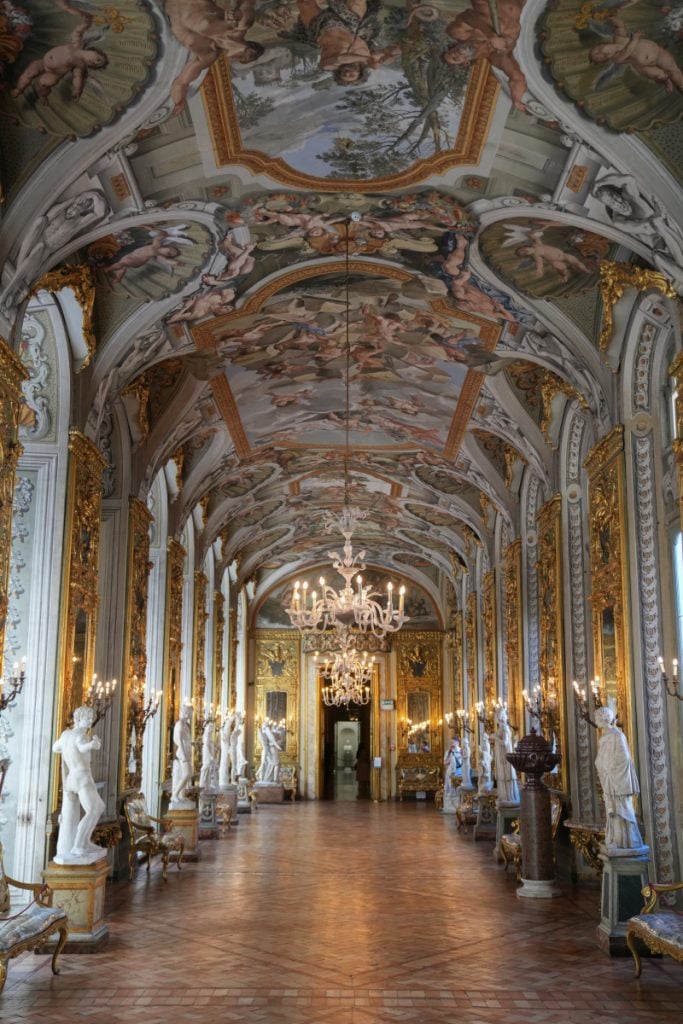
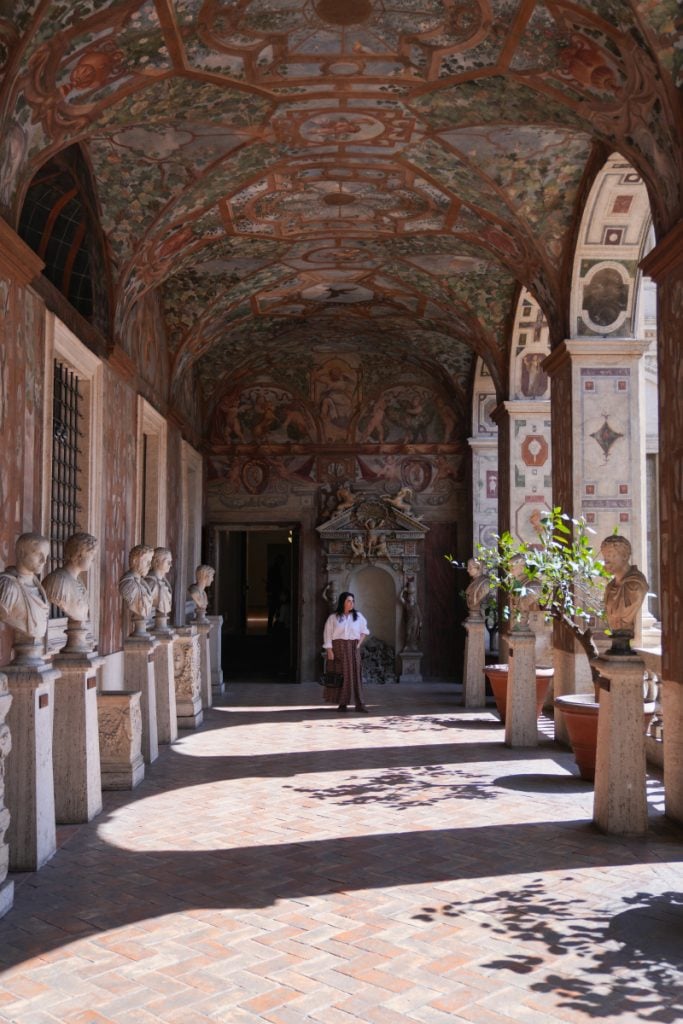
Now, if food is not your thing, I have two special places I haven’t mentioned yet on the itinerary that I feel are well worth a morning visit: Galleria Doria Pamphilj and Palazzo Altemps. Both of these are outstanding sights, and if I had to pick one, it would be the fantastically impressive Galleria Doria Pamphilj.
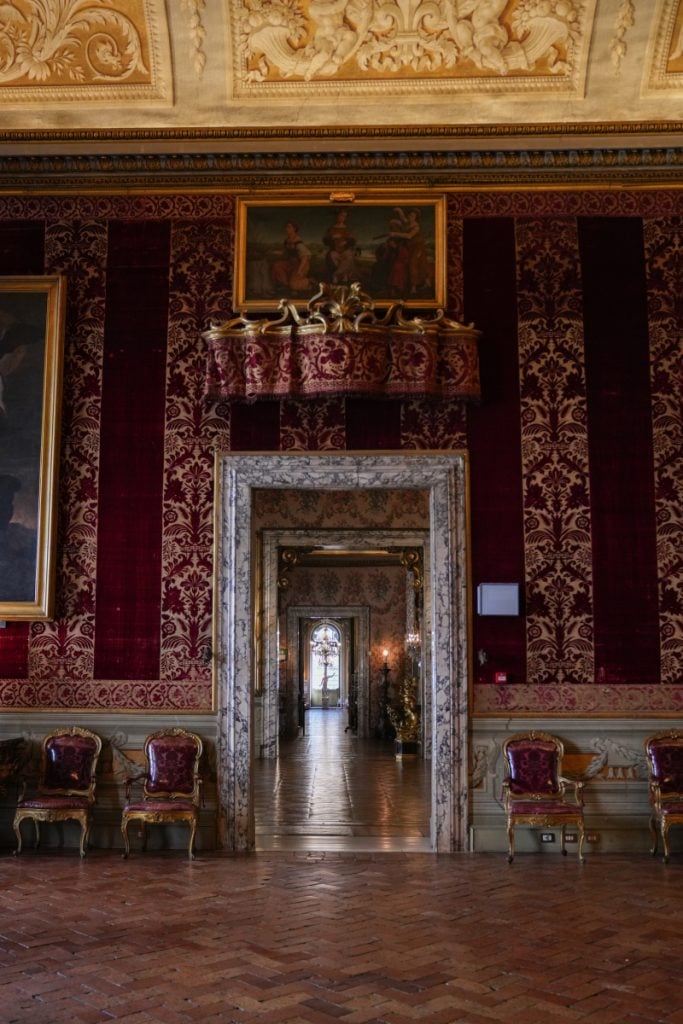
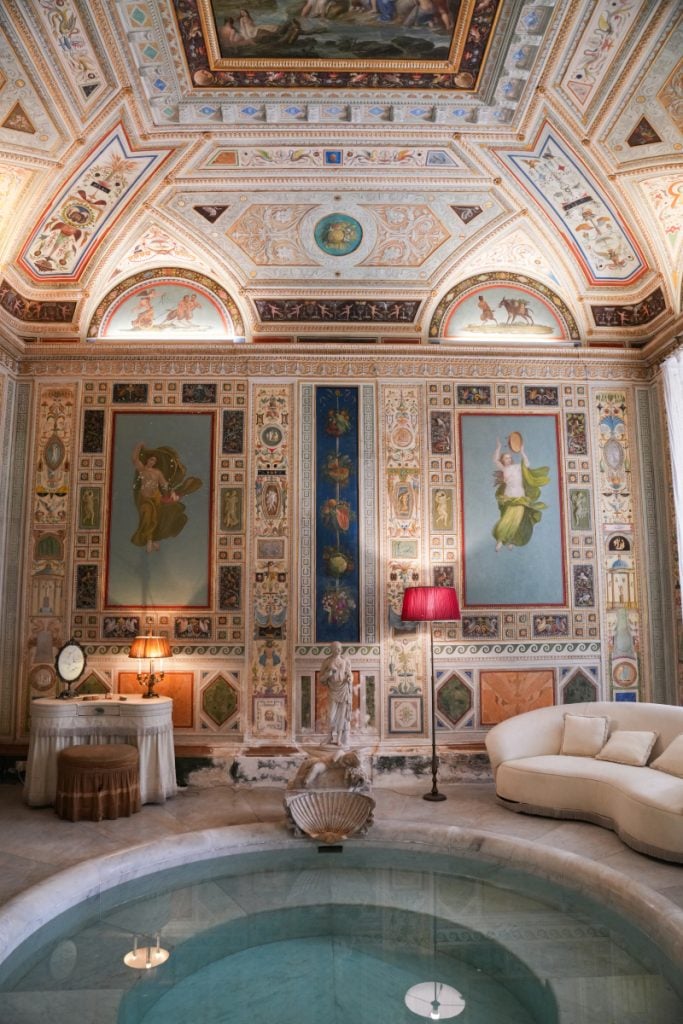
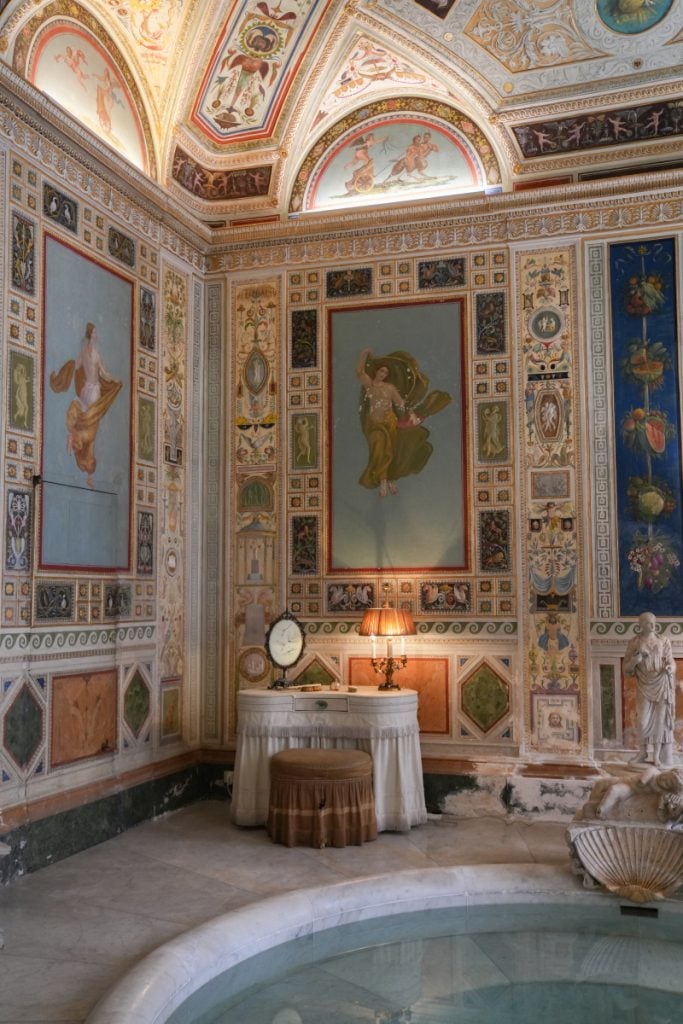
Owned by the Pamphilj family, this estate, or rather palazzo, houses some of the most impressive works of art in their home, which is available to the public to see. Think unique Caravaggio to Raphael, this collection is over 650 works of art, and the spaces and galleries they’re in are equally impressive. Downstairs, you can’t miss the Bagno di Diana in the “secret apartment” that was recently opened to the public.
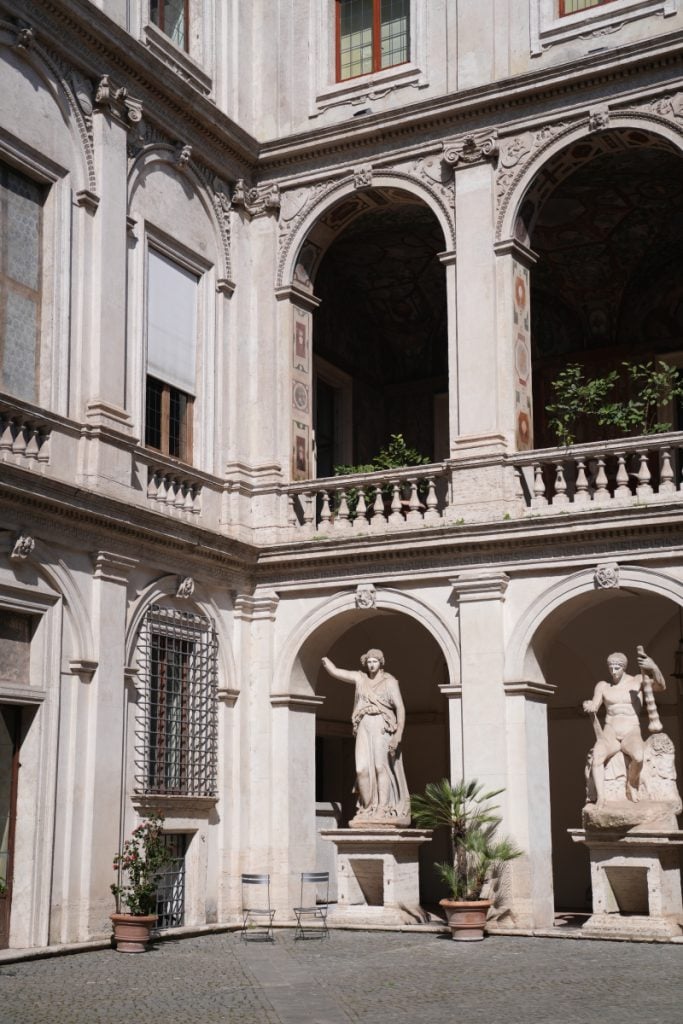
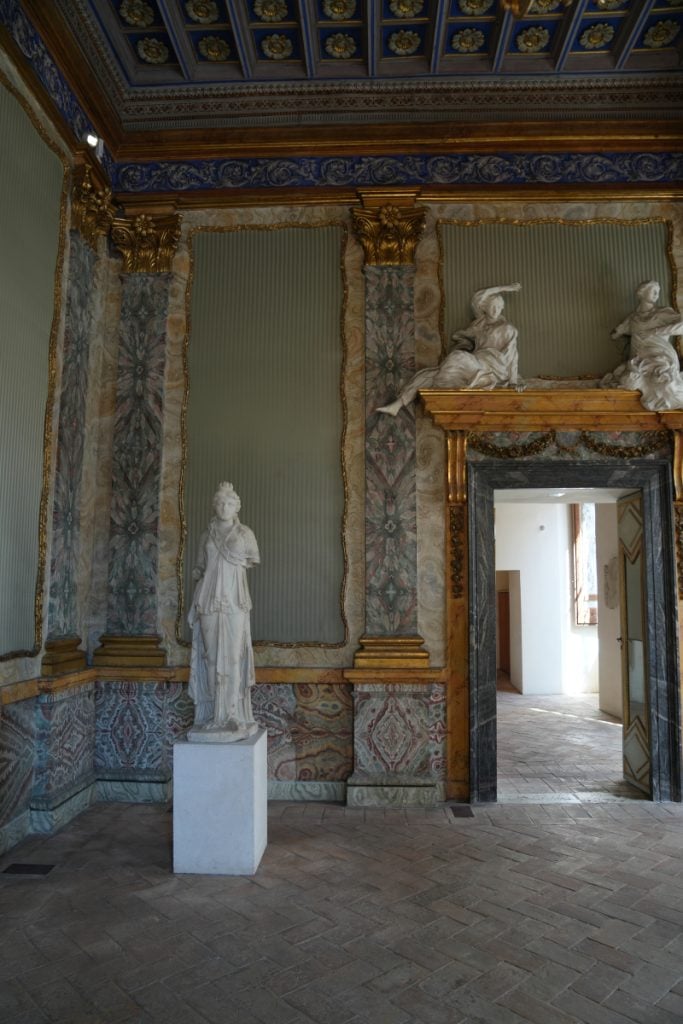
Palazzo Altemps is another gem of a museum, as part of the National Roman Museum collection, this smaller and tucked-away palazzo houses an important collection of Greek and Roman Sculptures. I went midday, and it was nearly empty, as it’s just not as discovered yet. It’s somewhere you can pop in for an hour to stroll around.
Afternoon: Spanish Steps and Shopping
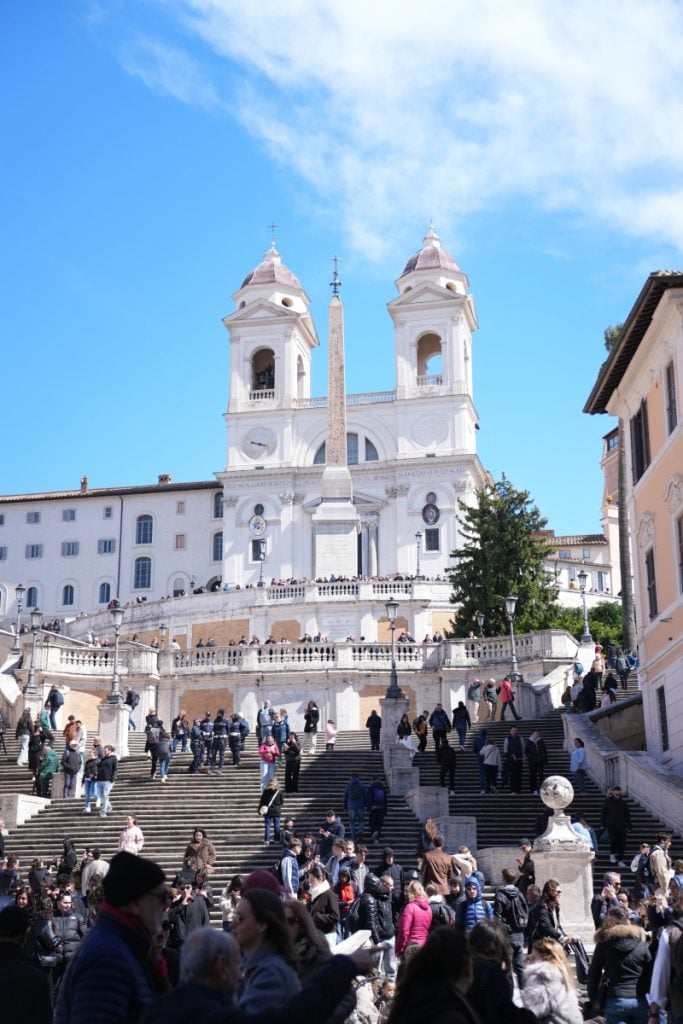
For the afternoon, I’d make my way over to the Spanish Steps for some special shops that are in this neighborhood. While it’s definitely full of the big-name brand stores, there are some locally owned stores and artisan shops that are worth going to. The first is Schostal Originals, a wonderful clothing store that specializes in these lovely pajamas and is a celebrity staple. Just ask the owner to see her Instagram; they’ve become a Hollywood favorite, but for good reason, and a wonderful souvenir to bring home.
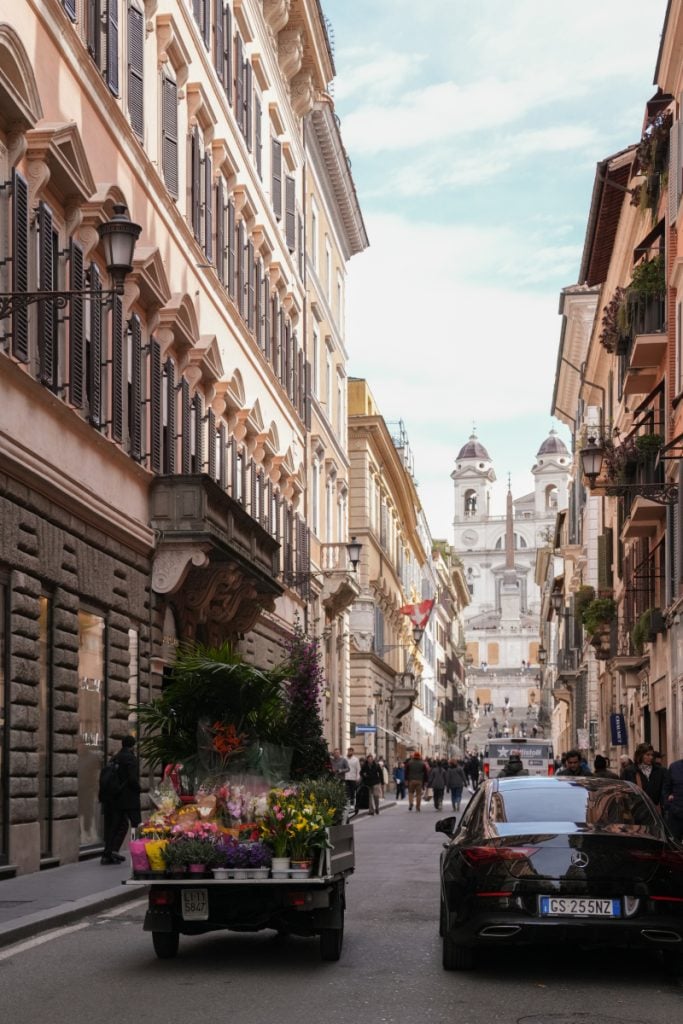
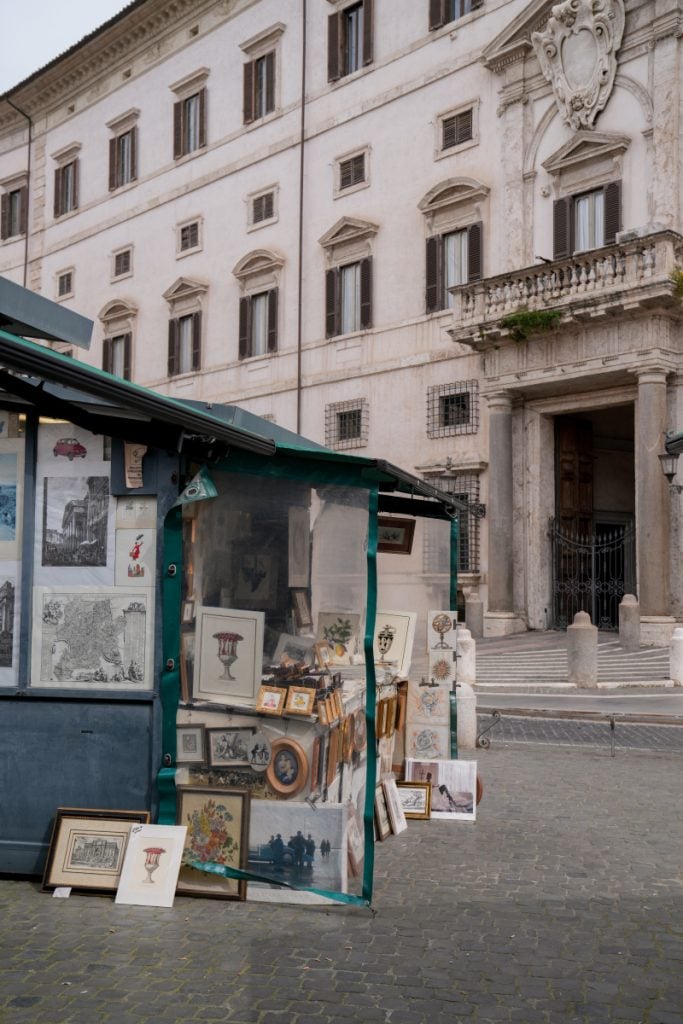
The next store I’d stop into is c.u.c.i.n.a., your must-stop for all Italian cookingware, like pasta cutters to espresso machines. And just around the corner is Castroni, a high-end gourmet Italian store to stock up on olive oils. While you’re over here, you’ll be right by the Spanish Steps, so take a look at those, just remember not to sit, as you can be fined. One last spot is Piazza Borghese for the print and art stalls!
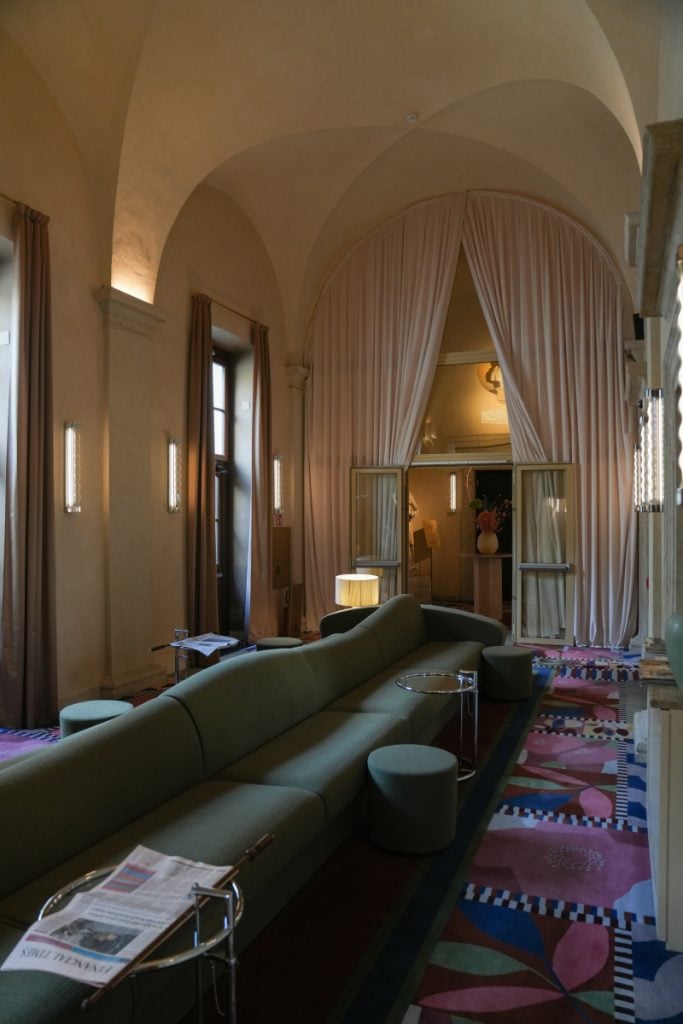
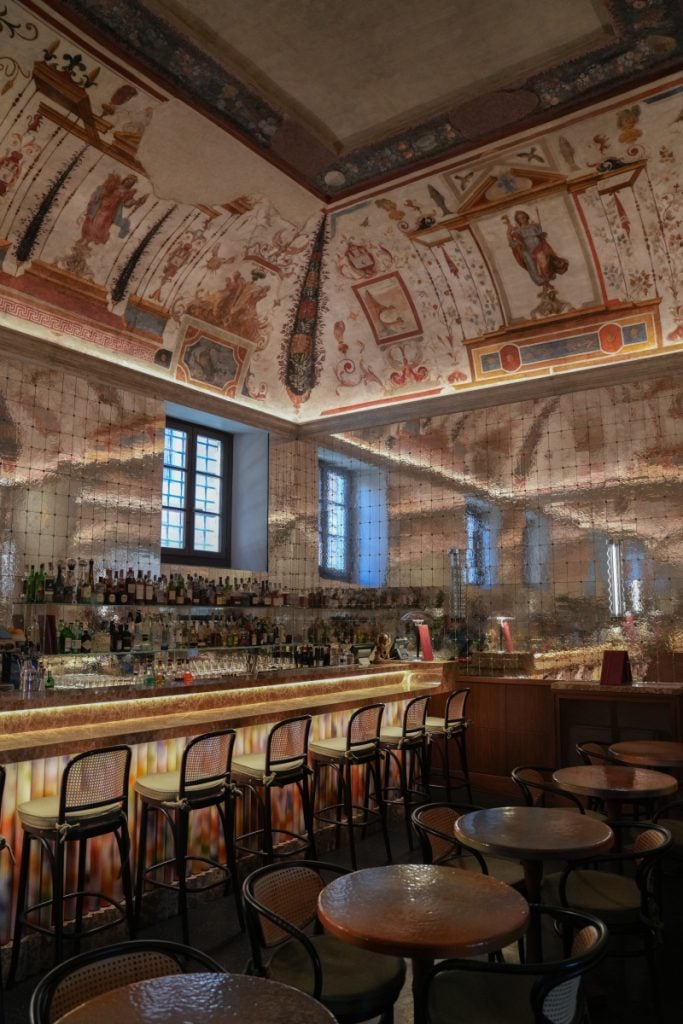
To finish off the final afternoon, walk to Bar della Musa, a stunning cocktail bar inside Palazzo Talìa. It’s a top spot right now in Rome for drinks; the bar is one of the most beautiful spaces I’ve seen in some time.
Evening: Dinner
For your final dinner in Rome, I’d head to wherever you haven’t been yet. I’ve mentioned several restaurants throughout, where it is pizza at Emma Pizzeria, Roman Jewish food at Nonna Betta, or even Pierluigi for high-end seafood. A few other spots that I’ve saved, if you’ve made it to all of these, are Armando al Pantheon (desperately wanted to go, couldn’t get a res), Bar della Pace for a more laid-back spot, and the very much talked about Rocco Ristorante.
Save This Post for Later on Pinterest
PS — Are You Booking a Trip Soon? Use My Booking Checklist!
These are the sites I use most to book my own trips. Using the links below is a great way to support Bon Traveler’s travel journalism at no extra cost to you. If you need help organizing your itinerary, get my free travel itinerary template here.
1. Book Your Accommodations
I use Booking.com for hotels and Airbnb for vacation rentals. They have the biggest inventory and consistently offer the best rates.
2. Book Your Rental Car
Self-driving is the best way to explore most destinations. I use Discover Cars for our rental cars, select full coverage insurance, and opt for a reputable company like Alamo, Hertz, or Sixt.
3. Book Your Tours & Experiences
I use Viator, Airbnb, and Get Your Guide to find the best tours and experiences. They are my favorite tour search engines. I always check all three as their inventory varies depending on the destination.
4. Book Your Private Transfers
For easy, reliable private transfers, I use Welcome Pickups. It’s my go-to for arranging a driver in advance — whether it’s an airport pickup, a hotel-to-hotel transfer, or a day trip. The experience is seamless, with English-speaking drivers and upfront pricing, so you can travel stress-free at every stage of your trip.
5. Get Cell Data for Your Trip
I use Holafly for international cell data. Their unlimited data eSIMs are easy to install, activate instantly on arrival, and let you skip local SIM cards and expensive roaming fees.
6. Don’t Forget Travel Insurance
I never leave the country without travel insurance. It provides comprehensive protection in case anything goes wrong (ie. illness, injury, theft, or cancellations).
My favorite companies that offer the best coverage and rates are:
- World Nomads (best for all-around)
- Safety Wing (best for frequent travelers)
Xx,
Jessica