

Welcome to Tokyo and its maze of bright lights, restaurants, and everything else imaginative that fills in the cracks. This first-timer’s guide to Tokyo is just the start to the endless adventures in this city.

I will never forget the moment I walked out in Shinjuku Station. It was my first glimpse of the city — seas of people passing by, vendors selling an assortment of oddly-colored food — all sights and smells that I would soon grow accustomed to.

The sheer vibrancy of the city is hard to soak in and even after five days in Tokyo, I could have gone back for more. Spots like small coffee shops tucked in lush corners of the city to shops specializing in hilariously cartooned characters, make Tokyo, well Tokyo. It’s the weird and the wonderful.
Anthony Bourdain said it well: “Tokyo may well be the most amazing food city in the world, with a nearly unimaginable variety of places stacked one on top of the other, tucked away on every level on densely-packed streets.” It’s hard to say where to begin.
The city is large, but a smart and efficient network of underground rail connects it all together. Daunting, but an unfamiliar orderliness makes Tokyo work the way it does. It’s clean, it’s organized, and somehow it blends beautifully. There’s no sense of urgency, as they know that each person has a task done to be done, and through the quietness and peaceful lining up at a train stop, you can spot a glimpse of this.
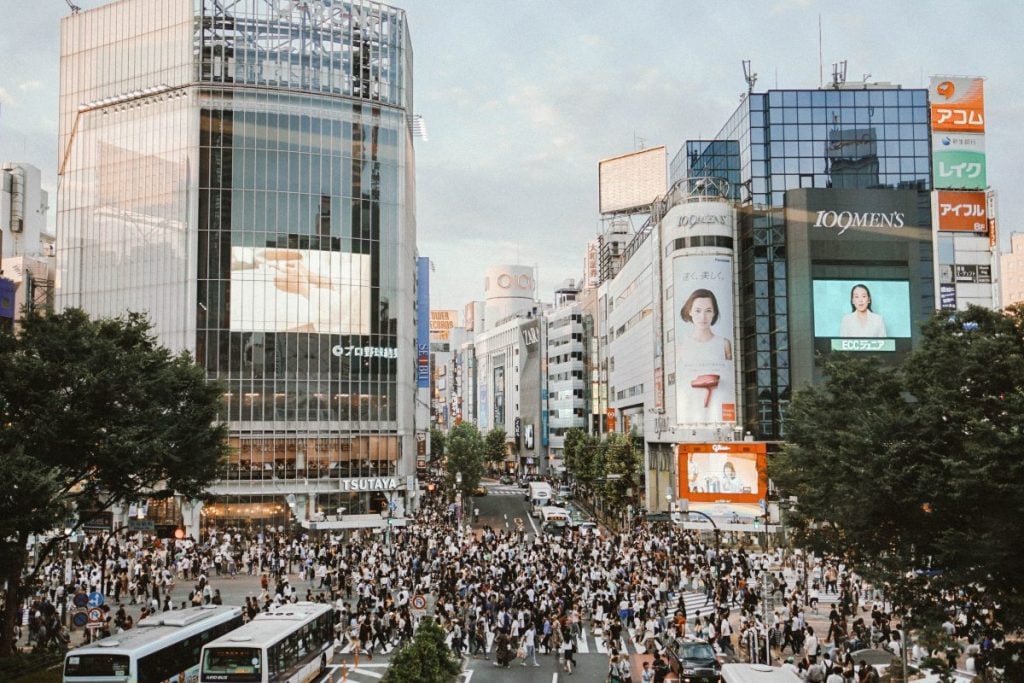
Tokyo is mesmerizing. It waits for those willing to step into a world that most will never understand, but can, at the very least, scratch the surface.
Short on Time? Here Are My Top Picks for the Best Hotels and Things to Do in Tokyo:
Hotels
- JR-East Hotel Mets Shibuya ($$ / Where I Stayed), for the best transit-connected location, with seamless access to Shibuya Station
- Shibuya Granbell Hotel ($$ / Where I Stayed), for a boutique stay near the action, just off Shibuya’s busiest streets
- Hotel Indigo Tokyo Shibuya ($$$), for a stylish, well-located stay in Shibuya, combining modern design with easy city access
- TRUNK (Hotel) Yoyogi Park ($$$), for a design-led stay near Yoyogi Park, balancing calm mornings with central access
- Park Hyatt Tokyo ($$$$), for an iconic splurge stay with skyline views (recently reopened after a major renovation)
Airbnbs
- 1 Bedroom Luxury Apartment (Shibuya), for the best luxury stay
- 1 Bedroom Modern Apartment (Shibuya, for the best clean, calm stay
- 1 Bedroom Apartment with Japanese Garden (Shibuya), for the best cozy stay
Top Tours
- Street Go-Kart in Shibuya
- Shinjuku Food Tour
- Tsukiji Fish Market Food Tour
- Sushi Making Class
- Mt Fuji and Hakone Day Trip
Helpful Guides to Plan Your Trip
Looking for more Tokyo planning help? Start with my 5-day Tokyo itinerary or 2-week Japan itinerary, then explore my where to stay in Tokyo guide for neighborhood and hotel picks. Coffee lovers can dive into my guide to the coolest coffee shops in Tokyo, and returning visitors will enjoy my alternative guide to Tokyo.
The First-Timer’s Guide to Tokyo
What to Know Before Visiting Tokyo

How to Get to Tokyo from Narita International Airport
To access the city from Narita International Airport (the most recommended, as it has the best options to getting into Tokyo), is via the Narita Express or local trains. While the Japan Rail Pass used to be a popular choice, prices increased significantly in late 2023, and for most travelers staying primarily in Tokyo, it’s no longer cost-effective. Instead, using a Suica or PASMO card for local transit is typically the simplest option. Expect about an hour to an hour and a half to reach Shinjuku or Shibuya.
What’s the Best Way to Get Around Tokyo?
The entire city is easily traversed by foot, train, or bus.
The Suica card is the easiest way to get around Tokyo by train and bus. You can add a Suica or PASMO card directly to your iPhone Wallet for tap-and-go access, or purchase a physical card at major stations. This allows you to pay seamlessly across most local transit lines without buying individual tickets.
Travel Tip: Add a Suica or PASMO card to your iPhone Wallet before you arrive for easy tap-and-go transit.
Are Credit Cards Accepted in Tokyo?
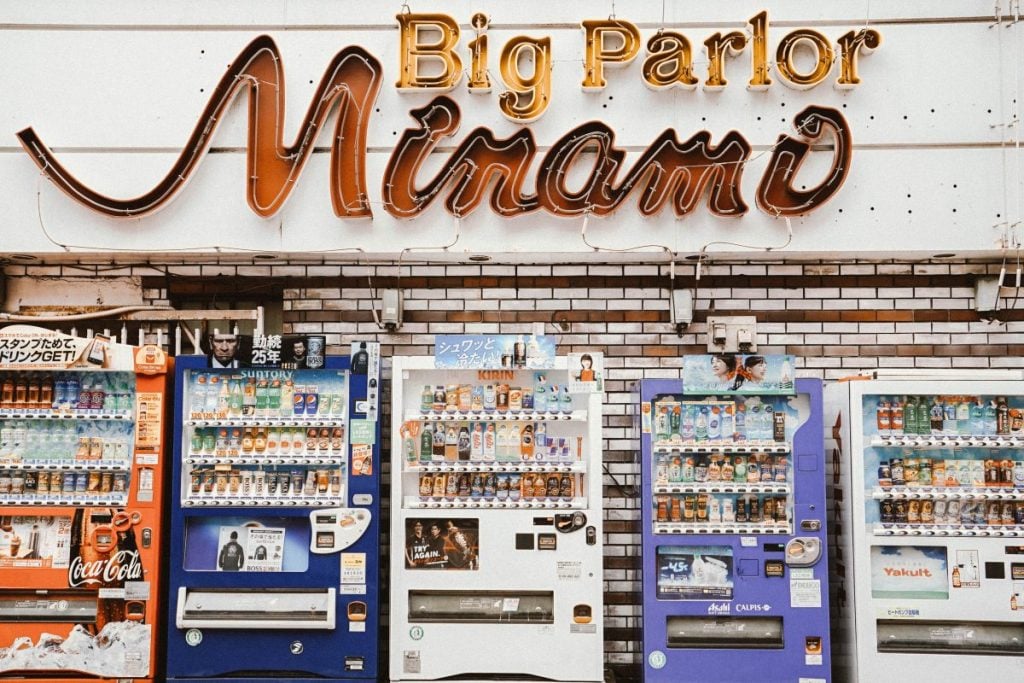
While Japan has traditionally been cash-heavy, credit cards and IC cards like Suica are now widely accepted across Tokyo, especially in hotels, shops, and restaurants. That said, it’s still a good idea to carry some yen for smaller eateries, street food, and vending-machine meals. The best place to withdraw cash is at 7-Eleven ATMs.
When is the Best Time to Visit the Top Attractions in Tokyo?
For all sights, if you’re looking for those “no crowd” photos, be sure to arrive no later than 7:30/8 am. The top attractions will get incredibly busy and it is worth it to get up a bit earlier.
Are Restaurant Reservations Required in Tokyo?
Most restaurants need reservations far in advance. The best way to handle any restaurant reservation is to have your hotel concierge call and reserve. There were quite a few where we couldn’t get one almost two-three weeks in advance.
Where to Stay in Tokyo
Tokyo is a vast city, and where you stay has a big influence on your experience. For an in-depth guide to Tokyo’s neighborhoods and my recommendations for the best hotels in each, read my where to stay in Tokyo guide and 5-day Tokyo itinerary.
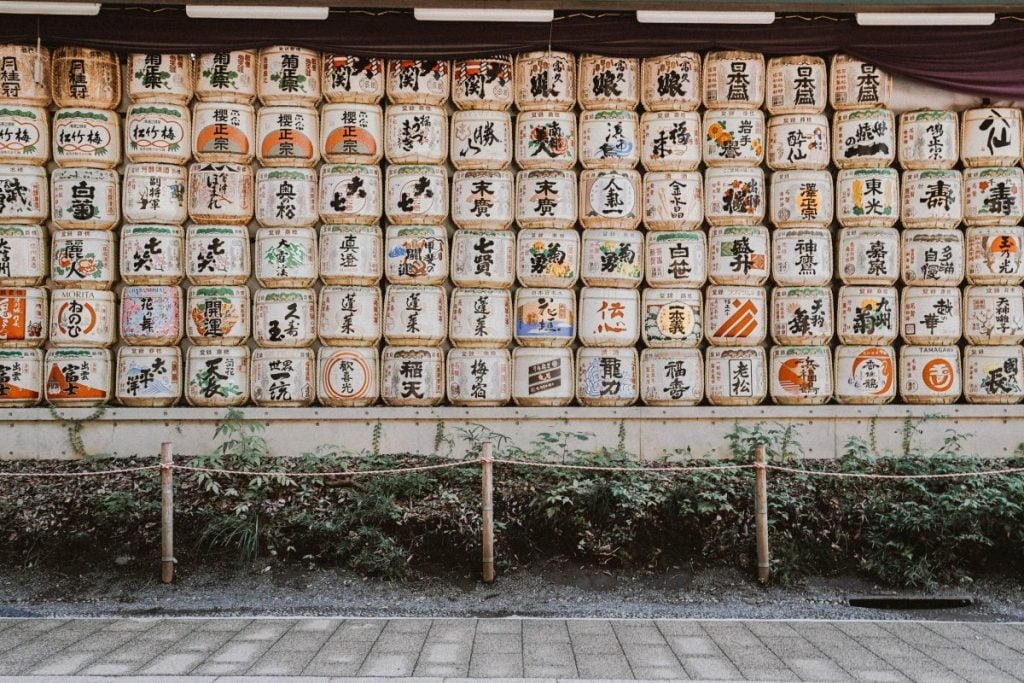
For our trip, we rented an Airbnb with friends in a quiet area left of Yoyogi Park. If you’re looking to rent an Airbnb, the corridor between Higashi-Kitazawa Station and Yoyogi Park is really nice and quiet. It’s ideal to be within walking distance of a train station. Though Shinjuku and Shibuya are the best stations to be near, I would not recommend staying in those neighborhoods if you are looking for something quieter.
If you’re short on time, here are my top picks for where to stay for a first-time visit:
Hotels
- JR-East Hotel Mets Shibuya ($$ / Where I Stayed), for the best transit-connected location, with seamless access to Shibuya Station
- Shibuya Granbell Hotel ($$ / Where I Stayed), for a boutique stay near the action, just off Shibuya’s busiest streets
- Hotel Indigo Tokyo Shibuya ($$$), for a stylish, well-located stay in Shibuya, combining modern design with easy city access
- TRUNK (Hotel) Yoyogi Park ($$$), for a design-led stay near Yoyogi Park, balancing calm mornings with central access
- Park Hyatt Tokyo ($$$$), for an iconic splurge stay with skyline views (recently reopened after a major renovation)
Airbnbs
- 1 Bedroom Luxury Apartment (Shibuya), for the best luxury stay
- 1 Bedroom Modern Apartment (Shibuya, for the best clean, calm stay
- 1 Bedroom Apartment with Japanese Garden (Shibuya), for the best cozy stay
For the full list of recommendations, read my full guide to where to stay in Tokyo.
Where to Eat in Tokyo
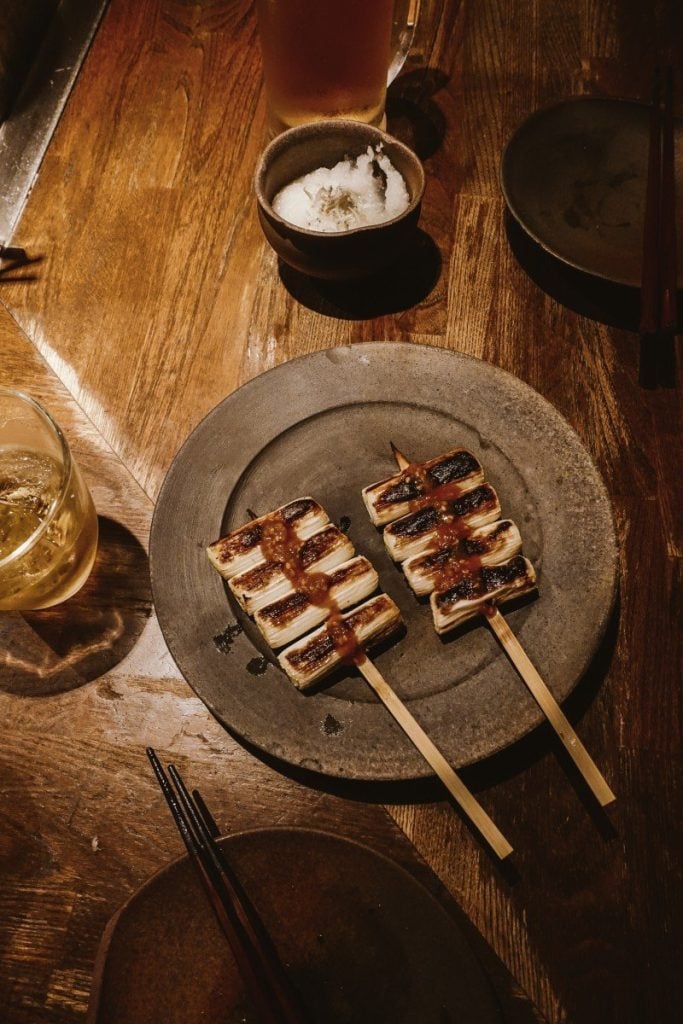

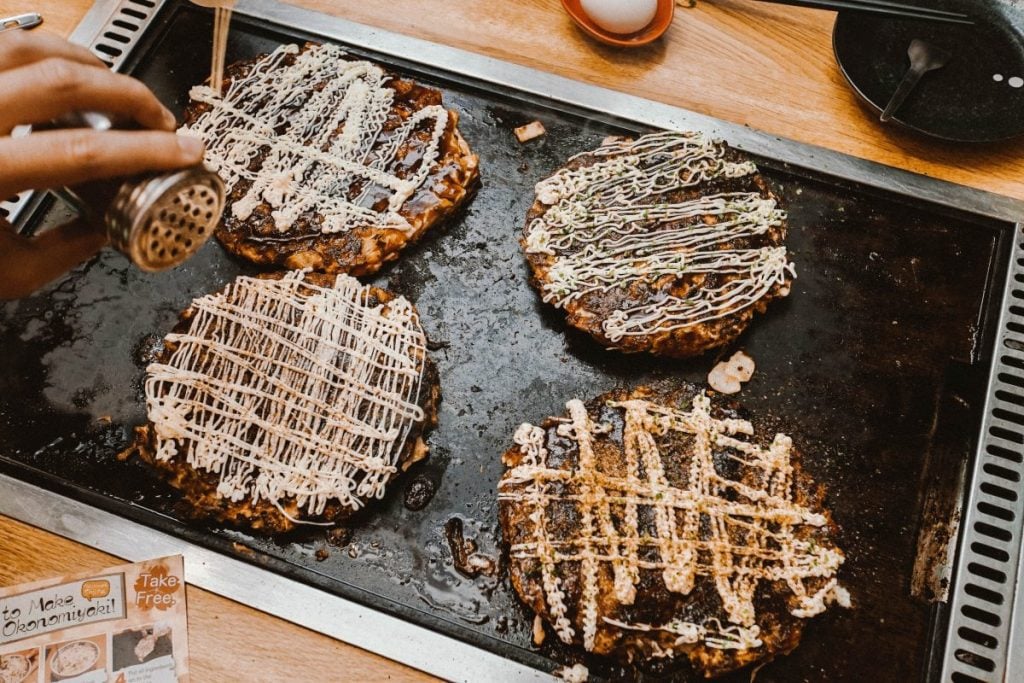
A short list of favorite spots, from izakayas to sweets and coffee:
- Kotaro — Arguably the best izakaya in the city, it has a beautiful space and incredible food. *Reserve a month or more in advance.
- FUKU Yakitori — This was our favorite meal in Tokyo — so good we came here twice. Small skewers and an intimate space make this place memorable. *Reserve in advance.
- Sahsya Kanetanaka — A highlight of the trip, an elegant prix-fixe lunch in a minimalist space.
- Sakura Tei — Come here to make your own okonomiyaki!
- Kaikaya by the Sea — An incredible meal, with a mostly seafood menu (izakaya).
- Piss Alley (Omoide Yokochō) — A lively alley filled with small restaurants.
- Maison Tonkatsu — A spot known for pork cutlet sandwiches.
- JBS Record Bar — He has thousands of records, and he pours drinks in this small space that is quite magical.
- Kanda Matsuya — A traditional soba house in a beautiful space.
- Ramen Jiro Mita Honten — This is the legendary hole-in-the-wall ramen spot, and the queue can be long so be sure to get here early!
- Aoyama Flower Market Tea House — A beautiful space that features dessert and tea.
- Ippudu — Ginza — A classic spot for ramen in the city. Be sure to get here early to grab a seat.
- Eattrip — A very hole-in-the-wall space, in a lush part of Tokyo. Come here for a beautiful meal in a quiet space.
- Totti Candy Factory — The spot for the fun and huge cotton candy in Harajuku.
- Yukamo Saryo — A stunning tea house serving sweets and lunch. *Reserve far in advance.
- Hara Donuts — These are the precious donuts that stack together, with different faces!
Where to Get Coffee in Tokyo


For a complete guide on my favorite coffee shops in Tokyo, don’t miss my guide to the coolest coffee shops in Tokyo. In the meantime, here’s my short list of favorites:
- Onibus Nakameguro — Neighborhood favorite for thoughtfully sourced coffee, set along the canal.
- Coffee Supreme — A New Zealand import with a laid-back vibe and consistently great espresso.
- SHOZO Cafe — Calm, minimalist café known for its quiet atmosphere and excellent brews.
- Cafe Kitsune — Stylish stop blending coffee culture with fashion and design.
- CAMELBACK sandwich&espresso — Tiny, no-frills spot for great espresso and simple sandwiches.
What to Do in Tokyo


- Explore Meiji Shrine and its wonderful grounds.
- Walk and eat your way through Harajuku Street.
- Watch the busiest intersection at Shibuya Crossing.
- Eat your way through Tsukiji Outer Market (fish market).
- Bar hop through Golden Gai.
- Take in the sunset from the Park Hyatt (recently reopened after a major renovation).
- Take in sweeping city views from Shibuya Sky.
- Check out the hip neighborhood of Shimokitazawa.
- Shop the most incredible Japanese paper goods at LOFT.
- Rent bikes at Tokyobike and explore the city.
- Head to FOG Linen Works for artisanal goods.


Save This Post for Later on Pinterest

PS — Are You Booking a Trip Soon? Use My Booking Checklist!
These are the sites I use most to book my own trips. Using the links below is a great way to support Bon Traveler’s travel journalism at no extra cost to you. If you need help organizing your itinerary, get my free travel itinerary template here.
1. Book Your Accommodations
I use Booking.com for hotels and Airbnb for vacation rentals. They have the biggest inventory and consistently offer the best rates.
2. Book Your Rental Car
Self-driving is the best way to explore most destinations. I use Discover Cars for our rental cars, select full coverage insurance, and opt for a reputable company like Alamo, Hertz, or Sixt.
3. Book Your Tours & Experiences
I use Viator, Airbnb, and Get Your Guide to find the best tours and experiences. They are my favorite tour search engines. I always check all three as their inventory varies depending on the destination.
4. Book Your Private Transfers
For easy, reliable private transfers, I use Welcome Pickups. It’s my go-to for arranging a driver in advance — whether it’s an airport pickup, a hotel-to-hotel transfer, or a day trip. The experience is seamless, with English-speaking drivers and upfront pricing, so you can travel stress-free at every stage of your trip.
5. Get Cell Data for Your Trip
I use Holafly for international cell data. Their unlimited data eSIMs are easy to install, activate instantly on arrival, and let you skip local SIM cards and expensive roaming fees.
6. Don’t Forget Travel Insurance
I never leave the country without travel insurance. It provides comprehensive protection in case anything goes wrong (ie. illness, injury, theft, or cancellations).
My favorite companies that offer the best coverage and rates are:
- World Nomads (best for all-around)
- Safety Wing (best for frequent travelers)
Xx,
Jessica
1 Comment
You can also download the Suica card app from the Google and Apple stores when you are in Japan. I used to be a tour guide and that’s what many of my clients.