One of the most challenging parts of planning my first trip to Japan was breaking down transportation and how to get around. Which train? Which pass? What route? These were just a few of the questions that kept coming up, over and over again.
I was struggling to reserve seats in advance, and in my planning Type A personality, it was against my usual travel planning.
While some things have changed since the first time I visited Japan, and booking ahead can be a little easier, it can still feel overwhelming for first-time visitors. Once in Japan, I realized that understanding transportation in Japan was actually a complete breeze!

So you don’t have to go through the same confusion and struggle of trying to find the answers, I am going to break down transportation. I’m going to talk about:
- Whether or not you need a JR Rail Pass
- Types of train services to expect in Japan
- How to reserve seats on necessary trains
- Local transit options
So whether you want to ride high-speed bullet Japanese trains or navigate the metro like a pro, this Japan transportation guide will help you plan how to travel around Japan. You’ll find pretty quickly it’s not as complicated as it may seem with a bit of planning!
Planning a Trip to Japan?
If you’re planning a trip to Japan, don’t miss my two-week Japan itinerary, Tokyo itinerary, Kyoto itinerary, and Osaka itinerary!
Ultimate Guide to Getting Around Japan
JR Rail Pass

In your research for Japan, you’ve probably come across the JR Pass. For a long time, this was one of the best deals for travelers who wanted to visit several cities on a single trip. Here’s what you need to know about the Japan Rail Pass and whether it’s the best option or not for your Japan itinerary.
What is the JR Pass?
The Japan Rail Pass is a train pass that covers a range of shinkansen (bullet train) travel and JR train lines, as well as a few other modes of transport, such as the ferry to Miyajima. It is available for periods covering 7, 14, or 21 days and allows unlimited use of transport covered by the pass, which includes the JR lines (metro) in Tokyo and Osaka.
There are two types of pass available, regular and green cars. Green car passes are similar to first-class travel on European trains and the cost is higher. There are fewer green cars on the Shinkansen, and not all services have a green car.
How to Use the JR Pass?
To be eligible, you must be a temporary visitor with a stamp on your passport. You need to purchase the pass before you leave home as the voucher is mailed to you. Once you arrive in Japan, exchange the voucher for your pass at a JR office which can be found at many stations and arrival international airports. You will need to advise them of your start date for using the pass, and it will last for the period you purchased (7, 14, or 21 days).
Once you have your pass, you can use the ticket machines at stations to reserve seats. There are also several non-reserved cars available on the Shinkansen and you can just jump on those trains and select a seat in those cars without pre-reserving. There are generally no reserved seats on city JR lines, such as the Yamanote line out of Tokyo Station.
You must use the pass, rather than the seat reservation ticket to enter the station, either via the ticket gates or show it to the rail guards. Be sure not to lose your pass, as it cannot be reissued or refunded if you misplace it.
Is the JR Pass Worth It?
Prices increased in 2023, which significantly impacted the value of the pass. It’s not always the best choice depending on your itinerary, and it’s better to check with this JR Pass Calculator to see if it saves you money based on your itinerary. While the national JR Pass may not be the best option, that calculator can recommend alternative regional rail passes that might be of better value. Alternatively, you can still purchase individual Shinkansen tickets if that’s the best value.
Types of Trains in Japan

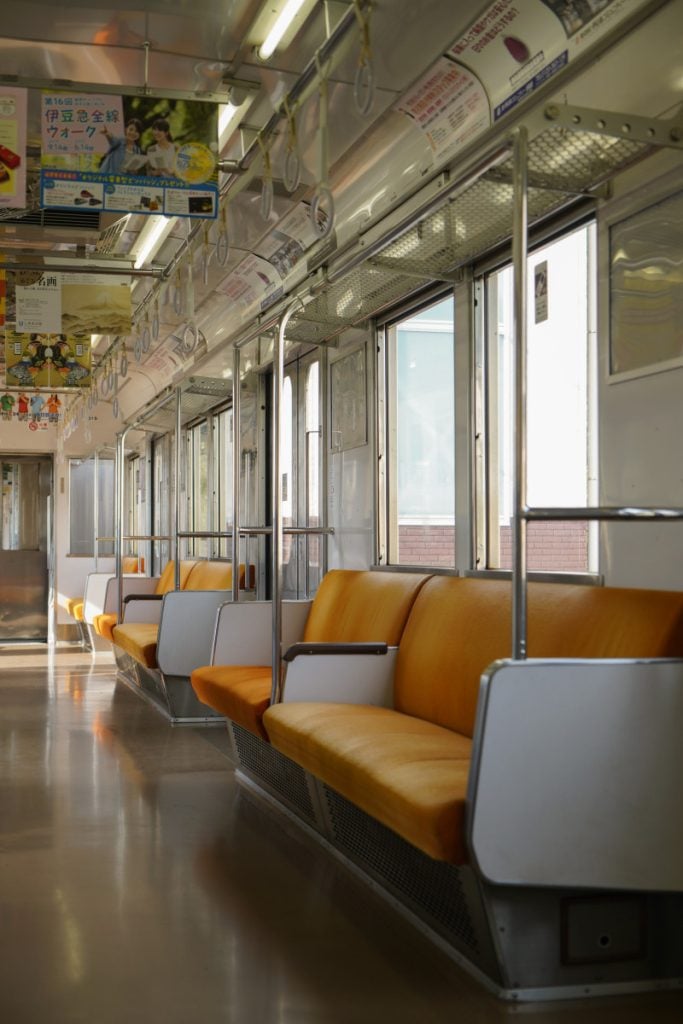
Japan is a country with an incredibly well-run train system. There are various types of trains, depending on whether you’re traveling within a city or on longer distances between cities. Here is a quick breakdown of the various types of trains you might use in Japan.
- Shinkansen — This is the fastest type of train in Japan, offering just a handful of stops on most routes. Also known as the bullet train, they cover long-distance travel across the country, however, they are the most expensive because of their high-speed capabilities.
- Limited Express — There are more than 100 limited express trains across Japan and they only stop at major stations. The rail passes cover some of these routes, but not all, so you need to check whether they are covered if you are using a national or regional rail pass.
- Rapid and Local Train Line — These are similar, however, the rapid services skip a few stops. The prices are the same whether you choose the rapid service or not.
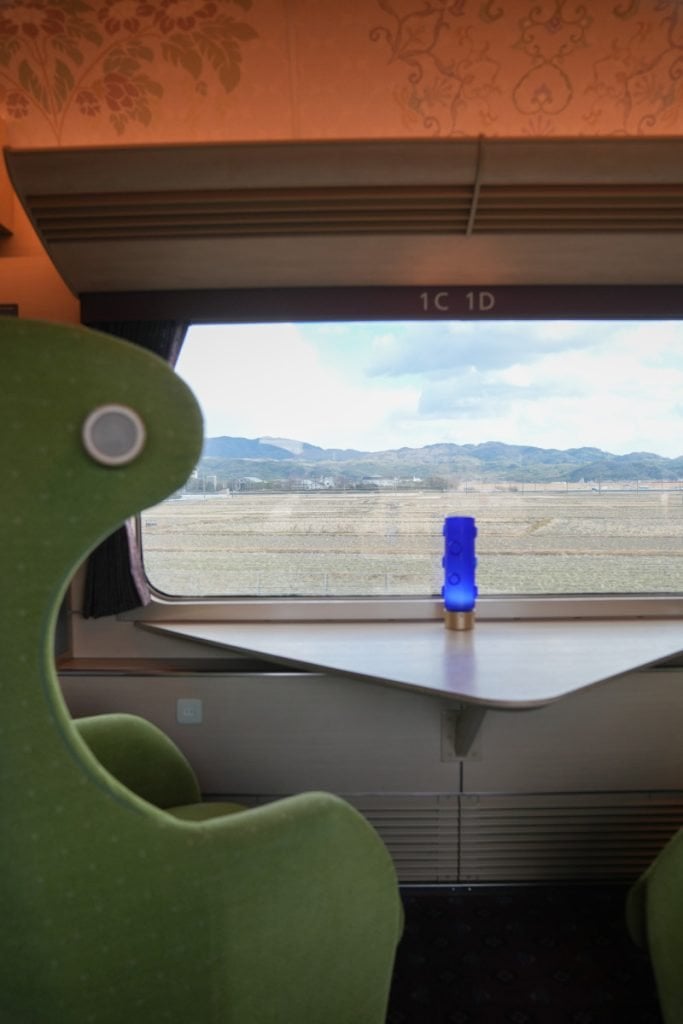
- Sightseeing Trains — Japan has several sightseeing trains which require a reserved seat in their luxury cars. The sightseeing trains are specific to tourist routes and offer an elevated seated experience. I recently did the newest luxury “Aoniyoshi” Train from Osaka to Kyoto and was only $12 for the seat reservation plus the price of the train fare.
- Metro — Operating in large cities like Tokyo, the metro is separate from JR lines and is more like the Subway or London’s tube lines. Metro lines typically cover the more central region of the city and are interconnected with numerous lines. You cannot use the JR Passes for these services.
How to Reserve Seats on the Train
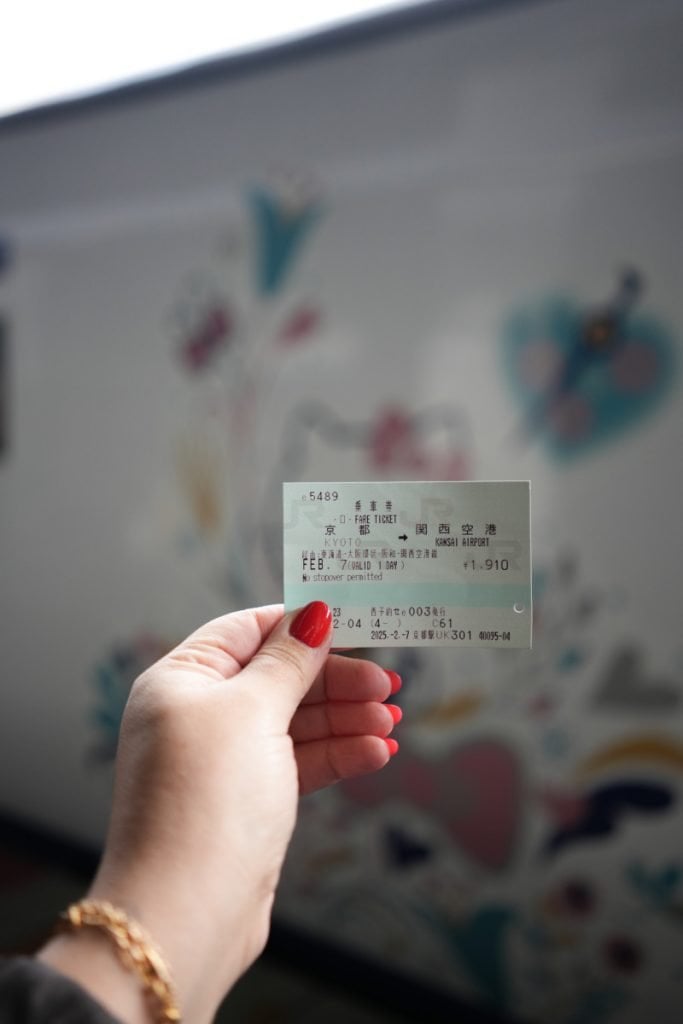

While you can often purchase train tickets on the same day you plan to travel, booking seats ahead of time can remove stress and ensure you have a seat on your preferred train. If you want to reserve seats, you have a few options.
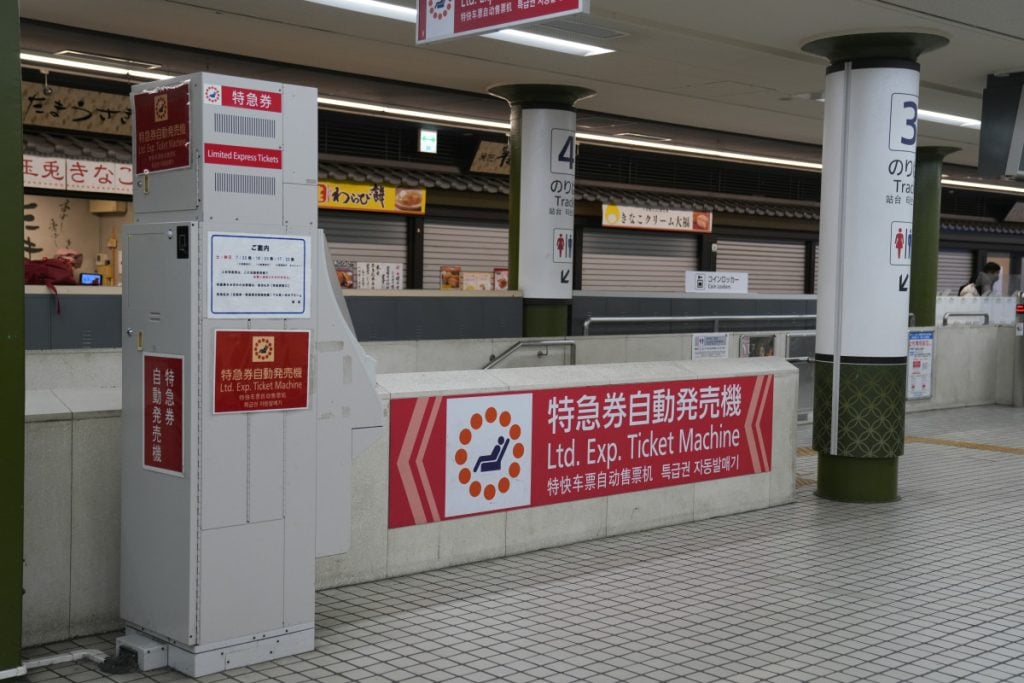
- Booking at the Train Station — You can reserve seats for the Shinkansen and some limited express services by using the ticket machines at the station. You can select your preferred language and then choose the route, date, and time of the train you want to use. Typically, machines require cash payments so it’s a good idea to keep enough on hand. You can also book tickets at the counter if you’d prefer.
- Booking Online — Tickets can be booked for most services directly with the transport company, such as JR East, JR West, or through SmartEx (for the Tokaido-Sanyo-Kyushu Shinkansen line only). This can give you peace of mind you’ve secured a seat on the train you want ahead of time. Most tickets can be booked up to 30 days before your date of travel, but it does depend on the individual transport organizations.
- Reserving Seats with a JR Pass — If you are using a JR Pass, once you have collected your pass, you can book directly at the station by using the ticket machine. You will need your passport and your JR Pass to book. If you purchase a JR Pass directly through the official JR site, you do have the option to reserve your seats online as well.
Note: You cannot reserve seats on local lines or rapid service trains.
How to Get Around in Major Cities
Getting around major cities in Japan is easy once you get the hang of it. The trains are super convenient and make moving between areas pretty straightforward. Here are some tips that will help you navigate the transport system.
What is a Suica Card?
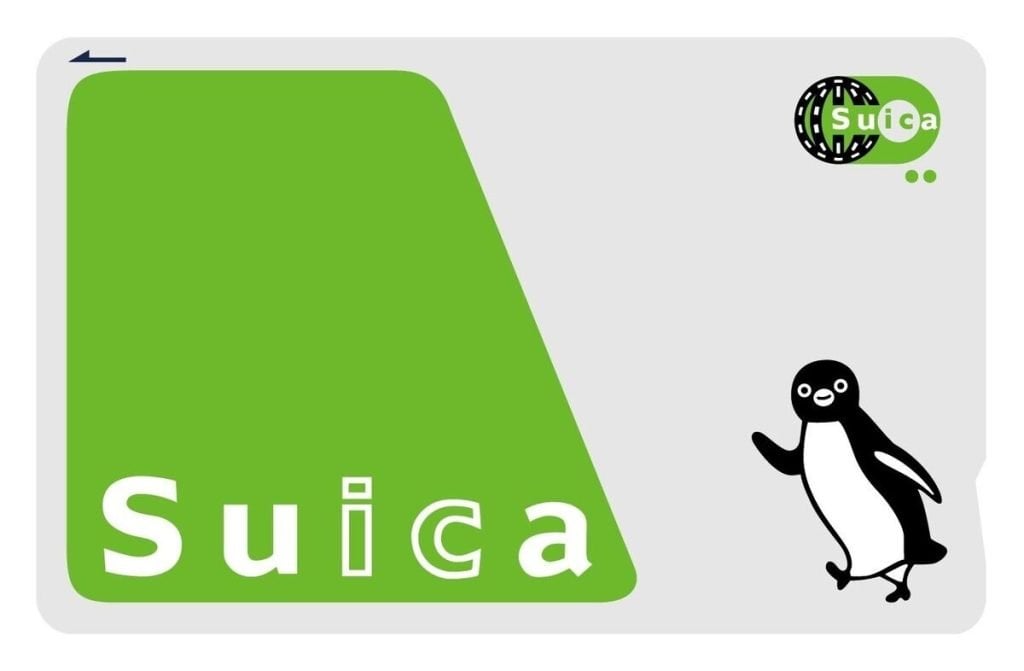
A Suica card is a type of IC card, which is a pre-paid and rechargeable transport card that can be used for metro, train, tram, and bus fares within major cities. You can purchase a card when you arrive in Japan from specified machines and load cash onto it as a deposit. Then just tap in/out as required to be charged for your fare.
To top up your Suica card, you will need to do it at the machines at train stations and they only take cash, not card payments. Other forms of IC cards you may see are the PASMO and ICOCA card, these all operate the same way. You may come across a ‘Welcome Suica’ or ‘Welcome PASMO’. These are special tourist versions of these IC cards and only last for 30 days, so keep this in mind if you’re visiting for longer than that.
Travel Tip: iPhone users can also get a digital Suica on their mobile device. Just add it to your Apple Wallet and top it up when needed digitally.
You can also use your Suica card to make payments at vending machines and convenience stores using credit on your IC card.
How to Use the Metro and Subway

The metro in cities like Tokyo, Kyoto, and Osaka is easier to use and one of the best ways to get around within the city. You can use Google Maps or the Navitime App to find times and routes.
Tokyo has nine metro lines and four subway lines, you may need to change lines during a journey so follow the directions on your preferred travel app. Tokyo has the most complex system as the city is so large.
Kyoto has two metro lines, and Osaka has nine metro lines. To access the platforms and pay for your fare, tap in when entering the station and out at the end of your journey with your IC card.
You can buy a metro day pass in Tokyo. This pass allows unlimited rides on the metro for a set time, like 24 hours. This does not cover other trains, including the JR Yamanote line.
Using the JR Pass Within Cities
If you are using a JR Pass within the city, this only applies to specific lines, such as the JR Yamanote Line. You use your pass like a ticket at the ticket gates to enter and exit the station. You will need to use another form of payment, like the Suica, to travel on metro lines and other modes of transportation that are not eligible for travel using a JR Pass.
Using Taxis/Ubers in Japan
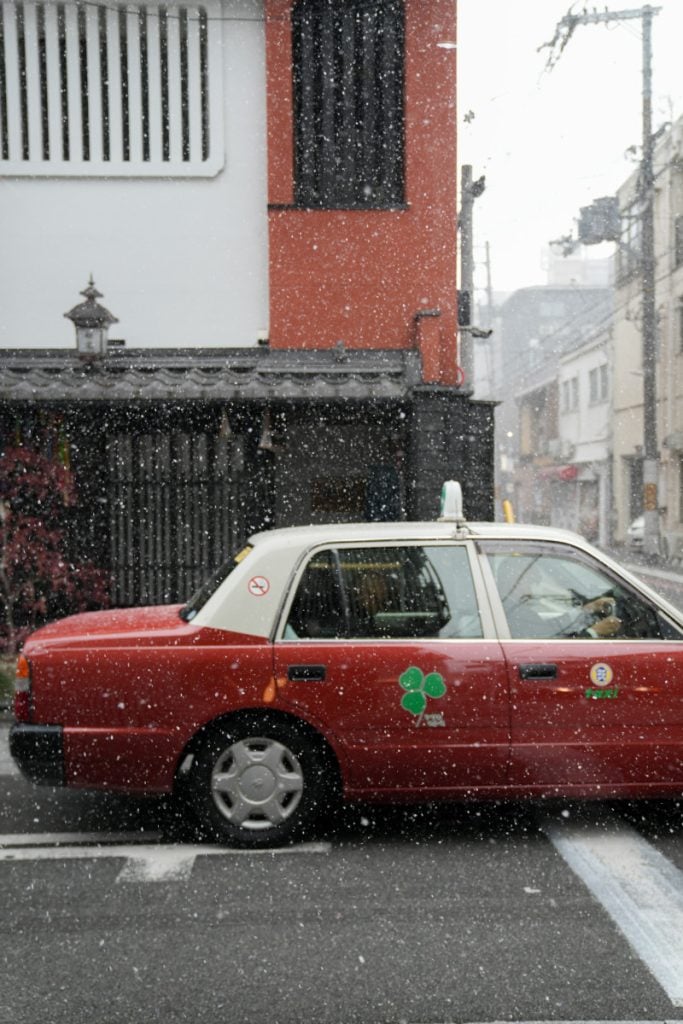
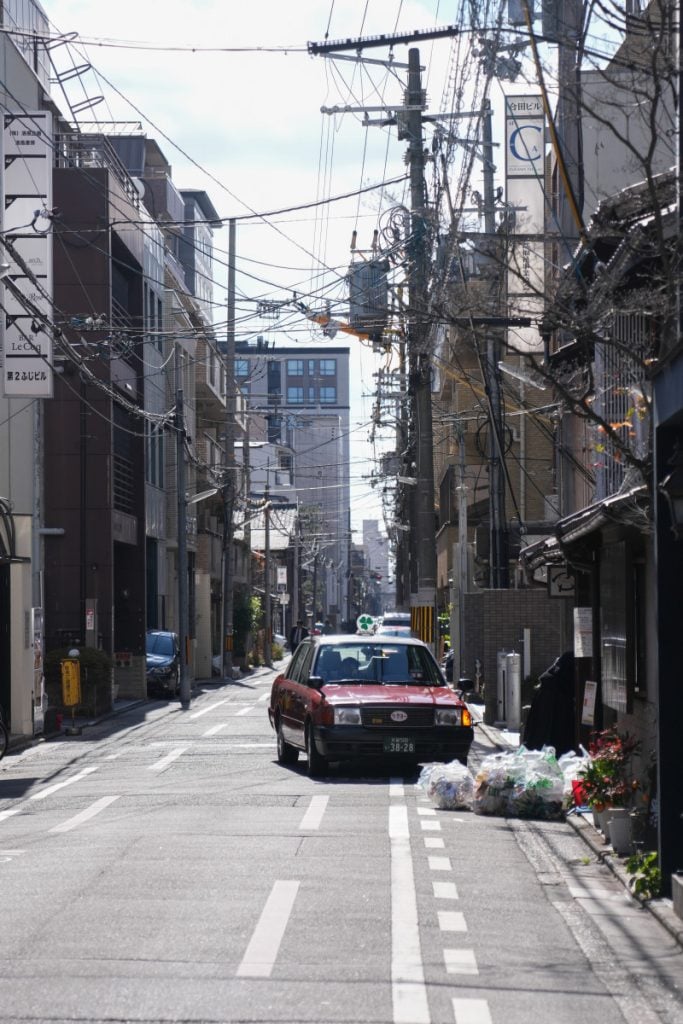
Taxis are expensive in Japan, but they can be convenient if you are trying to reach somewhere far away from a train station. Within the major cities, you can use the Taxi Go App to pre-book taxis instead of flagging them down on the street. Taxis can be a more affordable option if there are four people and over shorter distances; just be mindful of traffic as sometimes it’s still faster to travel by train.
Uber is more expensive than a taxi, and only available in some cities. We had no cash upon arrival and needed to get from Shinjuku to Hatsudui Station. $35 later and fifteen minutes in the car we made it to our destination (ouch). That was the one and only Uber we took and a nice reminder to withdraw some cash at an airport ATM before catching the train into town.
More taxis in large cities now offer card payments, but this isn’t always the case, so be sure to carry cash with you. In more regional areas, cash is almost exclusively used to pay for taxis.
Using the Bus in Japan
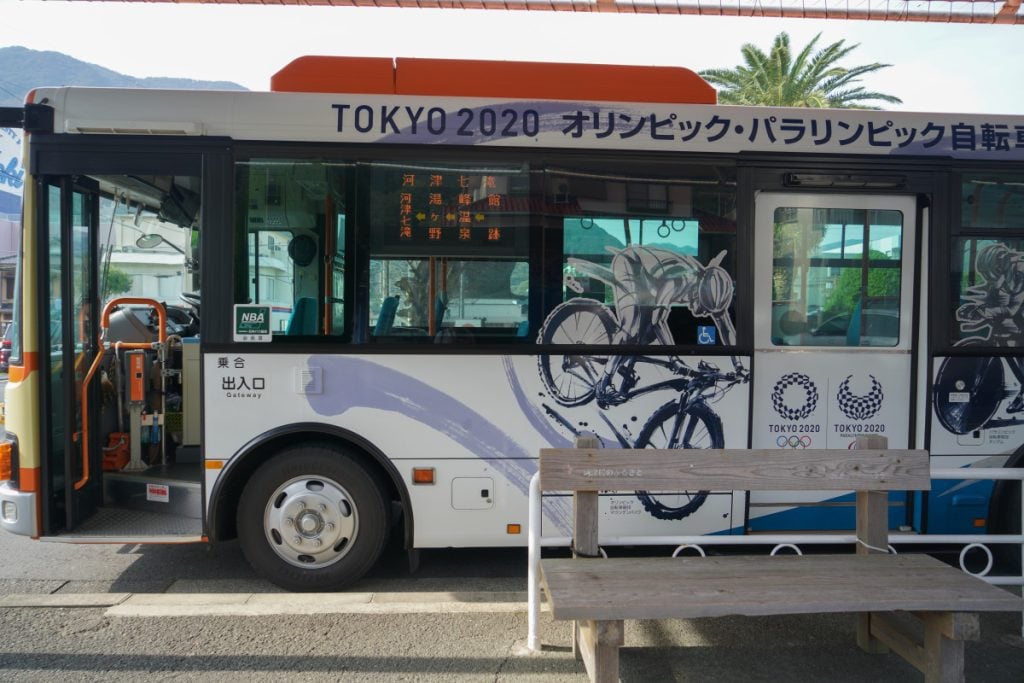
Japan railways — trains and the metro — are the fastest and most convenient ways to travel around Japan. But in places like Kyoto where the metro is more limited, buses can get you closer to destinations and attractions that are more spread out. You can use exact change or your IC card to pay for bus fares.
Be sure to check the payment process before boarding, as it can vary between cities, including whether to tap in and out or take a ticket when you board and tap out when disembarking.
Highway Bus
The highway bus is an alternative option to trains to cover distances between towns and cities. It’s often a cheaper way to travel, but takes longer. If budget is a major consideration, then it’s worth checking if the highway bus is a more affordable option for your itinerary, but you will need to factor in additional travel time. Highway bus tickets can usually be booked online or at the bus terminals.
Japan by Train Itinerary: Tokyo — Kyoto — Osaka
Traveling around Japan by train makes it easier to check out a few cities on your trip, and a great itinerary for first-time visitors covers Japan’s Golden Route: Tokyo – Kyoto – Osaka. These are also great bases to enjoy a few day trips as well, so I’ve put together an easy two-week Japan itinerary.
Stop 1: Tokyo — Days 1-5
You can get my recommended 5-day Tokyo itinerary which covers all the best things to see and do in Japan’s capital.
Stop 2: Kyoto — Days 6-10
In this 3-4 day Kyoto itinerary, I share my recommendations on how to make the most of this stunning historic city.
Stop 3: Osaka — Days 11-13
Whether you plan on visiting Universal Studios with your family or eating your way through “Japan’s Kitchen,” Osaka is a cool city and a great base for day trips to places like Nara or Kobe. See my Osaka travel guide for everything you need to know.
Stop 4: Tokyo – Day 14
If you booked return flights to Tokyo, then make your way back there for a final day of sightseeing or shopping before heading home.
Tips for Using the Train in Japan
Here are a few tips that will make catching the train travel in Japan easier.
- The trains are timely and leave accordingly. Don’t think you can arrive just a minute before it departs. The trains leave with or without you, and I would recommend being at the platform a minimum of 10-15 minutes before.
- Have your tickets, Suica card, or JR Pass ready before you get to the gate. Train stations are busy and you don’t want to hold up people behind you, especially during rush hour.
- While riding the train during rush hour, be mindful of things like suitcases and backpacks. Remove backpacks or wear them in front of you.
- There are indicators marked on the ground on the platform to show where to line up, follow what the locals are doing, and wait in line for your train.
I hope this helps break down transportation in Japan and that it helps with planning. Once you get there, a few times through the metro and you’ll find that it’s super easy to use!
Save This Post for Later on Pinterest


PS — Are You Booking a Trip Soon? Use My Booking Checklist!
These are the sites I use most to book my own trips. Using the links below is a great way to support Bon Traveler’s travel journalism at no extra cost to you. If you need help organizing your itinerary, get my free travel itinerary template here.
1. Book Your Accommodations
I use Booking.com for hotels and Airbnb for vacation rentals. They have the biggest inventory and consistently offer the best rates.
2. Book Your Rental Car
Self-driving is the best way to explore most destinations. I use Discover Cars for our rental cars, select full coverage insurance, and opt for a reputable company like Alamo, Hertz, or Sixt.
3. Book Your Tours & Experiences
I use Viator, Airbnb, and Get Your Guide to find the best tours and experiences. They are my favorite tour search engines. I always check all three as their inventory varies depending on the destination.
4. Book Your Private Transfers
For easy, reliable private transfers, I use Welcome Pickups. It’s my go-to for arranging a driver in advance — whether it’s an airport pickup, a hotel-to-hotel transfer, or a day trip. The experience is seamless, with English-speaking drivers and upfront pricing, so you can travel stress-free at every stage of your trip.
5. Get Cell Data for Your Trip
I use Holafly for international cell data. Their unlimited data eSIMs are easy to install, activate instantly on arrival, and let you skip local SIM cards and expensive roaming fees.
6. Don’t Forget Travel Insurance
I never leave the country without travel insurance. It provides comprehensive protection in case anything goes wrong (ie. illness, injury, theft, or cancellations).
My favorite companies that offer the best coverage and rates are:
- World Nomads (best for all-around)
- Safety Wing (best for frequent travelers)
Xx,
Jessica