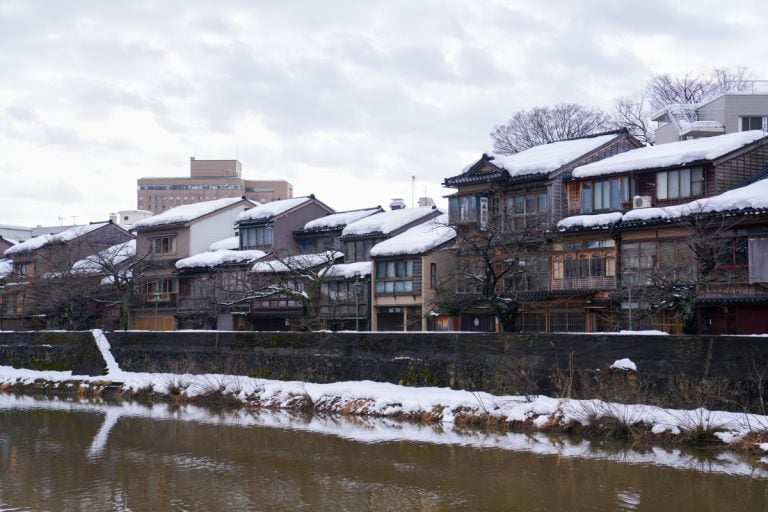
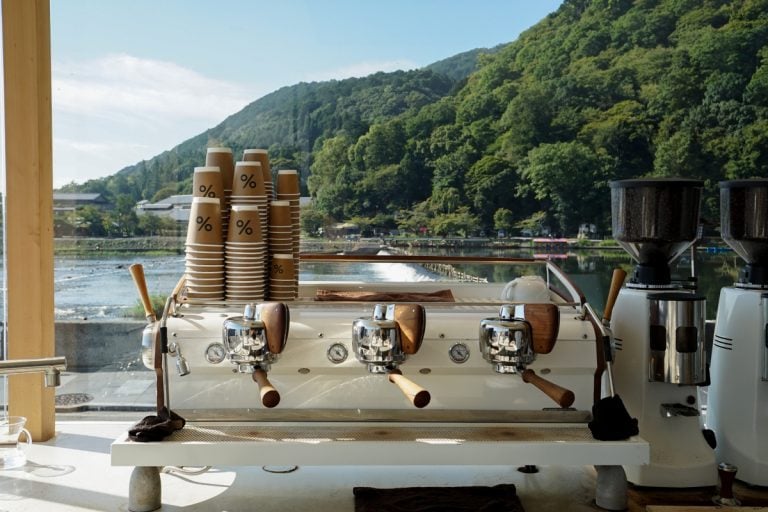
Two cities just 30 minutes apart, Kyoto or Osaka, is a common dilemma for travelers planning where to stay in Japan. I’ve been traveling to Japan for more than a decade, and I always come back to this region.
After four visits to Kyoto and almost two months total exploring the city, it’s fair to say I love this city. But I also recently spent a week in Osaka, after hearing for years how great it is. After countless hours of research and time on the ground, I can see the case for staying in either city, or both, if you have time.


If I had to choose one city as a base, I would always recommend Kyoto. It is ideal for slow travelers, those looking for a cultural experience, and perfectly suits a romantic stay. But Osaka might be a better fit if you’re traveling to Japan with kids or affordability is a top priority. However, if you have four nights or more, I would suggest splitting your time and staying in both Osaka and Kyoto so you can experience the best of both cities as they are definitely different.


In this Kyoto vs Osaka comparison guide, I’ve broken down everything you need to know to help you choose the best city for your Japan vacation. I run through things like costs, dining culture, and nightlife, and also bust the myth that it’s as simple as Kyoto and Osaka being just 30 minutes apart.
Short on Time?
For first-timers, I’d stay in Kyoto for its historic districts, fine dining, and temples. If you have four nights or more, I’d recommend splitting your time between Kyoto and Osaka so you can experience Osaka’s food scene and nightlife.
Kyoto
- The Ritz-Carlton Kyoto ($$$$ / Where I Stayed), for the best overall downtown luxury hotel
- Four Seasons Kyoto ($$$$), for the best overall Higashiyama luxury hotel
- Hotel The Celestine Kyoto Gion ($$), for the best mid-range onsen stay
- 2 Bedroom Machiya with Private Garden Hot Tub, for the best machiya stay with a private garden
- 2 Bedroom Riverview Machiya on the Shirakawa, for the best riverside machiya with hot tub
Osaka
- Conrad Osaka ($$$), for the best luxury design hotel near Osaka Station
- Cross Hotel Osaka ($$ / Where I Stayed), for the best located hotel near Namba Station
- Zentis Osaka ($ / Where I Stayed), for the best design hotel near Osaka Station
- 1 Bedroom Modern Apartment near Namba Station, for the best modern stay
- 1 Bedroom Design-Forward Townhouse near Osaka Station, for the best unique stay
Things to Do
Kyoto
- Join A Food Tour Through Nishiki Market
- Join in with a Local Tea Ceremony
- Take a Kintsugi Workshop with Wabunka
Osaka
- Book a Food Tour in Shinsekai
- Osaka Street Food Tour
- Osaka Backstreet Night Tour
- Tea Ceremony Experience in Dotonbori
Helpful Guides to Plan Your Trip
For more planning help, read my Kyoto travel guide, Kyoto itinerary, and guide to where to stay in Kyoto. For Osaka, start with my Osaka travel guide, Osaka itinerary, and guide to where to stay in Osaka.
Travel Tip: Having mobile data is a must when traveling to Japan. We use Holafly unlimited data eSIMs (5% off!) for all international travel.
Kyoto vs Osaka: How to Choose Between
Japan’s Two Kansai Cities
Kyoto vs Osaka at a Glance
| Kyoto | Osaka | |
|---|---|---|
| Recommended Nights | 2-3 nights | 1-2 nights (2 if visiting USJ) |
| Vibe | Traditional, slow-paced old Japan | High-energy, neon-lit urban Japan |
| Best For | First-timers, slow travelers, cultural trips | Foodies, night owls, budget-conscious travelers |
| Food | Refined kaiseki, tofu specialties, tea culture, Nishiki Market | Street food like takoyaki, kushikatsu, and okonomiyaki, Kuromon Market |
| Nightlife | Quiet evenings, Gion and Pontocho Alley at dusk | Late-night izakayas in Dotonbori and Namba |
| Culture | 2,000+ temples and shrines, tea ceremonies, preserved districts | Modern city culture and kuidaore dining tradition |
| Hotels | Ryokans, machiya, and boutique hotels | Hundreds of well-priced, good-value hotels |
| Cost (Mid-Range, Per Night) | ¥15,000-30,000 ($90–185 USD) | ¥12,000-25,000 ($75–150 USD) |
| Families | More formal, but gardens, outdoor spaces, Arashiyama Monkey Park | More casual, USJ and Kaiyukan Aquarium |
| Couples | Ideal for romance, ryokan stays and quiet mornings | Fun and lively, less romantic |
| Day Trips | Nara, Uji, Arashiyama | Nara, Kobe, Himeji, Hiroshima, Koyasan |
| Getting Around | Walkable historic districts, Kyoto Station is the transit hub | Highly walkable Namba, Kita is the transport hub |
The Real Difference Between Kyoto and Osaka
Kyoto has a charm that feels like a bygone era of Japan and offers a glimpse into the more traditional side. Kyoto’s more than 2000 shrines and temples and well-preserved historic districts make it one of the best places to experience historic Japanese culture. Osaka is significantly different and best known as a popular foodie destinatio, and is a more urban, modern-inspired city.
Kyoto Feels Like Old Japan (and Rewards Early Mornings)


Kyoto is like being transported to a version of Japan from the past, where you can experience historic Japanese culture and preserved old town districts. There are thousands of shrines and temples with manicured gardens, a refined dining scene, and renowned ryokan hospitality. One thing I always recommend is to start your mornings early in Kyoto, then leave the afternoons for quieter pockets. I love getting up early and exploring because there’s a certain charm to Kyoto that is best experienced before 9 am. Take a stroll through Gion, where traditional machiya line the streets, and then retreat to your ryokan for a quiet evening, even better if it has an onsen.
Choose Kyoto If…
Kyoto is the best option if you’re traveling to Japan for the first time, and particularly if you’re already visiting Tokyo. Its slower pace is a contrast to the cosmopolitan vibe of Tokyo and more refined than neighboring Osaka. Perfect for a romantic or design-led trip, there is a huge selection of traditional ryokan, machiya, and boutique hotels for a unique stay (see my guide on where to stay in Kyoto for all of my favorites). If you want to visit temples and shrines, attend tea ceremonies, and experience historic Japanese culture, then Kyoto is best.
Osaka Feels Like Urban Japan (and Rewards Improvisation)


Osaka is high-energy and has earned its reputation as Japan’s kitchen. Steaming takoyaki and crunchy deep-fried kushikatsu are some of my favorite dishes. And the neon-lit atmosphere of Dotonbori is a must-experience. More relaxed than Tokyo, Osaka mixes modern urban Japan with its own distinct dining tradition, from local izakayas to steamy okonomiyaki spots. Osaka is better suited if you want more flexibility to improvise your time.
Choose Osaka If…
Osaka has a lot to offer travelers if your priorities are food and nightlife. The Dotonbori and Namba areas are high-energy, and late-night dining at izakayas is common. Osaka is also a more affordable base than Kyoto. There are hundreds of well-priced hotels that offer good value for your money. I also think Osaka is better suited if you’re traveling with kids (the USJ and Kaiyukan Aquarium are great family-friendly activities!). Osaka is also a great hub for day trips to destinations in the Western Kansai region, like Kobe, Himeji, and Hiroshima.
Should You Stay in Kyoto or Osaka?


When it comes to Kyoto vs Osaka, where to stay is one of the first questions people ask me. If it’s your first time in Japan, I always recommend staying in Kyoto. There is so much to see and do in Kyoto, but I can’t stress enough the importance of seeing the most popular spots early in the morning before the crowds. Places like Kiyomizu-dera, Fushimi Inari Taisha, or Higashiyama‘s machiya-lined streets are at their best before 9 am. I’d then save places like Gion and Pontocho Alley for the evenings when they’re the most magical.
If food and nightlife are the priority of your trip, then I’d choose Osaka. Osaka is also a better base for day trips to places like Nara, Kobe, and Himeji. That said, if you have four or more nights set aside in your Japan itinerary, then I recommend splitting your time to enjoy each city.
Travel Tip: Despite being 30 minutes apart by train (city center to city center), I’d plan for at least a half day for a transfer when you factor in travel time to/from your hotel, which adds up.
Where to Stay in Kyoto vs Osaka
Best Areas to Stay in Kyoto
Kyoto offers a few great areas to base yourself. My top three recommendations are Downtown Kyoto, Southern Higashiyama, and around Kyoto Station. Downtown Kyoto is my go-to as it’s central, close to Nishiki Market, and has a great selection of restaurants and shopping. Kyoto Station is the most conveniently connected to transportation, so I like to stay here for shorter stays and if I’m planning on doing a couple of day trips (like Nara). If you want to experience old Kyoto, then Higashiyama is the way to go. After spending extended amounts of time staying in all three areas, here are my top picks for where to stay in Kyoto:


Hotels
Downtown Kyoto
- The Ritz-Carlton Kyoto ($$$$ / Where I Stayed) , for the best overall luxury hotel
- Kyoto Hotel Okura ($$), for the best value luxury hotel
- Nol Kyoto Sanjo ($$), for a sake brewery-turned-boutique hotel with hiba wood baths
- Mitsui Garden Hotel Kyoto Kawaramachi Jokyoji ($ / Where I Stayed), for the best hot spring bath
Southern Higashiyama
- Four Seasons Kyoto ($$$$), for the best overall luxury hotel
- Park Hyatt Kyoto ($$$$), for the best luxury stay with iconic views
- Hotel The Celestine Kyoto Gion ($$), for the best mid-range onsen stay
- Kyoto Granbell Hotel ($$), for the best hip, centrally located stay
Kyoto Station
- Dusit Thani Hotel Kyoto ($$$), for the best modern luxury hotel
- Hotel Kanra ($$), for the best luxury boutique hotel
- Hotel Granvia Kyoto ($$), for the best Kyoto station access
Airbnbs
Downtown Kyoto
- 2 Bedroom Machiya with Private Garden Hot Tub, for the best machiya stay with a private garden
- 2 Bedroom Apartment on Sanjo with Cypress Bath, for the best bright apartment
- 1 Bedroom Apartment Near Kawaramachi, for the best located stay
Southern Higashiyama
- 2 Bedroom Machiya in Gion with Stone Bath, for the best restored machiya stay
- 2 Bedroom Riverview Machiya on the Shirakawa, for the best riverside machiya with hottub
- 2 Bedroom Townhouse Near Yasaka Shrine, for the best renovated historic townhouse
Kyoto Station
- 2 Bedroom Machiya with Cypress Bath Near Kyoto Station, for the best machiya-style townhouse
- 2 Bedroom Residence with Bamboo Garden and Open-Air Bath, for the best refined townhouse stay
- 2 Bedroom Loft in a Renovated Ryokan, for the best architect-designed ryokan loft
Best Areas to Stay in Osaka

In Osaka, I often recommend staying in Minami/Namba or Kita. Both areas offer convenience, great hotel options, and good transport connections. Minami/Namba is the downtown area where Dotonbori and the Shinsaibashi shopping district are located. The area is high-energy with neon lights, food markets, hip neighborhoods like Amerikamura, and is highly walkable to many of the best things to do in Osaka. The second place is Kita, which is a transport hub and is a good base if your planning to do some day trips and looking to stay somewhere a little less high-energy than Namba. Here are my top picks for where to stay in Osaka:
Hotels
- Cross Hotel Osaka ($$ / Where I Stayed), for the best located hotel near Namba Station
- Conrad Osaka ($$$), for the best luxury design hotel near Osaka Station
- Zentis Osaka ($ / Where I Stayed), for the best design hotel near Osaka Station
- Citadines Namba Osaka ($), for the best elevated apartment stay for families
- Minn Umeda-North ($), for the best budget Osaka Station hotel
- InterContinental Hotel Osaka ($$), for the best elevated hotel in central Osaka
Airbnbs
- 1 Bedroom Modern Apartment near Namba Station, for the best modern stay
- 1 Bedroom Design-Forward Townhouse near Osaka Station, for the best unique stay
- 3 Bedroom Spa Condo near Namba Station, for the best spacious family-friendly stay
Should You Book a Ryokan?


If you’re visiting Kyoto, I highly recommend staying at a ryokan (traditional Japanese inn). With tatami floors and often a kaiseki dinner, a ryokan is one of the most memorable experiences in Japan. If you’re staying in Kyoto for more than two nights, then I wouldn’t recommend spending all your time at a ryokan, as they are typically more expensive and have fixed meal times, so it leaves you less flexibility for exploring. But if you want a unique stay, to slow down, or are planning a romantic getaway, then staying at a ryokan is definitely worth it.
Best Ryokans in Kyoto
- Nazuna Kyoto Gosho ($$$), for the best luxury ryokan with gardens
- HOSHINOYA Kyoto ($$$$), for the best zen ryokan in Arashiyama
- Rangetsu Ryokan ($$$), for the best riverfront ryokan
- Hanaikada Ryokan ($$$), for the best onsen ryokan
Food: Refined Kyoto vs Street-Food Osaka
Kyoto and Osaka are both great cities for food lovers, but they approach dining in different ways. In Kyoto, food is an art form that is more refined, slower, more formal, and steeped in tradition. On the flip side, Osaka’s food culture is lively, approachable, and has a more casual style of dining and street food.
What to Eat in Kyoto


Kaiseki is the foundation of Kyoto’s fine dining culture which focuses on seasonal, multi-course meals. It’s also where Buddhist vegetarian cooking at temples and monasteries influenced Shojin Ryori. This cuisine focuses on the use of mountain ingredients along with tofu and seasonal vegetables. Tofu is a Kyoto specialty, cooked in a variety of ways, including Yuba, which is the tofu skin made from a thin layer that forms on top of heated soy milk and served in soups or with dipping sauce.
Kyoto is also home to the ever-popular Nishiki Market. This foodie hotspot has hundreds of stalls lining a covered shopping street where you can try dozens of local specialties (I always grab some takoyaki to go while I stroll the market!). And you can’t skip the tea culture, where matcha and wagashi, a type of traditional Japanese sweet, are served at traditional tea ceremonies and adapted to modern tastes.
What to Eat in Osaka


Osaka has a long-established culture of street food and casual dining and is known for its kuidaore culture, which translates to ‘eat until you drop’. Takoyaki is the best known street food from Osaka, a bite-sized batter ball filled with octopus and topped with a sweet sauce, mayonnaise, seaweed and bonito flakes.
Other popular dishes include kushikatsu (deep-fried meat or vegetable skewers coated in breadcrumbs), and okonomiyaki (a savory pancake that’s customizable with ingredients such as seafood, pork, kimchi, or cheese). Osaka’s oldest market, Kuromon Market, is a great spot to try all of these! The market is filled with fresh produce and ready-to-eat snacks all in one place.
Cost and Budget Breakdown

The biggest difference in your budget between Osaka and Kyoto comes down to accommodation costs. In Osaka, mid-range hotels will usually set you back around ¥12,000-25,000 ($75–150 USD) per night, versus ¥15,000-30,000 ($90–185 USD) per night in Kyoto, with costs on the higher end in the Gion and Higashiyama districts.
The cost to stay at a ryokan in Kyoto is generally higher than staying in a hotel. Ryokans offer a more premium accommodation choice that is charged per person per night and often includes kaiseki meals and sometimes a private bath or onsen. For a ryokan, you should expect to pay around ¥25,000-40,000 ($155–250 USD) per person per night, with luxury ryokans sitting at around ¥60,000-100,000 ($370–615 USD) per person per night.
Travel Tip: During peak seasons like cherry blossom or fall foliage seasons, prices can surge in Kyoto. During this time, rates can double or even triple. Hotels often book out months in advance due to high demand, so if you’re planning to visit during those times, I highly recommend booking your accommodation as soon as possible.
Transportation: Getting Between Kyoto and Osaka


Shinkansen for Speed
The fastest route between Kyoto and Osaka is via the Shinkansen, which takes only 15 minutes. This is the best option if you are using a Japan Rail Pass, but the time saving isn’t worth the additional cost otherwise.
JR Special Rapid for Everyday Use
The JR Special Rapid service takes around 30 minutes and is the best option between Kyoto and Osaka’s main train stations. This route is convenient and cost-effective if downtown Kyoto isn’t your first stop for exploring.
Hankyu for Downtown-to-Downtown
Kyoto and Osaka’s downtown areas are connected by the Hankyu Line, which runs between Kawaramachi and Umeda and puts you in downtown Kyoto from Osaka in just 40 minutes. This is a great option if you want to skip the main stations and go straight to the downtown areas in either city.
Keihan for Gion and Higashiyama
The Keihan Line is a slower journey, 45-50 minutes, but it’s great if you need to travel from central Osaka to eastern Kyoto for places like Gion or Higashiyama. Temple-focused itineraries with early starts will benefit from this option, as you will be closer to many of the most popular attractions that can be busy come mid-morning.
Best Day Trips From Each City


Day Trips From Kyoto
Nara
Once the capital of Japan, Nara has long been one of the best day trips from Kyoto. It’s especially popular with families because of the free-roaming deer. But there’s more to Nara than just the deer, you can also visit historic temples and shrines, see one of the largest Buddha statues, enjoy excellent views from Wakakusayama Hill, and wander around a charming old town area. You can easily spend an entire day here, as there is so much to see.
How to Get There: 35-45 minutes via the Kintetsu Limited Express train from Kyoto to Kintetsu-Nara Station.
Uji
Uji is the matcha capital of Japan, and it’s the top spot to taste and buy all things matcha and green tea-related. Best visited as a half-day from Kyoto, Uji is more than just tea, though. You can also soak up the peaceful riverside atmosphere and visit Byodo-in Temple. Uji is also where you’ll find the recently opened Nintendo Museum.
How to Get There: 25 minutes via the Nara Line local train from Kyoto Station to Uji Station.
Arashiyama
Famous for the bamboo grove, Arashiyama also offers excellent riverside views, a scenic sightseeing train, plenty of incredible shrines and temples, and a green haven in the foothills west of Kyoto. You can easily spend a full day in Arashiyama following this one-day itinerary.
How to Get There: 20-minutes via the San-in Line from Kyoto Station to Saga-Arashiyama Station.


Day Trips From Osaka
Nara
Families love visiting Nara as a day trip from Osaka for the deer park. But there are some other great attractions like the iconic Todai-ji Temple with the Great Buddha and watching the famous mochi pounding at Nakatanidou. This is one of the most popular day trips from Osaka, and there is plenty to fill a full day, so be sure to visit more than just the deer park.
How to Get There: 45-minutes via the Kintetsu Railway from Osaka Namba Station to Kintetsu Nara Station, or just under 1-hour via the JR Yamatoji Line from Osaka to Nara Station.
Kobe
Home of the ultra-famous Kobe beef, there are plenty of premium dining experiences in Kobe. A quick and easy day trip from Osaka, you can also explore the harbor and Chinatown before a wagyu experience.
How to Get There: 25-minutes via the JR Special Rapid from Osaka Station to Sannomiya Station.
Himeji
With one of the best-preserved castles in Japan, Himeji is a small city along the Shinkansen route making it a great option. Most famous for its cherry blossoms that bloom around the castle gardens, it’s a quick half-day trip from Osaka that can easily be paired with Kobe on the same day.
How to Get There: 30 minutes via the Shinkansen (best if you are using the Japan Rail Pass) or 1.5 hours from Osaka Station to Himeji Station via the JR Special Rapid.
Hiroshima
Best as a day trip if making use of the Shinkansen, Hiroshima is a reflection of Japan’s history with sights including the Peace Memorial Park and the Atomic Bomb Dome. It’s also possible to visit nearby Miyajima Island which is the home of the famous floating torii gate at Itsukushima Shrine.
How to Get There: Around 1.5 hours by Shinkansen from Osaka to Hiroshima via the Nozomi service. Add an additional hour to reach Miyajima via train and ferry from Hiroshima.
This sacred Buddhist mountain complex is ideal for cultural travelers who want a slower pace and spiritual experiences. Take atmospheric forest walks through Okunoin Cemetery, or make it an overnight trip with a shukubo temple lodging experience with the Buddhist monks.
How to Get There: 1.5 hours by the Nankai-Limited Express train from Osaka Namba Station to Gokurakubashi Station and then a 5-minute cable car ride.
Kyoto’s New Crowd Rules: What’s Changed for 2026

Crowding/overtourism has become a growing challenge in Kyoto, but it is mostly concentrated in a few areas and hotspots across the city. Places like Gion, Fushimi Inari, Kiyomizu-dera, and Arashiyama Bamboo Grove are some of the most popular, so I highly suggest visiting them before 9 am for the best experience.
In recent years, some measures have been introduced to minimize the impact of overtourism in Gion. The most important consideration is to be a respectful traveler. Don’t shout, block entryways, or take photos of people or geisha, just to name a few. There are signs stating the rules throughout Gion and breaking the rules can result in fines.
What is Not Permitted in Gion
- You can’t enter private streets or alleys in Gion for sightseeing or to take photos. There are signs on these streets so you can easily identify them.
- Don’t trespass into residential areas, there are still lots of private homes.
- Don’t chase or block geisha/maiko for photos, they are on their way to/from work and it’s very disrespectful.
What Can You Do in Gion?
- Walking on public streets Hanamikoji Street is still allowed, Gion isn’t completely closed off.
- You can visit restaurants, teahouses, and businesses in the area.
- General sightseeing from public areas is allowed and photography is permitted in these areas, but be mindful of other people and do not block any access points.
How Many Days Do You Need in Kyoto and Osaka?


I would recommend a minimum of four nights, though ideally five if you can fit it into your Japan itinerary. I recommend spending more time in Kyoto, as 2-3 days gives you enough time to see places like Fushimi Inari Shrine, Gion, and Arashiyama Bamboo Grove, along with time for a tea ceremony or some great dining experiences. With 1-2 days in Osaka, you can visit Dotonbori, try plenty of street food (like takoyaki!), and set aside a full day for the USJ.
Frequently Asked Questions About Kyoto and Osaka


- Is it better to stay in Kyoto or Osaka? If it’s your first time, I always recommend basing yourself in Kyoto. If you are spending 4 or more nights in the region, I would split my time between the two cities.
- Is Osaka or Kyoto better for first-time visitors? If it’s your first time visiting Japan, then I would prioritise Kyoto. This is especially true if you are also visiting Tokyo, as it offers a completely different experience from Tokyo. Kyoto is best suited to cultural travel, while Osaka is a hit with food-lovers.
- How many days should I spend in Kyoto and Osaka? I recommend allocating 2-3 days for Kyoto to allow enough time to visit the top temples and shrines, enjoy the tea culture, and spend a night at a ryokan for a true Kyoto experience. For Osaka, 1-2 days are enough time to cover Dotonbori and the street food scene, and other top attractions like Shinsekai. You’ll need two days if you plan on visiting Universal Studios Japan.
- How far apart are Kyoto and Osaka? Just 34 miles apart and 15 minutes via the Shinkansen (high speed train), or 30 minutes via the JR Special Rapid.
- Is Osaka cheaper than Kyoto? Accommodation is typically cheaper in Osaka than Kyoto, and this is especially noticeable during peak seasons in Kyoto such as cherry blossom season and fall foliage. For dining and transport, costs are mostly comparable, however there are more casual dining options in Osaka.
- Can you do Kyoto as a day trip from Osaka (or vice versa)? A day trip between Kyoto and Osaka is easy, because the train journey between them is just 15-30 minutes. The advantage is that you don’t have to relocate and move hotels. However, if you’re planning to do a day trip to Kyoto from Osaka, you will need to factor in the sights you plan to visit and the travel time from door-to-door, as well as whether you can reach popular spots early enough in the morning to beat the crowds.
- Which city has better food, Kyoto or Osaka? One city isn’t better than the other, they just offer different approaches towards food. Osaka is known as a foodie destination and the best spot in Japan for street food and casual dining. Kyoto has a more refined dining scene that leans into traditions like tea ceremonies and kaiseki (multi-course seasonal cuisine). Kyoto is also better suited to fine dining experiences with plenty of Michelin-starred restaurants.
- Which is better for families with kids? Osaka is great for kids, with Universal Studios Japan and Kaiyukan Aquarium as top kid-friendly attractions. If you want a more culture-oriented family trip, then Kyoto leads with plenty of outdoor spaces and gardens, as well as Arashiyama Monkey Park.
- Should I visit Kyoto or Osaka first? Choose whether you visit Kyoto or Osaka first based on your itinerary. If you’re traveling from Tokyo then Kyoto is the major stop before Osaka, so it makes sense to stop there first. If you’re flying out of Kansai International Airport, then make Osaka your last stop as it’s convenient to reach the airport directly from Osaka.
- Is Kyoto too crowded right now? Overtourism has become a big topic of discussion for Kyoto as the top sights are very busy, particularly in peak seasons like spring or fall. To avoid the thick of the crowds, early mornings are the best time to head to the most popular sights and leave quieter attractions for later in the day. New rules have also been introduced in Gion, such as restrictions on visiting private alleys and photography bans on certain streets.
Save This Post for Later on Pinterest


PS — Are You Booking a Trip Soon? Use My Booking Checklist!
These are the sites I use most to book my own trips. Using the links below is a great way to support Bon Traveler’s travel journalism at no extra cost to you. If you need help organizing your itinerary, get my free travel itinerary template here.
1. Book Your Accommodations
I use Booking.com for hotels and Airbnb for vacation rentals. They have the biggest inventory and consistently offer the best rates.
2. Book Your Rental Car
Self-driving is the best way to explore most destinations. I use Discover Cars for our rental cars, select full coverage insurance, and opt for a reputable company like Alamo, Hertz, or Sixt.
3. Book Your Tours & Experiences
I use Viator, Airbnb, and Get Your Guide to find the best tours and experiences. They are my favorite tour search engines. I always check all three as their inventory varies depending on the destination.
4. Book Your Private Transfers
For easy, reliable private transfers, I use Welcome Pickups. It’s my go-to for arranging a driver in advance — whether it’s an airport pickup, a hotel-to-hotel transfer, or a day trip. The experience is seamless, with English-speaking drivers and upfront pricing, so you can travel stress-free at every stage of your trip.
5. Get Cell Data for Your Trip
I use Holafly for international cell data. Their unlimited data eSIMs are easy to install, activate instantly on arrival, and let you skip local SIM cards and expensive roaming fees.
6. Don’t Forget Travel Insurance
I never leave the country without travel insurance. It provides comprehensive protection in case anything goes wrong (ie. illness, injury, theft, or cancellations).
My favorite companies that offer the best coverage and rates are:
- World Nomads (best for all-around)
- Safety Wing (best for frequent travelers)
Xx,
Jessica