

After taking three trips to Kyoto, I’m going to share the ultimate Kyoto itinerary for 3-4 days. Kyoto is one of my personal favorite places in Japan. This ultimate Kyoto itinerary will help you plan your time throughout Japan’s incredible city.
Kyoto has this charming, old-world feel to it. The architecture is stunning, lots of green spaces to enjoy, and the culinary world there is vibrant. I find myself thinking back to fond memories from all of our Kyoto trips over the years.
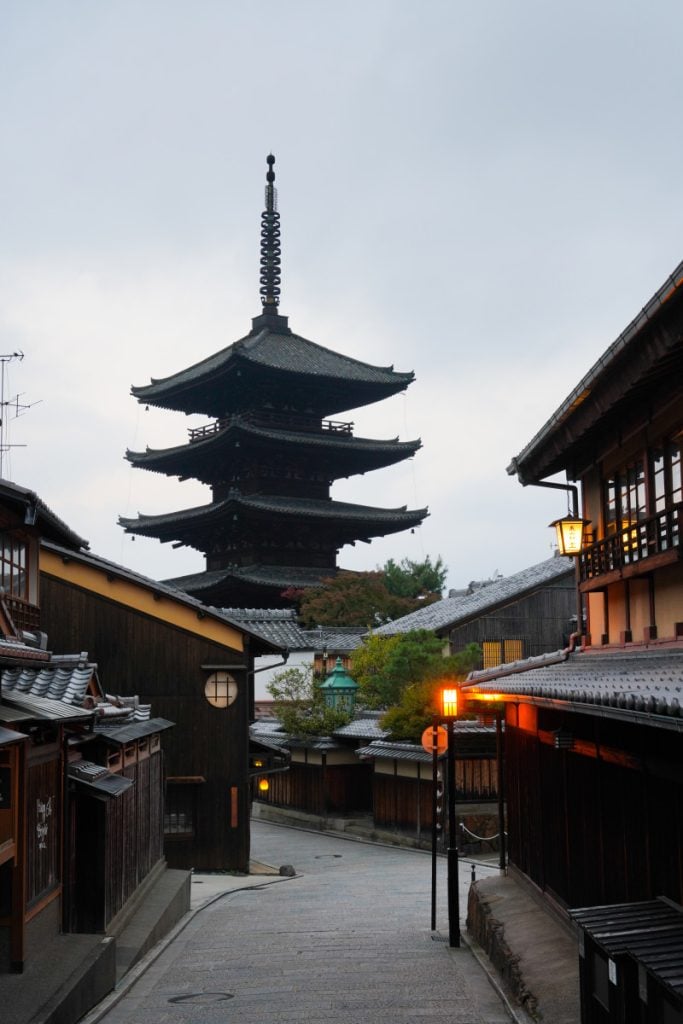

When it comes to planning your Kyoto itinerary, there are a few ways to go about it. I almost always bundle regions together to help cut down on transport. I also save a few of the popular spots for ideal visiting times (think early) to make the trip feel better as well.
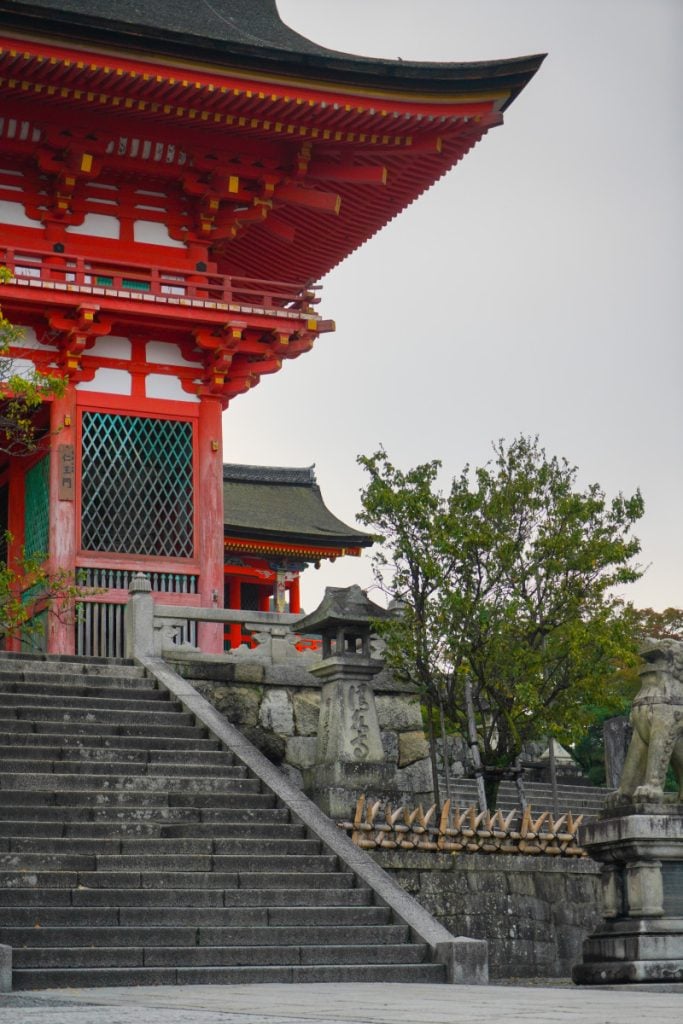
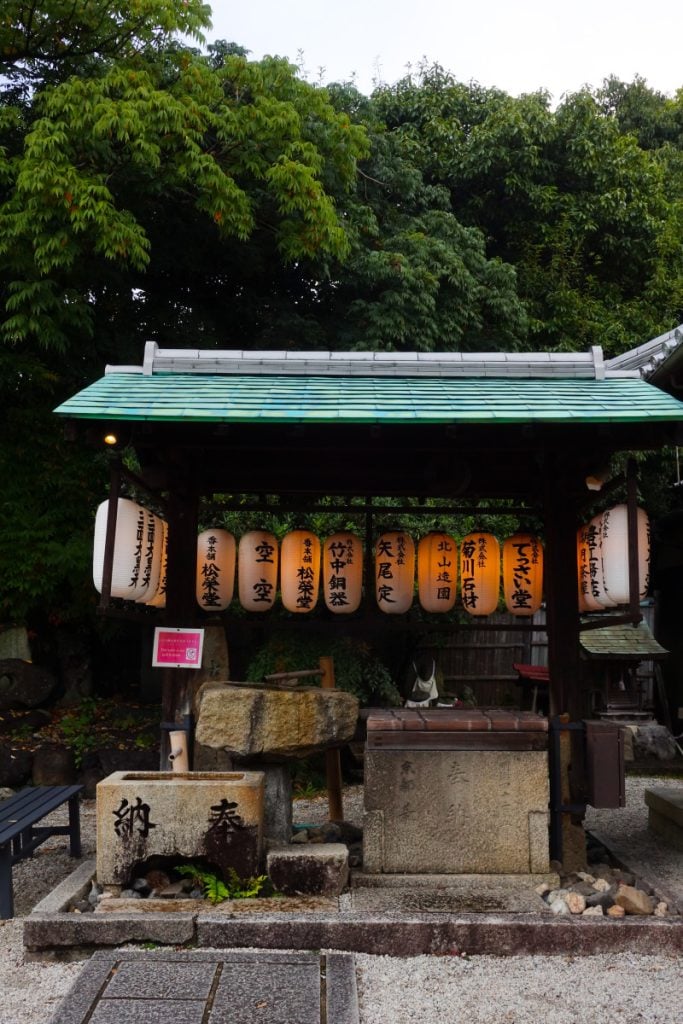
Kyoto is super popular to visit so know that the earlier you rise, the better chances you’ll have for fewer crowds. There is so much to enjoy there, I’d aim for 4 days in Kyoto if you can. I’ve broken down my itinerary by day, so whether you’re there for 3 or 4 days, this will work perfectly. You could even take a day or two of it if you like.
Read on for everything you need to know to plan your ultimate Kyoto 3 to 4 day itinerary.
Short on Time? Here Are My Top Picks for the Best Hotels in Kyoto:
Hotels
- Kyoto Granbell Hotel, for the best price and location
- Ritz-Carlton Kyoto, for the best luxury hotel
Airbnbs
- K’s Villa Matsumi – 100-year-old Traditional House, for the best authentic machiya stay
- Reikaku Yasaka – Historical Machiya in Gion, for the best Gion stay
- Former Ryokan in Shimogyo Ward, for the best ryokan-style space near Kyoto Station
Helpful Guides to Plan Your Trip
For more helpful guides on Kyoto read my:
- Travel Guide to Kyoto
- Where to Stay in Kyoto Guide
- Things to in Kyoto Guide
- Kyoto Coffee Shop Guide
- Local Artisan Shop Kyoto Guide
- 20 Best Restaurants in Kyoto
- Best Temples in Kyoto Guide
- Ultimate Nara Day Trip Itinerary From Osaka or Kyoto
- Kyoto vs Osaka: How to Decide Where to Stay
The Ultimate Kyoto 3 to 4 Days Itinerary
Kyoto Travel Tips Before You Arrive
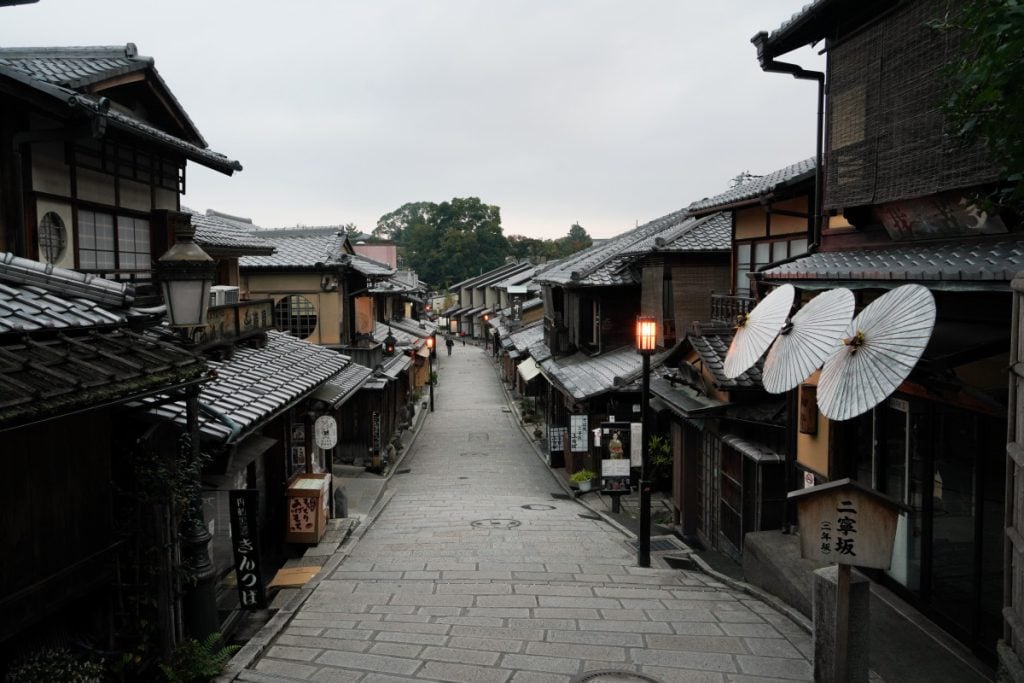
After my last two recent trips, I’ve narrowed down some do’s and don’ts that you’ll want to consider before you arrive in Kyoto. This section gives an overview on the things you should start planning for now before you book the trip.
Consider Booking Your Trip Over a Weekend
One of the biggest mistakes I see is people showing up on Mondays to find that many things are closed down for the day. I always recommend coming in later in the week and over a weekend. It will be ensure that most things are open.
Make Sure Your Google Maps Are Downloaded Offline
Navigating in Japan can be a bit tough but I find having Google Maps downloaded offline ahead of time super helpful. It will mean you can navigate while in the metro, and not have to worry about having service at all times.
Pre-Purchase Your JR Rail Pass
The JR Rail Pass can be used on several lines in Kyoto, which is why we always opt for one. You have to purchase this BEFORE you arrive to Japan. Keep this in mind for when you begin to plan your trip and your time in Kyoto. Purchase your JR Rail Pass here.
For a more in-depth guide on getting around Japan, read Transportation Tips for Japan.
Get a Prepaid SIM Card
I always pop in a Prepaid SIM Card in before arriving to Japan. It’s much easier now to pre-purchase SIM cards rather than having to do it locally at the 7 Eleven. I recommend pre-purchasing this highly reviewed data card on Amazon.
Where to Stay in Kyoto
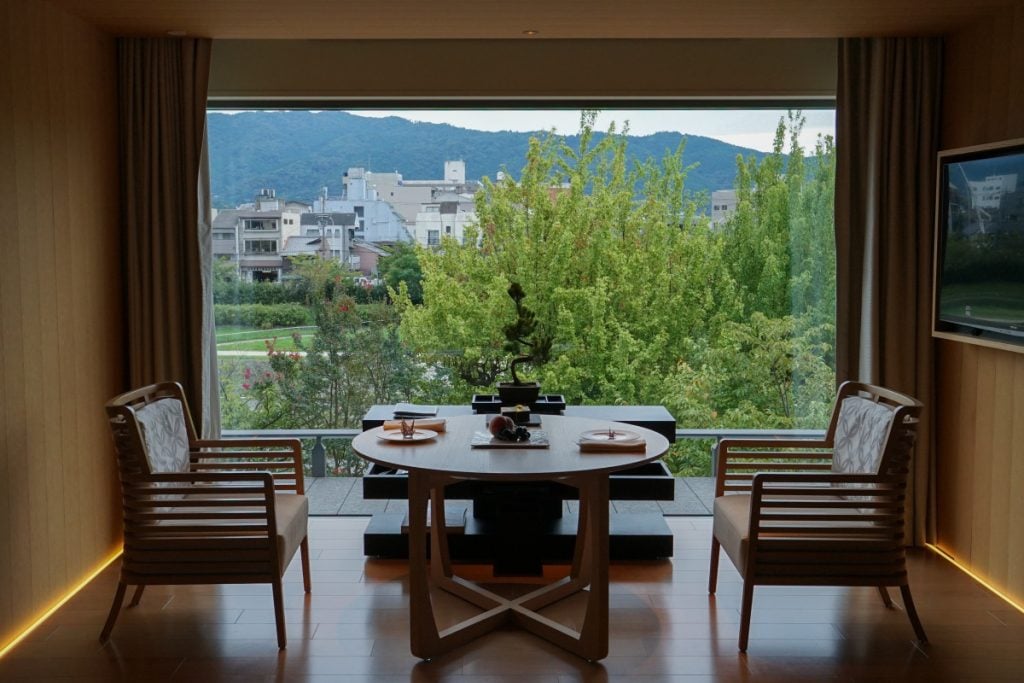
When it comes to where to stay in Kyoto, there are a few strategies to deciding. I find that for visiting Kyoto the best option is to be somewhere close to downtown Kyoto, within walking distance to some popular sights. Think near Pontocho Alley and Nishiki Market or just across the river. I always like to be close to a metro stop as well. This is super helpful for getting around the greater part of the city.
Throughout my trips, I’ve stayed at:
Best Location ($): Kyoto Granbell Hotel
This is some great bang for your buck in terms of being right in the heart of it and not paying super high prices. It’s mid-range by Japan standards for hotels, incredible design, and feels very intimate. This is the hotel I recommend to everyone for Kyoto.
Best Luxury Hotel ($$$): Ritz-Carlton Kyoto
This was a phenomenal stay and the service here was over the top. It’s just outside of downtown Kyoto, so you get the neighborhood feel without being in the chaos of it all.
Other Kyoto Hotels to Consider:
- The Junei Hotel Kyoto Imperial Palace West, for the best central Kyoto hotel
- Four Seasons Kyoto, for the best Southern Higashiyama hotel
- Ryokan Inn Yoshida-sanso, for the best Northern Higashiyama hotel
- Hotel Kanra, for the best Kyoto Station hotel
- Suiran, for the best Arashiyama hotel
Airbnbs
- K’s Villa Matsumi – 100-year-old Traditional House, for the best authentic machiya stay
- Reikaku Yasaka – Historical Machiya in Gion, for the best Gion stay
- Former Ryokan in Shimogyo Ward, for the best ryokan-style space near Kyoto Station
Kyoto Itinerary 4 Days
Day 1: Arriving and Downtown Kyoto
Kyoto Station
As you arrive in Kyoto, likely from Tokyo, you’re just getting there and will likely need a lunch. If I can make one suggestion, it’s to eat lunch right there outside of the train station at Honke Daiichi-Asahi for ramen. Bring your luggage with you, walk over, as this will be the closest you’ll ever be during the Kyoto trip. It is hands down some of the best ramen I’ve had in Japan, and we make it our first meal every trip to Kyoto.
From there, I typically hop in a taxi as I find it easier than having to transfer but of course there are several trains to get you around Kyoto.
Downtown Kyoto
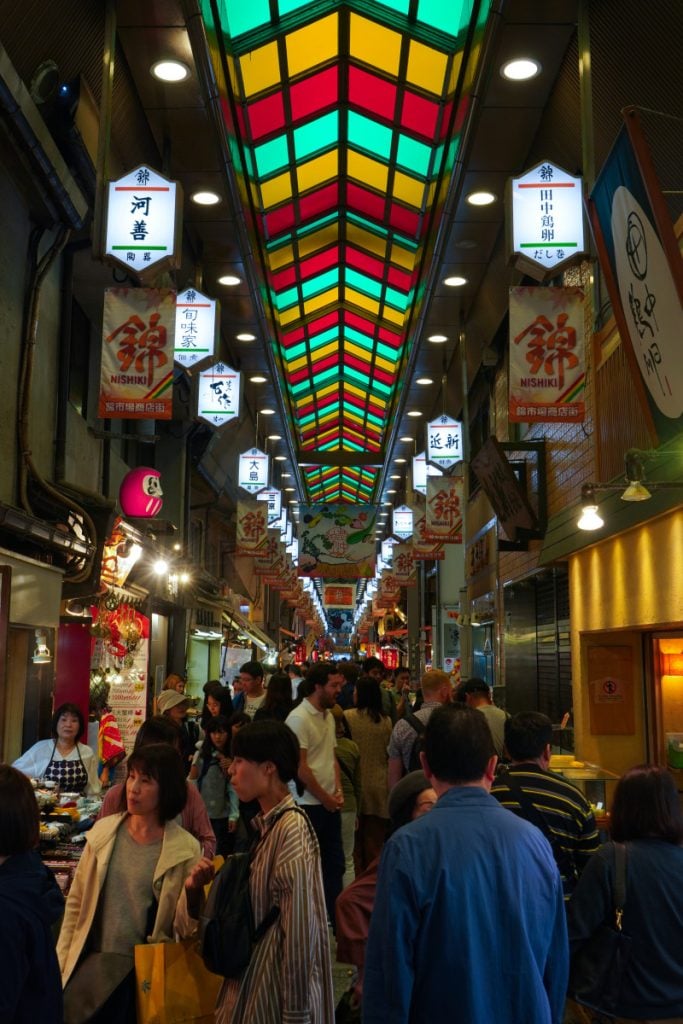
To me, there is no better way to kick off a new city than with its food market. I always head straight to Nishiki Market to get into the thick of it. There’s a lot to love there, from food stalls to shops—one of which I go to every trip. I pop into Aritsugu Nishiki Market, the famous knife shop, for a custom-engraved Japanese knife. I budget about $150-300 every trip just for a knife from here.
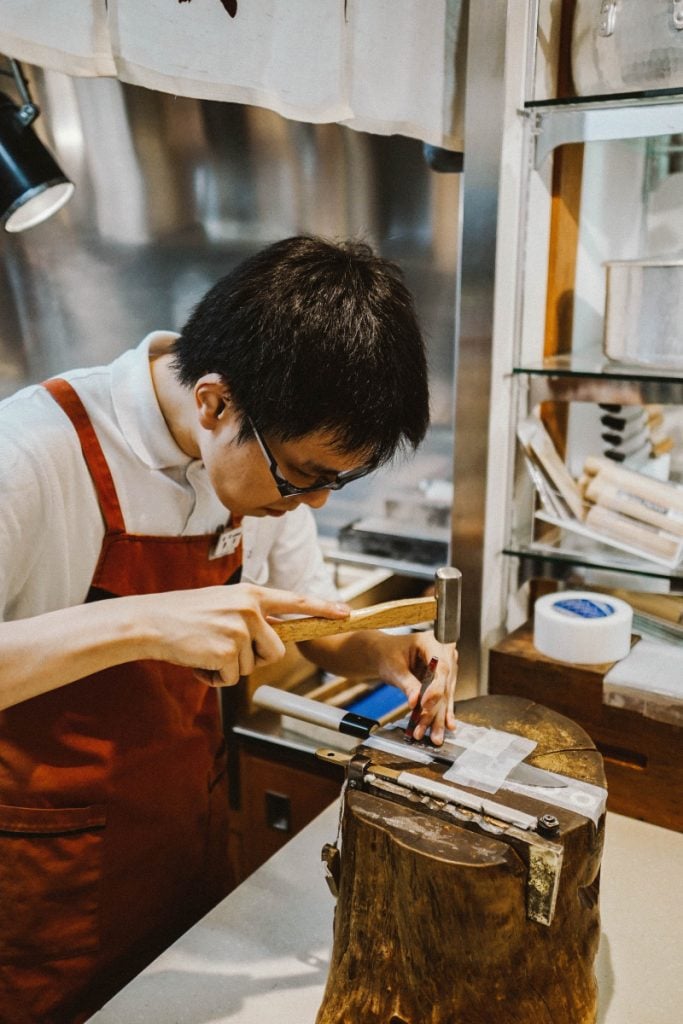
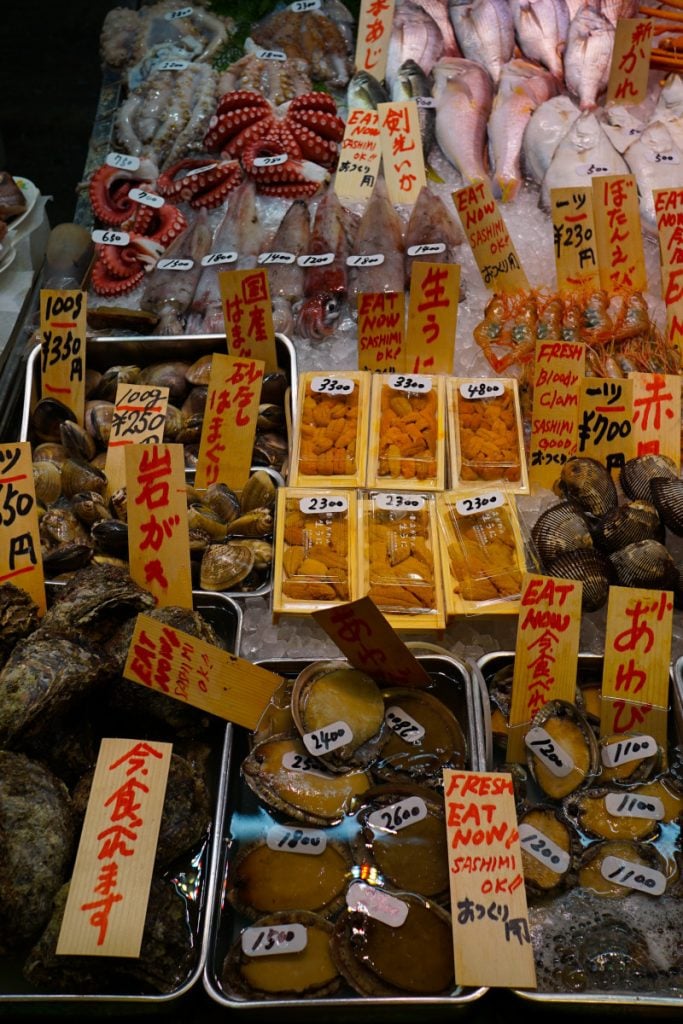
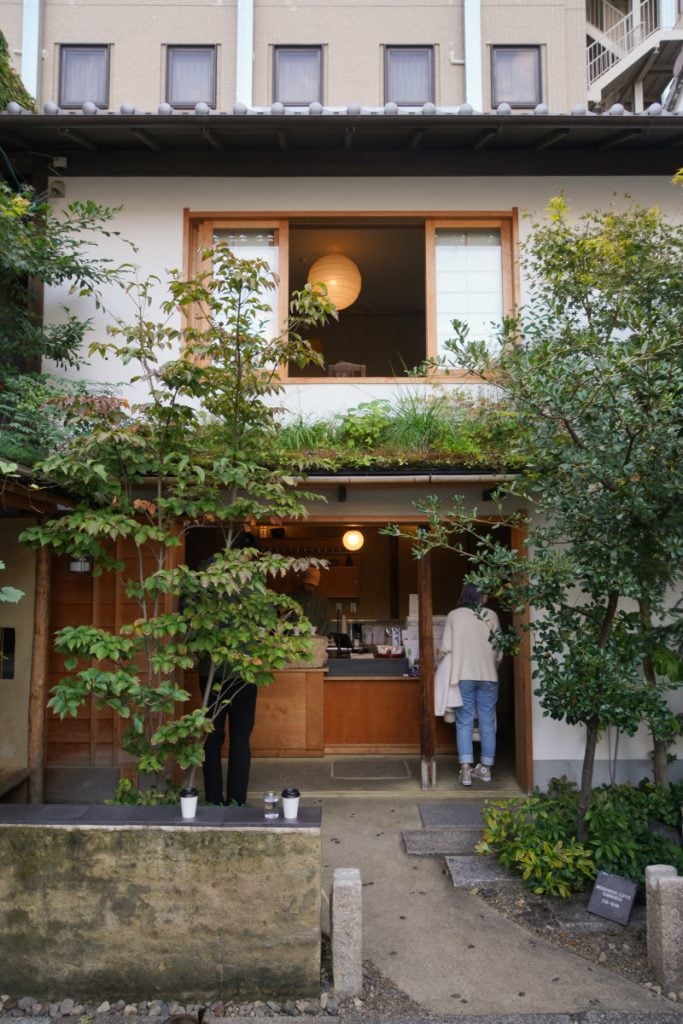
After strolling through the market, head to WEEKENDERS COFFEE TOMINOKOJI for one of the best coffee shops in town. This part of downtown is great for a casual stroll to pop into boutiques like my favorite Kochosai Kosuga and Wakabaya. As you continue on, make your way to the Kamo River.
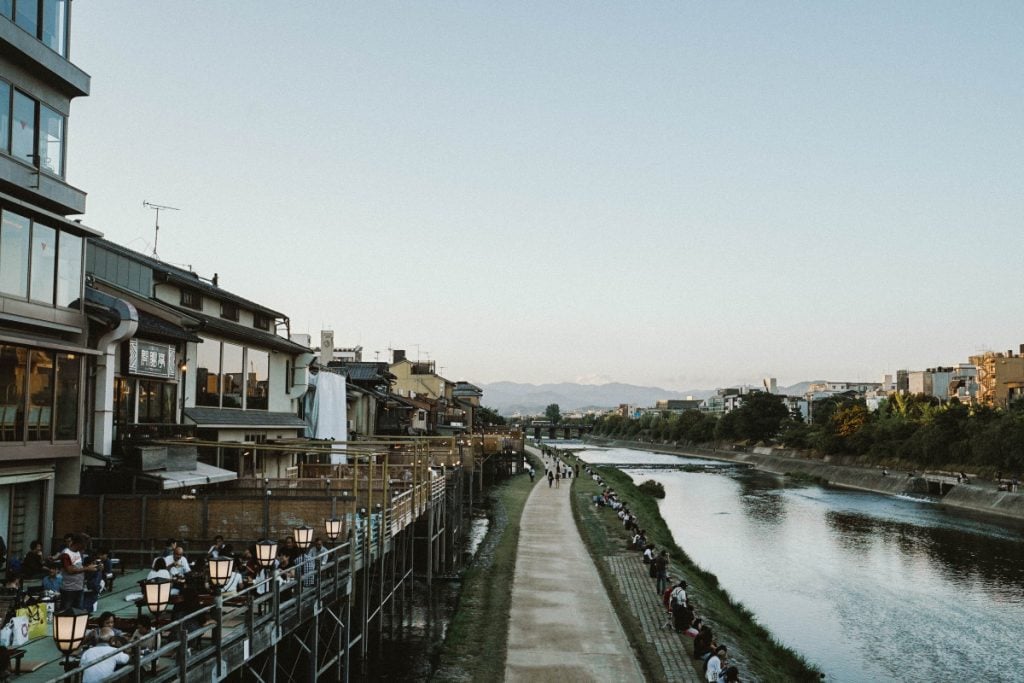
The Kamo River, particularly at sunset, is special. Everyone gathers around the river at the end of the day as the restaurants start to come alive. Go for a walk through Pontocho Alley, a must-see while in Kyoto. But don’t stop there for food — I have somewhere better.
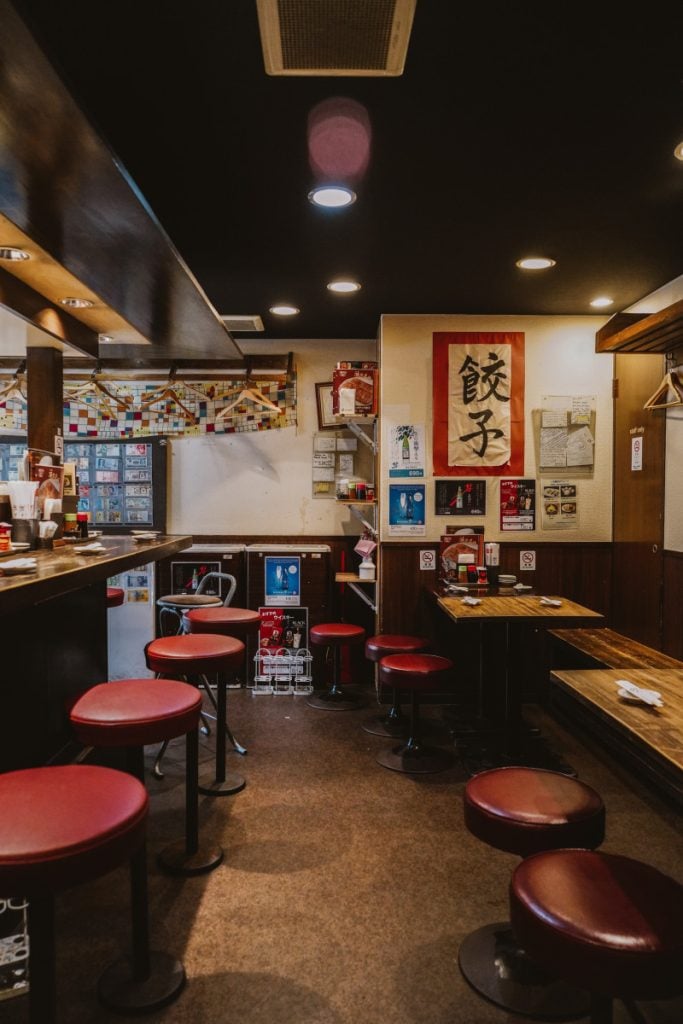
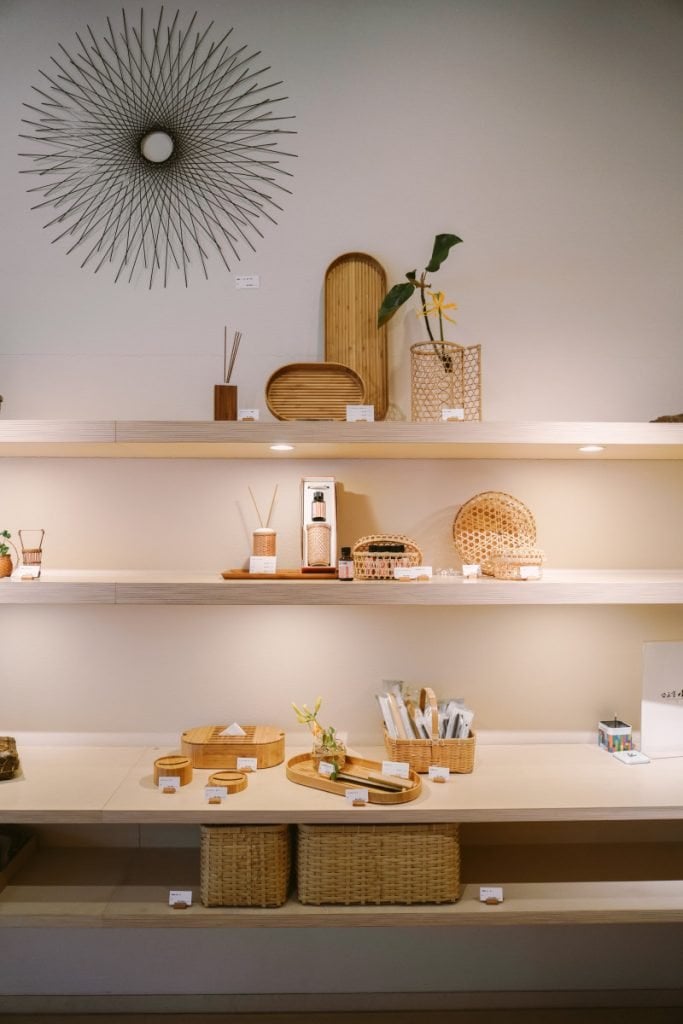
Continue on to Chao Chao Sanjo Kiyamachi — the best gyoza in town. I’ve eaten here at least twice per trip, it’s so stinking good and worth the wait. The cheese filled gyoza will live rent free in my mind for many years.
Day 2: Arashiyama, Philosopher’s Path, & Other Sights
Arashiyama
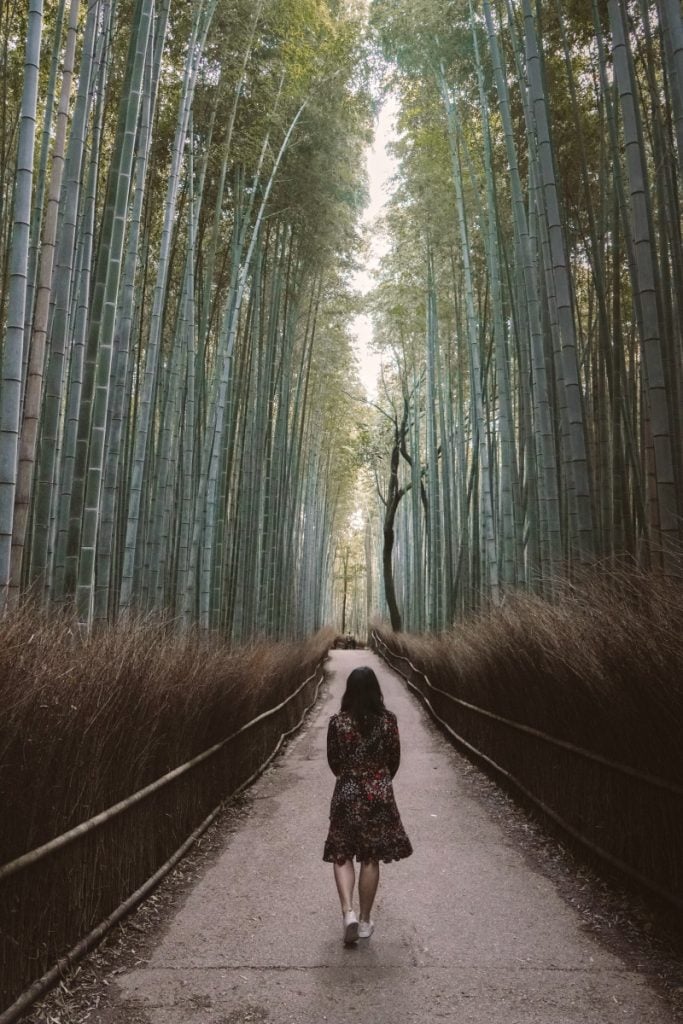
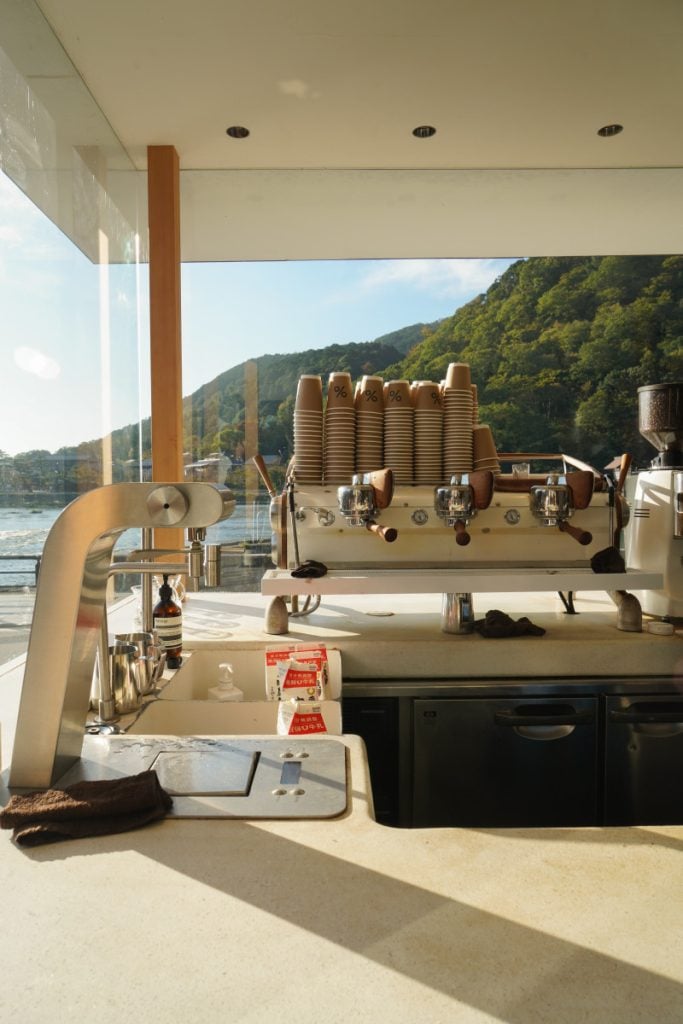
You’ve probably seen the Arashiyama Bamboo Grove at least once and have plans to go — it’s worth it, but do know that the earlier the rise the better. I always like to take the first train out to Arashiyama which is usually around 7 am. You’ll have some time to yourself before the crowds arrive, it’s great to go for a walk and enjoy the serenity of the bamboo grove.
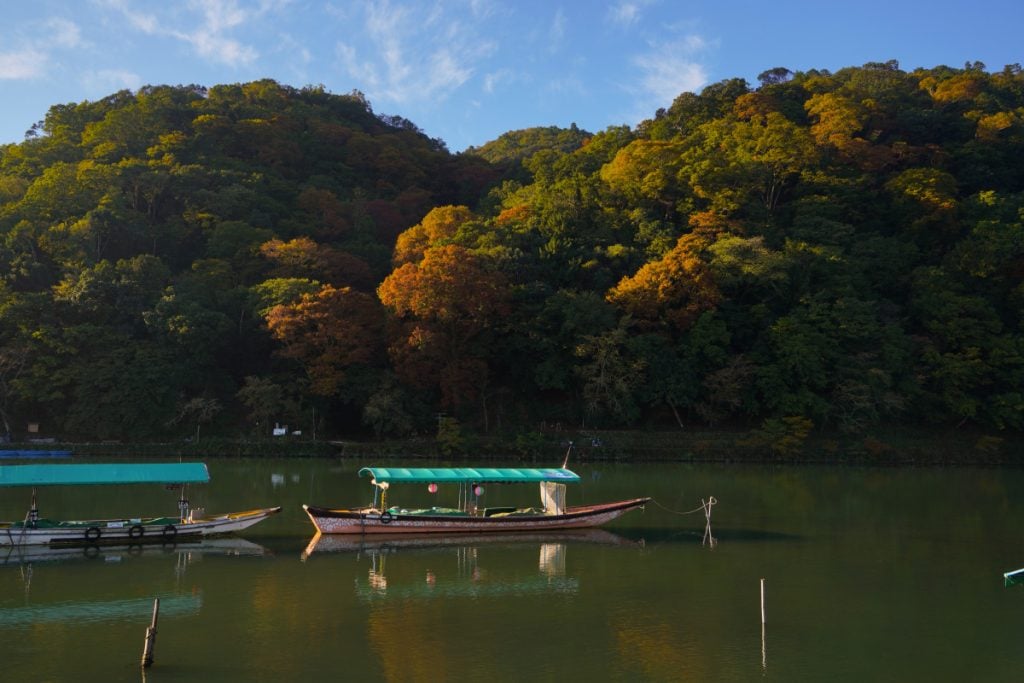
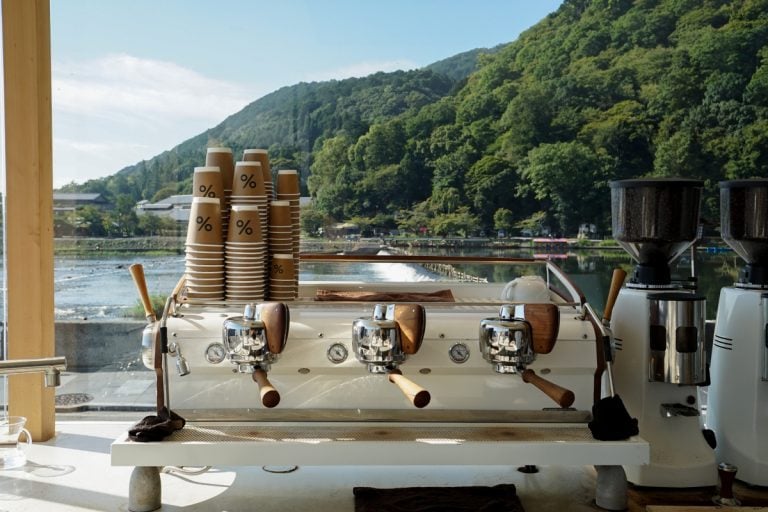
After, make your way over to the Katsura River, through Arashiyama Park Kameyama Area. The direction you’re headed is to % ARABICA Kyoto Arashiyama for my personal favorite coffee shop. It doesn’t open until 9 am, so I usually like to cross the Togetsukyo Bridge for the views and to kill time.
Kinkaku-ji
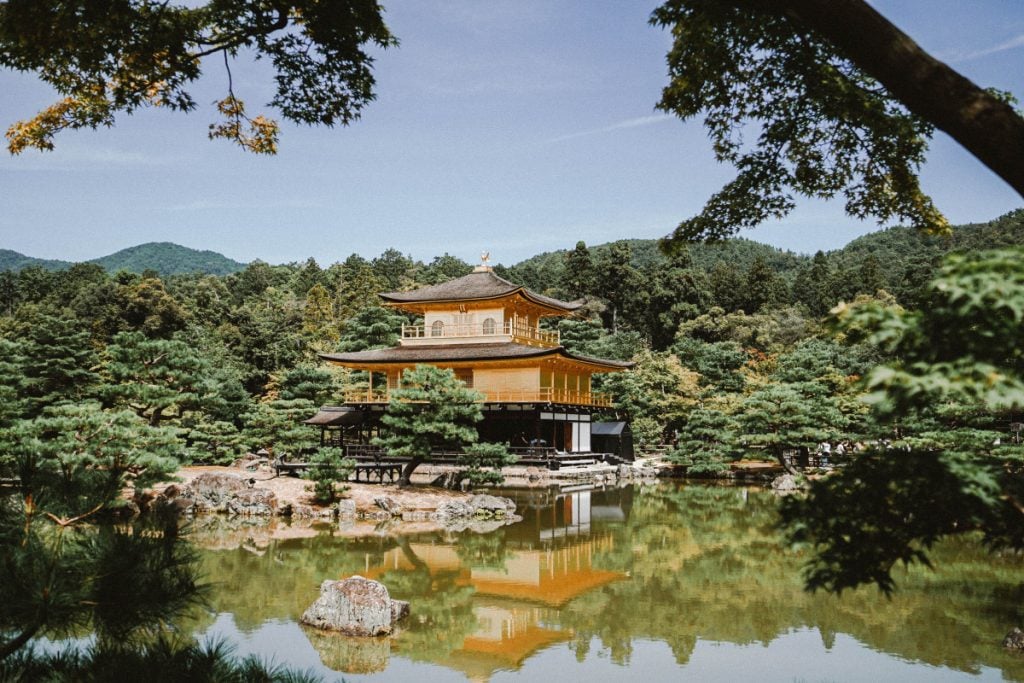
I like to visit the Kinkaku-ji temple also known as the Golden Pavilion on this day as I am already on the outskirts of town anyways. It’s easiest to do these portions by taxi as the public transport can get a bit tricky. The Golden Pavilion is well worth a visit if you haven’t been, so allocate about an hour or so to see it.
Philosopher’s Path

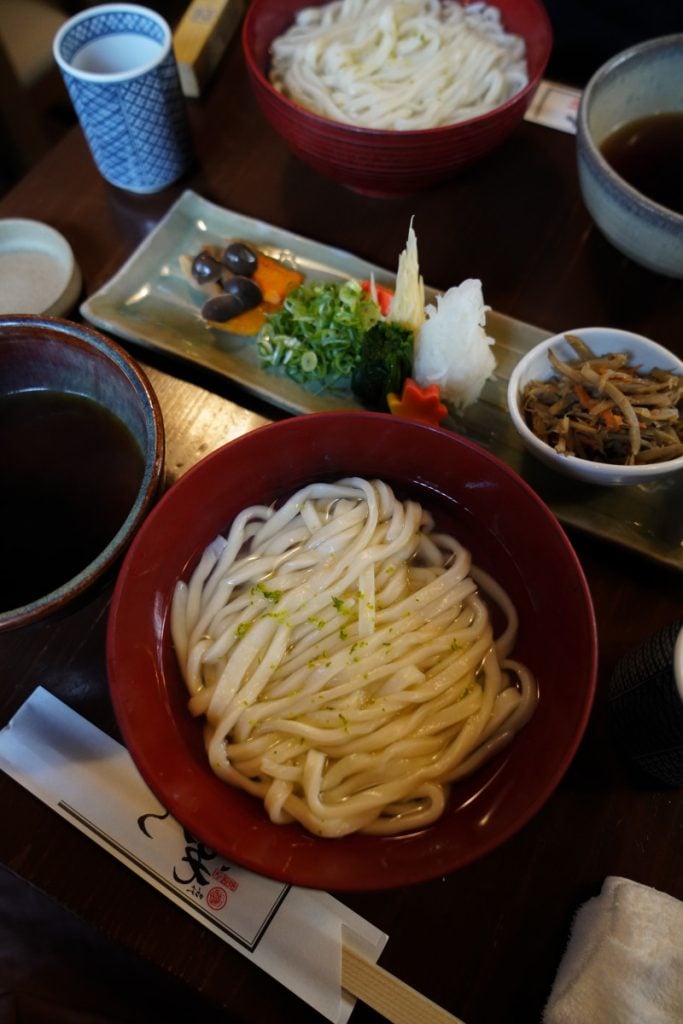
From the Golden Pavilion, grab a taxi over to where the Philosopher’s Path (Tetsugaku No Michi) begins to eat lunch at Omen Ginkaku-ji. This is a strictly udon restaurant, one of my favorites in the region for a traditional meal. I adore this restaurant and they have traditional seats.


After, make your way down the Philosopher’s Path, a cherry-tree-lined path that opened in 1890. The cherry blossoms here are absolutely beautiful when in season (cherry blossom season is very special in Kyoto). Today, several boutiques and shops are on this path, and it is a quiet space to enjoy. At the end of the path, I love to walk up to Hōnenin Temple, my personal favorite in the city. It’s a stunning 17th-century Buddhist temple with the most lovely gardens.
Gion/Hanamikoji Street


You’ll likely make your way back towards the heart of town, as you’ve done so much today. Gion is one of the neighborhoods I like to stroll around come night. This last trip, we ate at 太郎吉(Tarokich), which was traditional yakitori. It had to be one of our better meals yet in Kyoto, and we totally found it by surprise. And remember, Hanamikoji Street is the best chance of seeing a geisha at sunset — well worth a stroll here.
Day 3: Historic Kyoto and Temples
Sannenzaka
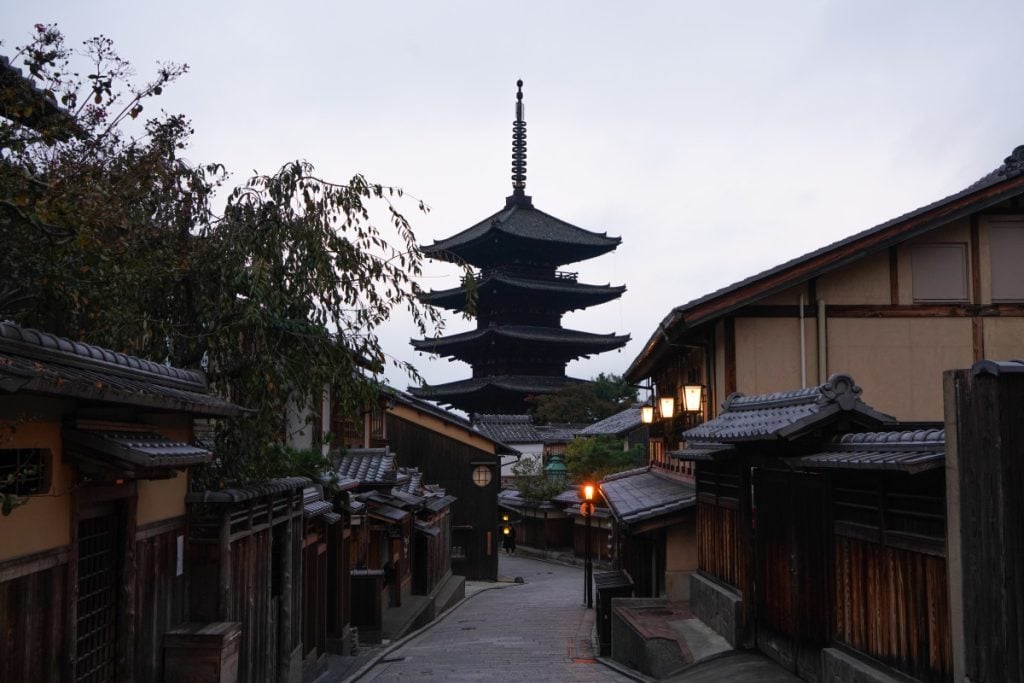
Make your way early to Sannenzaka to enjoy the stillness before the masses arrive. This stone-paved traditional Japanese street has to be the most famous and for good reason — it’s absolutely stunning. Arrive early and get it all to yourself. After, there is % ARABICA Kyoto Higashiyama or even the famous Starbucks Coffee – Kyoto Nineizaka Yasaka Chaya, one of the coolest Starbucks I have ever been to.


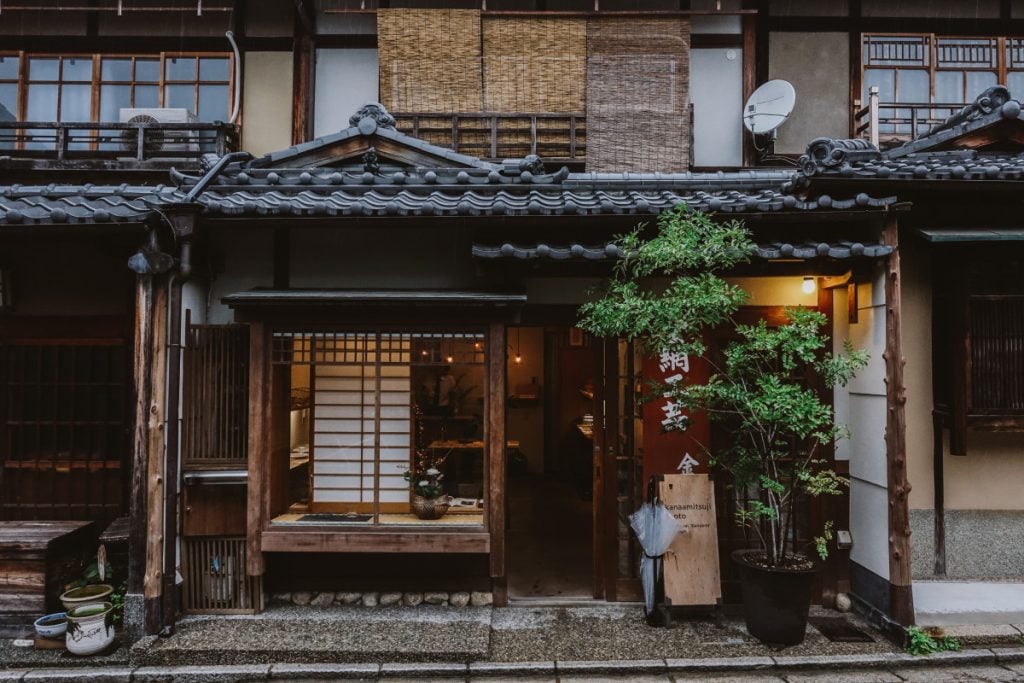
After breakfast, stroll your way through Ninenzaka, a street with traditional ryokans that line the street. One shop I come into every trip is Kanaamitsuji for handmade houseware from twined metals – think stunning tea strainers and such. The shop’s name is Kōdaiji Temple Ichinenzaka Kanaamitsuji and is in the heart of this neighborhood.
While over here, pop into a few temples like Kōdaiji Temple, Yasaka Shrine, and Kenninji Temple. Each is very unique. I’d recommend having 2-3 hours in total to do all of these at a leisurely pace. Do a few before lunch and a few after.


Now for lunch — book in advance at a “tempura” only restaurant called Tempura Endo Yasaka (North). It’s a pre-fixe meal and one of the best meals I’ve had in Japan in the last 10 years. It is so fantastic, so much to love, and it will take about 2 hours to do.
Consider Booking a Kintsugi Workshop with Wabunka


Japan is known for its incredible traditional crafts, and the practice of Kintsugi breathes new life into ceramics, lacquerware, and glassware that have been damaged or broken. Taking a kintsugi workshop with lacquer artist Mio Heki, I was able to try my hand at kintsugi and take a piece of my own Japanese craftwork home. The two-hour workshop includes an introduction to the art of kintsugi, which uses natural tree sap to repair damaged pottery.
During the private lesson, Mio takes you through step-by-step so you can repair your ceramic of choice, finishing it with fine gold powder for the final touch. Hosted at the tranquil Akagane Resort Kyoto Higashiyama 1925 in the heart of Higashiyama, the entire experience is a relaxing, hands-on way to participate in local Japanese crafts and makes for a great souvenir from your trip.
Kiyomizu-dera
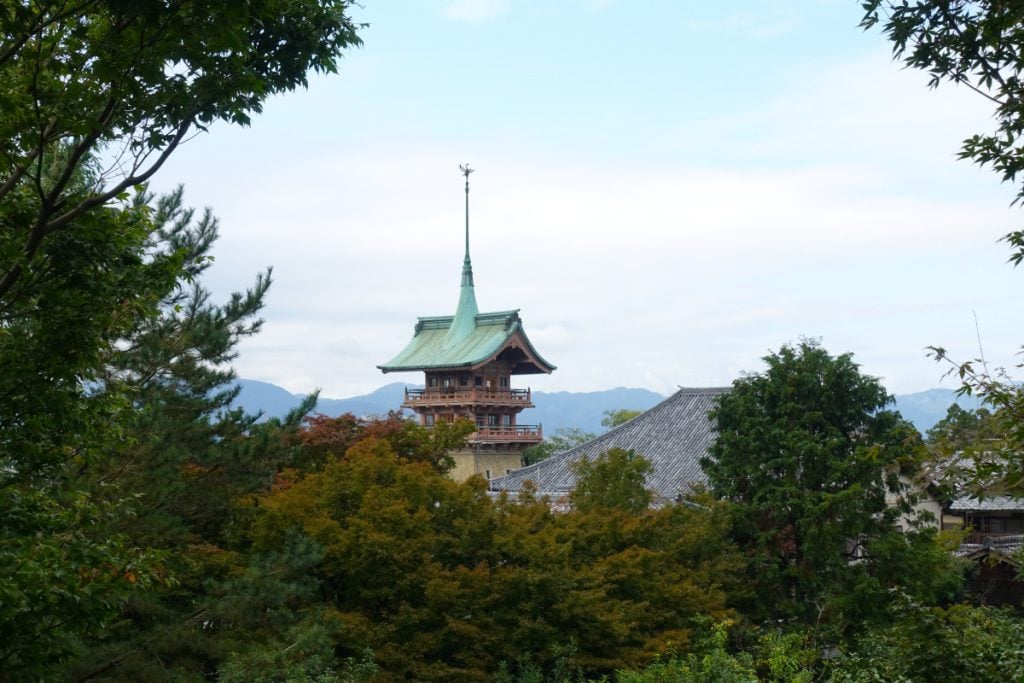
The famous Kiyomizu-dera temple. It’s a temple you can’t miss and no matter how busy, is always well worth a visit. I’m big into arriving the last two hours (4-6pm). I love the end of day light here over the city of Kyoto, and the crowds tend to slow down. You could spend a few hours here as it is so large. It is part of the Historic Monuments of Ancient Kyoto UNESCO World Heritage Site, so don’t miss it when here.
Dinner


After a very big lunch, there are a few ways to do dinner. I have a handful of restaurants to recommend, depending on how far you want to walk, but remember, taxis are easy if you’ve done too much walking. The first spot I always recommend is Monk. It’s one of the best meals in town, very intimate and a hard reservation to get.
The other restaurant I love is Wajoryomen Sugari — a very busy ramen shop that has the most amazing fish broths in town. It’s well worth the wait, but be aware, it could be up to an hour. Sojiki Nakahigashi and LURRA° are on my list for the next trip.
Day 4: Fushimi Inari and Beyond
Fushimi Inari Taisha
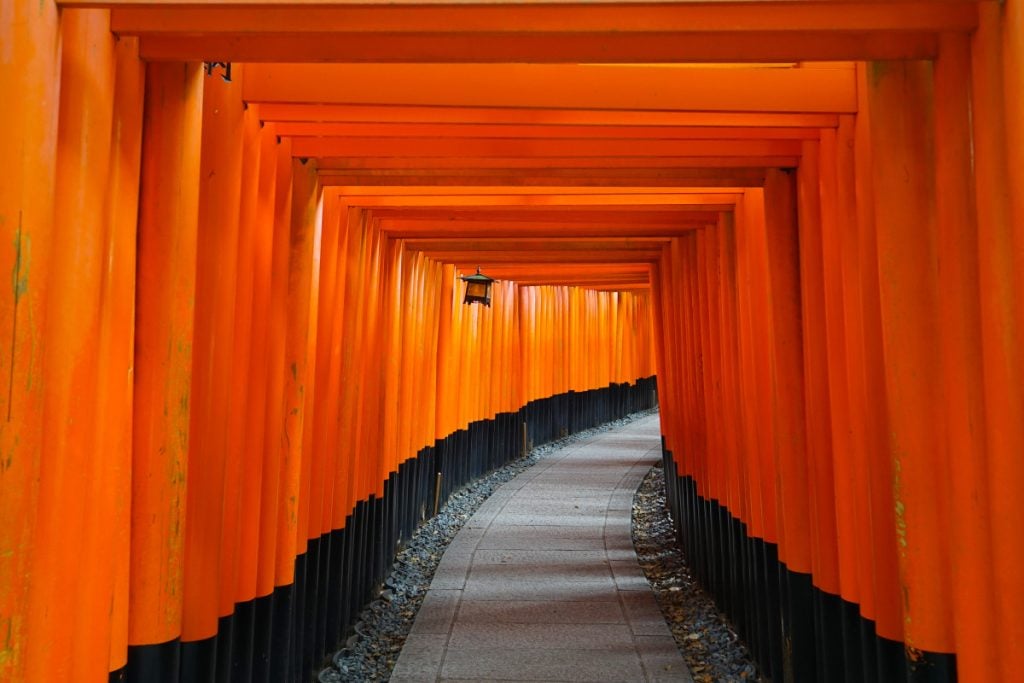
Begin the day with the earliest train out to get to Fushimi Inari Taisha. It’s the famous red-painted torii gates at the Shinto Shrine. I’d block in at least 2 hours to make the climb and soak it all in before the crowds. Do bring water and a small snack as it’s quite the climb. On the last two trips, I’ve stopped into Vermillion Cafe for breakfast. (If you arrive early in the morning, you’ll have fewer crowds as well.)
Tōfuku-ji Temple
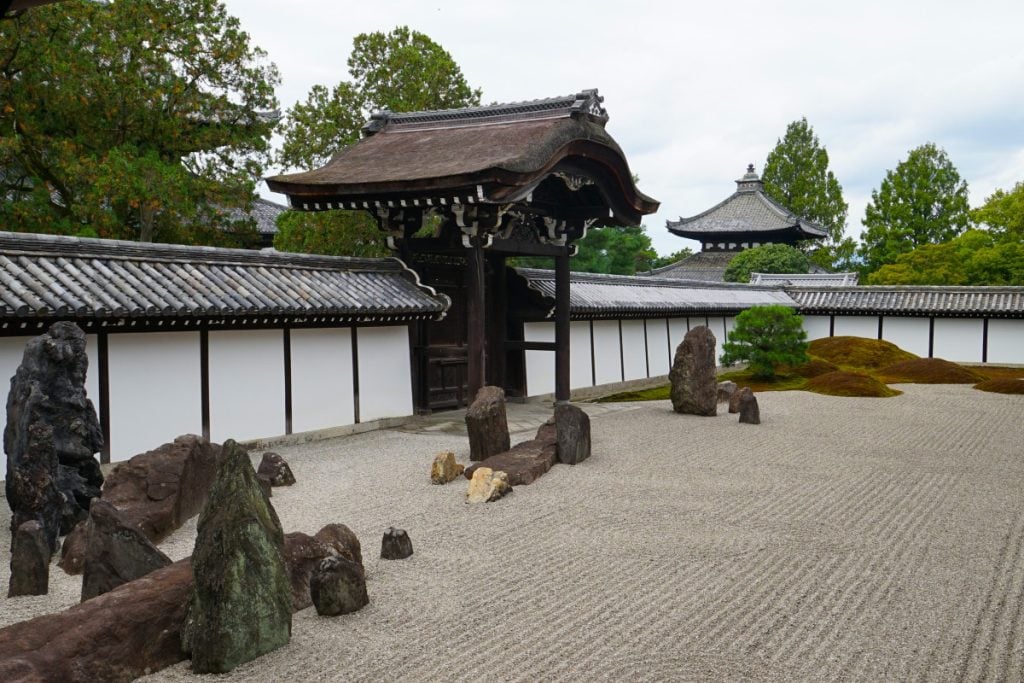
While on this side of town, walk over to Tōfuku-ji Temple for the stunning famous zen gardens. The fall foliage is particularly spectacular here so keep that in mind if you time it right. The temple itself maybe takes an hour to see.
Free Afternoon
There is always more sights, tours, and things to do in Kyoto that you can do. I find that blocking an afternoon to revisit and stumble upon something is my favorite. I intentionally keep this afternoon open. From the morning, you could easily day trip down to Nara if you wanted to as well, a great combination since you’re already in southern Kyoto.
More Time? Take A Day Trip
Nara
I don’t normally recommend Nara as part of a first-time itinerary to Kyoto as there is so many other wonderful things to do there. So if you find yourself looking for a day trip to a nearby city, the first one is Nara. It’s home to beautiful temples, the famous bowing deers, and lots more. From Kyoto, it’s about a 45 minute direct train. Consider joining a half day walking tour to Nara or a full day trip to Nara and Kyoto. If you’d prefer to go on your own, my Nara day trip itinerary has you covered with everything you need to know about visiting!
Uji
Known for green tea and stunning temples (home to Byodo-in Temple), this is one to add to for historic charm and iconic sights. It’s not visited as much, so it could be a good option to consider. This half-day Uji walking tour is a great way to experience all the town has to offer.
Kurama and Kibune
These pair of historic villages under an hour away from Kyoto are another great choice.
Other Things to Consider Adding to Your Itinerary
- Kyoto Gion Night Walk – Small Group Guided Tour
- Bike Tour Exploring North Kyoto plus Lunch
- 3 Hours Kyoto Insider Sake Experience
- Top-Selling Kyoto 1-Day Bus Tour
- Kyoto Night Foodie Tour
- Hidden Kyoto E-Biking tour
- Ramen Cooking Class at Ramen Factory in Kyoto
More Helpful Japan Posts
- The Ultimate Two Weeks in Japan Itinerary: Where to Visit
- Top Tips Before Visiting Japan
- The Alternative Guide to Tokyo
- Visiting the Kiso Valley
- The Ultimate Guide to Kyoto
- 20 Best Restaurants in Kyoto
Save This Post for Later on Pinterest


PS — Are You Booking a Trip Soon? Use My Booking Checklist!
These are the sites I use most to book my own trips. Using the links below is a great way to support Bon Traveler’s travel journalism at no extra cost to you. If you need help organizing your itinerary, get my free travel itinerary template here.
1. Book Your Accommodations
I use Booking.com for hotels and Airbnb for vacation rentals. They have the biggest inventory and consistently offer the best rates.
2. Book Your Rental Car
Self-driving is the best way to explore most destinations. I use Discover Cars for our rental cars, select full coverage insurance, and opt for a reputable company like Alamo, Hertz, or Sixt.
3. Book Your Tours & Experiences
I use Viator, Airbnb, and Get Your Guide to find the best tours and experiences. They are my favorite tour search engines. I always check all three as their inventory varies depending on the destination.
4. Book Your Private Transfers
For easy, reliable private transfers, I use Welcome Pickups. It’s my go-to for arranging a driver in advance — whether it’s an airport pickup, a hotel-to-hotel transfer, or a day trip. The experience is seamless, with English-speaking drivers and upfront pricing, so you can travel stress-free at every stage of your trip.
5. Get Cell Data for Your Trip
I use Holafly for international cell data. Their unlimited data eSIMs are easy to install, activate instantly on arrival, and let you skip local SIM cards and expensive roaming fees.
6. Don’t Forget Travel Insurance
I never leave the country without travel insurance. It provides comprehensive protection in case anything goes wrong (ie. illness, injury, theft, or cancellations).
My favorite companies that offer the best coverage and rates are:
- World Nomads (best for all-around)
- Safety Wing (best for frequent travelers)
Xx,
Jessica
1 Comment
This Kyoto itinerary is a great resource for anyone planning to visit! It’s helpful how you’ve broken down the days and focused on the best spots to visit early to avoid crowds.
The hotel recommendations are a nice touch too—Kyoto Granbell for budget and Ritz-Carlton for luxury are great choices. Looking forward to more insights on this beautiful city!