

Updated July 2026. Originally published February 2020.
One of my favorite cities in Japan that I’ve returned to several times has been Kyoto. And when it comes to deciding where to stay in Kyoto, know that there are a few approaches to picking where. I’m taking all of my experience, the areas I’ve loved, alongside handpicked stays to help you plan your Kyoto trip.
Over the last decade, I’ve spent nearly two months exploring Kyoto, and I adore this city. Its charm, history, and knack for endless curiosities it’s somewhere I feel should be on everyone’s first Japan trip itinerary. And while it may not be as large as, say, Tokyo or Osaka, it is still very spread out. On my most recent trip to Kyoto, I returned to check out another hotel to recommend (Hint: I loved The Celestine Hotel Kyoto in Southern Higashiyama this trip!).
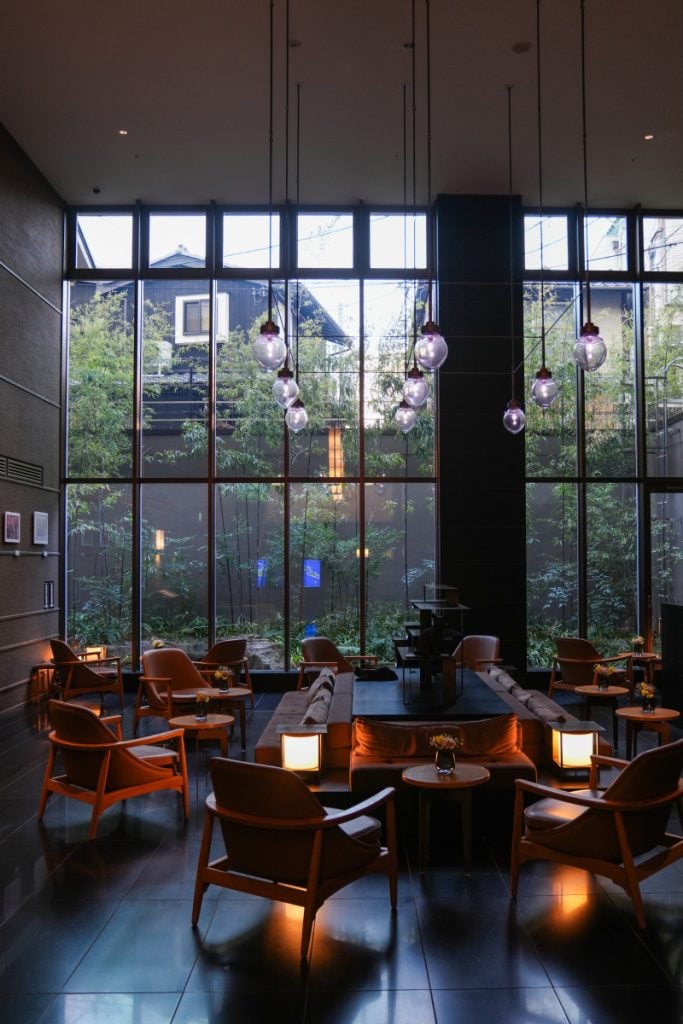
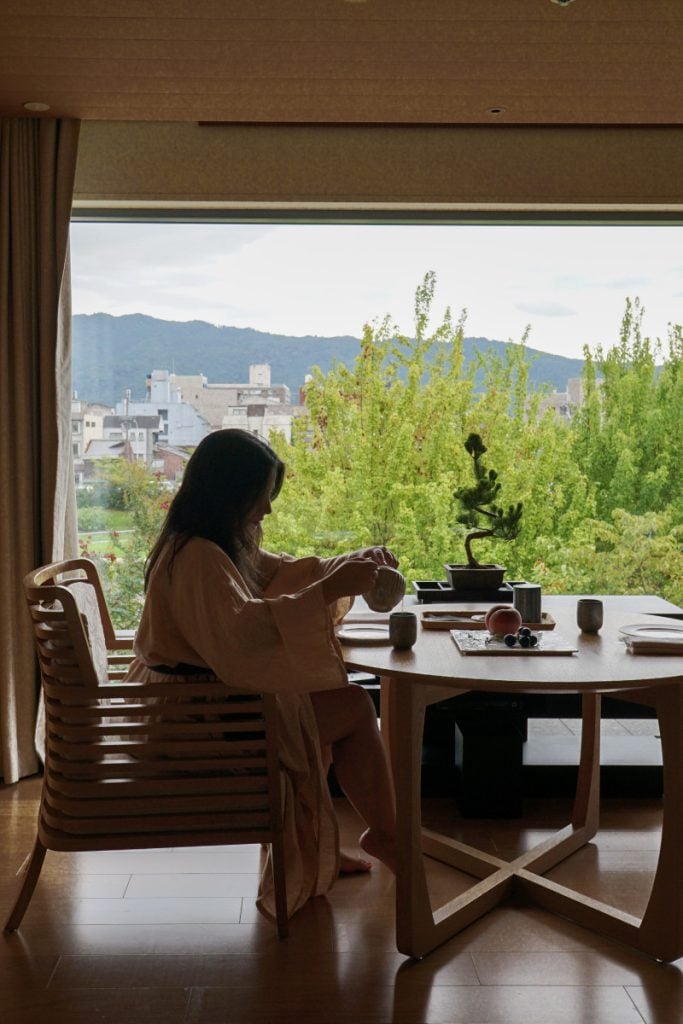
In this guide, I’m going to help you figure out which neighborhood is the best fit for you. My breakdown of each area gives you a sense of place, how you will travel within Kyoto, and why you may pick one area over another. Within each section, I’ve included my top hotel and Airbnb picks across several price points, since each stay may not fit every budget.
There are a few ways to choose where to stay in Kyoto. I prefer to base myself centrally, within walking distance to some of the main sights, but not too far by train or taxi to others. The kind of accommodation comes down to how much you want to spend and your style preference for hotels and ryokans — more on this below.
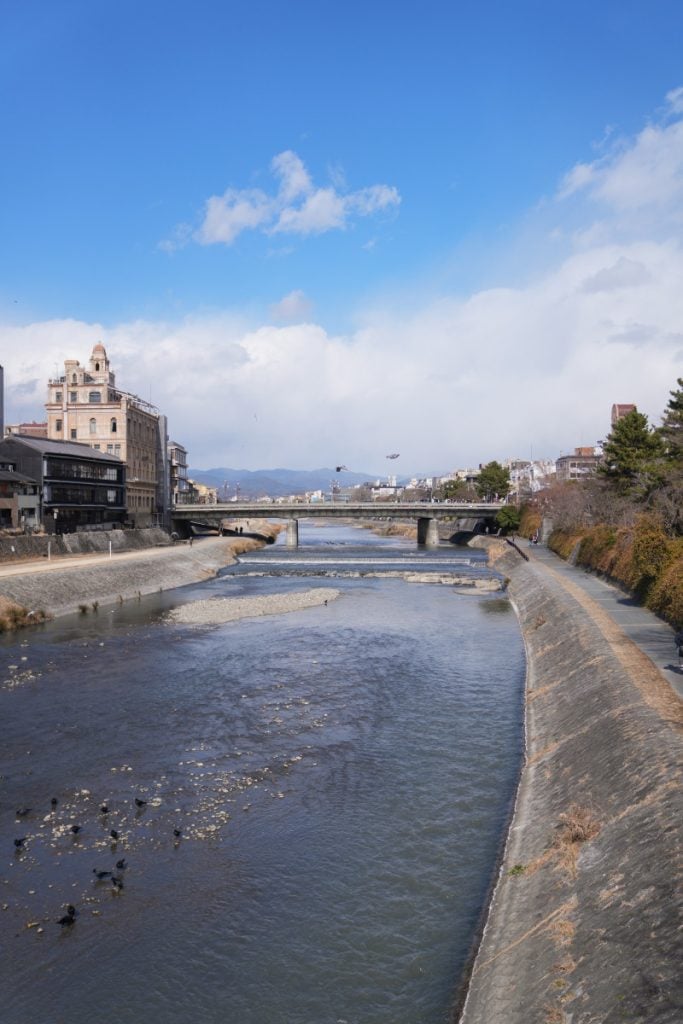

Kyoto is one of my favorite destinations in Japan, full of beautiful shrines and temples, memorable restaurants, and lovely local shopping. If you’re planning to visit Kyoto, make sure to book a couple of nights to properly see the city, as there is so much to do (see my Kyoto itinerary for exactly how I’d spend my time). And remember, peak seasons require reservations!
Below, I break down the six best areas in Kyoto, my top hotel and Airbnb picks in each, and an area map to help you plan. Read on!
Short on Time? Here Are My Top Picks for Where to Stay in Kyoto:
For first-time visitors, the best places to stay in Kyoto are Downtown and Southern Higashiyama. Both will put you closest to the best things to do. If you’re staying 4+ nights, I’d consider splitting your time between both or adding in a special stay in Arashiyama.
- Downtown Kyoto, my go-to base for Nishiki Market, restaurants, and shopping
Ritz-Carlton Kyoto ($$$$ / Where I’ve Stayed), Kyoto Hotel Okura ($$), Nol Kyoto Sanjo ($$), Mitsui Garden Hotel ($$), Cross Hotel Kyoto ($$), Solaria Nishitetsu ($$), Hotel Mystays ($), Hotel Resol Trinity ($), or a traditional machiya with a private garden hot tub - Southern Higashiyama, the best area for Gion, temples, and traditional Kyoto
Four Seasons Kyoto ($$$$), Six Senses Kyoto ($$$$), Park Hyatt Kyoto ($$$$), Banyan Tree Higashiyama ($$$), The Celestine Kyoto Gion ($$ / Where I’ve Stayed), Kyoto Granbell Hotel ($$), or a restored machiya in the heart of Gion - Central Kyoto, a quiet gem near Nijo Castle with incredible cafes and restaurants
Nazuna Kyoto Gosho ($$$), Ryokan Tori ($$$), Ace Hotel Kyoto ($$), or an architect-renovated machiya near the Imperial Palace - Northern Higashiyama, a peaceful base near the Philosopher’s Path and zen temples
Hotel Okura Okazaki Bettei ($$$), FUFU Kyoto ($$$), Nohga Hotel Kiyomizu ($$), Hotel Legasta ($$), or a 1924 machiya near the Philosopher’s Path - Kyoto Station, for budget stays, day trips, and easy train access
Dusit Thani Kyoto ($$), Hotel Kanra ($$), Hotel Granvia Kyoto ($$), Hifumi Ryokan ($$), or a loft in a renovated ryokan near the station - Arashiyama, a nature retreat near the bamboo grove and Katsura River
Suiran, a Luxury Collection Hotel ($$$$), HOSHINOYA Kyoto ($$$$), Rangetsu Ryokan, ($$$), Hanaikada Ryokan ($$), or a landmark-registered machiya near the bamboo grove
Helpful Guides to Plan Your Trip
To help you better plan your time in Kyoto, be sure to check out my Kyoto itinerary, Kyoto city guide, and guide to the best restaurants in Kyoto! If you’re planning to visit other parts of Japan, my transportation guide to Japan and top tips for visiting Japan have everything you need to know about getting around. If you’re also planning where to base yourself in other cities, check out my guides to where to stay in Tokyo and where to stay in Osaka, my guides to Kanazawa and where to stay in Kanazawa, and my Kyoto vs Osaka comparison guide!
Travel Tip: Having mobile data is a must when traveling to Japan. We use Holafly unlimited data eSIMs (5% off!) for all international travel.
Where to Stay in Kyoto, Japan
How Kyoto Is Laid Out: A Map of the Best Areas to Stay
- Downtown Kyoto (PURPLE)
- Southern Higashiyama (GREEN)
- Central Kyoto (BLACK)
- Northern Higashiyama (ORANGE)
- Kyoto Station (YELLOW)
- Arashiyama (BLUE)
These areas in Kyoto are my personal favorites based on several trips. As you start to plot your time in Kyoto, you can get a sense of just how the city is spread out. Amidst it all, Kyoto is flanked on both sides by mountains and then the Kamo River, which cuts through the city from north to south. These 6 neighborhoods are the ones I consider to be the best locations.
Kyoto Neighborhoods at a Glance
| Area | Best For | Vibe | Transit | Price Tier |
|---|---|---|---|---|
| Downtown Kyoto | First-timers, restaurants, shopping | Busy, modern heart of the city | Both subway lines, very walkable | $–$$$, widest range |
| Southern Higashiyama | Gion, temples, traditional Kyoto | Old Kyoto, quiet at night | Walk to major sights | Mostly $$$ |
| Central Kyoto | Cafes, quiet streets, families | Local and low-key | Some sights on foot, subway for the rest | $$ |
| Northern Higashiyama | Repeat visitors, zen temples | Serene and overlooked | Bus, bicycle, or short taxi | $–$$$ |
| Kyoto Station | Budget stays, day trips | Busy transit hub, south of the city | Best rail access in Kyoto | $$, best deals |
| Arashiyama | Nature retreats, split stays | Village feel, a world away | 30 min by car from Downtown | Mostly $$$ |
How to Choose Where to Stay in Kyoto

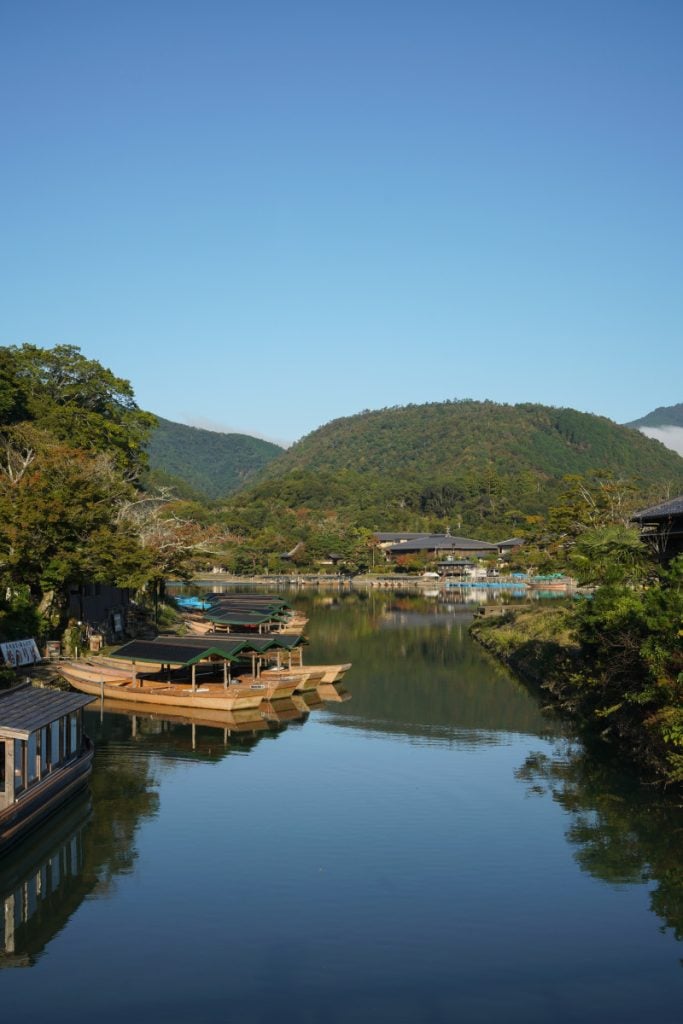
This is my recommendation on how to choose where to stay in Kyoto based on the kind of trip you’re taking:
- 3-4 nights, with or without day trips: Stay in Downtown Kyoto or Southern Higashiyama
- 4+ Nights or Special Getaway: Split your stay between Downtown Kyoto or Southern Higashiyama with a special stay in Arashiyama.
- Family Getaway with Kids: Stay in Downtown or Central Kyoto for best family-friendly hotels and apartments.
Where I’d Skip on a First Visit for Stays
- Fushimi: While alluring as Fushimi is as its home to the temple, it’s very disconnected from the rest of the city.
- Budget accommodations without rail access: There are some serious cheap stays on the outskirts of Kyoto, but you’ll pay for it with transportation. Always pick something central with good access.
- Kyoto Station: My caveat with Kyoto Station is that it’s helpful for a quick visit, but it is not central Kyoto, so know that when you choose Kyoto Station, you’re quite south of the city. Kyoto Station is for those who are in transit, or are looking to heavily day trip.
Getting Around Kyoto: Buses and Rail
Kyoto is not a small city, and in fact is quite large. The city is connected with bus routes and its rail lines. And I’ll tell you now that the buses are often very packed; it’s much better to be close to one of the major rail lines in the city if you can. Of course, neighborhoods are walkable, but inevitably you’ll need to use some form of longer transport to explore the full city.
Hotel, Ryokan, or Machiya?
- Hotels — These often come with amenities like restaurants, a pool or spa, and concierge services. They range across all budget levels and can offer both Western-style and Japanese-style rooms.
- Ryokans — Traditional Japanese-style inns that almost always include dinner and breakfast as part of the price.
- Ryokan-style Hotels — A useful subset. These have the Japanese-style rooms (tatami mats, futon bedding, shoji doors) without the meal service of a traditional ryokan.
- Machiya — These are traditional Japanese homes; many are available for rent in Kyoto as Airbnbs or private vacation rentals. Their interiors greatly change depending on how they’ve been outfitted.
1. Downtown Kyoto
My Go-To Base Near Nishiki Market, Restaurants, and Shopping
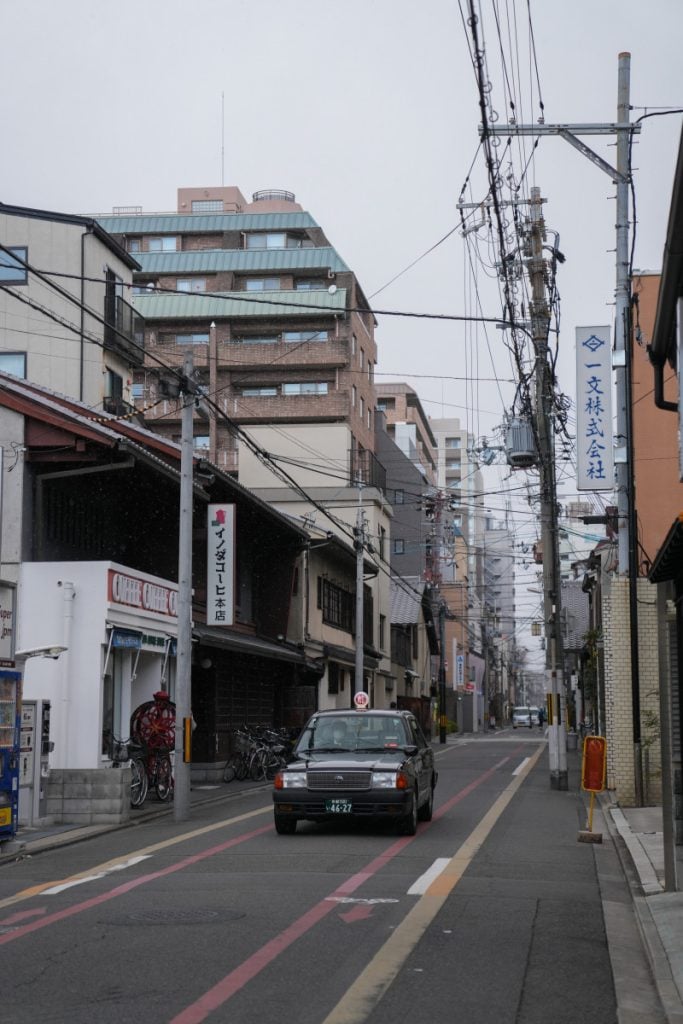

Downtown Kyoto is one of my go-to areas of Kyoto to base myself in. There is a major convenience of being within walking distance of markets, shops, and restaurants, and a short walk to the Gion district. You’re also well connected at the subway station that runs up and down Kyoto’s central area.
The Pros of Staying in Downtown Kyoto
Located near the Kamo River, this is the heart of the city for both locals and visitors. Shopping, restaurants, temples, and nightlife are all within walking distance. Also known as the Kawaramachi or Shijo-dori area, Downtown Kyoto puts you in the heart of the city.
Another advantage of staying in Downtown Kyoto is that you can easily walk to Southern Higashiyama and, with a longer stroll, Northern Higashiyama. These are two of the city’s most popular sightseeing areas. Downtown is also served by Kyoto’s two main subway lines: the north–south Karasuma Line (including Kyoto Station) and the east–west Tozai Line (including Sanjo Keihan Station).
What Evenings Feel Like
Evenings in Downtown Kyoto are always vibrantly busy — a lot of the city comes downtown to shop as many stores are open late, and then because so many restaurants are here, it’s a popular dining area.
The Cons of Staying in Downtown Kyoto
You’re right in the mix of it, and often quite packed with the crowds most of the day, especially on weekends. The architecture here is not the historic traditional Japanese buildings found in the Gion district, but more so large city-style buildings with neighborhoods surrounding it.
Where to Stay in Downtown Kyoto
Best Hotels in Downtown Kyoto

- The Ritz-Carlton Kyoto ($$$$ / Where I’ve Stayed), for the best overall luxury hotel (Our two nights at the Ritz-Carlton Kyoto were hands down one of the best hotel experiences in Japan thus far)
- Kyoto Hotel Okura ($$), for the best value luxury hotel
- Nol Kyoto Sanjo ($$), for a sake brewery-turned-boutique hotel with hiba wood baths (a friend stayed recently and loved it)
- Mitsui Garden Hotel Kyoto Kawaramachi Jokyoji ($$ / Where I’ve Stayed), for the best hot spring bath (this hotel group is a personal go-to for me in Japan, having stayed at other locations)
- Cross Hotel Kyoto ($$), for the best stylish stay (I’ve stayed at their Osaka one and loved it)
- Solaria Nishitetsu Hotel Kyoto Premier ($$), for the best riverfront charm
- Hotel Mystays Kyoto Shijo ($), for the best overall budget hotel with metro access
- Hotel Resol Trinity Kyoto ($), for a comfortable budget stay
Best Airbnbs in Downtown Kyoto
- 2 Bedroom Machiya with Private Garden Hot Tub, for a 1919 machiya with a private garden and outdoor Goemon-buro, steps from Shijo-dori
- 2 Bedroom Apartment on Sanjo with Cypress Bath, for a bright apartment with a cypress wood bath in the Sanjo area, five minutes to the station
- 1 Bedroom Apartment Near Kawaramachi, for a spacious apartment with a full kitchen and balcony, one minute from the subway near Nishiki Market
Things to Do Near Downtown Kyoto

- Nishiki Market — The biggest food market in Kyoto is home to hundreds of stalls of food, culinary shops, and more in a covered space. It’s the spot to go on a self-led food tour and try whatever catches your eye. One of my favorite stops in Nishiki is always at Aritsuga to get engraved knives, which I always bring back from each trip!
- Teramachi-dori and Shinkyogoku Pedestrian Streets — When it comes to going shopping, these two pedestrian-only streets are where to go for all things shops and food.
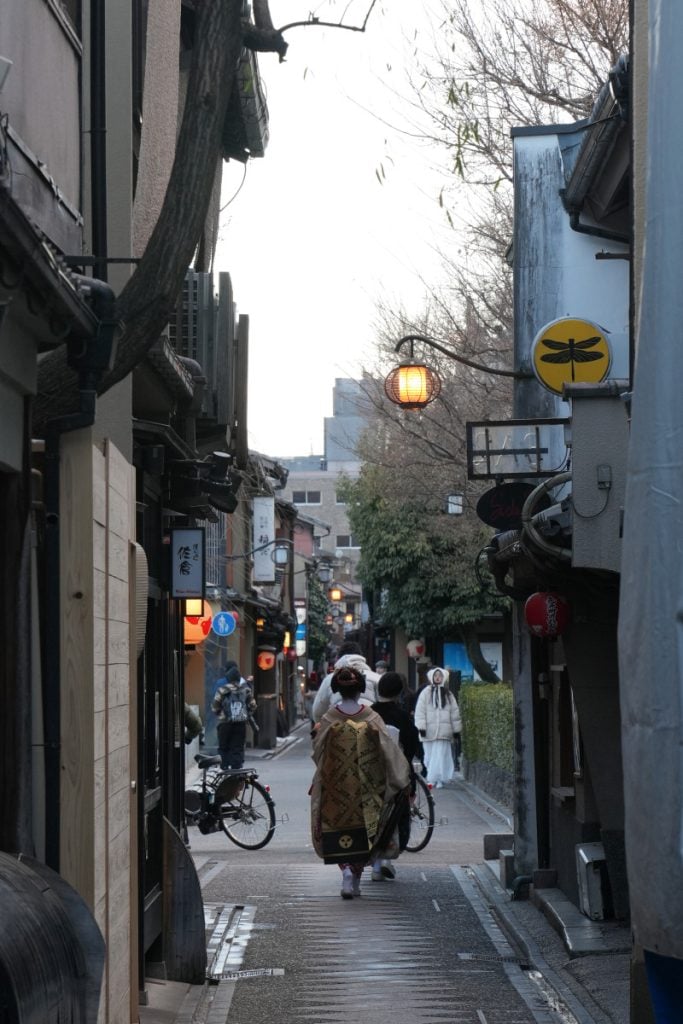
- Pontocho Alley or Ponto-cho — Pontocho is one of my favorite streets in Kyoto. The narrow cobblestone alley runs parallel to the Kamogawa River and is lined with traditional wooden machiya that have been converted into restaurants, teahouses, and bars. Come at dusk when the lanterns light up.
2. Southern Higashiyama
The Best Area for Gion, Temples, and Traditional Kyoto


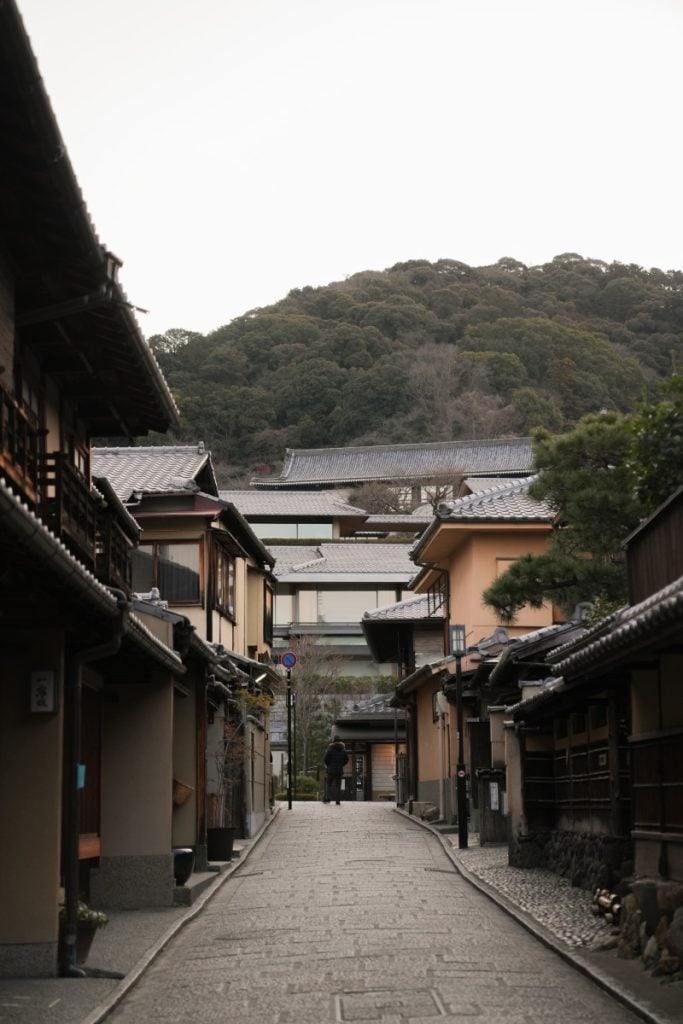
With the mountains on the east side of the Kamo River, you’re situated close to the most beautiful sights in Kyoto in Southern Higashiyama. Close to Gion and the temples, you can walk to most of the major sights in this area. During this last trip to Kyoto, I based myself here in Southern Higashiyama and loved the connection to the more historic district of Kyoto.
Nearby, the streets of Ninen-zaka and Sannen-zaka boast beautiful shops and local restaurants. A quick metro ride will also get you to any of the other major sights. Southern Higashiyama also has the highest concentration of luxury hotels, thanks to its location and more local feel.
The Pros of Staying in Southern Higashiyama
The pros of staying here are to be fully immersed in old Kyoto. When you’re here, you feel the history and culture that sets Kyoto apart from the rest of Japan. You’ll be so close to many of the temples and sights that get packed, which means you’ll have the advantage of being close for an early arrival. I have stayed in this area twice now and never regret it.
The Cons of Staying in Higashiyama
Well, as it is popular, the crowds come with it, especially in high season like cherry blossom season. So come midday, you’ll feel the crowds in the main sights; however, the hotels I recommend are not really in the thick of it, so by accommodation standards you’ll feel secluded. Just keep in mind the prices are higher here for a reason.
What Evenings Feel Like
Dimly lit streets, tucked-away restaurants, and most of the crowds have disappeared; these are just a few of the best parts of Southern Higashiyama come nighttime. You’ll have quieter spaces, but still many dining options since most of the high-end spots are here.
Where to Stay in Southern Higashiyama

Best Hotels in Southern Higashiyama
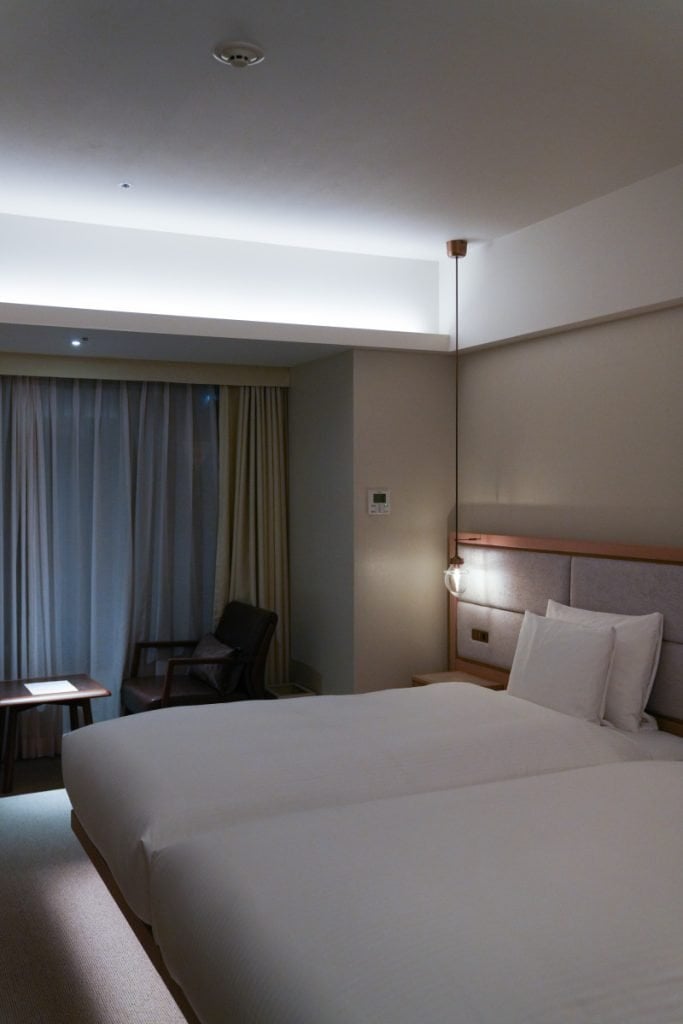

- Four Seasons Kyoto ($$$$), for the best overall luxury hotel
- Six Senses Kyoto ($$$$), for the best new eco-luxury hotel
- Park Hyatt Kyoto ($$$$), for the best luxury stay with iconic views
- Imperial Hotel Kyoto ($$$$), for a historic luxury stay
- Maana Kyoto ($$$), for the best boutique luxury hotel
- Banyan Tree Higashiyama Kyoto ($$$), for the best hillside onsen retreat
- Hotel The Celestine Kyoto Gion ($$ / Where I’ve Stayed), for the best mid-range onsen stay
- Kyoto Granbell Hotel ($$ / Where I’ve Stayed), for a hip, centrally located stay
Best Airbnbs in Southern Higashiyama
- 2 Bedroom Machiya in Gion with Stone Bath, for a restored century-old machiya in the heart of Gion with a stone bath and private garden
- 2 Bedroom Riverview Machiya on the Shirakawa, for a riverside machiya on the Shirakawa stream with a private terrace and hot tub
- 2 Bedroom Townhouse Near Yasaka Shrine, for a renovated century-old townhouse with a bamboo garden
Things to Do Near Southern Higashiyama

- Kiyomizu-dera Temple — Kiyomizu-dera is one of Kyoto’s most famous temples, known for its massive wooden stage that juts out over a lush valley, offering spectacular views of the city. It’s a personal favorite to visit come sunset as well, and the views are stunning.
- Chion-in Temple — Chion-in Temple, the head temple of the Jodo sect of Buddhism, is famous for its massive Sanmon gate and the Great Bell, one of the largest in Japan.
- Yasaka Shrine and Yasaka Pagoda — Yasaka Shrine, a popular Shinto shrine in the heart of Kyoto, is famous for its vermilion gates and lantern-lined pathways. It’s also home to Maruyama Park, which is a beautiful garden to go for a stroll, and you can pass through the Yasaka Pagoda.
- Ninenzaka and Sannenzaka Shopping Streets — Ninenzaka and Sannenzaka are historic streets lined with traditional wooden shops selling local crafts, sweets, and souvenirs. These are probably the most popular streets to visit, so I always try to arrive at sunrise to beat the crowds.
- Kawai Kanjiro’s House — On my most recent trip, I stumbled upon Kanjiro’s House, the former residence and workshop of the renowned potter. It was incredible to walk through and get to see his ceramic art and traditional Japanese pottery.
3. Central Kyoto
A Quiet Gem Near Nijo Castle and the Imperial Palace
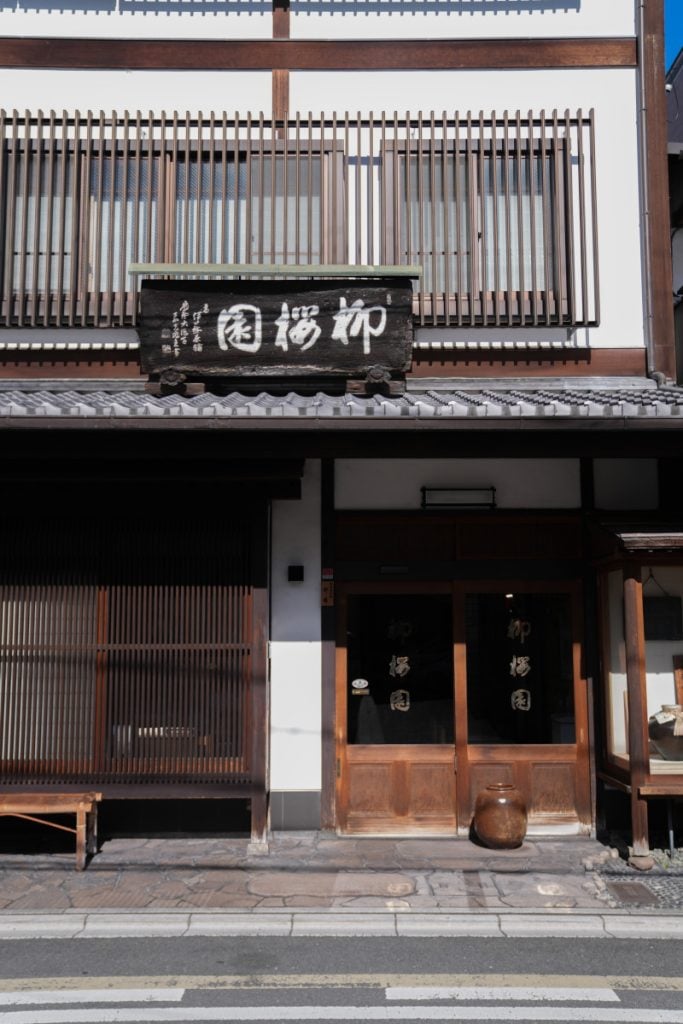

The neighborhoods adjacent to Nijo Castle and Kyoto’s Imperial Palace are some of the most happening right now in Kyoto. In fact, during this trip to Kyoto, I spent a ton of time in these neighborhoods strolling the streets, stumbling upon cafes and Michelin-rated restaurants. A bit of a quiet gem when you stay here, you’re close to several sites on foot, and can easily explore this side of Kyoto by car and subway.
The Pros of Staying in Central Kyoto
You’re in the mix of some of the best cafes, coffee, restaurants, and local shops in Kyoto. All while being close to some major sights like Nijo Castle and nearby temples. You’ll be in mostly quieter neighborhoods as well, which is something to enjoy after being in busy areas. And the beauty of being on this side of Kyoto is that you can easily explore more of Northern Higashiyama and Arashiyama as well.
The Cons of Staying in Central Kyoto
If you don’t mind using transportation to explore the other sights of Kyoto, there’s not much to worry about being based here in Central Kyoto!
What Evenings Feel Like
Central Kyoto can feel quite empty come evening. The restaurants are mostly spread out here; there aren’t many stretches of several restaurants in a row, etc. Expect a quiet area with fewer dining choices.
Where to Stay in Central Kyoto
Best Hotels in Central Kyoto
- Nazuna Kyoto Gosho ($$$), for the best luxury ryokan
- Ace Hotel Kyoto ($$), for the best trendy design hotel
- Ryokan Tori ($$$), for the best mid-range ryokan stay
Best Airbnbs in Central Kyoto
- 2 Bedroom Machiya Near the Imperial Palace, for an architect-renovated machiya converted from a century-old textile factory and garden views on both sides
- 1 Bedroom Machiya with Garden Wood Bath, for a family-run machiya with a wooden soaking tub
- 2 Bedroom Machiya Near Kyoto Imperial Palace, for an award-winning renovation of a century-old machiya with a tea ceremony room, Japanese garden, and a thousand-year-old shrine next door
Things to Do Near Central Kyoto

- Nijo Castle — Nijo Castle, a UNESCO World Heritage site, is famous for its beautifully decorated interiors and its “nightingale floors,” which chirp when walked upon to alert against intruders. The castle features stunning gardens and is an important historical landmark, showcasing the power and wealth of the Tokugawa shogunate. I’d recommend setting aside a few hours for this.
- Kyoto Imperial Palace & Park — The Kyoto Imperial Palace, once the residence of Japan’s imperial family, is an elegant example of classical Japanese architecture and design. It’s very popular to visit, so expect some crowds here.
- Kyoto Botanical Gardens — Kyoto Botanical Gardens are the oldest and largest botanical gardens in the city, with over 12,000 plant species.
- Golden Pavilion (Kinkaku-ji) Temple — Kinkaku-ji, or the Golden Pavilion, is a Zen Buddhist temple famous for its top two floors covered in gold leaf, set amidst beautiful gardens and a reflective pond. It’s about a 10-minute taxi from the central Kyoto area. I try to visit this every trip as I find the different foliage gives a unique feeling each time!
4. Northern Higashiyama
A Peaceful Base Near the Philosopher’s Path and Zen Temples
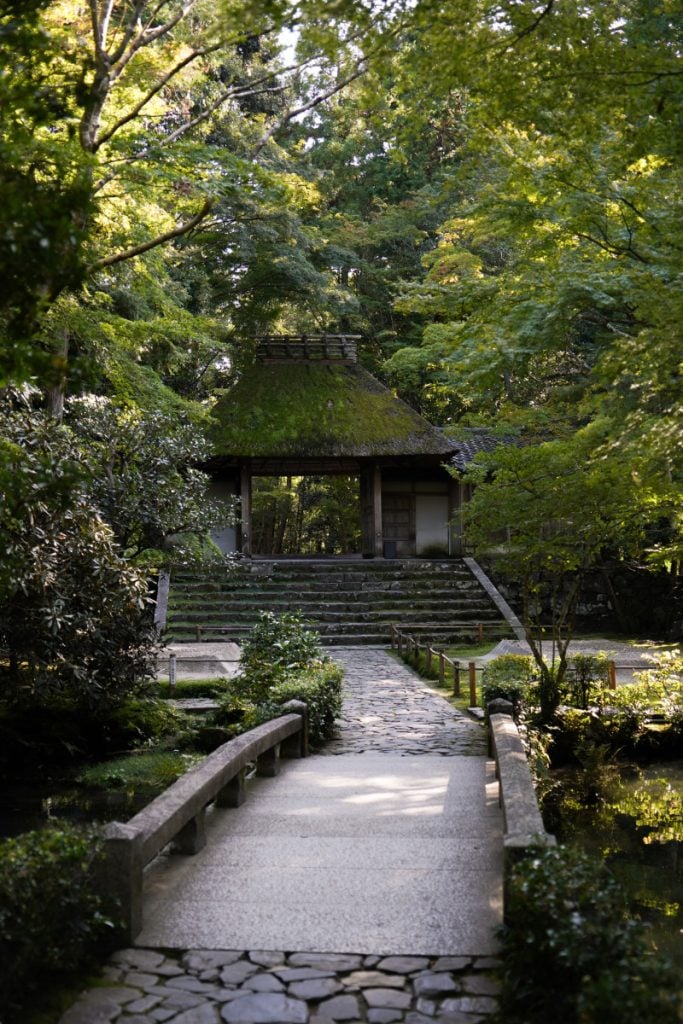

Northern Higashiyama is a beautiful, less crowded corner of Kyoto. It’s quieter and more local and is a good option if you’re looking for a calmer home base. You are a bit more removed from the rest of the city, but still have access to local sights like temples and shrines. The hotels here are much more limited and have a boutique feel. In this area, you’ll want to be comfortable with using the local bus or riding a bicycle to get around. In this area are my favorite Philosopher’s Path and the Hōnen-In Temple.
The Pros of Staying in Northern Higashiyama
It’s a very quiet part of Kyoto that often gets overlooked. I think this is a good location for those who are happy to spend a bit more time on foot or by transport to explore other parts of Kyoto. You will still have a few sights nearby to enjoy. I would recommend this area for a second or third-time visitor — you’d likely feel disconnected from the city on a first trip.
The Cons of Staying in Northern Higashiyama
You’ll spend more time traveling out to see the rest of Kyoto, but it will only be a short drive (taxi and Uber will be your best friend here) to get into central Kyoto.
What Evenings Feel Like
It will feel absolutely serene and quiet here. There are many local restaurants to choose from, with most being tucked away in pockets of the area.
Where to Stay in Northern Higashiyama
Best Hotels in Northern Higashiyama
- FUFU Kyoto ($$$$), for the best spacious luxury stay
- Hotel Okura Kyoto Okazaki Bettei ($$$), for the best tranquil luxury stay
- Hotel Legasta Kyoto Higashiyama Sanjo ($$), for the best overall budget hotel
Best Airbnbs in Northern Higashiyama
- 3 Bedroom Traditional House Near the Philosopher’s Path, for a 1924 certified machiya filled with Japanese antiques and garden views, walking distance to Ginkakuji and Nanzenji
- 2 Bedroom Machiya Near Heian Shrine with Hinoki Bath, for a spacious tatami townhouse in the quiet Okazaki area with floor heating, a hinoki wood bathtub, and a private garden
- 2 Bedroom Machiya on the Kamo River, for a bright townhouse steps from the Kamo River and Keihan subway line, with tatami rooms and city views
Things to Do Near Northern Higashiyama
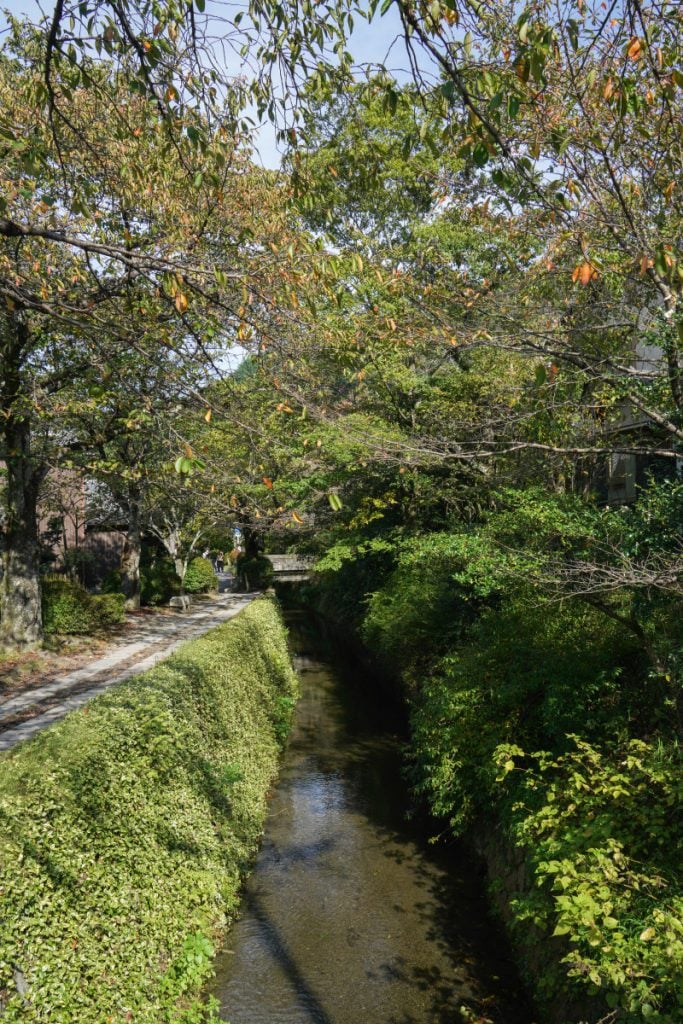
- Nanzen-ji Temple — Nanzen-ji is a prominent Zen Buddhist temple known for its large, impressive sanmon gate and beautiful grounds, including a picturesque garden and aqueduct.
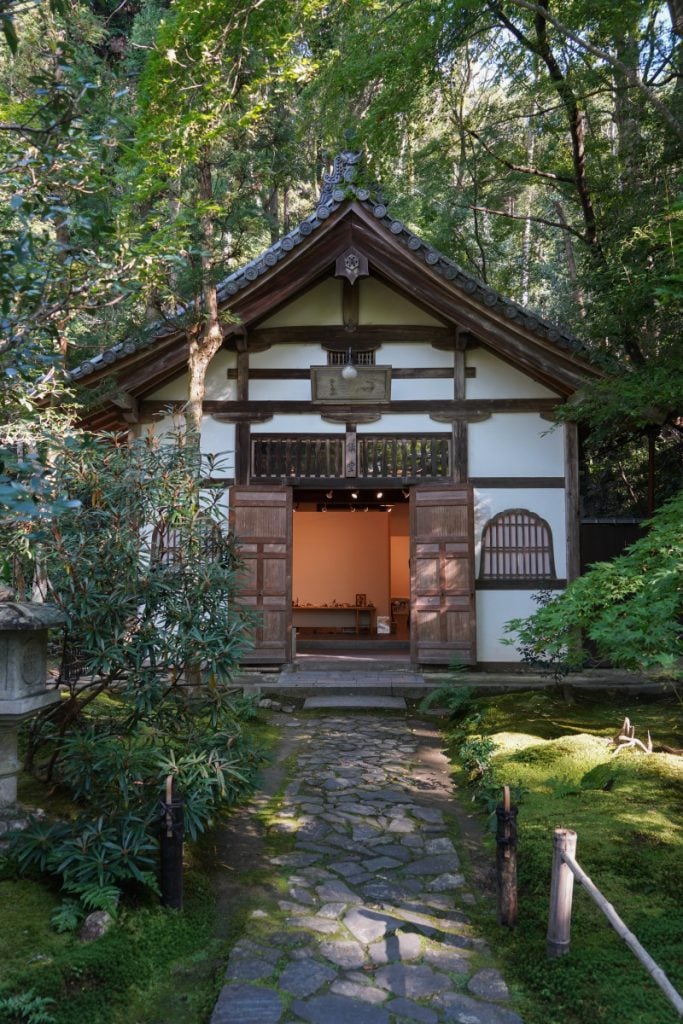
- Hōnen-In Temple — This is one of my favorite temples in Kyoto for its unreal zen gardens, mossy paths, and quiet temples. Well worth seeking this one out.
- Path of Philosophy (Tetsugaku-no-Michi) Street — Also known as the Philosopher’s Path, it’s a scenic walking path that follows a canal lined with hundreds of cherry trees, making it especially beautiful in spring.
- Heian Shrine — A shrine known for its gates and beautiful gardens, it is dedicated to the first and last emperors of the Heian period.
5. Kyoto Station
Best for Budget Stays, Day Trips, and Train Access
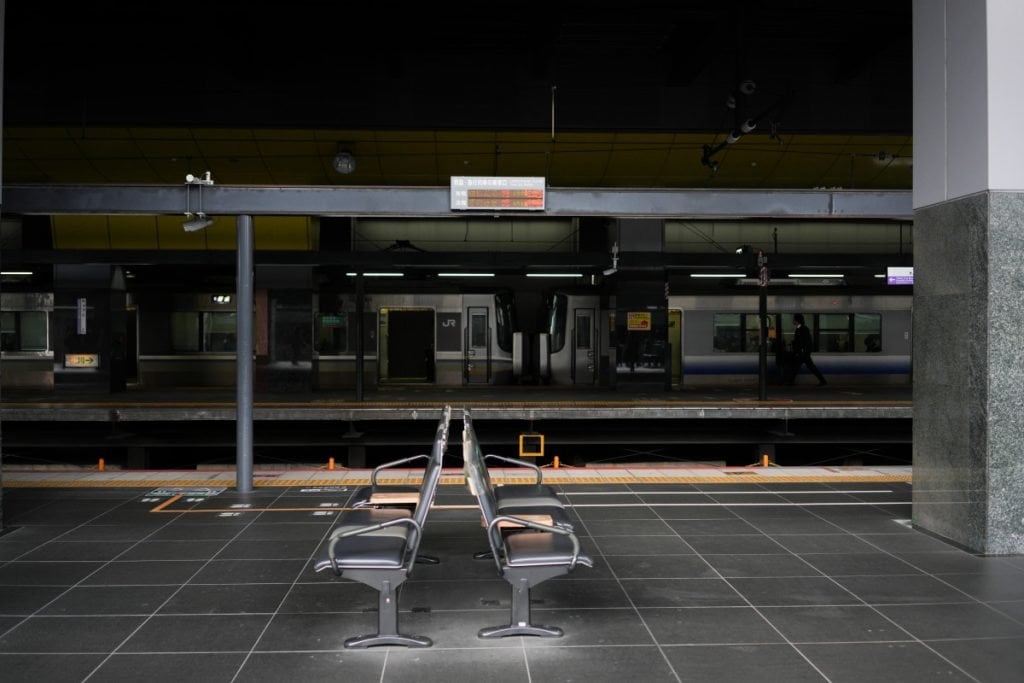
Kyoto Station is one of the largest train stations in Japan, making it an uber-connected transportation hub for visiting the region. The station is massive, with several floors of shopping, food halls, and eateries. Who is a Kyoto Station stay for? Someone coming in for a single night and wanting to get in and out of the city quickly. It makes for a very convenient base for a stay where you just want to drop your bags and be off for the afternoon to catch a train the next morning.
The Pros of Staying in Kyoto Station
Truly, the only reason to stay in the Kyoto Station area is to have the convenience of public transport and find better hotel deals. You’d be close by train to several day trips in the region to places south of Kyoto like Nara or Osaka, and then can go north to easily access Kyoto. Kyoto Station has every amenity you could need, as well as services. For more on getting around, see my transportation guide to Japan. It’s also possible to do luggage forwarding (takuhaibin), a popular thing done at Kyoto Station for those who are coming in for a short stay.
The Cons of Staying in Kyoto Station
There isn’t much going on near Kyoto Station in terms of sights to see in Kyoto. The closest most popular thing might be Fushimi Inari Taisha. Kyoto Station is one of the least popular areas to stay unless you’re coming for a very short visit and just need a place to sleep.
What Evenings Feel Like
It is always busy in the Kyoto Station area, as many multi-floor malls are here, alongside the main train station servicing the region all night long. You’ll have plenty of dining here, and lots of bright lights as it’s in the city center.
Where to Stay in Kyoto Station
Best Hotels in Kyoto Station
- Dusit Thani Hotel Kyoto ($$$), for the best modern luxury hotel
- Hotel Kanra ($$), for the best luxury boutique hotel
- Hotel Granvia Kyoto ($$), for the best Kyoto station access
- Hifumi Ryokan ($$), for the best budget ryokan stay
Best Airbnbs in Kyoto Station
- 2 Bedroom Machiya with Cypress Bath Near Kyoto Station, for a machiya-style townhouse with a private hinoki wood bath, fifteen minutes on foot from Kyoto Station
- 2 Bedroom Residence with Bamboo Garden and Open-Air Bath, for a refined townhouse with a semi-open-air cypress bath, a bamboo garden, and a bar counter, three minutes from Gojo Station
- 2 Bedroom Loft in a Renovated Ryokan, for an architect-designed loft on the top floor of a three-story former ryokan, walking distance to Kyoto Station
Things to Do Near Kyoto Station
- Kyoto Station — The station itself is worth exploring as there are floors up on floors of malls to shop and eat your way through. The architecture is quite something as well, and worth soaking in. Don’t miss the 15th-floor Sky Garden terrace. Adjacent to the station is my favorite ramen in the city as well at Honke Daiichi-Asahi.
- TeamLab Biovortex — One of the newer attractions to open in Kyoto is the TeamLab Biovortex, I’ve been to both TeamLabs in Tokyo and they’re so much fun! You need to book tickets in advance.
- Nishi Honganji Temple — A UNESCO World Heritage Site, this temple is known for its grand architecture
- Toji Temple — Another UNESCO World Heritage site famous for its five-story pagoda, the tallest wooden pagoda in Japan. The temple grounds and gardens are so beautiful and worth a stroll.
- Kyoto Railway Museum — For those interested in trains and the history of railways, this museum near Kyoto Station is a must-visit. It has interactive exhibits, displays of historic trains, and even a chance to board some old trains.
- Kyoto Tower Observation Deck — Head here for 360-degree views of the city!
6. Arashiyama
A Nature Retreat Near the Bamboo Grove and Katsura River

If you’re looking for a retreat surrounded by forest, Arashiyama is the neighborhood to be in. It’s more removed from the rest of the city, but in return, you can find luxe accommodations that are a world away from the city. It’s close to a few sights like the Arashiyama Bamboo Grove and local temples in the region. I often refer to Arashiyama as its own little “village” adjacent to Kyoto because it feels a world away.
Travel Tip for Incorporating More of Arashiyama: For me personally, I’d be looking to add nights in Arashiyama in addition to a few nights in Central Kyoto. My Arashiyama guide covers all the standout things to do. Consider doing a split stay in Kyoto, where you do two nights in Central Kyoto and then spend two nights in Arashiyama for a more nature-focused stay.
The Pros of Staying in Arashiyama
You’ll feel closer to nature here than anywhere else in Kyoto. While some of the main sites, like the bamboo grove, are heavily visited, most corners of Arashiyama are left untouched. It’s a very rural experience for Kyoto, further removed from the city. You’ll find memorable ryokans and hotels, great local dining, and early access to the sights here.
The Cons of Staying in Arashiyama
You’re out there. Arashiyama is almost 30 minutes by car from Downtown Kyoto or a very lengthy two-train transfer. It’s not the most convenient location for exploring all of Kyoto, but that said, you may find yourself enjoying the peace that comes from being close to nature.
What Evenings Feel Like
Arashiyama come evening time is empty, and most restaurants are not open for dinner in this area. There are a handful, so a bit of planning or consider dining at your accommodation.
Where to Stay in Arashiyama
Best Hotels in Arashiyama
- HOSHINOYA Kyoto ($$$$), for the best luxury zen ryokan stay
- Rangetsu Ryokan ($$$), for the best luxury riverfront ryokan stay
- Suiran, a Luxury Collection Hotel, Kyoto ($$$$), for the best luxury riverfront hotel
- Hanaikada Ryokan ($$), for the best onsen ryokan
Best Airbnbs in Arashiyama
- 1 Bedroom Restored Machiya Near the Bamboo Grove, for a landmark-registered machiya with a Zen garden, cypress-walled soaking tub, and ikebana arranged on arrival
- 3 Bedroom Traditional House with Garden and Parking, for a 118-year-old family home with tatami rooms, a kotatsu, a Japanese garden, and free parking, four minutes from Hankyu Arashiyama Station
- 2 Bedroom Century-Old Machiya Near Togetsukyo Bridge, for a single-story machiya with a shigaraki-yaki soaking tub, washi paper lanterns, and Tamba stepping stones, three minutes from Togetsukyo Bridge
Things to Do Near Arashiyama

- Arashiyama Bamboo Forest — One of the most iconic spots in Kyoto, the Arashiyama Bamboo Grove is a must-visit. Walk through towering bamboo stalks and experience a serene atmosphere. I highly recommend arriving at sunrise to beat the crowds, and know that it will get packed!
- Tenryu-ji Temple — A UNESCO World Heritage Site, Tenryu-ji Temple is one of Kyoto’s most important Zen temples. It features a stunning garden that offers a picturesque view of the nearby mountains.
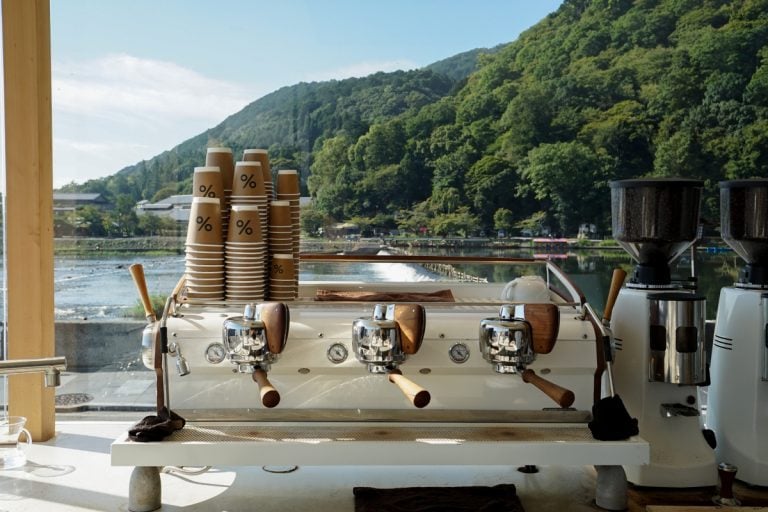
- Togetsukyo Bridge — The Togetsukyo Bridge is a famous landmark in Arashiyama; it has amazing views of the river. I love to go for a stroll here and then get coffee at %Arabica afterward.
- Adashino Nenbutsuji Temple — This was a favorite experience on this last trip, a serene and somewhat hidden temple located in the Arashiyama area of Kyoto, Japan. It’s a peaceful spot, often less crowded than some of the other more famous temples in Kyoto, and it has a bamboo grove which is often not crowded at all.
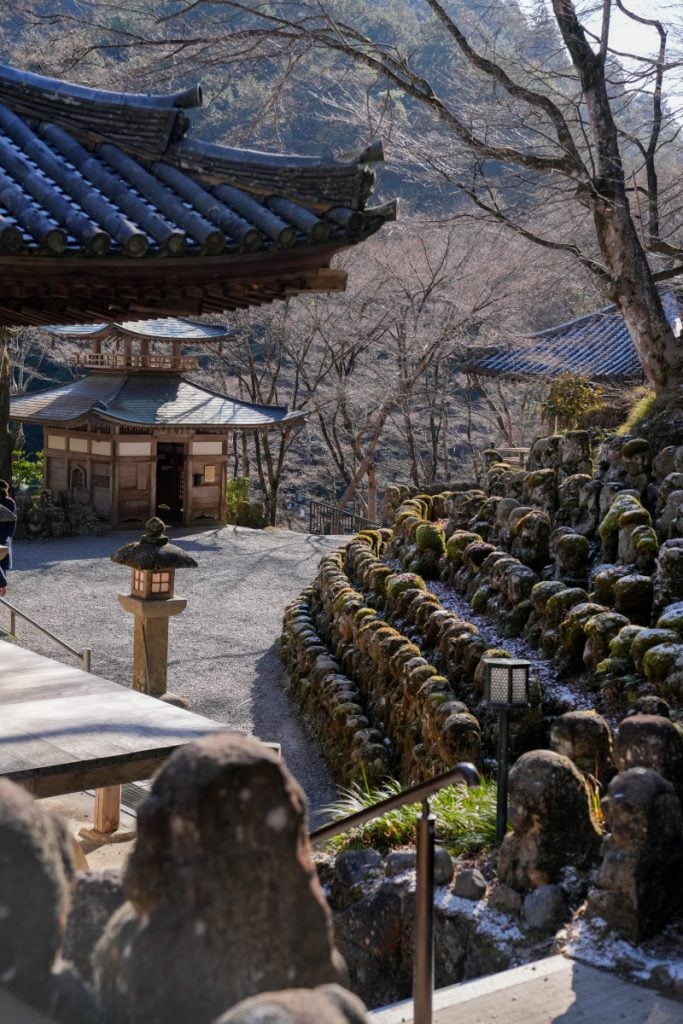
- Otagi Nenbutsuji Temple — Another favorite find on this trip was Otagi Nenbutsuji Temple; there was hardly anyone there as well when I went. The temple has over 1,200 stone statues of Rakan, the disciples of Buddha, and each one has a different expression. Surrounded by forest, the whole place feels wonderfully quiet.
- Iwatayama Monkey Park — Located on the mountain behind the Arashiyama Bamboo Grove, Iwatayama Monkey Park is a place where you can go for a short hike to see the wild macaque monkeys. The view of Kyoto from the top is also great from here.
The Best Hotels in Kyoto by Travel Style
Best Ryokans in Kyoto

A ryokan experience is a must when visiting Japan, and what better place to do so than Kyoto? Staying at a ryokan is an opportunity to dive deeper into Japanese culture. Often, a ryokan stay includes breakfast and sometimes a set kaiseki dinner depending on your accommodations. Though you can do local, more affordable options, Kyoto is well-known for its uber-luxe experiences. Here are the best ryokans in Kyoto:
- HOSHINOYA Kyoto ($$$$), for the best zen ryokan in Arashiyama
- Nazuna Kyoto Gosho ($$$), for the best luxury ryokan with gardens
- Rangetsu Ryokan ($$$), for the best riverfront ryokan
- Hanaikada Ryokan ($$), for the best onsen ryokan
Best Luxury Hotels in Kyoto
- The Ritz-Carlton Kyoto ($$$$ / Where I’ve Stayed), for the best overall luxury hotel (Our two nights at the Ritz-Carlton Kyoto were hands down one of the best hotel experiences in Japan thus far)
- Four Seasons Kyoto ($$$$), for the best overall luxury hotel
- Park Hyatt Kyoto ($$$$), for the best luxury stay with iconic views
- Six Senses Kyoto ($$$$), for the best new eco-luxury hotel
- Banyan Tree Higashiyama Kyoto ($$$), for the best hillside onsen retreat
Best Boutique and Design Hotels in Kyoto
- Maana Kyoto ($$$), for the best boutique luxury hotel
- Ace Hotel Kyoto ($$), for the best trendy design hotel
- Nol Kyoto Sanjo ($$), for a sake brewery-turned-boutique hotel (a friend stayed recently and loved it)
Frequently Asked Questions About Where to Stay in Kyoto
What is the best place to stay in Kyoto?
If I had to pick between all of the neighborhoods in Kyoto, I would choose either Central Kyoto if I plan to do a lot of exploring or I’d pick Southern Higashiyama for local charm and history. Both of these are the best places to stay in Kyoto when it comes to experiencing the history and charm of Kyoto, along with being able to explore easily.
How many days do you need in Kyoto?
I recommend at least 3–4 days to see the major sights without rushing. If you want to explore Arashiyama and take a day trip to Nara, plan for 5. See my Kyoto itinerary for exactly how I’d spend the time.
Is Kyoto walkable?
Within each neighborhood, yes. Most sights are reachable on foot. Getting between neighborhoods (say, Downtown to Arashiyama) requires the metro, bus, or a taxi. I’d plan on using a mix of walking and transit.
Is it better to stay in Downtown Kyoto or Higashiyama?
Downtown is my go-to for convenience. You’re close to restaurants, markets, and both metro lines. Southern Higashiyama is better if you want to be right next to the temples and Gion, with a more traditional atmosphere. Both are great first-timer choices.
How do I Split a Week in Kyoto?
If I had to split my time in Kyoto across two areas, I would look to be based somewhere central like Central Kyoto or even near Gion, and then I would do a few nights out in Arashiyama. The two contrasting areas would pair well together for a balance of city and then nature-focused.
Do I need to stay near Kyoto Station?
Only if budget or transit convenience is your top priority. Kyoto Station gives you easy access to day trips (Nara, Osaka, Kanazawa) and affordable hotels, but you’ll miss the neighborhood charm of Downtown or Higashiyama.
How far in advance do I need to book my hotels in Kyoto?
When it comes to peak travel seasons like fall foliage and cherry blossoms, I recommend at least 4-6 months for the good hotels. Otherwise, most of the time you can get something the month before!
Should I stay in a hotel or a ryokan in Kyoto?
I recommend staying in a hotel in Kyoto for a first-time trip. You will likely not use the amenities of a ryokan and enjoy eating out more than in while in Kyoto.
Should I stay in Kyoto or Osaka?
I recommend staying in Kyoto for visiting Kyoto for maximum proximity and ease of travel. See my Kyoto vs Osaka guide for everything you need to know to decide between the two!
How far in advance should I book a hotel in Kyoto?
Book your hotels in Kyoto at least four to five months in advance if you can. Most of the top hotels are booked out months in advance as the hotels have small room counts.
Save This Post for Later on Pinterest


PS — Are You Booking a Trip Soon? Use My Booking Checklist!
These are the sites I use most to book my own trips. Using the links below is a great way to support Bon Traveler’s travel journalism at no extra cost to you. If you need help organizing your itinerary, get my free travel itinerary template here.
1. Book Your Accommodations
I use Booking.com for hotels and Airbnb for vacation rentals. They have the biggest inventory and consistently offer the best rates.
2. Book Your Rental Car
Self-driving is the best way to explore most destinations. I use Discover Cars for our rental cars, select full coverage insurance, and opt for a reputable company like Alamo, Hertz, or Sixt.
3. Book Your Tours & Experiences
I use Viator, Airbnb, and Get Your Guide to find the best tours and experiences. They are my favorite tour search engines. I always check all three as their inventory varies depending on the destination.
4. Book Your Private Transfers
For easy, reliable private transfers, I use Welcome Pickups. It’s my go-to for arranging a driver in advance — whether it’s an airport pickup, a hotel-to-hotel transfer, or a day trip. The experience is seamless, with English-speaking drivers and upfront pricing, so you can travel stress-free at every stage of your trip.
5. Get Cell Data for Your Trip
I use Holafly for international cell data. Their unlimited data eSIMs are easy to install, activate instantly on arrival, and let you skip local SIM cards and expensive roaming fees.
6. Don’t Forget Travel Insurance
I never leave the country without travel insurance. It provides comprehensive protection in case anything goes wrong (ie. illness, injury, theft, or cancellations).
My favorite companies that offer the best coverage and rates are:
- World Nomads (best for all-around)
- Safety Wing (best for frequent travelers)
Xx,
Jessica

2 Comments
I appreciate you sharing the top accommodations in Japan.
Very informative and balanced review of Kyoto neighborhoods and accommodation choices.