As Japan’s first permanent capital, no trip to Japan would be complete without a visit to Nara. This is your ultimate Nara day trip itinerary whether you’re traveling from Osaka or Kyoto.
One of the highlights of my fourth trip to Japan was getting the chance to spend a day in Nara. A region of Japan that is full of incredible sights, landscapes, and historical importance, Nara should be on everyone’s Japan itinerary.
I woke with the sun to make the most of about a half-day in Nara to arrive before the crowds. I did hours of research crafting a one day itinerary that took me to the most important historical sights and memorable experiences in Nara. Because I was limited with time, I wanted to make the most of my hours in Nara.
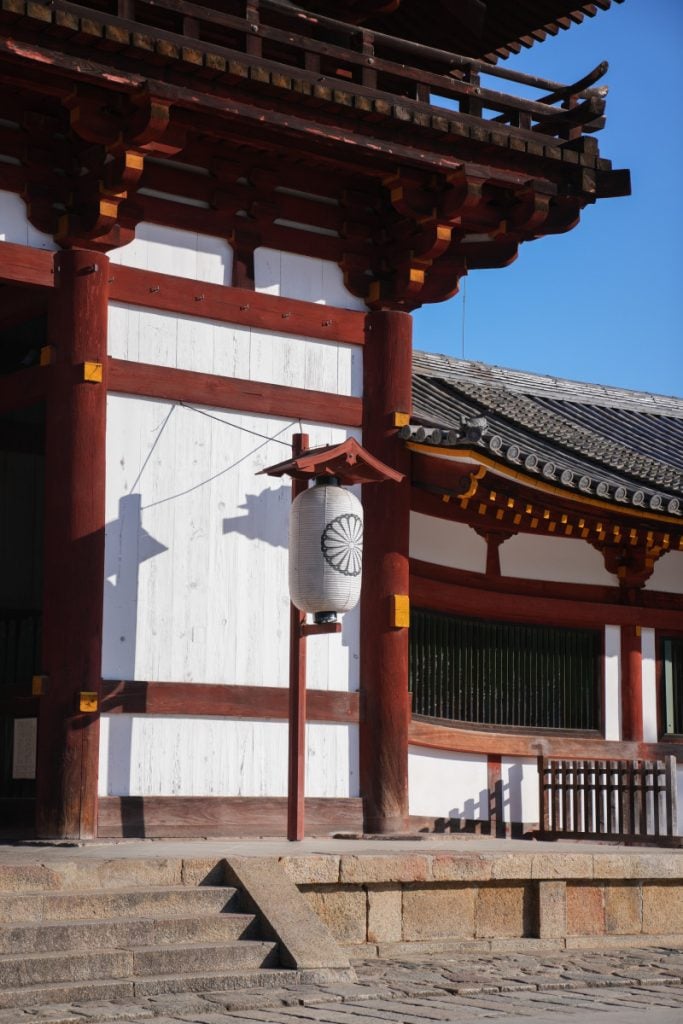
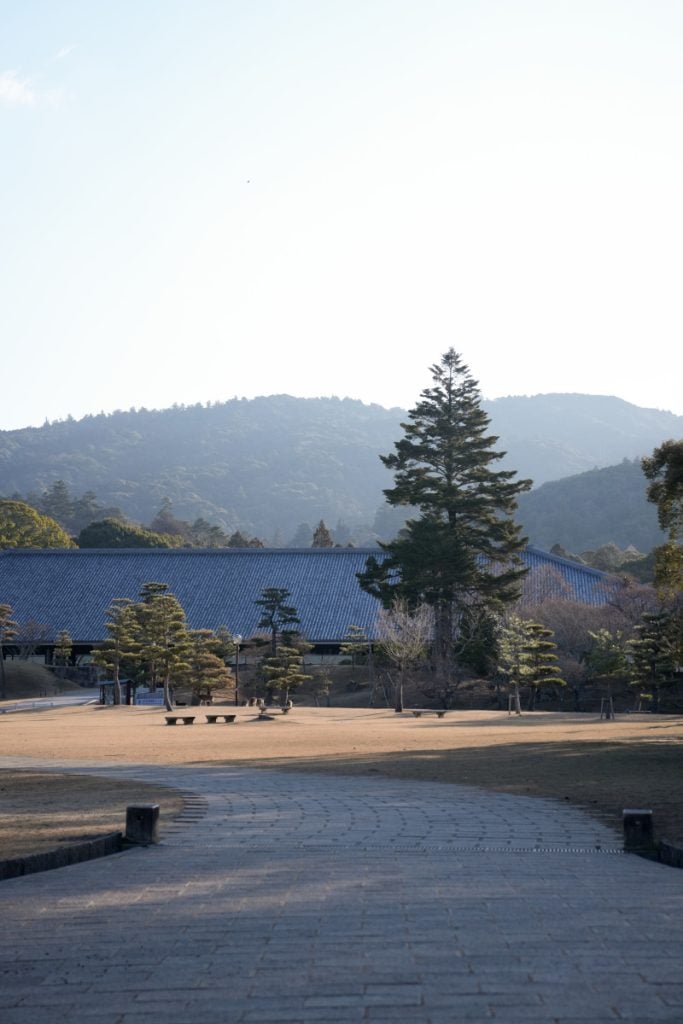
I clocked in many miles on foot, getting to experience the pure charm and allure of Nara. And while many visit for the famous “bowing deer,” I can tell you that Nara has much more than that. The cultural treasures here — UNESCO World Heritage Sites, gardens, and teahouses — are just a few of the highlights.
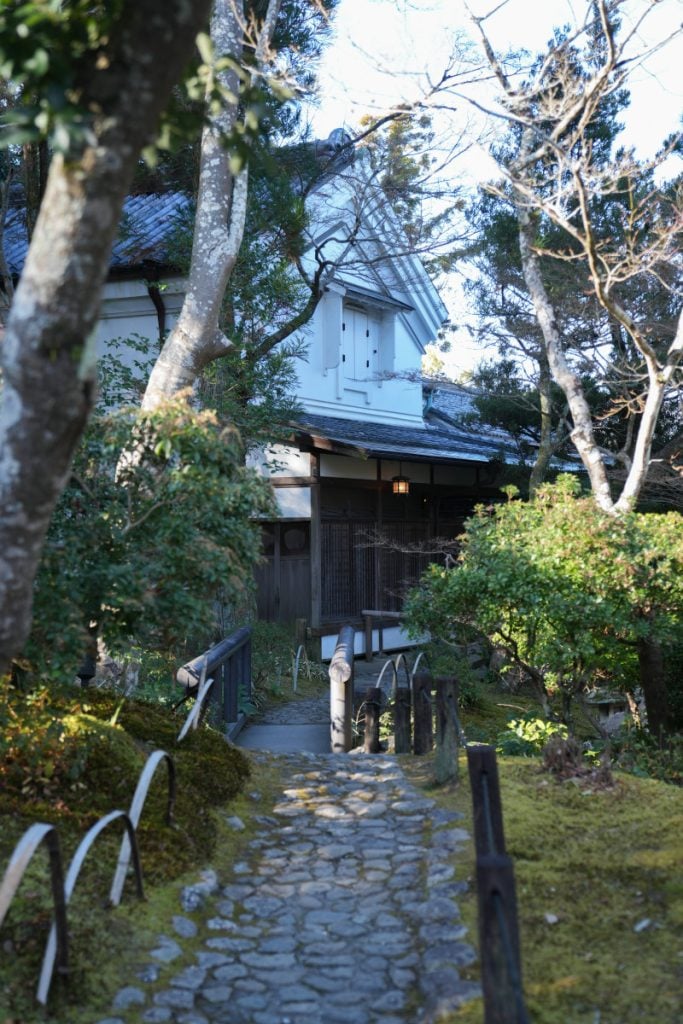
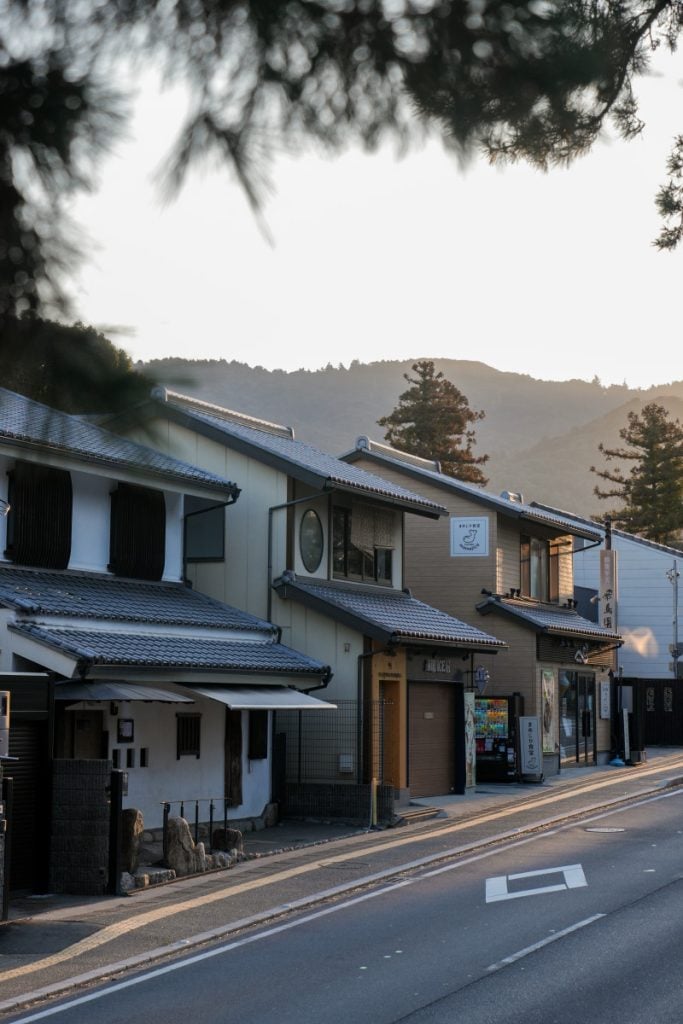
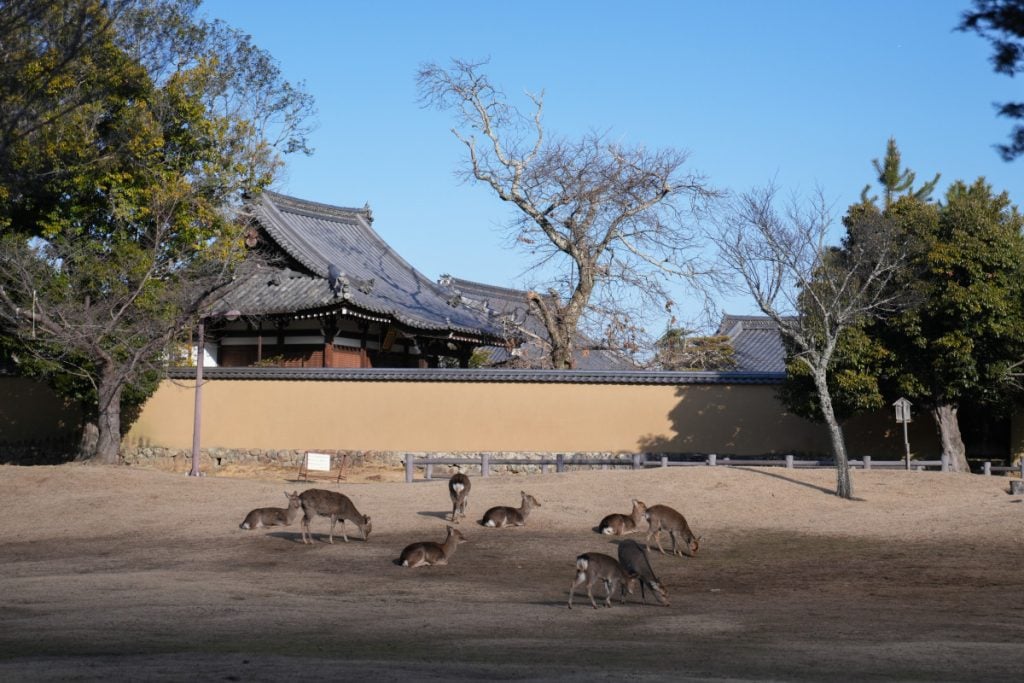
So as you plan your Japan itinerary, make time to spend at least a day in Nara — even consider an overnight trip. This is my personal guide and itinerary to visiting Nara, the exact places I went, and what I loved about my visit.
Is Nara Worth Visiting Even for a Day?
So many ask if they should consider visiting Nara if they only have a day — and the answer is yes! It is still worth it, I only spent about a long half-day exploring Nara. And while I wish I had more time, I felt like I was still able to enjoy Nara and its main sights.
Short on Time? Here’s the Ultimate Nara Day Trip Itinerary:
Itinerary Overview
Here’s how I’d spent a day visiting Nara (full details on everything below!):
- Arrive in Nara, Japan (Kintetsu-Nara Station)
- Walk to Kasugataisha Shrine
- Walk through Nara Deer Park
- See the Great Buddha Hall at Todai-ji Temple
- Peruse the Gardens at Isuien Garden or Yoshikien Garden
- Stroll by Kōfukuji Temple
- Try Local Persimmon Treats at Kakisuga Main Shop
- Stroll towards Mochiidonocho – Nara’s Old Town Shopping District
- Have Traditional Tea at Salon Naramachi
- Peruse Higashimuki Shopping Street
- Depart Back to Osaka or Kyoto
Staying in Nara, Japan
Truthfully, I could have stayed two nights in Nara, I felt there was so much more to discover in this region of Japan. There are also some incredibly memorable hotels to consider here if that’s your thing. During my research, the hotels I identified as great stays in Nara are:
- Nipponia Hotel Nara Naramachi, for a traditional, machiya-style hotel
- Noborioji Hotel Nara, for a Relais & Châteaux luxury hotel stay
- Okuyama Nara Kasuga Tsukihitei, for a luxury ryokan in Kasugayama Primeval Fores
- Miroku Nara by The Share Hotels, for a modern elevated stay
- Ando Hotel, for the best views in Nara
- Kotonoyado Musashino, for an Edo-period luxury ryokan stay
Things to Do
Helpful Guides to Plan Your Trip
Planning a trip to Japan? Don’t miss my two-week Japan itinerary, Tokyo itinerary, Kyoto itinerary, and Osaka itinerary! If you’re going by train, check out my tips for getting around Japan by rail and important things to know before traveling to Japan.
Spending a Day in Nara
Nara Itinerary Map Overview
If you want to get an idea of how this itinerary flows, I’ve included a Google Map here for you to see. I have set your trip to Nara in a way that first takes you out to the further point, and then you work your way back towards the train station.
The Nara Day Trip Itinerary from Kyoto or Osaka
1. Arriving in Nara, Japan
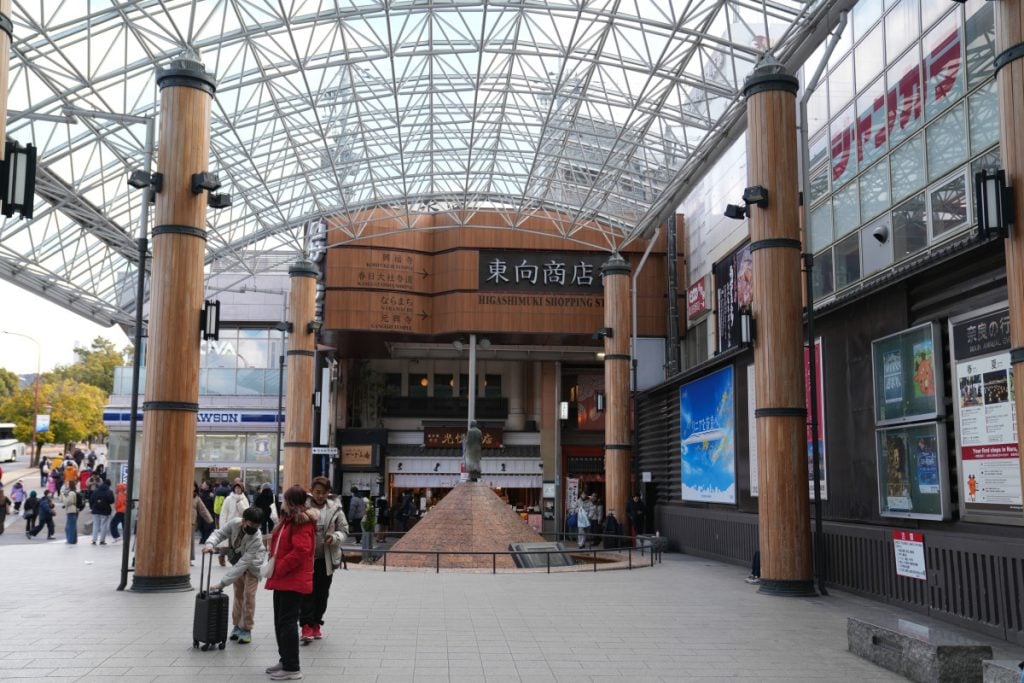
If you’re visiting Nara for the day, my number one tip is to arrive by 8 am if you can. You’ll have most of these sights to yourself before the crowds pour in by 10 am. It gets very busy so the earlier start the better.


From Osaka or Kyoto, you will take a train which you can buy tickets for on the day of, though advanced reservations are recommended for the high-speed trains. There are TWO train stations in Nara — JR Nara Station and Kintetsu-Nara Station. You want to arrive at Kintetsu-Nara Station as it is much closer to all of the sights.
Train Duration Times
- Nara from Osaka: 40 – 70 mins depending on which train
- Nara from Kyoto: 45-60 mins depending on which train
When you arrive at the Kintetsu-Nara Station, take the East exit out. In the station, you will find luggage storage if you need to use it (pictured above), it was very simple and I stored my suitcases there for the day for around $8. I suggest grabbing a coffee and snack to go from Rokumei Coffee, which opens at 8 am.
Travel Tip: Consider booking the affordable luxury sightseeing train called “Aoniyoshi” which runs between Osaka, Nara, and Kyoto (pictured below). It requires a reservation for around $6 plus the basic fare ticket of around $5-7. It is so beautiful and can be taken in either direction.


2. Walk to Kasugataisha Shrine


For your first stop, walk to the furthest point to Kasugataisha Shrine (30-minute walk, or can taxi), one of the eight UNESCO World Heritage Sites in Nara. It’s breathtaking, you’ll pass through the forest and spot your first sika deer along the way.
It’s famous for the stone lanterns and hanging bronze lanterns (over 3,000 donated) that line the path and the shrine. Inside the shrine halls, there are the bright vermillion columns and hinoki roofs which are special to Kasuga Taisha Shrine.


You can walk around most of the shrine for free, and there is an additional paid inner area that you can access to see more of the inner buildings, though probably not necessary. Once you pass under the main shrine, that’s where you’ll see those hanging bronze lanterns and it’s where you can get the “goshuin” stamp or temple stamp as well.
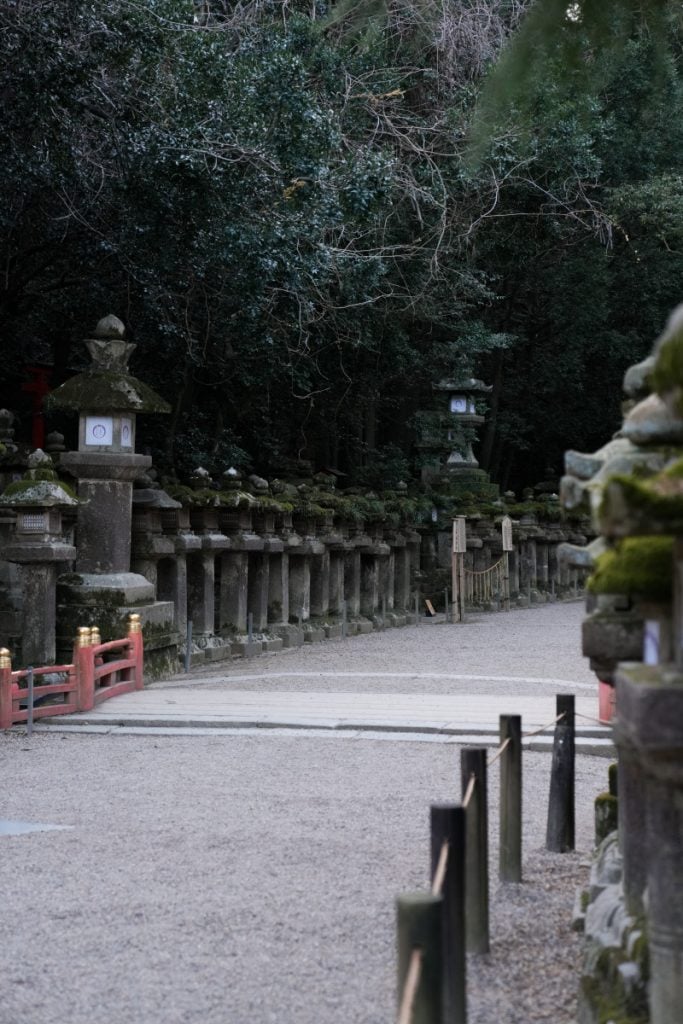

Two incredible celebrations happen, I was so bummed to have missed the first which is in February called Sestubun Mantoro. The other is in August called Chugen Mantoro, and both of these lanterns are individually lit.
3. Walk through Nara Deer Park
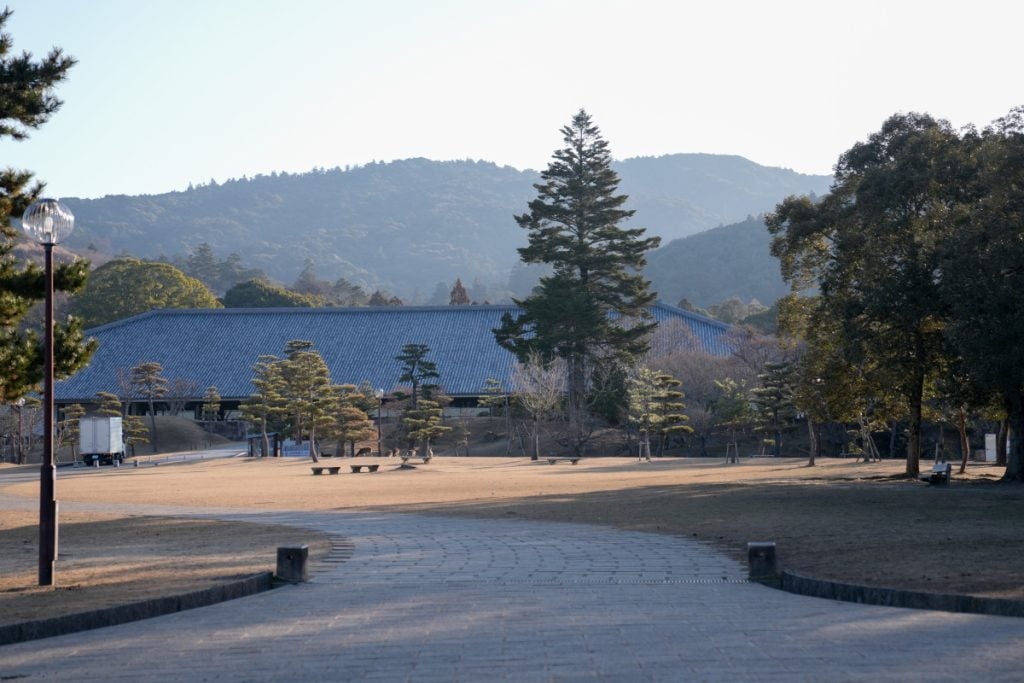
From Kasugataisha Shrine, walk back on the path to the main Nara Deer Park area. You’ll pass by a few things that may interest you like the Manyo Botanical Gardens or the Kasuga Taisha Kokuhoden museum, worth considering for a visit.


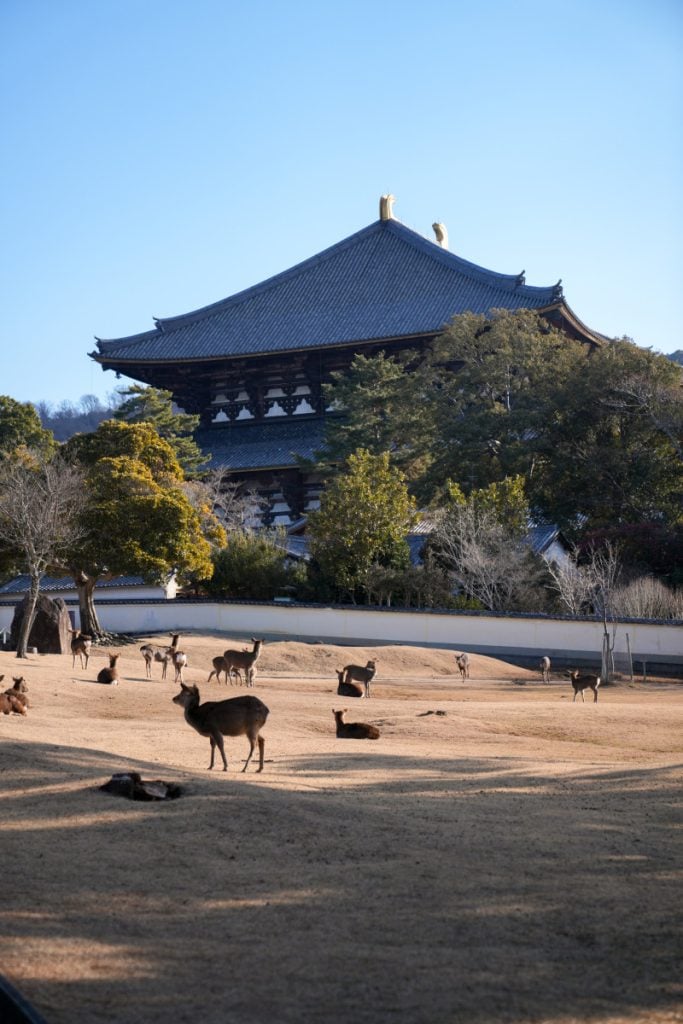
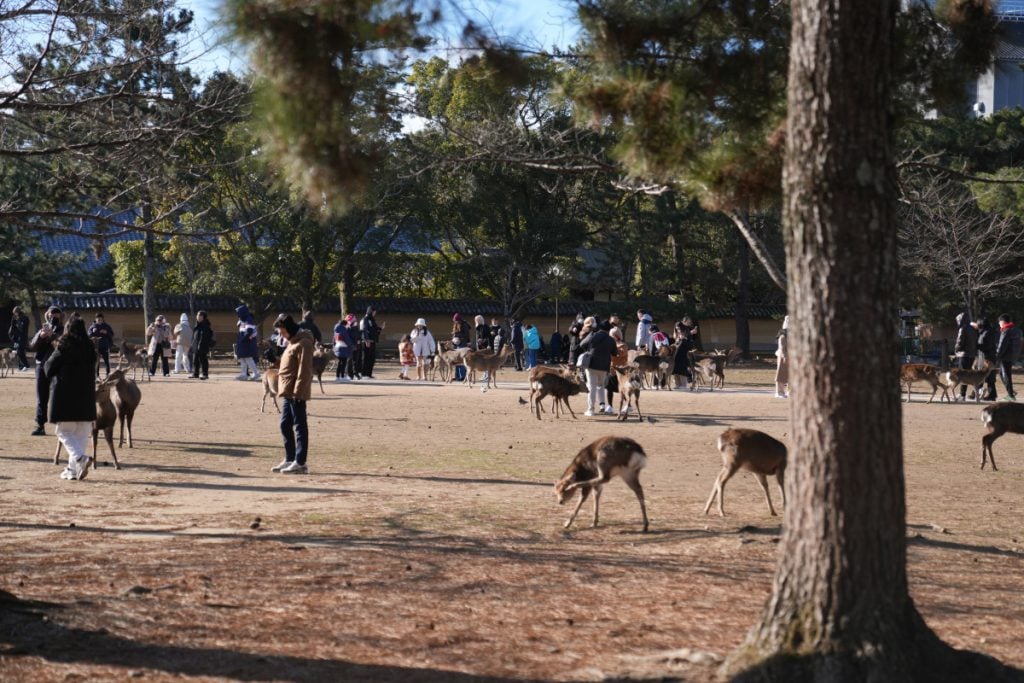
Over 1200 sika deer live in the Nara Deer Park, and yes most will bow to you. You’ll need to purchase shika senbei, or the deer crackers, to feed the deer. It’s around ¥200 and I’d recommend buying two packs as you go through them quite quickly.


Tips for Feeding the Deer
- Keep the crackers hidden until you’re ready to feed them
- Bow first and be ready to give the crackers after
- Don’t turn your back to the deer
- They can be aggressive so mind the bigger males
- These are wild animals, so treat them with respect
4. See the Great Buddha Hall at Todai-ji Temple


As you stroll through Nara Deer Park, you’ll work towards the large Nandaimon Gate (Grand South Gate). It is so incredibly impressive, being one of the largest wooden gates in all of Japan at 25 meters high.
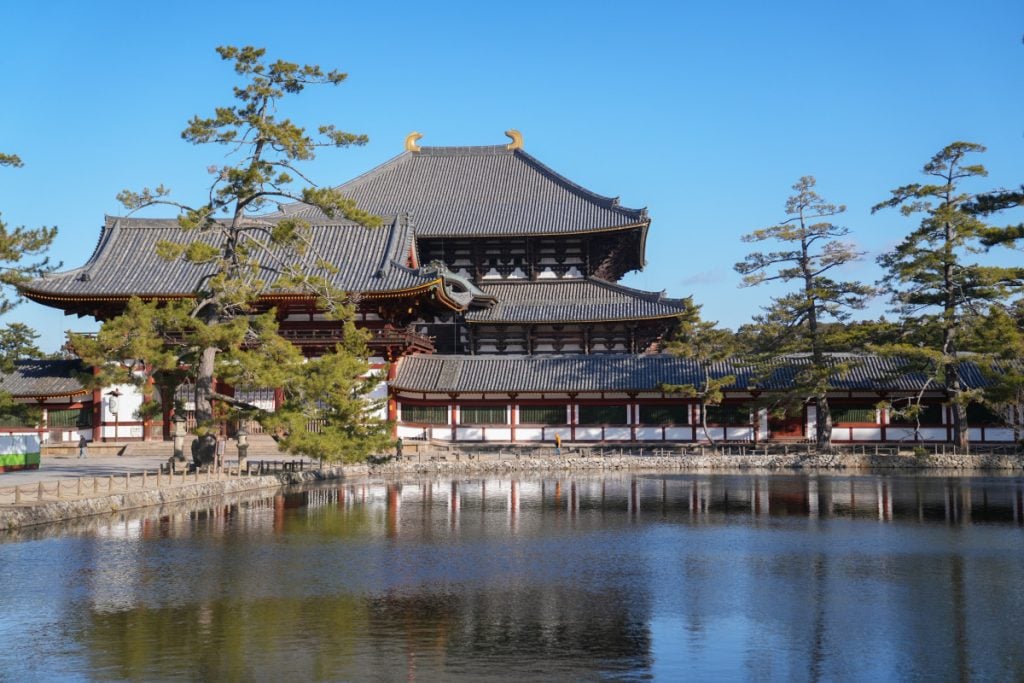
In front of the the outer wall of Todai-ji Temple, take in the reflections at Todaiji Kagami-ike Pond. It is so stunning, and one of my favorite photos I took from my day in Nara. You’ll walk along the outer wall to work your way into the entrance of Todai-ji Temple (Great Eastern Temple).


As a UNESCO World Heritage Site, it was constructed in 752 as the head temple of all Buddhist Temples in Japan. Inside, the Daibutsuden (Big Buddha Hall) houses one of the largest bronze statues of Buddha (Daibutsu) at 15 meters tall.
You will need to pay an entrance fee of ¥800 to enter Todai-ji and to go into the Big Buddha Hall to see the Bronze Buddha Statue.
5. Peruse the Gardens at Isuien Garden or Yoshikien Garden


After spending time in Todai-ji Temple, exit out toward the museum and follow the path along Todai-ji Shingon-in towards Isuien Garden and Yoshikien Garden. These are two spectacular gardens to visit, but the big difference is that Isuien Garden is a ¥1,200 entrance fee for adults and Yoshikien Garden is free to enter.
I chose to just visit the Yoshikien Garden which has three unique gardens in it. You can see their pond garden, moss garden, and tea ceremony garden here. If you want to see more, consider paying for the entrance at Isuien Garden.
Travel Tip: Have more time? Consider stopping into the Nara National Museum as you exit out of the gardens. Founded in 1889, there is an extensive collection of Japanese Buddhist art.
6. Stroll by Kōfukuji Temple
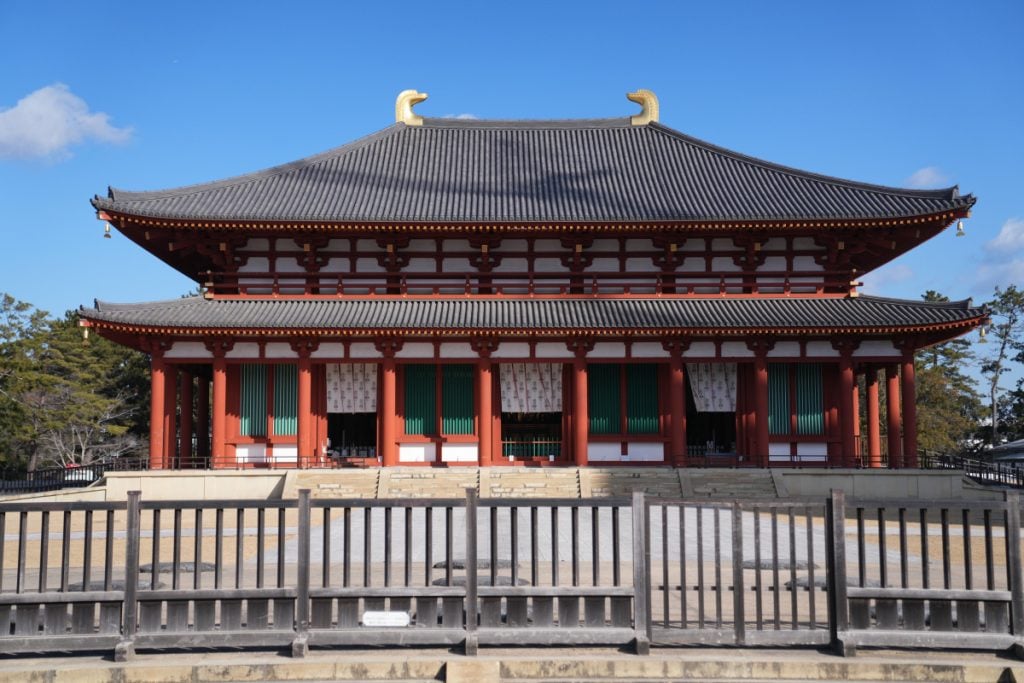
As you work your way across Nara, you’ll pass by the Kōfukuji Temple which is famous for its five-storied pagoda. As Japan’s second tallest wooden pagoda, it draws a lot of visitors. However, the pagoda is undergoing renovation work until March 2031.
You can pay the entrance fee which gives you access to three places: The Central Golden Hall, Kofukuji’s National Treasure Museum, and Eastern Golden Hall. If these seem interesting to you, it may be worth spending the time. For my visit, I enjoyed seeing the temple from the outer edges.
7. Try Local Persimmon Treats at Kakisuga Main Shop


From Kōfukuji Temple, descend over by the Sarusawa-ike Pond and make your way down the tucked away alley of Takabatakecho. Nara, Japan, is famous for its persimmons, and the region has a long tradition of using this fruit in various treats. A popular treat is kaki no tane, a type of snack made from dried persimmons.
On this street, there is the Kakisuga Main Shop which has been making these persimmon treats with yuzu for a long time. You can go in, they will let you taste it before purchasing. Just know that most need to be eaten within a week of purchase.
8. Stroll towards Mochiidonocho – Nara’s Old Town Shopping District


Another 10-minute walk gets you over to the old town area with a few alleys, Mochiidonocho. I found a few highlights over here. The first was the quaint Sarutahiko Coffee Nara cafe. It’s a good spot for a cup of coffee if you’re in need.
The coffee shop also houses Nakagawa Masashichi Shoten – Nara Flagship Store upstairs, which is one of the best “one-stop” shops for local shopping. It has quite literally everything from ceramics, linens, wellness, and more. I’d stock up on souvenirs here.
9. Have Traditional Tea at Salon Naramachi
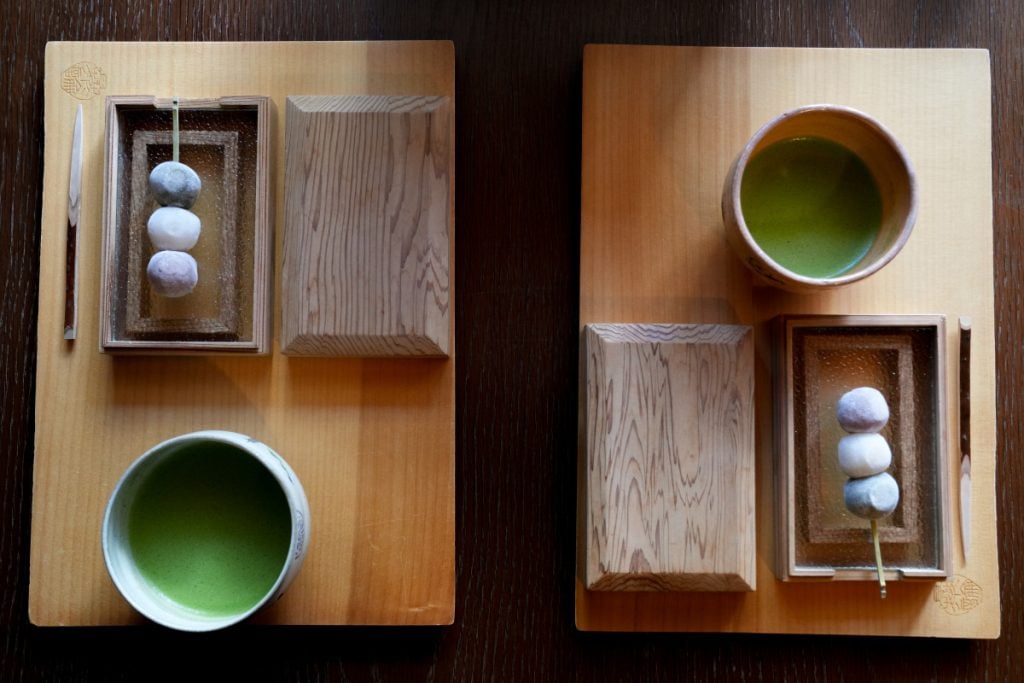
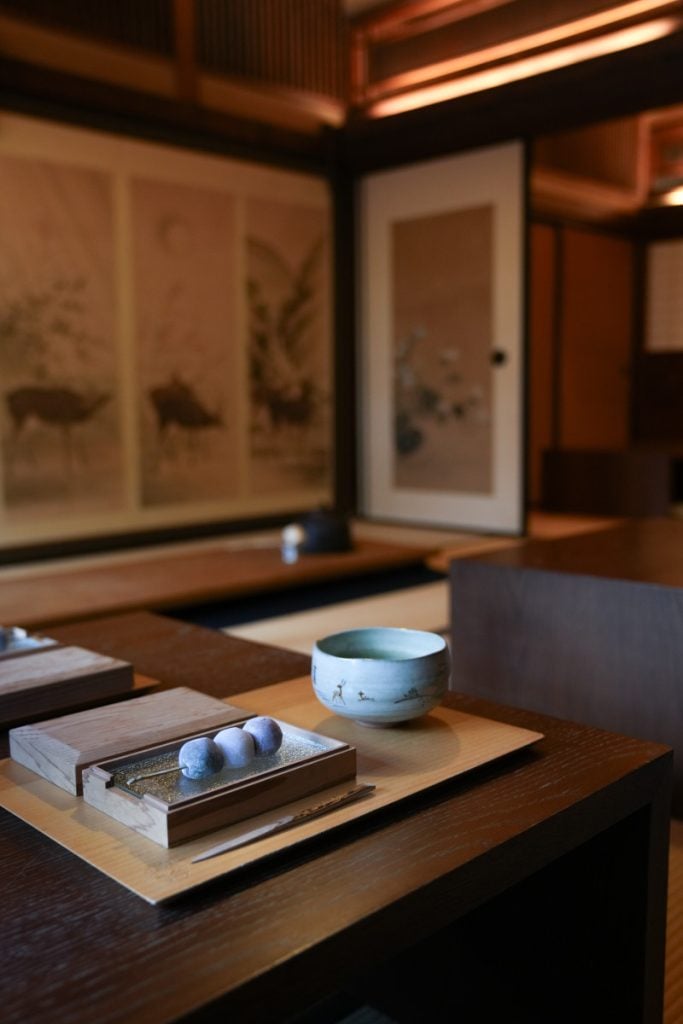
Adjacent to the Nakagawa Masashichi store is one of the best tea house experiences I have had in Japan. Salon Naramachi is set in a restored Machiya merchant house and offers tea ceremony lessons, traditional matcha, and teas. It’s owned by Nakagawa Masashichi, which was founded in 1716.


You can stop in, order a traditional matcha with a sweet mochi treat, and sit on tatami mats. It’s a very serene experience, away from the crowds, and truthfully, something I’d highly recommend to do in Nara. Afterward, you can shop for their matcha as well.
10. Peruse Higashimuki Shopping Street


As you make your way back to the train station, stop at the Higashimuki Shopping Street. This covered street is home to dozens of vendors, shops, and restaurants. You can find an array of home goods and more, but I will say it feels a touch touristy.
One famous spot near it is Nakatanidou, the viral mochi-pounding shop. It had long lines, but I did spot the guys making the mochi, which of course is exciting to see. Another good stop is Maedano Donut Nara Main Store for its classic donuts that come in a variety of flavors.


For your train ride back to Osaka or Kyoto, I would grab persimmon leaf sushi for takeaway. Persimmon leaf sushi is local to Nara, and the pressed sushi sits in a persimmon leaf wrap. You’ll see dozens of vendors, the one I went with and liked was Kakinohasushi Hompo Tanaka. It’s right in front of the train station entrance, so convenient to grab it right before departing.
11. Depart Back to Osaka or Kyoto
And that’s a wrap! Make sure to arrive at least 15 minutes before your train to return to Osaka or Kyoto. Consider grabbing some snacks for the train ride, can even stop by the Lawson or 7-Eleven, which is adjacent to the Kintetsu-Nara Station.
Save This Post for Later on Pinterest


PS — Are You Booking a Trip Soon? Use My Booking Checklist!
These are the sites I use most to book my own trips. Using the links below is a great way to support Bon Traveler’s travel journalism at no extra cost to you. If you need help organizing your itinerary, get my free travel itinerary template here.
1. Book Your Accommodations
I use Booking.com for hotels and Airbnb for vacation rentals. They have the biggest inventory and consistently offer the best rates.
2. Book Your Rental Car
Self-driving is the best way to explore most destinations. I use Discover Cars for our rental cars, select full coverage insurance, and opt for a reputable company like Alamo, Hertz, or Sixt.
3. Book Your Tours & Experiences
I use Viator, Airbnb, and Get Your Guide to find the best tours and experiences. They are my favorite tour search engines. I always check all three as their inventory varies depending on the destination.
4. Book Your Private Transfers
For easy, reliable private transfers, I use Welcome Pickups. It’s my go-to for arranging a driver in advance — whether it’s an airport pickup, a hotel-to-hotel transfer, or a day trip. The experience is seamless, with English-speaking drivers and upfront pricing, so you can travel stress-free at every stage of your trip.
5. Get Cell Data for Your Trip
I use Holafly for international cell data. Their unlimited data eSIMs are easy to install, activate instantly on arrival, and let you skip local SIM cards and expensive roaming fees.
6. Don’t Forget Travel Insurance
I never leave the country without travel insurance. It provides comprehensive protection in case anything goes wrong (ie. illness, injury, theft, or cancellations).
My favorite companies that offer the best coverage and rates are:
- World Nomads (best for all-around)
- Safety Wing (best for frequent travelers)
Xx,
Jessica