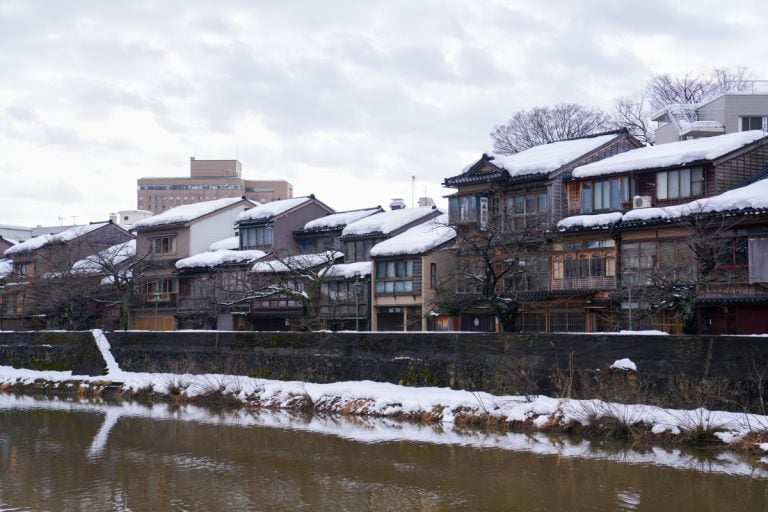
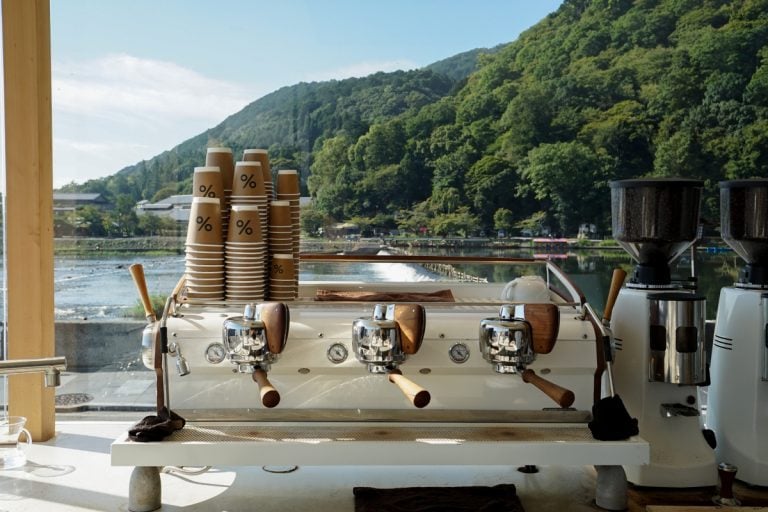
These top tips before visiting Japan are good to keep in mind, especially weeks in advance as you start planning. Some places speak to you and Japan is no exception. It’s a country I’ve fallen in love with multiple times, and when I think about where I want to revisit, it’s always Japan.
Naturally, the next question is why? It’s hard to capture the Japanese culture in a single sentence. The combination of design, a strong sense of preserving the arts, and the kindness of the people are really what I find I’m most attracted to.
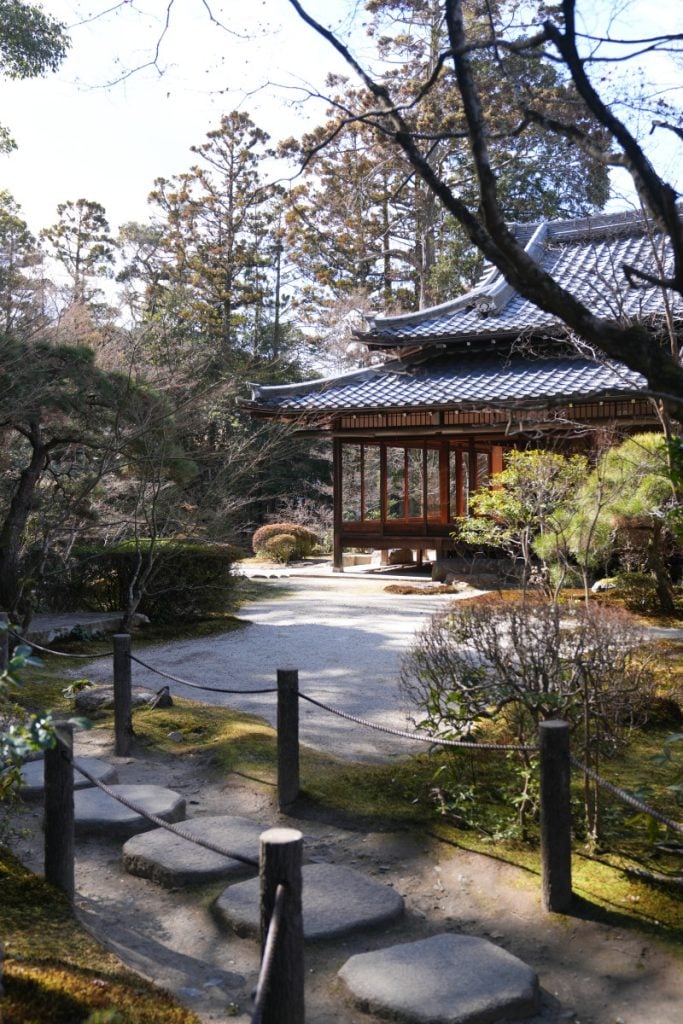

The level of passion and care poured into each daily task makes the ordinary extraordinary and hard to find at home. You’ll find an elderly man who has spent his entire life dedicated to perfecting soba noodles — and it’s honored by his community. I’ll never forget the experience of learning from that soba master in the Kagaonsen countryside.
It’s that kind of experience that is special, hard to replicate, and makes Japan what it is today. There is a variety of places to visit in Japan. You can explore major cities like Tokyo, Kyoto, and Osaka. You can hike the countryside in the Kiso Valley and explore its coastline on the Izu Peninsula.


Japan is a wonderful country to visit and after four times, I’m rounding up my top Japan travel tips. Lessons learned the hard way, what to prepare for ahead of your trip, and what to expect once there.
So if you’re planning a trip to Japan for the first time, these are my top tips about things to know before visiting Japan.
Planning a Trip to Japan?
If you’re planning a trip to Japan, don’t miss my two-week Japan itinerary, Tokyo itinerary, Kyoto itinerary, and Osaka itinerary! If you’re going by train, check out my guide to getting around Japan by rail.
Things to Know Before Visiting Japan
You’ll Want to Book Reservations in Advance
Hotels


Japan is one of the most popular international destinations right now, which means demand for hotels is at an all-time high. Many hotels in Japan open their books around 6 months in advance. Larger international chains open as far out as 9-12 months in advance, and smaller traditional inns (ryokans) typically open 3 months in advance.
The time of year you’re visiting will also influence how far in advance you should book. If you’re traveling during popular times such as fall or to see the cherry blossoms, prices will be higher and hotels will be booked up quicker. I recommend planning as far ahead as you can.
There’s a wide variety of accommodations in Japan and I’ve tried a little of each. I have stayed in Airbnbs, bigger hotels, small ryokans on a mat, and an onsen spa. It’s great to try everything but understand what it is you are signing up for. The traditional Japanese ryokans don’t have beds normally, instead, they often have futons which are like small mats with a big fluffy cover.
Travel Tip: Read my guides on where to stay in Tokyo, Kyoto, and Osaka.
Rail

While most of the time you can book Shinkansen and limited express tickets on the same day or a day or two ahead, it’s a different story during peak travel periods and holidays. Golden Week (in early May), Oban in August, and New Year are popular times for local travel as well as international tourism. If you’re traveling during these times, I recommend booking your tickets in advance to secure a seat.
Japan is also known for its incredible sightseeing trains and these often require advance bookings. Many open 30-60 days in advance and I suggest booking as soon as you can if you want to catch one of these trains, such as the Aoniyoshi sightseeing train from Kyoto to Nara.
Public transport in Japan is incredibly easy to navigate, so don’t worry before your trip. Lots of great signage, station staff who will help you, and designated areas to buy tickets.
Travel Tip: Read my How to Get Around Japan Rail Travel Guide
Attractions
Japan is known for its popular attractions and tickets can sell out in minutes. As soon as you have locked in your itinerary, set yourself reminders for when tickets go on sale to avoid disappointment. Many tickets go on sale during the day in Japan Standard Time, which may be in the middle of the night depending on where you’re from.
Here are some recommendations for when bookings open for some of Japan’s most popular attractions:
- Shibuya Sky Observation Deck — 30 days in advance, and sunset time slots book out very quickly
- teamLab Planets and teamLab Borderless — Up to two months in advance
- Ghibli Museum — 10 am JST on the 10th of each month for the following month
- Tokyo Disneyland — 2 pm JST two months in advance
- Universal Studios Japan — Two months in advance and pre-purchase your express pass too
- Sumo Tournaments — Six weeks before each tournament
Restaurant Reservations

Popular restaurants book out in advance in Japan. With so many offering just a handful of seats, securing a reservation can feel like a luxury sometimes. While you can book ahead online for some restaurants, often through a website like Tabelog, this isn’t always the case. I had my hotel help me arrange restaurant reservations and it made the process much easier.
In most cases, you’ll want to book a few days to a few weeks ahead. While this can take away some of the spontaneity of a trip, it does mean you can avoid missing out or waiting around in queues for hours.
Japan Rail Pass for Trains

Trains are the best way to get around in Japan, especially if you are planning on visiting several big cities. You may want to consider the JR Pass, either the national or regional passes, for the best value depending on your itinerary. The JR Pass covers the Shinkansen bullet trains, as well as JR rail lines.
Travel Tip: You must purchase this before arriving in Japan, as the exchange voucher will be posted to your home address. I recommend purchasing a rail pass at least one month before you fly to Japan. You can find out more about using the JR Pass and transport in Japan in my complete rail guide.
To get around the big cities, the best way is by using a Suica card. You can either pick up a physical Suica card when you arrive in Japan or iPhone users can add the Suica card to their Apple wallet and top up digitally. It’s important to note that the physical Suica needs to be topped up at machines at train stations and is only possible with cash.
When you’re catching the train in Japan, give yourself plenty of time to find your platform before your train departs. Trains in Japan are punctual and will leave without you, so it’s best to be early.
Credit Cards & Cash in Japan
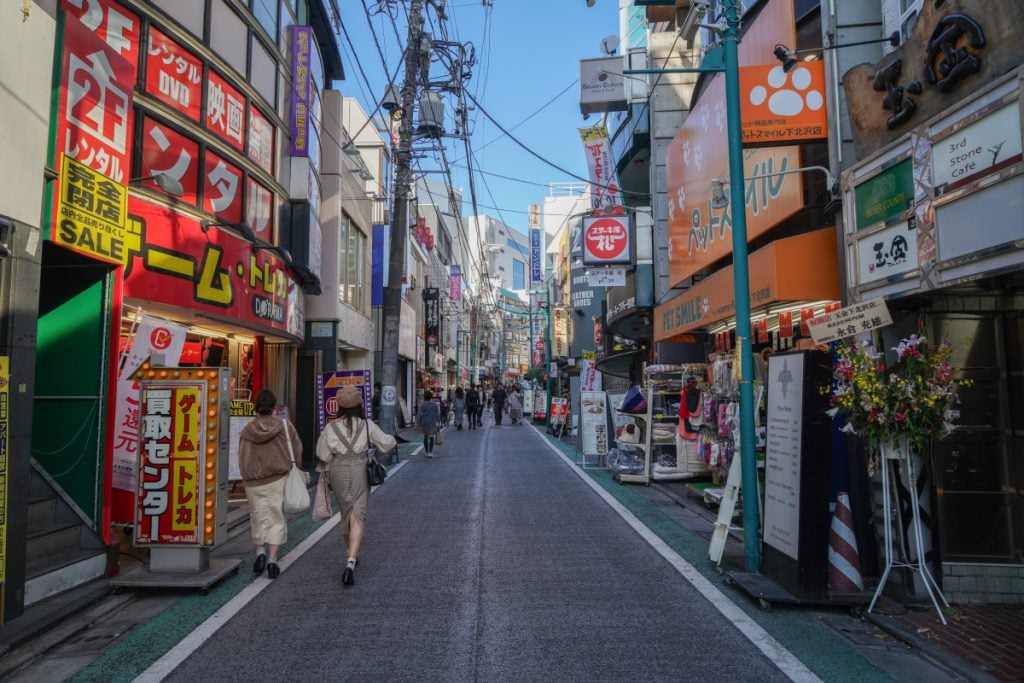
For as modern as Japan is, money is one category they are behind in. While things have changed since the pandemic, it’s still primarily a cash-reliant destination with larger hotels and restaurants accepting credit cards. Many small shops, restaurants, and even topping up your Suica card will require cash, so I recommend having around $100 USD worth of yen on you at all times.
Be prepared to exchange or withdraw quite a bit when in the country. The most convenient way is using the ATM at 7-Eleven, which typically works with international cards and has low withdrawal fees. This is my go-to when taking out cash while in Japan.
Language and Simple Phrases to Know

If you’re planning your first trip to Japan, you’re probably wondering if you need to know the language. You’ll find a spectrum of English in Japan. I would lean in and say it’s more common in the big cities to find someone who speaks English but in the countryside, you’ll be hard-pressed.
I always recommend learning a few keywords and phrases to show respect in the country you’re visiting and make communication with locals easier. I studied Japanese with Rosetta Stone before my trip and am happy I did. It was an amazing way to connect with the local Japanese people.
Here are some useful Japanese words and phrases you should know:
- こんにちは (Konnichiwa) – Hello
- おはようございます (Ohayou gozaimasu) – Good morning
- こんばんは (Konbanwa) – Good evening
- ありがとう (Arigatou) – Thank you
- ありがとうございます (Arigatou gozaimasu) – Thank you (polite)
- すみません (Sumimasen) – Excuse me / Sorry
- ごめんなさい (Gomen nasai) – I’m sorry
- はい (Hai) – Yes
- いいえ (Iie) – No
- いくらですか?(Ikura desu ka?) – How much is it?
- これは何ですか?(Kore wa nan desu ka?) – What is this?
- 英語を話せますか?(Eigo o hanasemasu ka?) – Can you speak English?
- 例: トイレはどこですか?(Toire wa doko desu ka?) – Where is the toilet?
Travel Tip: If you find yourself in a situation where the language barrier is tougher to navigate, the Google Translate app can be quite helpful (be sure to download the Japanese language in advance so it will also work offline!).
Internet in Japan

Getting online in Japan is relatively simple and you have a few options depending on what is most suitable for your needs. Choose from either pocket wifi, a local SIM card, or an eSIM.
Pocket WiFi
This portable device that lets you connect wirelessly to the internet on the go is a great option for families and groups to share, meaning you can connect multiple devices at the same time. Giving you access to 4G/5G, you can use Google Maps, Google Translate, and all your apps as you would at home when you’re connected. You do need to charge the device and carry it with you to get connected, so it won’t work if your group splits up.
SIM or eSIM
Roaming with your cell provider can be expensive, which is why using a local data sim or eSIM can be a cost-effective and convenient solution. You can get an eSIM ahead of time with companies like Holafly, or pick up a local sim at one of the airport counters when you arrive. This is a great option if you want everyone to have their connection and there’s no need to charge and carry an extra device with you. Be sure to check with your cell provider whether your device is unlocked before you leave.
Japan Etiquette
Taking Shoes Off

Removing your shoes is common in Japan. Tatami mats are easily damaged, so you’ll be required to remove your shoes when visiting the inside of temples or shrines, some restaurants or cafes, and ryokans (traditional Japanese inns). Be prepared to take your shoes off and place them in shoe racks, either switching to slippers in some cases, or just socks. On the note of socks, be sure to wear clean, matching pairs with no holes!
Tipping Culture

Tipping isn’t common practice in Japan and can be quite a faux pas. On my most recent trip, I noticed that despite a growth in tourism, the tipping culture, or rather the culture of not tipping, is still very much the norm. You aren’t expected to tip for food or beverage services, taxis, or hotels.
Trash Etiquette

Despite Japanese cities being incredibly clean, it’s hard to find a trash can. Instead, make sure to carry a small plastic bag with you to keep any trash and dispose of it when you return to your hotel. If you purchase something to eat and drink at a convenience store, they often have trash you can use there, but you shouldn’t place rubbish from elsewhere in there.
Be Ready to Use a TOTO Toilet
Toilets in Japan feel like they’re from another world, but once you get used to them, you’ll love them! Firstly, the heated seats are just what is needed in winter. But if all those buttons feel a little scary, don’t stress. There are lots of different wash settings you can use, and there’s even a music feature that adds ‘privacy’ for you. The main thing though is finding the buttons labelled 小 (small) and 大 (big) – these are the flush.
Queuing for Places
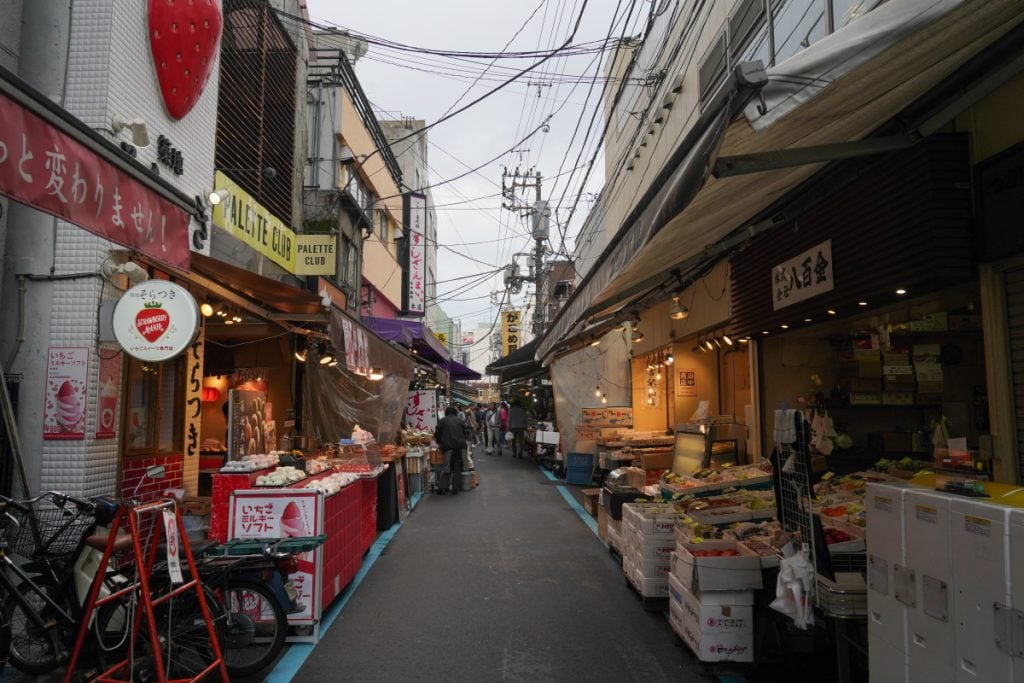
Japan is orderly and they are great at lining up for things. Popular restaurants and cafes will commonly have long lines, so here are a few tips for queuing for places in Japan:
- Form a clear, single line.
- Don’t cut in, and always check if you need a ticket before joining the queue.
- Follow floor markings that show you where to line up, it’s common on train platforms.
- Prepare to wait a while. Popular restaurants can have lines of more than an hour, so take this into consideration when planning your day.
Eating in Public
Walking and eating in the street isn’t something that is done in Japan. It’s considered rude, so it’s best to stand to one side near where you purchased your food, such as just outside a convenience store. However, you will see lots of people eating a bento on the Shinkansen. These are commonly sold at train stations and it’s acceptable to eat them on long-distance journeys, but not in city metros.
Don’t Talk Loudly
You’ll notice just how quiet people are on the trains in Japan. Be considerate of those around you and keep conversations hushed and don’t play music or noise from your phone without headphones. This doesn’t only apply to the trains, be mindful of the volume when visiting places like temples and shrines, and take the lead from the locals around you.
When Visiting Hot Springs


When visiting hot springs (onsen) in Japan, it’s important to follow proper etiquette. Always wash and thoroughly rinse your body before entering the communal baths, as the onsen is for soaking, not cleaning. Keep noise levels to a minimum, as onsen are meant to be peaceful and relaxing environments. Avoid bringing any electronic devices, and be mindful of other bathers by respecting their privacy and space.
Save This Post for Later on Pinterest

PS — Are You Booking a Trip Soon? Use My Booking Checklist!
These are the sites I use most to book my own trips. Using the links below is a great way to support Bon Traveler’s travel journalism at no extra cost to you. If you need help organizing your itinerary, get my free travel itinerary template here.
1. Book Your Accommodations
I use Booking.com for hotels and Airbnb for vacation rentals. They have the biggest inventory and consistently offer the best rates.
2. Book Your Rental Car
Self-driving is the best way to explore most destinations. I use Discover Cars for our rental cars, select full coverage insurance, and opt for a reputable company like Alamo, Hertz, or Sixt.
3. Book Your Tours & Experiences
I use Viator, Airbnb, and Get Your Guide to find the best tours and experiences. They are my favorite tour search engines. I always check all three as their inventory varies depending on the destination.
4. Book Your Private Transfers
For easy, reliable private transfers, I use Welcome Pickups. It’s my go-to for arranging a driver in advance — whether it’s an airport pickup, a hotel-to-hotel transfer, or a day trip. The experience is seamless, with English-speaking drivers and upfront pricing, so you can travel stress-free at every stage of your trip.
5. Get Cell Data for Your Trip
I use Holafly for international cell data. Their unlimited data eSIMs are easy to install, activate instantly on arrival, and let you skip local SIM cards and expensive roaming fees.
6. Don’t Forget Travel Insurance
I never leave the country without travel insurance. It provides comprehensive protection in case anything goes wrong (ie. illness, injury, theft, or cancellations).
My favorite companies that offer the best coverage and rates are:
- World Nomads (best for all-around)
- Safety Wing (best for frequent travelers)
Xx,
Jessica