When it comes to planning a trip to Japan, there are endless ways to build out your itinerary. After taking four trips to Japan, I’ve put together my ultimate 10-day Japan itinerary designed for first-timers. It has the best places you can’t miss on your first trip to Japan.
Planning out a trip to Japan takes careful consideration — I remember my first trip to the country. I was honestly overwhelmed by how much time to spend, where to go, and how to navigate transportation. After my most recent trip in January, I was reminded just how lovely it is to travel here.
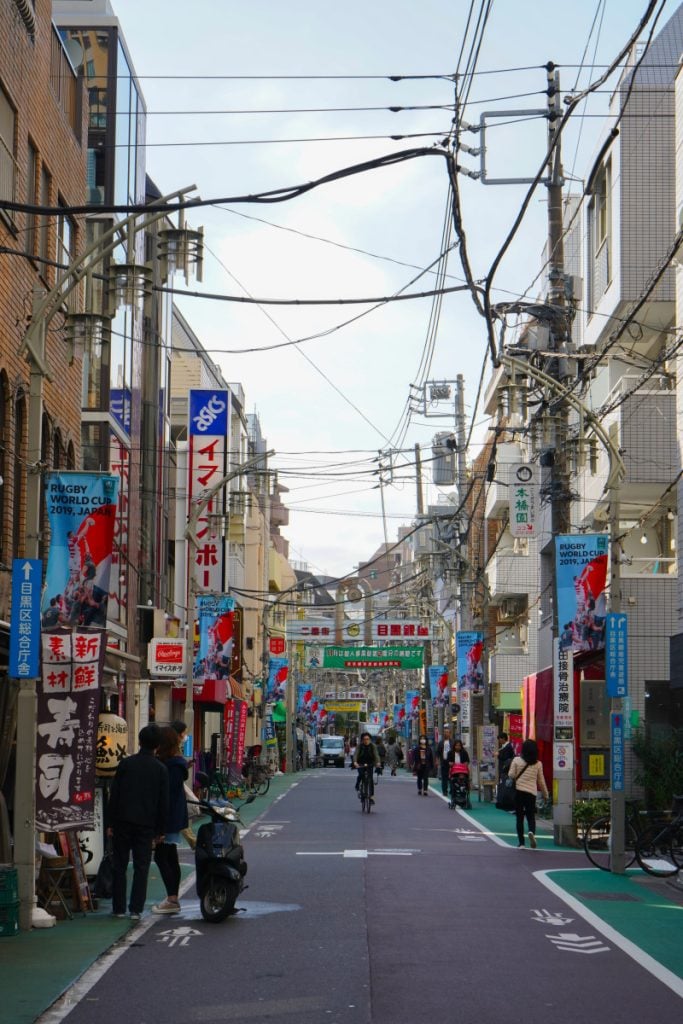
The Japanese culture, the vibrancy of the cities, and, of course, the Japanese food are just a few highlights of why I keep returning. So, when I crafted this 10-day itinerary for Japan, I focused on those exact things.

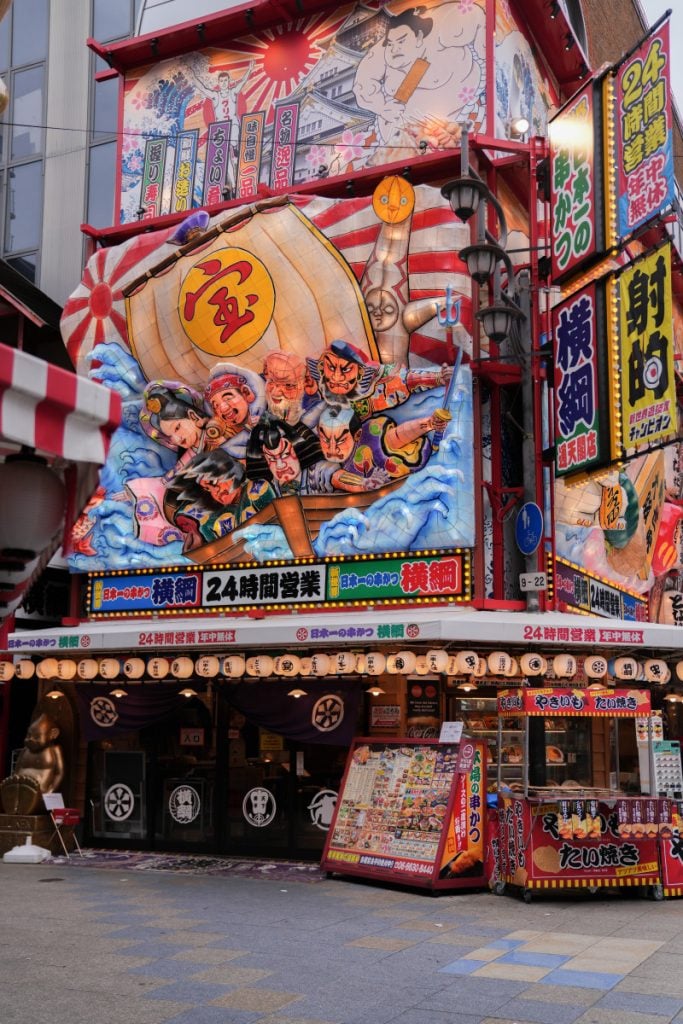
I hope you’ll see how much there is to love in Japan. And while this itinerary is only an introduction to Japan, it gives a wonderful taste in hopes you’ll return back for more.
Short on Time? Here is the Ultimate Japan Itinerary (10 Days):
Stop 1: Tokyo — 3 nights
Arrive and spend three nights in Tokyo, Japan’s bustling capital. Dive into vibrant neighborhoods like Shibuya and Harajuku, savor sushi at Tsukiji Market, and wander through serene Yoyogi Park.
- JR-East Hotel Mets Shibuya ($$), for the best location
- Shibuya Granbell Hotel ($$), for the best location
- The OneFive Tokyo Shibuya ($$), for the best boutique hotel
- Mustard Hotel ($$), for the best modern hotel
- TRUNK HOTEL ($$$), for an eco-chic stay
- 1 Bedroom Apartment Steps from Shibuya Station
- 2 Floor Home a Few Minutes from Sensoji
Stop 2: Kiso Valley — 2 nights
Escape to the tranquil Kiso Valley for two nights. Explore the historic post towns of Tsumago and Magome while hiking the Nakasendo Trail. Unwind in traditional ryokans, enjoying authentic Japanese hospitality.
- Fujioto Ryokan, for the best overall ryokan stay
- Daikichi, for a higher-end ryokan stay
- Shimosagaya, for a classic ryokan experience (where we stayed)
- Matsuhiroya Ryokan, for traditional ryokan stay
- Tsumago Local Stay, for a uniquely local stay
Stop 3: Kyoto — 4 nights
Immerse yourself in Kyoto’s ancient charm for four nights. Visit iconic temples like Fushimi Inari, stroll the Arashiyama Bamboo Grove, and explore the historic Higashiyama district. End with a half-day trip to Nara.
Downtown Kyoto
- Ritz-Carlton Kyoto ($$$), for the best luxury hotel
- Cross Hotel Kyoto ($$), for the best location
- Hotel Mystays Kyoto Shijo ($), for the best budget-friendly hotel
- 2 Bedroom Traditional Machiya with a Private Garden Hot Tub
- 2 Bedroom Architect-Renovated Machiya Near the Imperial Palace
Southern Higashiyama
- Four Seasons or Six Senses Kyoto ($$$), for the best luxury hotels
- Hotel The Celestine Gion ($$), for the best location
- Kyoto Granbell Hotel ($$), for the best design-for-dollar hotel
- 2 Bedroom Restored Machiya in the Heart of Gion
Optional Switch: End in Osaka (instead of Kiso Valley) — 2 nights
Swap Kiso Valley for two nights in Osaka, known as Japan’s kitchen. Roam Dotonbori’s lively streets, taste the best of Japanese cuisine, and visit Namba Yasaka Jinja or Shitennoji temples.
- Cross Hotel Osaka ($$), for the best located hotel
- Zentis Osaka ($$), for the best design hotel
- Citadines Namba Osaka ($$), for the best elevated apartment stay for families
- Hotel Royal Classic Osaka ($$), for the best mid-range Namba hotel
- Centara Grand Hotel Osaka ($$$), for the best luxury Namba hotel
- 3 Bedroom Spa Condo near Namba Station
- 1 Bedroom Modern Apartment near Namba Station
- 1 Bedroom Design-Forward Townhouse near Osaka Station
Helpful Guides to Plan Your Trip
Planning a trip to Japan? Don’t miss my Tokyo itinerary, Kyoto itinerary, and Osaka itinerary! If you’re going by train, check out my tips for getting around Japan by rail and important things to know before traveling to Japan.
Travel Tip: Be sure to get your JR Rail Pass prior to arrival in Japan! For more, my Japan rail guide covers everything you need to know about getting around.
The 10-Day Japan Itinerary
What to Know Before Choosing Your Itinerary
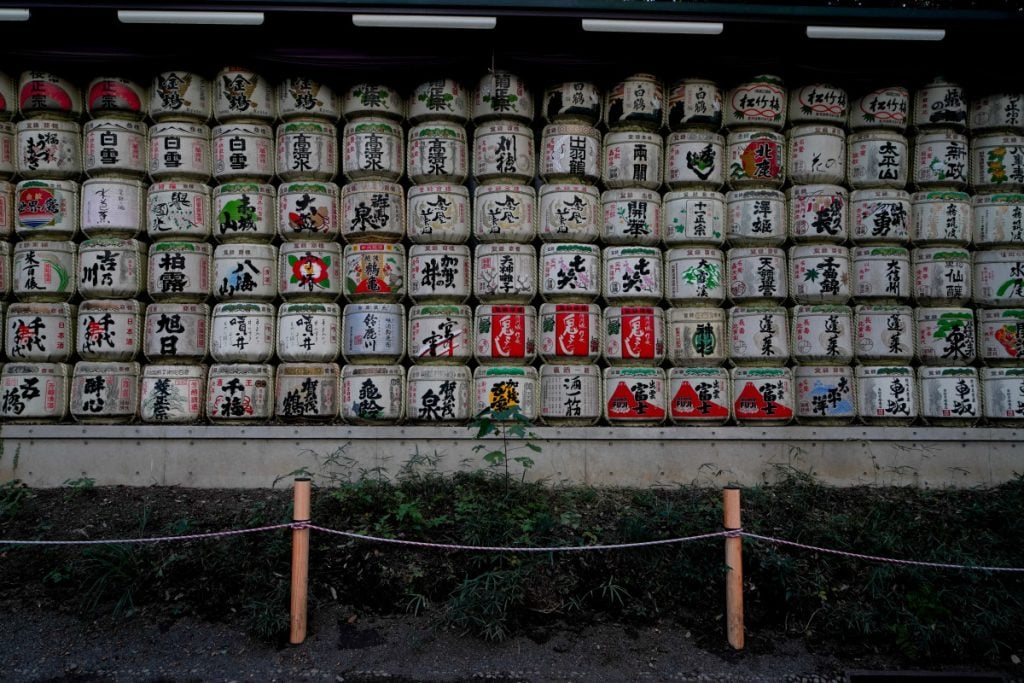
How Much Time in Japan?
While I usually recommend two weeks in Japan, you can see quite a bit in 10 days across the country. You’ll get a feel for the major cities and add time to visit an extra spot for two nights. If you do have more time, consider extending your time in Kyoto or Tokyo or adding places like Kanazawa or Osaka.
What is the Best Way to see Japan?
By train! That’s the beauty of visiting Japan: no car is needed. You can easily traverse the country by train using Japan’s extensive rail network. Curious to learn more about Japanese rail travel? Read my Japan rail guide here.
What is the Best Airport to Fly into for Japan?
My recommendation is always to fly into Tokyo first, either Haneda or Narita. Which airport you fly into is probably determined by your departing airport; just know they’re rather equivalent in distance to the city. For your departing airport, I’d recommend considering somewhere like Osaka International (KIX), depending on your final itinerary.
Practical Tips for Visiting Japan
While there is my comprehensive guide on important things to know about visiting Japan, I want to call out a few tips to know now.

JR Rail Pass Information
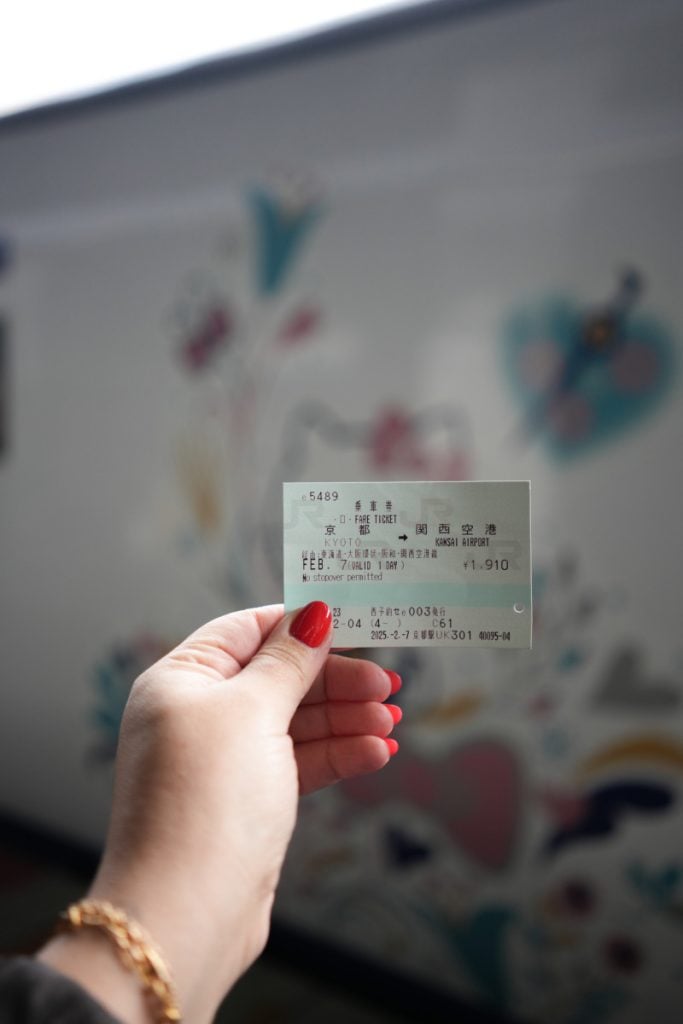
If you plan to take several trains, you may consider paying for a JR Rail Pass, which is a fixed price with unlimited JR Train usage. The catch? You must purchase this before your trip as it is mail-ordered to your home and redeemed on arrival at the airport or a JR train station.
The Japan Rail Pass is a train pass that covers a range of shinkansen (bullet train) travel and JR train lines in Tokyo Metro, as well as a few other modes of transport, such as the ferry to Miyajima. It is available for periods covering 7, 14, or 21 days, and check with this JR Pass Calculator to see if it saves you money based on your itinerary. Book your JR Pass here.
Travel Tip: Unsure about how rail works around Japan? Read my full guide to navigating the Japanese rail system.
Reservations Required
Everything needs to have reservations like your accommodations, restaurants, and big attractions. It’s always a busy season in Japan, even in January. So, as you firm up your itinerary, take the time before your arrival to get everything booked.
You’ll Need Cash
Make sure you have a plan for how you will withdraw cash as Japan heavily relies on cash payments. I use my personal ATM card and take cash out at 7-Eleven when there.
You’ll Need Data
Public Wi-Fi is kind of common but not enough to help you navigate through the city. I use Holafly for an E-sim or I check my carrier’s rates for international. These are the two easiest options for getting data while in Japan.
Editor’s Note: How I Structured This 10-Day Itinerary in Japan

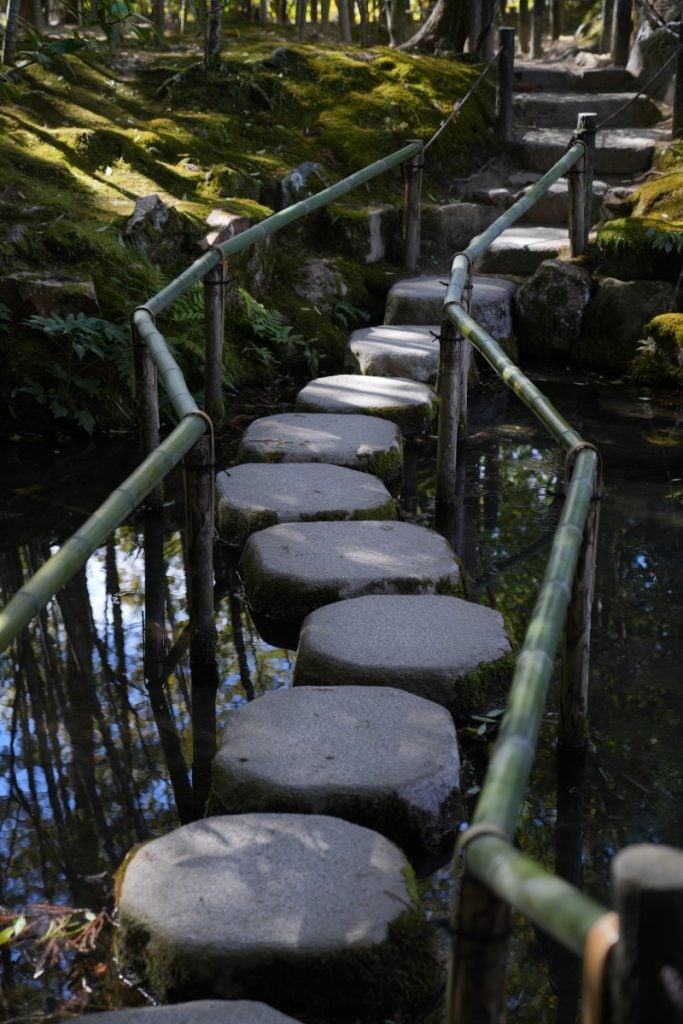
When I think about traveling in Japan, I find myself always gravitating towards two must-see places — Kyoto and Tokyo. They are obvious first choices and for me, a must no matter how frequently visited they are. Beyond that, where you go can be such a wide range depending on your style and desire.
This is why I’ve included two options for the third destination in Japan. First is the Kiso Valley, a historic area of Japan where an easy-going hiking trail connects the historic Edo period post towns. The second is Osaka, a big city with lots of character. This itinerary is designed to begin in Tokyo and then end in Osaka, including visits to both Kyoto and Kiso Valley.
Japan Itinerary Overview
- Days 1-4: Tokyo (3 Nights)
- Days 4-6: Kiso Valley (2 Nights)
- Days 6-10: Kyoto (4 Nights)
- Optional Switch: End in Osaka (2 Nights) instead of visiting Kiso Valley
Stop 1: Arriving in Tokyo

Welcome to Tokyo, the largest city in Japan and the absolute best playground for city lovers. Make peace with the fact that you will barely scratch the surface of this city on any visit because it is truly that big. Chock full of incredible restaurants, endless hip coffee shops, and plenty of neighborhoods to visit, you’ll want to bring your good walking shoes to see it all.
Travel Tip: When you arrive in Tokyo, the first thing you’ll want to do is activate your JR Rail Pass if you have purchased one. You can skip it and choose to do it at a JR Station in Tokyo, but I say knock it out there when you arrive.
Recommended Time: 3 Nights Minimum (can do more if you have the time; read my 5-Day Tokyo Itinerary for more)
Getting to Tokyo from Narita or Haneda Airport
- From Narita Airport, take the JR Narita Express N’EX (JR Pass covers this) for a 1.5-hour train ride to Shibuya Train Station.
- From Haneda, take the Tokyo Monorail to Hamamatsucho Station (about 15 minutes), then transfer to the JR Yamanote Line (green line) to Shibuya Station (about 20 minutes).
Where to Stay in Tokyo
During my trips to Tokyo, I have stayed at economical hotels that were conveniently located for accessing the city. My most recent and best location was the JR-East Hotel Mets Shibuya ($$). Second to this, my other go-to choice has been the Shibuya Granbell Hotel ($$). When it comes to where to stay in Tokyo (my guide linked), there are other neighborhoods to consider. My top recommendation is Shibuya for a first-time trip. Other Shibuya hotels to consider:
- TRUNK HOTEL ($$$), for an eco-chic stay
- The OneFive Tokyo Shibuya ($$), for the best boutique hotel
- Mustard Hotel ($$), for the best modern hotel
Lastly, here are a couple of my top Airbnb picks:
My Favorite Things to Do in Tokyo


- Stroll through Yoyogi Park and Visit Meiji Jingu Shrine — Stretch your legs out in Tokyo’s green space, the serene Yoyogi Park. It’s a lovely spot to start a trip, make your way through, and stop at the Meiji Jingu Shrine.
- Walk Through Harajuku — A classic, quintessential experience in Tokyo is the shiny, bright Takeshita Street that cuts through Harajuku. Anything viral dessert-related can be found here, as well as fun shops and other cafes.
- Shop Through Omotesando — If I had to pick one neighborhood to shop for luxury and vintage items, it would be Omotesando. This is where you’ll find the best stores, like AMORE Vintage Omotesando and QOO.
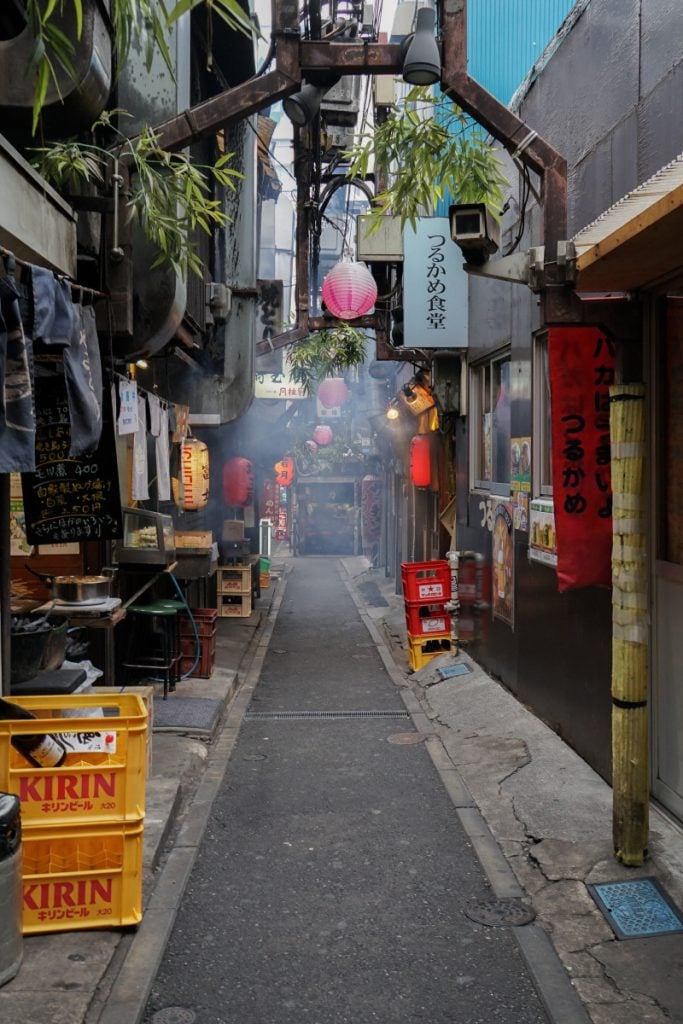
- Eat Local in Omoide Yokocho in Shinjuku — Further up in Shinjuku, make your way to the Omoide Yokocho, an iconic alleyway full of bars and yakitori shops. It’s a fun experience and great to do come nighttime when it lights up.
- Visit the Nezu Museum — An often missed museum in Tokyo, this is one of my favorites for its collection of pre-modern art and its charming gardens out the back.
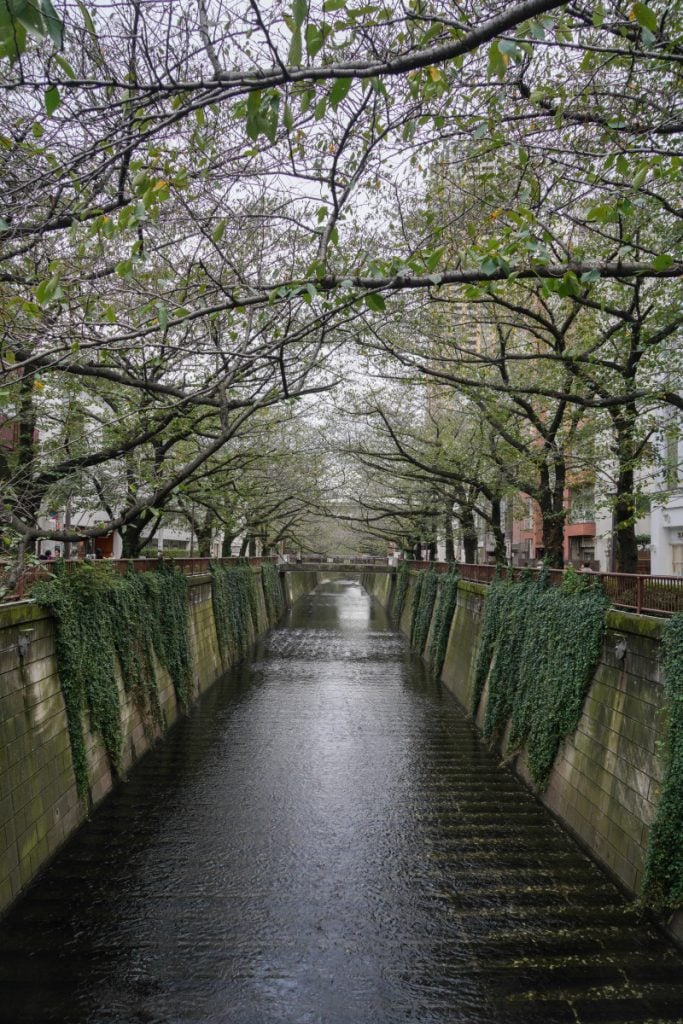
- Stroll and Get Coffee in Nakameguro — Another favorite, low-key neighborhood is Nakameguro. Start at Onibus Coffee and work your way towards Naka-Meguro Park. From there, you can continue to the Meguro River/Meguro neighborhood. Lots of cute stores, cafes, and a lovely riverside stroll known for cherry blossoms.
- See the Famous Shibuya Crossing — Try to experience this once, when everyone crosses the street in every direction.
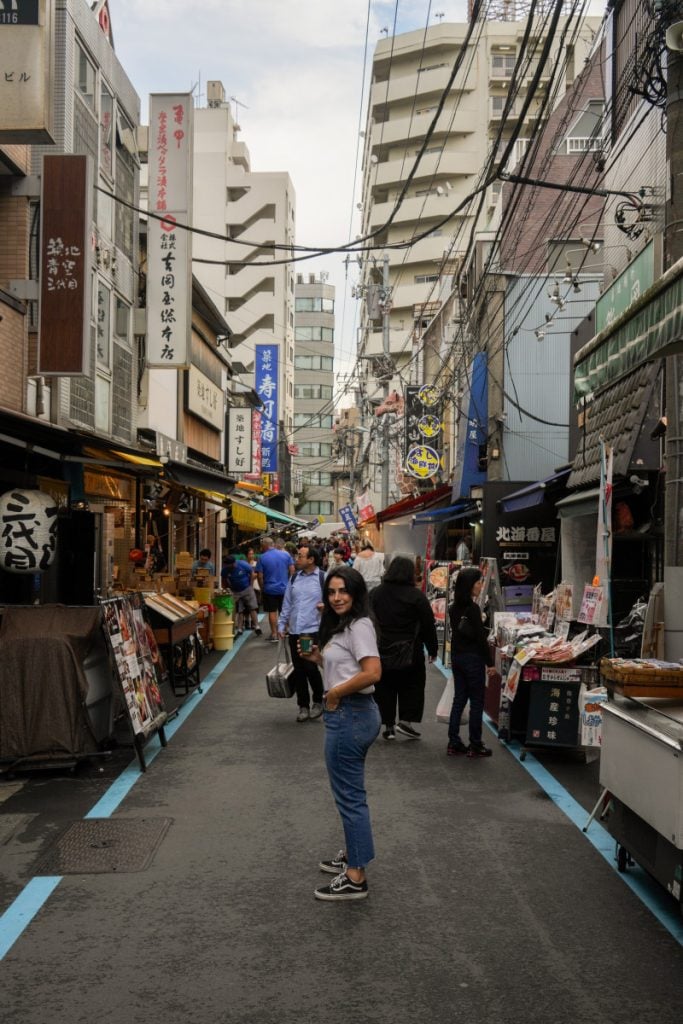
- Eat Your Way through Tsukiji Market — An early morning start is well worth it to get out to the Tsukiji Market. My favorite sushi is Sushizanmai. It’s a bit hard to find, but use Google Maps to find this dozen-seat sushi bar tucked inside for a set menu.
- Experience Retro Shimokitazawa — Another lovely neighborhood that feels very retro with hipster coffee shops and shops. It’s a fun area to explore in the late afternoon and stay through dinner. I always stop at Fog Linen for their small-batch linens and get a coffee at Bear Pond Espresso.
- Visit teamLab Planets — For those looking for the arts, teamLab Planets is one museum exhibit worth pre-booking tickets for. Its interactive spaces and exhibits are very fun and worth experiencing!
The Best Restaurants in Tokyo

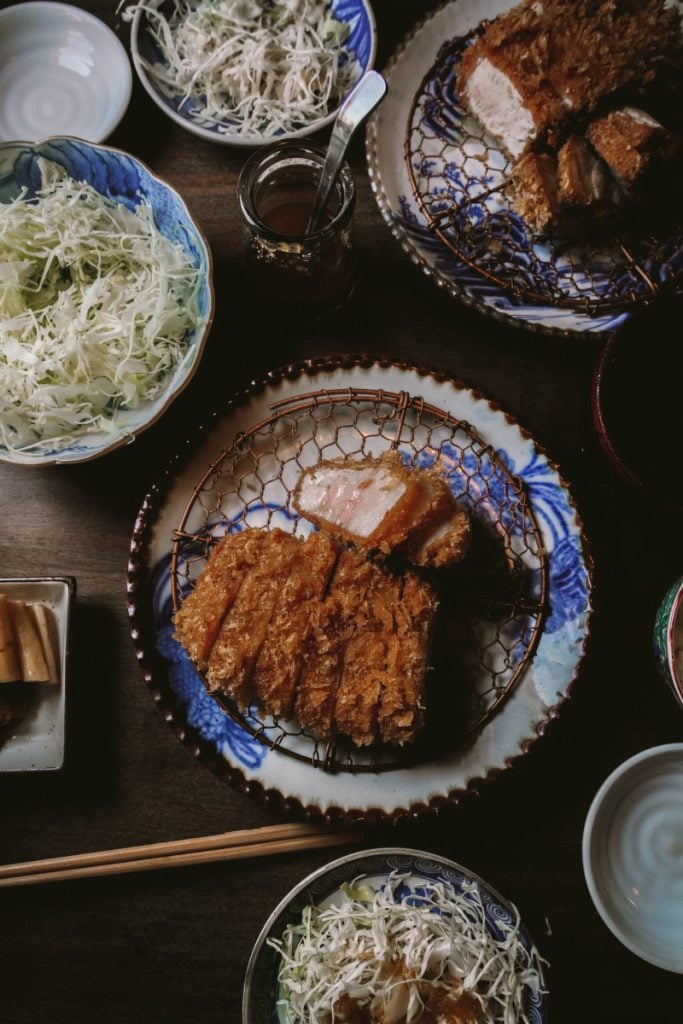
- FUKU Yakitori — This is the one meal I’d get on a plane for. I start and end every trip to Tokyo here. It is an intimate restaurant, yakitori only, and do ask to sit at the bar.
- Sakura-Tei Restaurant — A fun restaurant in the Shibuya area where you can grill and make your own okonomiyaki.
- Butagumi — My favorite splurge meal, it’s a reservation-only restaurant that specializes in tonkatsu.
- Sagatani Shibuya Dogenzaka — This great soba noodle spot in Shibuya, order at the vending machine and they will bring it to you.
- Sushizanmai Main Branch — This is the sushi restaurant I love out in Tsukiji Market. Get there at opening time to get a seat.
- Ramen Jiro Mita Honten — Our favorite ramen spot in the city — it’s out of the way in Minato City, and there is always a line, but it’s so worth it.
The Best Coffee Shops in Tokyo


- Onibus Coffee
- CAMELBACK Sandwich & Espresso
- Coffee Supreme Tokyo
- Blue Bottle (Multiple locations, Aoyama is my favorite)
- Café Kitsune
- Bear Pond Espresso
Where to Take a Day Trip From Tokyo
There are several wonderful day trips to consider from Tokyo, which is quite easy as the trains are so well connected. Here are a few of the most popular Tokyo day trip options (with train times):
- Hakone, for the lake, museums, and nature (1.5-2 hours)
- Odawara Castle, for a historic fortress (40 minutes)
- Nikko National Park, for time in nature (2 hours)
- Kawagoe, for traditional Edo-period town (1 hour)
Sample Itinerary for Tokyo (Read my full Tokyo itinerary)
- Day 1 — Get settled in Shibuya. Grab a coffee at Coffee Supreme, then stroll over to Yoyogi Park and see the Meiji Jingu Shrine. Walk Takeshita Street and over to the Omotesando area. Get lunch at Sakura-Tei and shop in the neighborhood. Spend the afternoon at Nezu Museum and walk back to the Shibuya Scramble Crossing. Get dinner at FUKU Yakitori.
- Day 2 — (I’ve done this day at least 3x now) Early morning out to Tsujiki Market, have breakfast at Sushizanmai Main Branch. Stroll the market and then take a taxi over to teamLab Planets to see the exhibit. From there, I would take a taxi over to Ramen Jiro Mita Honten for lunch before continuing to Shimokitazawa for the afternoon (20 min drive vs 1 hour on the train) and exploring this neighborhood. Doing all the outer edges of Tokyo on this day. Come nighttime, head up to Omoide Yokocho Alley in Shinjuku to grab a bite in the alley and get drinks afterward in Golden Gai.
- Day 3 — Morning in Nakameguro and Meguro neighborhood, starting with coffee at Onibus. Open in the afternoon, consider visiting either the Imperial Palace or more of Shibuya. End your last night with dinner at Butagumi.
- Day 4 — Departure mid-morning for Kiso Valley or Kyoto, depending on your itinerary choice.
Stop 2: Kiso Valley
(Optional, or Skip for 2 Nights in Osaka at the End of Itinerary)
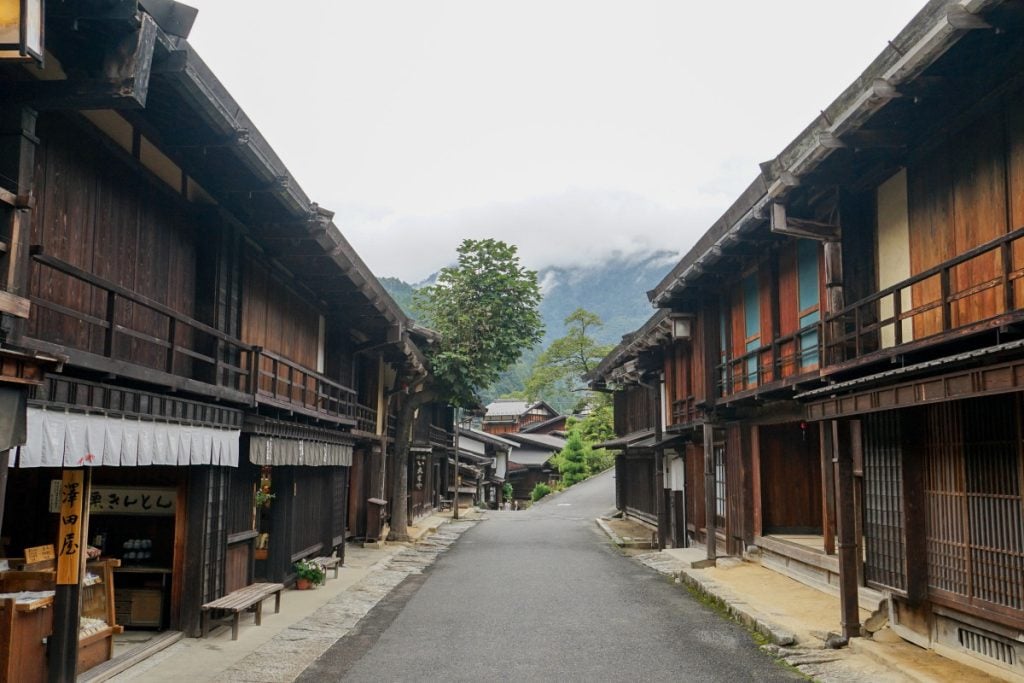
If I could pick one place to add to any Japan trip itinerary, it would be the Kiso Valley. Dare I say the Kiso Valley has been one of the most impactful places I’ve visited in all of my travels? The Kiso Valley, set in the Nagano Prefecture, is a valley that runs through the Central Alps of Japan. The ancient trade route dating back to the Edo Period ran through here, connecting many post towns back by way of the Nakasendo Trail (“path through mountains”).
Today, most visitors head to the towns of Magome and Tsumago (formally spelled “Tsumago Juku”), which have been carefully preserved. They’re connected by a sleepy stone path that winds through the forests, up and through gardens and farms. It’s an experience that, for me, is quintessentially Japanese. You’ll stay in a ryokan, have dinner, and slow down your pace. It’s a large contrast to Tokyo or Kyoto and a welcomed change that is worth the effort to get there.
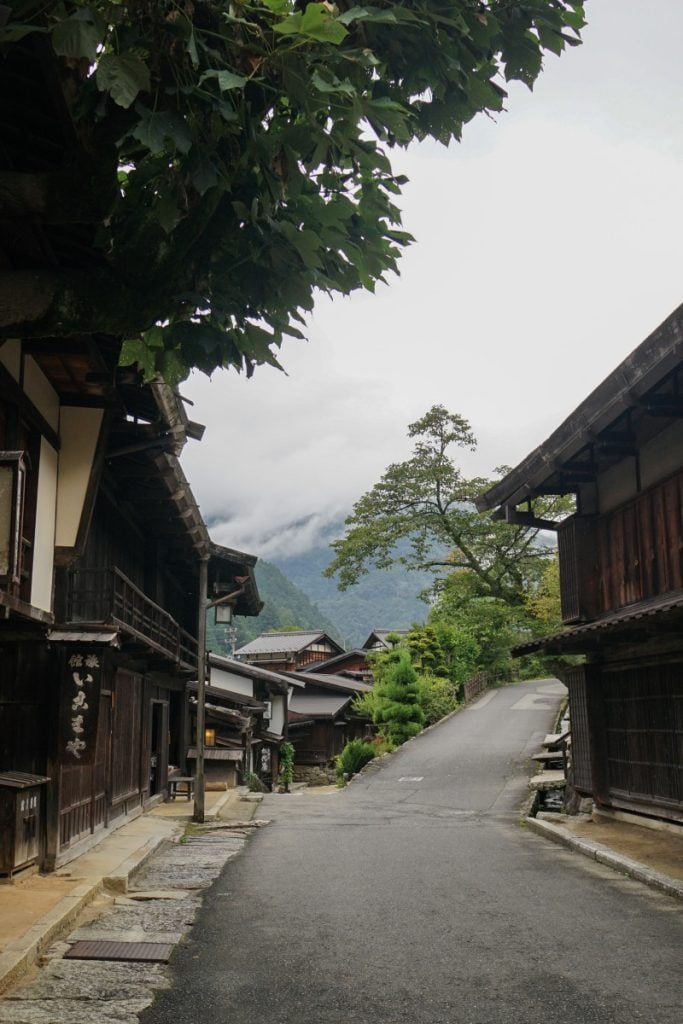

Travel Tip: There is not much here outside of experiencing the post-towns, staying in a ryokan, and hiking the short trail. But that’s the point. It’s slow, intentional travel. If this doesn’t appeal, I’d skip the Kiso Valley and head straight for Kyoto, adding on 2 nights in Osaka at the end.
Recommended Time: 2 Nights (arrive late afternoon, no rush to get to the valley before then)
Getting to the Kiso Valley (Tsumago Juku) From Tokyo
It will take anywhere from 3 to 3.5 hours, and your final train station is Nagiso Station. You’ll want to catch the high-speed Tokaido Shinkansen Nozomi Hakata from Tokyo Station to Nagoya Station (1 hr 36 min). At Nagoya Station, transfer to the Shinano Limited Express Nagano (1 hr) to Nagiso Station. From there, it’s a 5-minute taxi ride into Tsumago Juku.
Where to Stay in the Kiso Valley
With the two main post towns of Tsumago and Magome, I suggest Tsumago Juku (not O-Tsumago). It’s a touch quieter and closer to the Nagiso Station for arriving and departing. It is primarily ryokans here where you’ll enjoy your breakfast and dinner (almost a must as there is very limited dining), and everything is booked directly. My top choices are:
- Fujioto Ryokan — This is my first choice, and it was unfortunately booked out in advance when we came. I toured it during our stay; the rooms are stunning and very minimal, and their food offerings were lovely.
- Shimosagaya — We stayed here; it was pretty much the only place we could get a room. It was basic, did the job, and felt like we had a classic ryokan experience. I think there are better choices if you can get them.
- Daikichi — Another lovely higher-end experience in Tsumago, this is my second choice for a ryokan here, and the owner speaks English.
- Matsuhiroya Ryokan — A reputable traditional ryokan in Tsumago.
- Tsumago Local Stay — For a uniquely local stay, rent a room in this traditional home in Tsumago.
My Favorite Things to Do in the Kiso Valley

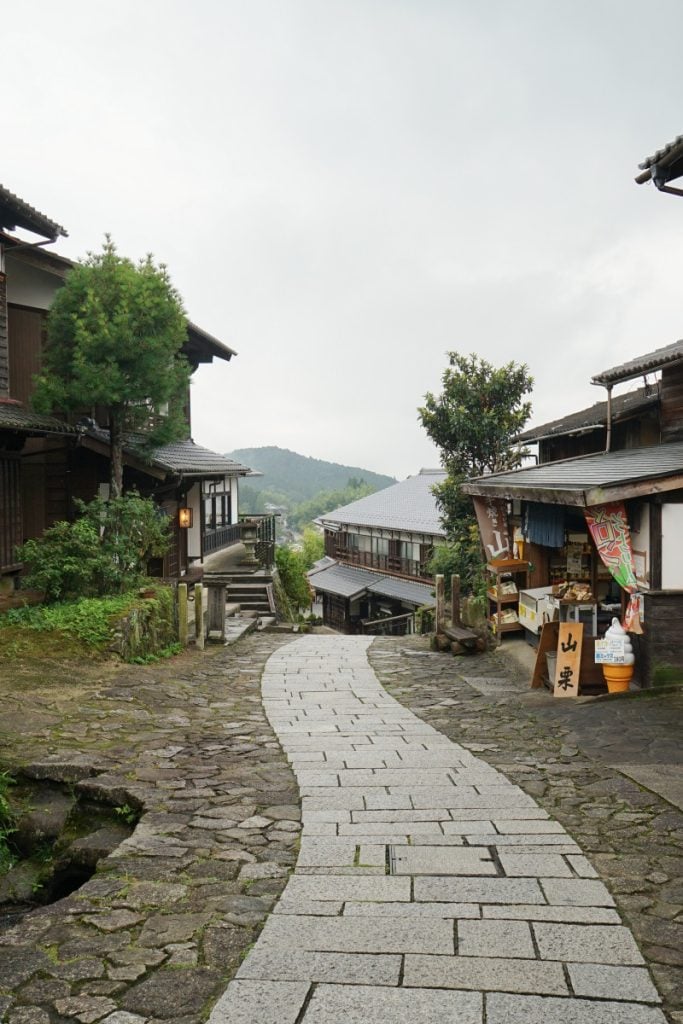
- Explore the Post Towns of Magome and Tsumago — Just the experience of the towns themselves is really the charm. Go for a stroll, pop your head into the local shops, and soak in the history. There’s an incredible feeling here when you’re visiting.
- Hike the Nakasendo Trail — At the end of Tsumago, you can catch the trail that winds through the forest over into Magome (Trailhead Location). It is clearly marked and may take 3 hours at a slow pace for the 8 km. You’ll pass by Odaki and Medaki Waterfalls and stop at Tateba Tea House for a cup of tea made over the fire along the way.
- See Manpuku-an Eishoji in Magome — A small local temple right in Magome.
- Shop Local Confectionary and More – Across the two post towns, you’ll find a handful of awesome local stores selling everything from souvenirs to confectionaries. Seek out Wachinoya Pastry Shop, Iwaiya, and Tamaruya in Tsumago. And in Magome, look out for Yamashiroya, Shimizuya, Suzumiya, and Magomekan.
Where to Eat in the Kiso Valley
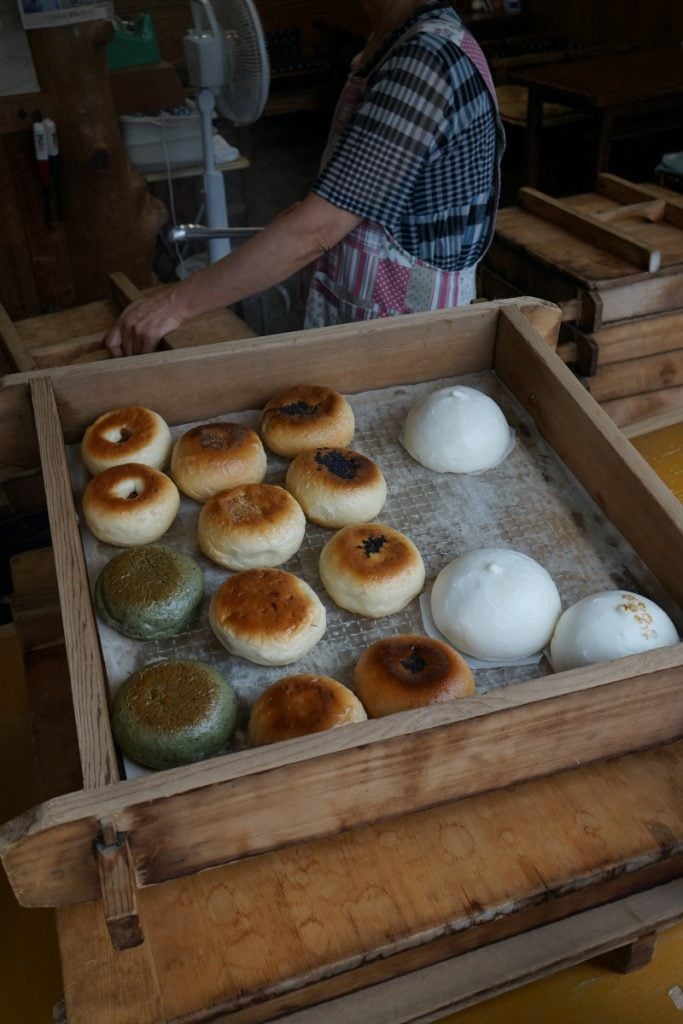

- HillBilly Coffee Company (Magome) — Good local spot for a cup of coffee.
- Cafe Kappe (Magome) — The spot for local desserts and treats.
- Konohanaya (Tsumago) — One of the better-rated restaurants for snacks, desserts, and drinks.
- Yamagiri Shokudo (Tsumago) – Option for a more heartier meal like curry rice and udon soups.
- Good Day Coffee & Bar (Tsumago) – This coffee spot in Tsumago usually opens around 8:30.
Sample Itinerary for the Kiso Valley (Read my full Kiso Valley guide)
- Day 1 — Arrive late afternoon in Tsumago and check into your ryokan. Get settled, stroll the town, and then have dinner at your Ryokan.
- Day 2 — Have breakfast at your ryokan, and mid-morning, begin the Nakasendo Trail to Magome. Stop for tea at Tateba Tea House and see the Odaki and Medaki Waterfalls. Have a late lunch in Magome and shop in the town. Hike back, or consider taking the bus back. Dinner at your ryokan.
- Day 3 — Depart for Kyoto after breakfast.
Stop 3: Kyoto


How many times can one visit Kyoto and still discover something new? After 4 visits, I feel like there are still more incredible things to do in Kyoto that I haven’t done yet. Kyoto sets itself apart from the rest of Japan. An ancient city steeped in delicate traditions and centuries-old historic sites, it’s one of the places that immerses you in rich history.

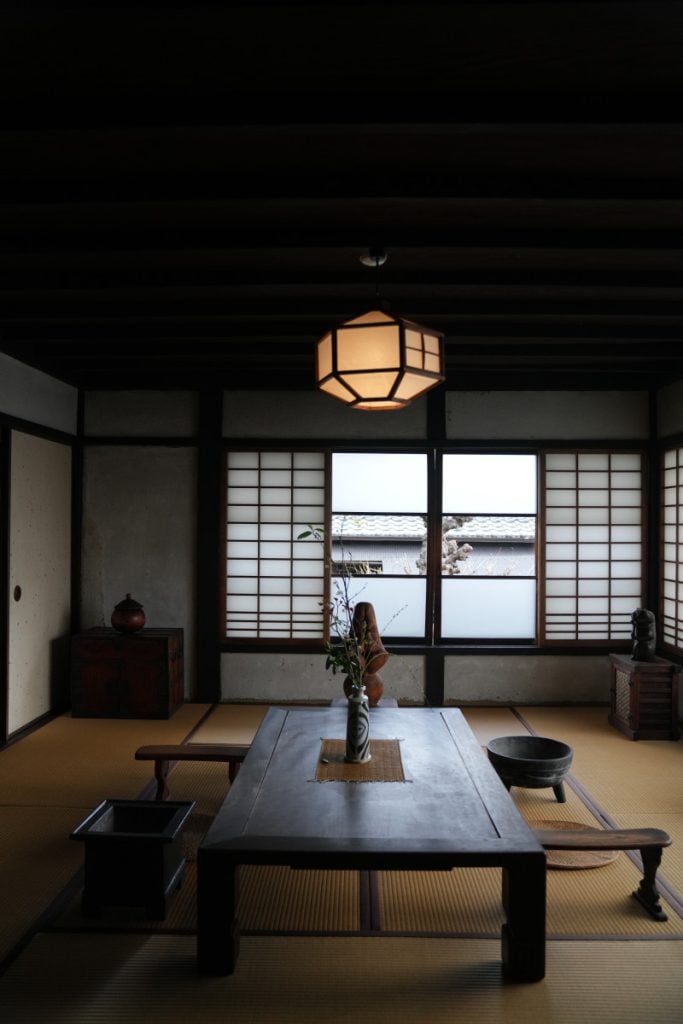
While the downside is undoubtedly the crowds, there are still ways to experience Kyoto quietly, often with early rises and seeking further afield. I adore Kyoto, its endless coffee shops, amazing local artisan stores, and memorable eats are a few highlights.
Travel Tip: Don’t skip the early starts — sunrise in Kyoto means fewer crowds, so pick out the top places for each morning.
Recommended Time: 4 nights minimum. This is my Kyoto 3 to 4-day itinerary, though I could easily spend a week here, so the more time you have, the better.
Getting to Kyoto from the Kiso Valley
Get on Shinano 2 Limited Express Nagoya (1 hr 9 min) at Nagiso Station for Nagoya Station. Switch to the Tokaido Shinkansen Nozomi for Kyoto Station (34 minutes).
Where to Stay in Kyoto

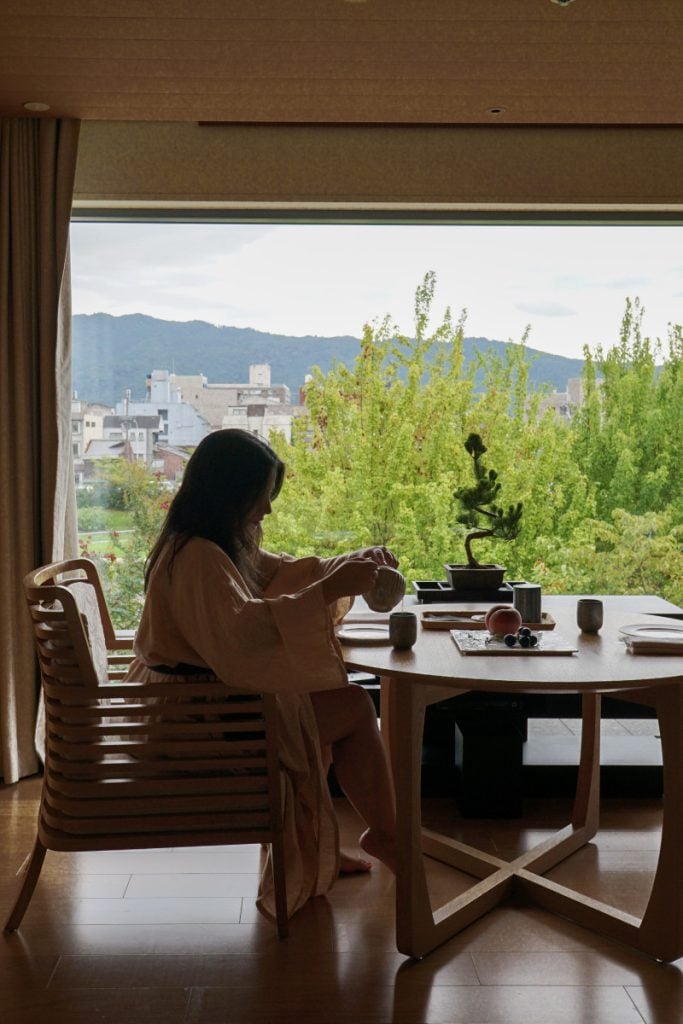
When it comes to deciding where to stay in Kyoto (guide linked), I typically switch between Downtown Kyoto and Southern Higashiyama. In January, I stayed at Hotel The Celestine Gion ($$) and loved the location and feel of the hotel in the quiet neighborhood. I’ve also enjoyed the Kyoto Granbell Hotel ($$) in the past. A few suggestions:
Downtown Kyoto
- Ritz-Carlton Kyoto ($$$), for the best luxury hotel
- Cross Hotel Kyoto ($$), for the best location
- Hotel Mystays Kyoto Shijo ($), for the best budget-friendly hotel
- 2 Bedroom Traditional Machiya with a Private Garden Hot Tub
- 2 Bedroom Architect-Renovated Machiya Near the Imperial Palace
Southern Higashiyama
- Four Seasons or Six Senses Kyoto ($$$), for the best luxury hotels
- Hotel The Celestine Gion ($$), for the best location
- Kyoto Granbell Hotel ($$), for the best design-for-dollar hotel
- 2 Bedroom Restored Machiya in the Heart of Gion
My Favorite Things to Do in Kyoto

- Visit the Temples — There are endless temples to visit in Kyoto. If I were to select my favorites, they would be Honen-In Temple, Fushimi Inari Taisha, Kiyomizu-dera Temple, Kinkaku-ji Golden Temple, Tofuku-ji Temple zen garden, Otagi Nenbutsuiji Temple, Adashino Nenbutsuiji Temple, and the gardens of Tenjuan Temple.
- Stroll the Philosopher’s Path — A really nice historic path to stroll in Northern Higashiyama. I always love to come this way for a walk along the canal and visit the shops and cafes here.
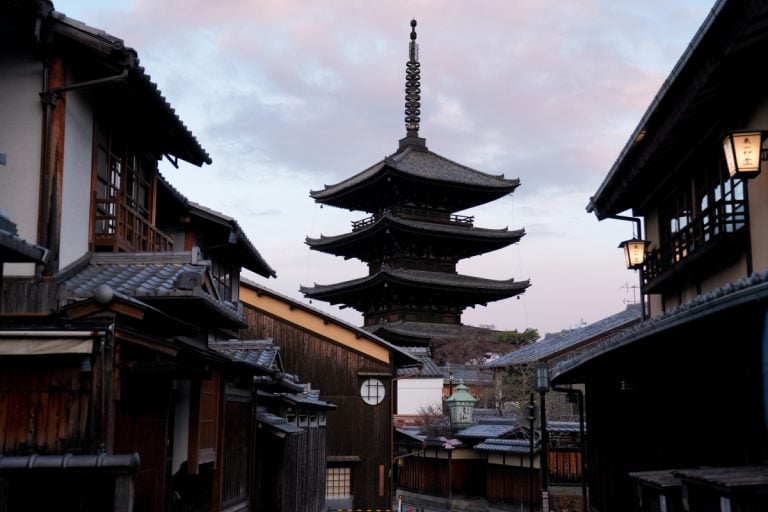
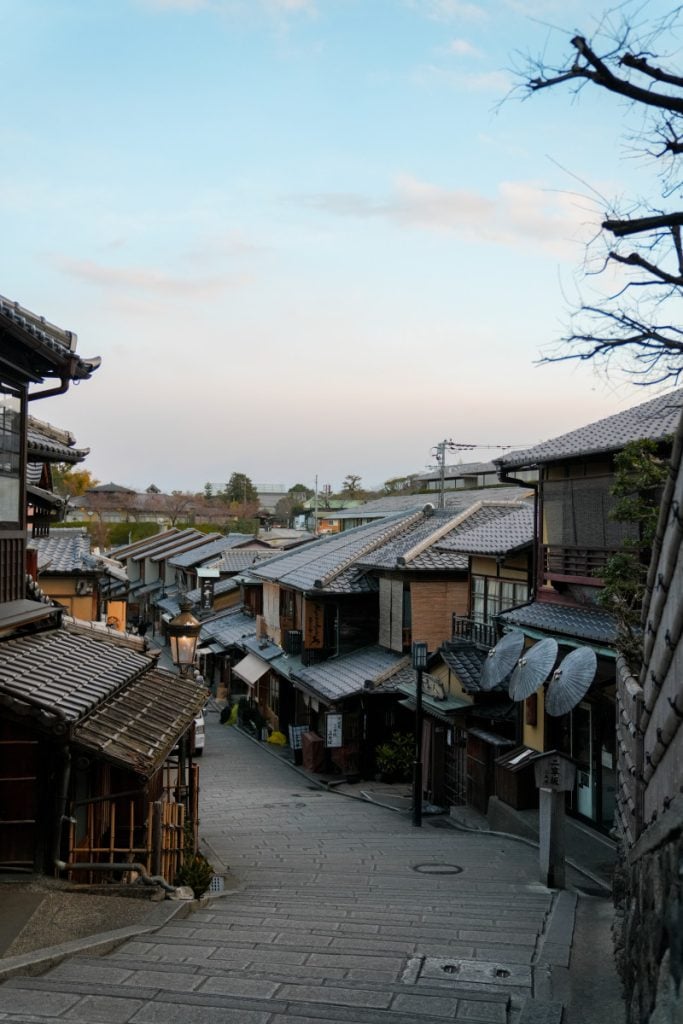
- Explore the Higashiyama District — There is so much to do in this district, from temples to shrines, shopping, and great food. Sannenzaka Street is the heart of it all, which visiting at sunrise is always a quiet treat.
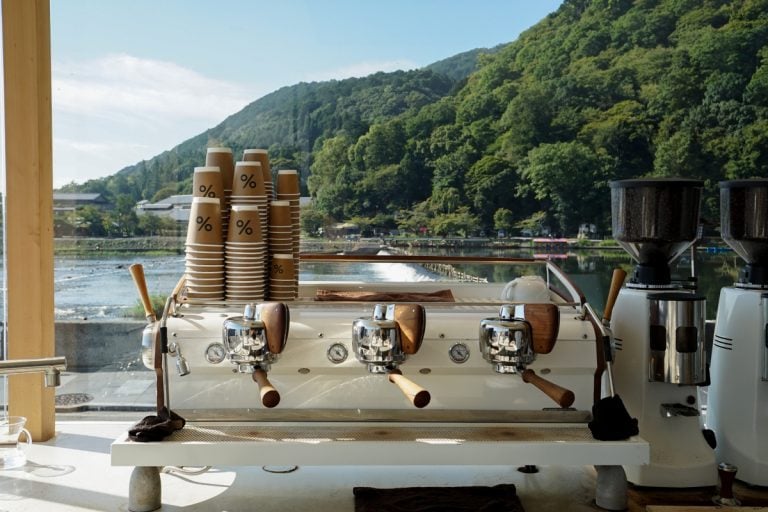
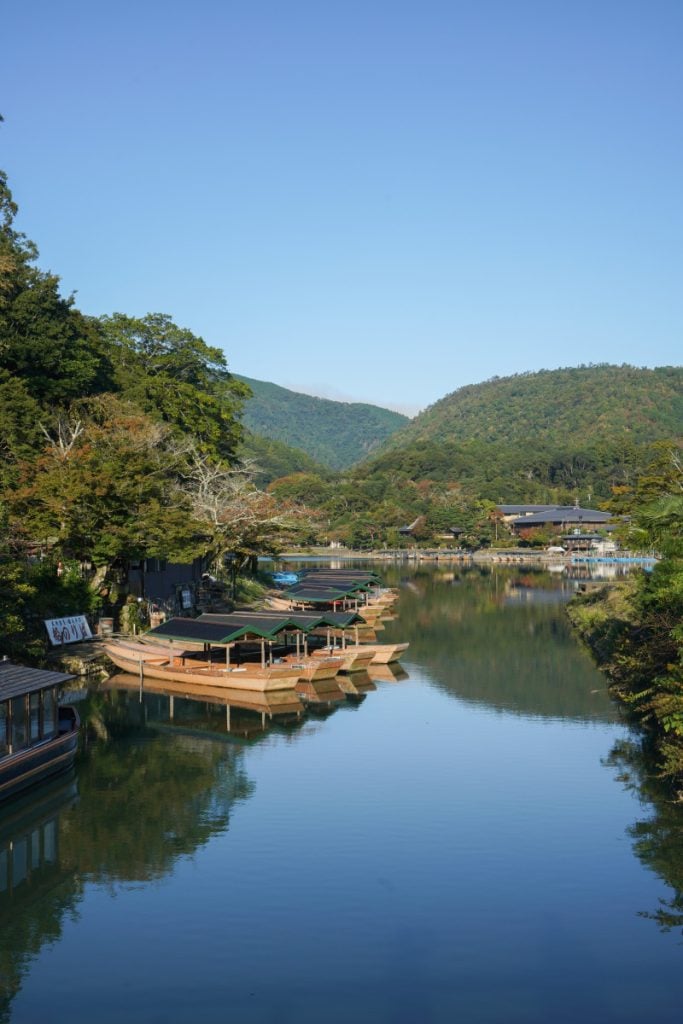
- Spend a Morning at Arashiyama Bamboo Grove — Wake up with the sun to go stroll the bamboo grove in Arashiyama. I love making my way over to the Hozu River and then grabbing a coffee at %Arabica afterward.
- Tour Kawaii Kanjiro Home — A recent gem that I discovered was the Artist Kawaii Kanjiro’s home, which can be toured. A beautiful restored machiya, there are two floors and his studio space available to walk through.
- Join A Food Tour Through Nishiki Market — If you want to do all things food-related, there’s no better way than hopping on a food tour through Nishiki Market.
Read: The Best Things to Do in Kyoto for more tips!
The Best Restaurants in Kyoto

- Monk — Make sure to reserve in advance for this 12-seat restaurant, which is well known for its take on Italian meets Japanese with wood-fired pizza.
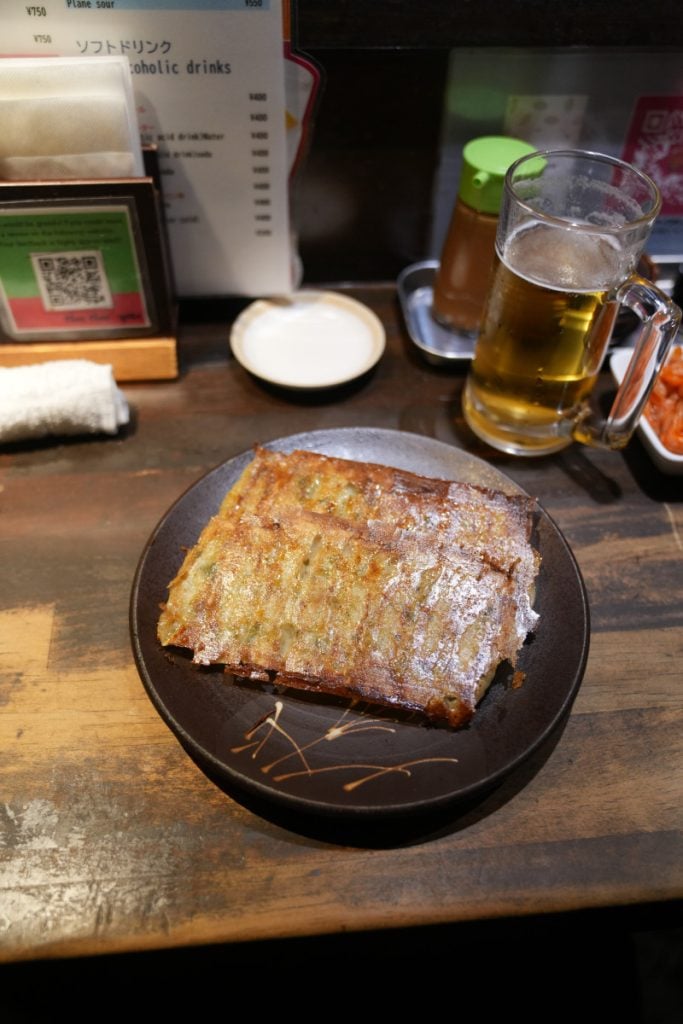
- Chao Chao Sanjo Kiyamachi — I eat here every trip. These are the best gyoza in town, and it is walk-in only. The staff are very welcoming and just an overall blast.
- Honke Daiichiashi — My favorite ramen in the city next to the train station — I usually do lunch here on the way in or out.
- Mizuki at Ritz-Carlton Kyoto — A great splurge dinner in town if you’re looking to experience kaiseki cuisine, reserve in advance.
- Saryo Tesshin — My most recent trip brought me to this Michelin-rated restaurant for soba noodles in the most elegant space.
- Omen Noodle House — A fun one for getting to try traditional udon noodles with a variety of small plates.
- Ashioto — A modern take on izakaya, reserve in advance for this young restaurant. I liked most of the dishes, I suggest taking their tips for what to order!
- Aoi — Adored eating at this 12-seat restaurant right off Pontocho Alley. It’s women-owned/operated, and the cuisine is traditional Obanzai from Kyoto.
- Rokujuan — A reservation is needed for this historic tea house that serves beautiful warabimochi and matcha.
The Best Coffee Shops in Kyoto
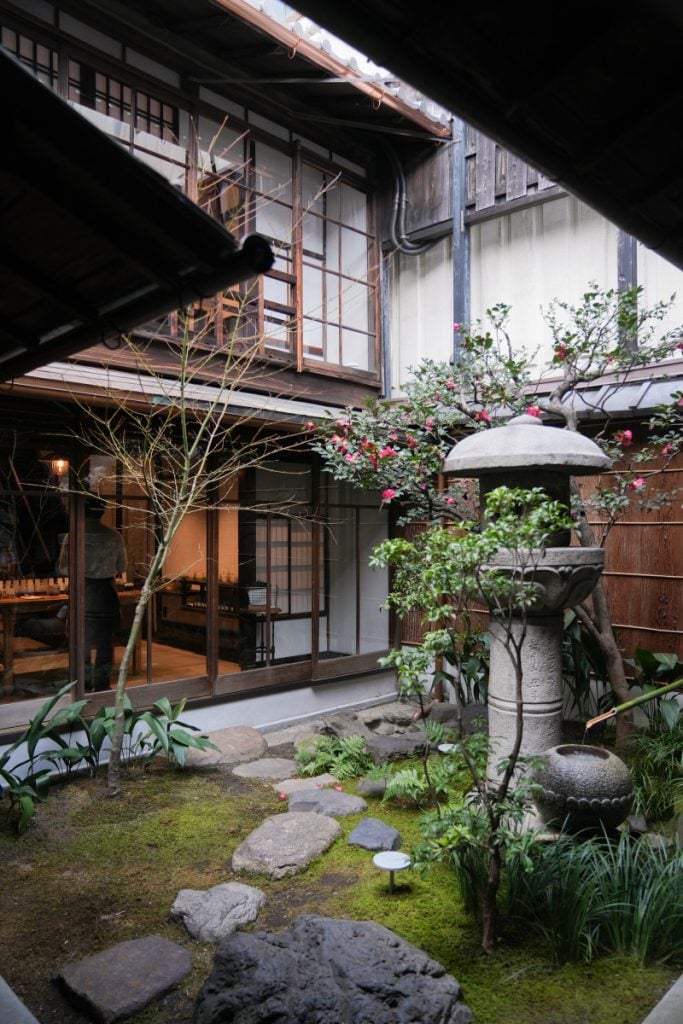

Where to Take a Day Trip From Kyoto


- Nara — The number one day trip I highly recommend you should do is Nara. It’s a wonderful experience set in nature, with loads of temples and beautiful trails to walk. Follow my exact Nara day trip itinerary from Kyoto to plan your time.
- Osaka – If you’re not spending time in Osaka, you can easily do it on a day trip if you want. It’s not my first choice, mostly because you have already done a city in Tokyo, but it’s certainly an option if you find yourself with extra time. I’d go to Dotobori Street, stroll the river, and eat local. Follow my in-depth travel guide to Osaka to plan your time.
Sample Itinerary for Kyoto (Read my full Kyoto itinerary)
- Day 1 — Arrive in Kyoto and grab a quick lunch at Honke Daiichi-Asahi for ramen. Transfer to your hotel and settle in. Begin at Nishiki Market, stroll the stalls, try local food, and get a custom knife at Aritsugu Nishiki Market. For a coffee fill, head over to Weekenders Coffee or Le Labo Machiya. This neighborhood has a lot to see, so I suggest doing a few laps around. By sunset, make your way to the Kamo River to catch the views. End your night in Pontocho Alley and get gyoza at Chao Chao.
- Day 2 — Sunrise at Arashiyama Bamboo Grove is well worth it. From there, stroll around and head out to the Katsura River through Arashiyama Park Kameyama Area. The direction you’re headed is to % ARABICA Kyoto Arashiyama, which opens at 9 am. While you’re over here, I’d take a taxi over to Adashino Nenbutsuji Temple or do the 30-minute walk, which has a secret bamboo grove, and then make the walk up to Otagi Nenbutsuji Temple (a personal favorite). From there, take a taxi over to Saryo Tesshin for lunch, stroll the neighborhood with a coffee stop at Cafe Bibliotic Hello!, and shop at APFR KYOTO. For the afternoon, I’d stroll the Philosopher’s Path, pop into Hōnenin Temple, and get an early dinner at Monk (reservation needed).
- Day 3 — Make your way early over to Fushimi Inari, where you’ll need an hour or two to traverse the mountain if you want to. From there, head to Tōfuku-ji Temple for the stunning, famous zen gardens. I would work back up to the Higashiyama Ward, going to Ichikawaya Coffee for their omurice and fruit sandwich. Visit Kawaii Kanjiro’s home, shop at POJ Studio, and oud. Make your way to Sannenzaka Street (you’ll go back for sunrise; this is to shop). Stroll the area and stop in at Kōdaiji Temple Ichinenzaka Kanaamitsuji for amazing homeware. See Kodaiji Temple and then end with sunset at Kiyomizu-dera. For dinner, I would get a res at Aoi for obanzai cuisine.
- Day 4 — Take the earliest train down to to arrive by 8 am (30-40 minutes). Follow this exact Nara day trip, which will keep you in Nara until about 2 pm. Take a train back to Kyoto, and consider visiting the Tenjuan Temple. I’d stroll the Gion district at sunset, your best chance to see a geisha. End with dinner somewhere like Mizuki at the Ritz-Carlton Kyoto or Ashioto.
- Day 5 — Start with sunrise at Sannenzaka Street before your departure. If you arrive by 7 or 7:30, the streets are rather empty. Book in for tea/sweets at 11 am at Rokujuan, and then catch the direct train from Kyoto to KIX for your flight out of Osaka.
Alternate Stop for Kiso Valley: Osaka

If you decide to skip the Kiso Valley, the next obvious place to add to your itinerary for 2 nights would be Osaka. I’ve personally spent about five days there this year and come to enjoy it. I don’t list it first, more so because I would still choose to prioritize Kyoto and Tokyo, but the city does offer a lot if you’re interested in exploring more.
Osaka is much more of an approachable-sized city in terms of things to do and see. You have a strong food culture, known as Japan’s kitchen, and a lovely restaurant scene. A handful of temples, some nearby that are well worth seeing too, make it a convenient and often more affordable place to visit.


Travel Tip: Osaka can work as an alternate base if you’re looking to do a day trip to Nara and other nearby temples. Hotels here are in general more affordable, providing a lower cost for the traveler.
Recommended Time: 2-3 Nights.
Getting to Osaka from Kyoto
Take the direct train from Kyoto Station to Osaka Station (40-60 minutes).
Where to Stay in Osaka


The best base in Osaka is near Namba — this is the heart of the city and the food you’ll want to experience. I stayed at the Cross Hotel Osaka ($$) near Namba Station, which was affordable and couldn’t have been better located. For my last two nights in the city, I stayed at the Zentis Osaka ($$) near Osaka Station, an adorable design boutique hotel. The Zentis was lovely and if you’re just coming into Osaka for a night or two, this is a good base as you’d be right by the main train station. Other Osaka hotels to consider:
- Citadines Namba Osaka ($$), for the best elevated apartment stay for families
- Hotel Royal Classic Osaka ($$), for the best mid-range Namba hotel
- Centara Grand Hotel Osaka ($$$), for the best luxury Namba hotel
Read: For more places to stay, read my guide on where to stay in Osaka.
My Favorite Things to Do in Osaka

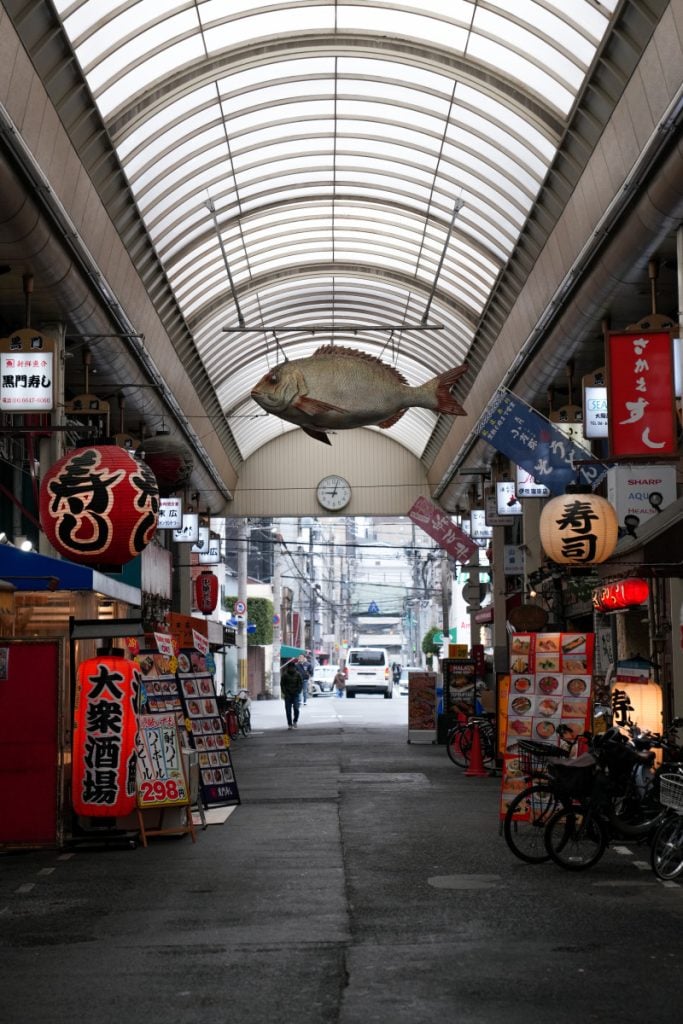
- Explore Dotombori Area — From Dotunburi Street to Hozenji Yokocho Street, this is the heart of the action in Osaka. Here, you’ll find places like Hozen-ji Temple, the Tombori Riverwalk, and loads of street food to enjoy.
- Visit Namba Yasaka Shrine — One of the most impressive shrines with the large lion head; I’d go out of the way to see this one.
- Eat your way through Kuromon Ichiba Market — The best food market in Osaka has two long halls of dozens of stalls, cafes, restaurants, and grocers. Great spot to try food, and get into Osaka’s food scene.
- Get traditional matcha at wad — My favorite stop in Osaka was an afternoon matcha and traditional dessert at wad. This wabi-sabi tea house felt very serene and a world away from the city.
- Book a Food Tour in Shinsekai — Shinsekai is the city’s ode to the retro and vintage past that made Osaka the colorful food playground it is. No better way to jump in than taking a food tour with a local guy.
- Visit the Nakanoshima Museum of Art, Osaka (NAKKA) — This was my favorite museum in the city, with rotating exhibits and stunning architectural building. Nearby, stop at Graf for coffee and shopping.
- Spend time in Shitennoji Temple and Tennoji Park — They make a great combination to visit together. Shitennoji Temple is one of the oldest and most significant Buddhist temples in Japan.
Read: The Best Things to Do in Osaka for more tips!
The Best Restaurants in Osaka

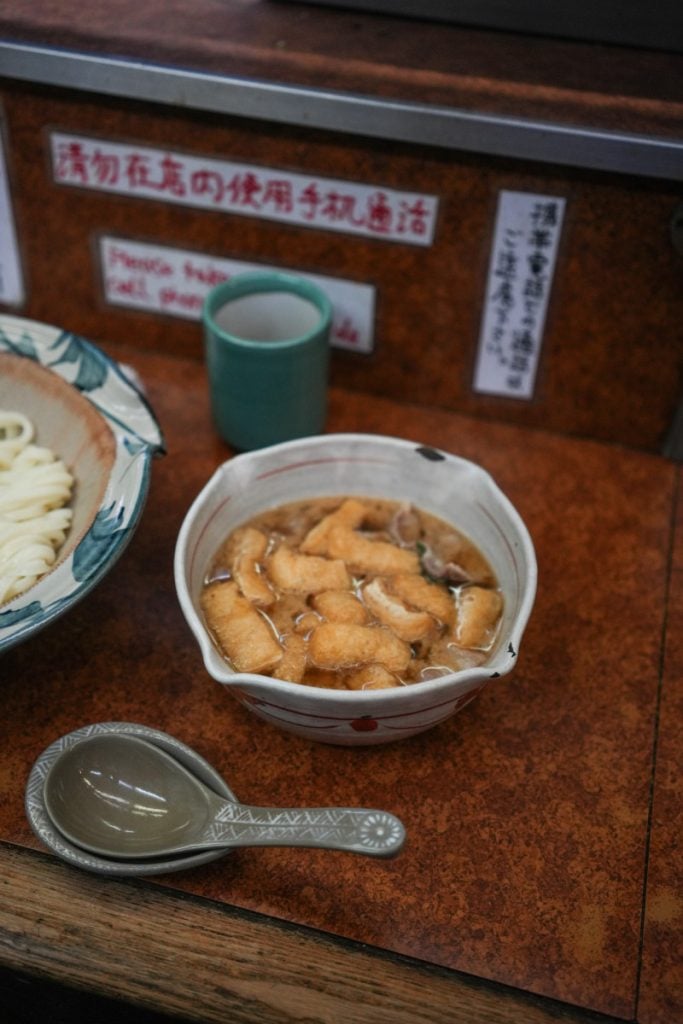
- Kawafuku Honten — Had the best bowl of udon soup at this tucked-away local spot.
- Houzenji Sanpei and Chibo — For the best okonomiyaki
- Takoyaki Wanaka Sennichimae — My favorite takoyaki was this spot over near Namba Station.
- Sumiyaki-shoten Yo Ohatsutenjin — For traditional kaiseki, seek out this alley restaurant for good eats.
- Yakiniku Kitan — This is the spot in town for all things beef — make sure to reserve in advance to skip the long lines.
The Best Coffee Shops in Osaka
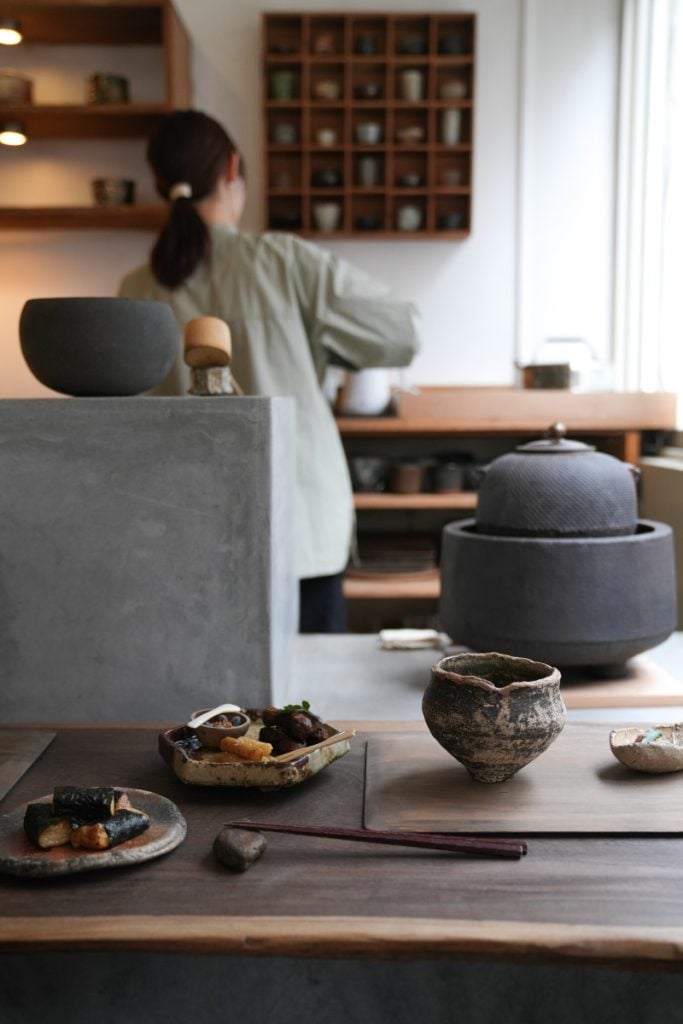

- Neel Cafe
- Bear Paw Cafe
- CANELÉ du JAPON Nagahori-shop
- Ourlog Coffee Roasters
- Tsutaya Bookstore
- Glitch Coffee
- LiLo Coffee Roasters
- CAFE & BAR OMNIBUS
Where to Take a Day Trip From Osaka
- Nara — If you haven’t done Nara yet, this is the best day trip to choose first from Osaka. Takes about 45-60 minutes. follow the Nara day trip itinerary to maximize your time.
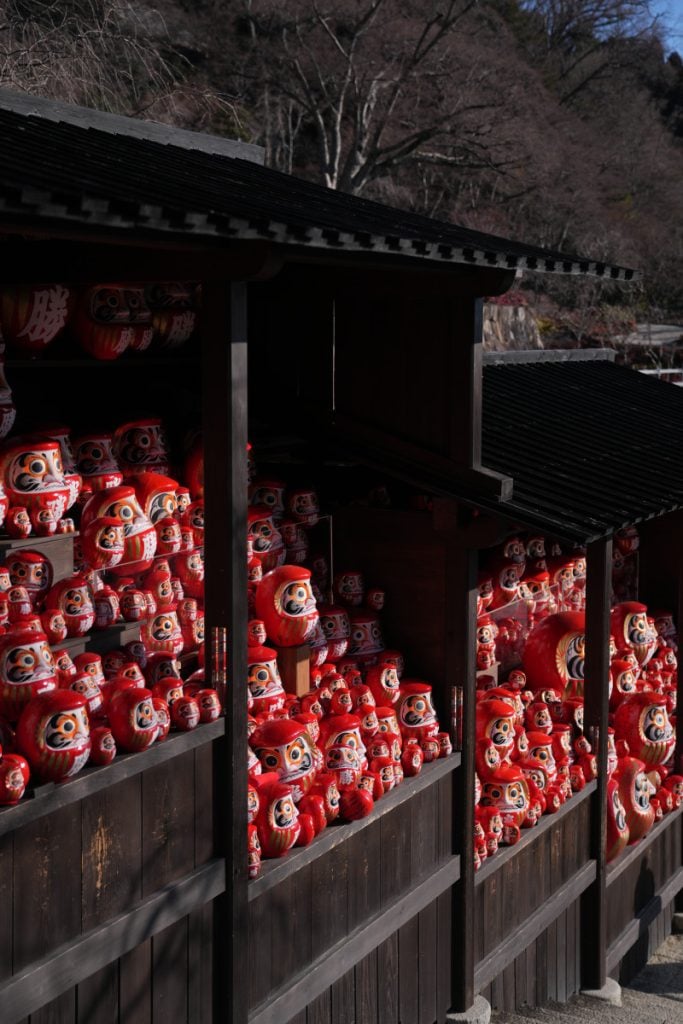
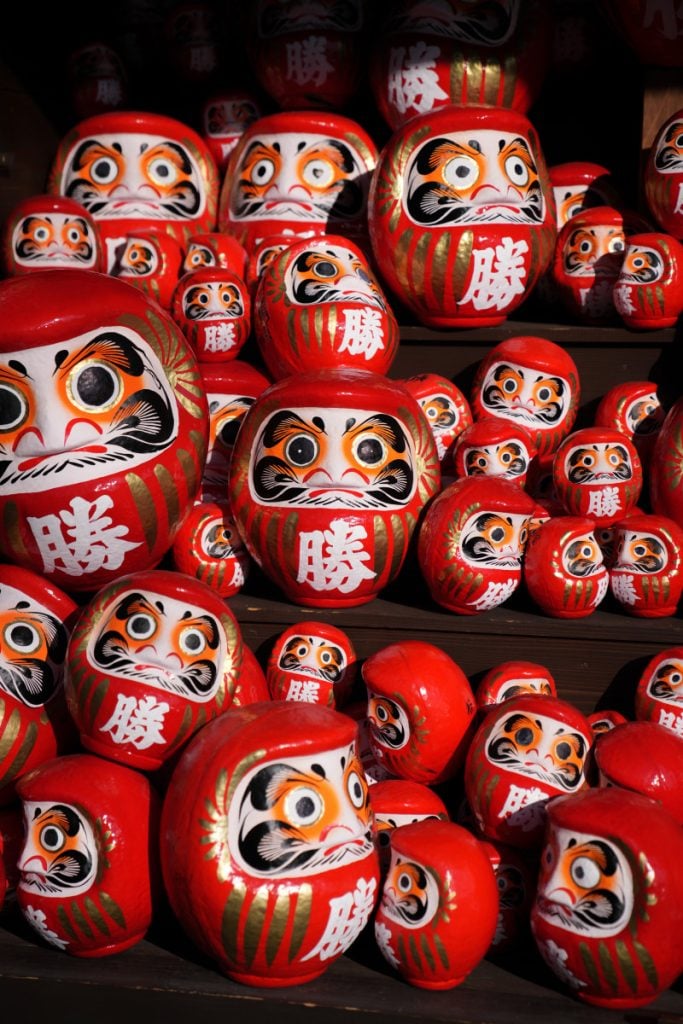
- Kutsuo-ji Temple — My favorite day trip from Osaka was out to Kutsuo-ji Temple, the temple of Daruma dolls. Take the Midosuji Line to Minoh-Kayano Station from Namba, Shin-Osaka, or Osaka Station. Hop on the local Hankyu bus to Katuso-ji or take a taxi (3000 yen) to the temple.
Sample Itinerary for Osaka (Read My Full Osaka Itinerary)
- Day 1 — Get settled in your hotel and make your way to the Dotonburi District to explore. I’d stroll the main drag, pop into shops, and get takoyaki at Wanaka Sennichimae. For dinner, stroll over to Kawafuku Honten for a quiet meal.
- Day 2—In the morning, start at Namba Yasaka Jinja Temple, visit markets like Kuromon Ichiba, and eat lunch at Yakiniku Kitan or Chibo. From there, head to wad for afternoon tea, visit the NAKKA Museum, and consider booking the food tour through Shinsekai for the evening.
- Day 3 — Wake up early, make your way out to Katsuoji Temple (8-11 am), and come back into the city for lunch at Neel. Consider seeing Shitennō-ji Temple and Tennoji Park before your departing flight out of KIX.
Save This Post for Later on Pinterest


PS — Are You Booking a Trip Soon? Use My Booking Checklist!
These are the sites I use most to book my own trips. Using the links below is a great way to support Bon Traveler’s travel journalism at no extra cost to you. If you need help organizing your itinerary, get my free travel itinerary template here.
1. Book Your Accommodations
I use Booking.com for hotels and Airbnb for vacation rentals. They have the biggest inventory and consistently offer the best rates.
2. Book Your Rental Car
Self-driving is the best way to explore most destinations. I use Discover Cars for our rental cars, select full coverage insurance, and opt for a reputable company like Alamo, Hertz, or Sixt.
3. Book Your Tours & Experiences
I use Viator, Airbnb, and Get Your Guide to find the best tours and experiences. They are my favorite tour search engines. I always check all three as their inventory varies depending on the destination.
4. Book Your Private Transfers
For easy, reliable private transfers, I use Welcome Pickups. It’s my go-to for arranging a driver in advance — whether it’s an airport pickup, a hotel-to-hotel transfer, or a day trip. The experience is seamless, with English-speaking drivers and upfront pricing, so you can travel stress-free at every stage of your trip.
5. Get Cell Data for Your Trip
I use Holafly for international cell data. Their unlimited data eSIMs are easy to install, activate instantly on arrival, and let you skip local SIM cards and expensive roaming fees.
6. Don’t Forget Travel Insurance
I never leave the country without travel insurance. It provides comprehensive protection in case anything goes wrong (ie. illness, injury, theft, or cancellations).
My favorite companies that offer the best coverage and rates are:
- World Nomads (best for all-around)
- Safety Wing (best for frequent travelers)
Xx,
Jessica